The Best Mike Myers Movies Ranked
From Groovy Spies to Ogre Icons
Explore the definitive ranking of Mike Myers' career highlights, featuring comedy classics like Wayne's World, Austin Powers, and the Shrek franchise.
About Mike Myers

To understand the cultural architecture of modern comedy, one has to pass through the vivid, slightly manic brain of Mike Myers. He is not merely an actor who delivers lines; he is a meticulous architect of the catchphrase, a performer who builds entire universes out of a wig, a prosthetic nose, and a hyper-specific vocal inflection. While many of his Saturday Night Live contemporaries sought to play the straight man or the relatable everyman, he leaned into the grotesque and the absurd, transforming himself into a series of icons that defined the collective vocabulary of the nineties and early aughts.
The world first truly surrendered to his charms with Wayne’s World, a film that turned a basement-access cable spoof into a generational anthem for the bored and the suburban. As Wayne Campbell, he captured a specific brand of earnest, heavy-metal innocence that felt both satirical and affectionate. It was a delicate balance he maintained throughout the decade, even when pivoting to the dark, neurotic romanticism of So I Married an Axe Murderer. Yet, if Wayne was his introduction to the pantheon, Austin Powers was his coronation. By resurrecting the swinging sixties through the lens of a libido-driven secret agent in Austin Powers: International Man of Mystery, he created a franchise that became a global fever dream. Between the sequels The Spy Who Shagged Me and Goldmember, his ability to play multiple roles—the hero, the villain, and the henchman—displayed a Peter Sellers-level commitment to the bit that few of his peers could match.
Audiences connect with him because there is an undeniable, joyful craftsmanship behind his absurdity. Even under layers of green swamp-ogre CGI in Shrek, his performance resonated because of its grounded vulnerability. He voiced the character with a weary Scottish lilt that turned a fairy tale subversion into one of the most successful animated franchises in history, proving through Shrek 2 and its subsequent chapters that his comedic timing translated perfectly to family-friendly pathos. He possesses a rare gravity that allows him to disappear, making it easy to forget that the man beneath the prosthetics is the same performer who can hold his own in prestige dramas.
In his later career, he has drifted toward the shadows of the frame, emerging for scene-stealing character work that reminds us of his chameleon-like range. Whether playing a cynical record executive in Bohemian Rhapsody—a meta-wink to his own head-banging history—or appearing in the stylized worlds of Quentin Tarantino’s Inglourious Basterds and David O. Russell’s Amsterdam, he remains a master of the transformative moment. He doesn't just show up; he inhabits a space entirely, often leaving the audience wondering if they actually saw him or just the vivid ghost of a new character. He remains a singular force in entertainment, an artist who treated the silly with the seriousness of high art, ensuring that his "yeah, baby" and "party on" mantras remain etched into the granite of pop culture.
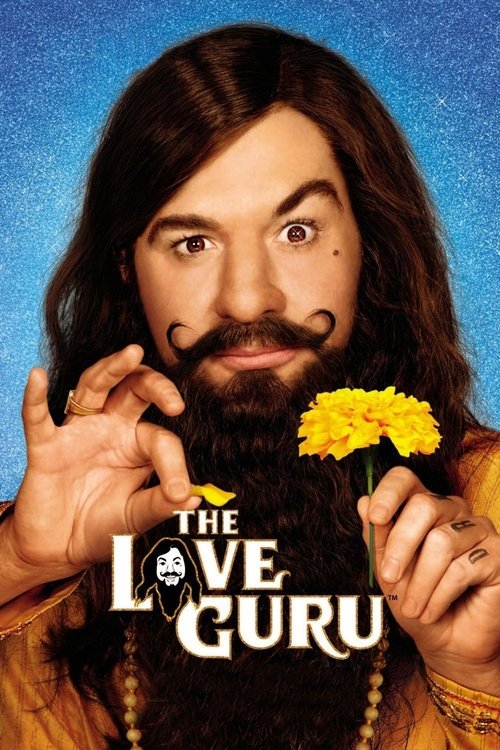
The Love Guru
2008Born in America and raised in an Indian ashram, Pitka returns to his native land to seek his fortune as a spiritualist and self-help expert. His skills are put to the test when he must get a brokenhearted hockey player's marriage back on track in time for the man to help his team win the Stanley Cup.
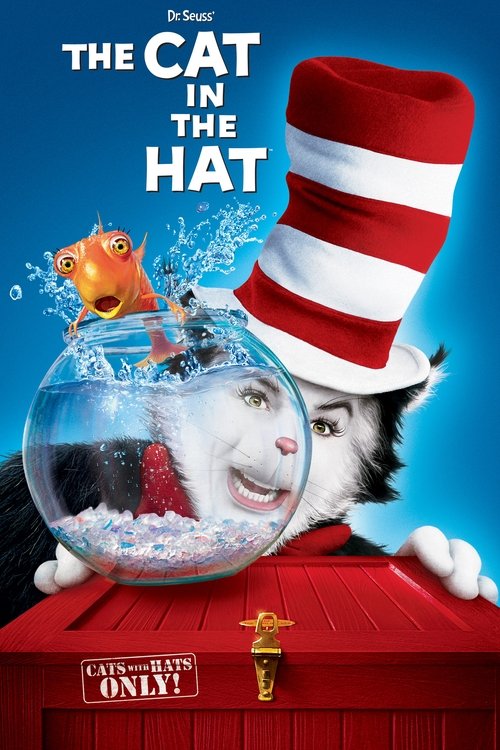
The Cat in the Hat
2003During a rainy day, and while their mother is out, Conrad and Sally, and their pet fish, are visited by the mischievous Cat in the Hat. Fun soon turns to mayhem, and the siblings must figure out how to rid themselves of the maniacal Cat.
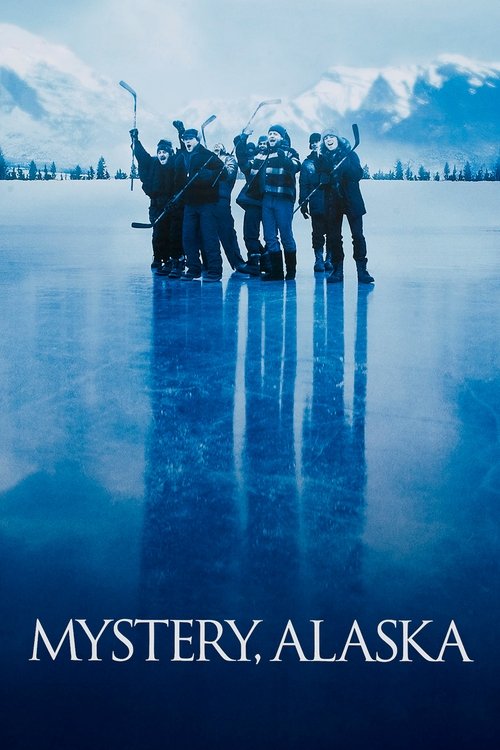
Mystery, Alaska
1999In Mystery, Alaska, life revolves around the legendary Saturday hockey game at the local pond. But everything changes when the hometown team unexpectedly gets booked in an exhibition match against the New York Rangers. When quirky small-towners, slick promoters and millionaire athletes come together.

Amsterdam
2022In the 1930s, three friends—a doctor, a nurse, and an attorney—witness a murder, become suspects themselves and uncover one of the most outrageous plots in American history.
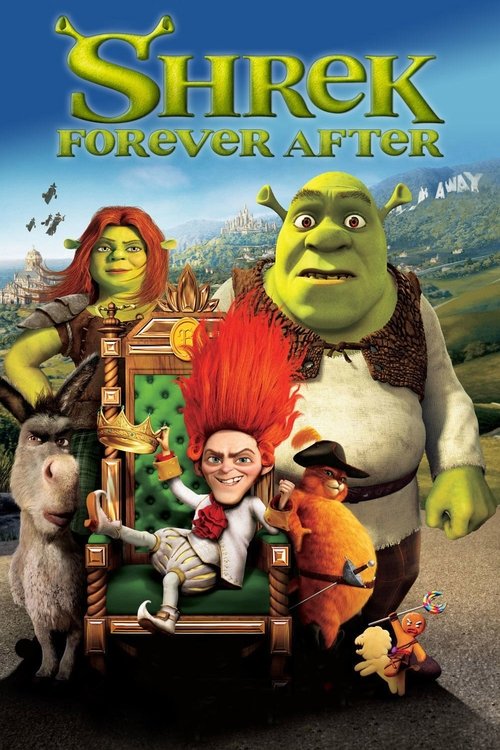
Shrek Forever After
2010A midlife-crisis burdened Shrek, longing for the days when he felt like a real ogre, makes a pact with magic deal-maker Rumpelstiltskin. But when he's duped and sent to a twisted version of Far Far Away—where Rumpelstiltskin is king, ogres are hunted, and he and Fiona have never met—he sets out to restore his world and reclaim his true love.
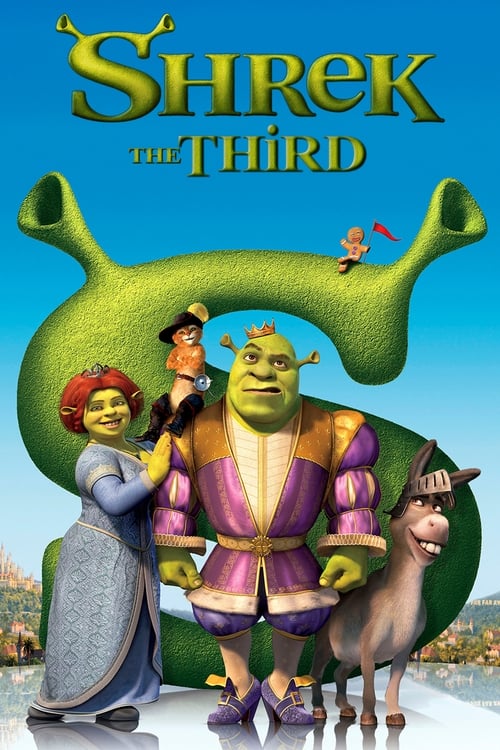
Shrek the Third
2007The King of Far Far Away has died and Shrek and Fiona are to become King & Queen. However, Shrek wants to return to his cozy swamp and live in peace and quiet, so when he finds out there is another heir to the throne, they set off to bring him back to rule the kingdom.
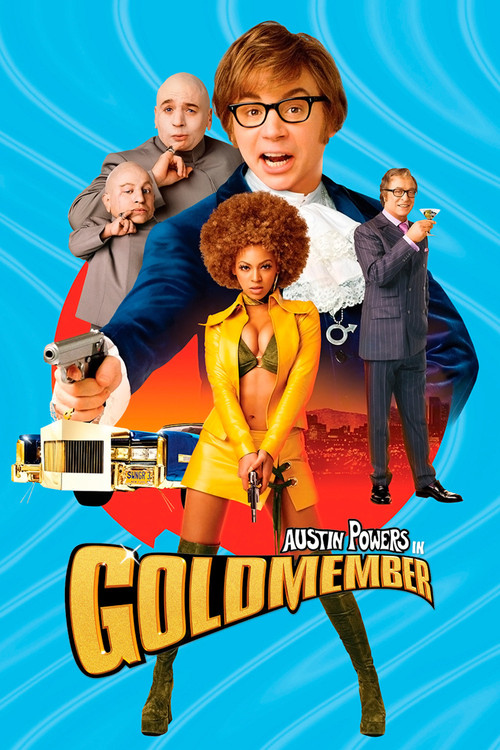
Austin Powers in Goldmember
2002The world's most shagadelic spy continues his fight against Dr. Evil. This time, the diabolical doctor and his clone, Mini-Me, team up with a new foe—'70s kingpin Goldmember. While pursuing the team of villains to stop them from world domination, Austin gets help from his dad and an old girlfriend.
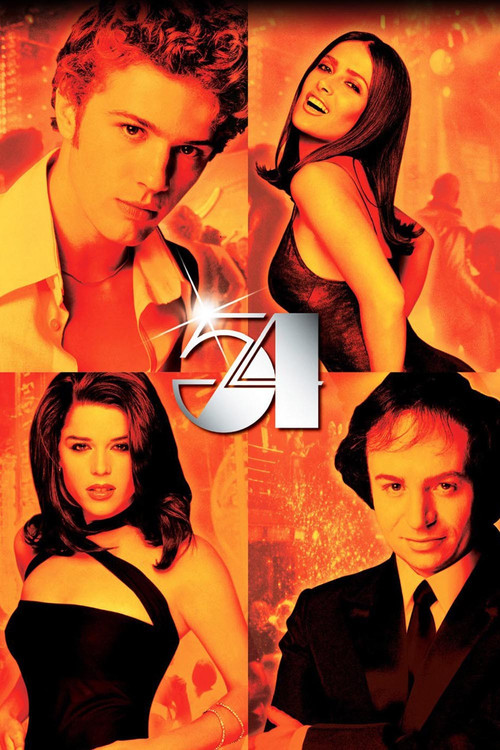
54
1998When the mastermind behind New York's infamous Studio 54 disco plucks young Shane from the sea of faces clamoring to get inside his club, he not only gets his foot in the door, but lands a coveted job behind the bar — and a front-row ticket to the most legendary party on the planet!
Shedding the security blanket of slapstick, Myers leans into a sleazy, dark sophistication that hinted at a pivot toward character-driven indie dramas he rarely revisited.
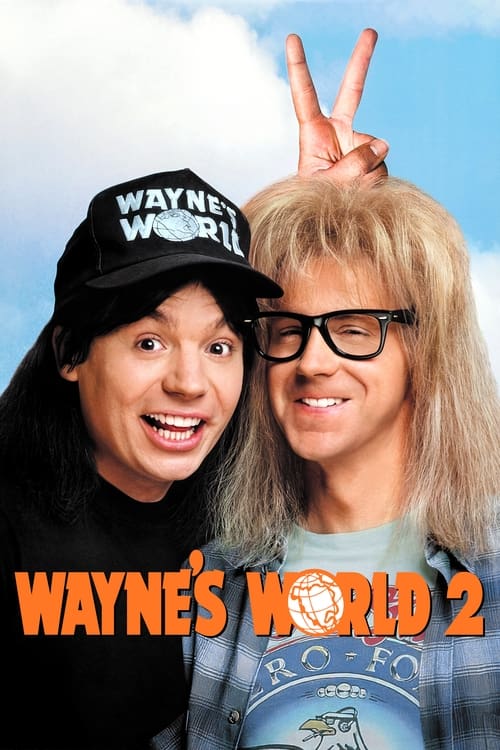
Wayne's World 2
1993A message from Jim Morrison in a dream prompts cable access TV stars Wayne and Garth to put on a rock concert, "Waynestock," with Aerosmith as headliners. But amid the preparations, Wayne frets that a record producer is putting the moves on his girlfriend, Cassandra, while Garth handles the advances of mega-babe Honey Hornée.
While iterating on established rhythms, Myers demonstrates his knack for expanding a character’s mythology without losing the slack-jawed sincerity that made the original work.
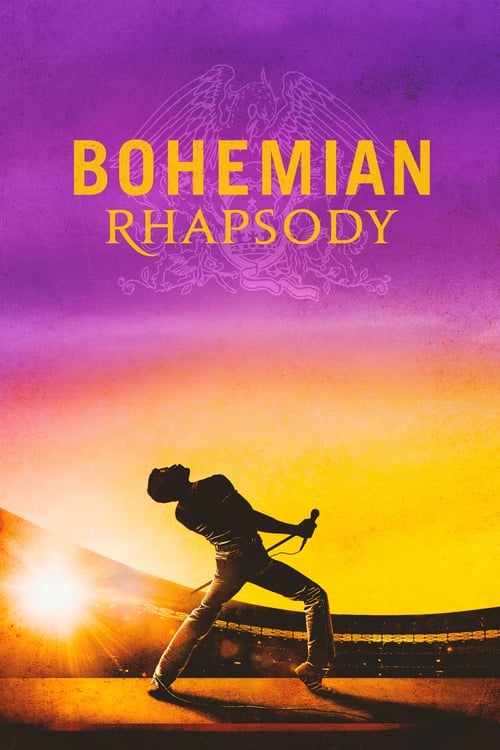
Bohemian Rhapsody
2018Singer Freddie Mercury, guitarist Brian May, drummer Roger Taylor and bass guitarist John Deacon take the music world by storm when they form the rock 'n' roll band Queen in 1970. Hit songs become instant classics. When Mercury's increasingly wild lifestyle starts to spiral out of control, Queen soon faces its greatest challenge yet – finding a way to keep the band together amid the success and excess.
Utilizing a sly wink to his own cinematic legacy, Myers’ unrecognizable transformation into a skeptical record executive serves as the ultimate meta-commentary on his influence over pop-culture history.
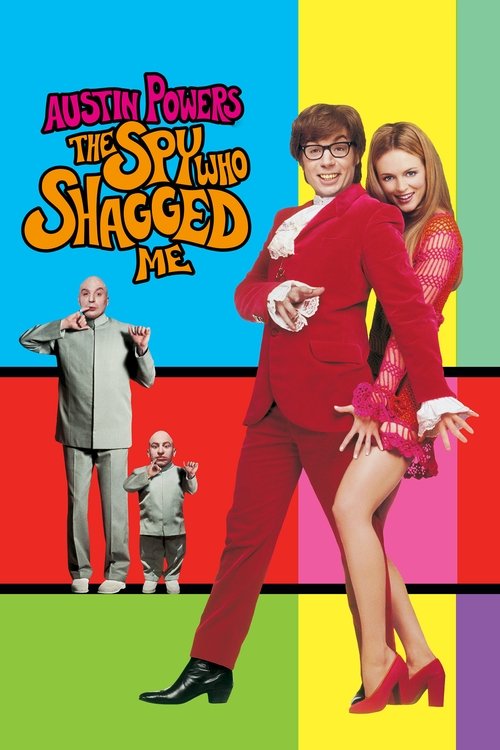
When diabolical genius Dr. Evil travels back in time to steal superspy Austin Powers's ‘mojo,’ Austin must return to the swingin' '60s himself - with the help of American agent, Felicity Shagwell - to stop the dastardly plan. Once there, Austin faces off against Dr. Evil's army of minions to try to save the world in his own unbelievably groovy way.
In a frantic display of ego and range, Myers multiplies his presence to play his own best foils, weaponizing bathroom humor through a sheer, relentless commitment to the bit.
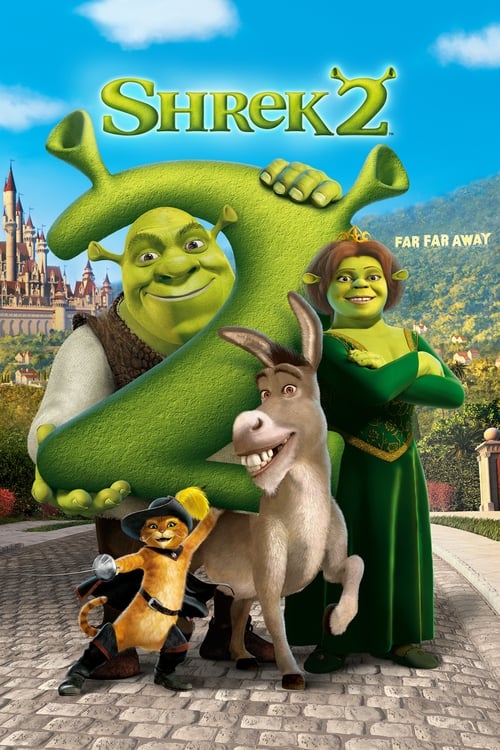
Shrek 2
2004Shrek, Fiona, and Donkey set off to Far, Far Away to meet Fiona's mother and father, the Queen and King. But not everyone is happily ever after, as Shrek and the King find it difficult to get along. But when the Fairy Godmother discovers that Fiona has married Shrek instead of her son Prince Charming as King Harold had promised, she plots to destroy their marriage and replace the ogre with her son Charming.
Tapping into a more vulnerable comedic frequency, Myers navigates the perils of domestic insecurity while cementing himself as one of the few actors capable of sustaining a blockbuster franchise through voice work alone.
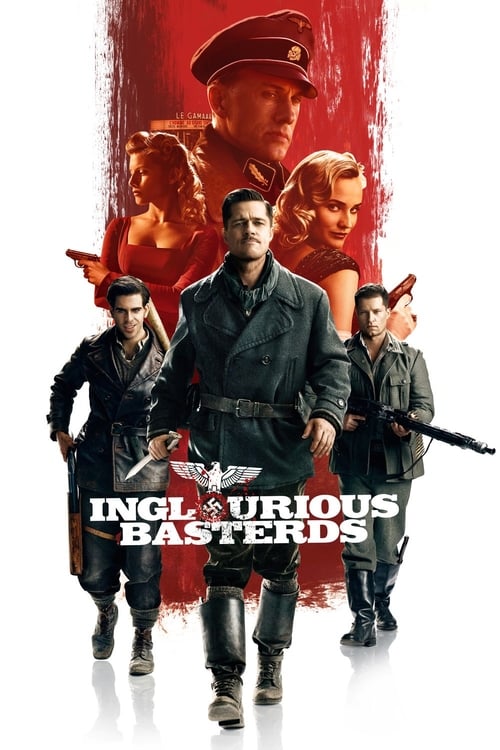
In Nazi-occupied France during World War II, a group of Jewish-American soldiers known as "The Basterds" are chosen specifically to spread fear throughout the Third Reich by scalping and brutally killing Nazis. The Basterds, lead by Lt. Aldo Raine soon cross paths with a French-Jewish teenage girl who runs a movie theater in Paris which is targeted by the soldiers.
Disappearing beneath prosthetics and a stiff upper lip, Myers provides a chillingly grounded brief turn that reminds audiences of his untapped potential for high-stakes dramatic gravitas.
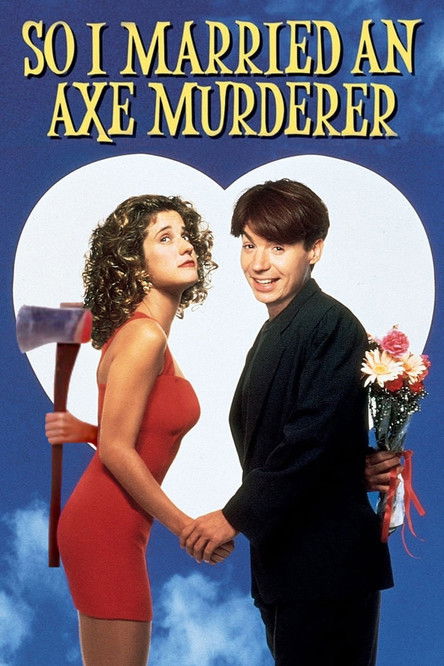
So I Married an Axe Murderer
1993Just after a bad breakup, Charlie MacKenzie falls for lovely butcher Harriet Michaels and introduces her to his parents. But, as voracious consumers of sensational tabloids, his parents soon come to suspect that Harriet is actually a notorious serial killer -- "Mrs. X" -- wanted in connection with a string of bizarre honeymoon killings. Thinking his parents foolish, Charlie proposes to Harriet. But while on his honeymoon with her, he begins to fear they were right.
This cult gem captures Myers at his most neurotically charming, showcasing a lyrical verbal dexterity and a dual-role turn that bridges the gap between his SNL roots and leading-man viability.
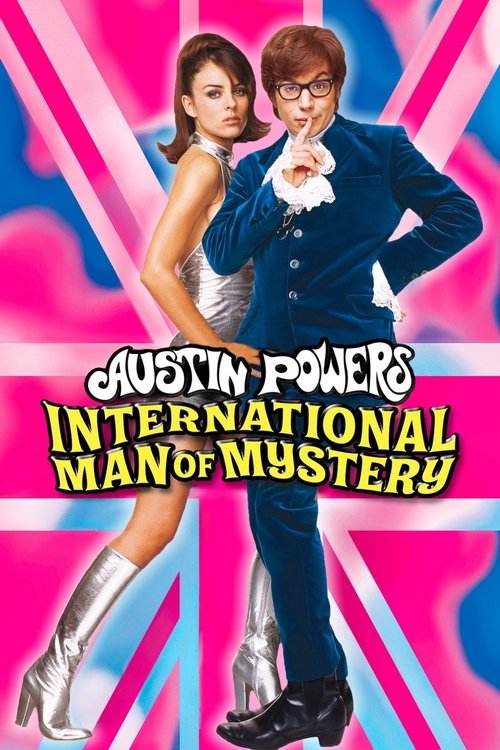
As a swinging fashion photographer by day and a groovy British superagent by night, Austin Powers is the '60s' most shagadelic spy. But can he stop megalomaniac Dr. Evil after the bald villain freezes himself and unthaws in the '90s? With the help of sexy sidekick Vanessa Kensington, he just might.
This is a masterclass in kaleidoscopic character acting where Myers balances ribald absurdity with a genuine affection for 1960s mod-culture, single-handedly reviving the spy-spoof genre.
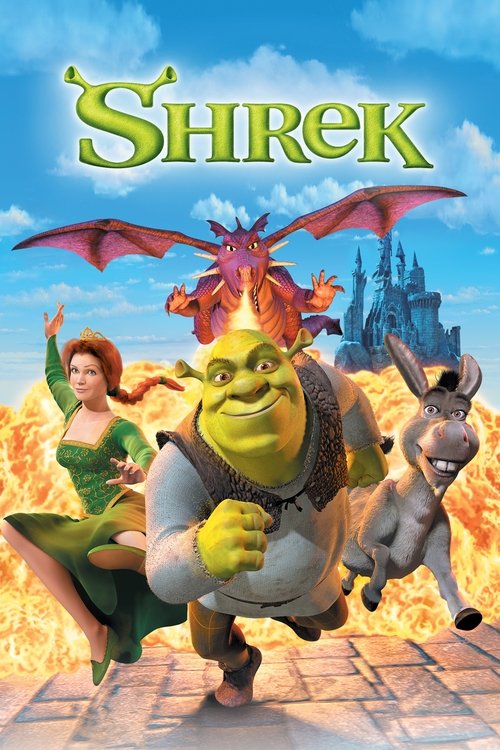
Shrek
2001It ain't easy bein' green -- especially if you're a likable (albeit smelly) ogre named Shrek. On a mission to retrieve a gorgeous princess from the clutches of a fire-breathing dragon, Shrek teams up with an unlikely compatriot -- a wisecracking donkey.
By leaning into a rough-hewn Scottish brogue, Myers stripped away his physical mugging to create a subversive animated icon that dismantled the very fairy-tale tropes he would eventually define for the 21st century.
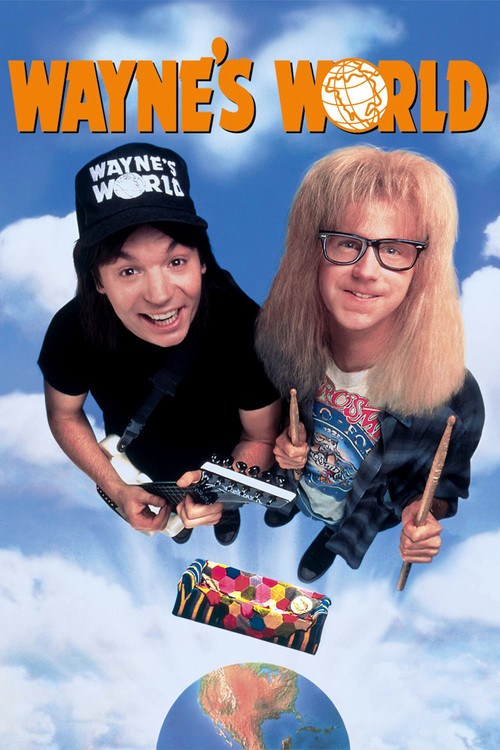
Wayne's World
1992The adventures of two amiably aimless metal-head friends, Wayne and Garth. From Wayne's basement, the pair broadcast a talk-show called "Wayne's World" on local public access television. The show comes to the attention of a sleazy network executive who wants to produce a big-budget version of "Wayne's World"—and he also wants Wayne's girlfriend, a rock singer named Cassandra. Wayne and Garth have to battle the executive not only to save their show, but also Cassandra.
Myers transforms a localized public-access sketch into a generational manifesto, proving his uncanny ability to dictate the global comedic vernacular through a lovable, basement-dwelling metalhead.
Frequently Asked Questions
Everything you need to know about this list and SnakeDrafts
- Mike Myers brilliantly showcases his comedic character creation in the Austin Powers series and Wayne's World films, where his unique blend of absurdity and catchphrase-driven humor defines his career. These movies highlight his skill in transforming quirky, exaggerated personas into cultural touchstones.
- Mike Myers breathes life into the character of Shrek with his distinct vocal inflection and comedic timing, adding depth and charm to the beloved ogre. His performance is pivotal in making the Shrek series a standout in animated comedy, appealing to both children and adults alike.
- In 'So I Married an Axe Murderer,' Mike Myers blends elements of comedy with romance and crime, offering a more nuanced performance that strays from his typical slapstick style. This film showcases his versatility as an actor, balancing humor with a quirky romantic storyline.
- Unlike his usual comedic roles, Mike Myers takes on supporting roles in dramatic films such as 'Inglourious Basterds' and 'Bohemian Rhapsody,' demonstrating his range beyond comedy. These appearances allow viewers to appreciate his adaptability and depth as an actor in more serious cinematic contexts.
- The listicle evaluates sequels like 'Wayne's World 2' and 'Austin Powers: The Spy Who Shagged Me' by considering their ability to expand on original characters and humor. While they maintain fan-favorite traits, the ranking often reflects a slight dip in innovation and critical acclaim compared to the groundbreaking originals.
- Mike Myers' top-ranked movies frequently explore absurd comedy, character-driven humor, and playful parodies of popular culture, seen clearly in 'Austin Powers' and 'Wayne's World.' His films also tend to blend genres, incorporating elements like romance, crime, and fantasy, which enriches the comedic narrative.
- In movies like 'Wayne's World' and 'Bohemian Rhapsody,' Mike Myers uses music not only as a backdrop but as a central component that enhances comedic moments. His understanding of musical rhythm and timing complements his humor, creating memorable scenes that resonate with audiences.