The Best Dana Carvey Films Ranked
The Comedy Genius of Garth Algar and Beyond
Explore Dana Carvey's essential filmography, featuring classic SNL spin-offs, cult comedy favorites, and his most memorable theatrical roles.
About Dana Carvey
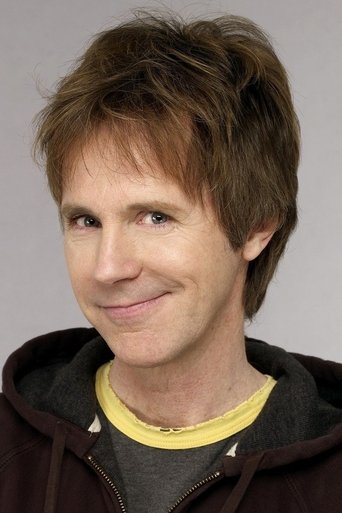
In the late eighties and early nineties, Dana Carvey operated as the undisputed engine of Saturday Night Live, a human lightning bolt capable of shifting from high-octane physicality to surgical political satire in a single sketch. While his peers often leaned on grit or irony, he thrived on a specific brand of joyful, caffeinated absurdity. He possessed a rare ability to disappear into a caricature so completely that the real person felt like a footnote. This chameleon-like dexterity eventually birthed Garth Algar, the heavy-metal sidekick whose awkward innocence became a hallmark of a generation.
His journey started far from the bright lights of Studio 8H. Early career glimpses show him popping up in eclectic projects like the slasher sequel Halloween II and the seminal mockumentary This Is Spinal Tap, where he memorably portrayed a mime. These small, fleeting turns revealed an actor who was less interested in being a traditional leading man and more obsessed with the weird, observed details of human behavior. By the time he held his own against legends in Tough Guys or navigated the suburban chaos of Moving, it was clear that his comic timing was surgical. He could play the straight man when necessary, but his eyes always betrayed a frantic energy waiting to be unleashed.
The cultural impact of his work lies in a strange contradiction: he is both a master of the broad, silly catchphrase and a deeply intellectual satirist. Audiences connect with him because there is no malice in his mockery. Whether he was playing a repressed church lady or a confused world leader, he approached his subjects with a playful curiosity rather than a mean spirit. Even when he swung for the fences with the unapologetically bizarre The Master of Disguise, he remained committed to the bit with a sincerity that few other comedians could muster. He thrives in the theater of the absurd, a trait evidenced by his turn in the period comedy The Road to Wellville, where he leaned into the eccentricity of the era with distinctive flair.
Despite the dizzying heights of his fame, he has always maintained an air of the underdog. This narrative was cemented in the documentary Too Funny to Fail: The Life and Death of The Dana Carvey Show, which chronicles his brief, brilliant attempt to revolutionize network television with a cast of then-unknowns. It serves as a testament to his willingness to risk total failure for the sake of a laugh. This adventurous spirit carries through to his later stand-up specials, such as Straight White Male, 60, where he reflects on aging and fatherhood without losing the rubber-faced elasticity that first made him a star.
In his more recent appearances, like his role in Sandy Wexler or his ongoing status as a podcasting giant, he remains a vital bridge between comedy history and the modern landscape. He is an artist who understands that the best impressions are not just about the voice, but the soul of the subject. He remains an essential figure in the American comedic canon because he reminds us that being funny is, at its heart, a form of play. Whether he is revisiting his roots in Nirvana: Live! Tonight! Sold Out!! or crafting new characters from scratch, he continues to prove that his true mastery lies in his refusal to ever grow up.
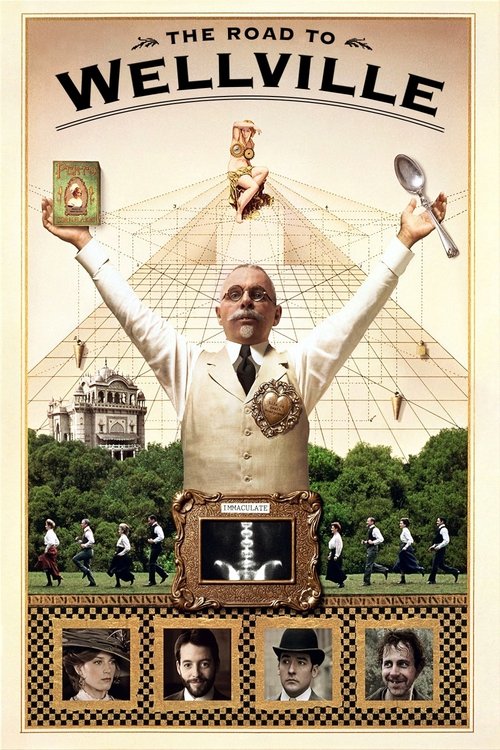
The Road to Wellville
1994An unhappy young couple visit the infamous Kellogg spa in Battle Creek, Michigan while a young hustler tries get into the breakfast-cereal business and compete against John Kellogg's corn flakes.
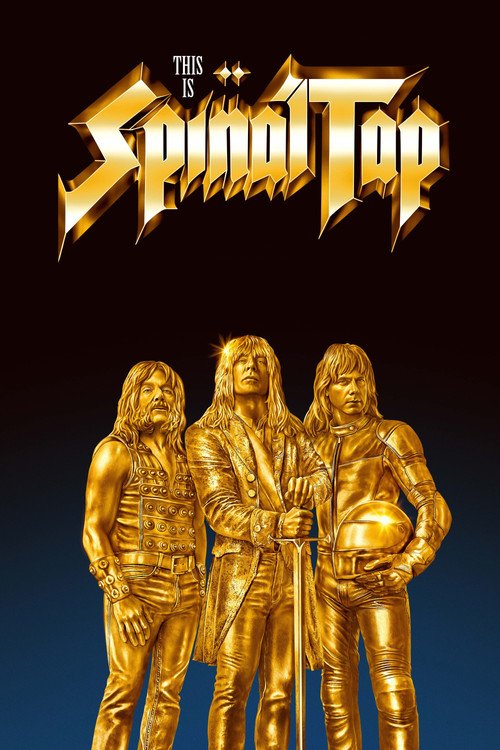
"This Is Spinal Tap" shines a light on the self-contained universe of a metal band struggling to get back on the charts, including everything from its complicated history of ups and downs, gold albums, name changes and undersold concert dates, along with the full host of requisite groupies, promoters, hangers-on and historians, sessions, release events and those special behind-the-scenes moments that keep it all real.
Carvey appears in a tiny, non-speaking role as a mime, a moment of brilliant physical comedy that mirrors the film's own satirical precision. This cameo is a testament to his ability to steal a scene with nothing but his facial expressions and body language.
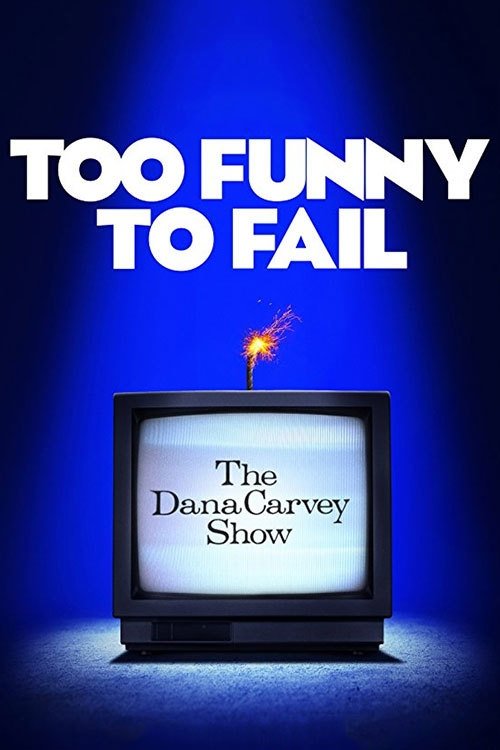
Too Funny to Fail: The Life & Death of The Dana Carvey Show
2017It had all the makings of a huge television success: a white-hot comic at the helm, a coveted primetime slot, and a pantheon of future comedy legends in the cast and crew. So why did The Dana Carvey Show—with a writers room and cast including then unknowns Steve Carell, Stephen Colbert, Louis C.K., Robert Smigel, Charlie Kaufman, and more— crash and burn so spectacularly? TOO FUNNY TO FAIL tells the hilarious true story of a crew of genius misfits who set out to make comedy history… and succeeded in a way they never intended.
This documentary offers a raw look at Carvey in a period of immense creative risk, documenting a failure that eventually earned a massive cult following. It illuminates the uncompromising nature of his comedic vision during a pivotal turning point in his post-SNL career.
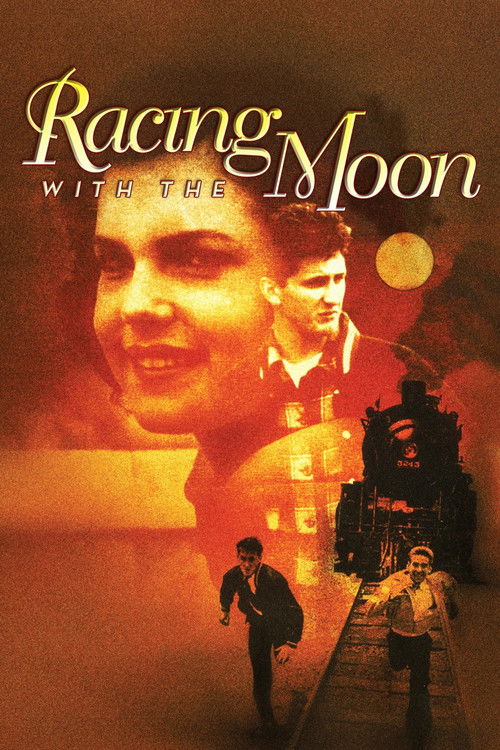
Racing with the Moon
1984In a small coastal California town, Henry and Nicky are pals from blue collar families with only a short time before they ship off to World War II. Henry begins romancing new-to-town Caddie Winger, believing her to be wealthy. Mischievous and irresponsible, Nicky gets into trouble which forces the other two to become involved, testing their relationship, as well as the friendship between the boys.
In this sentimental drama, Carvey provides a grounded supporting turn that hints at a dramatic range rarely explored in his later, more absurdist projects. He fits seamlessly into the 1940s setting, proving his versatility beyond the realm of broad caricature.
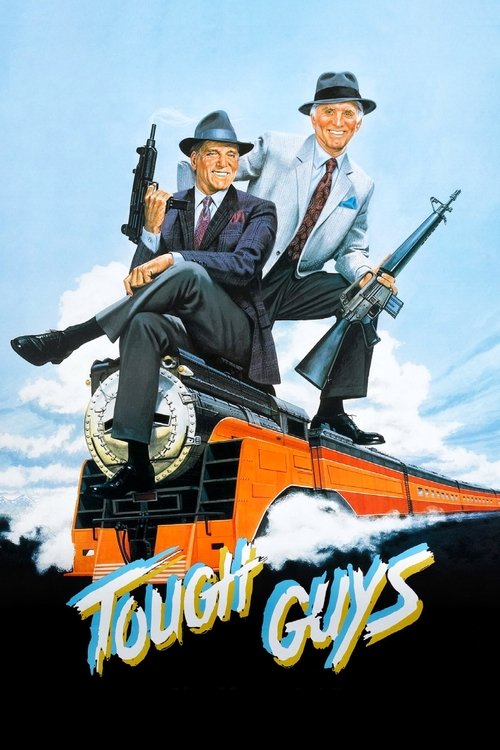
Tough Guys
1986Harry Doyle and Archie Lang are two old-time train robbers, who held up a train in 1956 and have been incarcerated for thirty years. After serving their time, they are released from jail and have to adjust to a new life of freedom. and soon realize that they still have the pizzazz when, picking up their prison checks at a bank, they foil a robbery attempt.
Working alongside Hollywood royalty like Burt Lancaster and Kirk Douglas, Carvey brings a youthful, twitchy energy that updates the classic buddy cop formula. This performance helped bridge the gap between his early stand-up years and the national stardom that followed shortly after.
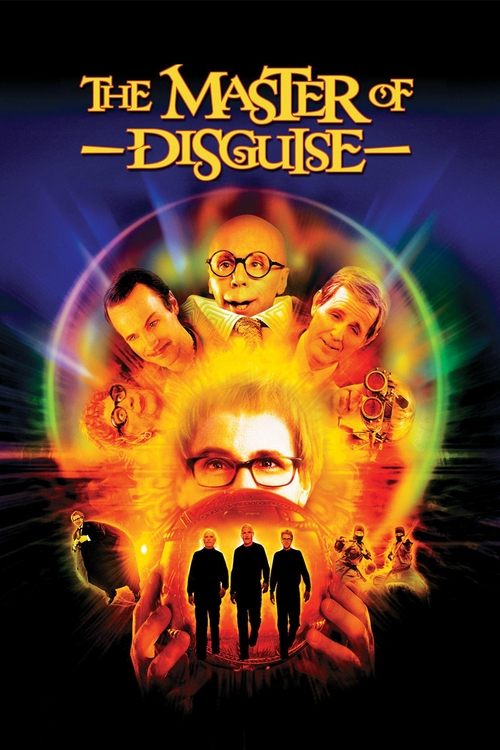
The Master of Disguise
2002After the patriarch of the Disguisey family is kidnapped by Devlin Bowman in an attempt to steal the most precious treasures from around the world, Italian waiter Pistachio Disguisey utilizes his supernatural ability to disguise himself in an attempt to stop him.
A polarizing masterpiece of physical commitment, this film allows Carvey to indulge every eccentric impulse he ever possessed. It stands as the ultimate, unfiltered distillation of his rubber-faced transformation abilities, regardless of how the slapstick lands with modern audiences.
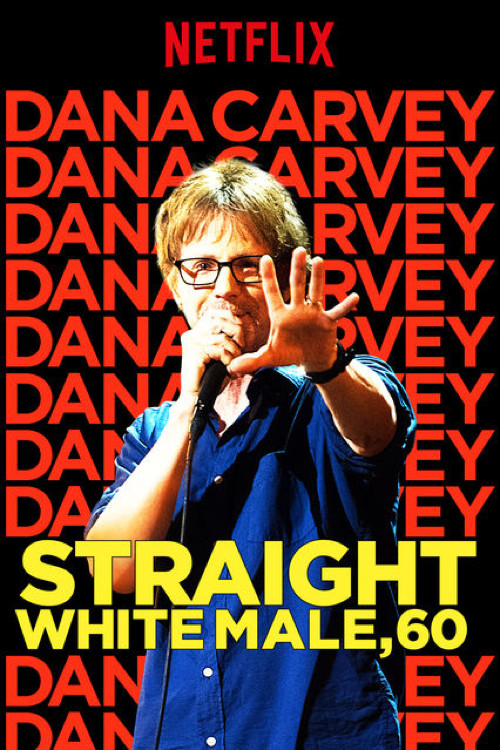
Dana Carvey: Straight White Male, 60
2016Emmy-winning comedian Dana Carvey blends pitch-perfect tales on big personalities with so-true-it-hurts stories from his life as a dad of millennials.
This special finds the veteran comedian stripping away the wigs and prosthetics to reveal a more personal, observational edge that had long been overshadowed by his sketch work. It serves as a defiant manifesto for a performer proving he can hold a stage through sheer vocal dexterity and seasoned wit alone.

Nirvana: Live! Tonight! Sold Out!!
1994Nirvana's frontman Kurt Cobain worked on compiling this collection of performances, interviews, and touring clips from 1991 to 1993 but did not finish it before his death in 1994. Bandmembers Dave Grohl and Krist Novoselic completed it with the help of director Kevin Kerslake.
While appearing only in archival footage from his time as a host, Carvey represents the bridge between mainstream 1990s television and the burgeoning grunge counterculture. His inclusion highlights how deeply his iconic characters were embedded in the cultural zeitgeist that the band itself was reacting against.
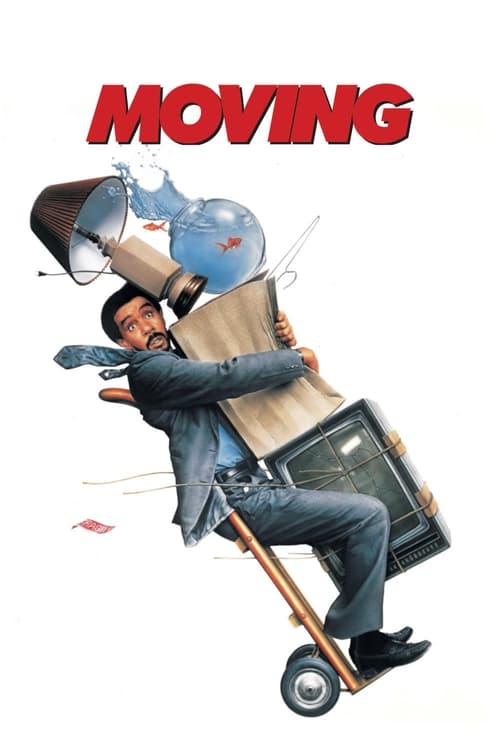
Moving
1988Arlo accepts what seems to him to be a dream promotion to Idaho. He soon discovers, however, that moving has its own share of problems.
In this frantic comedy, Carvey operates as the perfect high energy foil to Richard Pryor, showcasing an early mastery of the sidekick dynamic. His contribution provides the necessary kinetic spark that keeps the film from sagging under its own suburban weight.
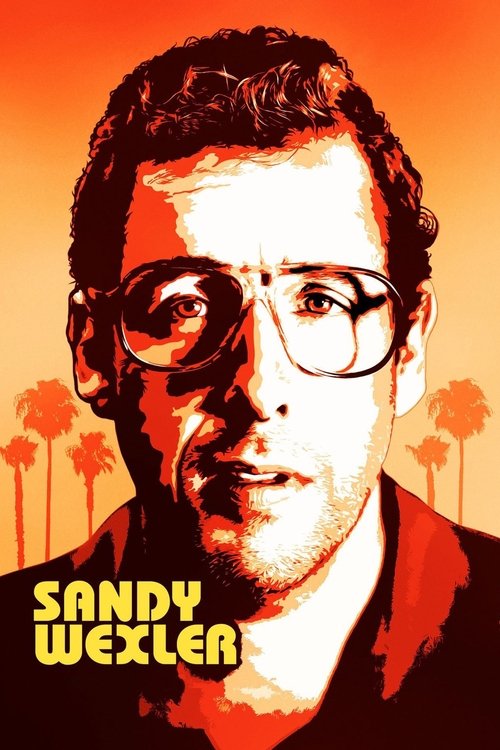
Sandy Wexler
2017When a hapless but dedicated talent manager signs his first client who actually has talent, his career finally starts to take off.
Playing a fictionalized version of a puppeteer, Carvey taps into his legendary impressionistic toolkit to provide a bittersweet layer to this ensemble period piece. His work here serves as a reminder that his ability to disappear into a character remains sharp decades after his Saturday Night Live peak.

Halloween II
1981After failing to kill stubborn survivor Laurie and taking a bullet or six from former psychiatrist Dr. Sam Loomis, Michael Myers has followed Laurie to the Haddonfield Memorial Hospital, where she's been admitted for Myers' attempt on her life. The institution proves to be particularly suited to serial killers, however, as Myers cuts, stabs and slashes his way through hospital staff to reach his favorite victim.
Carvey makes a blink and you will miss it cinematic debut as a nervous assistant, a minor role that nonetheless marks the transition from stand-up stages to big screen franchises. It remains a fascinating historical footnote for fans to see the future comedy titan in such a grim, slasher atmosphere.
Frequently Asked Questions
Everything you need to know about this list and SnakeDrafts
- "Halloween II" ranks #1 because it showcases Dana Carvey in a rare early role where his performance helped cement the film's suspenseful and thrilling atmosphere, highlighting his versatility beyond comedy. This notable departure from his comedic roots makes it a standout in his filmography.
- In "Sandy Wexler," Carvey delivers a memorable comedic role that blends humor with heartfelt moments, demonstrating his ability to adapt to contemporary comedy-dramas. His presence strengthens the film’s appeal, earning it a top spot on the list.
- Though Carvey's role in "This Is Spinal Tap" is supporting, the film's cult status and comedic genius align with his style of absurdity and satire. Its inclusion celebrates his connection to seminal comedy projects that influenced his career and fans alike.
- Documentaries like "Too Funny to Fail" provide unique insight into Dana Carvey's creative process and the impact of his groundbreaking TV show, enriching the understanding of his comedic legacy beyond traditional films. This inclusion acknowledges his influence on comedy culture.
- Many of the ranked films showcase Carvey’s signature blend of absurdity and character-driven comedy, often touching on satire and heartfelt humor. This pattern is evident in movies ranging from family comedies like "Moving" to sharp political satire in his documentaries and TV specials.
- This list focuses strictly on his filmography, spotlighting movies and documentaries rather than television sketches or specials. SNL classics are recognized for their cultural impact but fall outside the scope of this ranked film-centric exploration.
- "The Master of Disguise" ranks moderately as it exemplifies Carvey’s commitment to family-friendly slapstick comedy, though it received mixed reviews. Its placement reflects both its cult following and its role in showcasing Carvey’s signature disguise-driven humor.