The Essential John Landis Films Ranked
The Definitive Comedy and Horror Legacy of a Legend
Discover the essential theatrical filmography of John Landis, from groundbreaking slapstick comedies to iconic practical effects horror masterpieces.
About John Landis

In the late 1970s and throughout the 1980s, few filmmakers possessed the sheer gall to smash through genre boundaries with the reckless abandon of John Landis. He approached the director’s chair not as a delicate technician, but as a disruptive orchestrator of chaos, blending high-concept comedy with a deep, almost academic reverence for cinema history. To watch one of his films is to witness a collision between the sophisticated and the slapstick. He understood better than anyone that the funniest moments often happen right before something explodes or someone bleeds.
This subversive streak first caught fire with Animal House, a film that redefined the collegiate comedy by treating its messiness with genuine cinematic scale. It was here that he established his signature visual language: wide frames packed with background gags and a refusal to let the camera blink when things got weird. He doubled down on this grandiosity with The Blues Brothers, a massive, soul-infused wrecking ball of a movie that treated a simple musical quest like a high-stakes war film. The sheer volume of smashed police cruisers signaled a director who thrived on logistical madness and the infectious energy of a live performance.
What truly separates his body of work from his contemporaries is a tonal elasticity that feels almost dangerous. An American Werewolf in London remains the gold standard for this tightrope walk, pivoting from bone-chilling horror to pitch-black comedy without losing its footing. By insisting on practical effects that looked painfully real, he forced the audience to feel the agony of the transformation, proving he could master suspense just as easily as he could master a punchline. This versatility extended into the sharp social satire of Trading Places and the opulent, fairy-tale charm of Coming to America, where he proved he could polish his aesthetic for massive studio hits while keeping his cynical edge intact.
Even when delving into more niche territory like the anthology antics of The Kentucky Fried Movie or the meta-comedic Western world of Three Amigos, a certain restlessness persists. His frames are often crowded with inside jokes and cameos, creating a lived-in universe where the fourth wall feels paper-thin. Whether he was exploring the nocturnal paranoia of Into the Night or the mob-infused horror of Innocent Blood, his lens remained fixed on the absurdity of the human condition. He never played it safe, opting instead for a loud, vibrant style that celebrated the spectacle of the medium itself. His legacy is one of rebellion, a reminder that the best movies happen when a director isn't afraid to make a little bit of trouble.
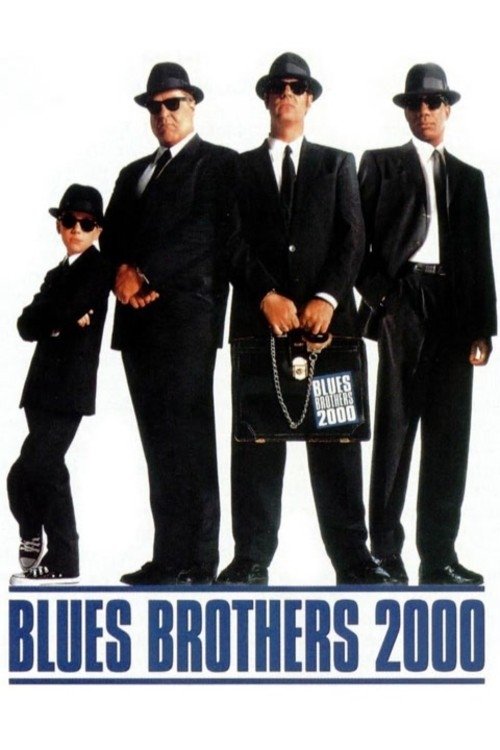
Blues Brothers 2000
1998Finally released from prison, Elwood Blues is once again enlisted by Sister Mary Stigmata in her latest crusade to raise funds for a children's hospital. Hitting the road to re-unite the band and win the big prize at the New Orleans Battle of the Bands, Elwood is pursued cross-country by the cops.
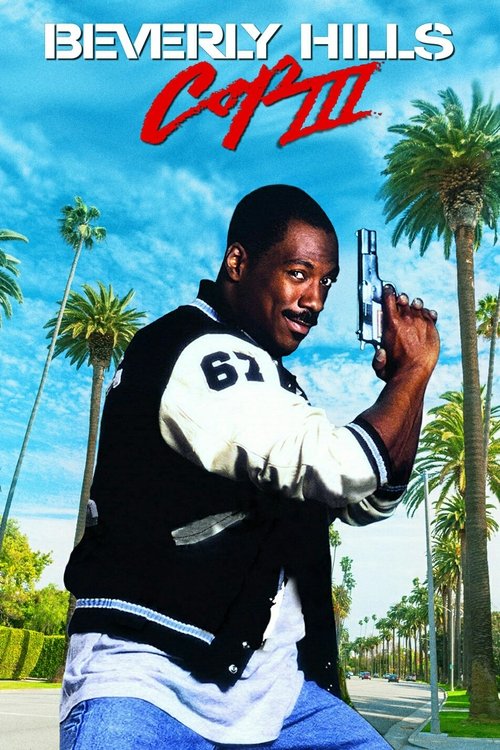
Beverly Hills Cop III
1994When his boss is killed, Detroit cop Axel Foley finds evidence that the murderer had ties to a California amusement park called Wonder World. Returning to sunny Beverly Hills once more, Foley reunites with Detective Billy Rosewood to solve the case. Along with Billy's new partner, Detective Jon Flint, they discover that Wonder World is being used as a front for a massive counterfeiting ring.
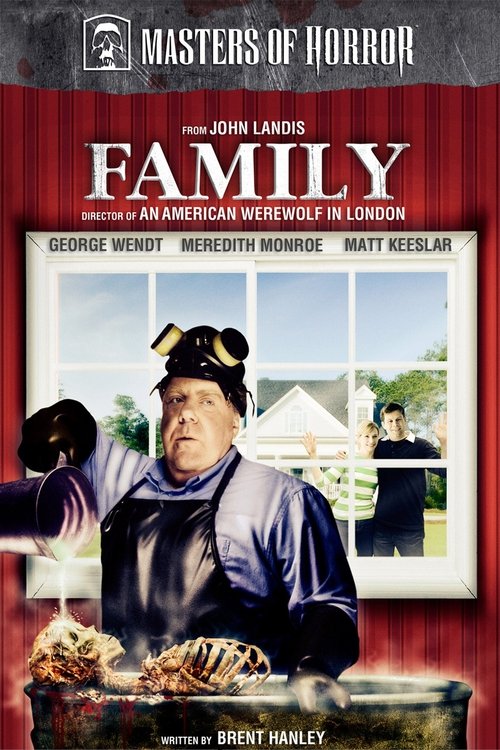
Family
2006Harold is a seemingly peaceful neighbor in a quiet mid-western neighborhood, but underneath, he's a murderous psychopath who sets his eyes on a couple that have moved in across the street.
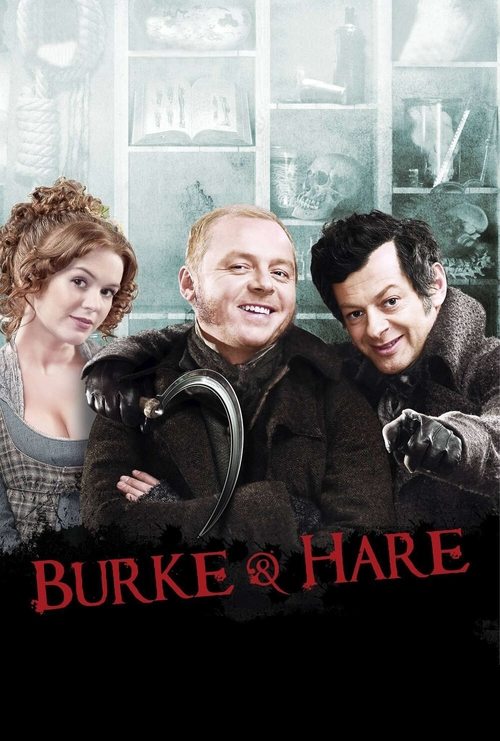
Burke & Hare
2010Two 19th-century opportunists become serial killers so that they can maintain their profitable business supplying cadavers to an anatomist.
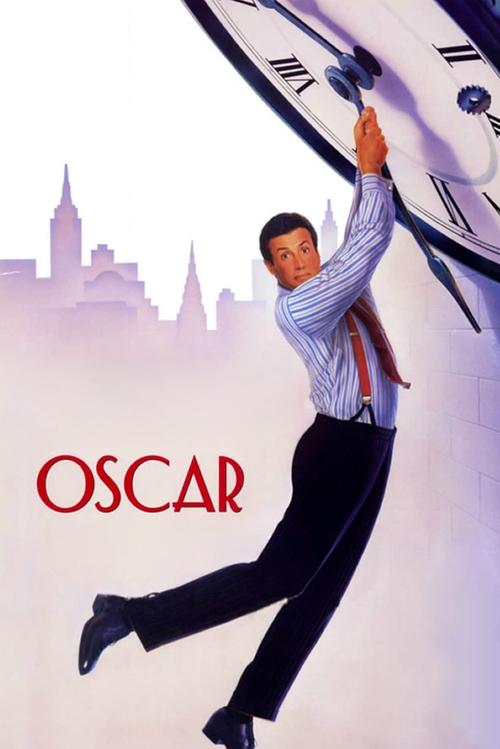
Oscar
1991Angelo "Snaps" Provolone made his dying father a promise on his deathbed: he would leave the world of crime and become an honest businessman. Despite having no experience in making money in a legal fashion, Snaps sets about to keep his promise.
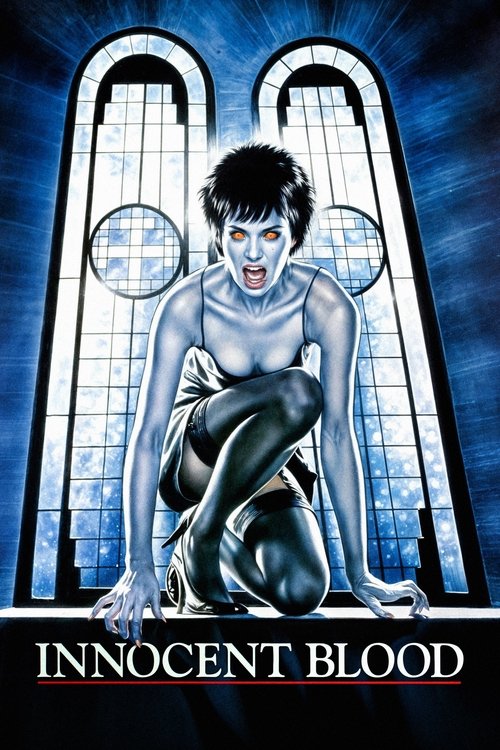
Innocent Blood
1992Marie is a vampire with a thirst for bad guys. When she fails to properly dispose of one of her victims, a violent mob boss, she bites off more than she can chew and faces a new, immortal danger.
Landis attempts an ambitious genre collision by merging the conventions of the mob thriller with vampire lore. The result is a gritty, stylized exercise in cross-pollination that underscores his career-long obsession with disrupting traditional genre boundaries through sudden, violent shifts in tone.
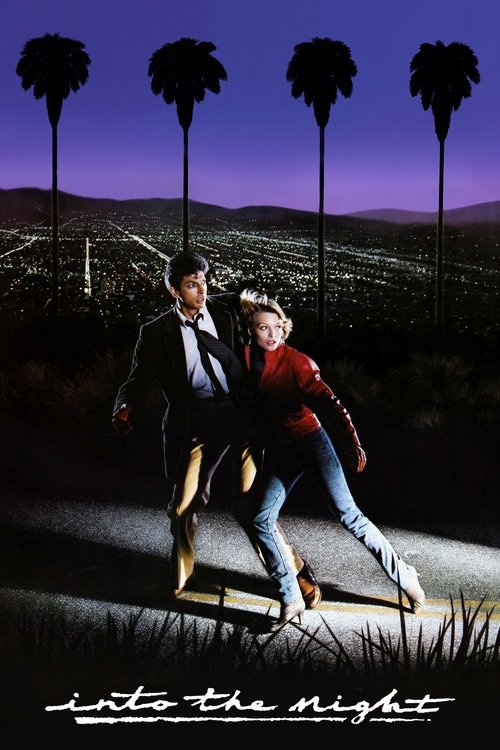
Into the Night
1985Ed Okin used to have a boring life. He used to have trouble getting to sleep. Then one night, he met Diana. Now, Ed's having trouble staying alive.
This foray into the neon-lit world of noir-inflected drama displays a darker, more atmospheric side of the Landis filmography. By leaning into a dreamlike, nocturnal logic, he crafts an urban odyssey that prioritizes mood and existential dread over traditional narrative beats.
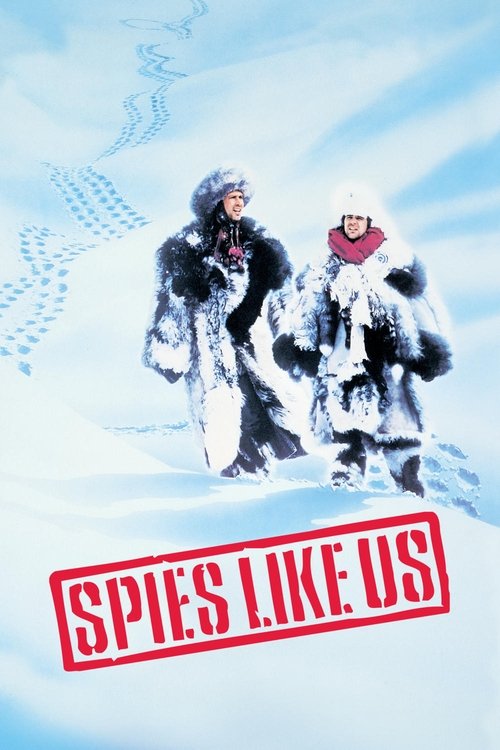
Spies Like Us
1985Two bumbling government employees think they are U.S. spies, only to discover that they are actually decoys for nuclear war.
Landis playfully subverts the Cold War thriller through a lens of bumbling incompetence and oversized set pieces. While leaning into the absurdity of the era, the director maintains a kinetic energy that celebrates the tradition of the classic comedy duo in a global political landscape.
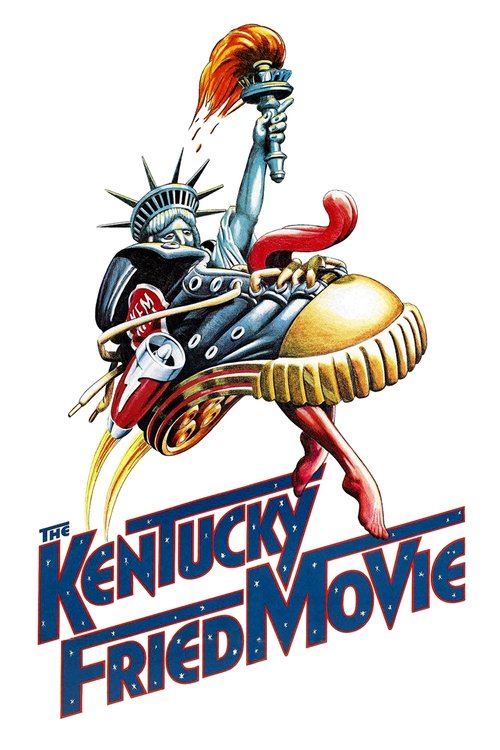
The Kentucky Fried Movie
1977A series of loosely connected skits that spoof news programs, commercials, porno films, kung-fu films, disaster films, blaxploitation films, spy films, mafia films, and the fear that somebody is watching you on the other side of the TV.
This scattershot anthology provides a raw, unfiltered look at the sketch-comedy roots that would eventually define the Landis aesthetic. It functions as a bold laboratory of visual gags and media parody, establishing the irreverent pacing that later became a hallmark of his studio features.
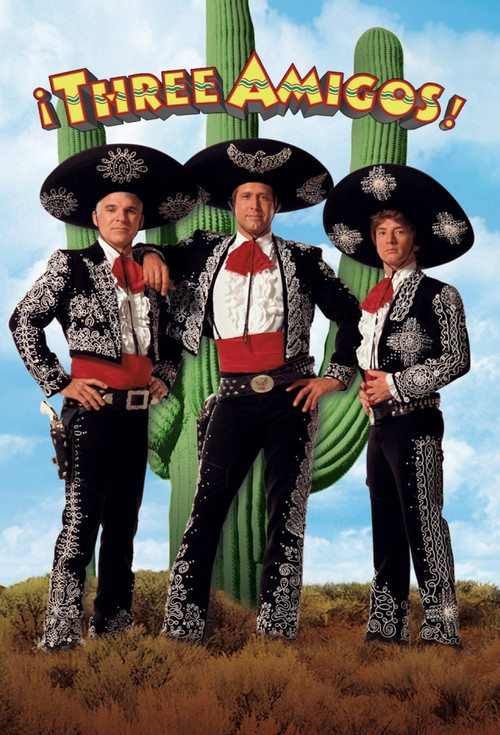
¡Three Amigos!
1986A trio of unemployed silent film actors are mistaken for real heroes by a small Mexican village in search of someone to stop a malevolent bandit.
A charming deconstruction of Western mythology, this work highlights the director's fascination with the blurred lines between performance and reality. Landis leans into the artifice of old Hollywood to create a gentle yet persistent satire of heroism and stagecraft.
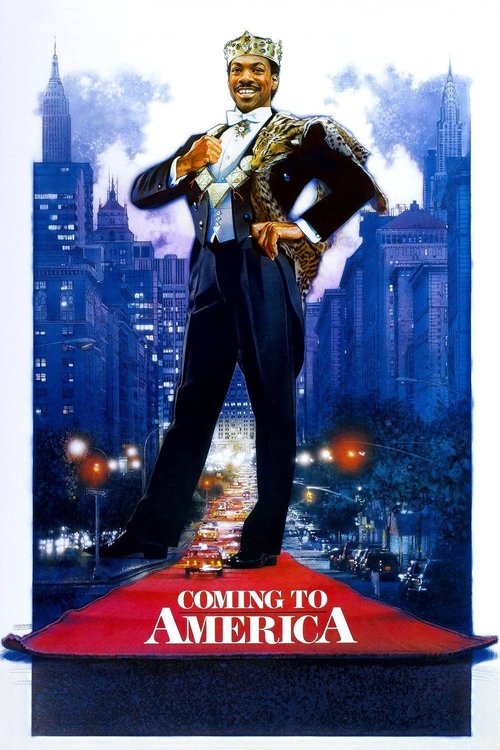
An African prince decides it’s time for him to find a princess... and his mission leads him and his most loyal friend to Queens, New York. In disguise as an impoverished immigrant, the pampered prince quickly finds himself a new job, new friends, new digs, new enemies and lots of trouble.
Landis utilizes a lush, expansive visual palette to transform a fish-out-of-water premise into a grand romantic fable. The film marks a significant evolution in his career, demonstrating a polished directorial hand capable of managing immense star power and elaborate production design without losing the central human pulse.
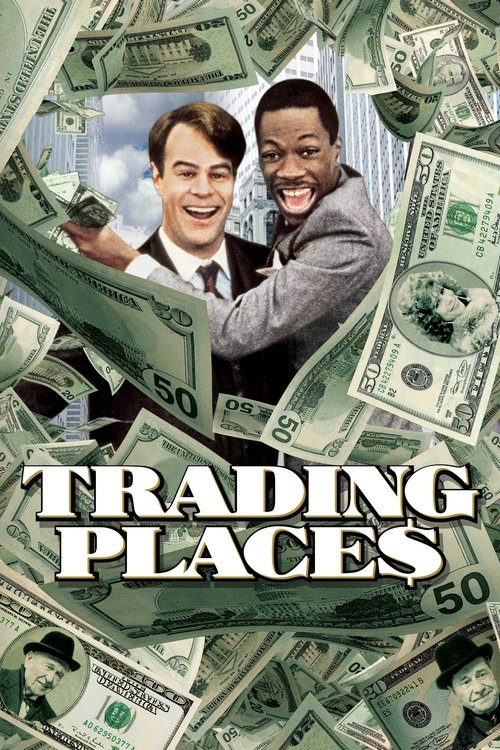
Trading Places
1983A snobbish investor and a wily street con-artist find their positions reversed as part of a bet by two callous millionaires.
This razor-sharp satirical update of the prince-and-pauper trope showcases Landis at his most disciplined and cynical. The director eschews his typical zaniness for a sophisticated exploration of class consciousness and institutional cruelty, proving his aptitude for high-stakes social commentary.
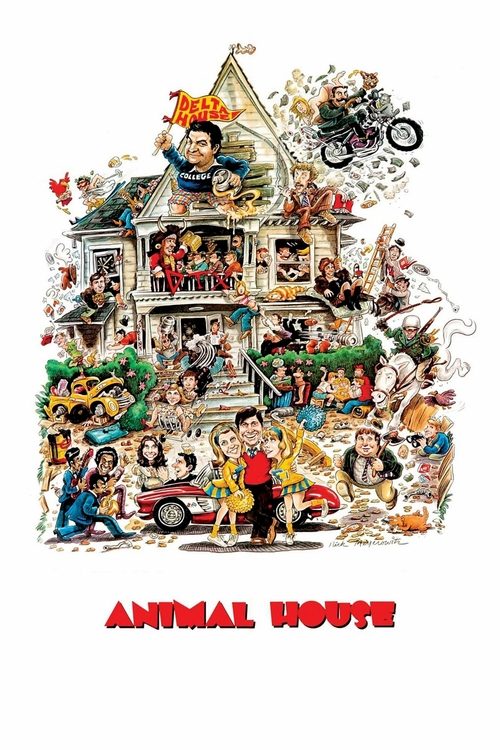
Animal House
1978At a 1962 College, Dean Vernon Wormer is determined to expel the entire Delta Tau Chi Fraternity, but those troublemakers have other plans for him.
Landis codified the modern campus comedy by capturing a specific brand of rebellious, anti-establishment energy that feels both chaotic and structurally deliberate. Its legacy lies in the elevation of lowbrow anarchy to a form of cinematic protest against stagnant social hierarchies.
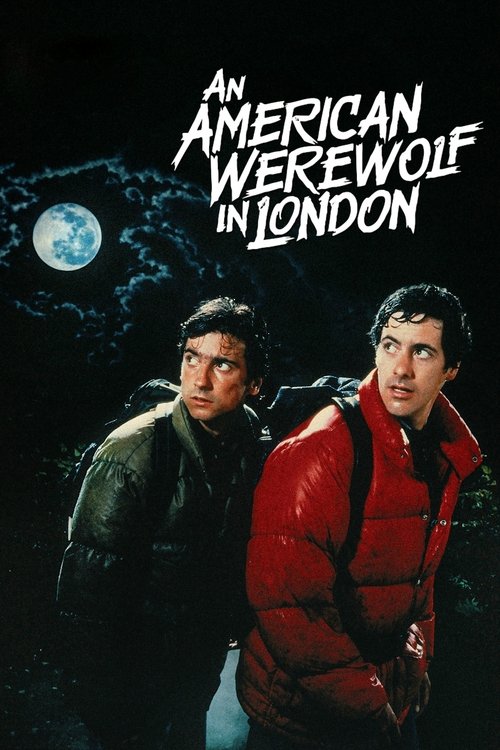
American tourists David and Jack are savagely attacked by an unidentified animal while hiking on the Yorkshire Moors. After retiring to the home of a beautiful nurse to recuperate, David soon begins experiencing disturbing changes to his body and mind.
By seamlessly grafting bone-chilling practical effects onto a framework of dry, wit-driven observation, Landis revolutionized the horror-comedy hybridization. This film serves as a masterclass in tonal tightrope walking, where the visceral terror never undermines the tragic absurdity of the protagonist's descent.
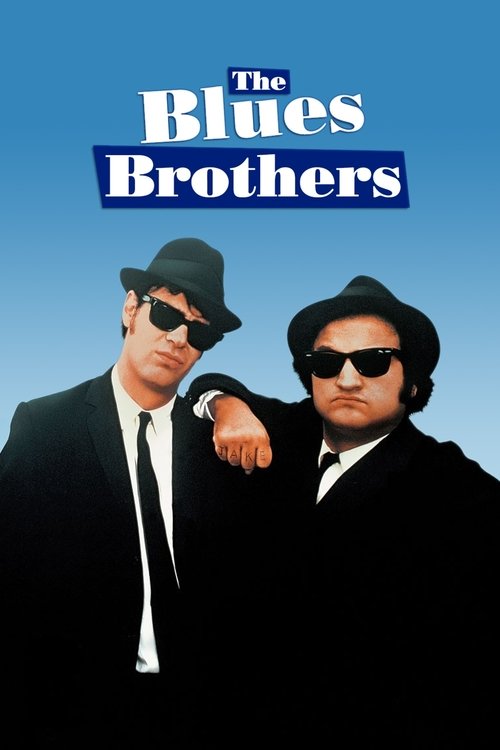
Jake Blues, just released from prison, puts his old band back together to save the Catholic home where he and his brother Elwood were raised.
A maximalist monument to American rhythm and soul, Landis masterfully balances destructive slapstick choreography with a sincere reverence for musical heritage. It stands as the definitive example of his ability to scale intimate comedic chemistry into a sprawling, high-octane spectacle.
Frequently Asked Questions
Everything you need to know about this list and SnakeDrafts
- John Landis is known for blending comedy with various genres such as horror, action, and romance. Films like 'An American Werewolf in London' combine horror and comedy, while 'The Blues Brothers' mixes music, comedy, and action seamlessly.
- 'An American Werewolf in London' is celebrated as a groundbreaking film in practical effects horror, featuring iconic makeup and transformation scenes that set new standards in the genre.
- Music plays a vital role in John Landis' films, especially in 'The Blues Brothers' and its sequel 'Blues Brothers 2000', where musical performances are integrated into the narrative, enhancing the film's energy and appeal.
- Yes, John Landis often uses slapstick humor, satire, and genre parody in his comedy films. 'Animal House' and 'Trading Places' are prime examples where social commentary is delivered through outrageous comedic scenarios.
- John Landis frequently combines crime and comedy in films like 'The Blues Brothers', 'Beverly Hills Cop III', and 'Innocent Blood', creating a dynamic mix of suspense and humor that appeals to diverse audiences.
- Yes, 'Coming to America' is a notable John Landis film that combines comedy with romance, featuring charming storytelling and cultural satire wrapped in a love story.
- 'Trading Places' stands out for its clever social satire and sharp comedic timing, exploring themes of class and economics with a humorous twist that remains relevant and influential in comedy cinema.