The Essential Jonathan Majors Movies: Ranked Performances
Defining the Rise of a Powerhouse Talent
Explore the most impactful performances by Jonathan Majors, from indie darlings to blockbuster spectacles and intense character studies.
About Jonathan Majors
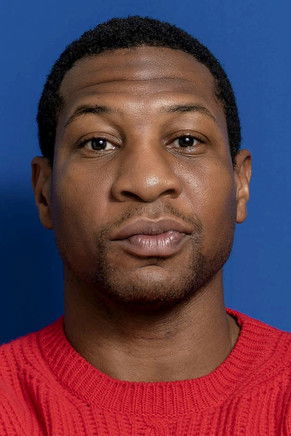
Jonathan Majors possesses a physical presence that demands your attention before he even speaks, yet his true power lies in a rare, trembling vulnerability that lives just beneath the surface of his muscular frame. He occupies space with the weight of a classical theater veteran, a quality that transformed his breakout turn in The Last Black Man in San Francisco into something poetic and deeply mournful. While many actors his size are relegated to simple archetypes of strength, he invites the camera into his interior life, projecting a soulfulness that makes even his most formidable characters feel dangerously human.
The industry quickly recognized this duality, casting him in roles that required both grit and grace. In Spike Lee's Da 5 Bloods, he anchored a chaotic, generational trauma with grounded sensitivity, while his work in Hostiles and White Boy Rick proved he could hold his own alongside seasoned heavyweights early in his trajectory. There is a specific intensity to his gaze that suggests a man constantly processing the world around him, a trait that served him exceptionally well as the high stakes lead of the stylized western The Harder They Fall. He doesn't just play scenes; he vibrates within them, creating a magnetic field that forces fellow actors to elevate their game.
His ascent into the blockbuster realm felt like a natural evolution rather than a pivot. Stepping into the ring for Creed III, he didn't just provide a physical foil for Michael B. Jordan; he crafted a tragic, embittered antagonist whose motivations were uncomfortably relatable. This ability to humanize the formidable reached its peak in Ant-Man and the Wasp: Quantumania, where he navigated the complex layers of a multiversal villain with a quiet, terrifying stillness. Even in the cockpit of a fighter jet in Devotion, he found the stoic, quiet dignity of a man navigating a world that refused to see his full worth.
Audiences connect with him because there is no emotional vanity in his performances. He is willing to look desperate, broken, or obsessive if the story demands it. This raw commitment defines Magazine Dreams, where he delivers a transformative performance as a bodybuilder pushed to the brink of his own sanity. It is a grueling, uncomfortable role that showcases his willingness to deconstruct his own image for the sake of art. Whether he is portraying a soldier, an outlaw, or an aspiring titan, he carries a sense of profound intentionality. He has redefined the expectations of the modern leading man by proving that toughness and tenderness are not mutually exclusive, but rather two sides of the same complex coin. In an era of polished, safe performances, his work remains a reminder of how much can be communicated through a simple, steady breath and a heavy silence.
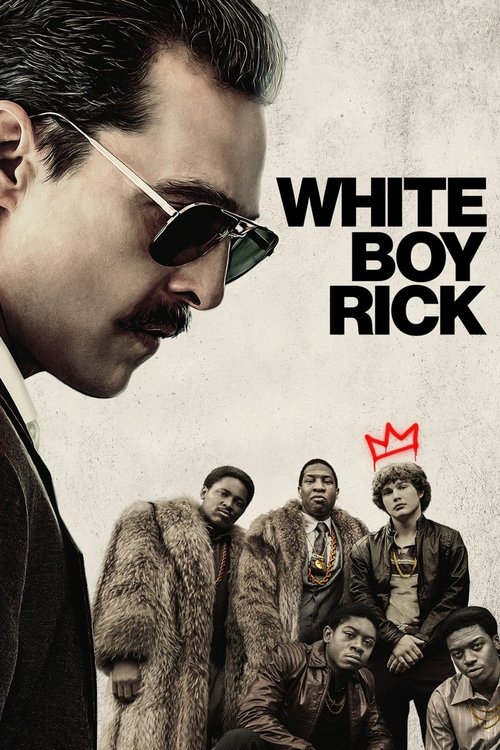
White Boy Rick
2018The story of Richard Wershe Jr., a teenager who became an undercover informant for the police during the 1980s, and was ultimately arrested for drug trafficking and sentenced to life in prison.
In this gritty crime drama, Majors offers a controlled glimpse into the mechanics of street-level power. He maneuvers through the supporting role with an observant, calculating energy that hints at the larger leading-man potential he would soon realize.
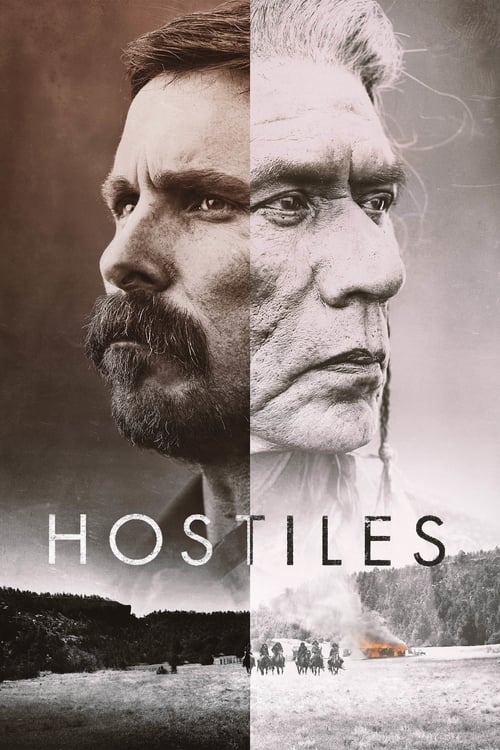
Hostiles
2017A legendary Native American-hating Army captain nearing retirement in 1892 is given one last assignment: to escort a Cheyenne chief and his family through dangerous territory back to his Montana reservation.
While appearing in a supporting capacity, Majors utilizes his limited screen time to establish a palpable sense of duty and weariness. It is an early indication of his ability to provide texture and gravity to a period ensemble without uttering a word of unnecessary dialogue.
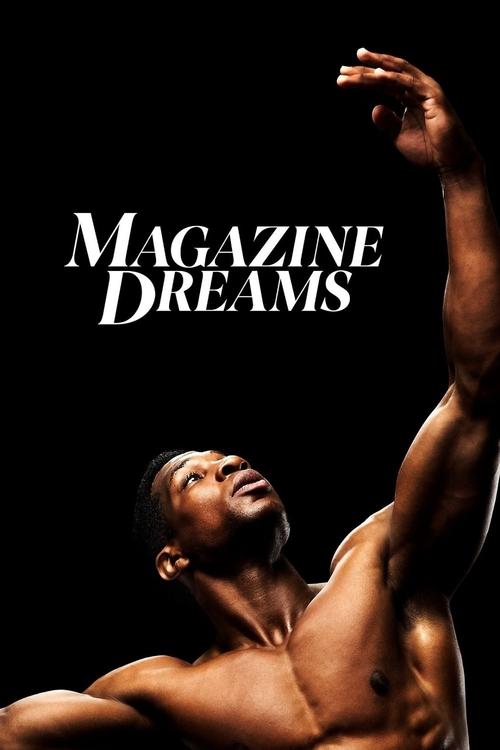
Magazine Dreams
2025Aspiring bodybuilder Killian Maddox struggles to find human connection in an exploration of celebrity and violence. Nothing deters him from his fiercely protected dream of superstardom, not even the doctors who warn him of the permanent damage he causes to himself with his quest.
In this grueling examination of obsession, Majors pushes his physical and emotional limits to an uncomfortable extreme. The performance is a jagged, uncompromising portrait of a man eroding from the inside out, demanding the audience acknowledge his rawest technical range.
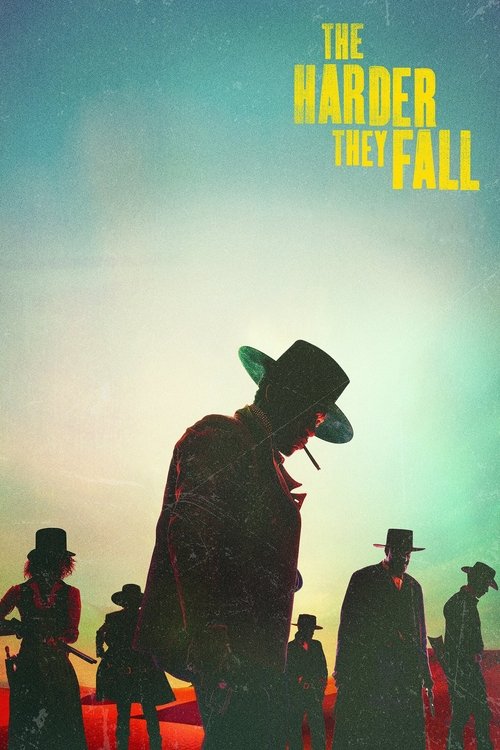
The Harder They Fall
2021Gunning for revenge, outlaw Nat Love saddles up with his gang to take down enemy Rufus Buck, a ruthless crime boss who just got sprung from prison.
Stepping into the boots of a classic outlaw, Majors reimagines Western bravado with a stylized, rhythmic confidence. He navigates the genre’s swagger with ease, merging historical reclamation with the magnetism of a contemporary action star.
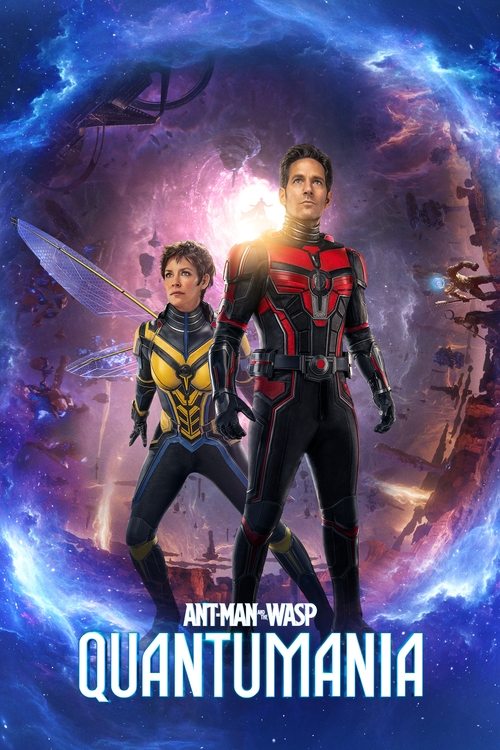
Ant-Man and the Wasp: Quantumania
2023Super-Hero partners Scott Lang and Hope van Dyne, along with with Hope's parents Janet van Dyne and Hank Pym, and Scott's daughter Cassie Lang, find themselves exploring the Quantum Realm, interacting with strange new creatures and embarking on an adventure that will push them beyond the limits of what they thought possible.
Majors brings a Shakespearean gravity to the popcorn spectacle, elevating a standard villain trope into a multifaceted threat. Even amidst dizzying visual effects, his command of cadence and menacing charisma provides the film with its only true sense of stakes.
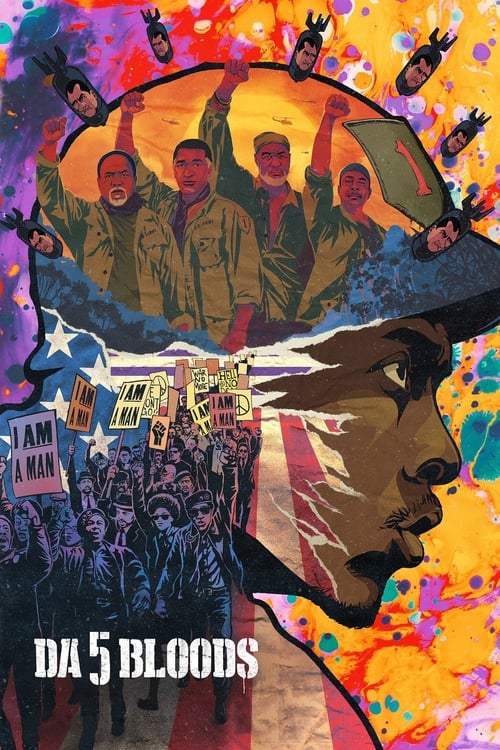
Da 5 Bloods
2020Four African-American Vietnam veterans return to Vietnam. They are in search of the remains of their fallen squad leader and the promise of buried treasure. These heroes battle forces of humanity and nature while confronted by the lasting ravages of the immorality of the Vietnam War.
Anchoring Spike Lee’s chaotic journey into the past, Majors provides the necessary moral compass among a group of towering veterans. He holds his own against industry titans by playing the generational bridge, filtering the trauma of the Vietnam War through a lens of modern reckoning.
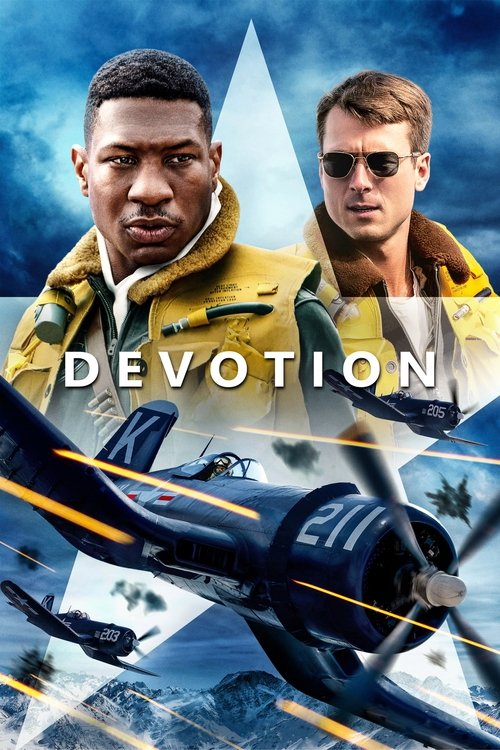
Devotion
2022The harrowing true story of two elite US Navy fighter pilots during the Korean War. Their heroic sacrifices would ultimately make them the Navy's most celebrated wingmen.
Communicating through the constricted emotional palette of a 1950s naval officer, Majors excels in the unspoken. His portrayal of Jesse Brown is a study in internal fortitude, balancing the weight of historical legacy with a fiercely disciplined screen presence.
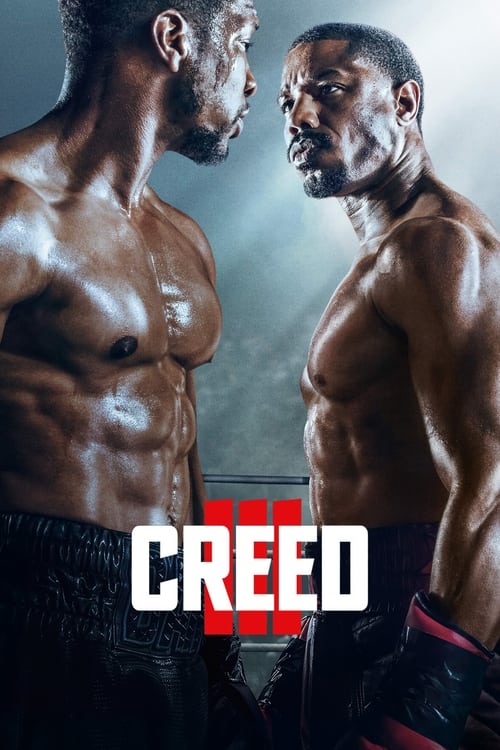
Creed III
2023After dominating the boxing world, Adonis Creed has thrived in his career and family life. When a childhood friend and former boxing prodigy, Damian Anderson, resurfaces after serving a long sentence in prison, he is eager to prove that he deserves his shot in the ring. The face-off between former friends is more than just a fight. To settle the score, Adonis must put his future on the line to battle Damian — a fighter with nothing to lose.
As the formidable Damian Anderson, Majors weaponizes stillness and resentment to create a mirror image of the franchise protagonist. He transforms a standard antagonistic role into a masterclass of physical storytelling, proving he can dominate the blockbuster frame through sheer psychological intensity.
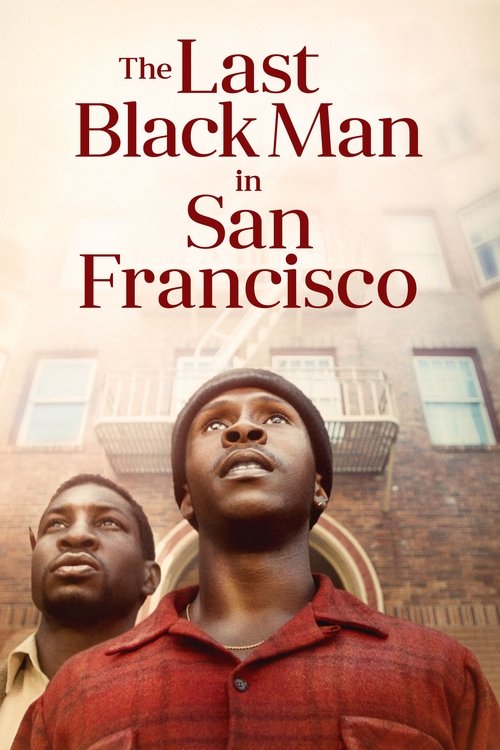
The Last Black Man in San Francisco
2019Jimmie Fails dreams of reclaiming the Victorian home his grandfather built in the heart of San Francisco. Joined on his quest by his best friend Mont, Jimmie searches for belonging in a rapidly changing city that seems to have left them behind.
Majors operates with a delicate, eccentric grace that grounds this urban odyssey in profound vulnerability. It remains his most soulful work, signaling the arrival of a performer capable of articulating the quietest aches of the human condition.
Frequently Asked Questions
Everything you need to know about this list and SnakeDrafts
- In The Last Black Man in San Francisco, Jonathan Majors delivers a deeply poetic and mournful performance, combining his commanding physical presence with a subtle vulnerability that captures the film's themes of identity and belonging. His portrayal is widely praised for its emotional depth and authenticity.
- In Creed III, Majors transitions to a high-stakes action drama, where he balances intense physicality with complex emotional layers, showcasing his ability to lead a blockbuster with the same nuance present in his indie work. His role demonstrates versatility, moving seamlessly between raw action sequences and intimate character moments.
- Devotion is a standout where Majors portrays a real-life naval aviator, blending heroic valor with personal vulnerability. This role highlights his strength in bringing depth to historical figures, making their stories accessible and emotionally compelling to modern audiences.
- In Da 5 Bloods, Majors brings a youthful intensity and contemporary perspective that contrasts with the older veterans, enriching Spike Lee's multi-generational narrative. His performance adds a fresh dynamic to the film’s exploration of war, memory, and brotherhood.
- Jonathan Majors takes on a villainous role in Ant-Man and the Wasp: Quantumania, showing his adaptability by embracing the sci-fi genre and adding depth to a comic book antagonist. His portrayal is noted for combining menace with a complex psychological profile, elevating the typical MCU villain archetype.
- Jonathan Majors’ classical theater training is evident in his commanding screen presence and the emotional richness of his characters. This background allows him to deliver performances that feel both grand and intimately detailed, whether in sprawling dramas or tight character studies.
- The Harder They Fall showcases Majors’ ability to inhabit the Western genre with charisma and intensity, blending classic Western motifs with a modern sensibility. His performance anchors the film’s stylish narrative and complex character dynamics.
- Jonathan Majors excels at roles demanding both emotional vulnerability and physicality, as seen in films like Magazine Dreams and Creed III. His ability to convey inner turmoil while executing demanding physical scenes makes his performances compelling and authentic.