The Definitive Ranking of Jet Li Movies
The Definitive Filmography of a Martial Arts Legend
Explore the best films of Jet Li, from groundbreaking Hong Kong martial arts classics to high-octane Hollywood blockbusters and emotional dramas.
About Jet Li
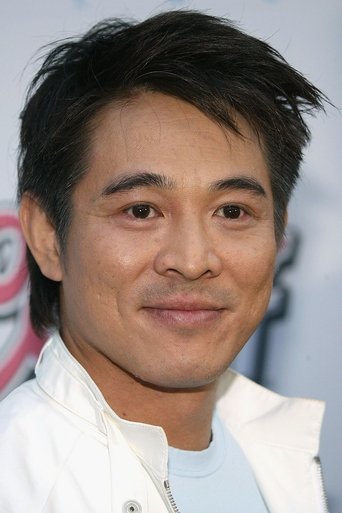
In the pantheon of martial arts legends, Jet Li occupies a space defined by surgical precision and a quiet, almost scholarly intensity. While other icons relied on comedic timing or sheer bruising force, he brought the discipline of a national champion to the screen. His debut in Shaolin Temple did more than launch a career; it revitalized the very location where he filmed, turning a ruin into a global landmark. He moved through the eighties and nineties not just as an actor, but as a living showcase of Wushu, possessing a fluid grace that made the most complex fight choreography look like high-speed calligraphy.
His definitive era arrived when he stepped into the shoes of folk hero Wong Fei-hung for Once Upon a Time in China. Alongside its immediate sequel, these films established him as the face of a dignified, traditional idealism. He dominated the frame with a stillness that suggested he was always five steps ahead of his opponent. This poise carried over into Fist of Legend, where he reimagined the Bruce Lee legacy with a grounded, modern technicality that remains a benchmark for the genre. Even in high-concept fantasies like Tai-Chi Master or The Legend, he balanced the physics-defying wirework with a grounded charisma that made him feel invincible yet human.
When he transitioned to Hollywood, he avoided the trap of being a mere novelty. In Romeo Must Die and The One, he bridged the gap between Eastern tradition and Western urban aesthetics. Films like Kiss of the Dragon and Unleashed allowed him to explore a darker, more visceral side of his persona, proving he could play the predator as effectively as the protector. Yet, he never lost the spiritual core that made him a philosopher-warrior in the eyes of his fans. This reached a zenith in Hero, where his performance was as much about the silence between the strikes as the combat itself. It was a masterclass in cinematic stoicism, painting him as a man burdened by the weight of destiny.
The true depth of his range often surprises those who only value him for his footwork. In the heart-wrenching Ocean Heaven, he stepped away from action entirely to play a father grappling with terminal illness, delivering a performance of such vulnerability that it recalibrated his reputation. He returned to the grand scale of the martial world in Fearless, a project that felt like a definitive thesis statement on the morality of fighting. Whether he is playing a mystic in The Sorcerer and the White Snake or a stoic protector in The Bodyguard from Beijing, there is an underlying sense of integrity to his work. Audiences connect with him because he represents the peak of discipline. He is the master who doesn't need to raise his voice to command a room, a performer whose legacy is built on the rare combination of lethal speed and a peaceful heart.
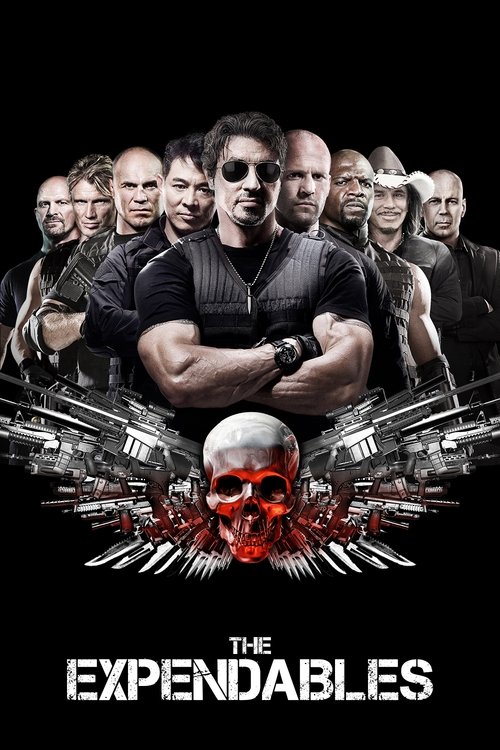
The Expendables
2010Barney Ross leads a band of highly skilled mercenaries including knife enthusiast Lee Christmas, a martial arts expert Yin Yang, heavy weapons specialist Hale Caesar, demolitionist Toll Road, and a loose-cannon sniper Gunner Jensen. When the group is commissioned by the mysterious Mr. Church to assassinate the dictator of a small South American island, Barney and Lee visit the remote locale to scout out their opposition and discover the true nature of the conflict engulfing the city.
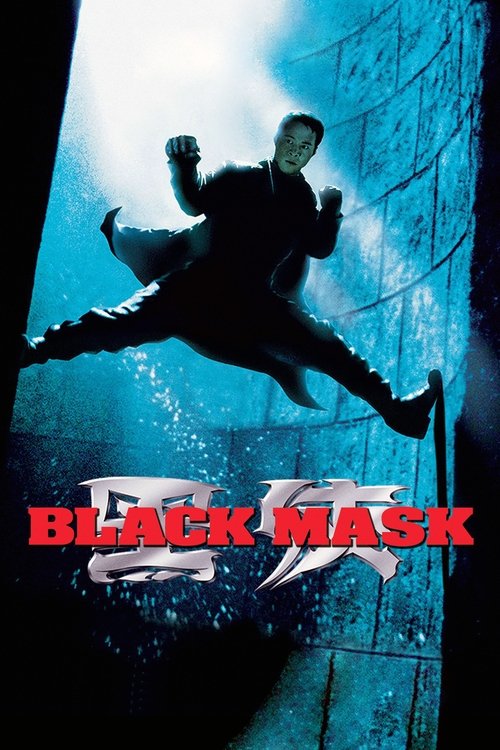
Black Mask
1996Super-soldier recruit Tsui Chik is forced to escape with his comrades after the project is canceled. Months later, he's trying to have a quiet life as a librarian with his best friend, Inspector Shek Wai-Ho. However, a string of vicious gangland murders begins that has all the markings of Tsui's former compatriots who seem to have turned to crime. Realizing that the police are helpless, he decides to take them on himself. With a disguise, Tsui becomes the mysterious superhero known only as Black Mask.
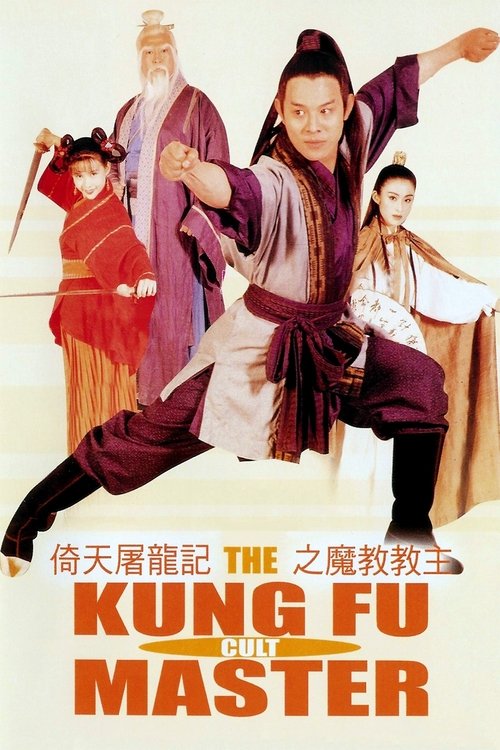
The Kung Fu Cult Master
1993A wild and rollicking martial arts fantasy extravaganza that features prized swords and swordsmen, a crazy monk attached to a rolling boulder, serious clan and cult rivalries, and lots of magic and flying.
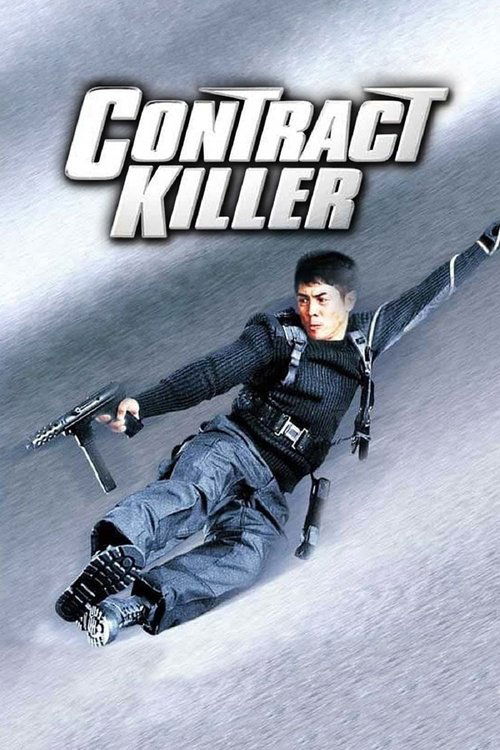
Contract Killer
1998Financially troubled, a newbie hitman reluctantly takes the job of finding the plotted killer of a Japanese tycoon.
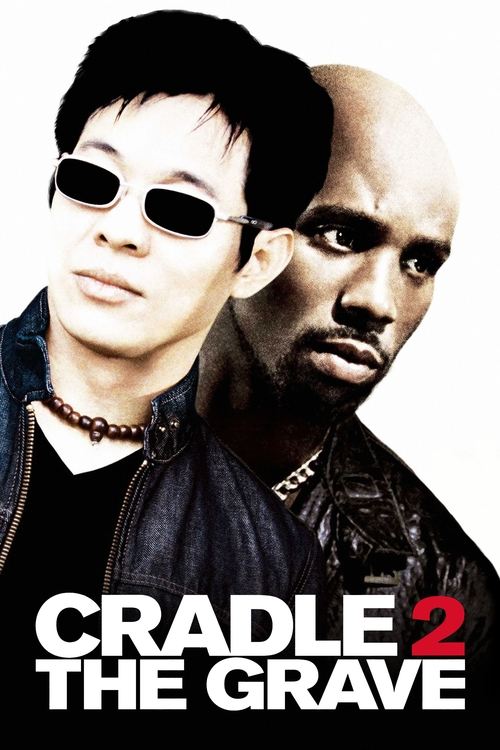
Cradle 2 the Grave
2003Gang leader Tony pulls off a major diamond heist with his crew, but cop-turned-criminal Ling knows who has the loot and responds by kidnapping Tony's daughter and holding her for ransom. Unfortunately, Tony's lost the diamonds as well. As he frantically searches for his daughter and the jewels, Tony pairs with a high-kicking government agent who once worked with Ling and seeks revenge on him.
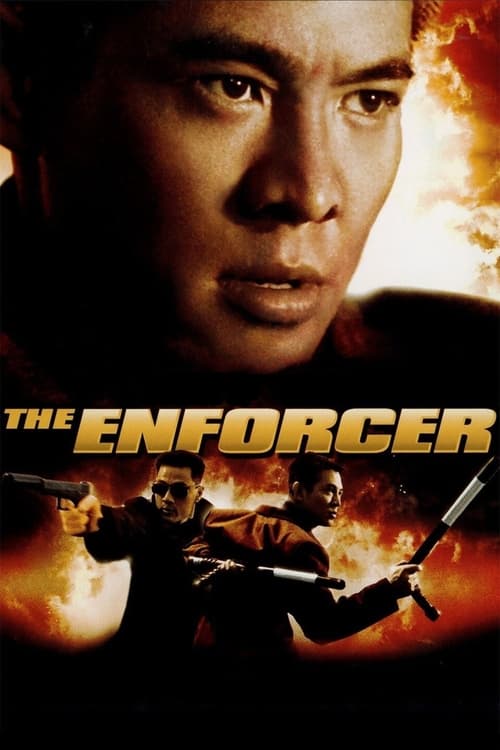
The Enforcer
1995An undercover cop struggling to provide for his son and ailing wife, must infiltrate a ruthless gang. But things turn sour when another cop blows his cover and he quickly finds himself battling for his life and the lives of his family.
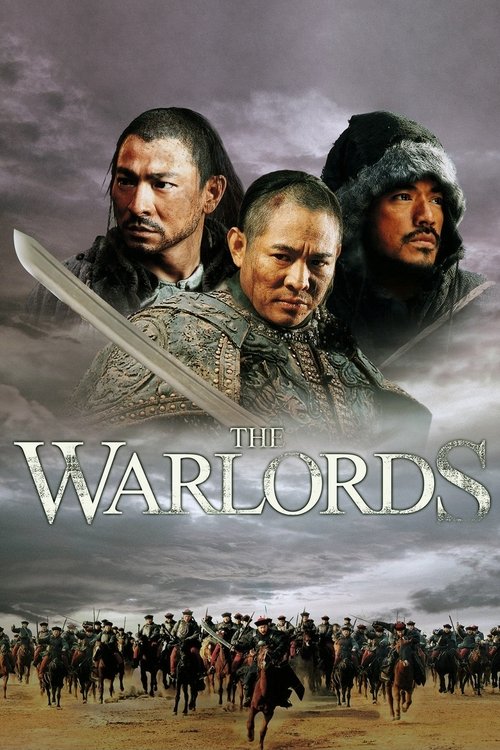
The Warlords
2007The civil war in China has ruined many lives including General Pang's. A wounded General Pang is saved by a beautiful young woman along with two other men. Together they vow to eradicate the rebels.
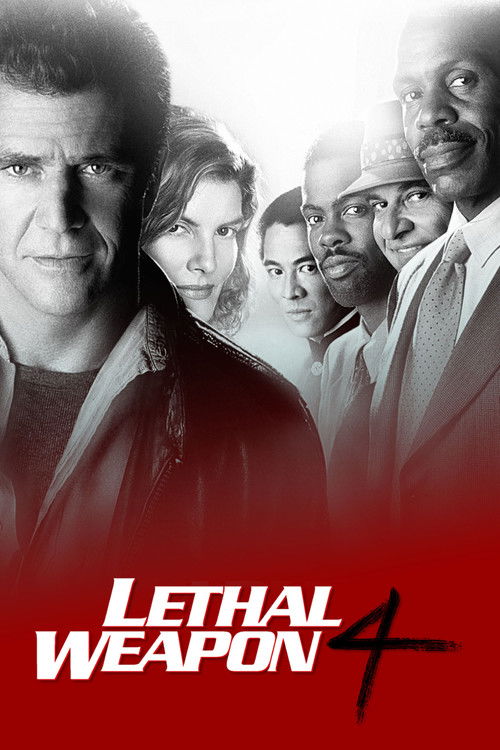
Lethal Weapon 4
1998With personal crises and age weighing in on them, Riggs and Murtaugh must contend with deadly Chinese triads trying to free their former leaders from prison and onto American soil.
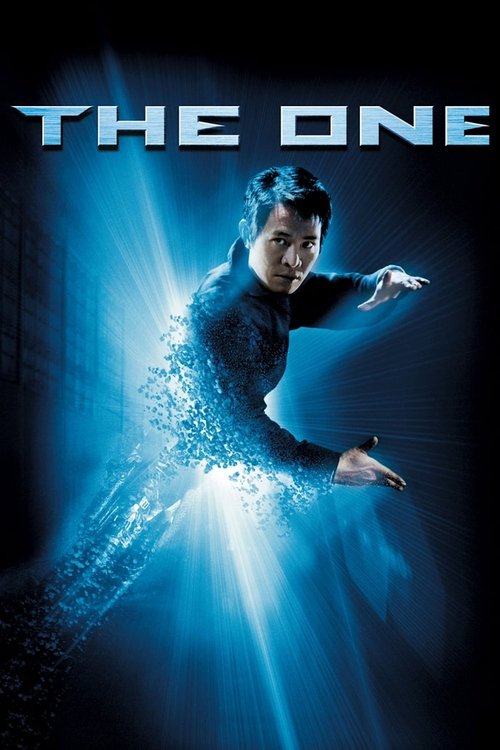
The One
2001A sheriff's deputy fights an alternate universe version of himself who grows stronger with each alternate self he kills.
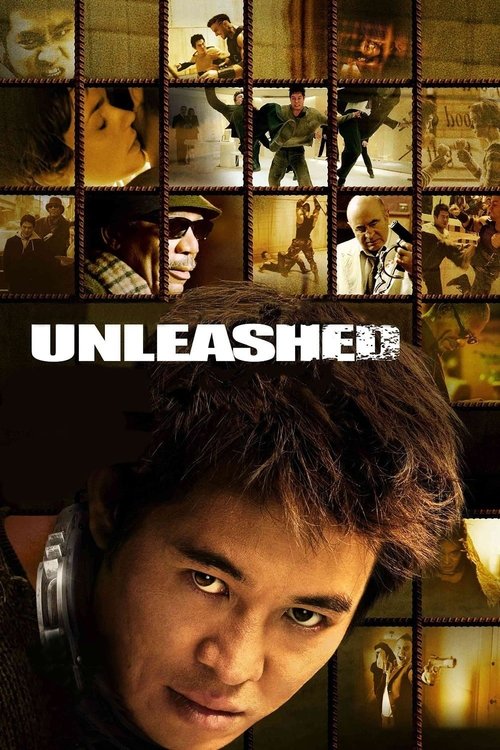
Unleashed
2005Raised as a slave, Danny is used to fighting for his survival. In fact, his "master," Bart, thinks of him as a pet and goes as far as leashing him with a collar so they can make money in fight clubs, where Danny is the main contender. When Bart's crew is in a car accident, Danny escapes and meets a blind, kindhearted piano tuner who takes him in and uses music to free the fighter's long-buried heart.
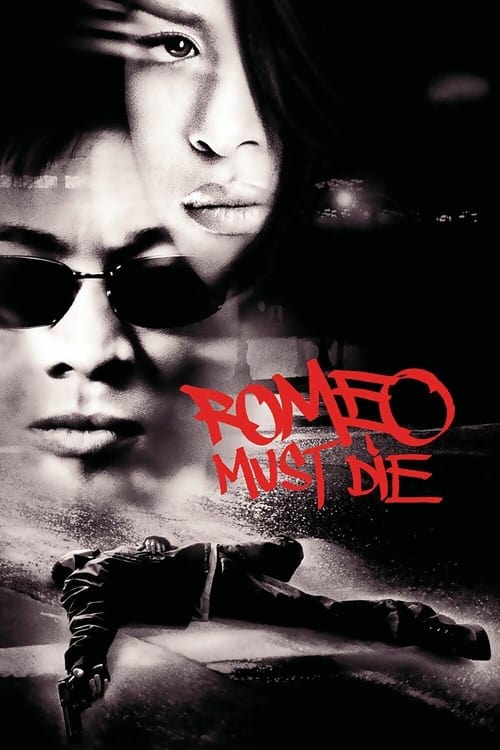
Romeo Must Die
2000Two warring gang families (one African-American, the other Chinese) maneuver for bragging rights to the Oakland, California, docks. Hang Sing and Trish O'Day uncover a trail of deceit that leaves most of the warring factions dead … or worse!
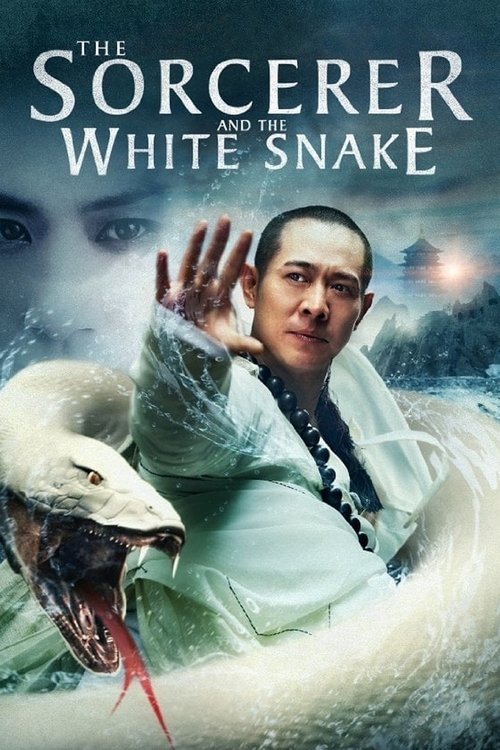
The Sorcerer and the White Snake
2011The Sorcerer and the White Snake is an ancient Chinese fable about a woman demon who falls in love with a mortal is brought to life through the latest advances in CGI and action techniques.
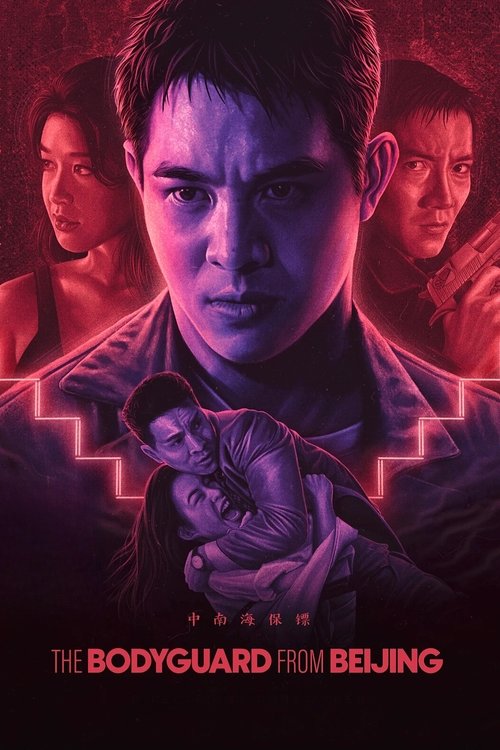
The Bodyguard from Beijing
1994A corrupt businessman commits a murder and the only witness is the girlfriend of another businessman with close connections to the Chinese government, so a bodyguard from Beijing is dispatched to help two Hong Kong cops protect the witness.
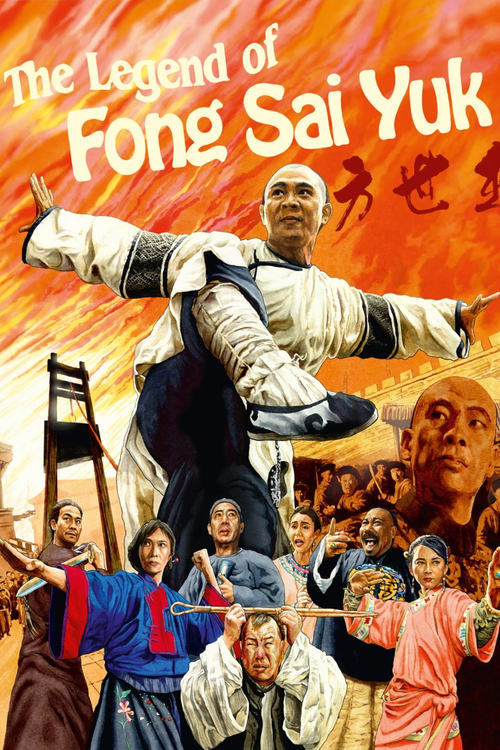
The Legend
1993The secret Red Lotus Flower Society is committed to the overthrow of the evil Manchu Emperor and his minions. One of his Governors is sent on a mission to retrieve a list of members of that secret society. Meanwhile, Canton kung fu practitioner Fong Sai-Yuk falls in love with the beautiful daughter of a rich merchant.
Li leans into a lighter, more mischievous persona as Fong Sai-yuk, demonstrating a comedic timing that perfectly complements his explosive combat skills. The film highlights his ability to carry a high-energy romp with charm and effortless charisma rather than just grim-faced determination.
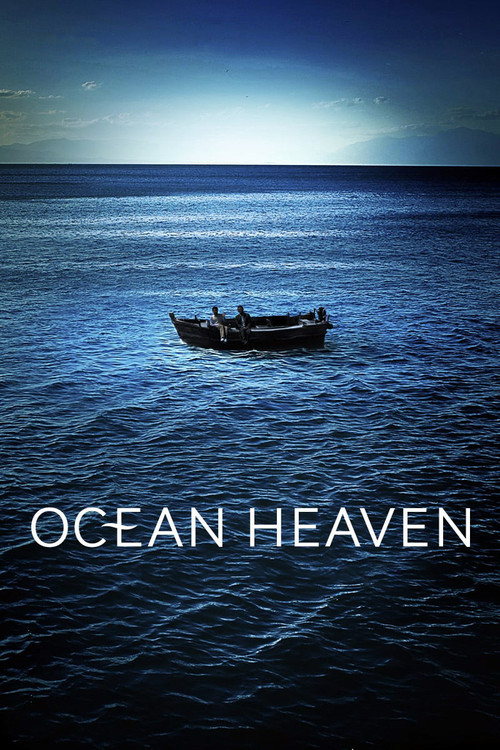
Ocean Heaven
2010The story of a father's tireless love for his autistic son. A terminally ill father's attempt to teach his autistic son the necessary life skills to survive on his own before he passes away. It is also a poignant tribute to the infinite love that parents have for their children and their unending desire to take care and look after them to their best abilities, no matter the struggle, no matter the effort.
Departing entirely from the action genre, Li proves his dramatic worth by portraying a father's quiet desperation and selfless love. It is a sparse, heartbreaking turn that replaces high-flying kicks with a subtle, soulful vulnerability many critics never realized he possessed.
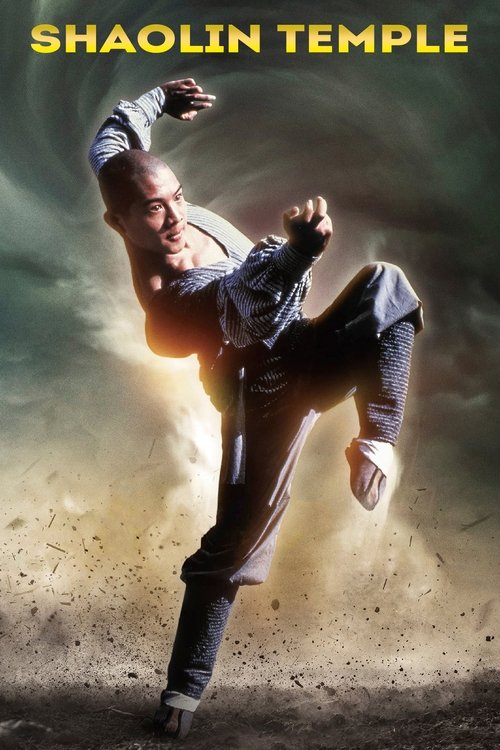
Shaolin Temple
1982The Tang emperor is betrayed by one of his generals, who installs himself as emperor in the East Capital. The son of one of his slave workers escapes to the Shaolin Temple, learns kung fu, and sets out to kill the traitor who killed his father.
This debut captures a wushu prodigy in his purest form, showcasing the genuine acrobatic brilliance that would change the trajectory of Hong Kong cinema. It is a vital historical document of a star being born through sheer, unadulterated physical talent.
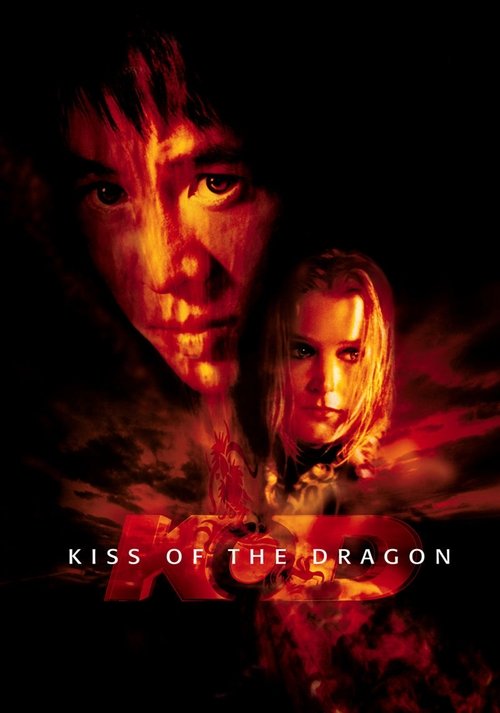
Kiss of the Dragon
2001Liu Jian, an elite Chinese police officer, comes to Paris to arrest a Chinese drug lord. When Jian is betrayed by a French officer and framed for murder, he must go into hiding and find new allies.
Li strips away the wire-work and historical artifice for a gritty, unembellished turn as a fish out of water in the Parisian underworld. This film stands as his most effective Western outing because it prioritizes his terrifying speed and technical bone-breaking over Hollywood pyrotechnics.
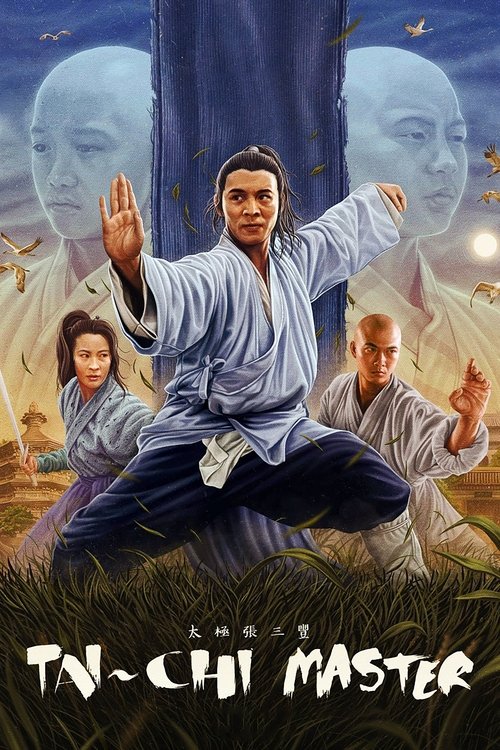
Tai-Chi Master
1993Falsely accused for cheating in a martial arts competition, two boyhood friends are banished from their Shaolin Temple and go their separate ways. As adults, they join opposing sides in a civil war. When one betrays the other, they settle their differences mano-a-mano.
Displaying a surprisingly playful range, Li navigates a character's descent into madness before emerging with the slow-motion grace of the eponymous fighting style. He brilliantly translates complex internal philosophies into circular, flowing movements that redefined how Tai-Chi is perceived on screen.
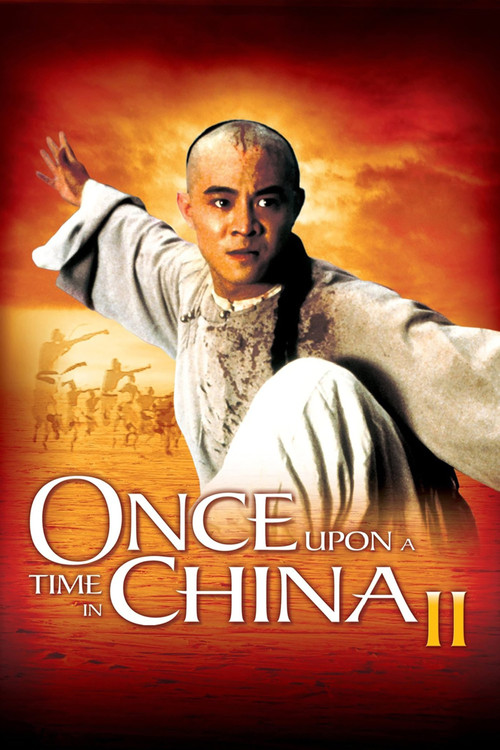
Once Upon a Time in China II
1992Wong Fei-Hung faces the White Lotus Society, a fanatical cult seeking to drive the Europeans out of China through violence, even attacking Chinese who follow Western ways. Wong must also defend revolutionary Dr. Sun Yat Sen from the military.
The actor sharpens his portrayal of Wong Fei-hung in this sequel, finding a more nuanced rhythm between physical comedy and righteous indignation. His ladder-bound duel with Donnie Yen remains a landmark moment where his athletic fluidity reached an untouchable zenith.
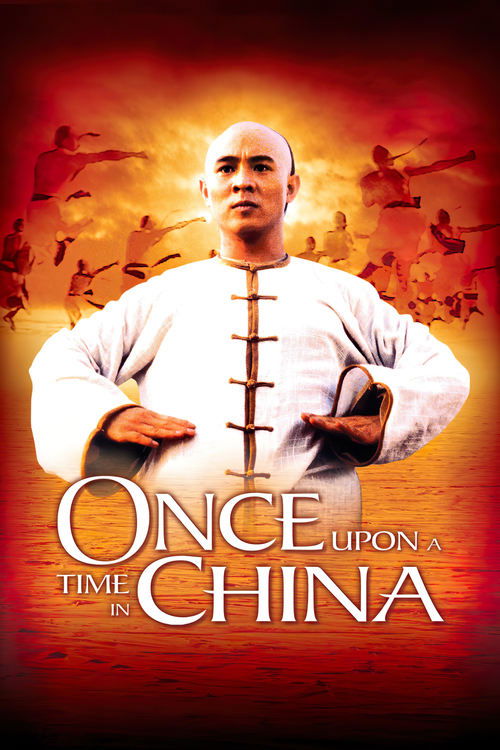
Once Upon a Time in China
1991In late 19th-century Canton, legendary hero Wong Fei-Hung battles foreign forces' (English, French and American) plundering of China. When Aunt Yee returns from America totally westernised, Wong assumes the role of protector. This proves difficult when his martial arts school and local militia become involved in fierce battles with foreign and local governments. As violence escalates, even Aunt Yee has to question her new western ideals, but is it possible to fight guns with Kung Fu?
Li reimagines the folk hero Wong Fei-hung with a stoic dignity that successfully balanced Confucian traditionalism against the encroaching tide of Western influence. This portrayal didn't just define his stardom; it essentially revitalized the period epic for a global audience.
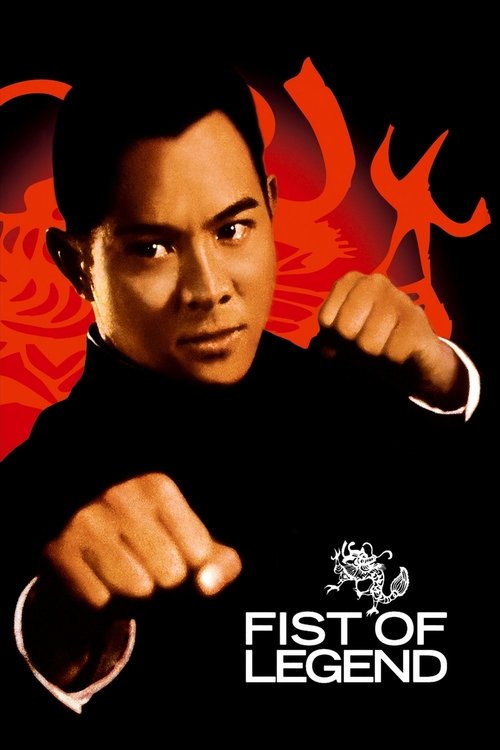
Fist of Legend
1994Chen returns to his school when he finds out that his martial arts teacher has died. When he learns that his school students are harassed by some hooligans, he gears himself up to save them.
In this remake of a Bruce Lee classic, Li anchors the kinetic choreography with a grounded, efficient brutality. It remains the definitive showcase of his technical precision, proving he could modernize traditional combat without losing the raw, visceral impact of the source material.
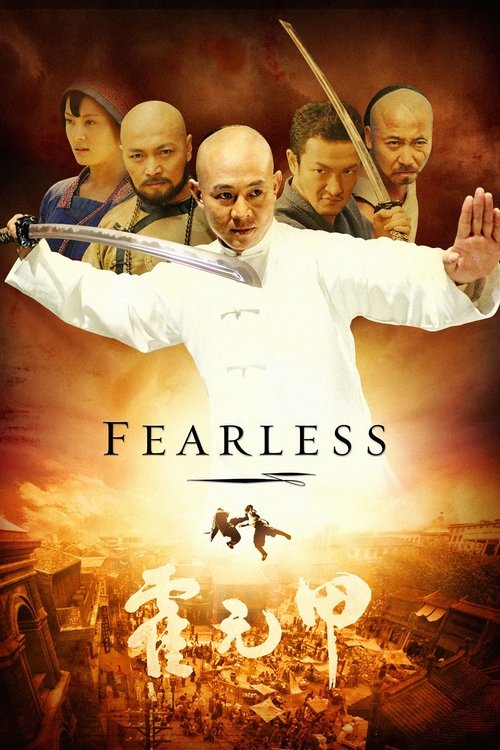
Fearless
2006After going through a series of tragic events in his life, martial arts master Huo Yuanjia returns to Tianjin and must fight four international soldiers, in order to safeguard his nation's pride.
Acting as a spiritual bookend to his martial arts legacy, this performance sees Li peeling back the layers of a hubristic fighter to reveal a vulnerable, aging master. He eschews the invincibility of his earlier roles for a poignant, character-driven study of redemption and internal peace.
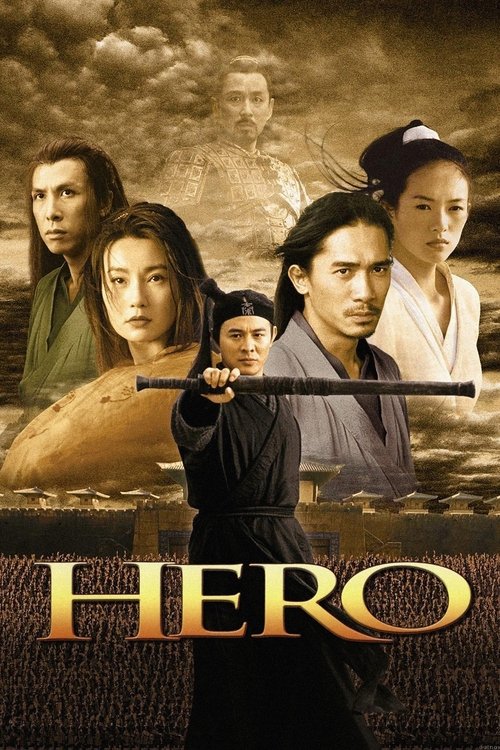
Hero
2002During China's Warring States period, a district prefect arrives at the palace of Qin Shi Huang, claiming to have killed the three assassins who had made an attempt on the king's life three years ago.
Li transcends the physical limitations of the wuxia genre here, projecting a quiet, philosophical intensity that matches the film's monochromatic grandeur. This role marks the pinnacle of his career, where his disciplined stillness becomes as lethal as his lightning-fast swordplay.
Frequently Asked Questions
Everything you need to know about this list and SnakeDrafts
- Jet Li's top films often explore themes of honor, discipline, and redemption, reflecting his martial arts background. For instance, movies like 'Hero' and 'Fearless' delve into historical and philosophical narratives, while films like 'Fist of Legend' emphasize personal and physical resilience.
- 'Shaolin Temple' was pivotal in Jet Li's career, launching him as a martial arts superstar. The film not only popularized his disciplined and precise fighting style but also revitalized the actual Shaolin Temple site, turning it into a renowned cultural landmark.
- Jet Li balances intense action with comedic elements in movies such as 'Once Upon a Time in China II' and 'Tai-Chi Master.' These films highlight his versatility and ability to engage audiences with both thrilling fight choreography and light-hearted moments.
- Films like 'Ocean Heaven' and 'Hero' provide rich emotional and dramatic narratives, showcasing Jet Li's range as an actor. 'Ocean Heaven' especially is noted for its heartfelt story, focusing on themes of family and sacrifice, contrasting with his high-energy action roles.
- Jet Li successfully transitioned from iconic Hong Kong martial arts films to Hollywood blockbusters like 'Romeo Must Die' and 'The One,' bringing his martial arts artistry to a global audience. This move broadened his appeal by mixing Eastern fighting techniques with Western storytelling styles.
- Jet Li's fighting style is distinguished by its precision, elegance, and disciplined execution, stemming from his background as a national wushu champion. Unlike some peers who focus on brute strength or comedic timing, his performances combine athleticism with a refined, almost scholarly approach to martial arts.
- Jet Li has worked several times with directors like Tsui Hark, notably on 'Once Upon a Time in China' and its sequel, and Corey Yuen on films such as 'The Legend' and 'The Bodyguard from Beijing.' These collaborations have resulted in some of the most iconic and influential martial arts films in his career.