Every Christopher Lloyd Movie Ranked
The Definitive Filmography of a Hollywood Character Icon
Explore the best films of Christopher Lloyd, from his iconic role as Doc Brown to classic performances in award-winning dramas and cult comedies.
About Christopher Lloyd
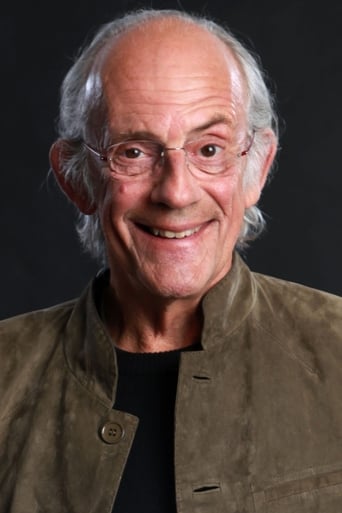
In the pantheon of Hollywood legends, few actors possess the ability to turn frantic energy into high art quite like Christopher Lloyd. He operates on a frequency that feels entirely his own, a mixture of jittery intellectualism and a piercing, wide-eyed sincerity that bridges the gap between the cartoonish and the profound. While many performers fight to be the grounded center of a scene, he has spent half a century leaning into the fringes, proving that the most interesting things often happen at the edge of the frame.
His arrival in the mid-seventies via One Flew Over the Cuckoo's Nest signaled a talent capable of immense vulnerability. As the high-strung Taber, he held his own against established titans, grounding a chaotic ensemble with a twitchy, lived-in realism. Yet, it was the following decade that transformed him into a cultural shorthand for eccentric genius. When he stepped into the garage as Emmett Doc Brown in Back to the Future, he didn't just play a scientist; he invented a whole new archetype. His performance in that trilogy is a masterclass in physical comedy, where every wild gesture and panicked exclamation feels fueled by a genuine, infectious love for discovery. He made the pursuit of science feel like a grand adventure, ensuring that generations of audiences would look at a DeLorean and see a vessel for pure imagination.
The brilliance of his career lies in its startling versatility. He can disappear into the gothic, macabre warmth of Uncle Fester in The Addams Family and its sequel, finding the sweetness inside a man who enjoys being electrocuted. Conversely, he can lean into pure, nightmare-inducing villainy. His turn as Judge Doom in Who Framed Roger Rabbit remains one of the most chilling performances in family cinema, a feat of stillness and terrifying precision that proved he could be just as effective holding back as he was letting loose. Whether he is playing an uptight Professor Plum in the cult favorite Clue or the menacing Klingon Commander Kruge in Star Trek III: The Search for Spock, he brings a regal weight to every role, no matter how heavy the prosthetics.
Even as he moved into the later stages of his career, that signature spark never dimmed. He lent his distinctive voice to the villainous Rasputin in Anastasia and brought a whimsical, philosophical air to the road trip odyssey Interstate 60. More recently, he has enjoyed a resurgence by playing against type. In the gritty action flick Nobody, he traded the lab coat for a shotgun, delivering a performance that reminded everyone he still has plenty of bite. In George Clooney's The Tender Bar, he displayed a quiet, understated gravity that felt like a gentle nod to his beginnings in prestige drama.
Audiences connect with him because there is no ego in his work. He is a character actor in the truest sense, someone who inhabits a role so completely that the man himself remains a bit of a mystery. We trust him because he treats the absurd with the same respect as the dramatic. By never winking at the camera or playing down to the material, he has carved out a legacy as cinema's favorite outsider, a man who taught us that being the oddest person in the room is often the most powerful thing you can be.

Wit
2001A renowned professor is forced to reassess her life when she is diagnosed with terminal ovarian cancer.
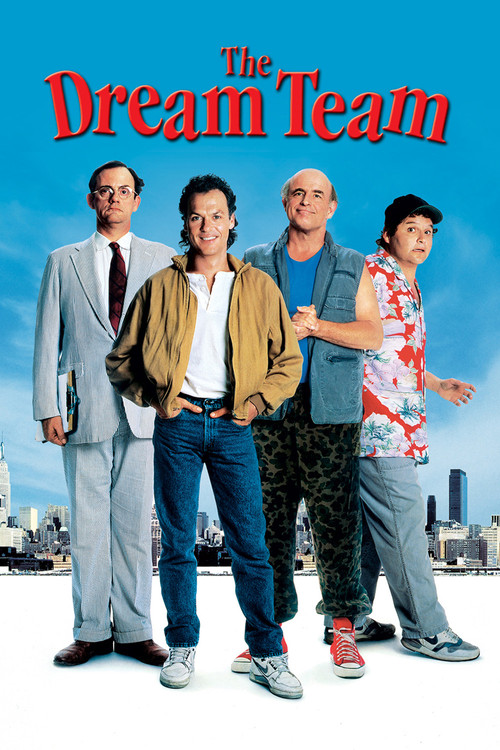
The Dream Team
1989Four mental patients on a field trip in New York City must save their caring chaperone, who ends up being taken to a hospital in a coma after accidentally witnessing a murder, before the killers can find him and finish the job.
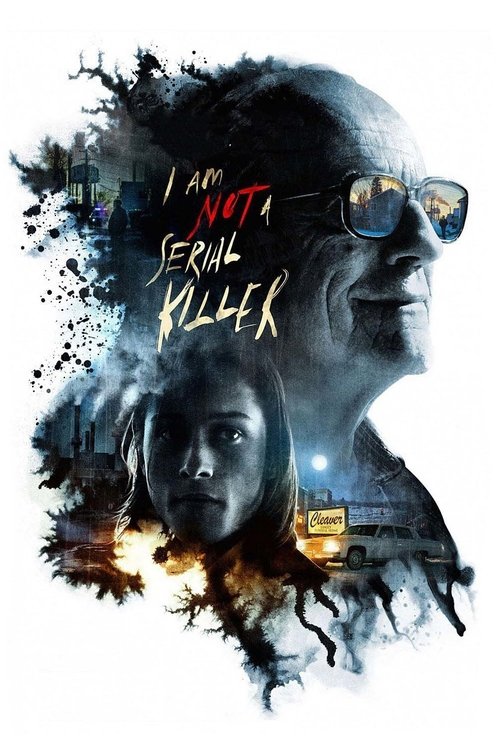
I Am Not a Serial Killer
2016In a small Midwestern town, a troubled teen with homicidal tendencies must hunt down and destroy a supernatural killer while keeping his own inner demons at bay.
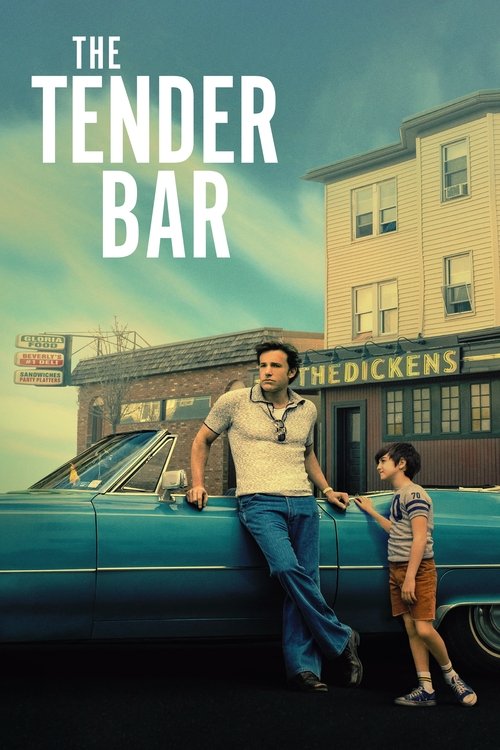
The Tender Bar
2021JR is a fatherless boy growing up in the glow of a bar where the bartender, his Uncle Charlie, is the sharpest and most colorful of an assortment of quirky and demonstrative father figures. As the boy’s determined mother struggles to provide her son with opportunities denied to her — and leave the dilapidated home of her outrageous if begrudgingly supportive father — JR begins to gamely, if not always gracefully, pursue his romantic and professional dreams, with one foot persistently placed in Uncle Charlie’s bar.
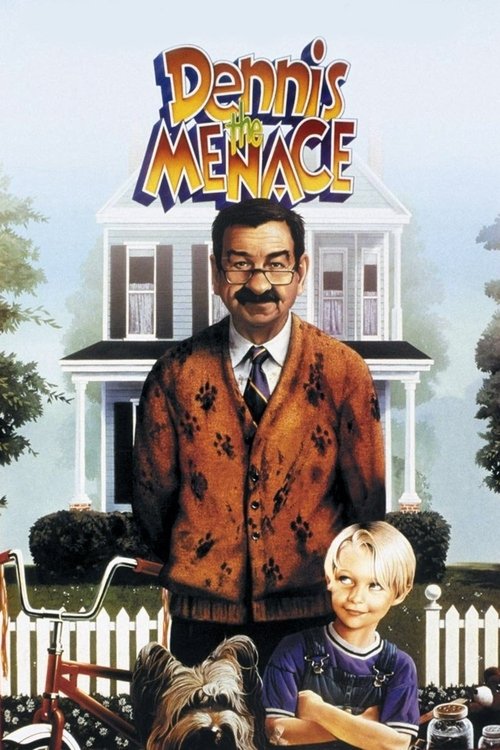
Dennis the Menace
1993Mr. Wilson's ever-present annoyance comes in the form of one mischievous kid named Dennis. But he'll need Dennis's tricks to uncover a collection of gold coins that go missing when a shady drifter named Switchblade Sam comes to town.
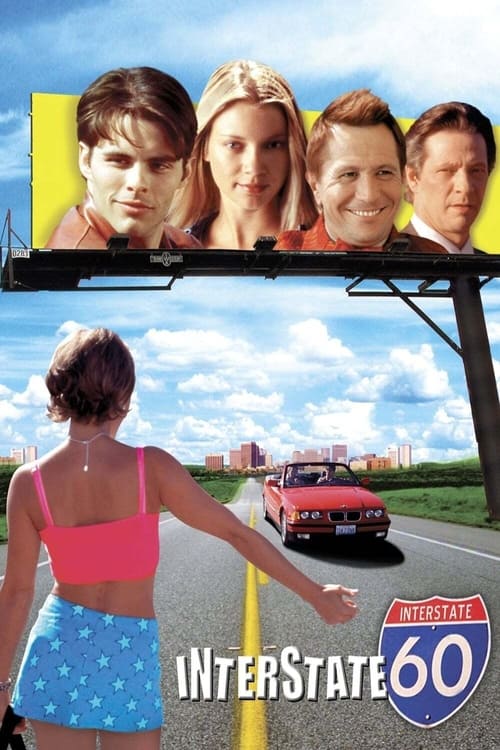
Interstate 60
2002An aspiring painter meets various characters and learns valuable lessons while traveling across America.
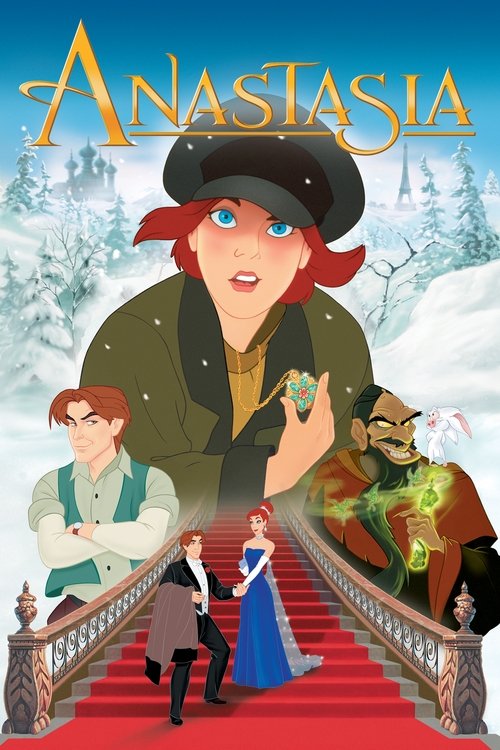
Anastasia
1997Ten years after she was separated from her family, an eighteen-year-old orphan with vague memories of the past sets out to Paris in hopes of reuniting with her grandmother. She is accompanied by two con men, who intend to pass her off as the Grand Duchess Anastasia to the Dowager Empress for a reward.
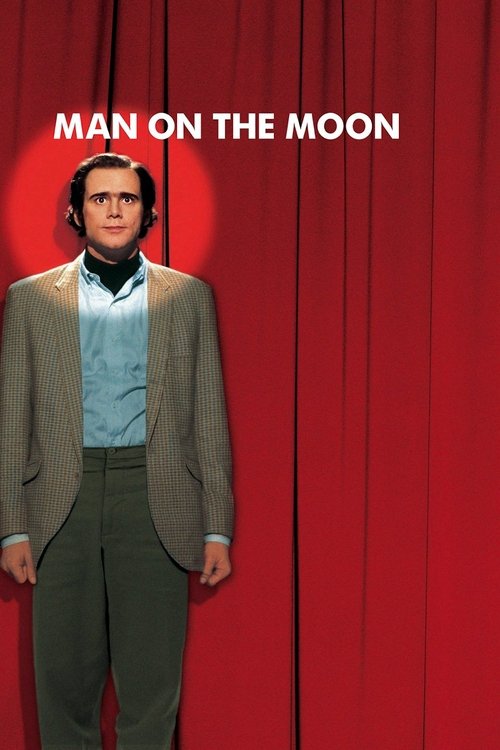
Man on the Moon
1999The story of the life and career of eccentric avant-garde comedian, Andy Kaufman.
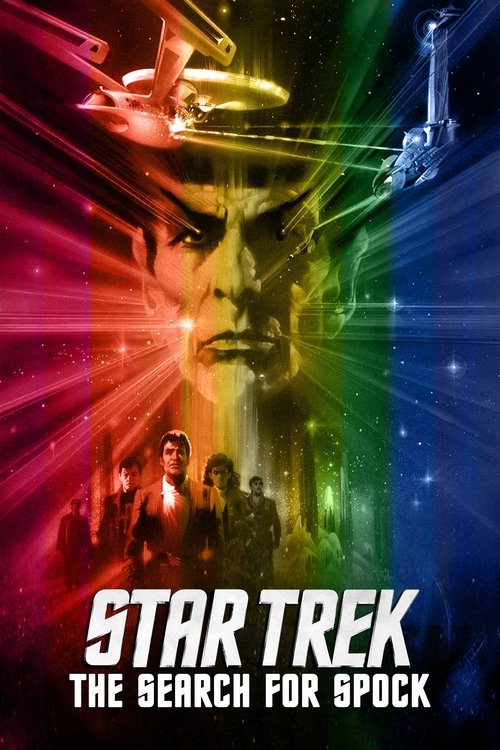
Star Trek III: The Search for Spock
1984A surprise visit from Spock's father provides a startling revelation: McCoy is harboring Spock's living essence.
Donning the ridges of Commander Kruge, Lloyd elevates a standard antagonist role into a Shakespearean portrait of Klingon ruthlessness. His menacing, gravitas-heavy performance demonstrated his ability to dominate large-scale sci-fi epics while remaining unrecognizable beneath the makeup.
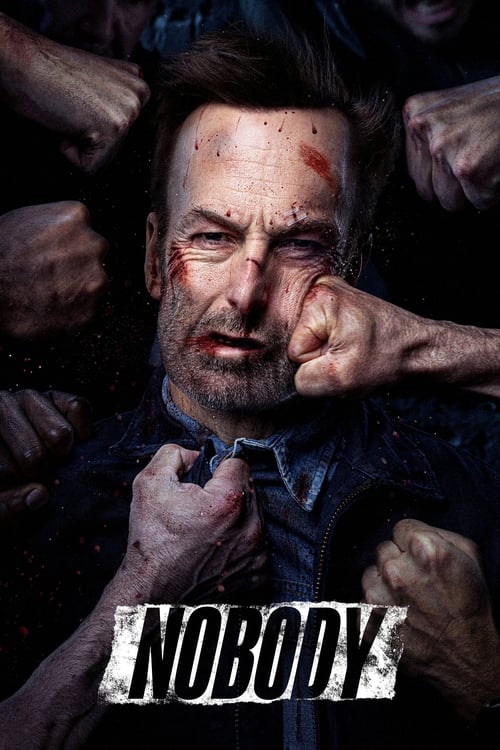
Nobody
2021Hutch Mansell, a suburban dad, overlooked husband, nothing neighbor — a "nobody." When two thieves break into his home one night, Hutch's unknown long-simmering rage is ignited and propels him on a brutal path that will uncover dark secrets he fought to leave behind.
Reinvigorating his career in his later years, Lloyd steals every scene as a retired assassin who operates with a lethal, twinkle-eyed glee. This role serves as a delightful subversion of his elder statesman status, trading scientific jargon for a shotgun with unexpected, gritty charisma.
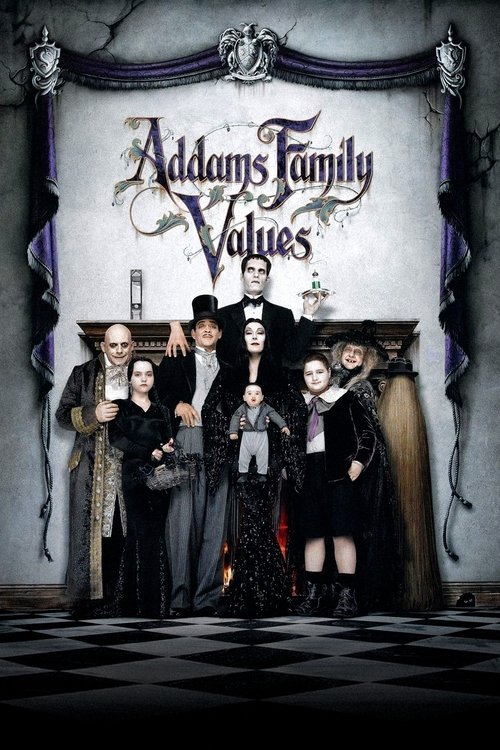
Siblings Wednesday and Pugsley Addams will stop at nothing to get rid of Pubert, the new baby boy adored by parents Gomez and Morticia. Things go from bad to worse when the new "black widow" nanny, Debbie Jellinsky, launches her plan to add Fester to her collection of dead husbands.
Leaning into a more vulnerable, lovestruck version of Fester, Lloyd finds new comedic depths in the character's gullibility and physical comedy. He excels as the comedic foil to Joan Cusack’s villainy, reminding audiences that his talent for slapstick is matched only by his screen presence.
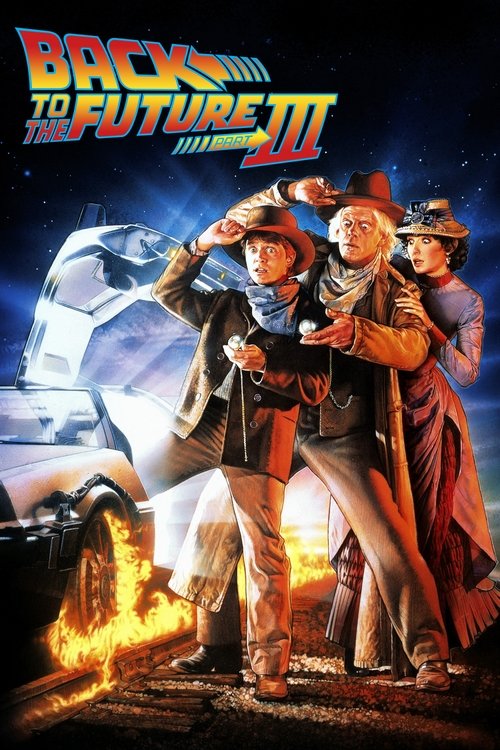
The final installment finds Marty digging the trusty DeLorean out of a mineshaft and looking for Doc in the Wild West of 1885. But when their time machine breaks down, the travelers are stranded in a land of spurs. More problems arise when Doc falls for pretty schoolteacher Clara Clayton, and Marty tangles with Buford Tannen.
Lloyd pivots beautifully into a romantic lead role in this genre-bending finale, proving he could sustain a poignant love story without sacrificing his trademark eccentricity. By softening Doc Brown’s edges, he provides a satisfying emotional resolution to one of the most beloved arcs in film history.
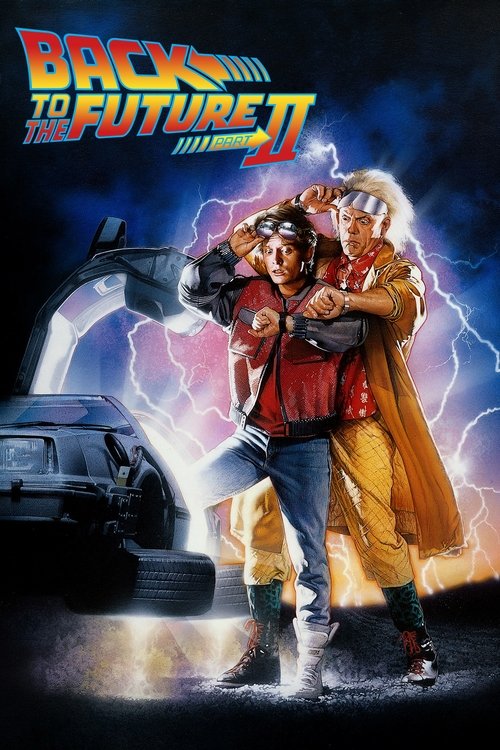
Marty and Doc are at it again as the time-traveling duo head to 2015 to nip some McFly family woes in the bud. But things go awry thanks to bully Biff Tannen and a pesky sports almanac. In a last-ditch attempt to set things straight, Marty finds himself bound for 1955 and face to face with his teenage parents -- again.
The sequel demands a frantic, dual-layered performance as Lloyd navigates a convoluted timeline, yet he never loses the character's internal logic amidst the temporal chaos. His ability to heighten the stakes while maintaining the Doctor's signature scatterbrained charm keeps the narrative's dizzying pace from feeling disjointed.
The Addams Family
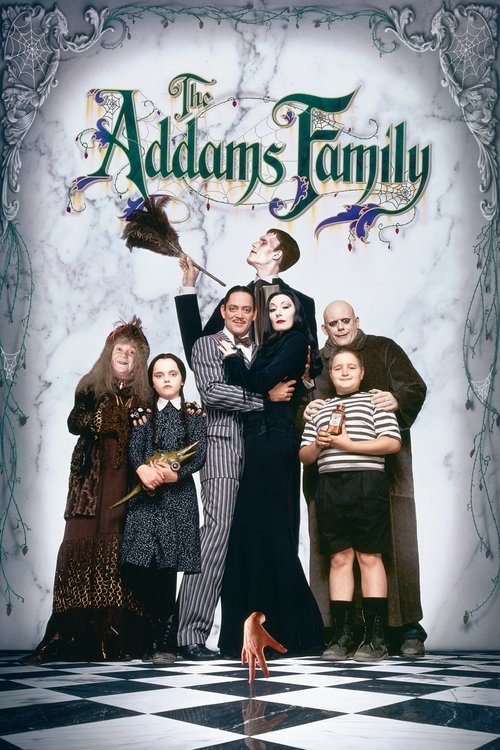
1991When a man claiming to be long-lost Uncle Fester reappears after 25 years lost, the family plans a celebration to wake the dead. But the kids barely have time to warm up the electric chair before Morticia begins to suspect Fester is fraud when he can't recall any of the details of Fester's life.
Hidden beneath heavy prosthetics, Lloyd captures the bizarre, childlike wonder of Uncle Fester through remarkably expressive eye work and a unique, lumbering gait. He successfully humanizes a macabre caricature, turning an oddity into the emotional heart of this gothic comedy.
Clue
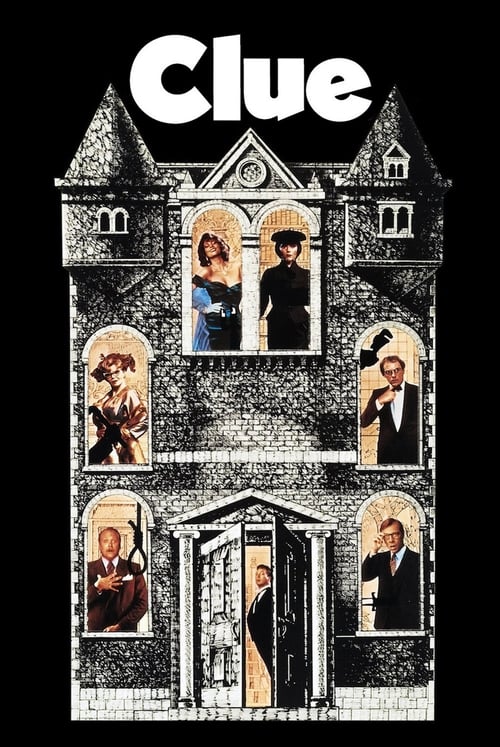
1985Clue finds six colorful dinner guests gathered at the mansion of their host, Mr. Boddy -- who turns up dead after his secret is exposed: He was blackmailing all of them. With the killer among them, the guests and Boddy's chatty butler must suss out the culprit before the body count rises.
Subverting his usual boisterous persona, Lloyd plays Professor Plum with a deliciously droll, understated sleaziness that thrives within the film's ensemble chemistry. His comedic timing here relies on sharp glances and dry delivery, showcasing a versatility that balances the script's chaotic slapstick.
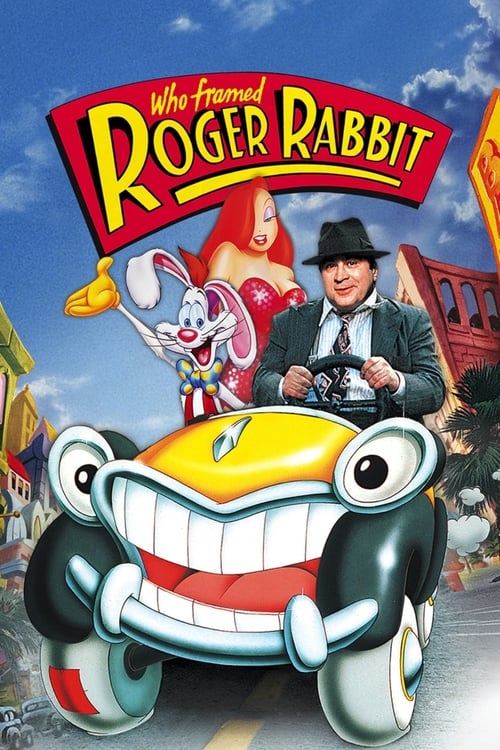
'Toon star Roger is worried that his wife Jessica is playing pattycake with someone else, so the studio hires detective Eddie Valiant to snoop on her. But the stakes are quickly raised when Marvin Acme is found dead and Roger is the prime suspect.
Lloyd’s Judge Doom is a chilling masterclass in villainy where the actor weaponizes a terrifying lack of blinking and a cold, predatory rasp. He provides the high-stakes terror necessary to ground a cartoonish world, creating one of the most genuinely nightmarish antagonists in family cinema.
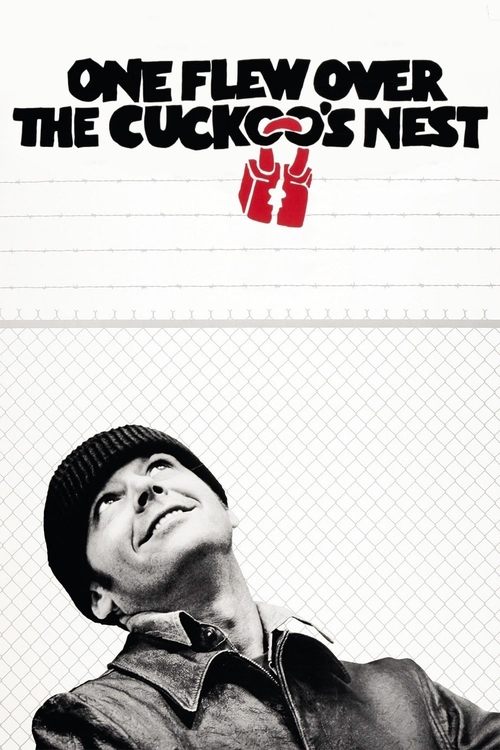
One Flew Over the Cuckoo's Nest
1975A petty criminal fakes insanity to serve his sentence in a mental ward rather than prison. He soon finds himself as a leader to the other patients—and an enemy to the cruel, domineering nurse who runs the ward.
In his film debut, Lloyd utilizes a haunting, unblinking intensity to portray the volatile Taber, instantly establishing his penchant for playing characters on the psychological edge. It is a masterful exercise in stillness and sudden aggression that proved he could command the screen alongside titans like Jack Nicholson.
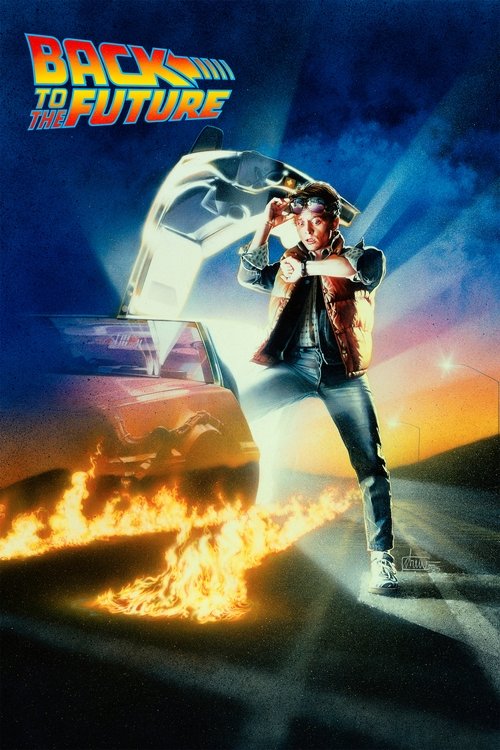
Eighties teenager Marty McFly is accidentally sent back in time to 1955, inadvertently disrupting his parents' first meeting and attracting his mother's romantic interest. Marty must repair the damage to history by rekindling his parents' romance and - with the help of his eccentric inventor friend Doc Brown - return to 1985.
As the wide-eyed Emmett Brown, Lloyd crafts a permanent archetype of cinematic eccentricism by anchoring a frenetic, slapstick physicality with deep-seated sincerity. This career-defining turn transformed him into a generational icon whose manic energy serves as the film's essential kinetic engine.
Frequently Asked Questions
Everything you need to know about this list and SnakeDrafts
- Christopher Lloyd's comedic prowess shines in films like 'Back to the Future' and 'Clue,' where his timing and eccentric character work add a unique charm that has captivated audiences for decades.
- In 'One Flew Over the Cuckoo's Nest,' Lloyd takes on a much more dramatic and subdued role compared to his high-energy comedic characters, demonstrating his versatility as an actor capable of serious, award-winning performances.
- The list highlights Lloyd's frequent appearances in science fiction, comedy, and fantasy films, such as 'Back to the Future,' 'Who Framed Roger Rabbit,' and 'The Addams Family,' showcasing his ability to navigate both whimsical and thrilling narratives.
- Yes, 'The Addams Family' and 'Addams Family Values' are both family-friendly films where Lloyd's portrayal of Uncle Fester combines spooky fun with heartwarming moments suitable for all ages.
- While mostly known for his comedy and fantasy roles, Lloyd also appears in action and thriller genres, including the film 'Nobody,' reflecting his adaptability to different cinematic styles.
- Robert Zemeckis plays a pivotal role in Lloyd's career, directing several of his most iconic films like 'Back to the Future' and 'Who Framed Roger Rabbit,' which have cemented Lloyd’s status as a pop culture icon.
- Christopher Lloyd lends his distinctive voice to the animated film 'Anastasia,' showcasing his talent beyond live-action roles and adding depth to the character he portrays in the family-friendly fantasy adventure.
- Lloyd’s collaborations with Miloš Forman, including 'One Flew Over the Cuckoo's Nest' and 'Man on the Moon,' emphasize his capacity to perform in critically acclaimed dramas that balance dark humor and profound storytelling.