Every James Wan Movie Ranked
The Modern Master of Horror and Blockbuster Thrills
Discover the essential filmography of James Wan, from the terrifying Conjuring universe to high-octane action in Furious Seven and Aquaman.
About James Wan
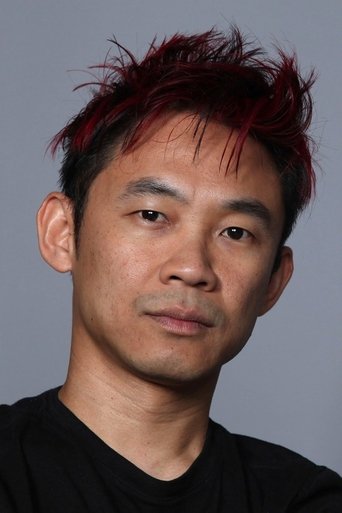
In the landscape of modern cinema, few filmmakers possess the ability to pivot from the crushing weight of a claustrophobic basement to the operatic neon glow of an underwater kingdom without losing their soul. James Wan operates like a master clockmaker, obsessed with the mechanics of tension and the rhythmic release of a perfectly timed scare. He first shattered the status quo with Saw, a film that redefined the visceral potential of independent horror and introduced a gritty, industrial aesthetic that launched a billion-dollar machine. Yet, while his peers often got lost in the carnage, he remained tethered to the fundamental power of the camera as an instrument of dread.
His true signature is the wandering lens. In both The Conjuring and its expansive sequel, he utilizes long, prowling tracking shots that treat domestic architecture like a trap. He understands that what we cannot see in the corner of a wide frame is infinitely more terrifying than a monster in center view. This spatial awareness turned a simple suburban home into a character of its own, cementing a classicist approach to the supernatural that felt both nostalgic and sharp. When he stepped into the Insidious franchise, he leaned into a different kind of nightmare logic, trading grounded realism for the surreal, high-contrast imagery of a funhouse. His films often feel like choreographed dances between the audience and the screen, manipulating breathing patterns until the final, inevitable jolt.
The industry quickly realized that this brand of precision translates across genres. He took the reins of Furious 7 and proved that his eye for kinetic energy wasn't limited to shadows. He treated high-octane street racing with the same spatial clarity he applied to a haunted hallway, ensuring that even the most chaotic set pieces felt grounded in a coherent geography. This knack for world-building reached its apex with Aquaman, where he abandoned the gritty tropes of the superhero genre for a sprawling, kaleidoscopic epic. It was a bold embrace of the camp and color of comic book history, executed with a confidence that few other directors could muster while managing a massive studio budget.
Perhaps his most telling work is the divisive, brilliant Malignant. It serves as a manifesto for his creative philosophy, blending the atmospheric tension of his early career with an unhinged, Giallo-inspired madness that keeps the viewer off-balance. It showcases a director who refuses to be pigeonholed, one who finds as much joy in the campy theatrics of Dead Silence as he does in the gritty, revenge-soaked streets of Death Sentence. He is a stylist who respects the architecture of a good story, building elaborate frameworks just to see how spectacularly he can tear them down. Whether he is working with a puppet, a ghost, or a submarine, his presence is felt in the deliberate, gliding movement of the camera and an unwavering commitment to the spectacle of the moment. He has become the architect of the modern blockbuster, proving that whether the stakes are a haunted bedroom or the fate of the seven seas, the thrill is always in the craftsmanship.
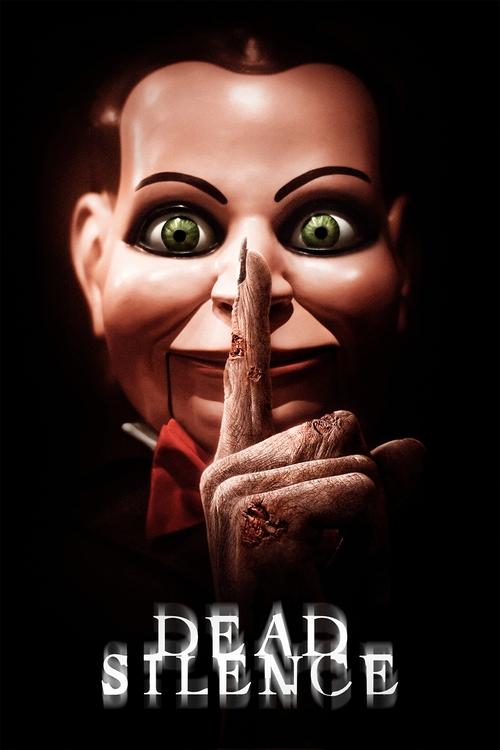
Dead Silence
2007Jamie returns to his hometown in search of answers to his wife's murder, which occurred after receiving a weird package containing a ventriloquist dummy named Billy, which may be linked to the legend of ventriloquist Mary Shaw. Destined to find out the truth, Jamie goes to the town of Raven's Fair, where Shaw used to perform and is buried. But Jamie is in for more than he expected.
This stylish foray into atmospheric Gothicism showcases a director obsessed with the uncanny and the theatricality of fear. While it leans heavily on artifice, the film serves as a pivotal laboratory for the visual motifs and mechanical doll-centric dread that Wan would later master.
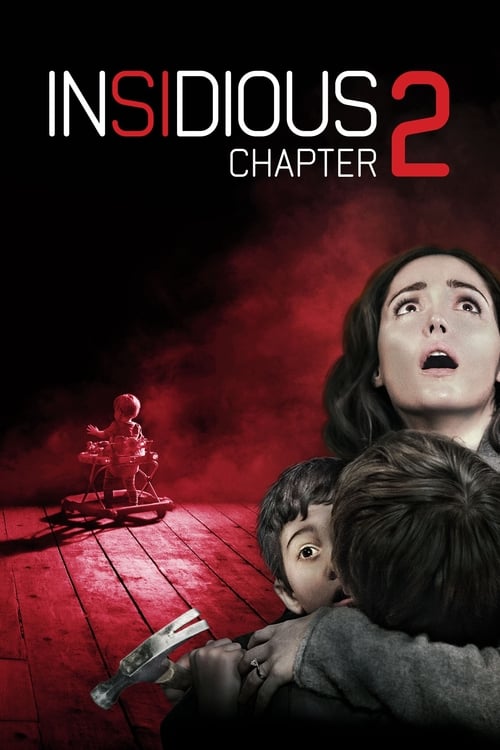
Insidious: Chapter 2
2013The haunted Lambert family seeks to uncover the mysterious childhood secret that has left them dangerously connected to the spirit world.
Diving deeper into the mythology of his own creation, Wan utilizes a non-linear structure to recontextualize the terrors of the first installment. The film operates as an intricate puzzle box that highlights his fascination with time, legacy, and the inescapable nature of trauma.
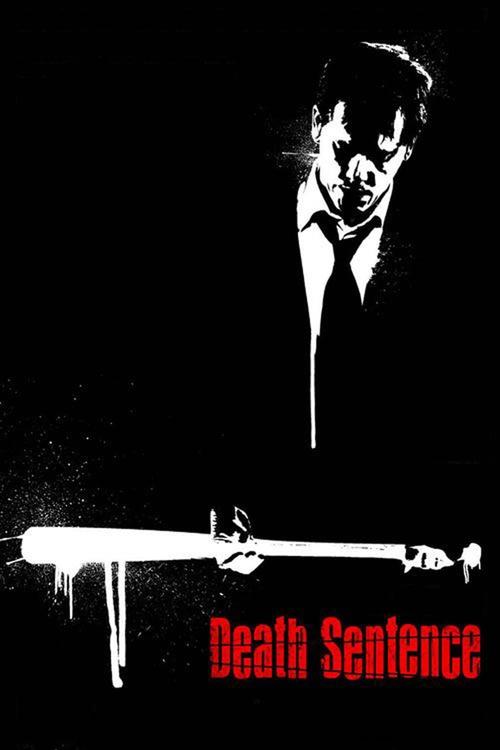
Death Sentence
2007Nick Hume is a mild-mannered executive with a perfect life, until one gruesome night he witnesses something that changes him forever. Transformed by grief, Hume eventually comes to the disturbing conclusion that no length is too great when protecting his family.
Wan pivots to the urban vigilante thriller with a gritty, stylistic ferocity that echoes the genre’s bleakest ancestors. His use of frantic camerawork and high-contrast lighting transforms a standard revenge arc into a harrowing study of cyclical violence.
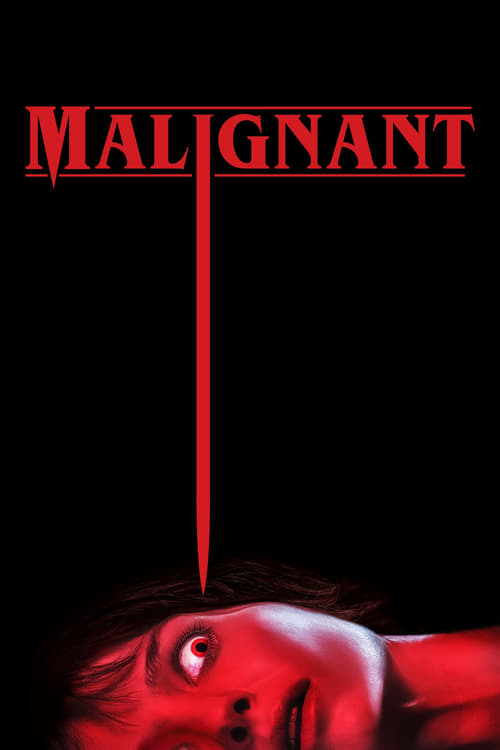
Malignant
2021Madison is paralyzed by shocking visions of grisly murders, and her torment worsens as she discovers that these waking dreams are in fact terrifying realities with a mysterious tie to her past.
Unfettered and gloriously transgressive, this film serves as a love letter to the Giallo tradition and body-horror excesses of the eighties. It marks a bold departure from his more polished studio offerings, reveling in a chaotic energy that challenges the audience’s expectations.
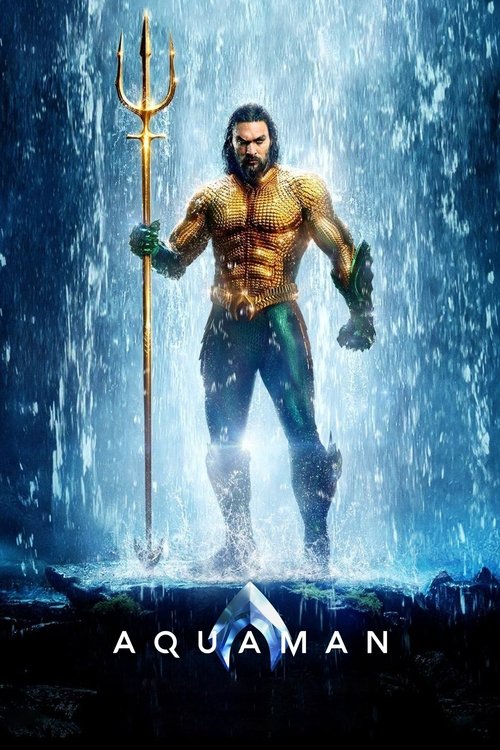
Aquaman
2018Half-human, half-Atlantean Arthur Curry is taken on the journey of his lifetime to discover if he is worth of being a king.
A vivid explosion of neon-drenched world-building that reveals Wan’s inner fantasist through kaleidoscopic creature design and fluid camera movement. He successfully navigates the pressures of franchise filmmaking by infusing a caped crusade with the distinct flavor of an underwater creature feature.
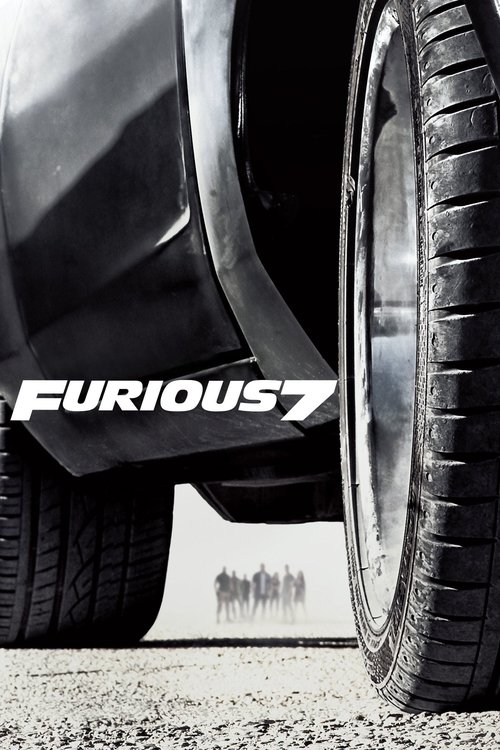
Furious 7
2015Deckard Shaw seeks revenge against Dominic Toretto and his family for his comatose brother.
Wan demonstrates remarkable adaptability by translating his kinetic editorial style into high-octane spectacle and logic-defying gravity. This blockbuster pivot proves he can handle massive emotional stakes and complex physical geography without losing his signature rhythmic control.
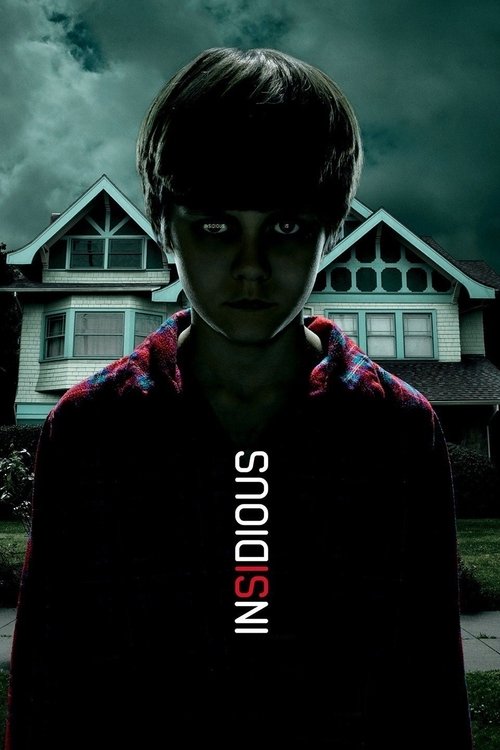
Insidious
2011A family discovers that dark spirits have invaded their home after their son inexplicably falls into an endless sleep. When they reach out to a professional for help, they learn things are a lot more personal than they thought.
By blending carnival-esque surrealism with domestic dread, Wan crafts a visceral sensory experience that lingers long after the credits roll. This entry represents his pivot toward a more stylistically experimental aesthetic that prioritizes atmospheric texture over logical realism.
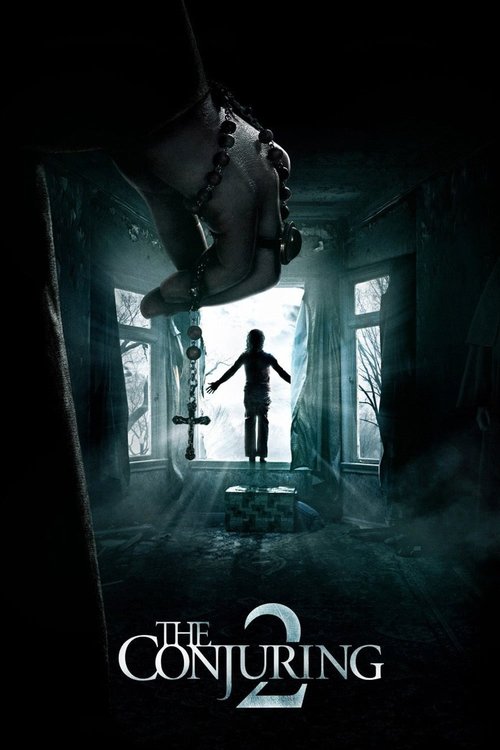
The Conjuring 2
2016Lorraine and Ed Warren travel to north London to help a single mother raising four children alone in a house plagued by malicious spirits.
In this maximalist sequel, Wan expands his visual vocabulary with ambitious long takes that elevate the jump-scare to a choreographed art form. It solidifies his reputation as a world-builder who treats paranormal investigations with the gravity of a grand operatic epic.
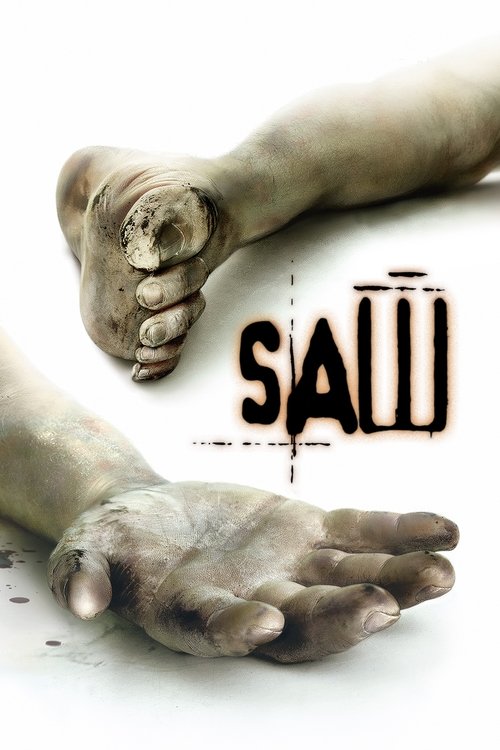
Saw
2004Two men wake up to find themselves shackled in a grimy, abandoned bathroom. As they struggle to comprehend their predicament, they discover a disturbing tape left behind by the sadistic mastermind known as Jigsaw. With a chilling voice and cryptic instructions, Jigsaw informs them that they must partake in a gruesome game in order to secure their freedom.
A raw exercise in industrial nihilism that redefined the modern horror landscape with its cruel ingenuity and claustrophobic framing. It remains a foundational text in twentieth-first-century genre cinema, showcasing Wan’s ability to thrive within the brutal constraints of low-budget storytelling.
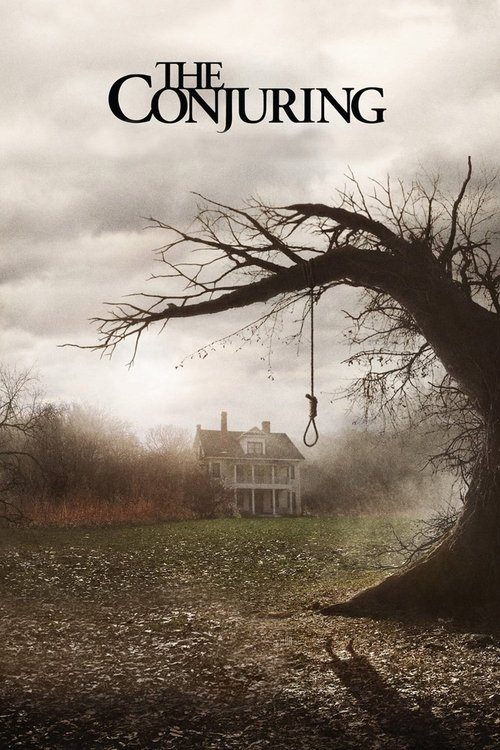
The Conjuring
2013Paranormal investigators Ed and Lorraine Warren work to help a family terrorized by a dark presence in their farmhouse. Forced to confront a powerful entity, the Warrens find themselves caught in the most terrifying case of their lives.
Wan reaches the apex of his craft by revitalizing the haunted house subgenre through exquisite formal rigor and a mastery of negative space. This film stands as his definitive legacy project, proving that traditional suspense can still shatter nerves when executed with such technical precision.
Frequently Asked Questions
Everything you need to know about this list and SnakeDrafts
- James Wan frequently explores themes of supernatural horror and suspense, evident in movies like The Conjuring, Insidious, and Malignant. He also diversifies into action and fantasy, as seen in Furious 7 and Aquaman, showcasing his ability to handle a wide range of genres while maintaining tension and excitement.
- With Saw, James Wan redefined independent horror by introducing a gritty, suspenseful style that hinges on psychological terror and inventive traps. This film set a new standard for horror movies with its intense atmosphere and unexpected plot twists, influencing countless filmmakers and spawning a successful franchise.
- Furious 7 marked James Wan's significant transition from primarily directing horror films to helming large-scale action blockbusters. This film allowed him to showcase his ability to direct high-octane sequences and handle ensemble casts while retaining his signature style of tension and pacing.
- Aquaman stands out in James Wan's filmography as it dives into the fantasy and adventure genres, incorporating vibrant underwater visuals and mythic storytelling. Unlike his darker, horror-oriented projects, Aquaman highlights his versatility and skill in world-building on a grand cinematic scale.
- Yes, James Wan has directed sequels to several of his hit horror films, including The Conjuring 2 and Insidious: Chapter 2. He often returns to expand the stories and deepen the lore established in his original movies, maintaining continuity while enhancing the scares.
- Malignant introduces a blend of horror and mystery with a surreal narrative and stylized violence, differentiating it from Wan's more traditional haunted-house or supernatural horror films like The Conjuring series. It showcases Wan's willingness to experiment with new storytelling approaches while maintaining his horror roots.
- James Wan expertly crafts tension through atmospheric settings, pacing, and sound design, building suspense to a breaking point before delivering a well-timed scare or narrative payoff. This rhythm keeps audiences engaged and on edge across his horror films such as Insidious and Dead Silence.
- Yes, several films blend horror with other genres, such as Saw which combines horror with mystery and crime elements, and Death Sentence which fuses action, crime, and thriller aspects. This genre blending highlights Wan's ability to cross thematic boundaries while keeping his films compelling and suspenseful.