Top 2002 SciFi Movies Ranked
Futuristic Thrillers and Galactic Journeys Redefined
Explore the best cinematic visions of the future. From deep space clones to dystopian societies, discover a definitive guide to the year in science fiction.
About 2002 SciFi Movies
In the rearview mirror of cinematic history, 2002 often feels like a bridge between the analog past and the digital future. It was a year when science fiction shed its late nineties neon skin and began to dress itself in the cold, clinical textures of the twenty first century. The genre landscape was remarkably diverse, offering a strange mixture of high minded philosophy, glossy blockbusters, and experimental failures that have since aged into interesting artifacts. If 1999 was the year the genre broke, then 2002 was the year it began to rebuild itself in a more cynical image.
At the forefront of this shift stood Steven Spielberg with Minority Report. Coming off the polarizing reception of A.I. Artificial Intelligence, Spielberg delivered what might be the quintessential sci fi procedural. Its vision of a near future Washington D.C. where crimes are stopped before they happen felt eerily prescient in the dawn of the Patriot Act era. Tom Cruise provided the star power, but the real star was the world building. The blue tinted cinematography and the tactile, gestural interface technology defined the look of the future for an entire decade. It was a rare movie that managed to be a massive popcorn hit while grappling with heady questions about free will and the ethics of surveillance.
While Spielberg looked forward, George Lucas was busy looking backward and sideways with Star Wars Episode II: Attack of the Clones. If we are being honest, the film is a fascinating mess. It leaned harder into digital environments and computer generated characters than almost any film before it, marking a definitive turning point for how big budget sci fi was produced. While the romance may have been wooden, the introduction of a clone army as a central plot point added a layer of political intrigue that reflected a world increasingly concerned with the morality of warfare and genetic engineering.
The year also gave us a masterclass in atmospheric minimalism with Steven Soderbergh’s remake of Solaris. While it was overshadowed at the box office by more traditional action films, George Clooney’s quiet performance in a haunted space station offered a soulful alternative to the genre’s usual pyrotechnics. It was proof that science fiction could be used as a scalpel to dissect grief and memory rather than just a hammer to build special effects spectacles.
Even the lower budget offerings of 2002 had something vital to say. Equilibrium arrived with its stylized gun kata and dystopian themes, borrowing heavily from The Matrix and Fahrenheit 451, yet finding its own cult following through sheer stylistic conviction. On the animated front, Treasure Planet attempted to blend Victorian aesthetics with space travel, a bold swing that showcased Disney’s willingness to experiment with the genre, even if it didn't quite land with audiences at the time.
Looking back, 2002 was a year of profound transition. It was the moment the genre moved away from the existential dread of the Y2K era and began dealing with the more grounded, technological anxieties of the modern world. The films of that year asked us to consider who was watching us, who was controlling our memories, and what it meant to be human in an increasingly simulated reality. It was a year where the future started to look a lot less like a dream and a lot more like a mirror.
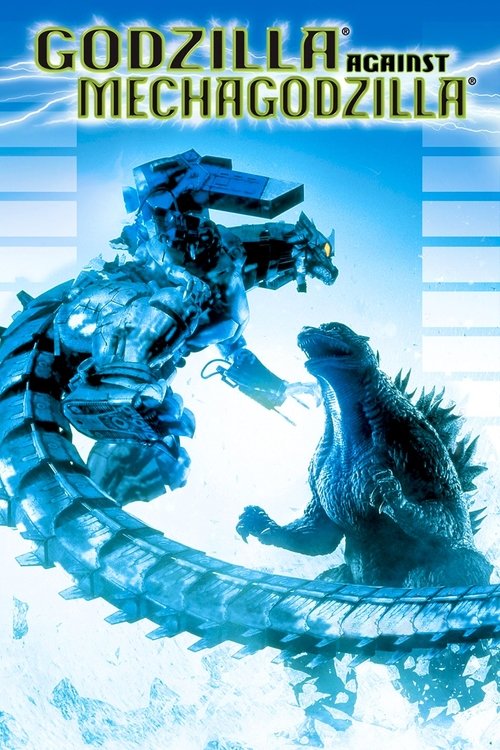
Godzilla Against MechaGodzilla
2002JSDF pilot Akane has a fateful encounter when a new Godzilla emerges in Tateyama. As a countermeasure, a cyborg named Kiryu is constructed from the remains of the original. The machine is discovered to harbor the restless soul of the original monster as Akane must learn to find value in her own life as well.
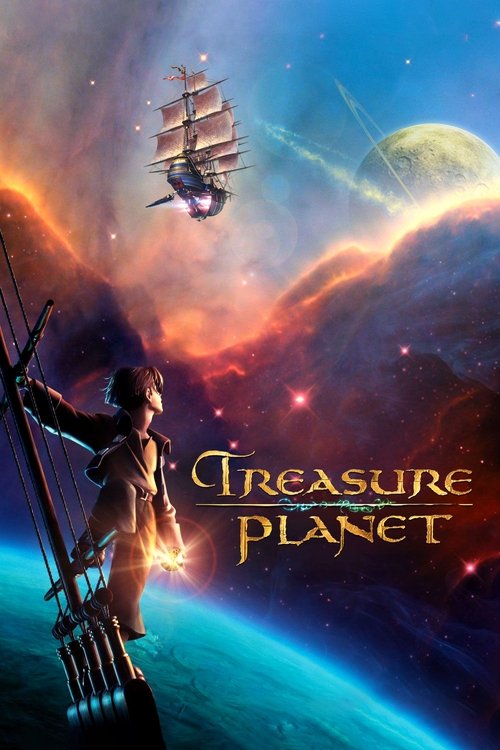
Treasure Planet
2002When space galleon cabin boy Jim Hawkins discovers a map to an intergalactic "loot of a thousand worlds," a cyborg cook named John Silver teaches him to battle supernovas and space storms on their journey to find treasure.
A daring aesthetic experiment, this film fuses deep-space science fiction with 18th-century maritime charm through innovative 'Deep Canvas' animation techniques. It is an underrated visual marvel that reimagines the frontier mythos with a soulful, cosmic grandiosity.
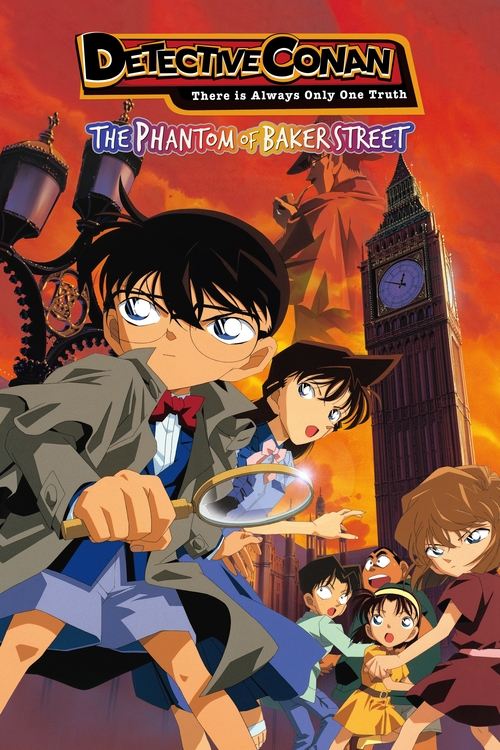
Detective Conan: The Phantom of Baker Street
2002Noah's Ark, the latest innovation in VR technology, is set for a showcase to Japan's privileged children. However, their carefree fun is cut short when a company employee is found murdered, with his dying message pointing to a clue hidden within the Ark. Along with the Detective Boys and Ran Mouri, Conan Edogawa enters Noah's Ark to solve this mystery and ensure the perpetrator is caught.
This animated anomaly cleverly integrates virtual reality escapism with Victorian suspense, challenging the boundaries of the traditional detective procedural. It stands out for its bold narrative ambition, blending digital futurism with a classic literary homage.
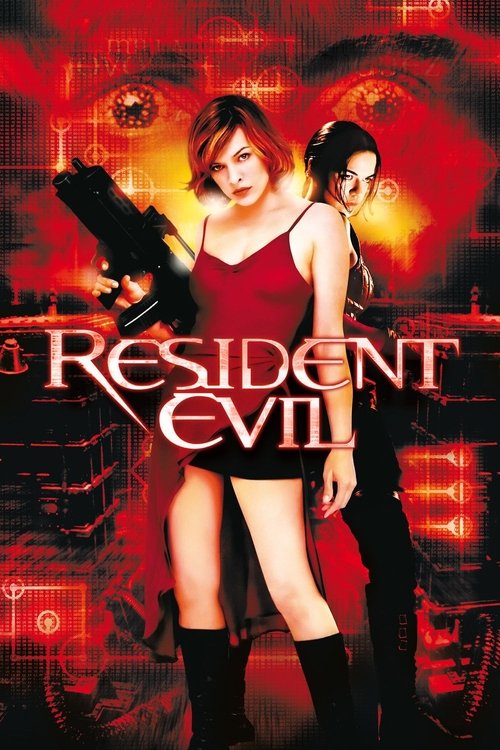
Resident Evil
2002When a virus leaks from a top-secret facility, turning all resident researchers into ravenous zombies and their lab animals into mutated hounds from hell, the government sends in an elite military task force to contain the outbreak.
Paul W.S. Anderson bridges the gap between gaming aesthetics and industrial horror, creating a sterile, claustrophobic environment that redefined the modern zombie archetype. Its pulsating electronic score and cold, geometric set pieces established a distinct visual language for the new century.
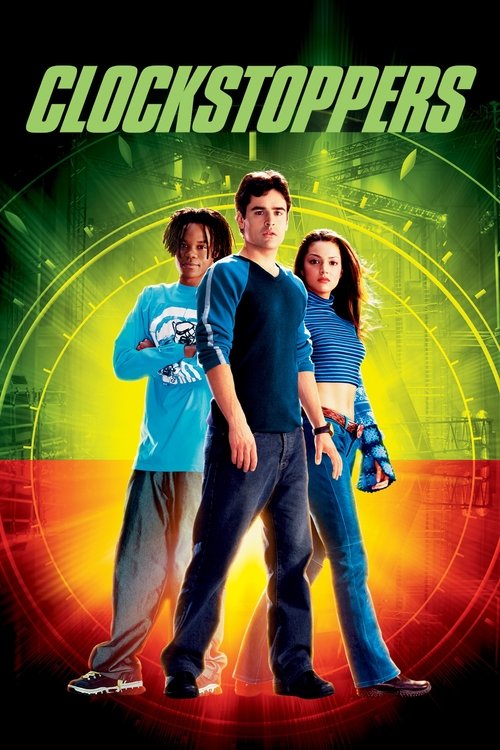
Clockstoppers
2002Until now, Zak Gibbs' greatest challenge has been to find a way to buy a car. But when he discovers an odd wristwatch amidst his father's various inventions and slips it on -- something very strange happens. The world around him seems to come to a stop, everything and everybody frozen in time. Zak quickly learns how to manipulate the device and he and his quick-witted and beautiful new friend, Francesca, start to have some real fun.
This bright, energetic exercise in temporal manipulation captures the youthful optimism of the early millennium's high-tech trend. It serves as a colorful entry point into the 'stop-time' trope, utilizing playful visual effects that prioritize fun over narrative density.
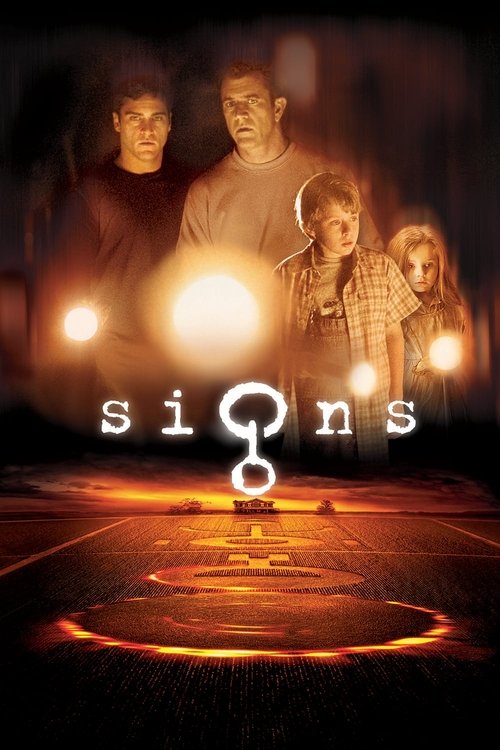
Signs
2002A family living on a farm finds mysterious crop circles in their fields which suggests something more frightening to come.
M. Night Shyamalan masterfully pivots the alien invasion sub-genre away from global destruction toward the claustrophobic anxiety of the American farmhouse. The film thrives on its impeccable sound design and a slow-burn tension that prioritizes psychological dread over pyrotechnics.
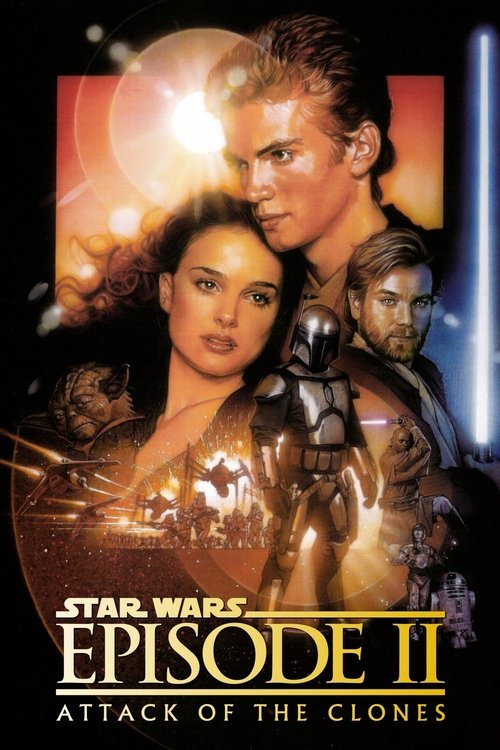
Following an assassination attempt on Senator Padmé Amidala, Jedi Knights Anakin Skywalker and Obi-Wan Kenobi investigate a mysterious plot into the heart of the Separatist movement and the beginning of the Clone Wars.
George Lucas pushes the digital frontier to its absolute limit, transforming the screen into a dense tapestry of alien politics and operatic scale. Its legacy lies in the pioneering use of total-environment CGI, a polarizing yet undeniable shift in how cinema constructs its worlds.
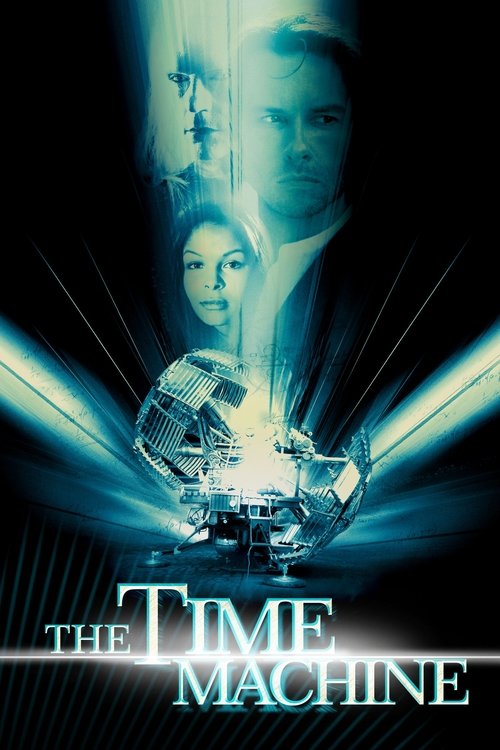
The Time Machine
2002Hoping to alter the events of the past, a 19th century inventor instead travels 800,000 years into the future, where he finds mankind divided into two warring races.
While diverging from H.G. Wells' source material, this production excels through its visceral creature design and a sweeping, adventurous scope. The practical effects and kinetic energy provide a refreshing throwback to the grand tradition of evolutionary speculation.
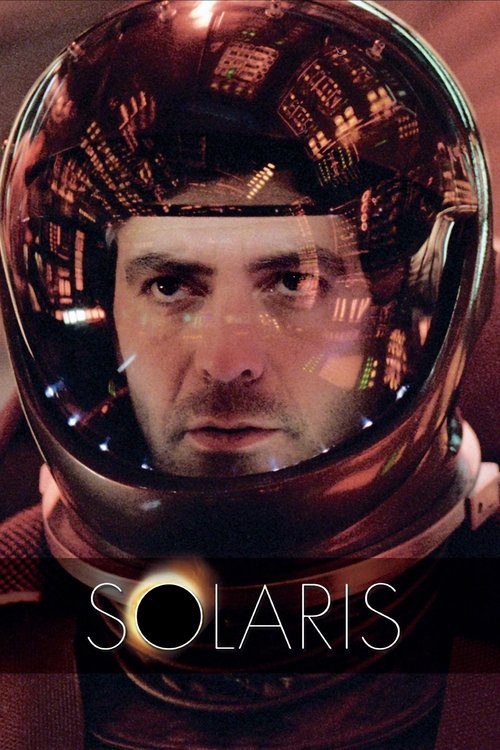
Solaris
2002A troubled psychologist is sent to investigate the crew of an isolated research station orbiting a bizarre planet.
Steven Soderbergh eschews space opera spectacle for a hypnotic, tactile meditation on grief and the architectural limits of human memory. It is a rare work of philosophical intimacy that uses its interstellar setting to map the interiority of the broken heart.
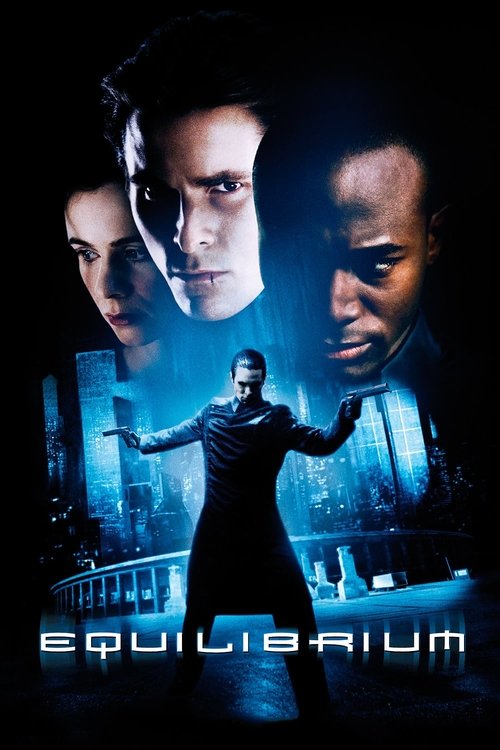
Equilibrium
2002In a dystopian future, a totalitarian regime maintains peace by subduing the populace with a drug, and displays of emotion are punishable by death. A man in charge of enforcing the law rises to overthrow the system.
Anchored by Christian Bale's disciplined intensity, this dystopian sleeper hit reinvents the action genre through its stylized 'Gun Kata' choreography. It transcends its low-budget roots by delivering a stark, emotionally repressed atmosphere that feels remarkably cohesive.
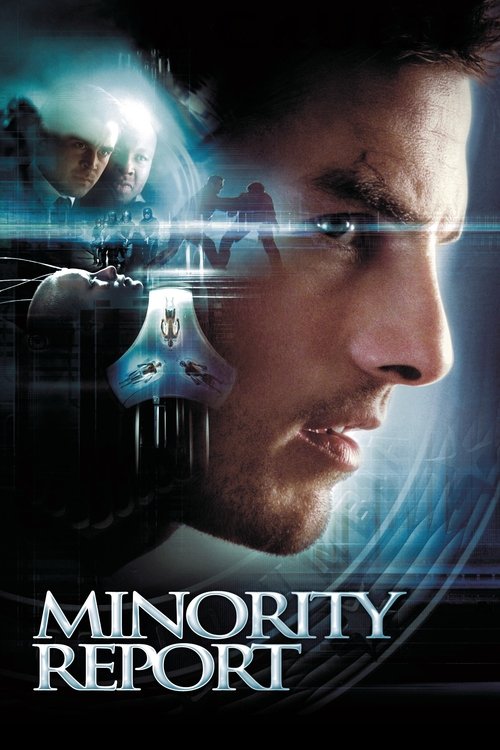
Minority Report
2002John Anderton is a top 'Precrime' cop in the late-21st century, when technology can predict crimes before they're committed. But Anderton becomes the quarry when another investigator targets him for a murder charge.
Steven Spielberg perfects the high-concept procedural, marrying a bleached techno-noir aesthetic with a harrowing interrogation of free will versus destiny. It remains the gold standard for tactile futurology and propulsive, intellectual blockbuster filmmaking.
Frequently Asked Questions
Everything you need to know about this list and SnakeDrafts
- The 2002 sci-fi movies often explore themes of futuristic technology, dystopian societies, and the ethical dilemmas of science. Films like Minority Report delve into predictive crime prevention, while Equilibrium examines emotion suppression in a totalitarian regime, reflecting the genre's philosophical and speculative nature that year.
- Many 2002 sci-fi films combined science fiction with thriller, action, and drama genres to create compelling narratives. For instance, Signs blends sci-fi with horror and thriller elements to heighten suspense, while Solaris integrates sci-fi with drama and mystery, exemplifying the genre's versatility that year.
- Movies like Treasure Planet and Detective Conan: The Phantom of Baker Street uniquely blend animation with science fiction, allowing for imaginative worlds and stylized storytelling. Animation enhances the visual creativity and broadens the appeal to family audiences, showcasing sci-fi's reach beyond live-action formats in 2002.
- Futuristic technology is central to many 2002 sci-fi movies, serving as both plot devices and thematic exploration tools. Minority Report uses advanced surveillance and predictive policing to question free will, while The Time Machine explores time travel, highlighting the era's fascination with technology's potential and consequences.
- Many 2002 sci-fi films act as metaphors for contemporary anxieties about control, surveillance, and human emotion. For example, Equilibrium's emotion suppression mirrors fears of authoritarian control, and Resident Evil's bioengineered virus taps into public concerns about pandemics and bioweapons prevalent in early 2000s discourse.
- Yes, acclaimed directors like Steven Spielberg and Steven Soderbergh made notable contributions with films like Minority Report and Solaris. Their involvement brought high-profile attention and diverse storytelling approaches that enriched the sci-fi landscape in 2002.
- Treasure Planet and Clockstoppers are prime examples where family-friendly adventure blends with sci-fi concepts. These movies use imaginative storytelling and accessible themes to engage younger audiences while maintaining the speculative aspects of science fiction.