Ranking George Lucas's Greatest Films
The Visionary Director Who Redefined Modern Cinema
Explore the essential filmography of George Lucas, featuring the space operas and coming-of-age classics that changed the movie industry forever.
About George Lucas
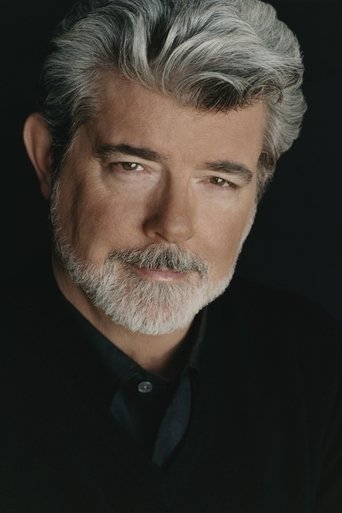
Long before he became the architect of a multi billion dollar galaxy, George Lucas was a gearhead from Modesto with a penchant for experimental montage and the smell of burnt rubber. To understand his trajectory, one must look past the toys and the brand to see the frustrated painter who traded brushes for celluloid. He never quite fit the mold of the traditional Hollywood storyteller. Instead, he functioned as a world builder who happened to use a camera, obsessed with the tactile debris of lived in environments and the rhythmic pulse of the edit.
His early work reveals a director deeply suspicious of polished artifice. In the cold, antiseptic corridors of THX 1138, he explored an avian view of dystopia where sound design and abstract framing mattered more than traditional character arcs. It was a bleak, clinical debut that proved he could master high concept sci fi on a shoestring budget. Yet he pivoted almost immediately to the neon soaked nostalgia of American Graffiti. This film showcased his true superpower: the ability to capture a specific cultural vibration. By weaving together a tapestry of cruising culture and rock and roll, he turned a single night into a universal eulogy for lost innocence. It remains one of the most structurally influential films of its era, proving that he could handle human warmth just as easily as robotic coldness.
The cultural explosion of the original 1977 Star Wars solidified his reputation as a mythmaker, but it also highlighted his restless dissatisfaction with the technical limitations of the time. He viewed cinema as an evolving software rather than a static medium. This drive eventually led him back to the director's chair for the prequel trilogy, where he leaned heavily into the digital frontier. While the shift toward blue screens and pixelated landscapes in The Phantom Menace and Attack of the Clones polarized audiences, it represented a fearless commitment to his own singular vision. He wasn't interested in recreating the grainy aesthetic of the seventies. He wanted to paint with the entire digital palette.
By the time Revenge of the Sith hit theaters, the synthesis of his operatic ambitions and technological experimentation reached a fever pitch. He transformed a space fantasy into a grand, tragic spectacle defined by bold color choices and frantic, layered action that pushed its hardware to the breaking point. His legacy isn't just a collection of iconic characters or a massive franchise. It is found in the way he fundamentally rewired the industry's DNA. He forced the world to catch up to his imagination, building the tools he needed when the existing ones failed him. He remains the ultimate independent filmmaker, a man who used the biggest stage imaginable to tell stories exactly the way he saw them in his mind.
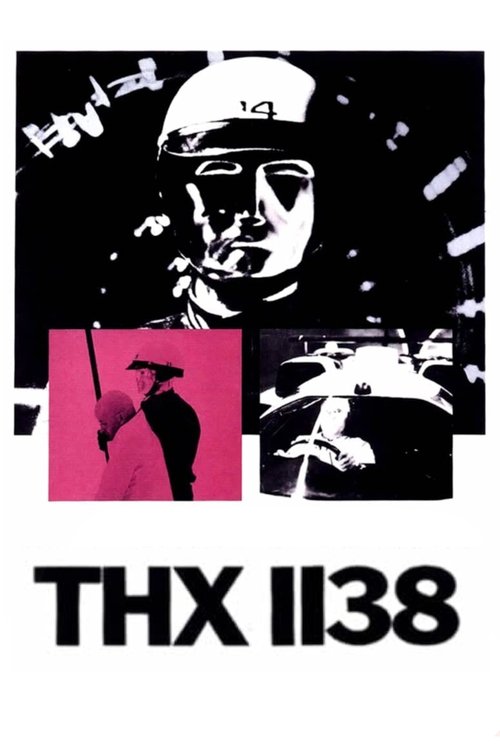
THX 1138
1971People in the future live in a totalitarian society. A technician named THX 1138 lives a mundane life between work and taking a controlled consumption of drugs that the government uses to make puppets out of people. As THX is without drugs for the first time he has feelings for a woman and they start a secret relationship.
Before his shift toward populist escapism, Lucas delivered this starkly intellectual meditation on dehumanization and surveillance. This debut reveals his true formalist roots, relying on sound design and sterile minimalism to create a chillingly effective vision of a technocratic dystopia.
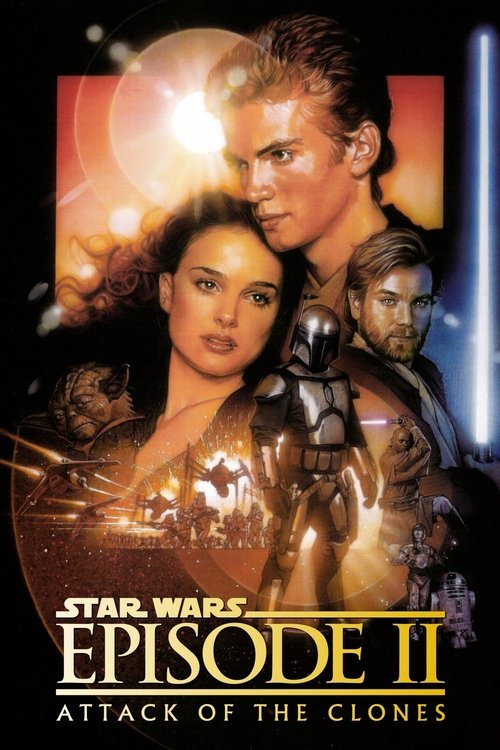
Following an assassination attempt on Senator Padmé Amidala, Jedi Knights Anakin Skywalker and Obi-Wan Kenobi investigate a mysterious plot into the heart of the Separatist movement and the beginning of the Clone Wars.
Lucas leans into a stylized, almost clinical approach to digital cinematography that highlights his interest in experimental compositions and CG density. It functions as a bold transitional bridge in his filmography, showcasing an uncompromising commitment to expanding the visual vocabulary of blockbusters through sheer technical audacity.
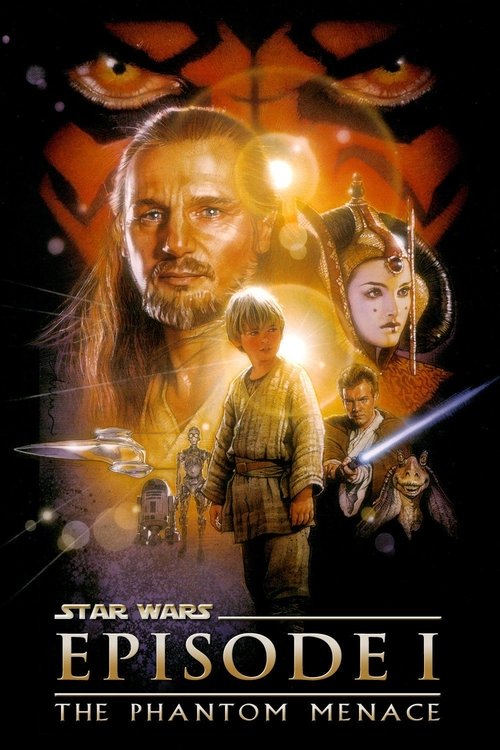
Anakin Skywalker, a young slave strong with the Force, is discovered on Tatooine. Meanwhile, the evil Sith have returned, enacting their plot for revenge against the Jedi.
While polarizing, this film represents a fearless leap into the digital frontier where Lucas abandoned traditional practical constraints to build a universe from the pixel up. It remains a fascinating artifact of a director prioritizing world-building and political world-state construction over conventional narrative beats.
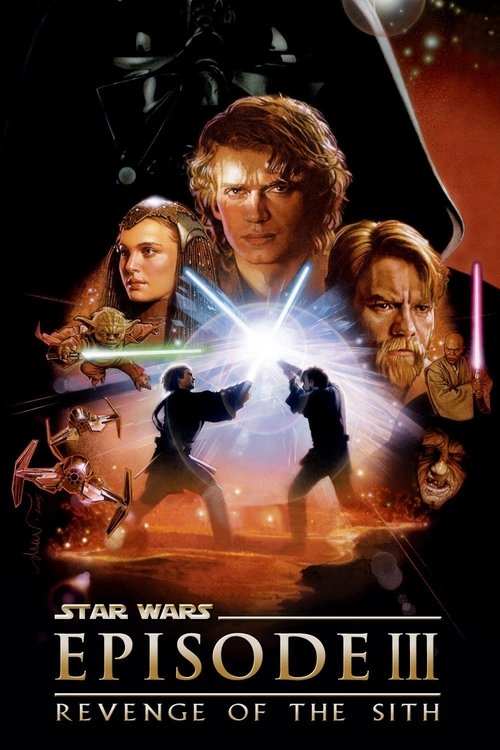
When the sinister Sith unveil a thousand-year-old plot to rule the galaxy, the Republic crumbles and from its ashes rises the evil Galactic Empire. Jedi hero Anakin Skywalker must choose a side.
The digital maximalism of the prequel era finally finds its emotional North Star in this operatic exploration of institutional decay and personal tragedy. It stands as the director's most aggressive fusion of political allegory and green-screen artifice, marking the culmination of his obsession with the intersection of technology and fate.
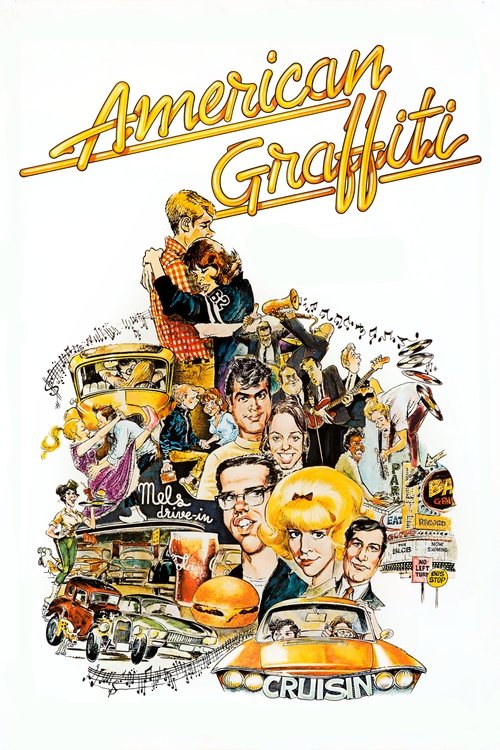
American Graffiti
1973A couple of high school graduates spend one final night cruising the strip with their buddies before they go off to college.
This neon-soaked exercise in sonic texture and kinetic editing perfectly captures the transition between adolescence and an uncertain future. It serves as a vital reminder of Lucas's rhythmic prowess as an editor and his uncanny ability to evoke profound sociological shifts through personal nostalgia.
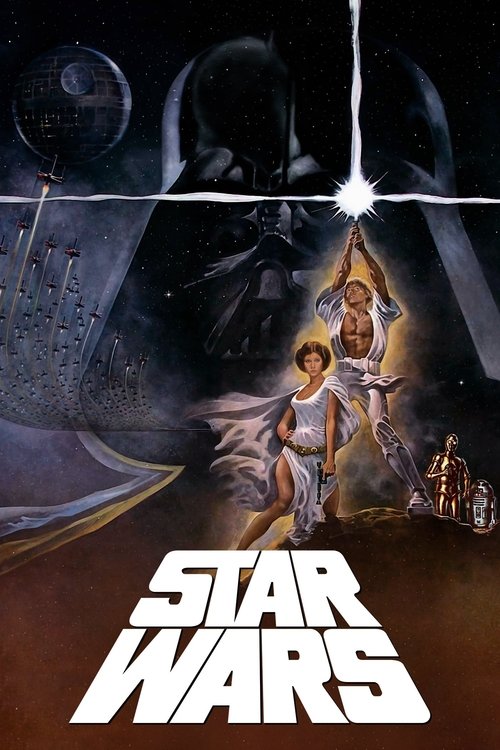
Star Wars
1977Princess Leia is captured and held hostage by the evil Imperial forces in their effort to take over the galactic Empire. Venturesome Luke Skywalker and dashing captain Han Solo team together with the loveable robot duo R2-D2 and C-3PO to rescue the beautiful princess and restore peace and justice in the Empire.
Lucas redefined the cinematic landscape by synthesizing high-stakes mythology with a lived-in industrial aesthetic that felt entirely tactile. This masterpiece remains the definitive mission statement of his career, proving that spectacle is most potent when anchored by a distinct sense of wonder and technical innovation.
Frequently Asked Questions
Everything you need to know about this list and SnakeDrafts
- George Lucas's films often explore themes of adventure, heroism, and technological impact on society. This is evident in space operas like the Star Wars saga and the coming-of-age narrative in American Graffiti, showcasing his diverse storytelling.
- THX 1138 introduced Lucas's fascination with dystopian futures and experimental storytelling, elements that would influence the complex narratives and visual styles seen in the Star Wars prequel trilogy.
- American Graffiti is a nostalgic coming-of-age drama focusing on teenage life in the early 1960s, highlighting Lucas's ability to capture youth culture and realistic human experiences, contrasting with the fantastical and action-driven themes of his sci-fi epics.
- While the original Star Wars remains culturally iconic for revolutionizing the space opera genre, the prequel films expanded the saga's lore and technological advancements in filmmaking, though they received mixed critical reception for storytelling choices.
- Lucas is renowned for his world-building prowess, blending innovative visual effects with mythic storytelling structures. His directors' approach often combines grand adventurous plots with personal character arcs, creating immersive cinematic universes.
- American Graffiti is celebrated for its authentic portrayal of teenage life and its influential use of a musical soundtrack that captures a specific cultural era, showing Lucas's versatility beyond science fiction and fantasy genres.
- Revenge of the Sith is often praised for its darker tone and emotional depth, effectively bridging the narrative gap between the prequels and the original trilogy, making it a standout in Lucas's later works.