The Greatest 2001 SciFi Movies Ranked
Classic Robot Dramas and Space Voyages
Explore the best science fiction films from the start of the millennium, featuring artificial intelligence, alien encounters, and animated space epics.
About 2001 SciFi Movies
The year 2001 was always destined to be a temporal landmark for science fiction. Decades of anticipation had been built into the very digits of the calendar, thanks largely to Arthur C. Clarke and Stanley Kubrick. When the real world finally caught up to that iconic date, the genre found itself at a fascinating crossroads. It was a year that bridged the gap between the polished, optimistic high tech of the nineties and the paranoid, gritty textures that would define the post 2001 era. Instead of monoliths and starchildren, audiences received a collection of films that explored the deep, often painful intersections of human emotion and synthetic intelligence.
The most significant event of the year was undoubtedly A.I. Artificial Intelligence. It was a project that felt like a cinematic solar eclipse, the shadows of two titans overlapping as Steven Spielberg took the reins of a story long developed by the late Kubrick. The result was a polarizing, soul crushing masterpiece that used the Pinocchio myth to ask terrifying questions about the shelf life of love. While some critics bristled at the perceived clash between Spielbergian sentiment and Kubrickian coldness, the film has aged beautifully. It stands today as a haunting meditation on the cruelty of being a created thing in a world that can simply be turned off.
While Spielberg looked at the future through a digital fairy tale lens, Richard Kelly arrived with a low budget lightning bolt titled Donnie Darko. It was a film that ignored the shiny chrome aesthetics of traditional sci-fi in favor of suburban rot and teenage angst. By blending wormhole theory with eighties nostalgia and an impending sense of doom, it became the ultimate cult classic of the new millennium. It proved that science fiction did not need massive budgets or deep space settings to be profound. Sometimes, the most effective way to explore the collapse of time and space is through the eyes of a troubled kid in Virginia.
The year also showcased the genre versatility of international cinema. From Japan came the visually arresting Final Fantasy: The Spirits Within. While it struggled at the box office, its attempt at photorealistic digital actors was a prophetic glimpse into the future of filmmaking. Meanwhile, the anime world gave us Metropolis, a stunning reimagining of Osamu Tezukas work that used jazz and hand drawn beauty to explore class warfare in a robotic society.
Even the blockbusters had more on their minds than simple pyrotechnics. Vanilla Sky took a Spanish psychological thriller and repackaged it as a glossy, existential nightmare about the ethics of life extension and artificial memory. It was a year where even the popcorn fare felt a little more cerebral, a little more concerned with the fragility of the human ego.
Looking back, 2001 was not the year of the space odyssey we were promised in 1968. There were no commercial flights to the moon or sentient computers killing crews in deep space. Instead, it was the year science fiction became deeply inward looking. The films of that year stopped staring at the stars and started staring into the mirrors of our own making, questioning if our technology would eventually outgrow our capacity to care for it. It was a somber, brilliant, and deeply human turning point for a genre that was finally growing up.
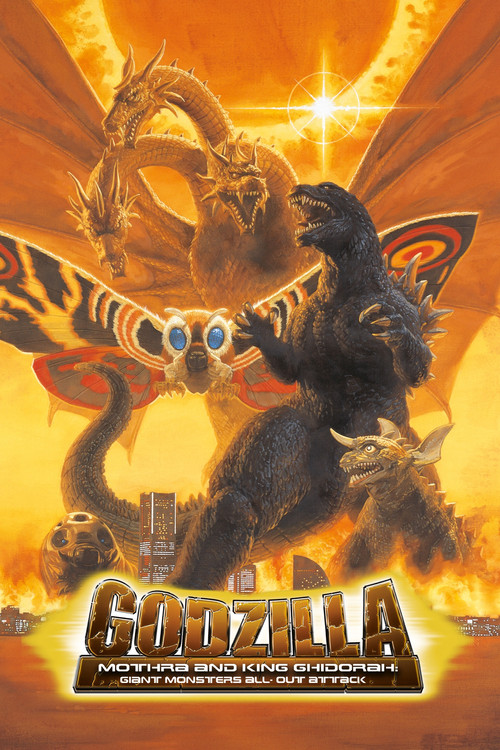
Godzilla, Mothra and King Ghidorah: Giant Monsters All-Out Attack
2001Godzilla has become a distant memory for Japan when the destruction of a US submarine raises alarms for Admiral Tachibana. His estranged daughter Yuri investigates the legend of the guardian monsters, who must rise to protect Japan against the vengeful spirits within Godzilla that seek to destroy both the nation and its people for the suffering they inflicted in the Pacific conflict.
By infusing the kaiju formula with spiritual mysticism and a more menacing redesign of its titular icon, this entry revitalizes a long-standing mythos. It prioritizes a visceral, destructive gravity that had been missing from the genre for decades.
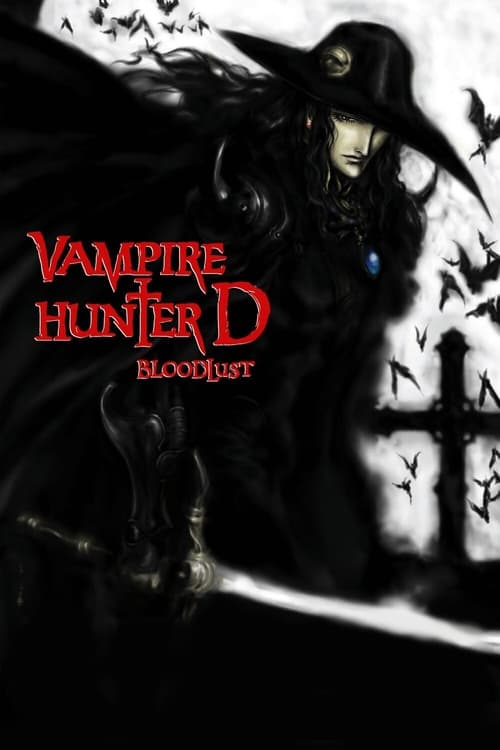
Vampire Hunter D: Bloodlust
2001D, a legendary dhampir competes with a motley family of bounty hunters to track down Charlotte Elbourne, a young woman who has seemingly been abducted by vampire nobleman Meier Link.
A gothic-futurist triumph that marries hyper-stylized action with a mournful, post-apocalyptic elegance. The film stands as a pinnacle of hand-drawn craftsmanship, rendering its dark fantasy landscapes with an intricate, terrifying beauty.
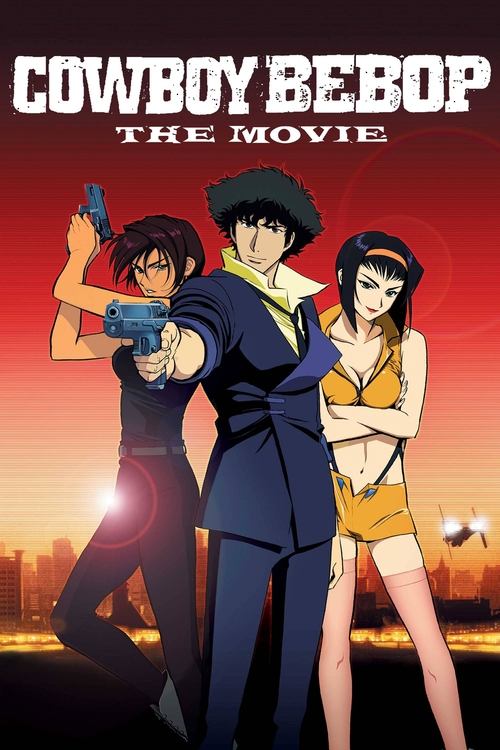
Cowboy Bebop: The Movie
2001The year is 2071. Following a terrorist bombing, a deadly virus is released on the populace of Mars and the government has issued the largest bounty in history, for the capture of whoever is behind it. The bounty hunter crew of the spaceship Bebop; Spike, Faye, Jet and Ed, take the case with hopes of cashing in the bounty. However, the mystery surrounding the man responsible, Vincent, goes deeper than they ever imagined, and they aren't the only ones hunting him.
The transition to the big screen expands the franchise’s noir-western aesthetic into a lush, cinematic fever dream of biological terror and jazz-infused melancholy. It remains a pinnacle of style, where the texture of the city feels as alive as the bounty hunters stalking its streets.
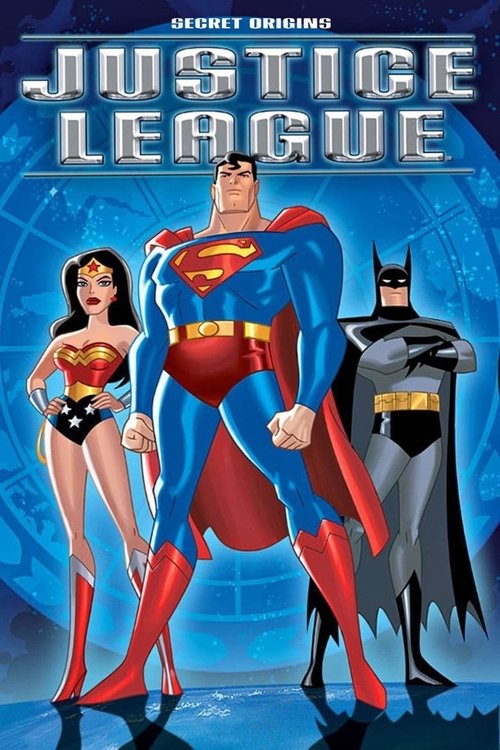
Justice League: Secret Origins
2001When global catastrophe strikes, the World's Greatest Super Heroes answer the call to join Justice League. Justice League works together as a team to overcome a dangerous array of intersteller invaders and world conquering megalomaniacs.
This foundational epic successfully translated the scale of comic book mythology into a sophisticated, serialized format. It proves that animation can sustain a complex, ensemble-driven saga of planetary defense without losing its intimate character stakes.
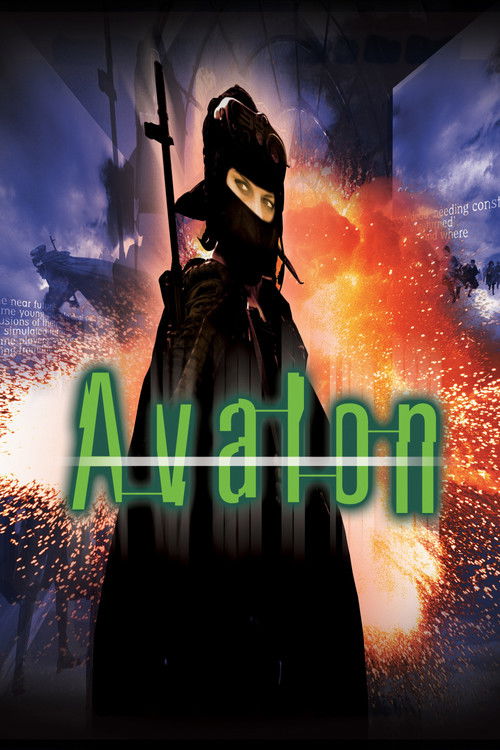
Avalon
2001In a future world, young people are increasingly becoming addicted to an illegal (and potentially deadly) battle simulation game called Avalon. When Ash, a star player, hears of rumors that a more advanced level of the game exists somewhere, she gives up her loner ways and joins a gang of explorers. Even if she finds the gateway to the next level, will she ever be able to come back to reality?
Mamoru Oshii delivers a sepia-toned masterclass in cyberpunk atmosphere, blurring the boundaries between virtual lethality and mundane reality. Its rhythmic, hypnotic pacing mirrors the addictive loops of the simulated battlefields it depicts.
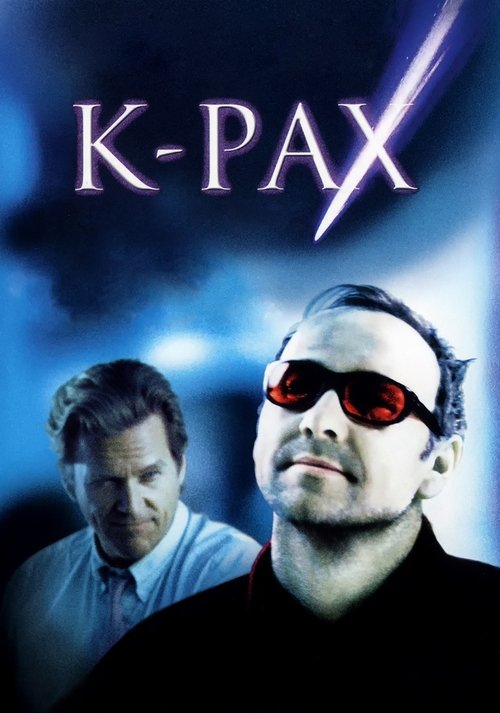
K-PAX
2001Prot is a patient at a mental hospital who claims to be from a far away planet. His psychiatrist tries to help him, only to begin to doubt his own explanations.
A delicate, character-driven subversion of first-contact tropes that thrives on psychological ambiguity rather than spectacle. The film challenges the viewer to distinguish between extraterrestrial enlightenment and the fragile delusions born of human trauma.
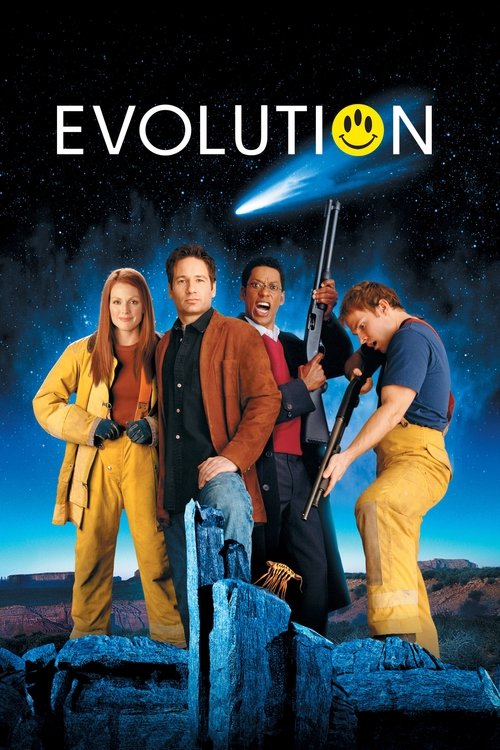
Evolution
2001A comedy that follows the chaos that ensues when a meteor hits the Earth carrying alien life forms that give new meaning to the term "survival of the fittest." David Duchovny, Orlando Jones, Seann William Scott, and Julianne Moore are the only people standing between the aliens and world domination... which could be bad news for the Earth.
Inverting the grim austerity of the genre, this film weaponizes biological rapid-fire evolution for high-octane absurdist comedy. It serves as a kinetic, slime-soaked antidote to the self-serious space operas of the era.
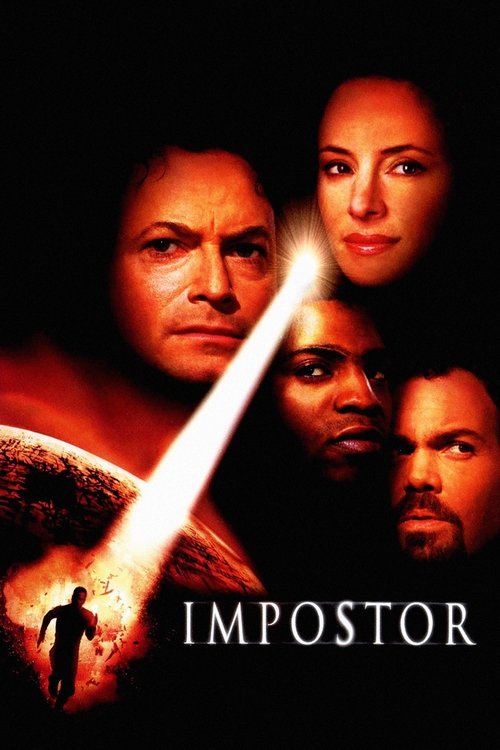
Impostor
2001A top-secret government weapons designer is arrested by a clandestine government organization on suspicion of being a clone created by the hostile alien race wanting to take over Earth.
Philip K. Dick’s trademark paranoia is distilled here into a claustrophobic chase through a high-tech police state. It captures the frantic, existential dread of a man hunted by a society that has quantified his very identity into a weapon.
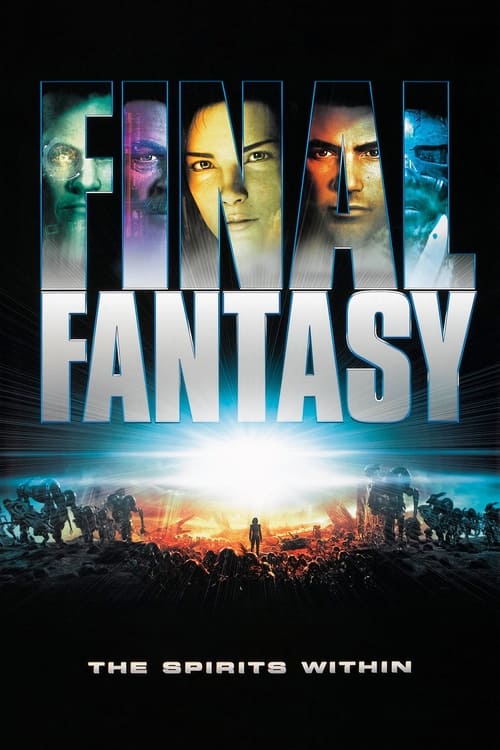
Final Fantasy: The Spirits Within
2001Led by a strange dream, scientist Aki Ross struggles to collect the eight spirits in the hope of creating a force powerful enough to protect the planet. With the aid of the Deep Eyes Squadron and her mentor, Dr. Sid, Aki must save the Earth from its darkest hate and unleash the spirits within.
A landmark in digital photorealistic ambition that sought to bridge the uncanny valley through sheer technical bravado. While its ethereal narrative divided audiences, its contribution to the evolution of computer-generated performance remains a foundational pillar of modern cinematic texture.
David, a robotic boy—the first of his kind programmed to love—is adopted as a test case by a Cybertronics employee and his wife. Though he gradually becomes their child, a series of unexpected circumstances make this life impossible for David.
A haunting collision of Kubrickian clinical precision and Spielbergian sentimentality that interrogates the soul of sentient machinery. This masterpiece transcends its fairy tale scaffolding to offer a devastating meditation on the permanence of love versus the obsolescence of its vessels.
Frequently Asked Questions
Everything you need to know about this list and SnakeDrafts
- The 2001 sci-fi movies on this list explore themes like artificial intelligence, alien encounters, and futuristic technology, reflecting a bridging of optimistic 90s high tech and emerging darker, grittier visions. Many films like 'A.I. Artificial Intelligence' and 'Final Fantasy: The Spirits Within' highlight human-machine relationships and existential questions.
- Animation plays a significant role in 2001 sci-fi films, bringing imaginative worlds and epic space adventures to life. Movies such as 'Final Fantasy: The Spirits Within' and 'Cowboy Bebop: The Movie' use animation to blend action with philosophical and futuristic storytelling.
- Several 2001 sci-fi films blend science fiction with action and thriller elements to create suspenseful narratives, such as 'Impostor' and 'Evolution.' These movies often combine fast-paced plots with speculative scientific concepts, appealing to diverse audiences.
- Yes, prominent directors like Steven Spielberg ('A.I. Artificial Intelligence') and Mamoru Oshii ('Avalon') are featured, bringing their unique visions to 2001’s sci-fi landscape. Their works reflect both Hollywood and international influences in the genre that year.
- Films like 'K-PAX' and 'Godzilla, Mothra and King Ghidorah: Giant Monsters All-Out Attack' depict compelling human-alien or monster encounters, ranging from mysterious extraterrestrial visitors to massive creature battles. These narratives often probe themes of coexistence, fear, and understanding.
- Mystery is a key element in 2001 sci-fi movies, enhancing plots with enigmatic characters and surreal situations as seen in 'K-PAX.' This adds psychological depth and engages viewers in unraveling complex truths beyond typical sci-fi tropes.
- The selection of 2001 sci-fi films captures a pivotal moment where sleek futuristic optimism met more cautious and gritty storytelling approaches. This is reflected in the contrast between technologically hopeful films like 'A.I. Artificial Intelligence' and darker, action-oriented titles such as 'Impostor' and 'Avalon.'

