The Greatest 2003 SciFi Movies Ranked
Cyberpunk Revolutions and Time Travel Classics
Explore the best science fiction films from a landmark year in cinema. From Matrix sequels to cyborg wars, discover top rated sci-fi hits.
About 2003 SciFi Movies
In the rearview mirror of cinema history, 2003 often feels like a massive, clanking transition point. It was a year where the high-concept promises of the late nineties collided head-on with a new, grittier appetite for grounded storytelling. Looking back two decades later, the science fiction landscape of that year was defined by a strange paradox. It gave us the conclusion of the most influential trilogy of the digital age, yet it also signaled a desperate search for the next big thing as the industry moved away from glossy, neon-soaked futures toward something darker.
The dominant force of the year was undoubtedly The Matrix Reloaded and The Matrix Revolutions. The Wachowskis released both sequels within six months, a bold move that turned 2003 into an unofficial year of the black trench coat. While critics and audiences debated the philosophical density and the increasingly heavy CGI of these films, there is no denying their impact. They represented the peak of the cyber-punk aesthetic, and their departure from the cultural zeitgeist late that year left a massive hole that studios were eager to fill.
While the Matrix sequels were busy deconstructing reality, a small film called 28 Days Later was quietly reinventing it. Although technically released in late 2002 in the United Kingdom, its 2003 arrival in the United States fundamentally changed the DNA of post-apocalyptic sci-fi. By introducing fast-moving infected humans and a bleak, handheld camera aesthetic, Danny Boyle stripped away the campiness of the genre. It felt immediate and terrifyingly plausible, setting the stage for a decade of survivalist cinema.
The year also saw a curious fascination with the intersection of memory and identity. John Woo gave us Paycheck, an action-heavy adaptation of a Philip K. Dick story starring Ben Affleck. It was a commercial attempt to replicate the success of Minority Report, and while it lacked the same intellectual depth, it highlighted the era’s obsession with the idea that our own minds could be hijacked by corporate interests. This theme was handled with a bit more nuance in Equilibrium, which gained a cult following on home video that year for its stylized gun-kata combat and its depiction of a world where emotion itself was a crime.
Sci-fi in 2003 was also remarkably international and experimental. We saw the release of Code 46, a low-key and haunting romance set in a future of strict genetic regulations. It was a reminder that science fiction did not always need a hundred-million-dollar budget to be effective. At the same time, Terminator 3: Rise of the Machines attempted to keep the blockbuster flame alive. While it lacked the visionary spark of James Cameron, its nihilistic ending was surprisingly brave for its time, suggesting that certain apocalyptic futures were inevitable regardless of human intervention.
Ultimately, 2003 was a year of endings and uneasy beginnings. It was the moment the genre realized it could no longer rely on the shiny tropes of the past millennium. The spectacles were getting bigger, but the stories were becoming more cynical and human-centric. It was the year that proved sci-fi was most powerful when it stopped looking at the stars and started looking at the fragile, often broken mechanisms of the human heart and society.

Beyond
2003While looking for her cat, a young woman and some kids find an abandoned building where strange things happen and the rules of physics don't always apply. Part of the Animatrix collection of animated shorts set in the Matrix universe.
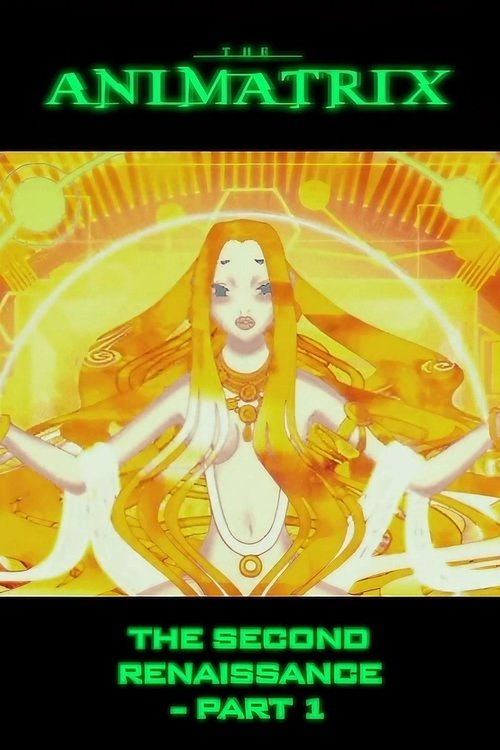
The Second Renaissance Part I
2003Tells the early history of how conflict began between the humans and machines. Part 1 of 2.
The buildup of societal tension and the birth of artificial consciousness are rendered with a terrifying, clinical precision. It is a masterclass in world-building that uses its short runtime to establish a dense, tragic history of the future.

The Second Renaissance Part II
2003The battle for Earth turns against the humans, despite their infamous desperate act of blackening the skies.
This chilling animated short functions as a definitive chronicle of human hubris and mechanical evolution. Its harrowing imagery and cold, documentary-style delivery provide a haunting backbone to the year's most influential science fiction lore.
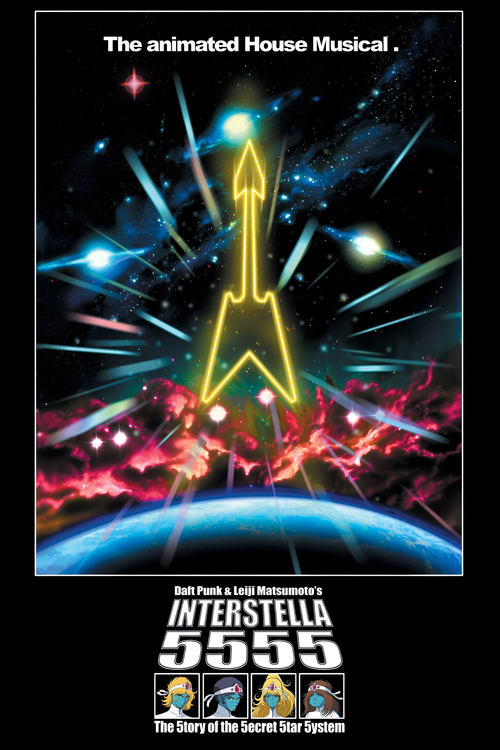
Interstella 5555: The 5tory of the 5ecret 5tar 5ystem
2003Four talented alien musicians are kidnapped by a record producer who disguises them as humans. Shep, a space pilot in love with bass player Stella, follows them to Earth. Reprogrammed to forget their real identities and renamed The Crescendolls, the group quickly becomes a huge success playing soulless corporate pop. At a concert, Shep manages to free all the musicians except Stella, and the band sets out to rediscover who they really are — and to rescue Stella.
A vivid, dialogue-free fusion of Daft Punk's electronic pulse and Leiji Matsumoto’s iconic visual sensibilities. This space opera operates as a pure sensory experience, proving that rhythm and color can communicate cosmic stakes more effectively than any conventional script.

The Animatrix
2003Straight from the creators of the groundbreaking Matrix trilogy, this collection of short animated films from the world's leading anime directors fuses computer graphics and Japanese anime to provide the background of the Matrix universe and the conflict between man and machines. The shorts include Final Flight of the Osiris, The Second Renaissance, Kid's Story, Program, World Record, Beyond, A Detective Story and Matriculated.
This anthology represents a staggering convergence of global animation talent, expanding a singular cinematic universe into a multifaceted tapestry of artistic styles. It liberated the franchise from the constraints of live action, proving that the most profound science fiction often exists in the margins of the main narrative.
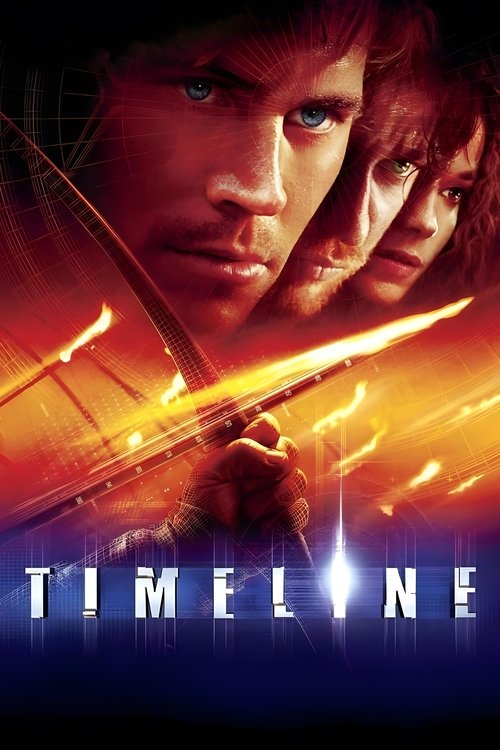
Timeline
2003A group of archaeological students become trapped in the past when they go there to retrieve their professor. The group must survive in 14th century France long enough to be rescued.
This adaptation attempts a rare collision between hard medieval history and high-concept quantum physics. Despite its tonal eccentricities, it captures a specific brand of early-millennium speculative adventure that balances period-piece grit with the era's fascination with temporal causality.
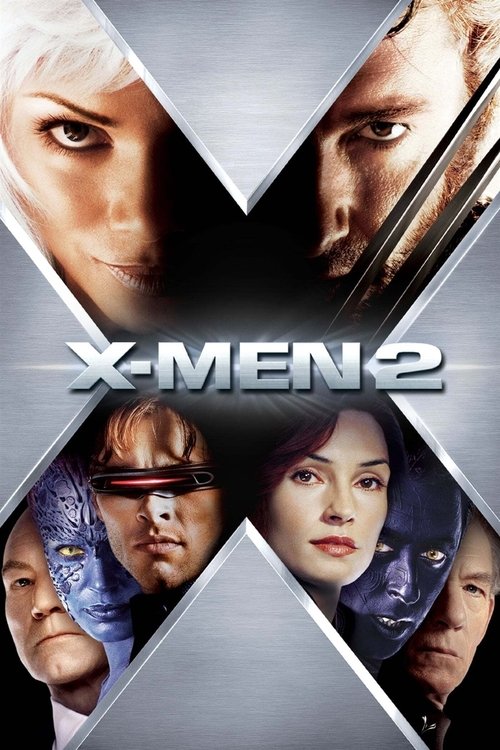
X2
2003Professor Charles Xavier and his team of genetically gifted superheroes face a rising tide of anti-mutant sentiment led by Col. William Stryker. Storm, Wolverine and Jean Grey must join their usual nemeses—Magneto and Mystique—to unhinge Stryker's scheme to exterminate all mutants.
Bryan Singer perfected the ensemble superhero formula here, elevating the genre through a sophisticated lens of political allegory and social friction. The film’s opening sequence alone remains a benchmark for how to effectively translate superhuman physics into a cinematic language.

Paycheck
2003Michael Jennings is a genius who's hired – and paid handsomely – by high-tech firms to work on highly sensitive projects, after which his short-term memory is erased so he's incapable of breaching security. But at the end of a three-year job, he's told he isn't getting a paycheck and instead receives a mysterious envelope. In it are clues he must piece together to find out why he wasn't paid – and why he's now in hot water.
John Woo brings his signature stylistic flair to Philip K. Dick’s paranoid tapestry, resulting in a sleek fusion of memory-manipulation tropes and high-stakes corporate espionage. It is a quintessential artifact of early-2000s techno-thriller aesthetics, prioritizing momentum and visual rhythm.
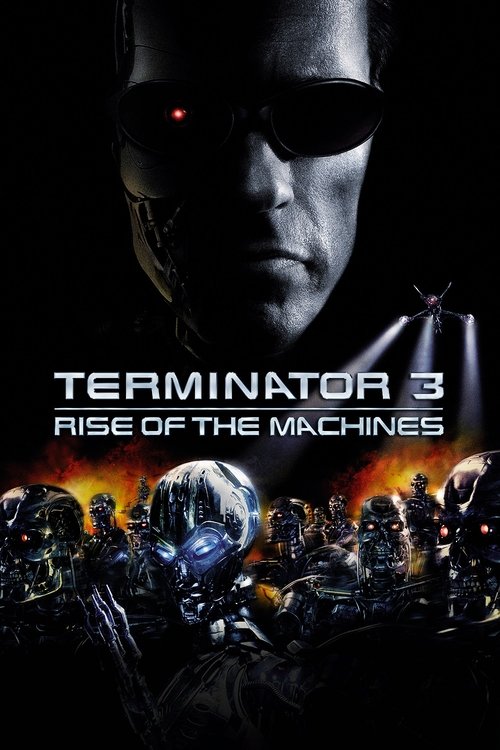
It's been 10 years since John Connor saved Earth from Judgment Day, and he's now living under the radar, steering clear of using anything Skynet can trace. That is, until he encounters T-X, a robotic assassin ordered to finish what T-1000 started. Good thing Connor's former nemesis, the Terminator, is back to aid the now-adult Connor … just like he promised.
This installment eschews the moody dread of its predecessors for a polished, sun-drenched nihilism. It stands out for its surprisingly grim commitment to an inevitable nuclear destiny, executed with top-tier practical pyrotechnics and a cynical, modern edge.
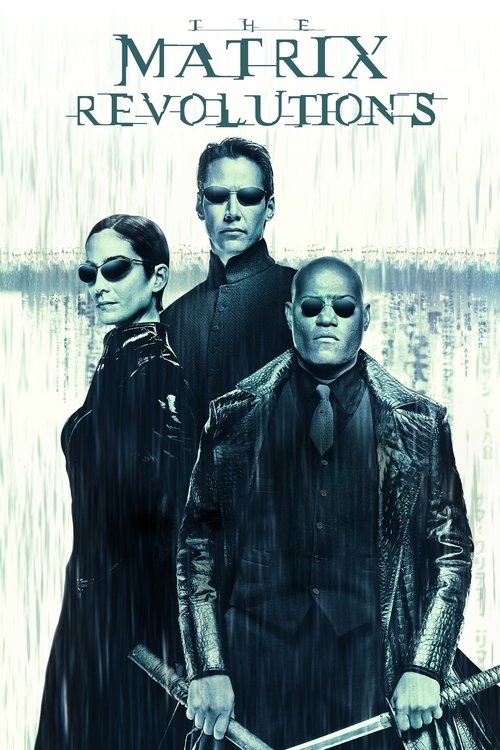
The human city of Zion defends itself against the massive invasion of the machines as Neo fights to end the war at another front while also opposing the rogue Agent Smith.
While its predecessor focused on the expansion of the mythos, this concluding chapter pivots toward a somber, industrial apocalypse. The film’s final confrontation serves as a visually staggering meditation on sacrifice, grounding its high-concept machinery in raw, operatic fatalism.
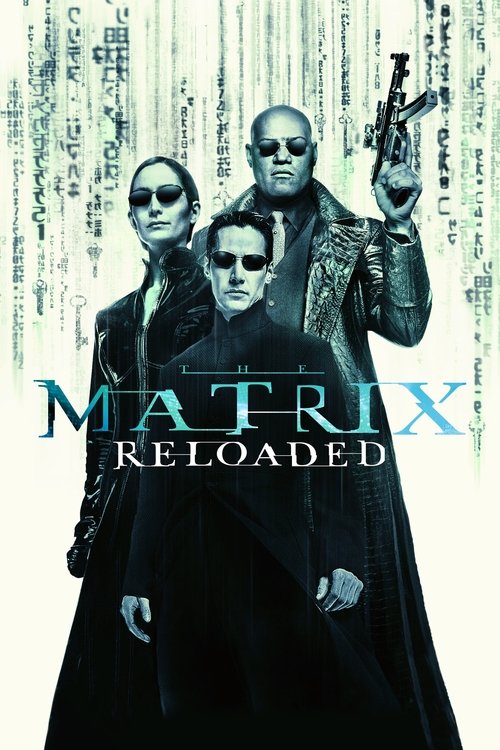
The Resistance builds in numbers as humans are freed from the Matrix and brought to the city of Zion. Neo discovers his superpowers, including the ability to see the code inside the Matrix. With machine sentinels digging to Zion in 72 hours, Neo, Morpheus and Trinity must find the Keymaker to ultimately reach the Source.
The Wachowskis pushed the digital frontier to its absolute breaking point, delivering a maximalist masterclass in kinetic philosophy and baroque action. It remains the year's most ambitious intellectual puzzle, wrapped in a high-octane aesthetic that redefined the technological capabilities of the era.
Frequently Asked Questions
Everything you need to know about this list and SnakeDrafts
- In 2003, two major sci-fi trilogies reached their conclusion with 'The Matrix Reloaded' and 'The Matrix Revolutions,' both directed by Lana Wachowski. These films wrap up the groundbreaking story of Neo and the Matrix universe with high-concept action and philosophical themes.
- 'Terminator 3: Rise of the Machines' prominently features the theme of AI and cyborgs, continuing the saga of humanity’s battle against advanced machine intelligence. This film captures the gritty, action-packed style of sci-fi prevalent in the early 2000s.
- Animated sci-fi films like 'The Animatrix' and 'The Second Renaissance' parts I and II provided a unique storytelling approach by blending animation with deep themes related to AI and the origins of the Matrix universe. These works added rich lore and artistic diversity to the 2003 sci-fi scene.
- Yes, movies such as 'Paycheck' and 'X2' combine science fiction with action, thriller, mystery, and adventure elements. This genre fusion was a hallmark of 2003 sci-fi cinema, broadening the appeal and narrative complexity of the films.
- 'Timeline' is a standout 2003 sci-fi movie that explores time travel with a focus on historical adventure. This film combines scientific concepts with action-packed storytelling, reflecting the era's appetite for grounded yet exciting futuristic narratives.
- The 2003 sci-fi films represent a transitional period where high-concept, digital-age stories met gritty, grounded narratives. Visually, films like 'The Matrix Reloaded' employed cutting-edge special effects, while others like 'Interstella 5555' emphasized vibrant animation and music integration.
- Yes, 'Interstella 5555: The 5tory of the 5ecret 5tar 5ystem' is notable for its innovative blend of music and animation, essentially serving as a visual realization of the Daft Punk album 'Discovery.' This film stands out for its artistic fusion and genre-defying style.