The Best Action Movies of 1976, Ranked
Classic Thrills and High Octane Explosions
Explore the best action cinema from a landmark year. From sci-fi cult classics to gritty urban thrillers and martial arts masterpieces.
About 1976 Action Movies
In the long arc of cinema history, 1976 is often remembered as the year that gave us the gritty realism of Taxi Driver or the underdog spirit of Rocky. Yet, if you look closer at the action landscape, you will see a genre in the middle of a profound identity crisis. The superhero era was still years away and the muscle-bound spectacle of the eighties had not yet arrived. Instead, 1976 offered a raw, cynical, and surprisingly experimental collection of films that reflected a world weary of authority and fascinated by the fringes of society.
One cannot discuss this year without acknowledging John Carpenter and his lean, mean masterpiece, Assault on Precinct 13. While it is technically a minimalist thriller, it functions as a pure distillation of action cinema. Carpenter blended the DNA of a classic western like Rio Bravo with the dread of a zombie movie. By trapping a group of disparate people inside a closing police station and forcing them to fend off a faceless, silent mob, he created an urban nightmare that prioritized rhythm and tension over dialogue. It was a pivotal moment that proved you did not need a massive budget to create a visceral, bone-chilling experience.
Elsewhere, the genre was exploring a fascination with high-speed machinery and the cult of the driver. Peter Yates delivered The Deep later, but the real standout in terms of raw kinetic energy was Gumball Rally. While it was lighthearted, it tapped into the era obsession with cross country racing and the rebellion of the open road. This was also the year of The Gumball Rally competing with Cannonball, showcasing a moment where the car chase was not just a scene but the entire reason for a film to exist. These movies served as a precursor to the high octane blockbusters we see today, placing the audience directly in the driver seat.
In the world of international cinema, the legendary Sonny Chiba was continuing his reign of physical destruction. Movies like The Street Fighter had already paved the way, but by 1976, the martial arts genre was becoming more polished while retaining its brutal edge. At the same time, Clint Eastwood returned as Harry Callahan in The Enforcer. This third entry in the Dirty Harry franchise showed the shift in the action hero archetype. Harry was older and more frustrated, forced to navigate a changing social landscape that he did not fully understand. The action was explosive, but it was anchored by a sense of exhaustion with the system.
Perhaps the most unique entry of the year was Marathon Man. While often classified as a political thriller, its central chase sequences and the harrowing intensity of its violence made it a standout action experience. It reminded audiences that the most effective action often involves an Everyman thrust into a situation far beyond his control.
Looking back on 1976, the action genre felt like a pressure cooker. It was dirty, loud, and deeply skeptical of heroes in shining armor. These films did not offer easy escapism. Instead, they offered a reflection of a decade defined by paranoia and a desire for raw authenticity. It was a year that traded the polished stunts of old Hollywood for a more jagged, visceral form of survival on screen.
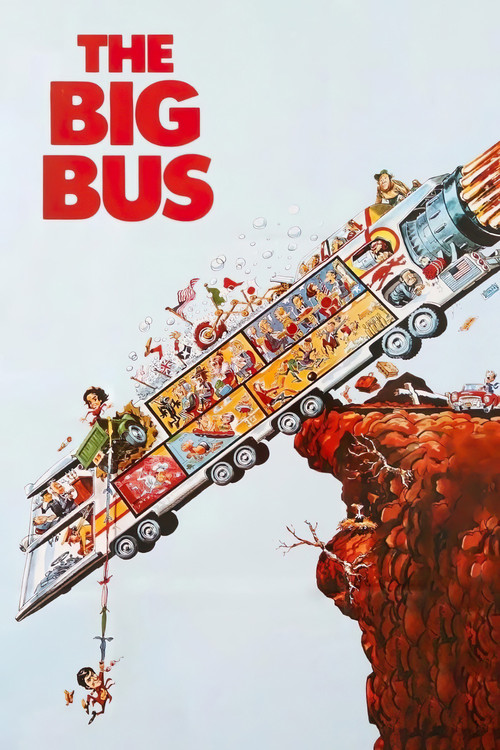
The Big Bus
1976A nuclear-powered bus is making its maiden non-stop trip from New York to Denver. The journey is plagued by disasters due to the machinations of a mysterious group allied with the oil lobby. Will the down-on-his-luck driver, with a reputation for eating his passengers, be able to complete the journey?
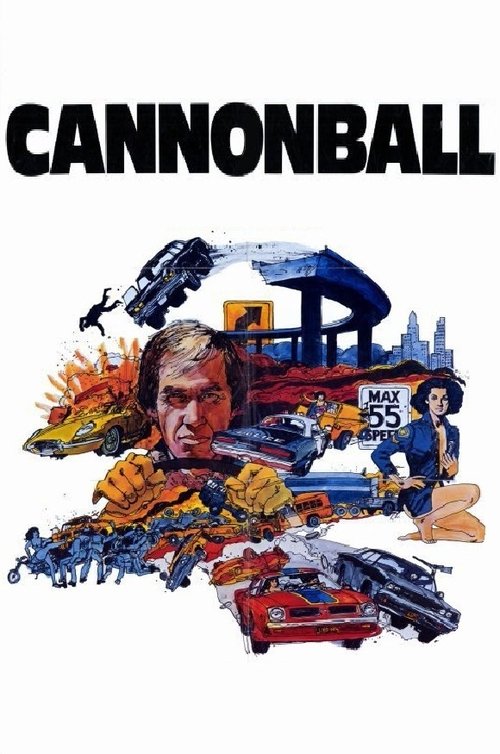
Cannonball
1976Coy "Cannonball" Buckman and his blazing red Pontiac enter the Trans-America Grand Prix, an underground road race spanning the continent in which there are no rules, no speed limits and no heed for the law. En route, Buckman jockeys with an international ensemble of racers for a $100,000 purse. But there are none more important than Cade Redman, his direct competition for a guaranteed spot on the elite Modern Motors racing team.
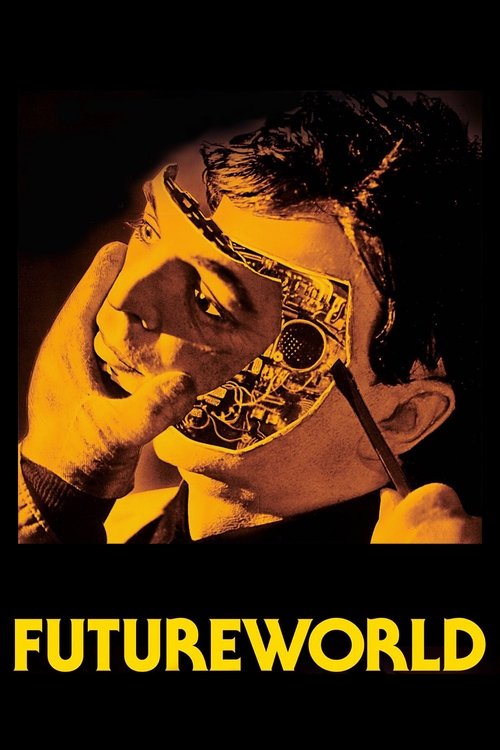
Futureworld
1976Two years after the Westworld tragedy in the Delos amusement park, the corporate owners have reopened the park following over $1 billion in safety and other improvements. For publicity purposes, reporters Chuck Browning and Tracy Ballard are invited to review the park. Just prior to arriving, however, Browning is given a clue by a dying man that something is amiss.
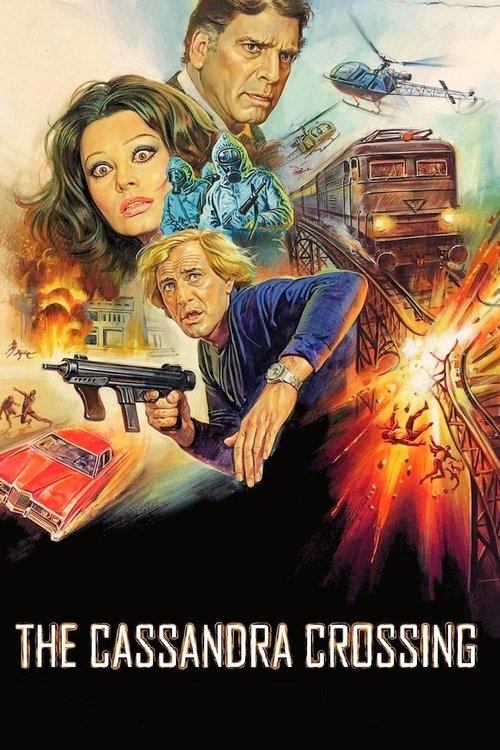
The Cassandra Crossing
1976Passengers on a European train have been exposed to a deadly disease, and nobody will let them off the train.
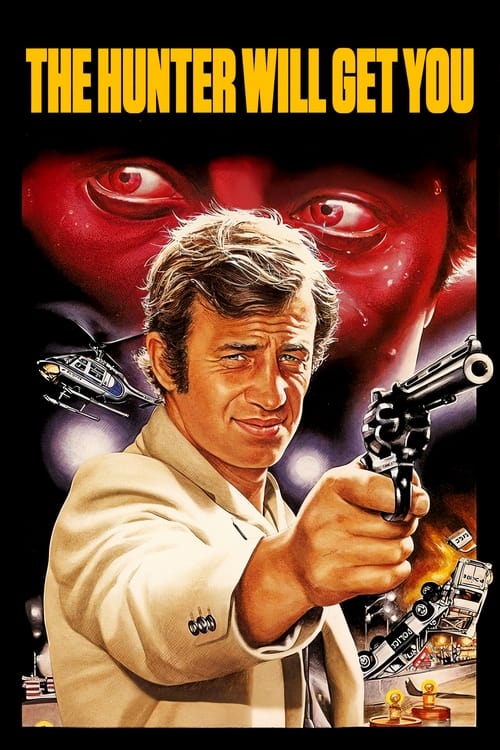
Hunter Will Get You
1976L'Alpagueur is a free-lance spy from the French secret agency. He's put on the investigation about L'epervier, a serial-killer who employs young boys to help him robbing banks before killing them.
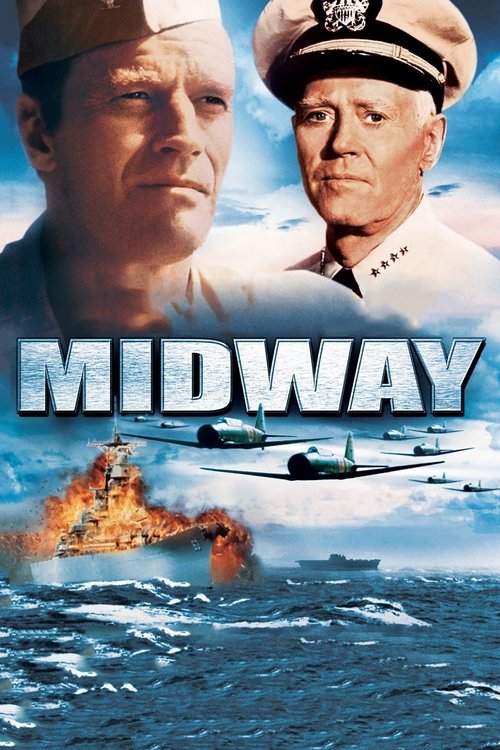
Midway
1976This war drama depicts the U.S. and Japanese forces in the naval Battle of Midway, which became a turning point for Americans during World War II.
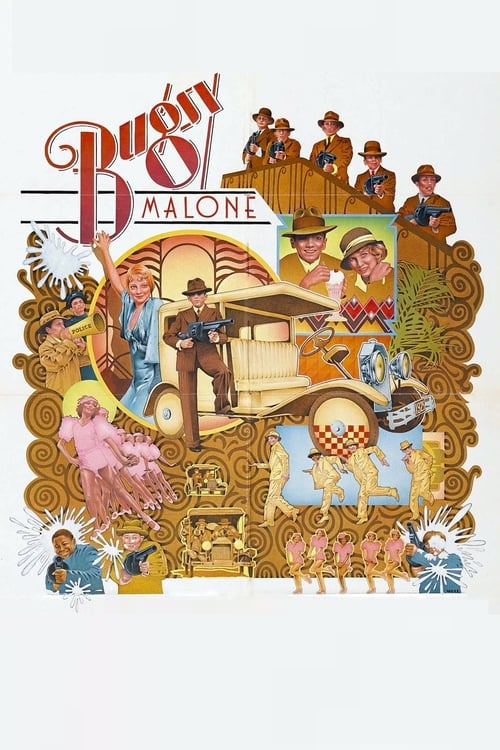
Bugsy Malone
1976New York, 1929, a war rages between two rival gangsters, Fat Sam and Dandy Dan. Dan is in possession of a new and deadly weapon, the dreaded "splurge gun". As the custard pies fly, Bugsy Malone, an all-round nice guy, falls for Blousey Brown, a singer at Fat Sam's speakeasy. His designs on her are disrupted by the seductive songstress Tallulah who wants Bugsy for herself.
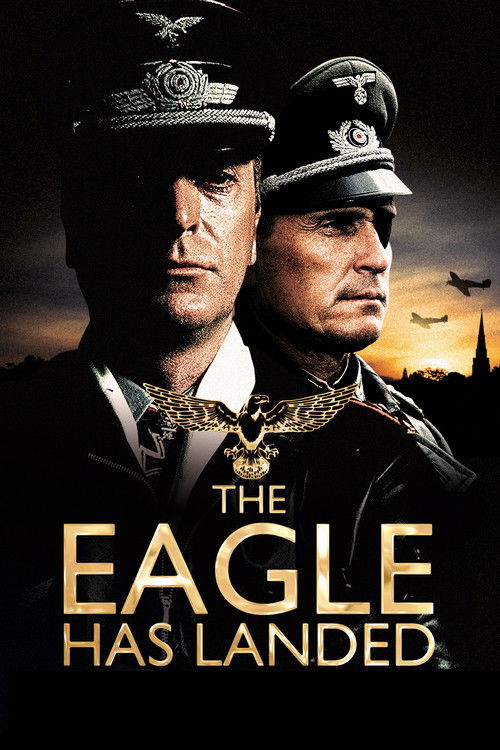
The Eagle Has Landed
1976When the Nazi high command learns in late 1943 that Winston Churchill will be spending time at a country estate in Norfolk, it hatches an audacious scheme to kidnap the prime minister and spirit him to Germany for enforced negotiations with Hitler.
This taut, subversive take on the commando mission movie eschews typical war heroics for a tense, atmospheric infiltration. Its strength lies in a methodical build-up that pays off with a sharp, disciplined explosion of small-town combat.
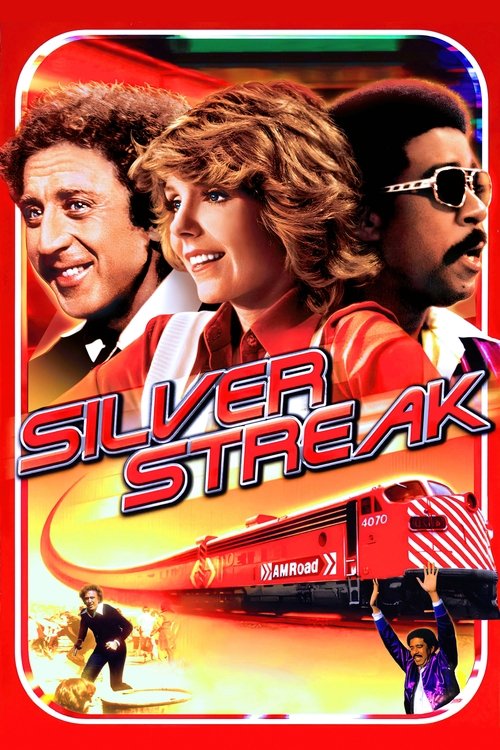
Silver Streak
1976A somewhat daffy book editor on a rail trip from Los Angeles to Chicago thinks that he sees a murdered man thrown from the train. When he can find no one who will believe him, he starts doing some investigating of his own. But all that accomplishes is to get the killer after him.
Gene Wilder and Richard Pryor find a perfect equilibrium between slapstick timing and high-stakes locomotive stunting. It is a rare hybrid that successfully marries the era's disaster-movie spectacle with rapid-fire comedic chemistry.
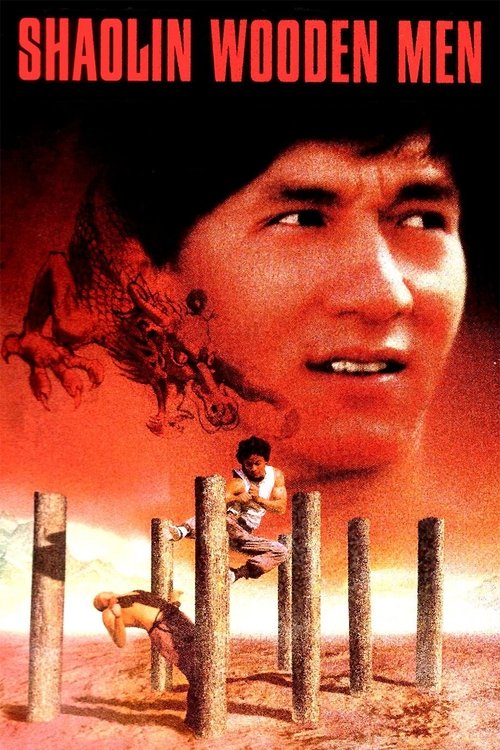
Shaolin Wooden Men
1976Little Mute is an orphan traumatized into silence by the death of his father at the hands of a vicious fighting master. Living at the Shaolin monastery, he befriends a dangerous prisoner who teaches him a secret form of deadly kung fu. Seeing his intense determination, other masters share the wisdom of the Gliding Snake and Drunken Master techniques. In one of the most exciting fight scenes ever filmed, Little Mute must run the gauntlet of the famous 108 wooden men in an extreme test of skill and endurance. But if he becomes a master, will he use his unmatched force for redemption or revenge?
A young Jackie Chan showcases his burgeoning physical genius within this inventive gauntlet of mechanical choreography. The film stands out for its unique blend of traditional kung fu discipline and remarkably creative set-piece engineering.
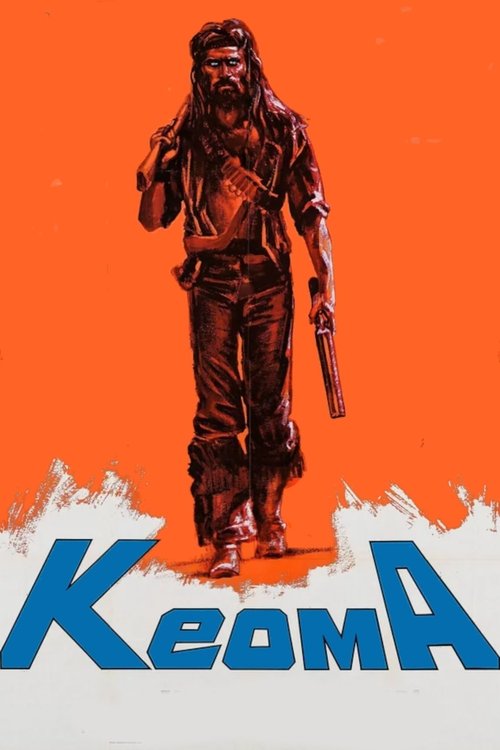
Keoma
1976Half-breed Keoma returns to his border hometown after service in the Civil War and finds it under the control of Caldwell, an ex-Confederate raider, and his vicious gang of thugs. To make matters worse, Keoma's three half-brothers have joined forces with Caldwell, and make it painfully clear that his return is an unwelcome one. Determined to break Caldwell and his brothers' grip on the town, Keoma partners with his father's former ranch hand to exact violent revenge.
Franco Nero’s melancholic performance anchors this psychedelic evolution of the Spaghetti Western. With its innovative slow-motion shootouts and haunting atmosphere, it reinvented the tired tropes of the genre through a gritty, avant-garde lens.
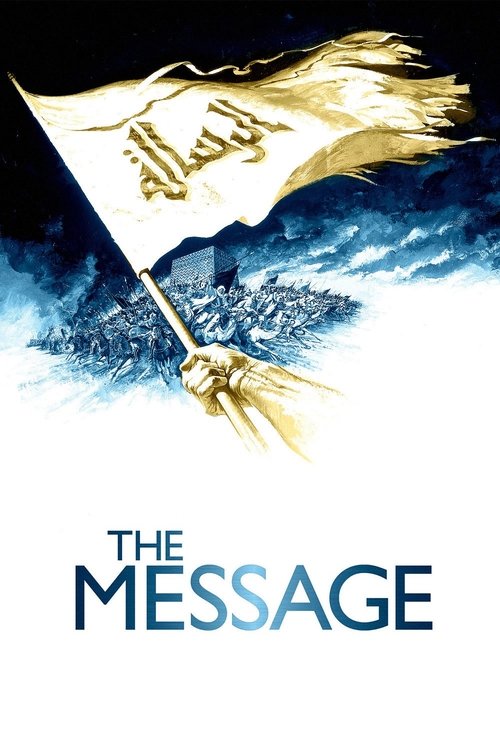
The Message
1976In sixth-century Mecca, Prophet Muhammad receives his first revelation from God as a messenger. Three years later, he's not alone in his quest and publicly declares his prophecy. Muhammad is fought by Abu Sufian and his wife Hind, rulers of Mecca. Muhammad's followers are hunted and tortured but he continues his calling.
Vast in scale and meticulous in execution, this historical epic manages to translate theological gravity into sweeping, tactical desert combat. The sheer logistical magnitude of its cavalry charges offers a level of cinematic grandeur rarely seen in the 1970s.
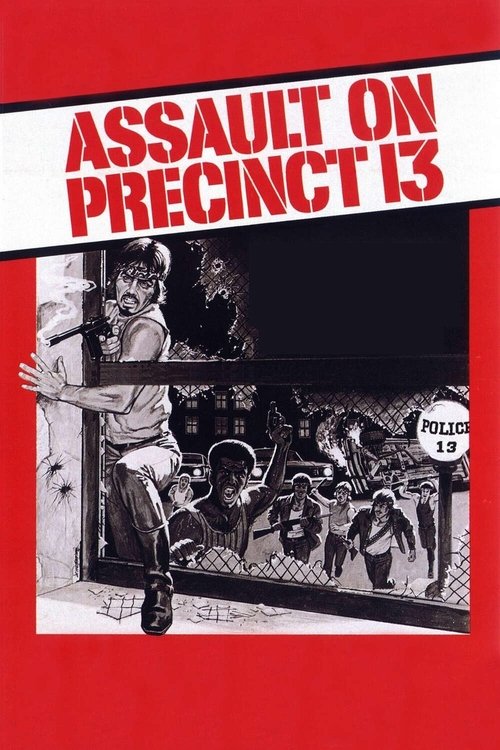
Assault on Precinct 13
1976A highway patrol officer, two criminals, and a station secretary form an unlikely alliance to defend a defunct Los Angeles precinct against a siege by a bloodthirsty street gang.
John Carpenter’s minimalist siege thriller weaponizes silence and claustrophobia to create a mounting sense of dread. Its rhythmic, synth-heavy tension provides a blueprint for modern tactical action by stripping the genre down to its bare, brutal bones.
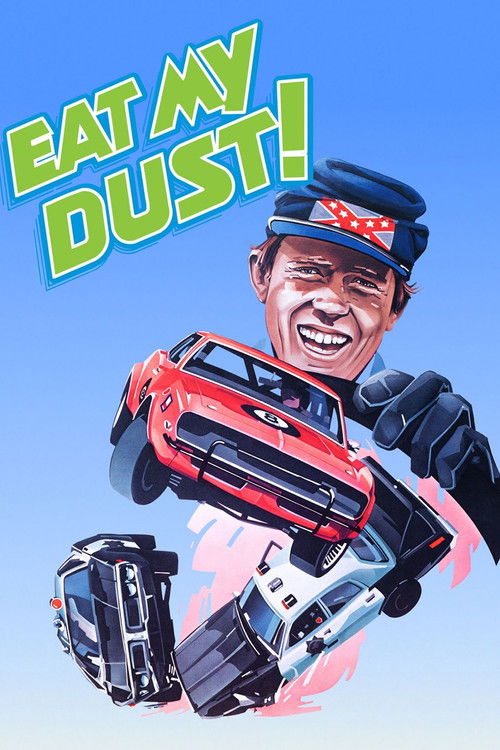
Eat My Dust
1976Hoover Nielbold is a car-crazy teenager who, in order to impress the hottest girl in school, takes her for a ride in a souped-up race car owned by local racer Big Bubba Jones. Hoover's father Harry, who's also the local sheriff is furious at the situation and orders his bumbling deputies to go after him. With the Sheriff's office overflowing with concerned parents and citizens and his deputies failing to catch him. He enlists the help of Jones and fellow racers to capture him. It culminates in a thrilling car chase finale through the rural countryside.
Roger Corman’s quintessential demolition derby prioritizes screeching tires and mangled metal over everything else. It is a lean, mean exhibition of localized chaos that serves as a high-octane celebration of rural rebellion.
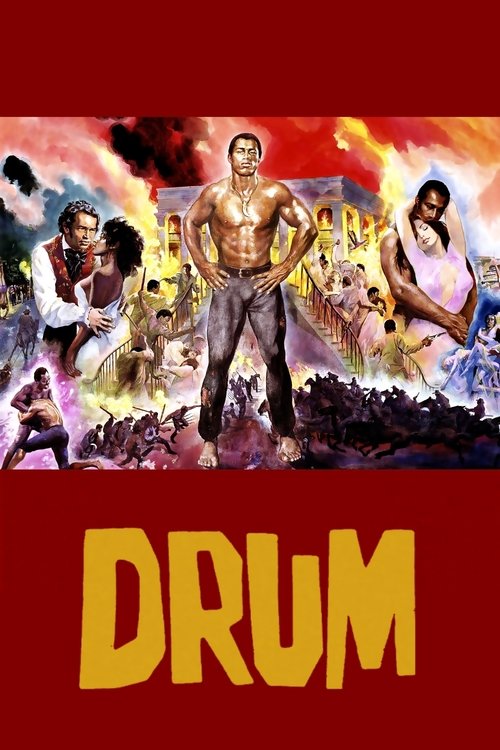
This provocative sequel doubles down on the sheer physicality of its predecessor, delivering a raw and uncomfortable brand of period-piece brawling. It thrives on a volatile energy that pushes the boundaries of the decade's exploitation cinema.
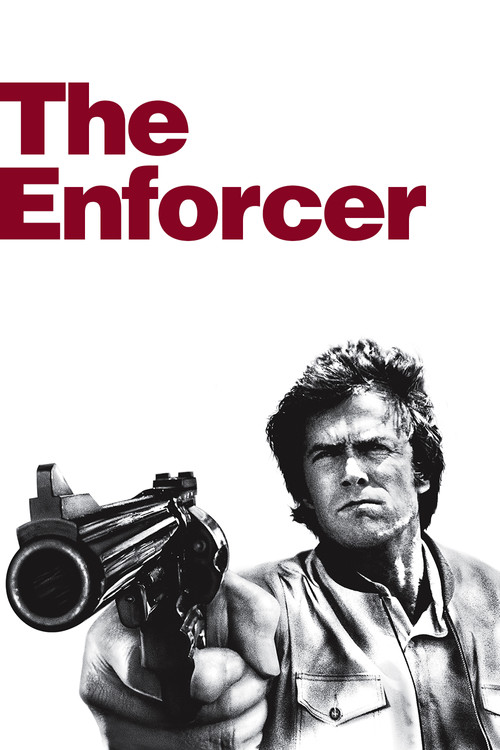
The Enforcer
1976Dirty Harry Callahan returns again, this time saddled with a rookie female partner. Together, they must stop a terrorist group consisting of angry Vietnam veterans.
Dirty Harry evolves into a gritty ensemble showcase that perfectly captures the era's fascination with explosive city-street vigilantism. The film’s pyrotechnic finale on Alcatraz stands as a masterclass in mid-seventies urban warfare.
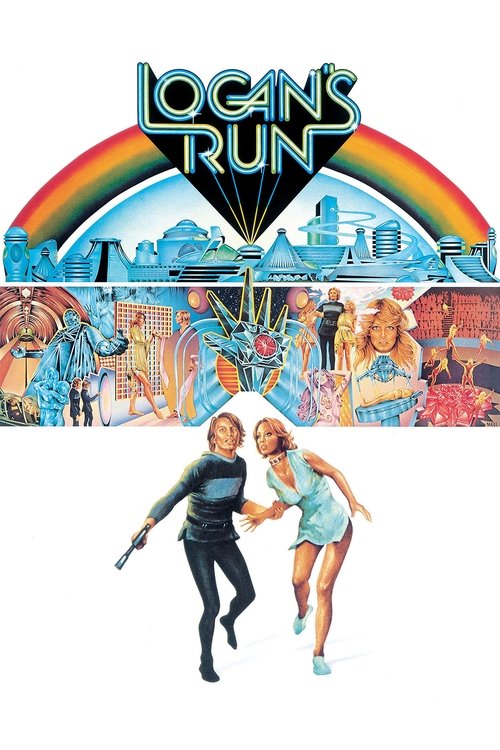
Logan's Run
1976In the 23rd century, inhabitants of a domed city freely experience all of life's pleasures — but no one is allowed to live past 30. Citizens can try for a chance at being "renewed" in a civic ceremony on their 30th birthday. Escape is the only other option.
A high-concept survivalist pursuit that dazzles with its ambitious practical effects and visceral, laser-precise pacing. It remains the definitive 1976 vision of dystopian adrenaline, trading cerebral sci-fi for a relentless, kinetic hunt.
Frequently Asked Questions
Everything you need to know about this list and SnakeDrafts
- The best action movies of 1976 often explore themes of dystopia, crime justice, and survival, as seen in films like "Logan's Run" and "Assault on Precinct 13." There's also a significant presence of historical and war-related action, exemplified by "The Message" and "Midway."
- Sci-fi elements are prominently featured in 1976 action films such as "Logan's Run" and "Futureworld," blending futuristic settings with intense action sequences. These films use speculative technology and dystopian concepts to add depth and intrigue beyond traditional action tropes.
- Yes, martial arts is represented notably by "Shaolin Wooden Men," which showcases traditional martial arts choreography and emphasizes skill and discipline, reflecting the global interest in Eastern action cinema during the era.
- Several films from 1976 successfully blend action with thriller and crime elements, such as "The Enforcer" which combines police procedural with action, and "The Cassandra Crossing," merging suspense with intense action set-pieces.
- Western action is prominently featured in "Keoma," a Spaghetti Western that mixes revenge-driven storytelling with action-packed showdowns, highlighting the genre's popularity and artistic influence on action films of the time.
- Yes, movies like "The Message," "Midway," and "The Eagle Has Landed" incorporate historical and war contexts, blending factual events with dramatic and action-oriented narratives to provide thrilling yet educational cinema experiences.
- Humor is integrated into some 1976 action movies to balance intensity, as seen in "Silver Streak" and "Bugsy Malone," where comedic elements are woven into crime and action scenarios, creating a lighter, more entertaining viewing experience.