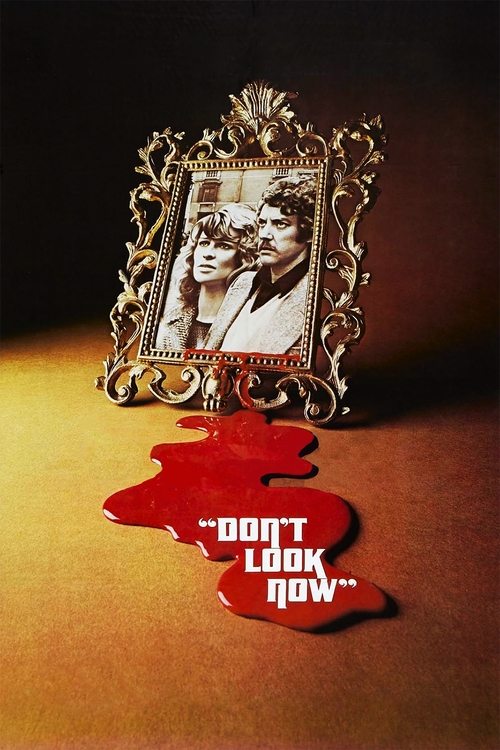
Don't Look Now
Don't Look Now (1973) is a haunting thriller that blends psychological drama with chilling horror, capturing the intense grief of a couple confronted by supernatural elements in the evocative setting of Venice. Directed by Nicolas Roeg, the film is renowned for its atmospheric storytelling, striking visuals, and complex emotional depth, making it a standout classic in the genre.
Director
Nicolas Roeg
Release Year
1973
Runtime
110 minutes
Main Cast
Donald Sutherland, Julie Christie, Hilary Mason, Massimo Serato, Clelia Matania
About Don't Look Now
Don't Look Now became a cultural touchstone for psychological thriller and horror cinema thanks to its innovative narrative structure and atmospheric Venice setting. Its exploration of grief, loss, and the supernatural resonated deeply with audiences and critics alike, influencing numerous filmmakers and the thriller genre as a whole. The film's use of disorienting editing techniques and a non-linear storyline was particularly groundbreaking for its time.
The plot centers around a married couple mourning their child's tragic death who are drawn into a mysterious encounter with two sisters, one of whom claims to convey messages from the afterlife. The tension between skepticism and belief drives much of the film’s emotional and narrative power without revealing all its dark secrets, maintaining an eerie ambiguity.
Critically, Don't Look Now was lauded for its strong performances, especially by Donald Sutherland and Julie Christie, as well as Roeg's distinctive directing style. The film’s cinematography and editing received praise for their ability to evoke unease and suspense. Over the years, it has been frequently analyzed for its symbolic imagery, use of color, and themes surrounding fate and foreboding.
Though it did not win major awards at the time of release, the film has grown in stature as a cult classic and is frequently cited in discussions about the best horror-thrillers ever made. Its influence is seen in later works that blend psychological complexity with supernatural elements, securing its legacy as a milestone in genre filmmaking.
Drafts Featuring Don't Look Now
Every SnakeDrafts listicle where this movie appears
Donald Sutherland Movies Ranked Definitively
Ranked #11
The Best Movies of the 1970s Ranked
Ranked #60
Best 1973 Movies of All Time
Ranked #10
The Greatest Horror Movies Ranked
Ranked #17
Top 1970s Thriller Movies Ranked
Ranked #3
Best Horror Movies of 1973, Ranked
Ranked #3
Best Movies Starring Julie Christie
Ranked #3
The Best Thriller Movies of All Time, Ranked
Ranked #59
The Best Thriller Movies of 1973, Ranked
Ranked #16
Similar Movies
Movies related to Don't Look Now
Frequently Asked Questions
Everything you need to know about Don't Look Now
- The red coat worn by the deceased child and later seen in visions symbolizes the child's presence and serves as a persistent reminder of the loss that haunts the parents. It also adds to the film's eerie and unsettling atmosphere, acting as a visual motif tied to memory and tragedy.
- Venice's labyrinthine canals and gothic architecture create a sense of mystery and disorientation that mirrors the characters' emotional turmoil. The city's foggy and isolated ambiance intensifies the film’s suspense and supernatural overtones.
- Beyond grief, the film delves into themes of psychic phenomena, fate versus free will, and the thin boundary between reality and the supernatural. It also examines communication between the living and the dead, and how trauma can alter perception.
- Because it combines elements of mental anguish and emotional instability with suspense and supernatural hints, focusing on the characters' inner experiences rather than straightforward horror scares. The film explores how trauma affects perception and reality.
- Yes, the film uses color very deliberately, especially red, to symbolize warning, death, and memory. The interplay of colors helps to create mood shifts and highlight emotional beats in the story.
- Both actors deliver deeply nuanced portrayals of grief-stricken parents, conveying the complex emotions of sorrow, hope, and fear without explicit exposition. Their performances ground the supernatural elements with emotional realism.
- The supernatural is presented ambiguously, leaving room for interpretation whether it is genuinely paranormal or a manifestation of grief and psychological distress. This ambiguity adds to the haunting and suspenseful tone.
- The film contains a famously explicit and intimate scene that was considered daring for its time, highlighting the raw emotional and physical connection between the characters amidst their mourning. This scene contributed to discussions around realism and artistic expression in cinema.
- The ending is often viewed as open-ended and tragic, with many interpretations emphasizing themes of inevitability and fate. Its ambiguity invites viewers to reflect on the nature of loss and the unseen forces that may influence human life.
- Yes, it is considered highly influential in the horror and thriller genres, inspiring filmmakers with its narrative style, use of color, and psychological depth. Elements of the film have been echoed in later movies dealing with grief, supernatural contact, and fragmented storytelling.

