The Greatest Crime Movies of 1973
Gritty Noir Classics and Hardboiled Masterpieces
Explore the best crime cinema from a landmark year. Discover gritty detective thrillers, classic heist films, and hardboiled underworld dramas.
About 1973 Crime Movies
In the long view of cinematic history, 1973 often stays in the shadow of its predecessor. It is difficult to compete with 1972, the year of The Godfather, but for lovers of grit and pavement, 1973 was actually the more essential twelve months. This was the year the crime genre truly stripped off its Hollywood polish and started bleeding in the streets. If 1972 gave us the high opera of criminal life, 1973 gave us the hangover.
The landscape of the crime film at this time was defined by a profound sense of disillusionment. The idealism of the sixties was dead, replaced by a cynical realism that bled into every frame. The heroes were no longer untouchable paragons of justice. Instead, they were exhausted men like Serpico. Sidney Lumet’s masterpiece featured Al Pacino in a career defining role as Frank Serpico, a whistleblower in a New York Police Department that was rotting from the inside out. It was a film that suggested the greatest threat to a cop was not the underworld, but the man wearing the same shield in the locker room.
While the police were getting dirty, the criminals were getting desperate. Peter Yates directed what might be the leanest, meanest heist movie ever made in The Friends of Eddie Coyle. Robert Mitchum delivered a late career triumph as a low level gunrunner facing the autumn of his life. There are no glamorous getaways or witty banter here. The film treats crime as a wearying, blue collar job where the retirement plan is usually a bullet in a parked car. It captured a specific kind of Boston gloom that felt startlingly authentic.
The year also saw the rise of the stylish, existential thriller. In The Long Goodbye, Robert Altman took Raymond Chandler’s iconic private eye Philip Marlowe and dropped him into the neon haze of seventies Los Angeles. Elliott Gould played Marlowe as a mumbly, chain smoking relic who was constantly two steps behind everyone else. It was a deconstruction of the detective myth that proved the genre could be used to satirize the very culture it inhabited.
Even when the genre went international, the mood remained sharp. In France, Jean Pierre Melville had recently passed away, but his influence lived on in films like The Day of the Jackal. Directed by Fred Zinnemann, this clinical look at an assassination attempt on Charles de Gaulle remains a masterclass in process. It presented crime not as a moral failing, but as a technical problem to be solved with cold, professional detachment.
This era of cinema was obsessed with the breakdown of systems. Whether it was the mob politics of Mean Streets, where Martin Scorsese introduced the world to the kinetic energy of Robert De Niro, or the vigilante justice of Magnum Force, the message was clear. The old rules no longer applied. By the time the credits rolled on 1973, the crime movie had evolved into something more honest and far more dangerous. It was no longer just about good versus evil. It was about survival in a world that had forgotten the difference.
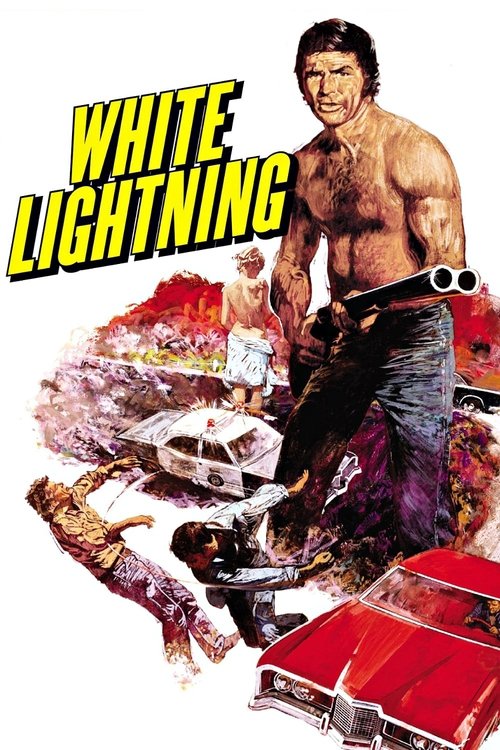
White Lightning
1973An ex-con teams up with federal agents to help them with breaking up a moonshine ring.
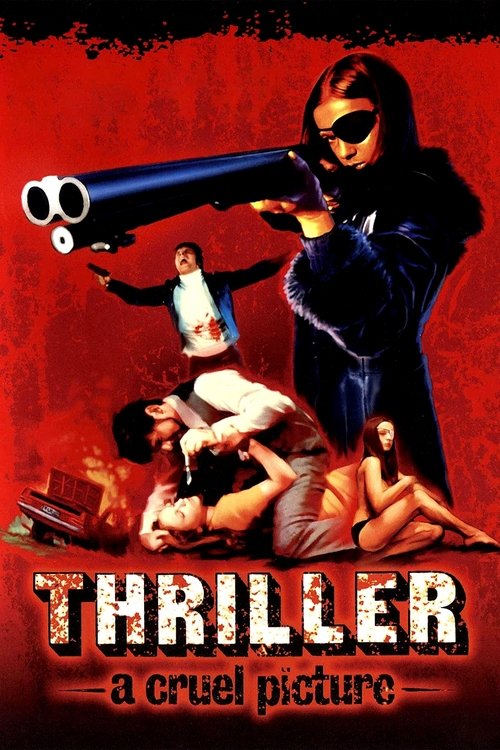
Thriller: A Cruel Picture
1973Madeleine, rendered mute after being sexually assaulted as a youth, accepts a lift from a wealthy and sadistic pimp who soon enslaves her into his prostitution racket. Despite her limited means, Madeleine embarks on a bloody road to revenge against her captors.
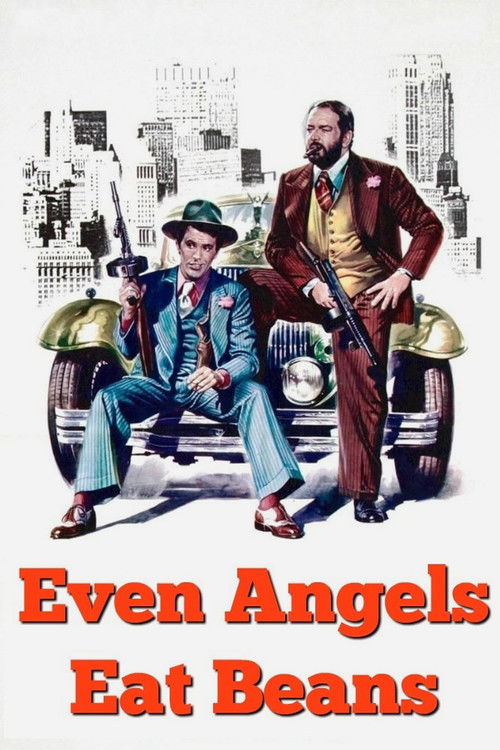
Even Angels Eat Beans
1973Two mismatched buddies are mistaken for mob enforcers in Depression-era America.
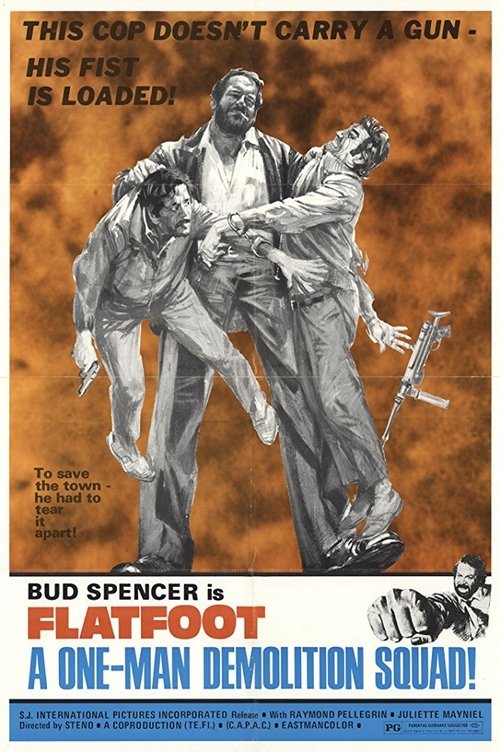
The Knock Out Cop
1973Inspector “Flatfoot” Rizzo investigates crime and corruption in Naples.
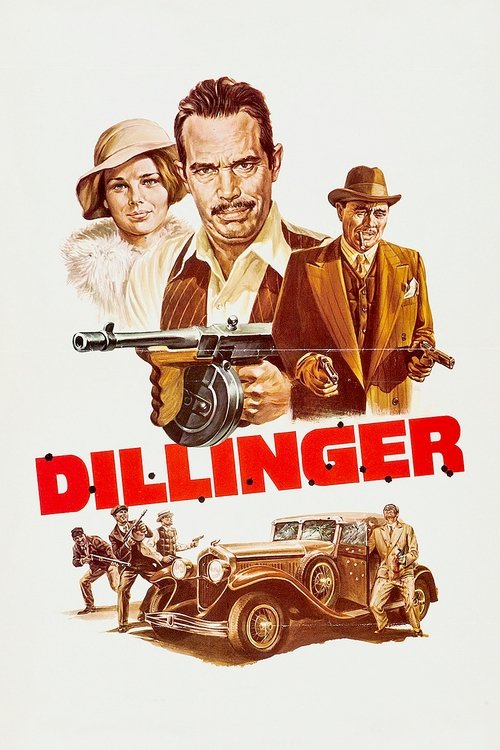
Dillinger
1973After a shoot-out kills five FBI agents in Kansas City the Bureau target John Dillinger as one of the men to hunt down. Waiting for him to break Federal law they sort out several other mobsters, while Dillinger's bank robbing exploits make him something of a folk hero. Escaping from jail he finds Pretty Boy Floyd and Baby Face Nelson have joined the gang and pretty soon he is Public Enemy Number One. Now the G-men really are after him.
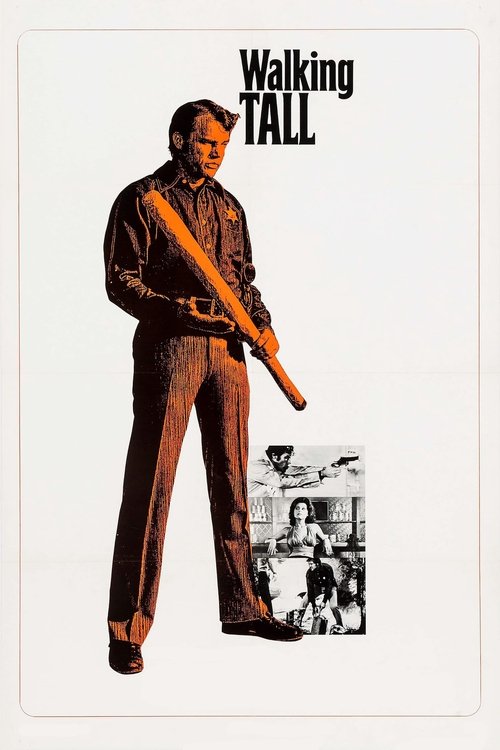
Walking Tall
1973Ex-wrestler and Tennessee Sheriff Buford Pusser walks tall and carries a big stick as he tussles with county-wide corruption and moonshining thugs.
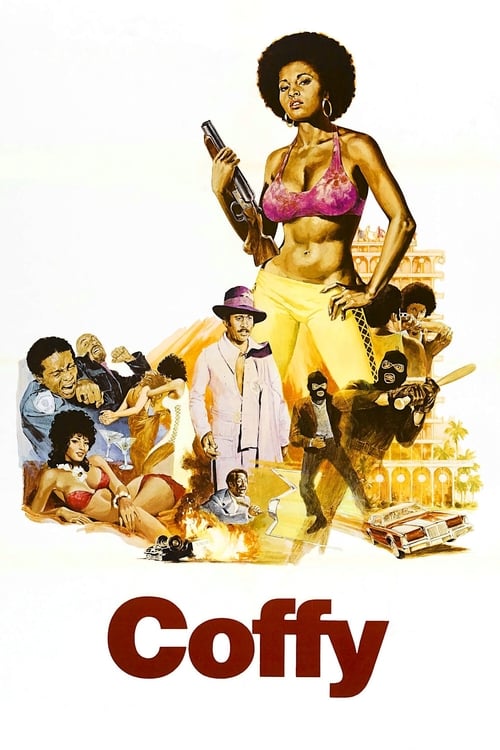
Coffy
1973After her younger sister gets involved in drugs and is severely injured by contaminated heroin, a nurse sets out on a mission of vengeance and vigilante justice, killing drug dealers, pimps, and mobsters who cross her path.
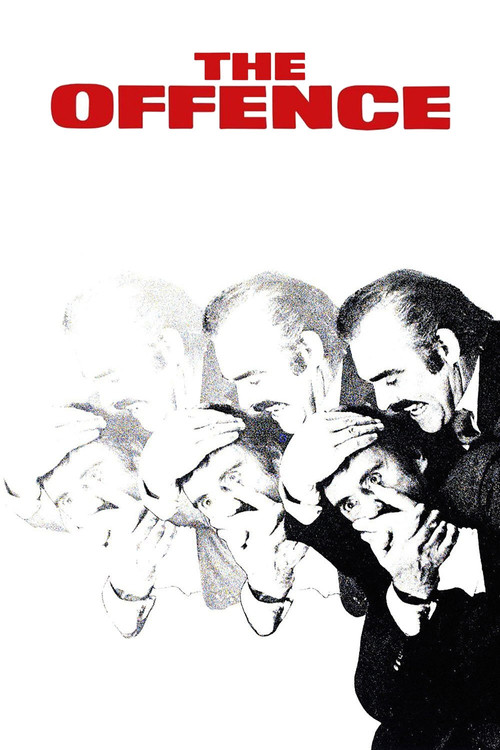
The Offence
1973A burned-out British police detective finally snaps while interrogating a suspected child molester.
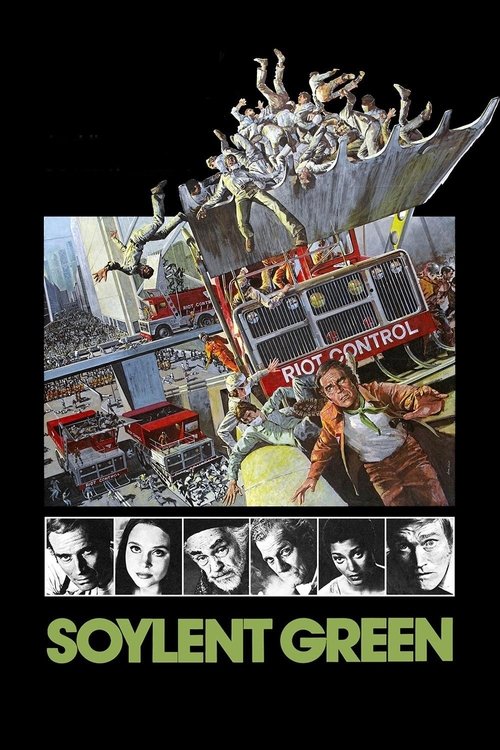
Soylent Green
1973In the year 2022, overcrowding, pollution, and resource depletion have reduced society’s leaders to finding food for the teeming masses. The answer is Soylent Green.
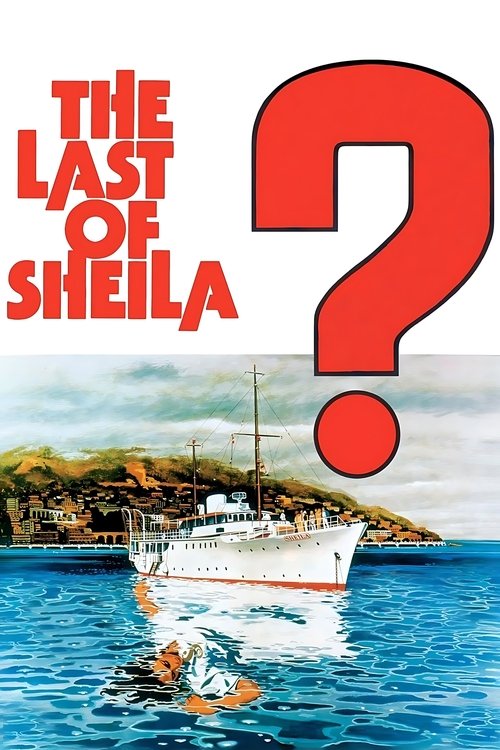
The Last of Sheila
1973A year after Sheila is killed in a hit-and-run, her multimillionaire husband invites a group of friends to spend a week on his yacht playing a scavenger hunt-style mystery game—but the game turns out to be all too real and all too deadly.
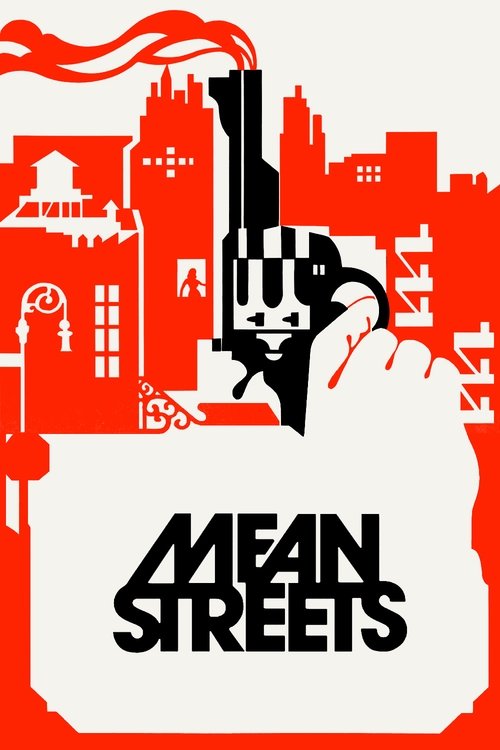
Mean Streets
1973A small-time hood must choose from among love, friendship and the chance to rise within the mob.
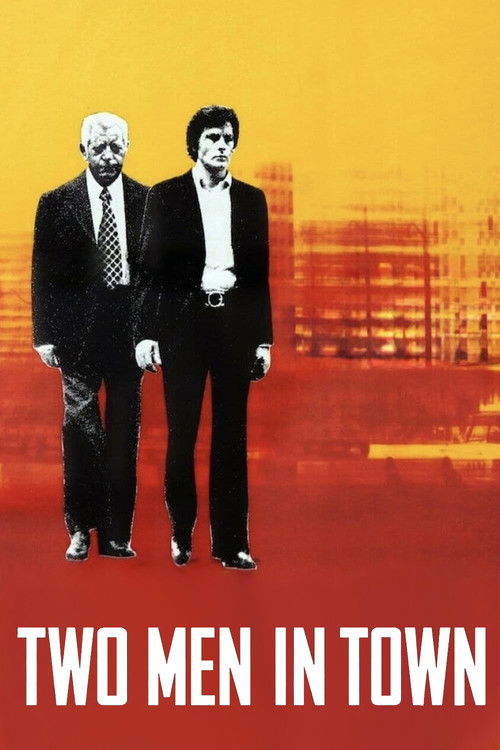
Two Men in Town
1973A former bank robber is released after 10 years in prison. He gets help from a social-worker, but gets harassed by an old cop from his past.
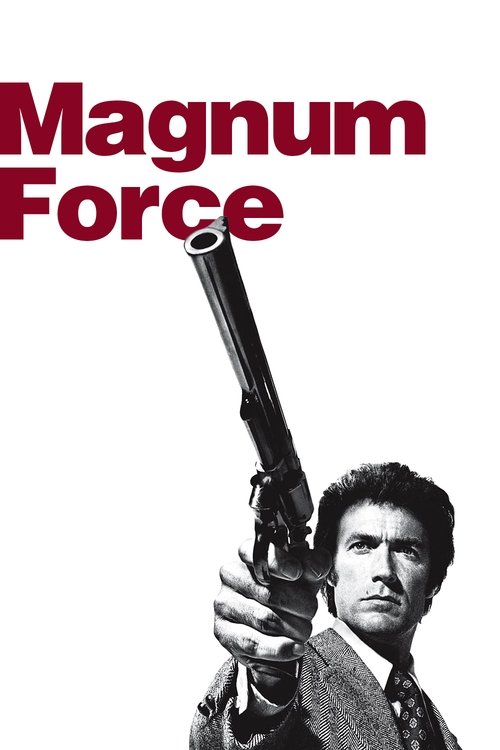
Magnum Force
1973"Dirty" Harry Callahan is a San Francisco Police Inspector on the trail of a group of rogue cops who have taken justice into their own hands. When shady characters are murdered one after another in grisly fashion, only Dirty Harry can stop them.
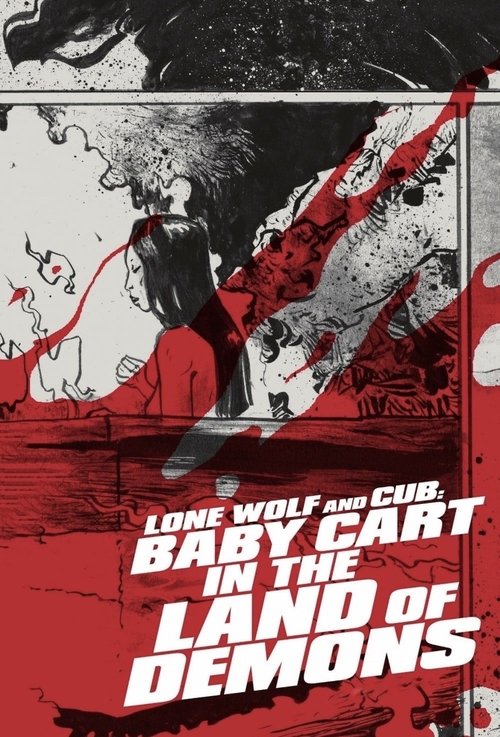
Lone Wolf and Cub: Baby Cart in the Land of Demons
1973Ogami Itto is challenged by a quintet of warriors, each armed with one fifth of Ogami's assassin fee and one fifth of the information he needs to complete his assignment.
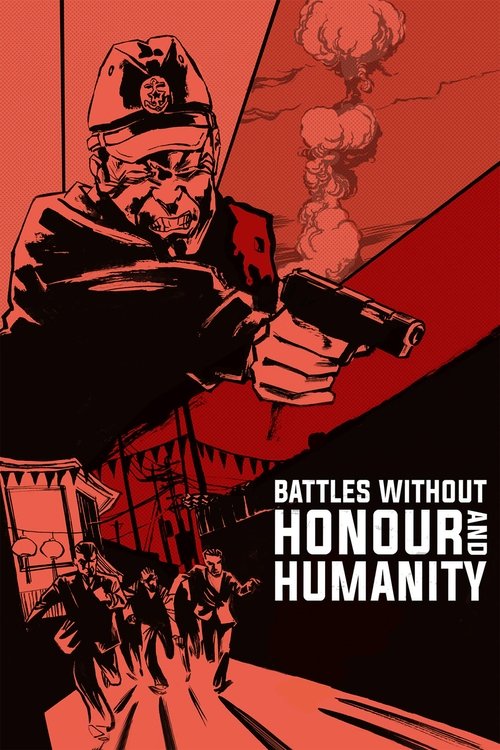
Battles Without Honor and Humanity
1973In the teeming black markets of postwar Japan, Shozo Hirono and his buddies find themselves in a new war between factious and ambitious yakuza.
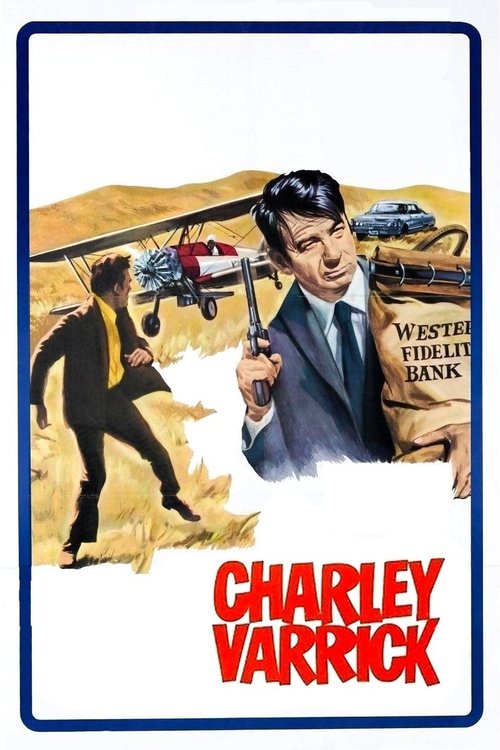
Charley Varrick
1973Charley Varrick robs a bank in a small town with his friends, but instead of obtaining a small amount of money, they discover they stole a very large amount of money belonging to the mob. Charley must now come up with a plan to not only evade the police but the mob as well.
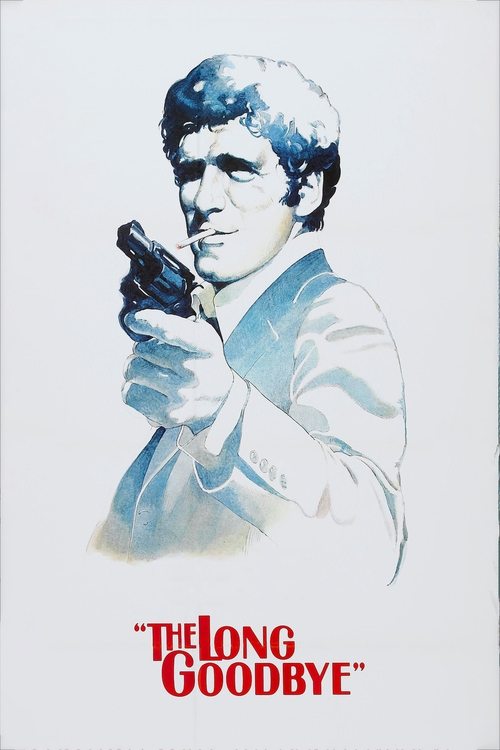
The Long Goodbye
1973In 1970s Hollywood, Detective Philip Marlowe tries to help a friend who is accused of murdering his wife.

Lady Snowblood
1973Yuki's family is nearly wiped out before she is born due to the machinations of a band of criminals. These criminals kidnap and brutalize her mother but leave her alive. Later her mother ends up in prison with only revenge to keep her alive. She creates an instrument for this revenge by purposefully getting pregnant. Yuki never knows the love of a family but only killing and revenge.
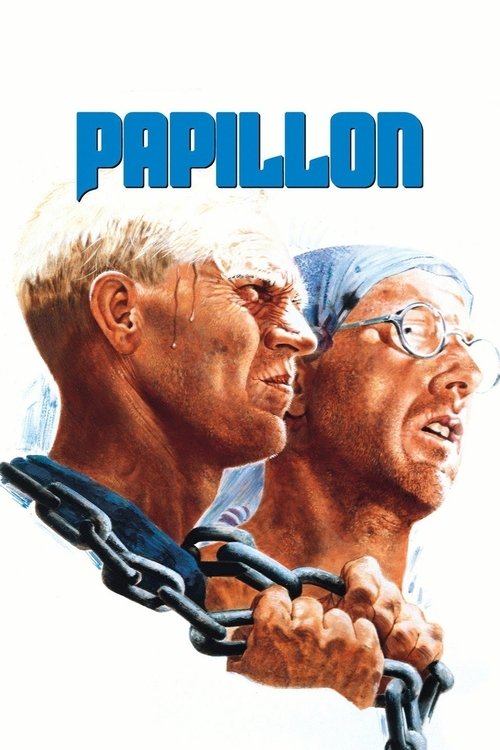
Papillon
1973A man befriends a fellow criminal as the two of them begin serving their sentence on a dreadful prison island, which inspires the man to plot his escape.
This grueling epic of incarceration trades the standard thrills of the escape genre for a haunting exploration of human endurance. It stands as a visceral testament to the psychological toll of state-sponsored cruelty and the defiant spirit of the condemned.
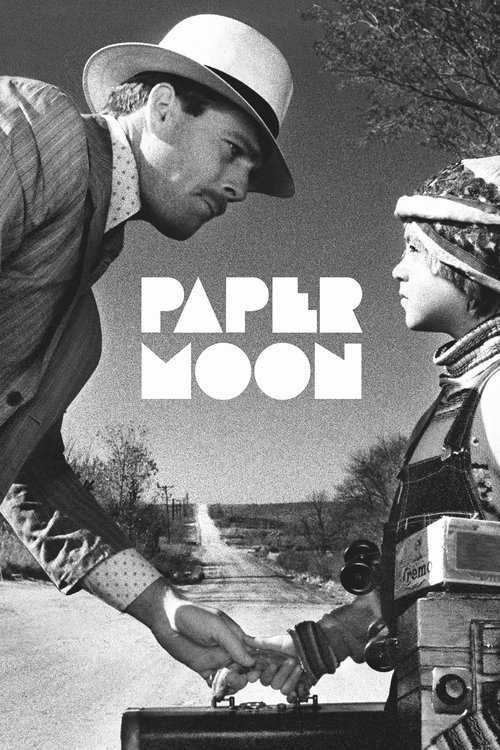
Paper Moon
1973During the Great Depression, a con man finds himself saddled with a young girl who may or may not be his daughter, and the two forge an unlikely partnership.
Peter Bogdanovich utilizes crisp black-and-white cinematography to craft a Depression-era swindle that feels remarkably modern in its wit. The film finds its brilliance in the friction between a grifter's pragmatism and the survivalist instincts of a precocious child.
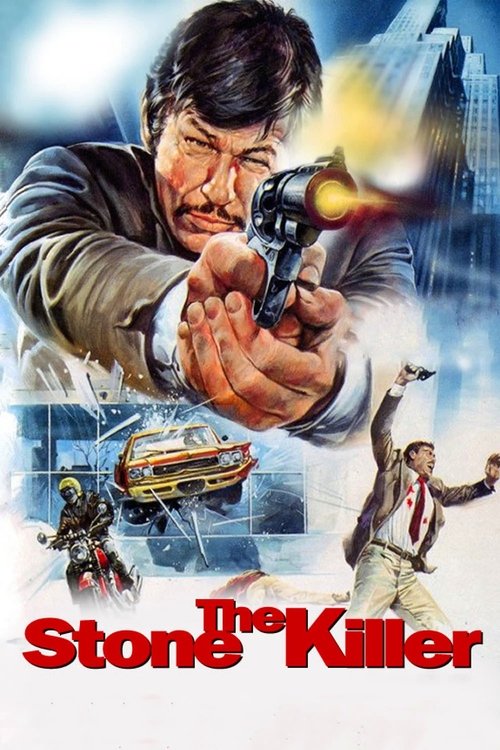
The Stone Killer
1973A Los Angeles detective is sent to New York where he must solve a case involving an old Sicilian Mafia family feud.
Charles Bronson and Michael Winner deliver a high-octane collision of Italian genre sensibilities and American police brutality. It is a loud, unapologetic spectacle of urban warfare that captures the paranoid political climate of the early seventies.
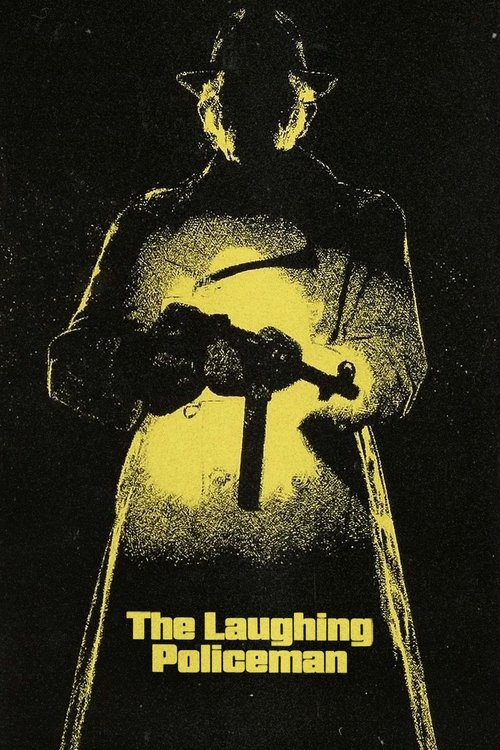
The Laughing Policeman
1973When a gunman opens fire on a crowded city bus in San Francisco, Detective Dave Evans is killed, along with the man he'd been following in relation to a murder. Evans' partner, Sgt. Jake Martin, becomes obsessed with solving the case.
Walter Matthau brings a weary, sardonic soulfulness to a grim investigation of a mass transit massacre. The film excels as a bleak meditation on the investigative process, trading Hollywood heroics for the slow, agonizing grind of detective work.
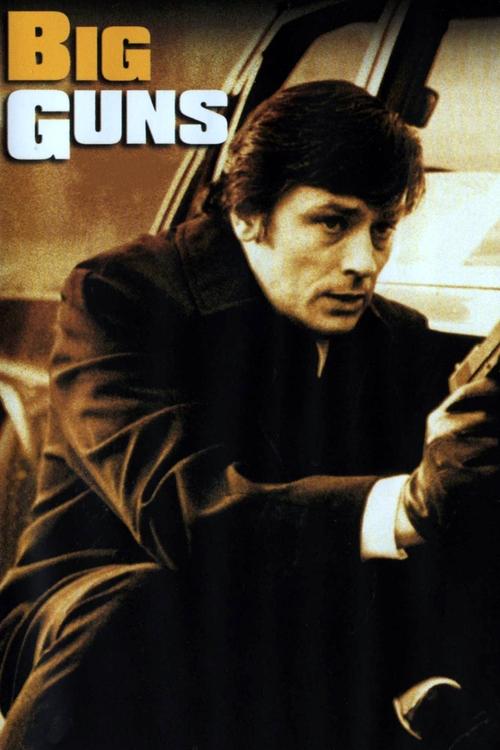
Tony Arzenta
1973A mob hitman wants to retire, but his bosses don't think that's a good idea. Complications - and many bloody shootouts - ensue.
This Poliziottesco landmark pulses with a cold, European nihilism that sets it apart from its American counterparts. Alain Delon provides a statuesque lethality to a revenge saga defined by its explosive violence and stark architectural framing.
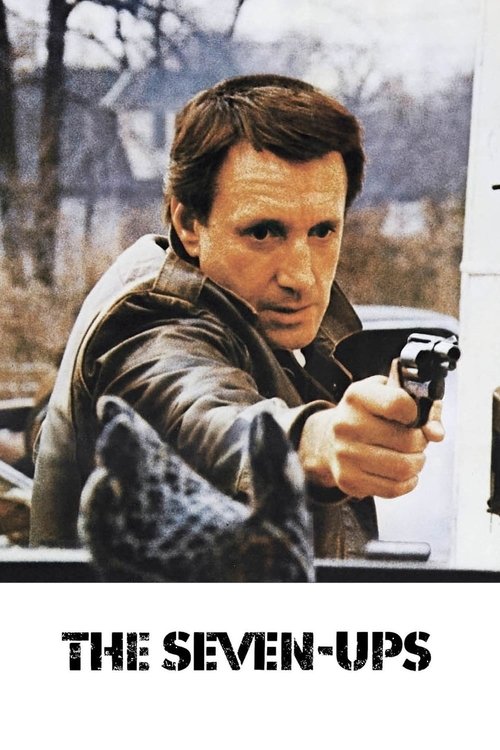
The Seven-Ups
1973A tough detective who is part of an elite New York City unit is trying to find out who killed his partner, but uncovers a plot to kidnap mobsters for money.
Defined by its gritty New York locations and a legendary, bone-shaking vehicle pursuit, this procedural captures the tactile grime of the era. The film eschews heroic posturing in favor of a jagged, documentarian approach to urban law enforcement.
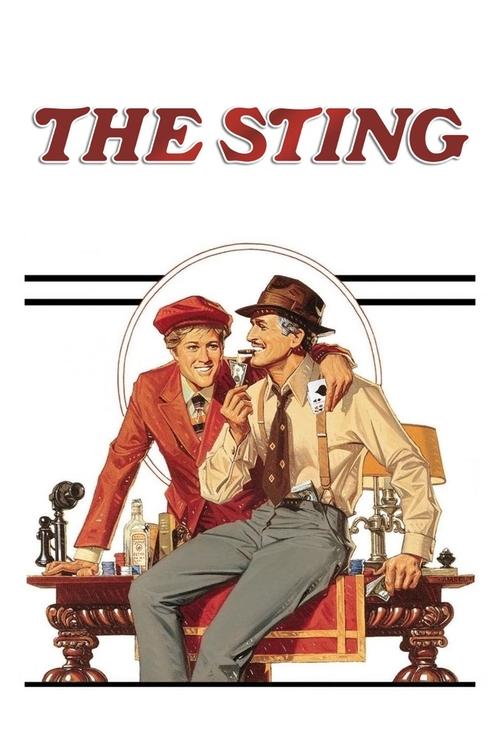
The Sting
1973A novice con man teams up with an acknowledged master to avenge the murder of a mutual friend by pulling off the ultimate big con and swindling a fortune from a big-time mobster.
A masterclass in narrative clockwork, this film elevates the caper to high art through its impeccable period texture and rhythmic editing. It succeeds by treating the confidence game as a sophisticated dance of charisma and lighthearted cynicism.
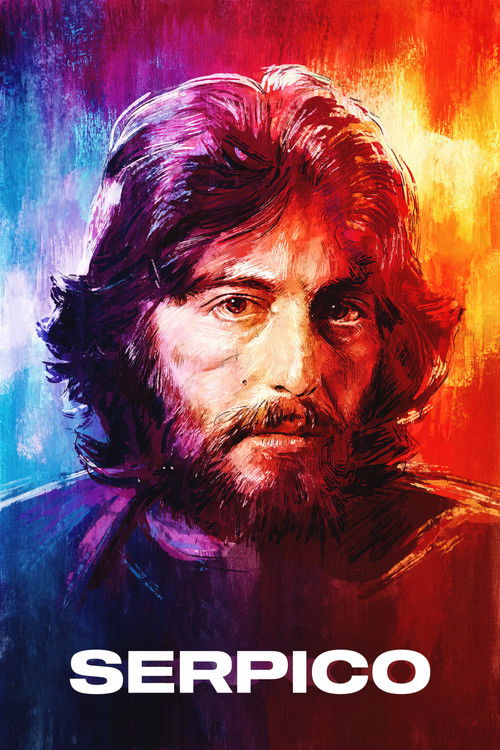
Serpico
1973New York cop Frank Serpico blows the whistle on the rampant corruption in the force only to have his comrades turn against him.
Sidney Lumet transforms the police procedural into a visceral character study of institutional rot and moral isolation. Al Pacino’s kinetic energy fuels a narrative that feels less like a biopic and more like a desperate, claustrophobic fever dream.
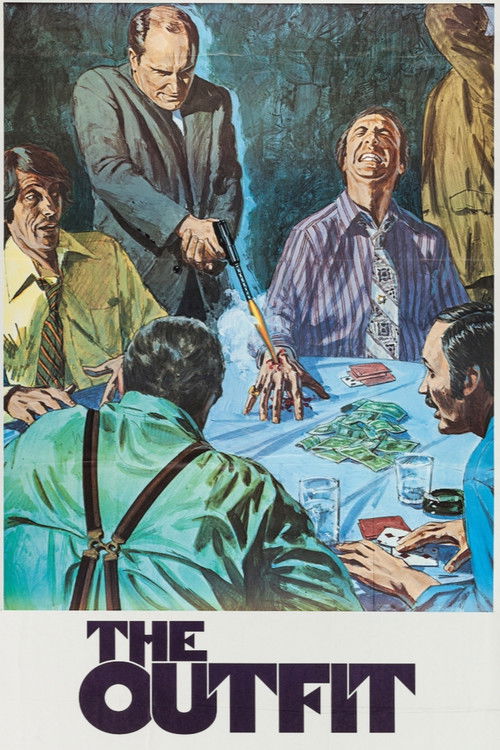
The Outfit
1973A two-bit criminal takes on the Mafia to avenge his brother's death. Earl Macklin is a small time criminal who is released from prison after an unsuccessful bank robbery only to discover that a pair of gunmen killed his brother.
Robert Duvall anchors this lean, unrelenting neo-noir that trades operatic flourishes for a cold, workmanlike efficiency. Its stripped-back aesthetic perfectly mirrors the clinical precision of its professional criminal protagonist.
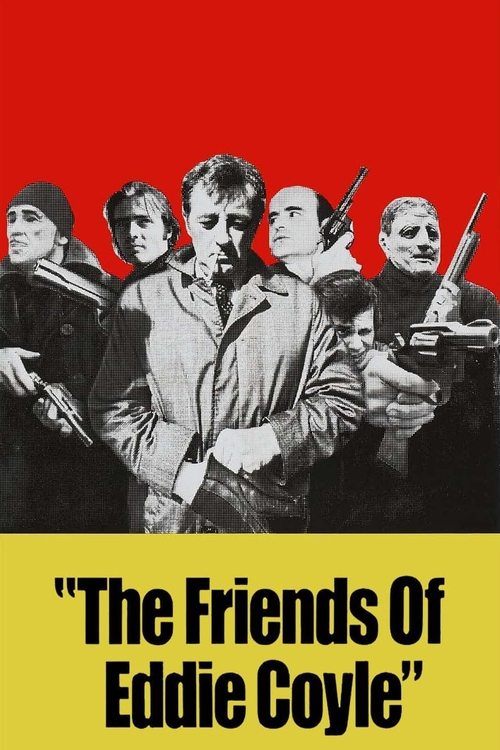
The Friends of Eddie Coyle
1973An aging hood is about to go back to prison. Hoping to escape his fate, he supplies information on stolen guns to the feds, while simultaneously supplying arms to his bank robbing chums.
Robert Mitchum delivers a career-defining turn in this bleak, unvarnished portrait of small-time betrayal and the crushing weight of systemic futility. It remains the definitive cinematic autopsy of the American underworld's bottom rung.
Frequently Asked Questions
Everything you need to know about this list and SnakeDrafts
- The crime films of 1973 stripped away Hollywood gloss to present a grittier, more realistic depiction of criminal life, focusing on the grim aftermath rather than the glamorous rise shown in 1972's The Godfather. This year emphasized street-level crime and moral ambiguity, marking a shift in the genre's tone and narrative style.
- Serpico (1973), directed by Sidney Lumet, is renowned for its intense and true story-based portrayal of police corruption and the struggles of an honest cop within the New York Police Department. Its realistic approach helped define the crime genre in 1973.
- Yes, The Sting (1973) is a standout heist film on the list, blending crime with comedy and drama. It showcases clever con artistry and remains a classic example of caper films from that era.
- Several 1973 crime films, such as The Friends of Eddie Coyle and The Laughing Policeman, effectively use suspense and tension to heighten the narrative. Thriller components are woven through detective investigations and criminal pursuits, enhancing the gritty realism.
- International titles like Lady Snowblood from Japan bring a unique blend of action and crime with stylistic flair, highlighting global perspectives on the genre. These films broaden the scope of crime cinema beyond American streets, adding cultural depth to the 1973 crime movie landscape.
- The Long Goodbye, directed by Robert Altman and featured in the list, is celebrated for its unconventional narrative and modern take on the classic detective story. Its stylistic choices influenced the neo-noir subgenre and redefined crime storytelling at the time.
- Yes, themes of moral ambiguity, betrayal, and the fallout of criminal life are prominent throughout these films. Many titles explore the complex dynamics between law enforcement and criminals, underscoring the blurred lines in 1973's portrayals of crime.
- Battles Without Honor and Humanity is a significant yet underappreciated crime drama from 1973 that depicts the harsh realities of yakuza life in post-war Japan. Its raw storytelling and gritty realism make it a crucial piece in understanding international crime cinema of that year.