The Greatest Crime Movies of 1971
Gritty Classics and Cult Thrillers of a Golden Era
Explore the best crime cinema with iconic masterpieces like The French Connection and Dirty Harry. Discover gritty thrillers and vintage cult classics.
About 1971 Crime Movies
The year 1971 serves as a definitive tombstone for the old guard of Hollywood and a loud, bloody birth announcement for the New Hollywood era. If you look at the crime cinema of that year, you are looking at a genre in the middle of a nervous breakdown. The glossy, romanticized capers of the fifties were gone, replaced by a cynical, soot-covered realism that reflected a world exhausted by political scandal and urban decay. This was the year the police procedural turned feral and the gangster movie found its soul.
The undisputed heavyweight champion of the year was William Friedkin with The French Connection. It is difficult to overstate how much this film changed the visual language of the crime thriller. By casting Gene Hackman as Popeye Doyle, Friedkin gave us a protagonist who was frequently as repulsive as the heroin smugglers he chased. The film ditched the steady tripod shots of the past for a jagged, handheld documentary style that made the audience feel the cold wind of a Brooklyn winter. Its centerpiece, a frantic pursuit involving a hijacked elevated train and a brown Pontiac LeMans, remains the gold standard for automotive mayhem because it feels legitimately dangerous.
While Friedkin was capturing the grit of the East Coast, Clint Eastwood and Don Siegel were redefining the West Coast lawman with Dirty Harry. This film moved the needle of the genre toward the vigilante thriller. Harry Callahan represented a growing American frustration with legal bureaucracy and the perceived soft touch of the judicial system. The film is a masterpiece of tension, but it also invited a complicated conversation about police brutality and civil liberties that we are still having today. It turned the crime film into a political lightning rod.
However, 1971 was not just about the men with badges. It was a year that explored the lonely, often pathetic fringes of the criminal underworld. Take Mike Hodges' Get Carter, a British masterpiece that stripped away the swinging sixties glamour of London to reveal a gray, industrial wasteland. Michael Caine played Jack Carter not as a charming rogue, but as a literal personification of death returning to his hometown. On the American side, Alan J. Pakula delivered Klute, a film that used a missing person case to explore the psyche of a high end call girl. Jane Fonda performance as Bree Daniels shifted the focus of the crime genre from the act of violence to the psychological toll of living in a world defined by voyeurism and fear.
We also cannot ignore the quieter, more soulful entries like The Friends of Eddie Coyle. While technically released slightly later in some regions but rooted in this specific era of production, it captured the same 1971 spirit of the low level hoodlum just trying to survive the week. It was a year where the bad guys were tired and the good guys were compromised.
The crime movies of 1971 functioned as a mirror for a society that had lost its innocence. The genre stopped being about the triumph of the law and started being about the endurance of the individual within a broken system. These films were loud, sweaty, and unapologetically bleak, and they laid the groundwork for every gritty drama that has followed in the half century since.
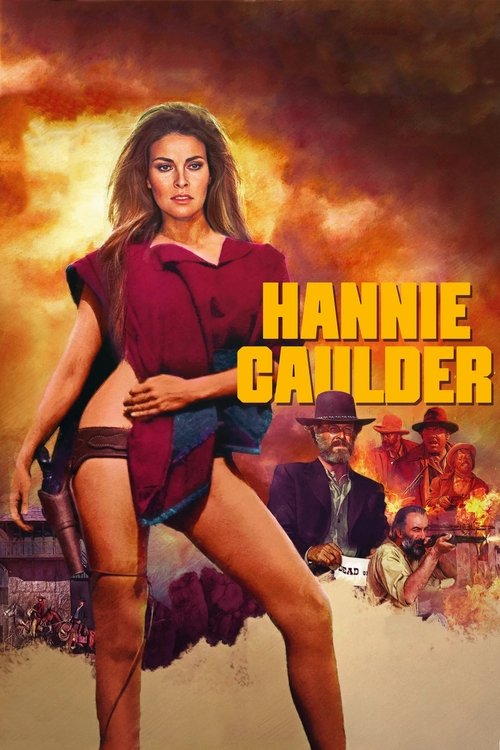
Hannie Caulder
1971After she's raped by the outlaw trio who murdered her husband, a frontierswoman hires a bounty hunter to instruct her in the ways of a gun in order to exact her revenge.
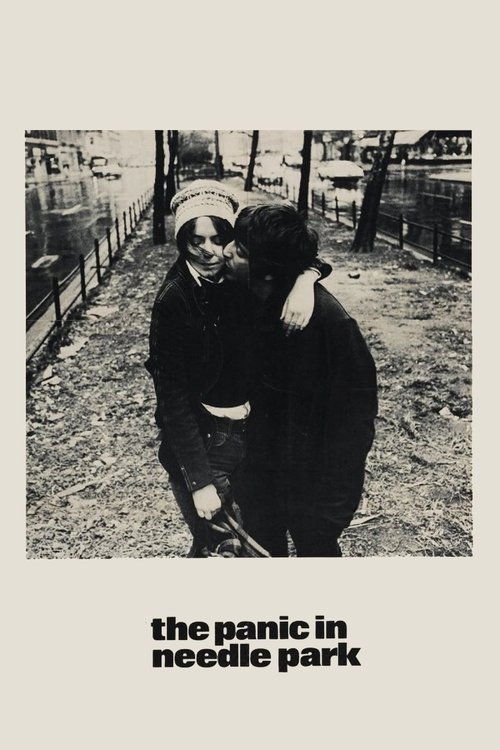
The Panic in Needle Park
1971A stark portrayal of life among a group of heroin addicts who hang out in Needle Park in New York City. Played against this setting is a low-key love story between Bobby, a young addict and small-time hustler, and Helen, a homeless girl who finds in her relationship with Bobby the stability she craves.
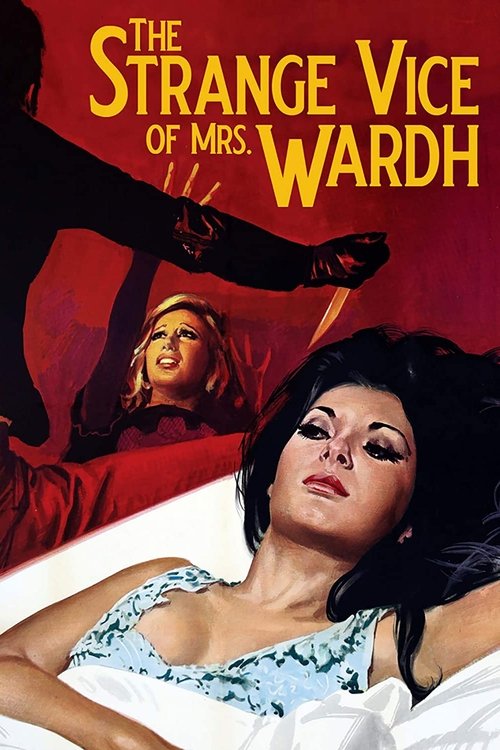
The Strange Vice of Mrs Wardh
1971When socialite and heiress Julie Wardh begins receiving blackmail letters attributed to a mysterious serial killer, she suspects her cruel and sadistic former lover Jean is behind them. With her husband Neil frequently out of town, she falls into the arms of her friend's cousin George, and as the unknown assassin begins to make his move, she fears that one of the three men in her life may be the killer.
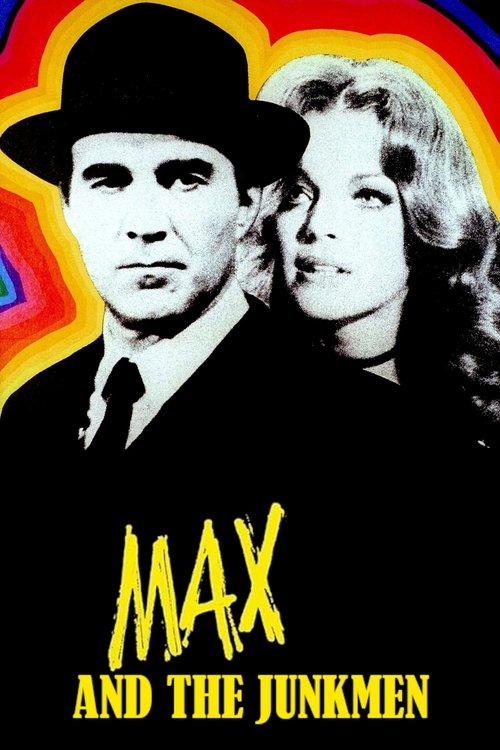
Max and the Junkmen
1971A detective decides to go undercover and set up a group of robbers, but he may be getting too caught up in the task at hand.
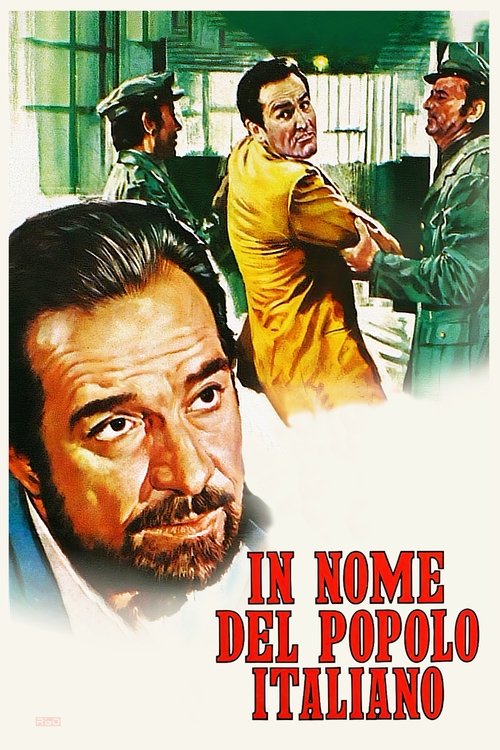
In the Name of the Italian People
1971An obscure Italian magistrate suspects that a well-known industrialist commited murder, and decides to investigate him, and bring him to court, whatever it takes. But - will the magistrate have it in him to go against impossible odds, in the name of the Italian people he represents?
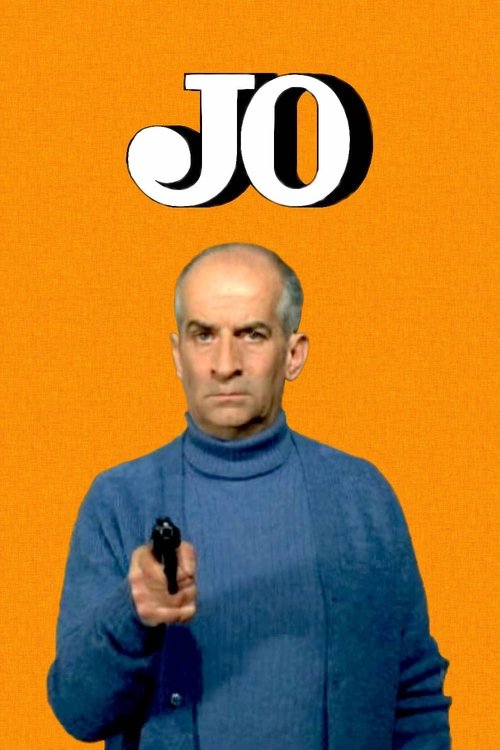
Joe: The Busybody
1971A writer accidentally shoots his blackmailer and tries to hide the body.
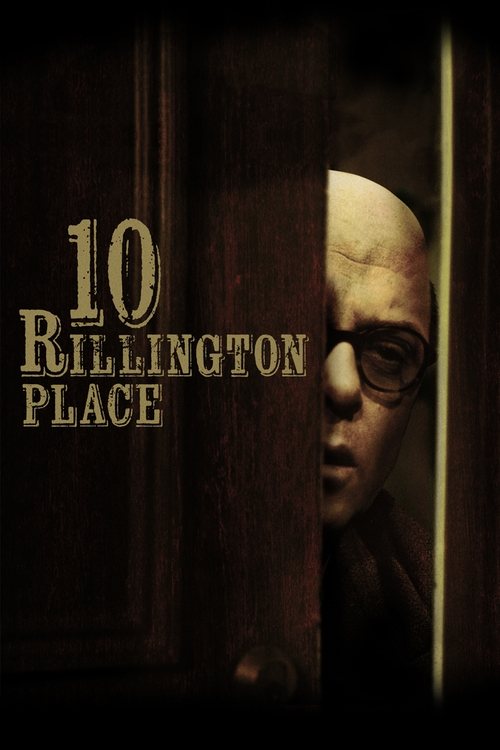
10 Rillington Place
1971The story of British serial killer John Christie, who committed most or all of his crimes in the titular terraced house, and the miscarriage of justice involving Timothy Evans.
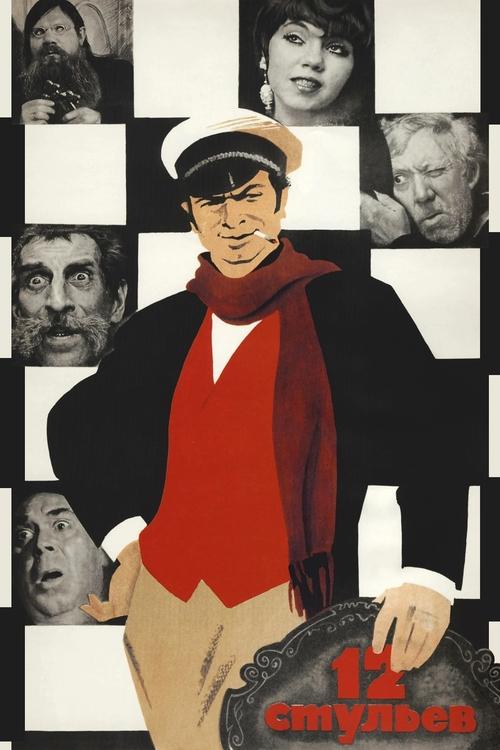
12 Chairs
1971A former aristocrat Ippolit Vorobyaninov leads a miserable life in Soviet Russia. His mother-in-law reveals a secret to him - she hid family diamonds in one of the twelve chairs they once had. Vorobyaninov in cooperation with a young con artist Ostap Bender start a long search for the diamonds.
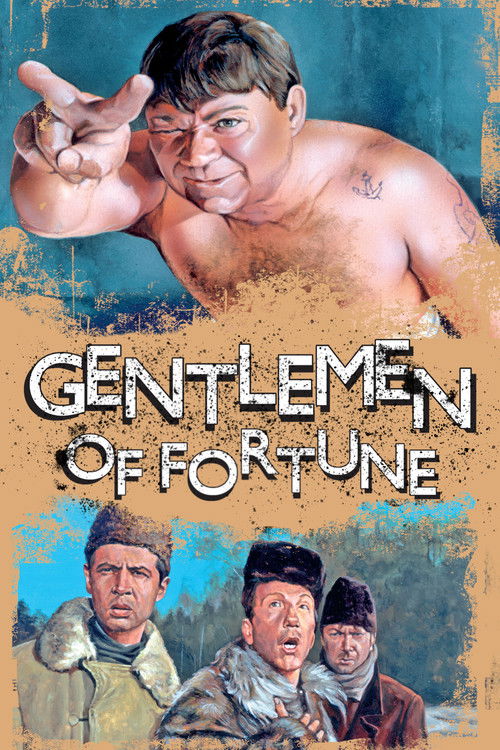
Gentlemen of Fortune
1971Kindergarten teacher Evgeniy Ivanovich Troshkin is reluctantly sent undercover to take the place of an imprisoned thief who stole Alexander the Great's helmet. Evgeniy uses his striking resemblance to the thief to infiltrate his gang and learn the location of the stolen artifact. He finds the gangsters are unexpectedly similar to his students- they also need love and care.
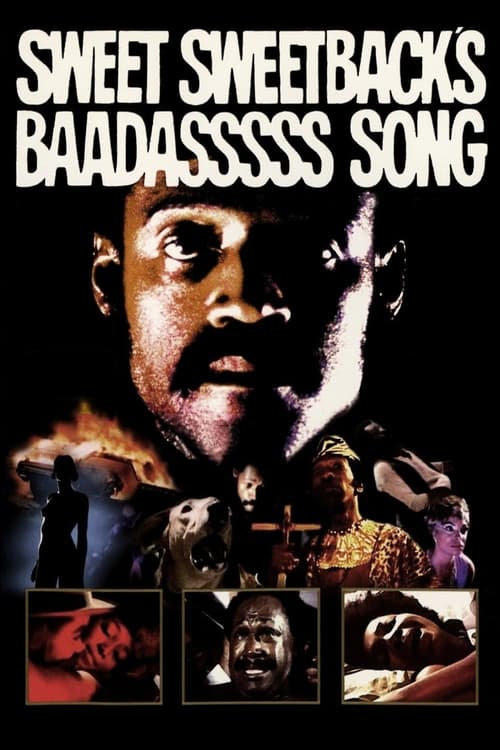
Sweet Sweetback's Baadasssss Song
1971After saving a Black Panther from some racist cops, a black male prostitute goes on the run from "the man" with the help of the ghetto community and some disillusioned Hells Angels.
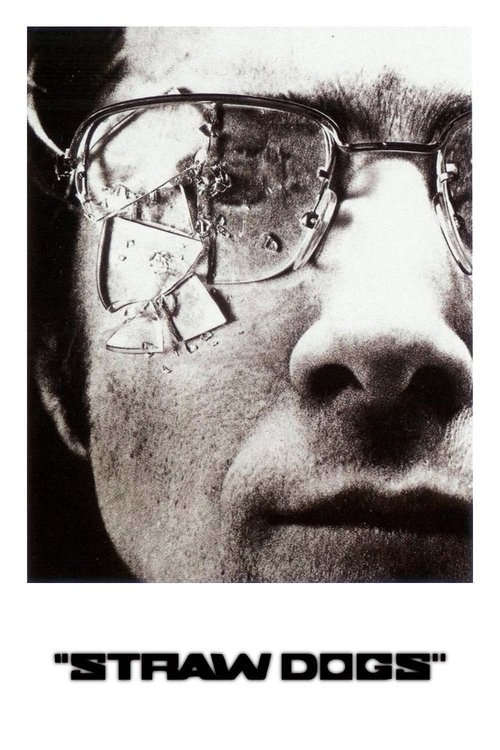
Straw Dogs
1971David Sumner, a mild-mannered academic from the United States, marries Amy, an Englishwoman. In order to escape a hectic stateside lifestyle, David and his wife relocate to the small town in rural Cornwall where Amy was raised. There, David is ostracized by the brutish men of the village, including Amy's old flame, Charlie. Eventually the taunts escalate.
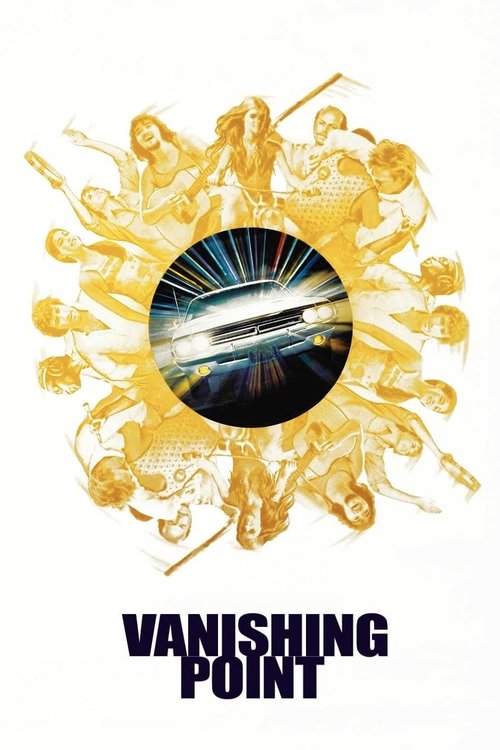
Vanishing Point
1971Kowalski works for a car delivery service, and takes delivery of a 1970 Dodge Challenger to drive from Colorado to San Francisco. Shortly after pickup, he takes a bet to get the car there in less than 15 hours.
This existential high-speed chase transforms the open road into a canvas for countercultural rebellion and solitary defiance. It is a masterclass in minimalist storytelling where the roar of an engine serves as the ultimate protest against a disappearing frontier.
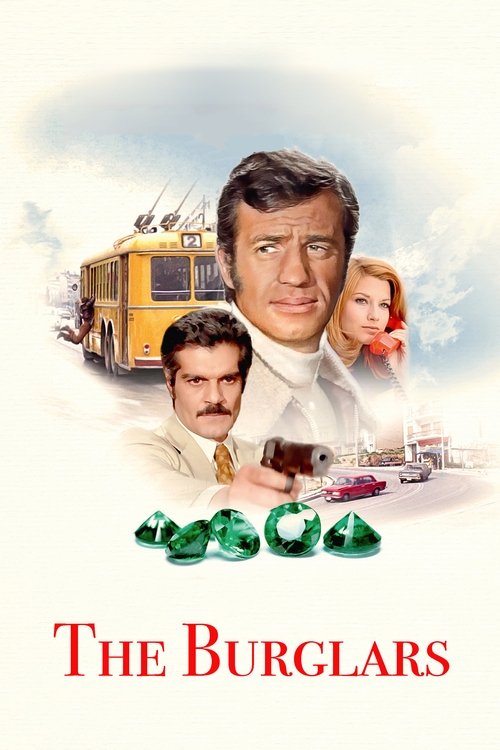
The Burglars
1971In Athens a collection of emeralds is successfully stolen by a team of robbers, led by safe-cracker Azad. Things go smoothly until they miss the ship by which they planned their escape; a police chief pursues Azad while he waits for the next ship to set off.
A high-octane European spectacle that thrives on breathless stunt choreography and crackling chemistry between its leads. It represents the pinnacle of the continental crime caper, blending stylish escapism with a relentless, sun-drenched kinetic energy.
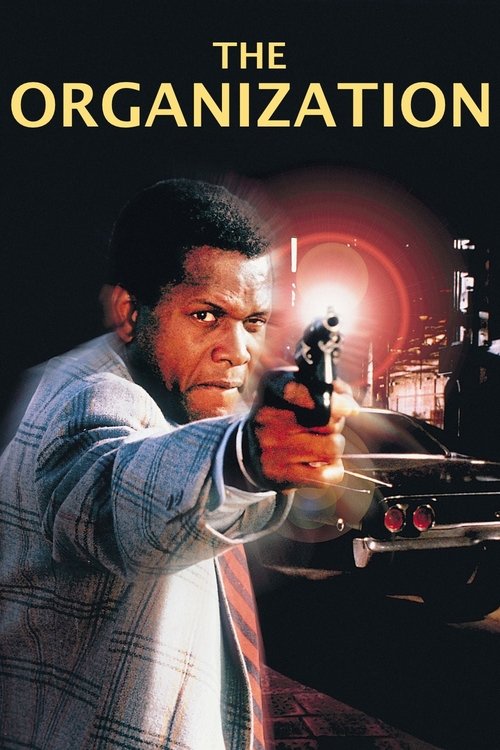
The Organization
1971After a group of young revolutionaries break into a company's corporate headquarters and steal $5,000,000 worth of heroin to keep it off the street, they call on San Francisco Police Lieutenant Virgil Tibbs for assistance.
This lean, methodical sequel eschews the flamboyant action of its contemporaries for a disciplined focus on tactical police work. It excels as a professional procedural, emphasizing the grueling, collaborative effort required to dismantle high-level criminal syndicates.
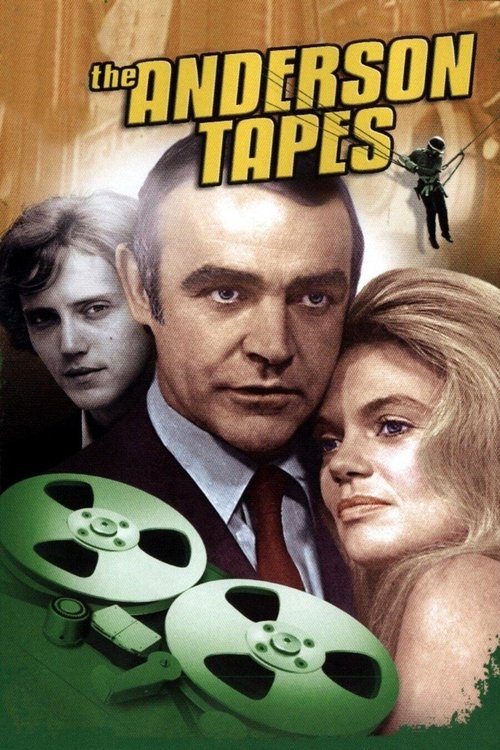
The Anderson Tapes
1971Thief Duke Anderson—just released from ten years in jail—takes up with his old girlfriend in her posh apartment block, and makes plans to rob the entire building. What he doesn't know is that his every move is being recorded on audio and video, although he is not the subject of any surveillance.
Sidney Lumet’s tech-forward caper serves as an eerie precursor to the Watergate era by highlighting the invisible, pervasive reach of surveillance. The film skillfully balances a classic heist structure with a sophisticated, burgeoning anxiety about the loss of privacy.
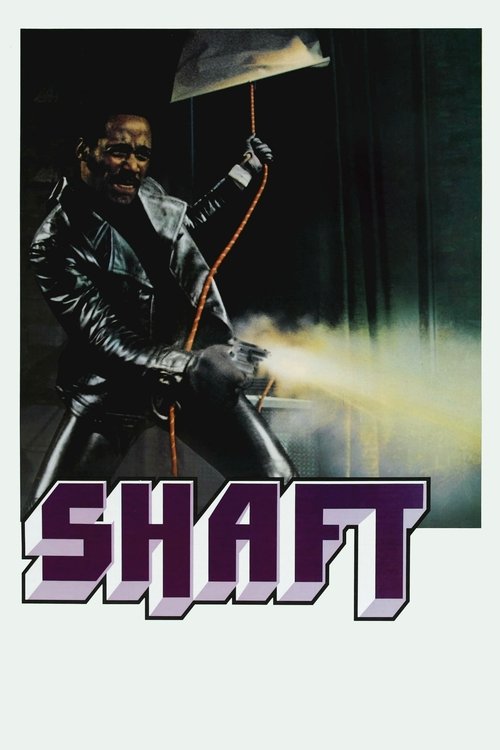
Shaft
1971Cool Black private eye John Shaft is hired by a crime lord to find and retrieve his kidnapped daughter.
Beyond its seismic cultural impact and Isaac Hayes’ iconic score, Gordon Parks’ film delivers a taut, muscular vision of private investigation. It reclaimed the urban landscape for a new kind of hardboiled protagonist, oozing with charisma and defiant autonomy.
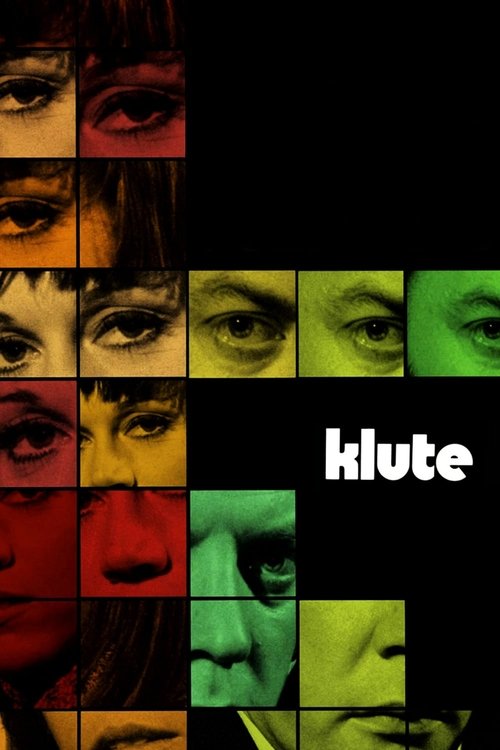
Klute
1971A high-priced call girl is forced to depend on a reluctant private eye when she is stalked by a psychopath.
Alan J. Pakula crafts a sophisticated, claustrophobic character study that prioritizes psychological depth and paranoiac tension over standard detective puzzles. It is a masterful fusion of institutional cynicism and an intimate, neo-noir atmosphere.
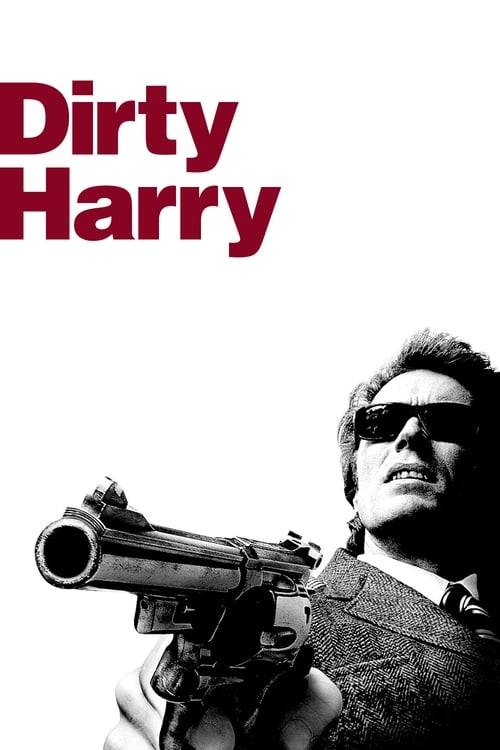
Dirty Harry
1971When a madman dubbed 'Scorpio' terrorizes San Francisco, hard-nosed cop, Harry Callahan – famous for his take-no-prisoners approach to law enforcement – is tasked with hunting down the psychopath.
Don Siegel’s provocative thriller introduced a seismic shift in the law-and-order archetype, pitting bureaucratic red tape against a brutal, vigilante efficiency. It remains the definitive cinematic exploration of the moral ambiguity inherent in urban policing.
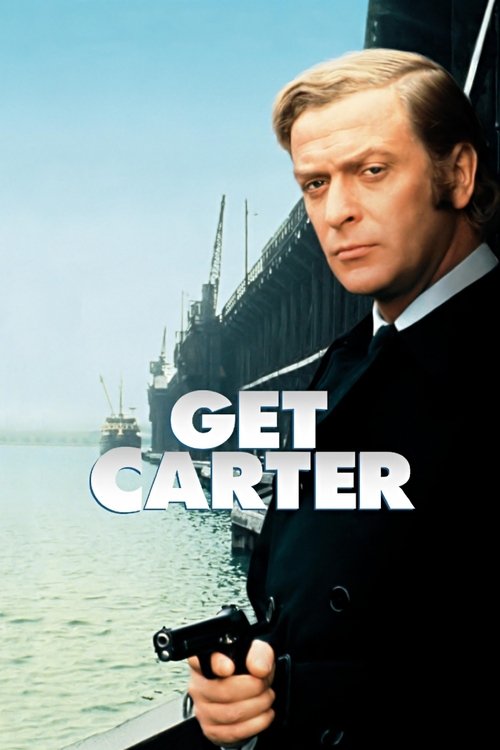
Get Carter
1971Jack Carter is a small-time hood working in London. When word reaches him of his brother's death, he travels to Newcastle to attend the funeral. Refusing to accept the police report of suicide, Carter seeks out his brother’s friends and acquaintances to learn who murdered his sibling and why.
This quintessential British noir trades traditional gallantry for a cold, industrial nihilism that feels remarkably modern. Michael Caine’s glacial performance anchors a narrative that replaced the polished heist tropes of the sixties with a bleak, uncompromising vengefulness.
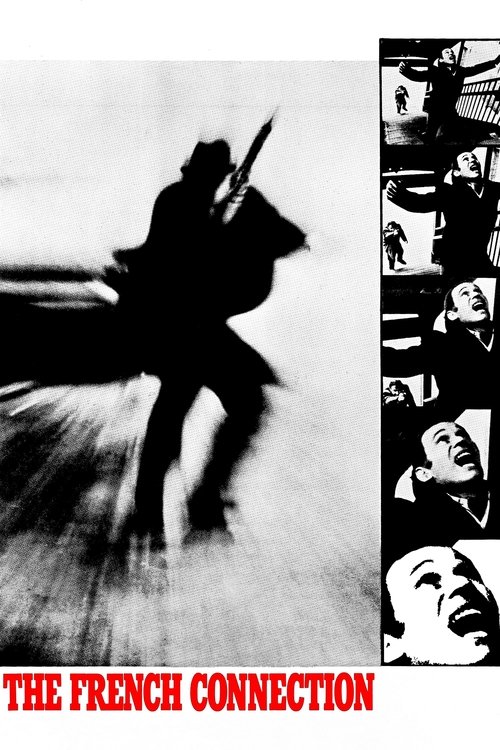
Tough narcotics detective 'Popeye' Doyle is in hot pursuit of a suave French drug dealer who may be the key to a huge heroin-smuggling operation.
William Friedkin’s gritty masterpiece strips away Hollywood artifice to capture 1970s New York in all its soot-stained, frantic glory. It set the gold standard for the procedural thriller through its kinetic camerawork and an uncompromising, documentary-style pursuit of justice.
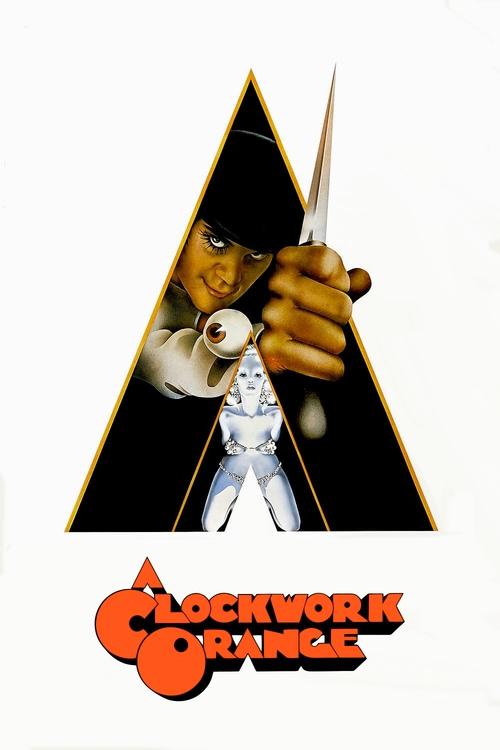
A Clockwork Orange
1971In a near-future Britain, young Alexander DeLarge and his pals get their kicks beating and raping anyone they please. When not destroying the lives of others, Alex swoons to the music of Beethoven. The state, eager to crack down on juvenile crime, gives an incarcerated Alex the option to undergo an invasive procedure that'll rob him of all personal agency. In a time when conscience is a commodity, can Alex change his tune?
Stanley Kubrick’s dystopian nightmare redefines the crime genre by interrogating the very nature of free will and state-mandated morality. Its visceral, stylized 'ultra-violence' remains a shocking indictment of societal rot and the failure of corrective institutions.
Frequently Asked Questions
Everything you need to know about this list and SnakeDrafts
- The crime movies of 1971 showcased a shift towards gritty realism, exploring themes like urban decay, moral ambiguity, and violence. Films like "Dirty Harry" and "The French Connection" exemplify this move away from glamorized crime to raw, intense storytelling reflecting societal tensions.
- "The French Connection" set a new standard for police procedurals with its relentless pacing, gritty depiction of drug enforcement, and groundbreaking car chase scenes. Its success heightened audience expectations for realism and adrenaline-fueled action within crime cinema.
- Stanley Kubrick's "A Clockwork Orange" blends dystopian science fiction with crime, focusing on violent youth culture and state control. Its exploration of crime, punishment, and psychological manipulation makes it a seminal crime film of 1971 with profound social commentary.
- "Dirty Harry" introduced an iconic, morally complex antihero cop, Harry Callahan, who operates outside conventional rules to confront violent criminals. Its tough, cynical tone and controversial themes about justice and vigilantism distinguish it as a defining crime thriller of the era.
- Yes, "Klute" is a standout 1971 crime thriller featuring Jane Fonda as a call girl who becomes involved in a complex murder investigation. Her compelling performance helped shift the genre's focus towards more nuanced female characters.
- "Get Carter" perfectly embodies the New Hollywood era's gritty, unvarnished crime storytelling with its cold portrayal of revenge and moral ambiguity. The film's stark realism and antihero protagonist mark a departure from traditional crime narratives of previous decades.
- "Shaft" brought a fresh perspective to crime cinema by spotlighting Black urban life and introducing a charismatic African American detective as the lead. It was pivotal in launching the blaxploitation subgenre, diversifying crime movie portrayals during 1971.