The Essential Sydney Pollack Films Ranked
Mastering the Art of Sophisticated Hollywood Cinema
Discover the essential films of Sydney Pollack, from gripping political thrillers to sweeping romantic epics and award-winning comedy classics.
About Sydney Pollack
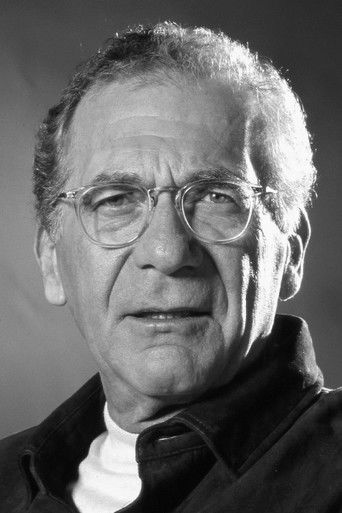
Sydney Pollack was the rare Hollywood architect who could build a massive, glimmering blockbuster that still felt like a whisper between two people in a quiet room. He operated with a sophisticated, middle-of-the-road sensibility that was never a pejorative but rather a superpower. While his peers in the New Hollywood era were busy tearing down the studio system, he was perfecting it, marrying old school star power with a modern, restless intelligence. His films functioned as polished mirrors reflecting the social anxieties of their time, yet they were always anchored by a deep, almost forensic interest in human relationships.
To understand his vision is to understand the alchemy of the star vehicle. He possessed an uncanny ability to take icons like Robert Redford or Barbra Streisand and strip away the artifice until something raw remained. In The Way We Were, he transformed a political period piece into a heartbreaking study of how ideology survives or dies within a marriage. He repeated this feat of intimacy on a grander scale with Out of Africa, turning a sprawling colonial epic into a minimalist portrait of independence and longing. He never let the landscape or the budget dwarf the emotional stakes. Even when he was staging the grueling, existential despair of a dance marathon in They Shoot Horses, Don't They, his camera remained hyper-focused on the trembling exhaustion of the individual performers.
His stylistic signature was a specific kind of intellectual kineticism. He loved the mechanics of how things worked, whether it was the clandestine operations of the CIA in Three Days of the Condor or the grueling legal machinery in The Firm. He took high stakes genres and injected them with a grounded, conversational realism. This reached its peak in Tootsie, a film that could have been a broad farce but instead became a sharp, brilliantly paced examination of gender roles and artistic ego. He treated comedy with the same rigor he applied to a political thriller like The Interpreter or a western like Jeremiah Johnson, proving that a director did not have to choose between being a populist and being a craftsman.
Beyond the camera, his legacy is defined by his deep empathy for the actor. Because he was a formidable performer himself, he understood how to create a safe harbor for his cast to take risks. He brought a sense of dignity to every frame, leaning into a classical aesthetic that favored elegant compositions and patient editing over flashy gimmicks. Films like The Yakuza or The Electric Horseman show a man comfortable in global or rural settings, yet his true home was the interior world of his characters. He left behind a body of work that feels substantial and lived-in, reminding us that the most spectacular thing a director can capture is the flicker of a thought crossing an actor's face. He was the ultimate professional who never lost his amateur's heart for the magic of a well-told story.
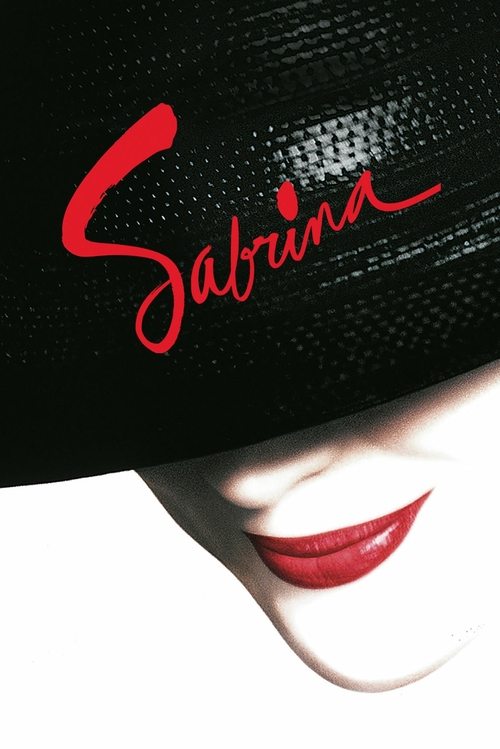
Sabrina
1995After her return from school in Paris, a playboy finally takes notice of his family's chauffeur's daughter Sabrina, who's long had a crush on him, but he questions his more serious brother's motives when he warns against getting involved with her.
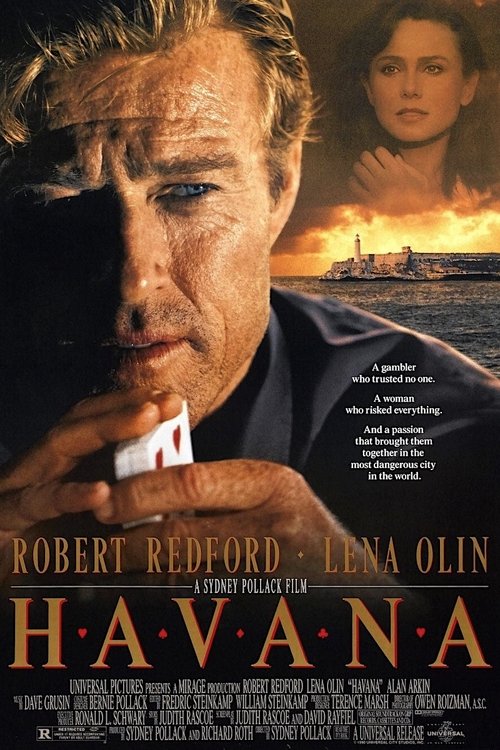
Havana
1990During the revolution, a high-stakes gambler arrives in Cuba seeking to win big in poker games. Along the way, he meets and falls in love with the wife of a Communist revolutionary.
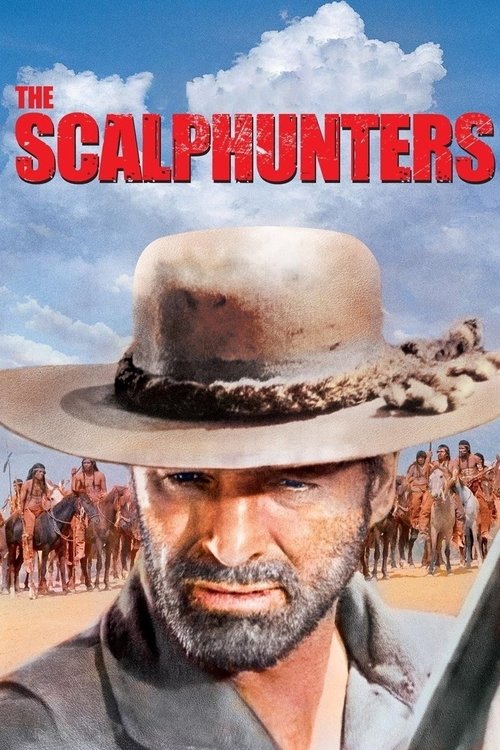
The Scalphunters
1968Forced to trade his valuable furs for a well-educated escaped slave, a rugged trapper vows to recover the pelts from the Indians and later the renegades that killed them.
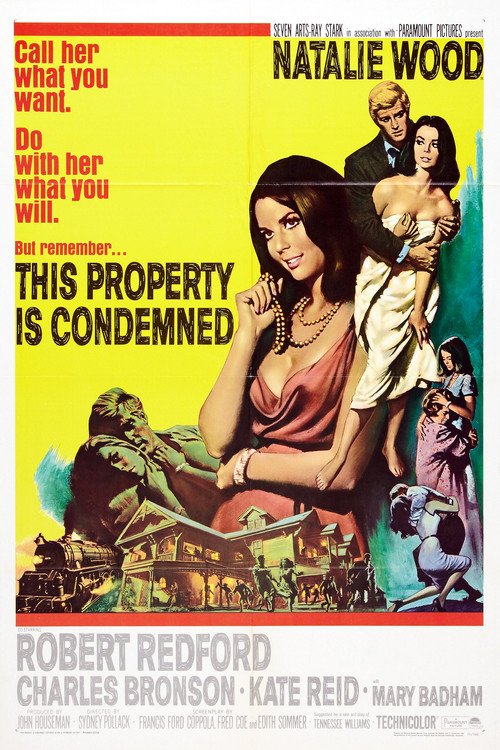
This Property Is Condemned
1966Owen Legate, a railroad official, comes to Dodson, Mississippi to shut down the local railway - the town's main income. But Owen unexpectedly finds love with Dodson's flirt and main attraction, Alva Starr.
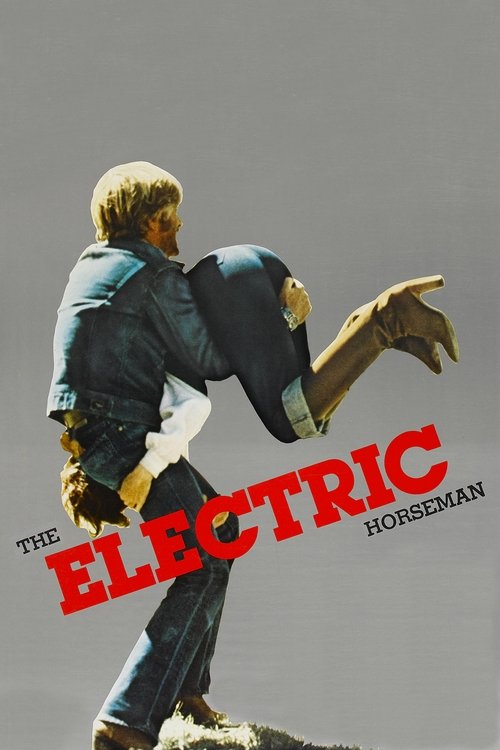
The Electric Horseman
1979A former champion rodeo rider is reduced to using his saddle skills to promote a breakfast cereal in a gaudy Las Vegas show. When he's asked to perform with a $12 million horse, he discovers it is being doped to remain docile. He flees into the desert astride the beast in an act of defiance. A story-hungry female reporter gives chase.
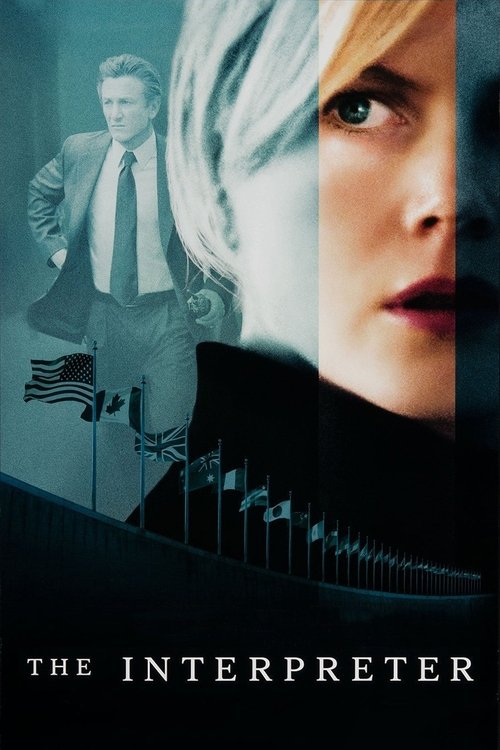
The Interpreter
2005After Silvia Broome, an interpreter at United Nations headquarters, overhears plans of an assassination, an American Secret Service agent is sent to investigate.
Returning to the shadow world of global politics, Pollack utilizes the unique geography of the United Nations to craft a stately, intellectual puzzle. It is a fitting directorial swan song that emphasizes diplomacy and the weight of words over explosive spectacle.
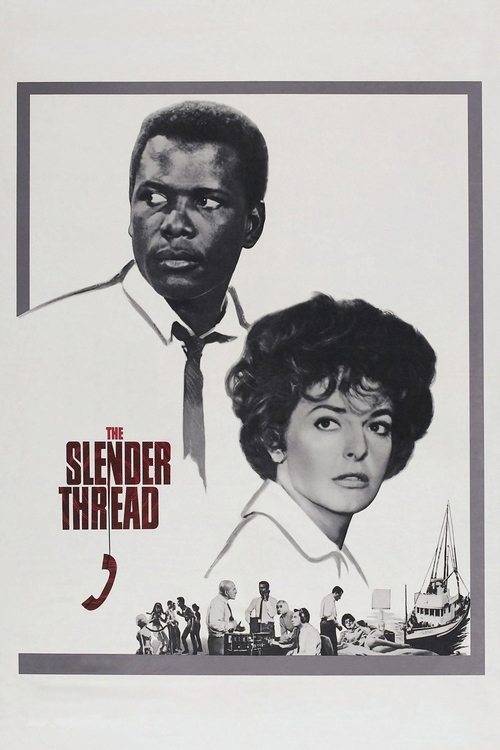
The Slender Thread
1965Alan is a Seattle college student volunteering at a crisis center. One night when at the clinic alone, a woman calls up the number and tells Alan that she needs to talk to someone. She informs Alan she took a load of pills, and he secretly tries to get help. During this time, he learns more about the woman, her family life, and why she wants to die. Can Alan get the cavalry to save her in time before it's too late?
Even in his debut, Pollack demonstrates a sophisticated grasp of tension and real time urgency within a socially conscious framework. This taut race against time serves as an early blueprint for his career long fascination with individuals caught in the gears of cold, bureaucratic systems.
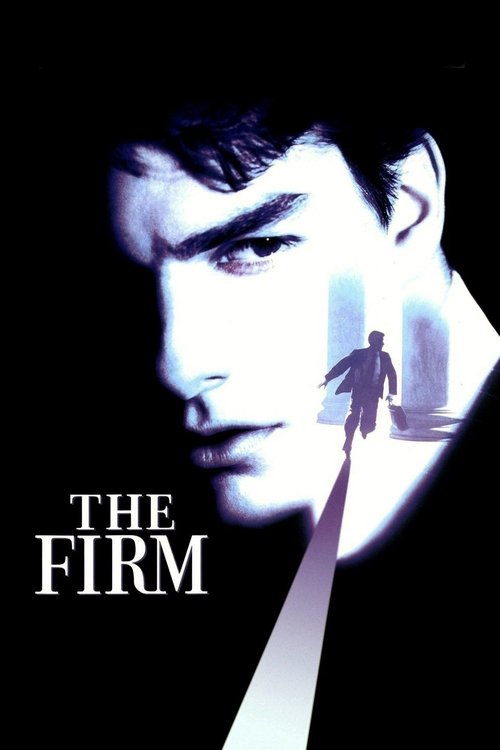
The Firm
1993Mitch McDeere is a young man with a promising future in Law. About to sit his Bar exam, he is approached by 'The Firm' and made an offer he doesn't refuse. Seduced by the money and gifts showered on him, he is totally oblivious to the more sinister side of his company. Then, two Associates are murdered. The FBI contact him, asking him for information and suddenly his life is ruined. He has a choice - work with the FBI, or stay with the Firm. Either way he will lose his life as he knows it. Mitch figures the only way out is to follow his own plan...
Pollack revitalizes the legal thriller by infusing corporate anxiety with a slick, commercial gloss that never sacrifices narrative tension. His directorial hand ensures that the labyrinthine plot remains legible while maintaining a constant, low level hum of systemic dread.
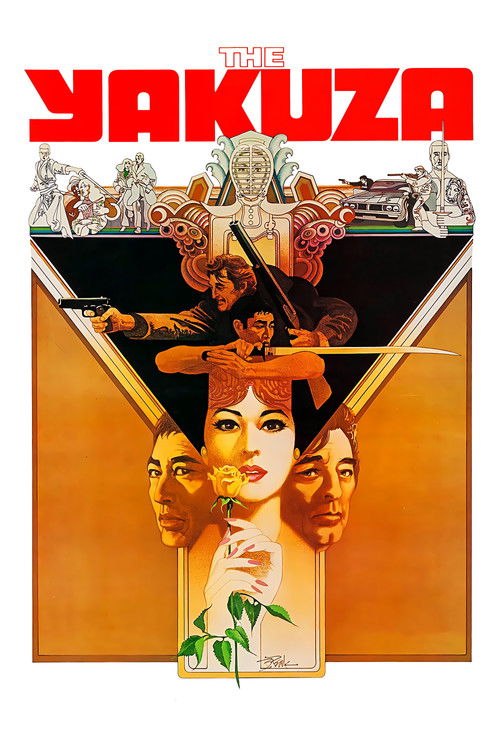
The Yakuza
1974When George Tanner does business with high-ranking Yakuza Tono, Tono kidnaps his daughter, and George summons his old friend, private eye Harry Kilmer, to Japan to investigate.
In this cross cultural genre collision, Pollack navigates the rigid codes of honor between East and West with a contemplative, somber sensitivity. It is an underrated exercise in atmosphere that trades traditional action beats for a deep, philosophical exploration of debt and regret.
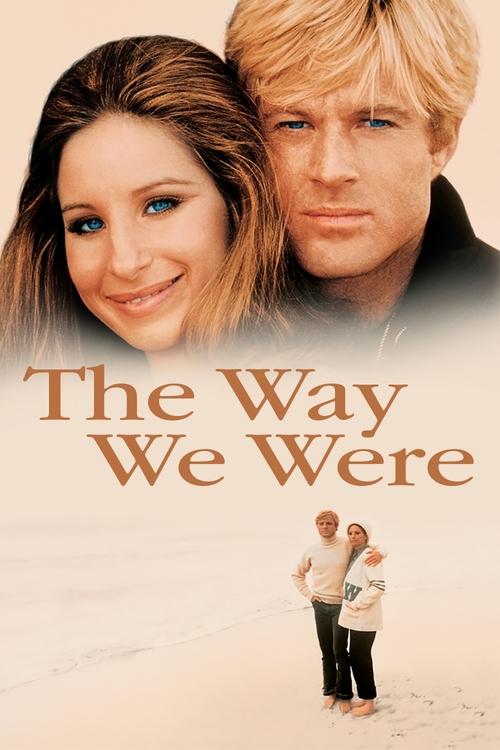
The Way We Were
1973Opposites attract when, during their college days, Katie Morosky, a politically active Jew, meets Hubbell Gardiner, a feckless WASP. Years later, in the wake of World War II, they meet once again and, despite their obvious differences, attempt to make their love for each other work.
Pollack proves himself a master of the intelligent melodrama by framing a sweeping romance against the backdrop of ideological friction and political upheaval. The film remains a cornerstone of his legacy for its refusal to provide easy resolutions to the fundamental incompatibility of its lovers.
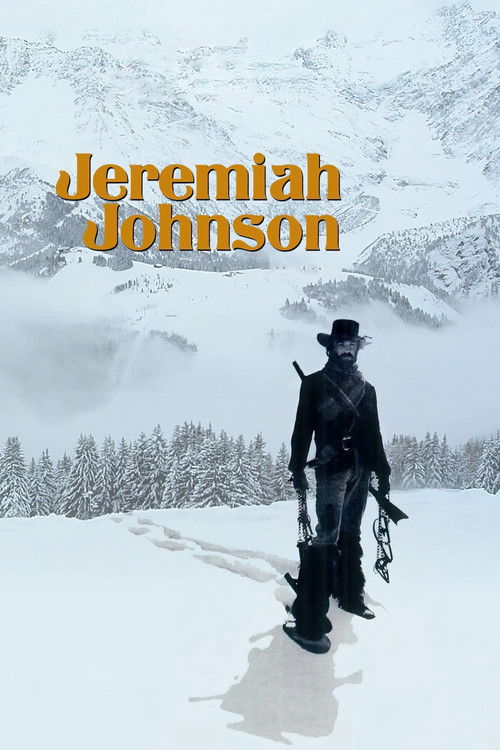
Jeremiah Johnson
1972A mountain man who wishes to live the life of a hermit becomes the unwilling object of a long vendetta by Indians when he proves to be the match of their warriors in one-on-one combat on the early frontier.
Stripping away the romanticism of the Western, Pollack crafts a tattered, silent symphony of survival that prioritizes the harsh indifference of nature over traditional heroics. The film marks a significant evolution in his career as he explores the rugged intersection of man and myth.
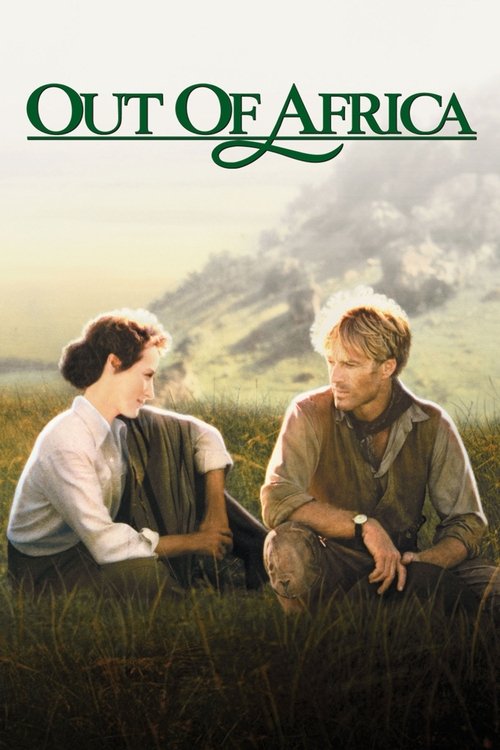
Out of Africa
1985Tells the life story of Danish author Karen Blixen, who at the beginning of the 20th century moved to Africa to build a new life for herself. The film is based on her 1937 autobiographical novel.
This sweeping epic serves as the ultimate showcase for Pollack's ability to harmonize intimate emotional arcs with immense, painterly landscapes. It is a quintessential example of mid eighties prestige filmmaking that prioritizes sweeping visual grandeur and mature, decelerated storytelling.
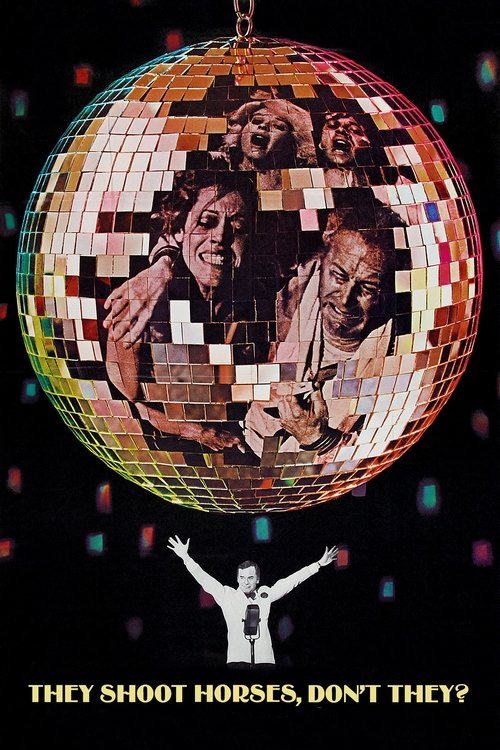
They Shoot Horses, Don't They?
1969In the midst of the Great Depression, manipulative emcee Rocky enlists contestants for a dance marathon offering a $1,500 cash prize. Among them are a failed actress, a middle-aged sailor, a delusional blonde and a pregnant girl.
Pollack captures a harrowing, claustrophobic microcosm of the Great Depression through a relentless kinetic energy that never lets the viewer escape the dance floor. This nihilistic masterpiece stands as his most visceral interrogation of human endurance and the cruelty of the American dream.
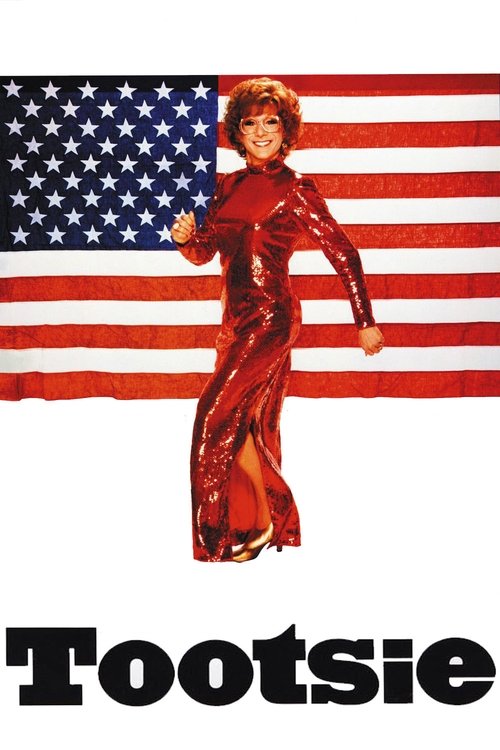
Tootsie
1982When struggling, out of work actor Michael Dorsey secretly adopts a female alter ego – Dorothy Michaels – in order to land a part in a daytime drama, he unwittingly becomes a feminist icon and ends up in a romantic pickle.
Pollack achieves a rare feat of technical alchemy by grounding a high concept farce in genuine psychological realism and ego driven conflict. His foundational belief in character integrity elevates a potential gimmick into a sophisticated critique of gender dynamics and industry vanity.
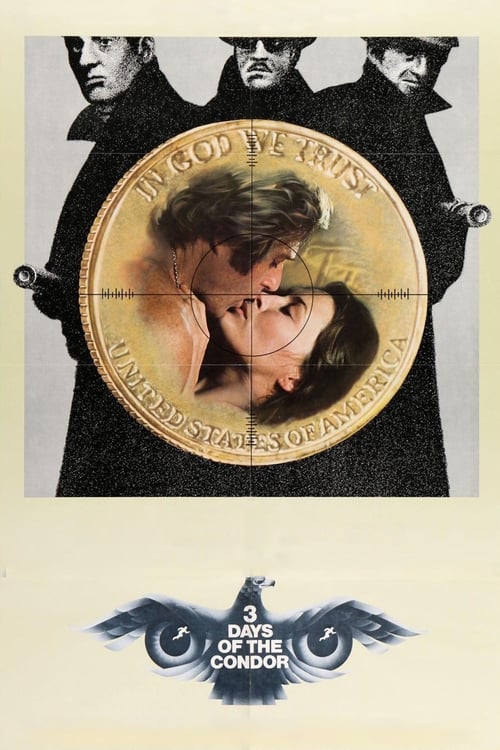
When bookish CIA researcher Joe Turner finds all his co-workers dead, he, together with a woman he has kidnapped, must work together to outwit those responsible until he determines who he can really trust.
A high water mark for the paranoid thriller, this film showcases Pollack's surgical precision in dismantling institutional trust through a chilly, intellectual lens. He masterfully balances the mechanics of a spy procedural with a haunting meditation on the isolation inherent in high stakes intelligence.
Frequently Asked Questions
Everything you need to know about this list and SnakeDrafts
- "Three Days of the Condor" tops the list for its masterful blend of political thriller and mystery, showcasing Pollack's skill in building suspense and crafting intelligent narratives. Its timely Cold War-era intrigue and strong performances make it a quintessential example of Pollack’s directorial prowess.
- Ranked second, "Tootsie" highlights Pollack's ability to handle comedy and romance with equal finesse, combining sharp social commentary with enduring humor. This film's success illustrates his skill in blending star power with insightful storytelling, making it one of his most beloved works.
- Both "Out of Africa" and "The Way We Were" share themes of romance intertwined with personal and historical conflict, reflecting Pollack’s knack for creating emotionally rich, character-driven stories. Their ranking in the top ten underscores his talent for directing sweeping epics with intimate emotional landscapes.
- "Jeremiah Johnson" is essential for demonstrating Pollack’s range, blending adventure, drama, and action within a Western setting. Its nuanced portrayal of isolation and survival distinguishes it as a unique entry in his filmography, contributing to its high ranking on the list.
- The list includes a mix of Pollack's most famous movies and some lesser-known gems like "The Slender Thread" and "The Scalphunters," reflecting a comprehensive view of his career. However, certain late-career films receive less prominence, highlighting a focus on his most critically acclaimed and culturally impactful works.
- "The Firm" showcases Pollack’s ability to adapt complex legal thrillers into gripping cinema with strong narrative drive and suspenseful pacing. Its ranking among the top ten essentials reflects his mastery in maintaining tension while developing intricate characters and plots.
- Comedy, as seen in films like "Tootsie" and "The Scalphunters," plays a significant role in showcasing Pollack’s talent for balancing humor with deeper themes. These films reveal his versatility and his skill in crafting accessible yet sophisticated entertainment.
- "The Interpreter" stands out as a key late-career film that merges political thriller elements with global intrigue, demonstrating Pollack’s continued relevance in modern cinema. Its inclusion in the list highlights his sustained capability to direct compelling, socially conscious stories even in the 2000s.