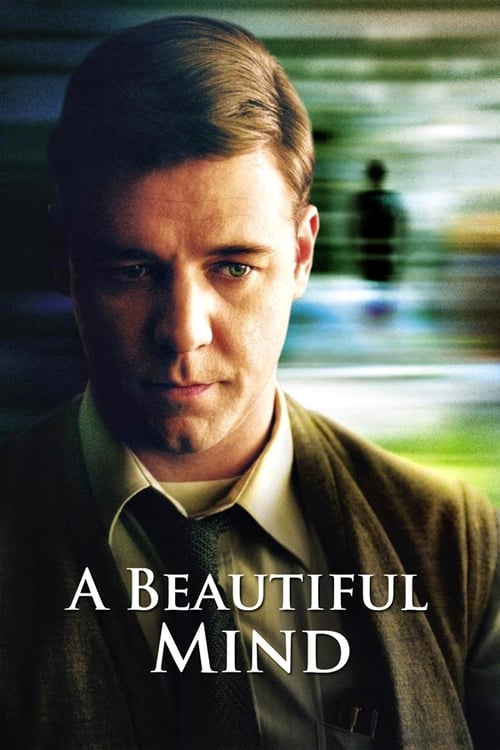
A Beautiful Mind
Discover the extraordinary true story of John Nash, a brilliant mathematician whose groundbreaking work was matched only by his turbulent battle with mental illness. This powerful drama explores the complexities of genius, love, and the human spirit’s resilience against overwhelming odds, offering a poignant look at one man's fight for sanity and recognition. It’s an SEO-optimized journey into the mind of a Nobel laureate.
Director
Release Year
2001
Runtime
135 minutes
About A Beautiful Mind
Ron Howard’s “A Beautiful Mind” captivated audiences worldwide with its sensitive and compelling portrayal of John Nash, a Nobel laureate in Economics whose extraordinary intellect was shadowed by paranoid schizophrenia. The film delves into his early career at Princeton, showcasing his revolutionary work in game theory that would later earn him the Nobel Prize. It masterfully interweaves his academic pursuits with the burgeoning romantic relationship with Alicia Lardé, who becomes his steadfast anchor through unimaginable challenges.
The film’s cultural impact was significant, sparking conversations about mental health, genius, and the stigma often associated with psychological disorders. It brought to the forefront the struggles faced by individuals living with schizophrenia, offering a humanizing perspective that resonated deeply with viewers. Critics lauded the film for its powerful performances, particularly Russell Crowe’s nuanced depiction of Nash, which earned him an Academy Award nomination.
“A Beautiful Mind” garnered immense critical acclaim, culminating in four Academy Awards, including Best Picture, Best Director for Ron Howard, Best Adapted Screenplay, and Best Supporting Actress for Jennifer Connelly. Its triumph at the Oscars cemented its place as a significant cinematic achievement of the early 2000s. The movie’s poignant narrative and stellar acting were frequently highlighted, with many praising its ability to tackle complex themes with grace and emotional depth.
The legacy of “A Beautiful Mind” endures as a testament to the power of the human mind and the unwavering support of loved ones. It continues to be celebrated for its insightful portrayal of mental illness and its inspiring message of hope and perseverance. The film remains a touchstone in cinematic discussions about biographical dramas and the ethical responsibilities of storytelling when depicting real-life figures.
Drafts Featuring A Beautiful Mind
Every SnakeDrafts listicle where this movie appears
The Best Russell Crowe Movies Ranked
Ranked #4
The Best Adam Goldberg Movies Ranked
Ranked #4
The Best Jennifer Connelly Movies Ranked
Ranked #2
Ranking the Best Ed Harris Movies: The Essential Filmography
Ranked #13
The Definitive Paul Bettany Movie Ranking
Ranked #2
Christopher Plummer's Best Movies
Ranked #6
Ron Howard's Top Films Ranked
Ranked #1
Top 2000s Movies Ranked
Ranked #38
Best 2001 Movies of All Time
Ranked #2
Top Drama Movies Ranked
Ranked #53
Similar Movies
Movies related to A Beautiful Mind




Frequently Asked Questions
Everything you need to know about A Beautiful Mind
- The film visually represents Nash's mathematical breakthroughs, showcasing his ability to see patterns and solutions invisible to others. It highlights his revolutionary concept of 'governing dynamics' and how it challenged existing economic theories, ultimately leading to his Nobel Prize recognition.
- Charles Herman, Nash's eccentric roommate, serves as a crucial emotional and intellectual companion during Nash's early years at Princeton. He embodies Nash's initial struggles with social interaction and provides a sense of camaraderie, though his true nature is later revealed to be a manifestation of Nash's illness.
- While 'A Beautiful Mind' takes some creative liberties for narrative purposes, it largely provides a compelling and emotionally resonant depiction of paranoid schizophrenia. It effectively conveys the confusion, fear, and profound impact of hallucinations on an individual's perception of reality, emphasizing the challenges faced by both the patient and their loved ones.
- Alicia Nash is portrayed as an unwavering pillar of support and love in John's life, whose steadfast commitment is instrumental in his journey towards managing his illness. Her patience, understanding, and persistent belief in him become crucial for his eventual ability to live a fulfilling and productive life despite his condition.
- The pen ceremony at the end of the film is a deeply symbolic moment signifying his colleagues' respect, acceptance, and recognition of his profound contributions to mathematics. It represents his triumph over adversity and his reintegration into the academic community, acknowledging his brilliance beyond his illness.

