David Lean's Greatest Films Ranked
Master of the Cinematic Epic and Intimate Drama
Discover the essential films of David Lean, from sweeping historical spectacles to poignant romantic masterpieces that shaped modern cinema.
About David Lean
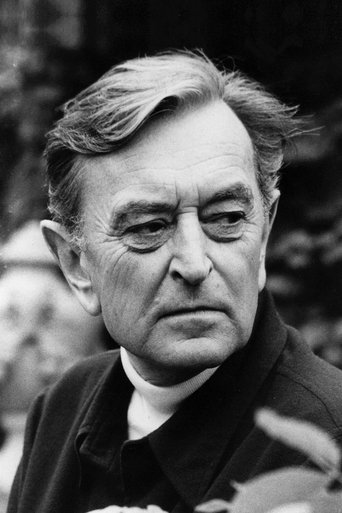
In the pantheon of cinema, few names carry the weight of a sunrise over the desert or the thunder of a locomotive quite like David Lean. He was a filmmaker who operated at two polar extremes, mastering the whisper of a train station goodbye just as easily as the roar of a thousand extras. To watch one of his films is to witness a meticulous mind at work, someone who viewed the camera lens as a dual instrument of surgical precision and operatic emotion. He didn't just capture stories; he sculpted them from light and landscape, proving that a film could be both an intimate character study and a monumental spectacle without losing its soul.
The early years of his career showcased a razor-sharp command of the quintessentially British interior. In Brief Encounter, he turned a suburban railway cafe into a high-stakes arena of repressed longing, using shadow and sound to articulate what his characters couldn't say. This same gift for atmospheric tension carried into his Charles Dickens adaptations. Great Expectations and Oliver Twist remain the definitive cinematic versions of those stories, largely because Lean understood that Victorian London was a character in itself, one built of fog, gothic silhouettes, and jagged angles. Even in a comedy like Hobson's Choice or the domestic tapestry of This Happy Breed, his frame was never accidental. He was an editor by trade before he ever sat in the director's chair, and that background gave him a ruthless sense of rhythm that defined his entire body of work.
As his career progressed, the canvas grew larger, yet his obsession with detail only intensified. The Bridge on the River Kwai signaled his transition into the era of the thinking man's epic. He found a way to marry grand military maneuvers with a searing psychological portrait of stubborn pride. This culminated in Lawrence of Arabia, perhaps the most visually stunning film ever made. To Lean, the desert wasn't just a setting; it was a psychological mirror for Peter O'Toole’s tortured protagonist. He had a unique ability to make individual humans look tiny against the horizon while making their internal struggles feel massive.
Even when he leaned into the lush romanticism of Doctor Zhivago or the sun-drenched longing of Summertime, his work maintained a certain granite-like integrity. He was a perfectionist who would wait days for the exact right light to hit a sand dune or a flower petal. While critics in the 1970s momentarily cooled on his grandiosity following the misunderstood Ryan's Daughter, history has vindicated his vision. His final film, A Passage to India, served as a graceful coda that unified his lifelong themes of cultural friction and the vast, unbridgeable distances between people. He remains the ultimate architect of the silver screen, a man who realized that the biggest stories are always built on the smallest, most precise human moments.
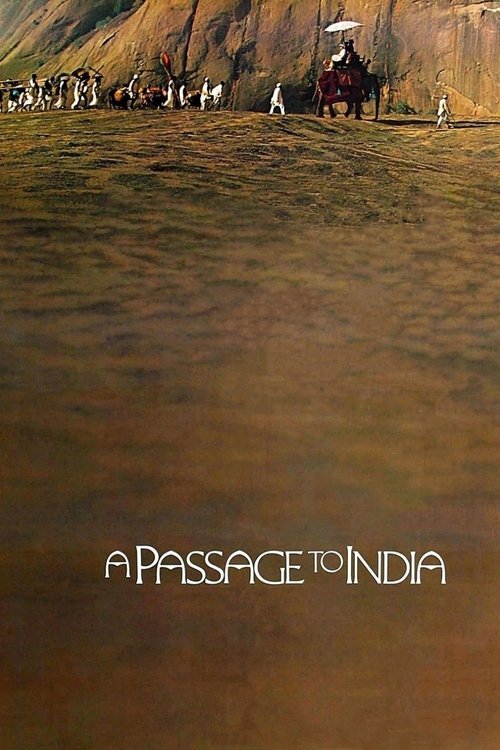
A Passage to India
1984Cultural mistrust and false accusations doom a friendship in British colonial India between an Indian doctor, an Englishwoman engaged to marry a city magistrate, and an English educator.
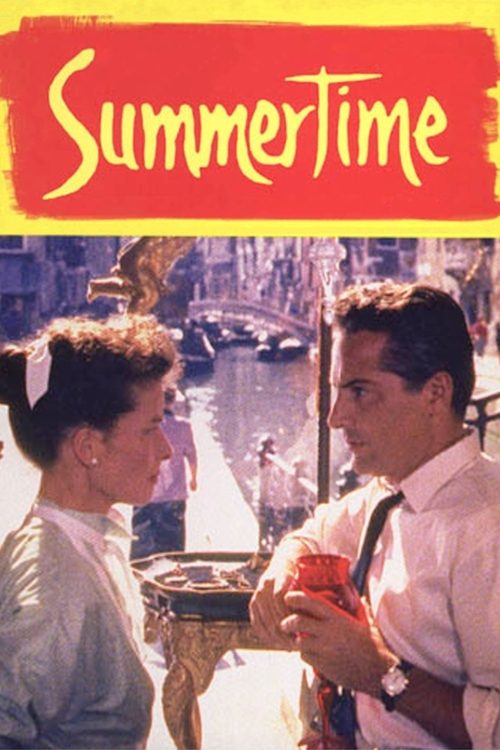
Summertime
1955Middle-aged Ohio secretary Jane Hudson has never found love and has nearly resigned herself to spending the rest of her life alone. But before she does, she uses her savings to finance a summer in romantic Venice, where she finally meets the man of her dreams, the elegant Renato Di Rossi.
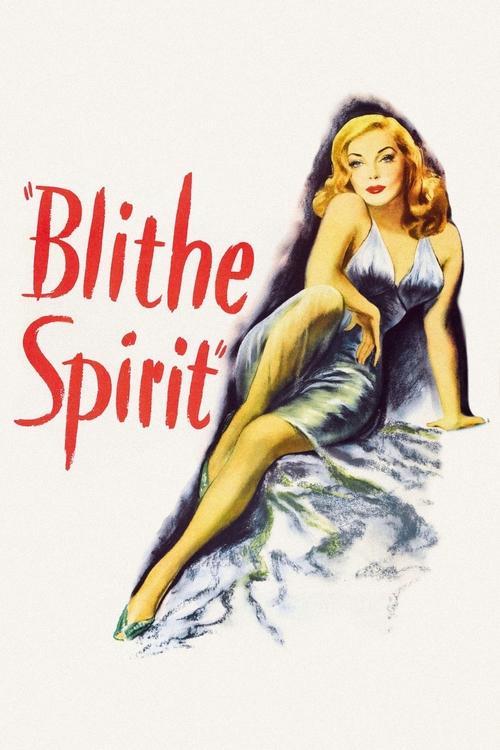
Blithe Spirit
1945A harmless séance at a novelist's home summons the ghost of his glamorous first wife.
Lean handles Coward’s supernatural whimsy with a surprisingly crisp and disciplined visual flair, avoiding stagey pitfalls through inventive color timing and camera positioning. It remains a testament to his versatility during the 1940s, showcasing his ability to direct high concept comedy with the same rigor he applied to drama.
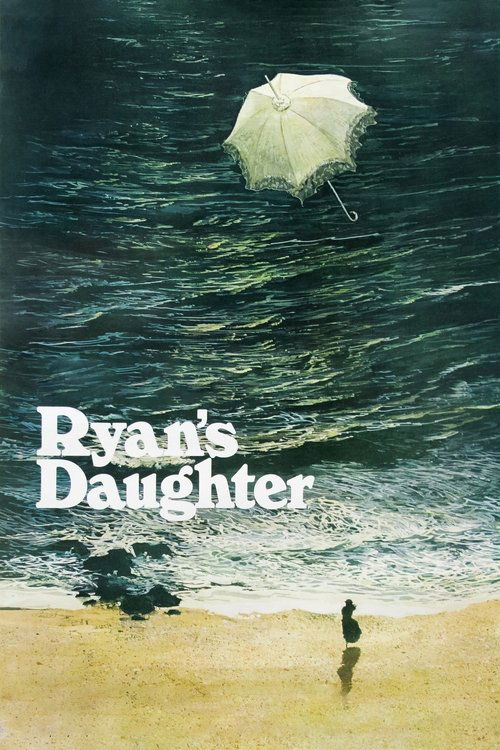
Ryan's Daughter
1970In the wake of the 1916 Easter Rising, a married schoolteacher in a small Irish village has an affair with a troubled British officer.
In this controversial departure, Lean applies his massive, panoramic aesthetic to a story of small town infidelity and social ostracization. The result is a fascinatng experiment where the roaring Irish coastline becomes an oversized stage for a delicate, sensory exploration of desire and disappointment.
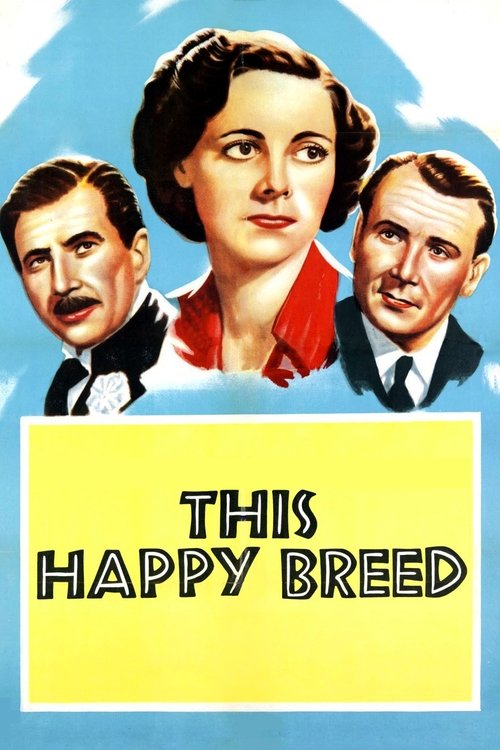
This Happy Breed
1944A chronicle of the lives of the Gibbons family, from shortly after the end of the First World War to the beginning of the Second.
By documenting the quiet dignity of a working class family between the wars, Lean displays a sophisticated grasp of technicolor and domestic choreography. This film marks a pivotal moment in his career where he elevated the mundane struggles of the common man to the level of national myth.
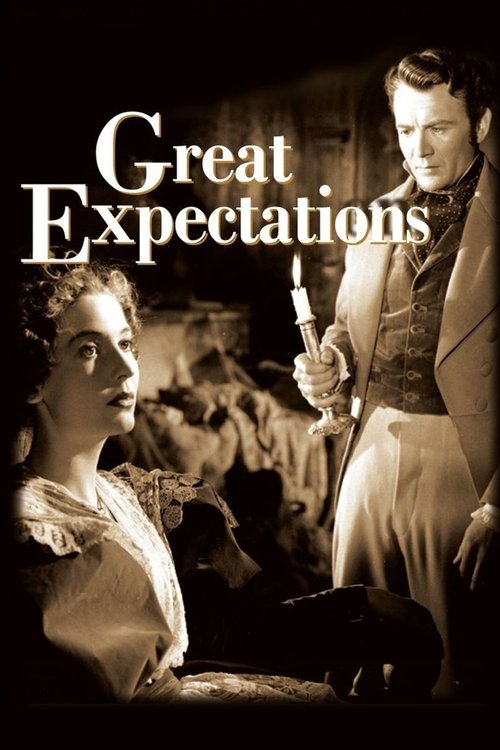
Great Expectations
1946In this Dickens adaptation, orphan Pip discovers through lawyer Mr. Jaggers that a mysterious benefactor wishes to ensure that he becomes a gentleman. Reunited with his childhood patron, Miss Havisham, and his first love, the beautiful but emotionally cold Estella, he discovers that the elderly spinster has gone mad from having been left at the altar as a young woman, and has made her charge into a warped, unfeeling heartbreaker.
Perhaps the most visually inventive of all Dickensian adaptations, this film utilizes startling camera movements and stylized lighting to create a gothic fairytale atmosphere. It highlights Lean’s ability to manipulate perspective and scale, bridging the gap between surrealism and classical British realism.
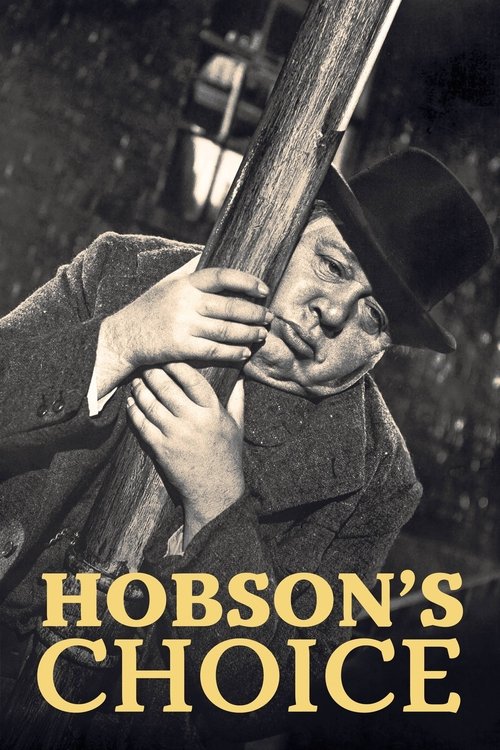
Hobson's Choice
1954A widower refuses to let his three daughters marry in order to avoid paying settlements, so they'll just have to outsmart him.
This sharp, provincial comedy reveals a lighter side of Lean’s meticulousness, proving his sharp eye for class dynamics and domestic power plays. The film stands out in his filmography for its rhythmic wit and the way it grounds its theatrical roots in a robust, distinctly cinematic sense of place.
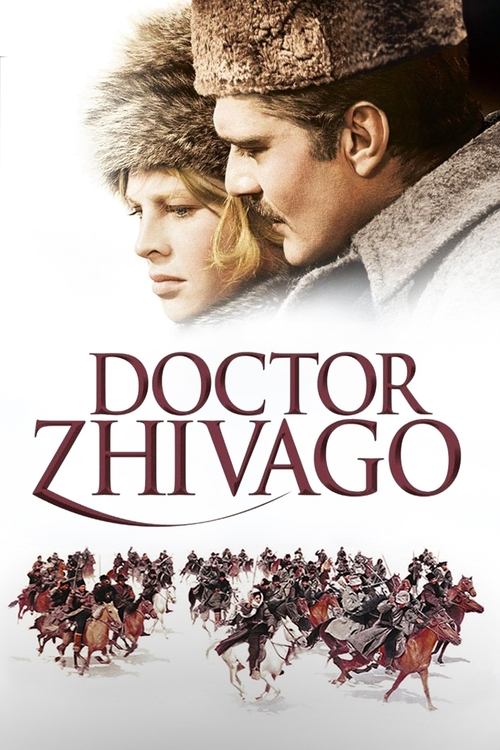
Doctor Zhivago
1965The life of a Russian physician and poet who, although married to another, falls in love with a political activist's wife and experiences hardship during World War I and then the October Revolution.
Lean captures the collision of private passion and public history through a lens of staggering beauty, effectively turning the Russian Revolution into a landscape of the soul. While often noted for its sheer size, the film’s true power lies in how Lean uses the frozen vistas to dwarf and isolate his protagonists.
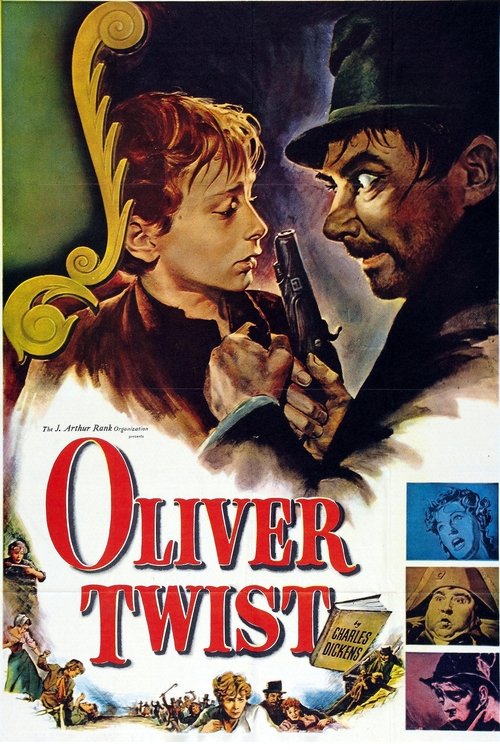
Oliver Twist
1948When 9-year-old orphan Oliver Twist dares to ask his cruel taskmaster, Mr. Bumble, for a second serving of gruel, he's hired out as an apprentice. Escaping that dismal fate, young Oliver falls in with the street urchin known as the Artful Dodger and his criminal mentor, Fagin. When kindly Mr. Brownlow takes Oliver in, Fagin's evil henchman Bill Sikes plots to kidnap the boy.
Drawing heavily from German Expressionism, Lean’s take on Dickens is a triumph of atmospheric dread and sharp silhouette. The film showcases his early genius for visual storytelling, where every exaggerated angle and deep focus shot serves to heighten the visceral terror of the Victorian underworld.
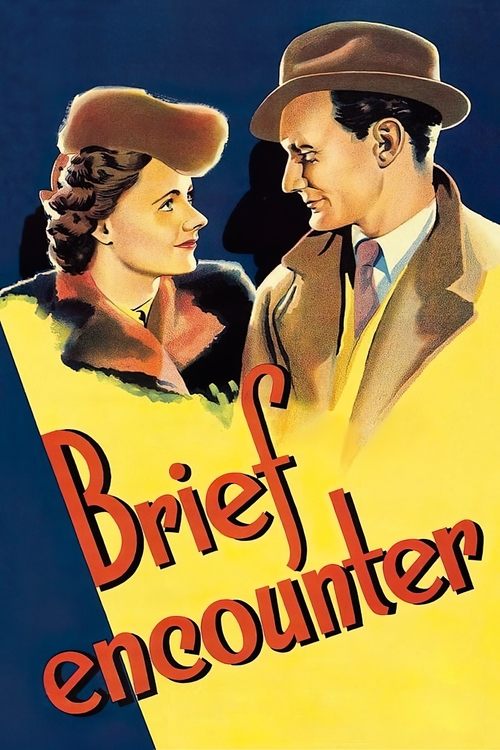
Brief Encounter
1945Returning home from a shopping trip to a nearby town, bored suburban housewife Laura Jesson is thrown by happenstance into an acquaintance with virtuous doctor Alec Harvey. Their casual friendship soon develops during their weekly visits into something more emotionally fulfilling than either expected, and they must wrestle with the potential havoc their deepening relationship would have on their lives and the lives of those they love.
Before he conquered the horizon, Lean mastered the interior world of the human heart in this exquisite study of emotional repression and fleeting connection. The film remains a benchmark for cinematic intimacy, using shadows and steam to externalize the silent agony of an impossible suburban romance.
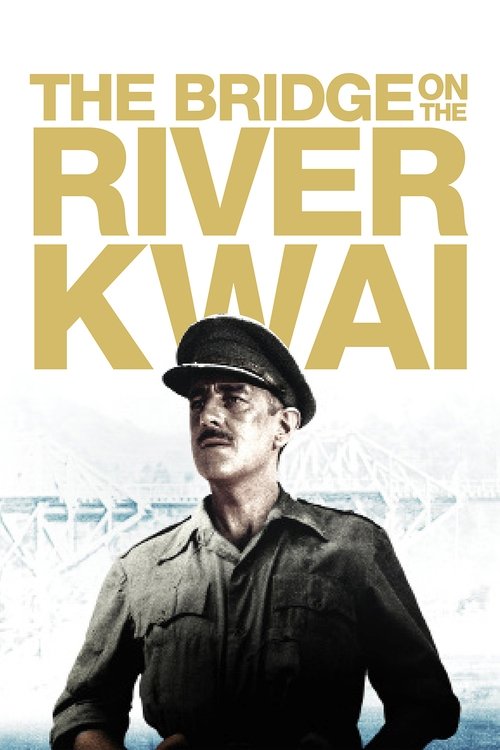
The Bridge on the River Kwai
1957The classic story of English POWs in Burma forced to build a bridge to aid the war effort of their Japanese captors. British and American intelligence officers conspire to blow up the structure, but Col. Nicholson, the commander who supervised the bridge's construction, has acquired a sense of pride in his creation and tries to foil their plans.
This masterclass in mounting tension serves as a blistering critique of the rigid military psyche, utilizing the harsh jungle landscape to mirror the moral disintegration of its characters. Lean demonstrates a ruthless precision in pacing, proving that his technical rigor could amplify deep philosophical conflict within a traditional war narrative.
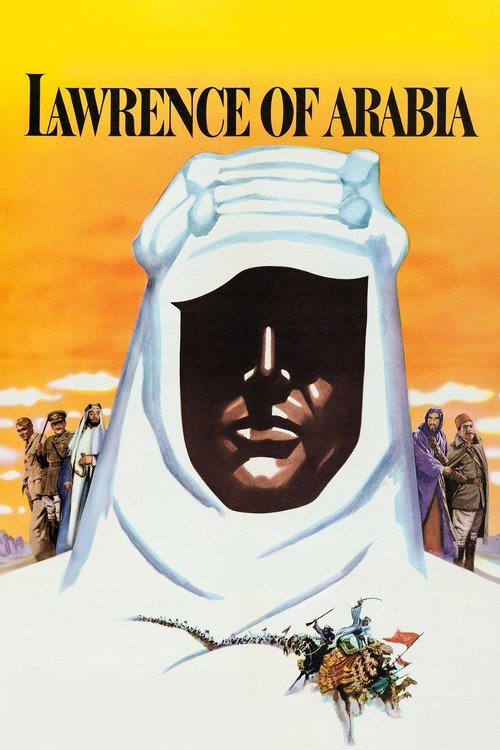
Lawrence of Arabia
1962During World War I, English officer Thomas Edward 'T.E.' Lawrence sets out to unite and lead the diverse, often warring, Arab tribes to fight the Turks.
Lean’s magnum opus redefined the possibilities of the 70mm frame, marrying intimate psychological portraiture with a scale of desert topography that feels almost cosmic. It represents the absolute zenith of the director's transition from meticulous craftsman to the premier architect of the thinking man’s epic.
Frequently Asked Questions
Everything you need to know about this list and SnakeDrafts
- "Lawrence of Arabia" stands out as David Lean's quintessential historical epic, known for its sweeping desert vistas and intricate portrayal of T.E. Lawrence's complex persona. It is a landmark in adventure and war cinema that epitomizes Lean's mastery of grand storytelling and visual spectacle.
- In "Brief Encounter," Lean focuses on the intimate, quiet moments of forbidden love, crafting a poignant and restrained romance. Conversely, "Doctor Zhivago" expands romance into sweeping historical drama, blending personal passion with the tumultuous backdrop of war and revolution, showcasing Lean's range in romantic storytelling.
- David Lean's films often explore themes of personal struggle against vast historical or social forces, as seen in "The Bridge on the River Kwai" and "A Passage to India." Additionally, themes of love, sacrifice, and identity recur in titles like "Great Expectations" and "Ryan's Daughter," highlighting his nuanced character studies within epic narratives.
- "Blithe Spirit" is a unique entry in Lean's oeuvre that blends comedy with fantasy, showcasing his ability to diversify his directorial style beyond his famous historical and romantic dramas.
- Lean's meticulous use of setting transforms locations into integral narrative elements—whether it's the vast deserts in "Lawrence of Arabia" or the war-torn landscapes of "Doctor Zhivago." His settings often reflect and amplify the emotional states of his characters, enriching the storytelling experience.
- Lean's adaptations such as "Great Expectations" and "Oliver Twist" are celebrated for their faithful yet cinematically dynamic interpretations of classic literature. He preserves the core themes while using filmic techniques to deepen viewers' emotional engagement.
- "A Passage to India" is notable for its sensitive exploration of colonial tensions and cultural conflicts in India. Lean's direction highlights the nuanced relationships and societal challenges during the British Raj, making it a profound historical drama.
- "The Bridge on the River Kwai" is distinguished by its intense focus on honor, duty, and human endurance within the harrowing context of a WWII prisoner-of-war camp. The film exemplifies Lean's skill in merging psychological depth with large-scale dramatic narratives.