Rupert Grint Movies Ranked From Worst to Best
Beyond the Magic of Ron Weasley
Discover the most iconic performances from Rupert Grint, featuring the Harry Potter series, acclaimed thrillers, and his standout independent film roles.
About Rupert Grint
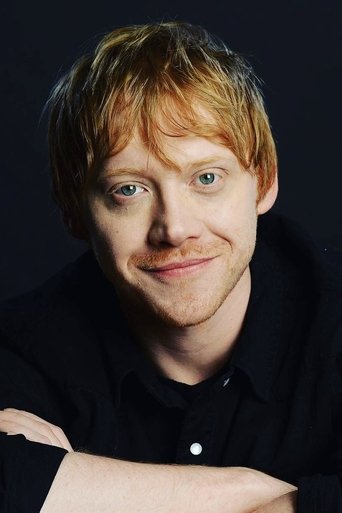
In the frenetic ecosystem of child stardom, there is a certain expectation of burnout or a desperate scramble for relevance. Yet Rupert Grint exists as the ultimate subversion of that narrative. While his peers from the wizarding world leaned into the prestige of the stage or the transformation of indie experimentation, Grint cultivated something far more elusive: a reputation as the everyman with an edge. He spent a decade immortalizing Ron Weasley, turning what could have been a bumbling sidekick into the emotional anchor of the most successful franchise in cinematic history. From the wide eyed wonder of The Philosopher's Stone to the battle hardened weariness of The Deathly Hallows Part 2, he served as the bridge between the audience and the high stakes magic, lending a much needed groundedness to the spectacle.
What makes him a fascinating subject for any pop culture obsessive is his refusal to play the Hollywood game. After The Goblet of Fire and The Half Blood Prince solidified his status as a global icon, Grint did not chase a leading man career in glossy blockbusters. Instead, he leaned into the quirky, the gritty, and the deeply human. Throughout the mid two thousands, he experimented with coming of age tenderness in Driving Lessons and the raw, neon soaked rebellion of Cherrybomb. These roles revealed an actor far more interested in the texture of a character than the size of the paycheck. Even in the stylized action of Wild Target or the historical drama of Into the White, he possessed a naturalistic ease that made him impossible to look away from.
Audiences connect with him because there is an inherent lack of pretension in his performance style. He never looks like he is acting; he looks like he is inhabiting a life. This quality has only deepened as he transitioned into more mature, unsettling territory. His work in the horror genre, particularly in M. Night Shyamalan projects, has redefined him for a new generation. In Knock at the Cabin, he shed any lingering remnants of boyish charm to play a desperate, volatile man caught in an impossible moral vacuum. It was a turn that reminded the industry of his range, proving that the comedic timing he perfected in The Chamber of Secrets and The Prisoner of Azkaban could be easily weaponized into something far darker.
Beyond the screen, Grint carries the aura of someone who won the lottery and decided to use the winnings to buy an ice cream truck rather than a private jet. This gentle eccentricity has shielded him from the cynicism that usually follows former child stars. He has successfully navigated the transition from the boy who lived in the shadow of the Chosen One to a formidable character actor who commands the frame with quiet authority. Whether he is navigating the chaotic subcultures of CBGB and Charlie Countryman or revisiting the halls of Hogwarts for a nostalgic retrospective, he remains the most relatable member of his cohort. He is proof that you can survive the machinery of fame by simply remaining yourself, a rare feat in an industry built on artifice. Grint has transformed from a ginger haired kid with a broken wand into one of the most reliable and intriguing performers of his era, a man who knows exactly who he is, regardless of the magic swirling around him.
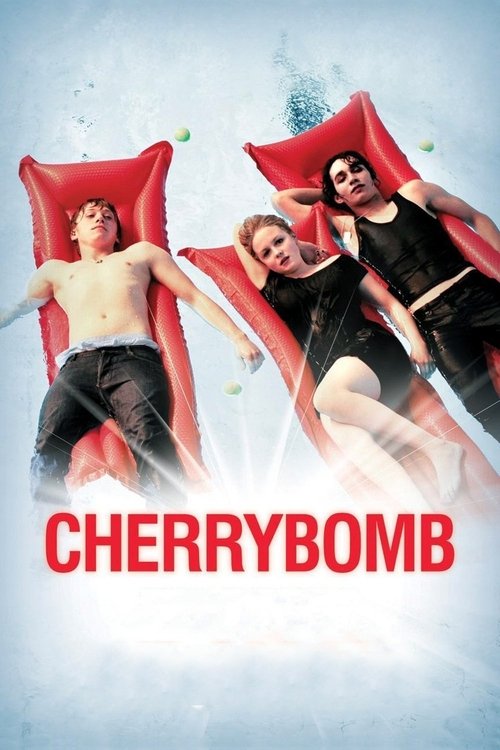
Cherrybomb
2009Teenagers Luke, Malachy, and Michelle embark on a wild weekend of drink, drugs, shop-lifting and stealing cars. But what starts out as a game turns deadly serious when the three discover that they can't get off the wild ride they've set in motion.
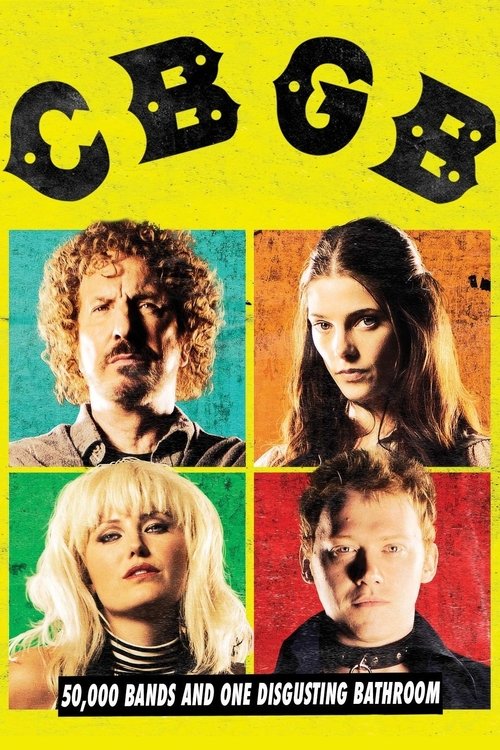
CBGB
2013A look at New York's dynamic punk rock scene through the lens of the ground-breaking Lower East Side club started by eccentric Hilly Kristal in 1973 which launched thousands of bands.
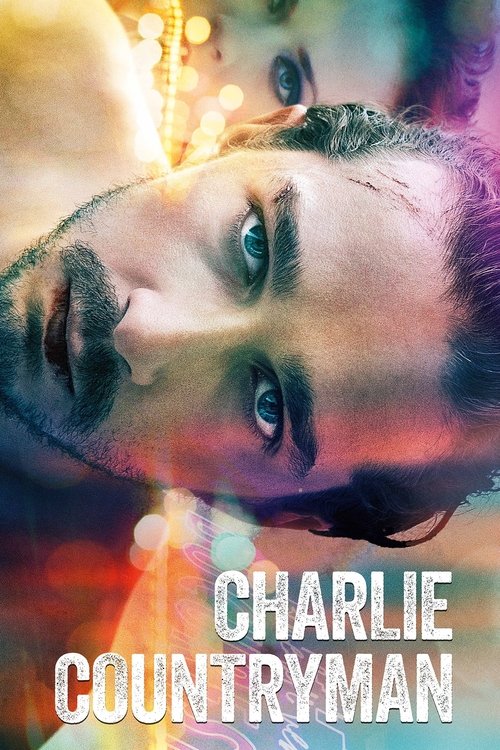
Charlie Countryman
2013A young American falls hard for a Romanian cellist whose father has recently died -- and whose violent past could bring about his own demise.
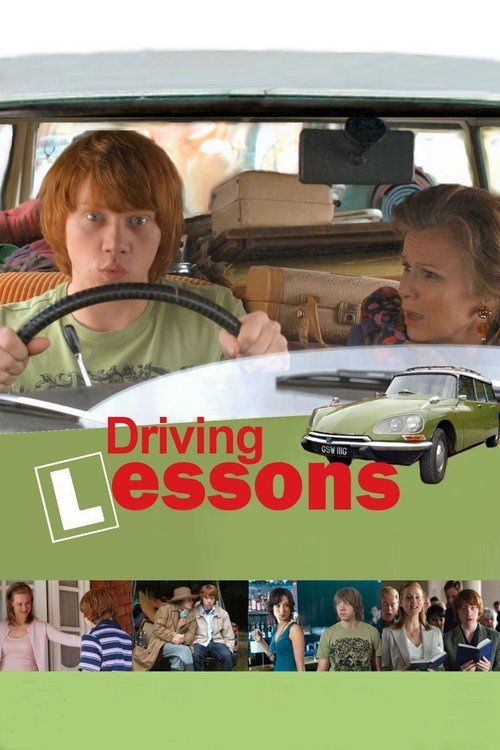
Driving Lessons
2006A shy teenage boy trying to escape the influence of his domineering mother, has his world changed when he begins to work for a retired actress.
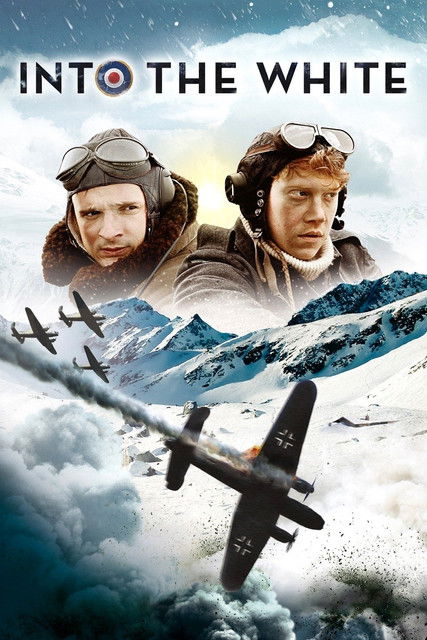
Into the White
2012During World War II, enemy fighter pilots find themselves face to face after shooting down one another's planes over a desolate landscape. In order to survive, they must set aside the rules of war.
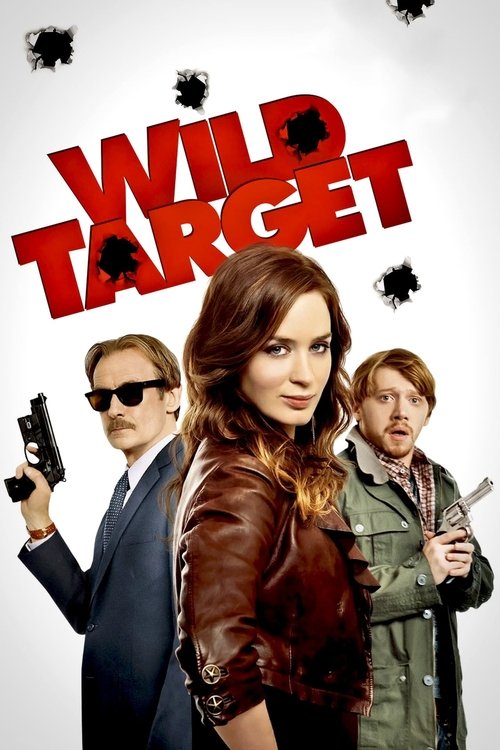
Wild Target
2010Victor Maynard is a middle-aged, solitary assassin who lives to please his formidable mother, despite his own peerless reputation for lethal efficiency. His professional routine is interrupted when he finds himself drawn to one of his intended victims. After sparing her life, he unexpectedly acquires a young apprentice. Believing Victor to be a private detective, his two new companions tag along, while he attempts to thwart the murderous attentions of his unhappy client.
Grint holds his own alongside veteran heavyweights like Bill Nighy, proving his sharp comedic instincts translate seamlessly to the dry, British crime caper genre. This transition into more eccentric, adult territory highlights his ability to find humor in the macabre.
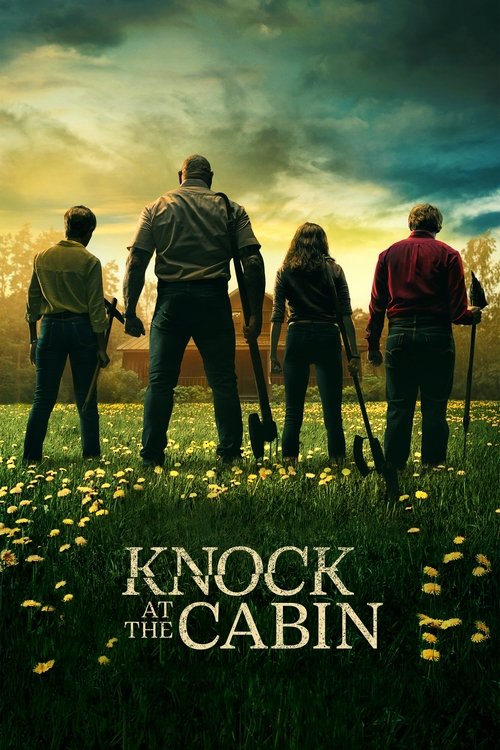
Knock at the Cabin
2023While vacationing at a remote cabin, a young girl and her two fathers are taken hostage by four armed strangers who demand that the family make an unthinkable choice to avert the apocalypse. With limited access to the outside world, the family must decide what they believe before all is lost.
Working under M. Night Shyamalan, Grint completely sheds his boy wizard persona to deliver a performance defined by explosive, blue collar hostility and frantic desperation. This role acts as a jarring, effective reintroduction to Grint as a versatile character actor capable of inhabiting unsettling spaces.
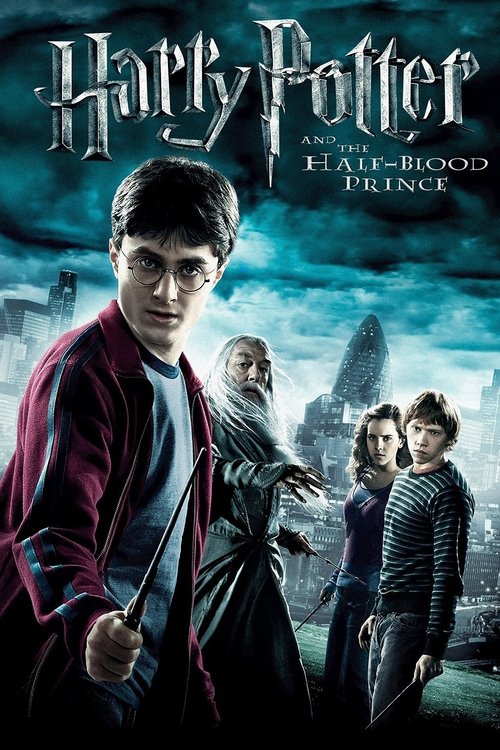
As Lord Voldemort tightens his grip on both the Muggle and wizarding worlds, Hogwarts is no longer a safe haven. Harry suspects perils may even lie within the castle, but Dumbledore is more intent upon preparing him for the final battle fast approaching. Together they work to find the key to unlock Voldemorts defenses and to this end, Dumbledore recruits his old friend and colleague Horace Slughorn, whom he believes holds crucial information. Even as the decisive showdown looms, romance blossoms for Harry, Ron, Hermione and their classmates. Love is in the air, but danger lies ahead and Hogwarts may never be the same again.
Grint steals the spotlight by masterfully handling the surreal, drug like effects of Felix Felicis and the dizzying highs of Quidditch stardom. His aptitude for lighthearted lunacy provides a much needed counterpoint to the film’s otherwise somber, tragic trajectory.
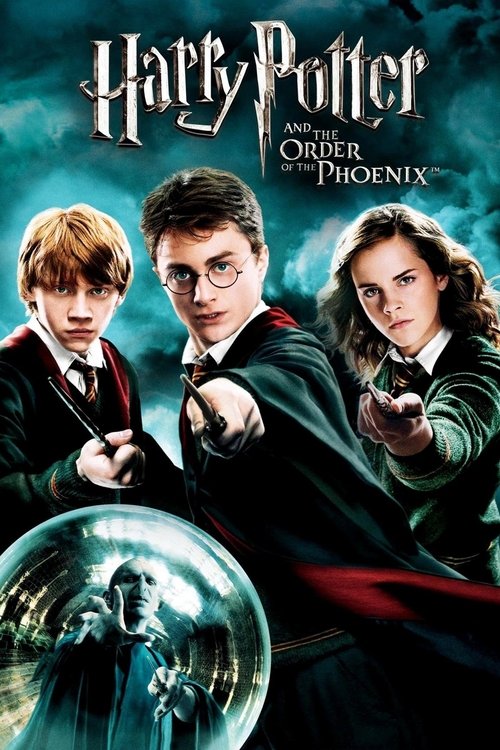
Returning for his fifth year at Hogwarts, Harry is stunned to find that his warnings about the return of Lord Voldemort have been ignored. Left with no choice, Harry takes matters into his own hands, training a small group of motivated students to defend themselves against the Dark Arts.
While the ensemble grows larger, Grint manages to stand out by portraying a more stoic, supportive loyalty that signifies his character’s burgeoning maturity. He provides the necessary quietude to balance the frantic energy of the resistance plot.
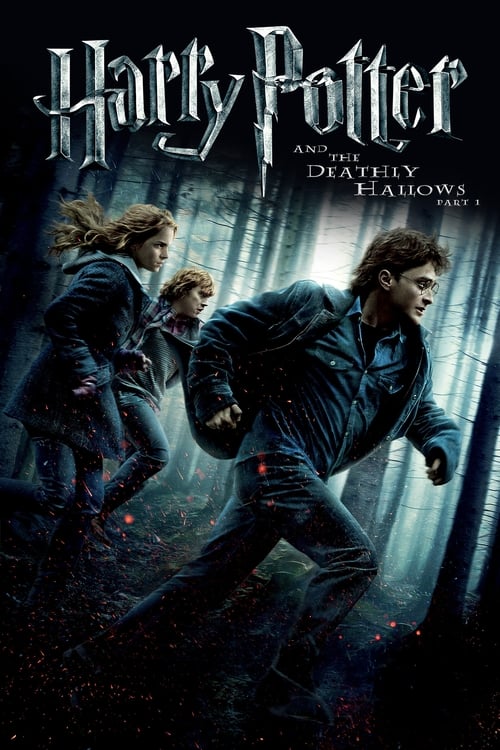
Harry, Ron and Hermione walk away from their last year at Hogwarts to find and destroy the remaining Horcruxes, putting an end to Voldemort's bid for immortality. But with Harry's beloved Dumbledore dead and Voldemort's unscrupulous Death Eaters on the loose, the world is more dangerous than ever.
Isolation brings out a brooding, magnetic intensity in Grint as he explores the toxic influence of the locket. This performance serves as a gritty departure from Ron’s usual warmth, showcasing a darker psychological range that many critics had yet to see.
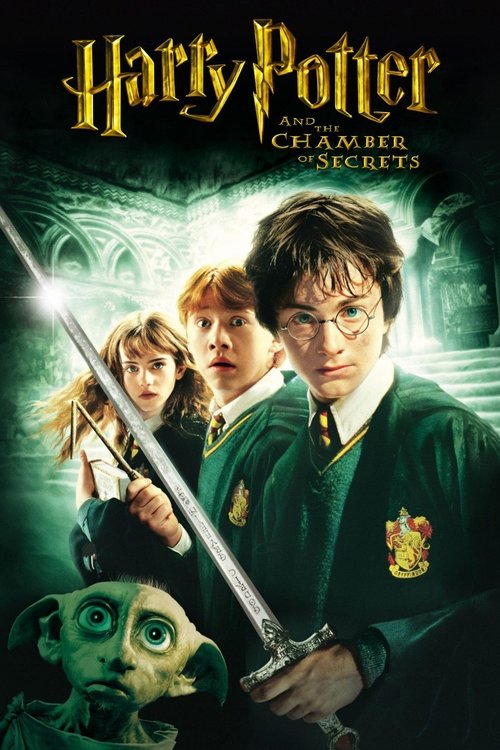
Harry Potter and the Chamber of Secrets
2002Cars fly, trees fight back, and a mysterious house-elf comes to warn Harry Potter at the start of his second year at Hogwarts. Adventure and danger await when bloody writing on a wall announces: The Chamber Of Secrets Has Been Opened. To save Hogwarts will require all of Harry, Ron and Hermione's magical abilities and courage.
The actor leans into the absurdity of high stakes arachnophobia, turning a fearful trope into an iconic displays of facial elasticity. Even amidst the increased spectacle, Grint remains the essential human element that keeps the wizarding world relatable.
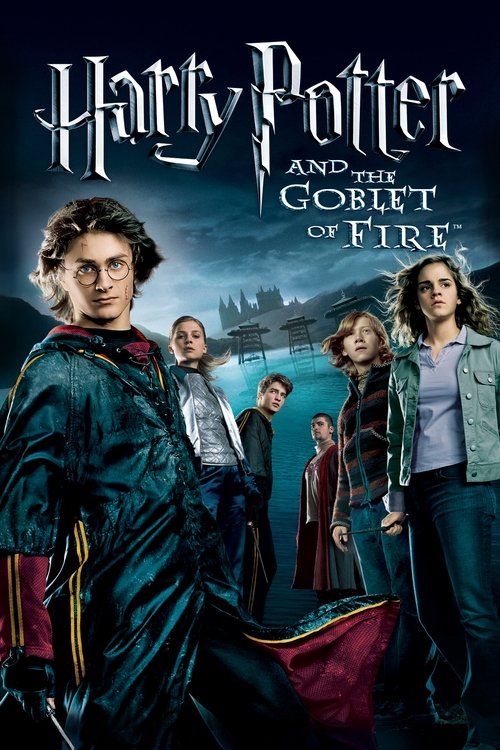
When Harry Potter's name emerges from the Goblet of Fire, he becomes a competitor in a grueling battle for glory among three wizarding schools—the Triwizard Tournament. But since Harry never submitted his name for the Tournament, who did? Now Harry must confront a deadly dragon, fierce water demons and an enchanted maze only to find himself in the cruel grasp of He Who Must Not Be Named.
Grint navigates the prickly transition into teenage jealousy with impressive nuance, capturing the bitter resentment of a perennial sidekick. It is a vital turning point where he proves he can handle internal conflict just as effectively as his trademark slapstick.
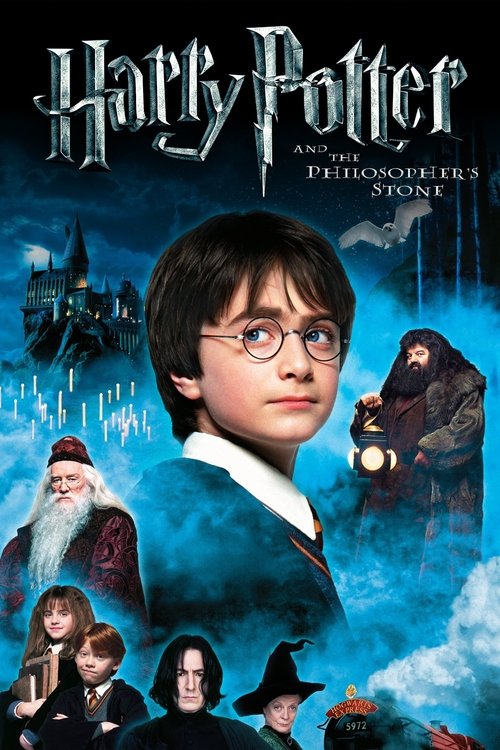
Harry Potter and the Philosopher's Stone
2001Harry Potter has lived under the stairs at his aunt and uncle's house his whole life. But on his 11th birthday, he learns he's a powerful wizard—with a place waiting for him at the Hogwarts School of Witchcraft and Wizardry. As he learns to harness his newfound powers with the help of the school's kindly headmaster, Harry uncovers the truth about his parents' deaths—and about the villain who's to blame.
At just twelve years old, Grint displays an instinctive comedic timing and expressive physicality that immediately distinguishes him from his peers. This debut establishes the lovable, Everyman charisma that would sustain a decade of blockbusters.
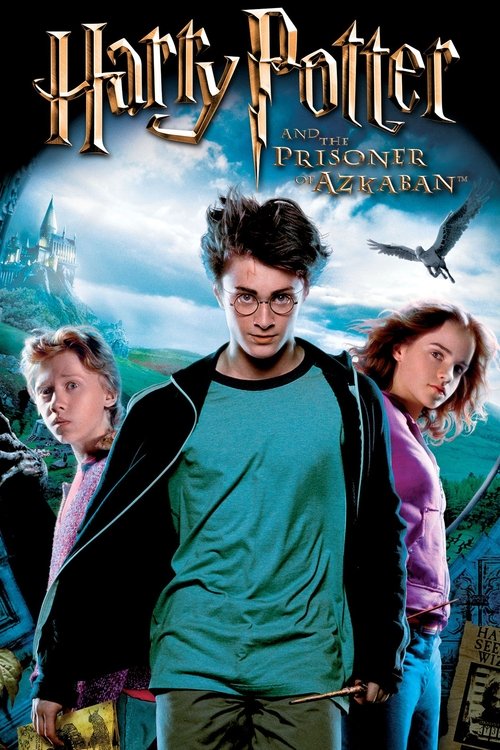
Year three at Hogwarts means new fun and challenges as Harry learns the delicate art of approaching a Hippogriff, transforming shape-shifting Boggarts into hilarity and even turning back time. But the term also brings danger: soul-sucking Dementors hover over the school, an ally of the accursed He-Who-Cannot-Be-Named lurks within the castle walls, and fearsome wizard Sirius Black escapes Azkaban. And Harry will confront them all.
Under Alfonso Cuarón’s tactile direction, Grint thrives by infusing his character with a palpable, jittery adolescent anxiety that perfectly mirrors the film's darker tonal shift. He expertly balances the physical comedy of Ron's perpetual terror with a newfound protective instinct that anchors the central trio.
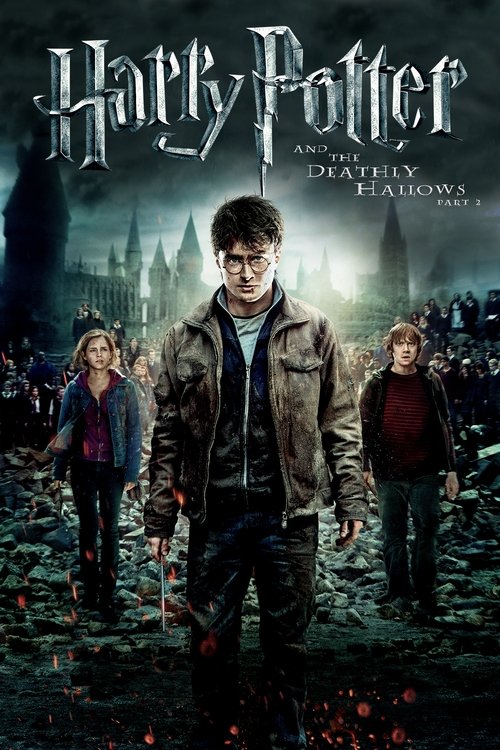
Harry, Ron and Hermione continue their quest to vanquish the evil Voldemort once and for all. Just as things begin to look hopeless for the young wizards, Harry discovers a trio of magical objects that endow him with powers to rival Voldemort's formidable skills.
Grint reaches his emotional zenith here, shedding every ounce of Ron Weasley's childhood levity to ground the franchise finale in raw, battle hardened vulnerability. His graduation from comic relief to a soulful romantic lead cements his legacy as the series' most underrated dramatic engine.
Frequently Asked Questions
Everything you need to know about this list and SnakeDrafts
- "Harry Potter and the Prisoner of Azkaban" is a standout in Rupert Grint's filmography as it marks a shift towards darker tones and more complex character development, reflecting his transition from child actor to a more mature performer.
- Beyond the fantasy-adventure Harry Potter series, Rupert Grint has notably ventured into horror with "Knock at the Cabin," comedy in "Wild Target," and drama with films like "Driving Lessons" and "Cherrybomb," showcasing his versatility across genres.
- Rupert Grint's role in "Knock at the Cabin" is significant as it represents his venture into the horror and thriller genres, diversifying his well-known image as Ron Weasley and demonstrating his ability to tackle intense, suspenseful roles.
- Films such as "Driving Lessons," "Cherrybomb," and "Into the White" highlight Rupert Grint's exploration of independent cinema, where he takes on more nuanced and dramatic roles that differ from his blockbuster experiences.
- The top-ranked Harry Potter films featuring Rupert Grint consistently emphasize themes of friendship, bravery, and the battle between good and evil, all of which are central to his portrayal of Ron Weasley as a loyal and courageous companion.
- Throughout the Harry Potter series, Rupert Grint's performance matures from a comedic and enthusiastic sidekick in earlier films to a more layered and resilient character facing darker challenges in later installments, reflecting his growth as an actor.
- Rupert Grint frequently collaborated with director David Yates for several Harry Potter films, including the climactic "Deathly Hallows" parts, which allowed him to deepen his portrayal under consistent directorial vision during the series' darker phases.