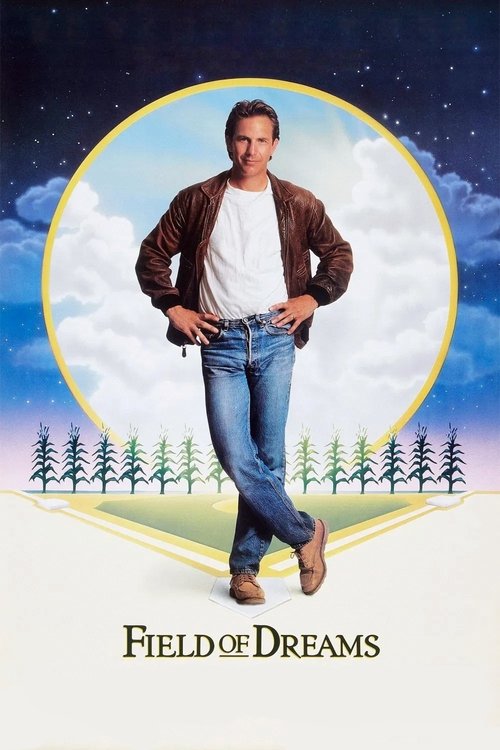
Field of Dreams
Step onto the field where dreams are built and second chances play out. This timeless classic masterfully blends magical realism with the enduring spirit of baseball, inviting audiences to believe in the impossible and reconnect with what truly matters. Discover a heartwarming journey that transcends the sport, touching upon themes of faith, family, and the pursuit of redemption.
Director
Phil Alden Robinson
Release Year
1989
Runtime
105 minutes
Genres
Drama, Fantasy
Main Cast
Kevin Costner, Amy Madigan, Gaby Hoffmann, Ray Liotta, Timothy Busfield
About Field of Dreams
Field of Dreams, released in 1989, resonated deeply with audiences for its unique fusion of sports drama and whimsical fantasy. Directed by Phil Alden Robinson, the film is an adaptation of W.P. Kinsella's novel 'Shoeless Joe.' Its poignant narrative about an Iowa farmer compelled by a mysterious voice to build a baseball field in his cornfield struck a chord, tapping into a collective nostalgia for a bygone era of baseball and the simple magic of childhood.
The film's plot, at its core, explores the premise of following one's intuition, even when it defies logic. Ray Kinsella, portrayed by Kevin Costner, embarks on a journey that leads him to encounter spectral baseball legends, confront his strained relationship with his father, and ultimately, find a profound sense of peace. The narrative masterfully weaves together these disparate elements, creating a tapestry of hope and reconciliation without revealing crucial, surprising plot developments.
Critically, Field of Dreams was lauded for its emotional depth, strong performances, and enchanting screenplay. It garnered three Academy Award nominations, including Best Picture, Best Adapted Screenplay, and Best Original Score. Its success at the box office further solidified its place as a cultural phenomenon, proving that a story steeped in heart and magical realism could captivatingly draw in a wide audience.
The legacy of Field of Dreams extends far beyond its initial release. It’s often cited as one of the most inspirational sports films of all time, and its iconic line, 'If you build it, he will come,' has permeated popular culture. The film continues to be a beloved classic, cherished for its exploration of faith, the importance of listening to inner voices, and the enduring power of dreams to connect generations and heal old wounds.
Drafts Featuring Field of Dreams
Every SnakeDrafts listicle where this movie appears
The Best James Earl Jones Movies Ranked
Ranked #1
The Best Amy Madigan Movies Ranked
Ranked #1
The Best Kevin Costner Movies Ranked
Ranked #2
The Complete Ranking of Burt Lancaster Movies
Ranked #13
The Complete Ranking of Ray Liotta Movies
Ranked #2
1989's Best Movies Ranked
Ranked #1
The Best Movies of the 1980s Ranked
Ranked #44
Similar Movies
Movies related to Field of Dreams
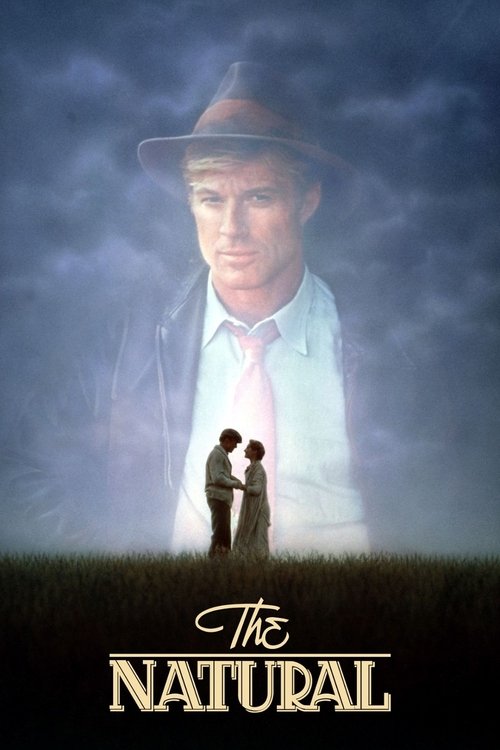
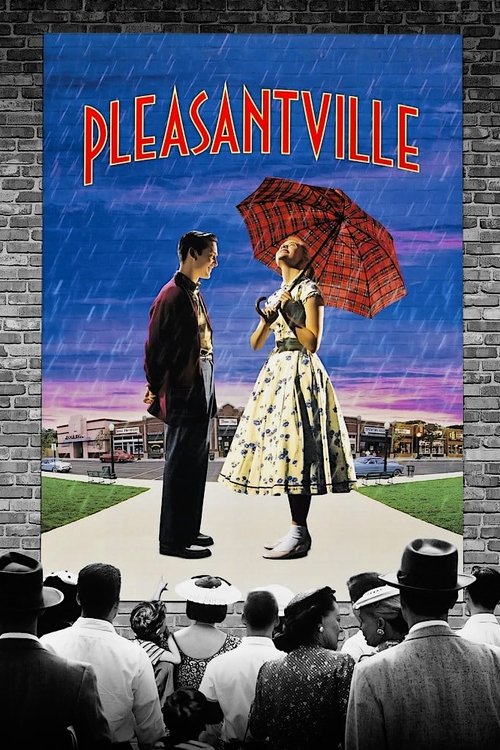
Frequently Asked Questions
Everything you need to know about Field of Dreams
- The mysterious phrase, 'If you build it, he will come,' acts as the catalyst for Ray's entire journey, representing a call to adventure and an invitation to believe in something beyond the tangible. It symbolizes the pull of destiny and a chance to mend unresolved issues from his past, particularly concerning his relationship with his father.
- Field of Dreams deeply delves into the complexities of father-son dynamics, particularly through Ray's longing to reconnect with his deceased father, John Kinsella, a passionate baseball fan. The spectral players and the field itself become a conduit for Ray to understand and reconcile with his father's memory, addressing unspoken regrets and fostering a sense of closure.
- The baseball field is more than just a playing ground; it serves as a magical nexus where past and present converge, allowing characters to achieve redemption and find peace. It represents a sanctuary for dreams, a place where the ordinary transforms into the extraordinary, and where love for the game transcends time and death.
- Terence Mann, the reclusive author, embodies the loss of youthful idealism and the cynicism that can accompany adulthood. His journey to the baseball field with Ray signifies a rediscovery of wonder and faith, ultimately representing the idea that art and imagination can inspire and heal.
- The film's ending culminates in a deeply emotional reunion between Ray and his father, an event that brings both closure and profound joy. It signifies the fulfillment of the voice's promise and underscores the movie's central message about second chances, forgiveness, and the timeless bond of family, leaving audiences with a feeling of hope and satisfaction.

