The Best Amy Madigan Movies Ranked
The Essential Filmography of a Versatile Screen Icon
Discover the finest performances of Amy Madigan, from Oscar-nominated dramas to cult classics and gripping thrillers. Explore her best films ranked.
About Amy Madigan
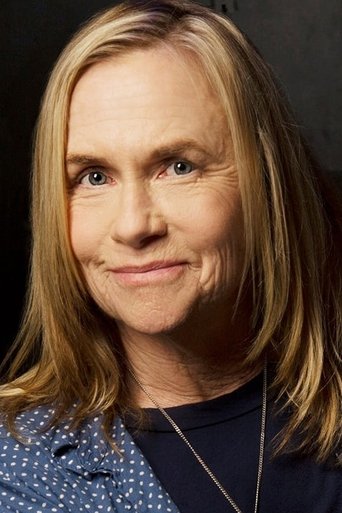
Amy Madigan is the kind of performer who anchors a frame with a gaze so steady it feels like a dare. She possesses a rare, flinty brand of intelligence that bypasses the vanity often associated with Hollywood, opting instead for a gritty realism that makes her characters feel like people you might actually meet in a diner or a courtroom. While many of her peers spent the eighties chasing traditional leading lady status, she was busy carving out a niche as the thinking person's firebrand. She brings a specific, unsentimental gravity to every project, a quality that transformed her into a cornerstone of American independent and prestige cinema.
Most audiences first felt her impact in the mid-eighties when she delivered a pair of performances that defined her versatility. In the neon-soaked rock opera Streets of Fire, she played a tough-as-nails mercenary with a buzzcut, shattering gender expectations before the industry was even ready for it. That same year, she pivoted to the dust-bowl drama of Places in the Heart, proving she could just as easily inhabit the quiet, internal struggles of a bygone era. It is this refusal to be pigeonholed that allowed her to navigate the decades with such grace. Whether she is playing the voice of reason or the source of friction, there is an undeniable authenticity to her work that bridges the gap between the screen and the viewer.
Her most enduring cultural moment remains her turn in Field of Dreams. As Annie Kinsella, she was far more than a supportive wife. She was the film's moral and intellectual engine, famously defending free speech at a school board meeting with a ferocious wit that made the fantastical premise of the movie feel grounded in reality. That ability to make the extraordinary feel everyday is a hallmark of her career. It showed up again in the chilling atmosphere of The Dark Half and the chaotic domesticity of Uncle Buck, where her presence provided a necessary, sharp-edged contrast to the comedy surrounding her.
As her career matured, she morphed into a formidable character actress capable of stealing scenes from the industry's heaviest hitters. In Pollock, she captured the complex, patronizing sophistication of Peggy Guggenheim with clinical precision. Years later, Ben Affleck tapped into her salt-of-the-earth intensity for Gone Baby Gone, casting her as a woman weathered by the harsh realities of South Boston. She excels at playing these types of survivors, women who have seen it all and have no time for nonsense. This late-career streak has seen her populating diverse landscapes, from the satirical violence of The Hunt and the supernatural gloom of Antlers to the earnest veteran drama The Last Full Measure.
Audiences connect with her because she never feels like she is pretending. There is no artifice in her portrayals in American Woman or Frontera. Instead, there is a lived-in quality, a sense that her characters have histories that extend far beyond the opening credits. Even in smaller, intimate roles like those in Winter Passing or the profound social commentary of The Laramie Project, she remains a magnetic force. She is an actor of immense substance, a woman who has spent forty years proving that a steady gaze and a sharp mind are the most powerful tools in a performer's arsenal. She does not just fill a role. She occupies it entirely, leaving a lasting impression of steel and soul.
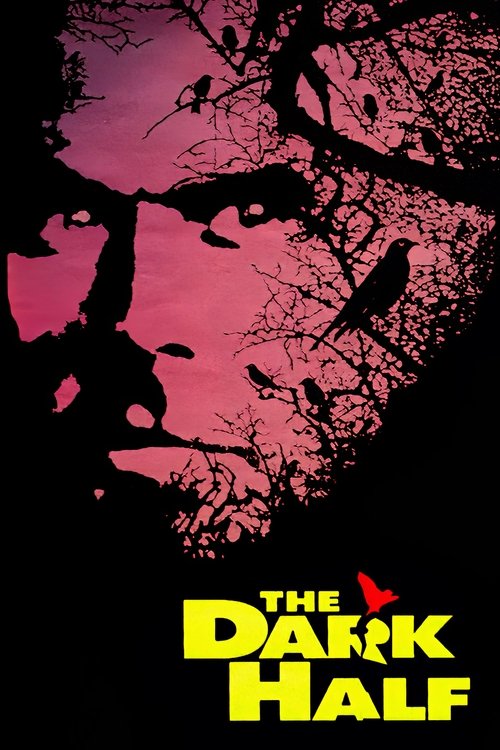
The Dark Half
1993Following the public's realization that Thad Beaumont and George Stark are one and the same, the former stages a mock funeral, only for a series of gruesome murders to begin occurring as in his books.
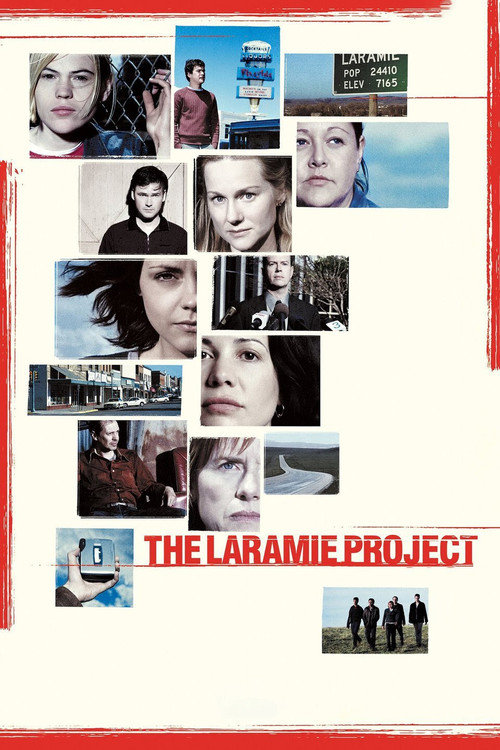
The Laramie Project
2002"The Laramie Project" is set in and around Laramie, Wyoming, in the aftermath of the murder of 21-year-old Matthew Shepard. To create the stage version of "The Laramie Project," the eight-member New York-based Tectonic Theatre Project traveled to Laramie, Wyoming, recording hours of interviews with the town's citizens over a two-year period. The film adaptation dramatizes the troupe's visit, using the actual words from the transcripts to create a portrait of a town forced to confront itself.
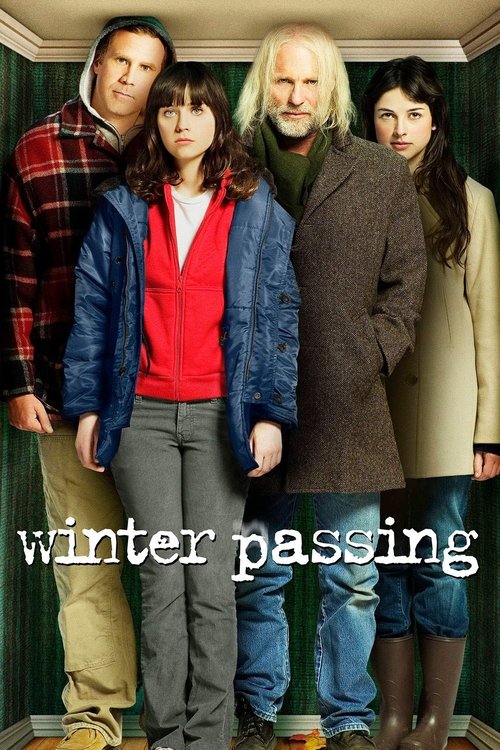
Winter Passing
2006Actress Reese Holden has been offered a small fortune by a book editor if she can secure for publication the love letters that her father, a reclusive novelist, wrote to her mother, who has since passed away. Returning to Michigan, Reese finds that an ex-grad student and a would-be musician have moved in with her father, who cares more about his new friends than he does about his own health and well-being.

Antlers
2021A small-town Oregon teacher and her brother, the local sheriff, discover a young student is harbouring a dangerous secret that could have frightening consequences.
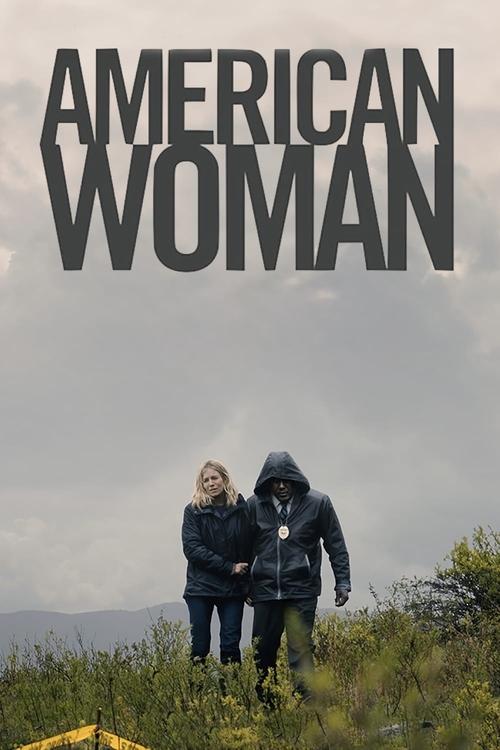
American Woman
2018A young grandmother in a small Pennsylvania town raises her daughter's child after the girl disappears. All the while, a desperate search for her continues.
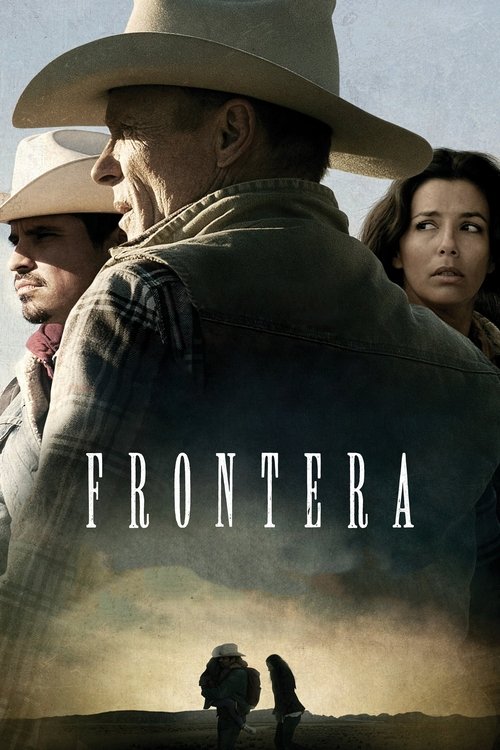
Frontera
2014After crossing the border illegally for work, Miguel, a hard-working father and devoted husband, finds himself wrongfully accused of murdering a former sheriff’s wife. After learning of his imprisonment, Miguel’s pregnant wife tries to come to his aid and lands in the hands of corrupt coyotes who hold her for ransom. Dissatisfied with the police department’s investigation, the former sheriff tries to uncover the truth about his wife’s death and discovers disturbing evidence that will destroy one family’s future, or tear another’s apart.
In this modern Western, Madigan uses a minimalist approach to convey the exhaustion and resilience required to live on a political and physical border. Her presence is a testament to her longevity, showing an actor who can command the frame through weary gazes and the weight of lived experience.
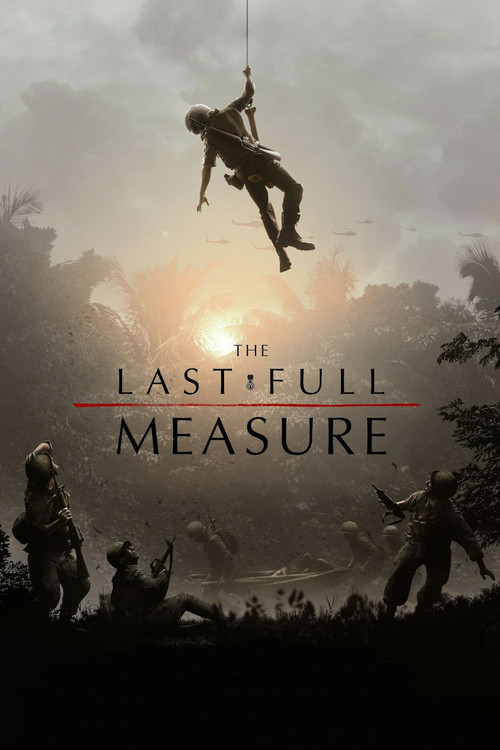
The Last Full Measure
2020The incredible true story of Vietnam War hero William H. Pitsenbarger, a U.S. Air Force Pararescuemen medic who personally saved over sixty men. Thirty-two years later, Pentagon staffer Scott Huffman investigates a Congressional Medal of Honor request for Pitsenbarger and uncovers a high-level conspiracy behind the decades-long denial of the medal, prompting Huffman to put his own career on the line to seek justice for the fallen airman.
Tasked with representing the enduring grief of a gold star family, Madigan delivers a performance defined by stoic grace and the heavy burden of memory. She avoids sentimental tropes, opting instead for a portrayal of quiet endurance that lends the film its emotional legitimacy.

The Hunt
2020Twelve strangers wake up in a clearing. They don't know where they are—or how they got there. In the shadow of a dark internet conspiracy theory, ruthless elitists gather at a remote location to hunt humans for sport. But their master plan is about to be derailed when one of the hunted turns the tables on her pursuers.
Madigan leans into a sinister, grandmotherly facade that mask a terrifying ideological commitment in this polarizing social satire. By subverting her long established persona of the reliable Midwesterner, she creates a chilling portrait of polite extremism that serves as the film's most effective psychological anchor.
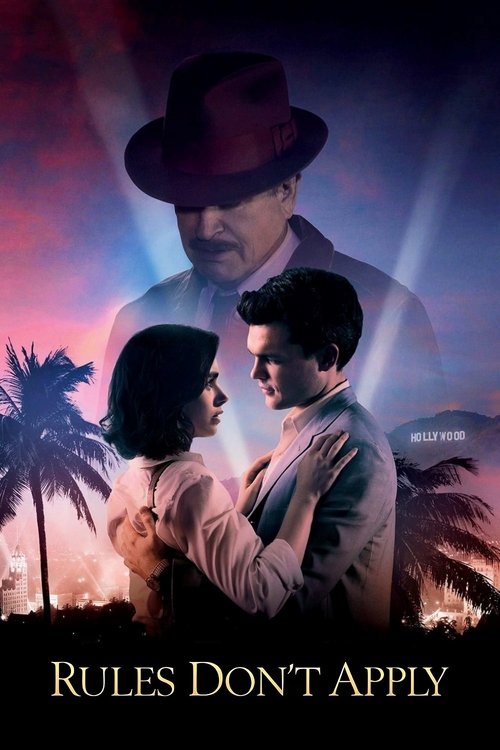
Rules Don't Apply
2016The unconventional love story of an aspiring actress, her ambitious driver, and their eccentric boss, the legendary billionaire Howard Hughes.
In this eccentric historical tapestry, Madigan utilizes her limited screen time to provide a sense of grounded maternal anxiety that contrasts sharply with the film's stylized artifice. She brings a sudden, necessary weight to the narrative, reminding the audience of the human cost lurking beneath the glamorous eccentricities of Old Hollywood.
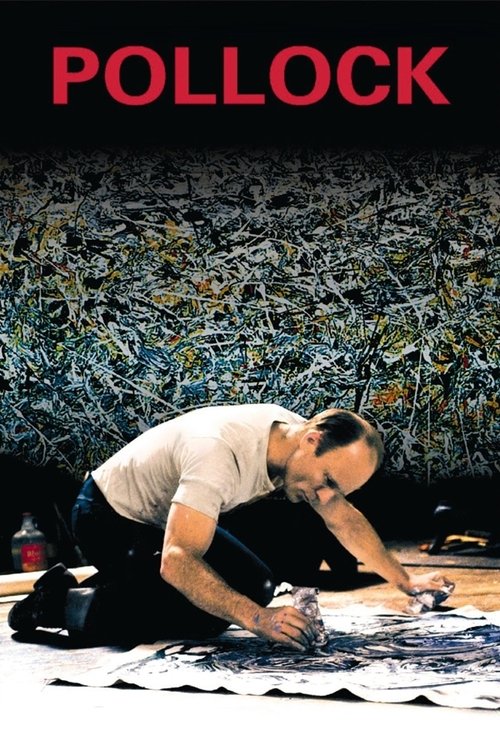
Pollock
2000In August of 1949, Life Magazine ran a banner headline that begged the question: "Jackson Pollock: Is he the greatest living painter in the United States?" The film is a look back into the life of an extraordinary man, a man who has fittingly been called "an artist dedicated to concealment, a celebrity who nobody knew." As he struggled with self-doubt, engaging in a lonely tug-of-war between needing to express himself and wanting to shut the world out, Pollock began a downward spiral.
Madigan portrays Peggy Guggenheim with a sophisticated blend of intellectual curiosity and social dominance, acting as a vital catalyst for the protagonist's artistic ascent. Her performance captures the rarefied air of the mid century art world, demonstrating her skill at playing institutional power players who possess a sharp, discerning edge.
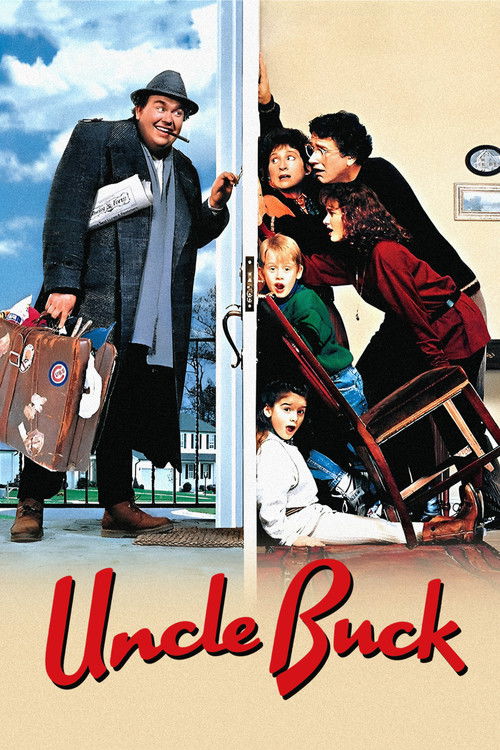
Uncle Buck
1989Buck Russell, a lovable but slovenly bachelor, suddenly becomes the temporary caretaker of his nephew and nieces after a family emergency. His freewheeling attitude soon causes tension with his older niece Tia, loyal girlfriend Chanice and just about everyone else who crosses his path.
As the straight laced foil to John Candy's chaotic energy, Madigan provides the necessary friction that elevates the film from a mere gag reel to a meaningful domestic comedy. She navigates the tonal shifts with precision, ensuring that the stakes of the family dynamic remain credible even amidst the slapstick.
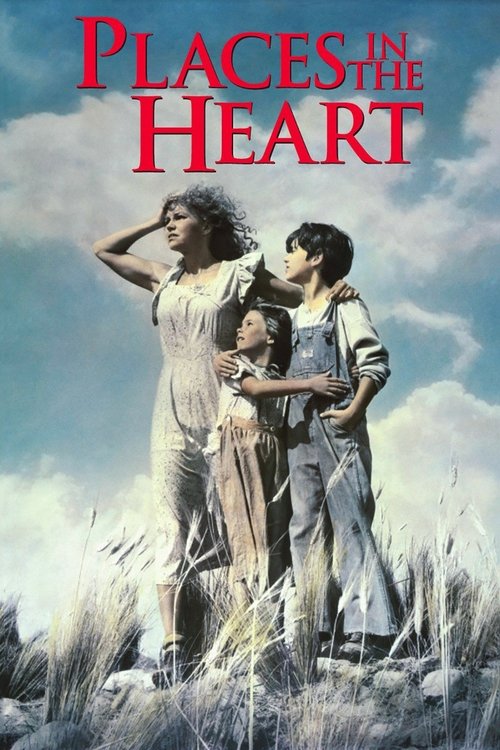
Places in the Heart
1984In 1935 rural Texas, recently widowed Edna Spaulding struggles to survive with two small children, a farm to run, and very little money in the bank - not to mention a deadly tornado and the unwelcome presence of the Ku Klux Klan. Edna is aided by her beautician sister, Margaret; a blind boarder, Mr. Will; and a would-be thief, Moze, who decides to teach Edna how to plant and harvest cotton.
Playing a woman grappling with the complexities of betrayal and social standing, Madigan infuses this Depression era drama with a quiet, simmering vulnerability. It is a subtle turn that showcases her ability to internalize conflict, proving she could thrive within the exacting demands of a prestigious ensemble piece.
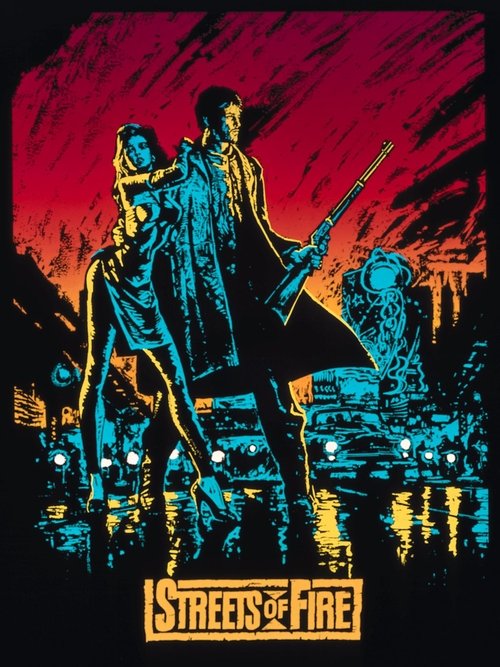
Streets of Fire
1984Raven Shaddock and his gang of merciless biker friends kidnap rock singer Ellen Aim. Ellen's former lover, soldier-for-hire Tom Cody, happens to be passing through town on a visit. In an attempt to save his star act, Ellen's manager hires Tom to rescue her. Along with a former soldier, they battle through dangerous cityscapes, determined to get Ellen back.
Portraying a tough talking soldier of fortune, Madigan broke the mold for female character actors in the eighties by prioritizing brawn and banter over traditional romantic subplots. Her McCoy is a masterclass in screen presence, stealing focus through sheer kinetic energy and a refusal to be sidelined in a hyper masculine rock and roll fable.
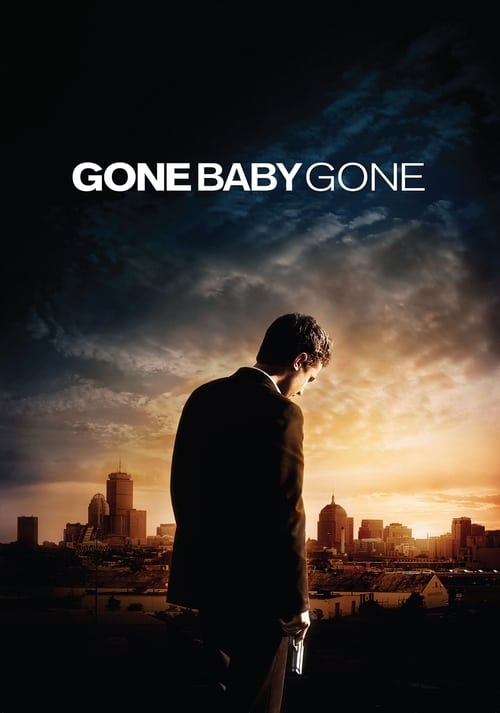
Gone Baby Gone
2007When 4 year old Amanda McCready disappears from her home and the police make little headway in solving the case, the girl's aunt, Beatrice McCready hires two private detectives, Patrick Kenzie and Angie Gennaro. The detectives freely admit that they have little experience with this type of case, but the family wants them for two reasons—they're not cops and they know the tough neighborhood in which they all live.
In a departure from her more sympathetic roles, Madigan disappears into the role of a grandmother hardened by a lifetime of systemic neglect and moral compromise. This performance highlights her capacity for grit, using a weathered intensity to anchor the film's gritty investigation into the decay of the American dream.
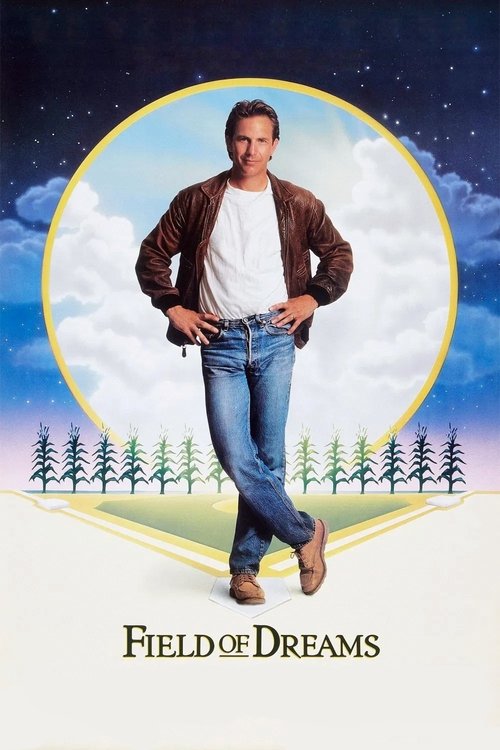
Field of Dreams
1989Ray Kinsella is an Iowa farmer who hears a mysterious voice telling him to turn his cornfield into a baseball diamond. He does, but the voice's directions don't stop -- even after the spirits of deceased ballplayers turn up to play.
Madigan serves as the grounded, fiery conscience of this supernatural Americana, standing as the essential tether between the film's whimsical idealism and the harsh realities of rural life. Her fierce defense of intellectual freedom in the PTA scene solidified her status as the ultimate cinematic partner who demands as much as she supports.
Frequently Asked Questions
Everything you need to know about this list and SnakeDrafts
- Amy Madigan shines in 'Field of Dreams,' a drama-fantasy film that has become a beloved classic. Her performance contributes depth to the film's emotional and mystical narrative, showcasing her range in a genre-defying role.
- Amy Madigan stars in 'Gone Baby Gone,' a crime drama filled with mystery directed by Ben Affleck. Her compelling portrayal adds to the film's intense atmosphere and critical acclaim.
- In 'Places in the Heart,' Amy Madigan delivers a powerful dramatic performance that highlights her ability to portray resilience and emotional depth. The film is renowned for its poignant storytelling during the Great Depression era.
- Amy Madigan brings charm and nuance to comedy-drama, notably in 'Uncle Buck.' Her performance balances humor and heartfelt moments, enriching the film’s family-oriented narrative.
- In 'Pollock,' Amy Madigan plays a significant role in this biographical drama about the iconic American painter Jackson Pollock. Her performance helps illuminate the complexities of Pollock's life and artistry.
- Amy Madigan appears in 'The Hunt,' an action-thriller with horror elements that demonstrates her versatility in intense and suspenseful roles. Additionally, 'Antlers' blends drama and horror, showcasing her adaptability across genres.
- Amy Madigan's best movies often explore themes of realism, emotional complexity, and resilience. Whether in dramas like 'Places in the Heart' or thrillers like 'Gone Baby Gone,' she consistently portrays grounded, relatable characters.