
Ordinary People
Ordinary People masterfully explores the silent struggles of a family grappling with unspeakable loss, offering a poignant look at grief, communication, and the complex dynamics that can either bind or break us. This Academy Award-winning drama remains a powerful and resonant examination of mental health and familial discord, making it essential viewing for those seeking deep emotional resonance.
Director
Release Year
1980
Runtime
124 minutes
Genres
Main Cast
Donald Sutherland, Mary Tyler Moore, Judd Hirsch, Timothy Hutton, M. Emmet Walsh
About Ordinary People
Robert Redford's directorial debut, Ordinary People, shattered the illusion of the perfect American family, delivering a raw and unflinching portrayal of suburban grief. Released in 1980, the film resonated deeply with audiences for its honest depiction of a family fractured by tragedy, earning critical acclaim and ushering in a new era of introspective dramas. It challenged the prevailing cinematic narratives of the time by prioritizing emotional realism and psychological depth over conventional plot arcs.
The film centers on the Jarret family: Beth, Calvin, and their son Conrad, as they navigate the devastating aftermath of the accidental death of their elder son, Buck. Conrad, consumed by survivor's guilt and depression, attempts suicide, leading him into therapy. His journey toward healing is fraught with challenges, made more complex by his mother Beth's emotional distance and his father Calvin's desperate attempts to hold the family together. The narrative skillfully avoids easy answers, instead delving into the nuanced complexities of each character's struggle to cope with an unbearable loss.
Ordinary People was a critical triumph, garnering four Academy Awards, including Best Picture, Best Director for Robert Redford, Best Adapted Screenplay, and Best Supporting Actor for Timothy Hutton. Critics lauded its sensitivity, powerful performances, and Redford's assured direction. The film's exploration of mental health, particularly depression and the impact of trauma on family systems, was groundbreaking for its era and continues to be relevant today. Its legacy lies in its bold commitment to portraying the messiness of human emotion and the difficult, often unspoken, work of healing.
Beyond its critical success, the film left a lasting cultural impact by openly addressing themes of grief, guilt, and the societal pressures to maintain a facade of normalcy. It sparked important conversations about mental health and the importance of communication within families. The raw performances, particularly from Mary Tyler Moore as the emotionally repressed Beth and Timothy Hutton as the tormented Conrad, are frequently cited as career-defining roles. Ordinary People remains a benchmark for dramatic storytelling, admired for its emotional intelligence and enduring relevance.
Drafts Featuring Ordinary People
Every SnakeDrafts listicle where this movie appears
Similar Movies
Movies related to Ordinary People
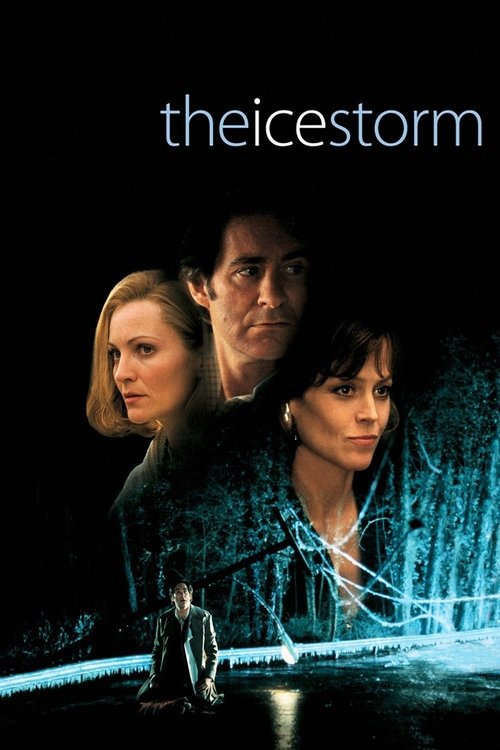
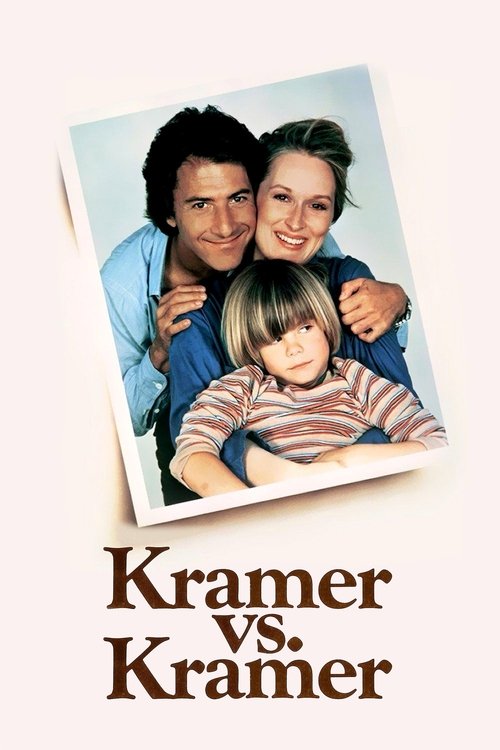

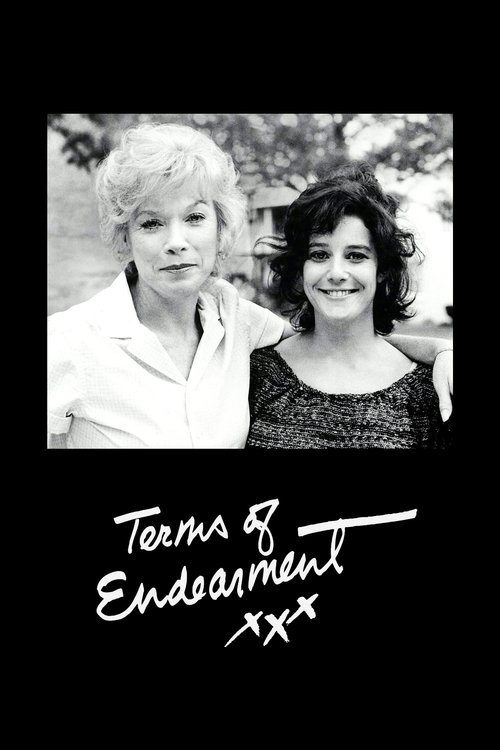
Frequently Asked Questions
Everything you need to know about Ordinary People
- Dr. Berger provides Conrad with a safe and non-judgmental space to articulate his suppressed emotions and guilt. His empathetic yet challenging approach helps Conrad confront his trauma and understand the complex dynamics within his family, acting as a crucial catalyst for his recovery.
- Beth's stoic and emotionally detached grieving style contrasts sharply with Calvin's more open and vulnerable approach. This difference highlights how individuals cope with loss uniquely, and how misaligned coping mechanisms can create further distance and misunderstanding within a family unit, exacerbating their collective pain.
- Conrad carries immense survivor's guilt over his brother Buck's death, believing he should have been the one to die. This guilt manifests in his depression, suicide attempt, and difficulty connecting with others, demonstrating the profound psychological burden of feeling responsible for a tragedy. His journey involves ultimately processing and beginning to let go of this heavy emotional weight.
- Buck, the deceased elder son, casts a long shadow over the Jarret family, embodying a perceived ideal that Conrad struggles to live up to. His memory amplifies Beth's emotional detachment and Conrad's feelings of inadequacy and guilt, becoming a silent, yet powerful, force that shapes their interactions and individual struggles.
- The film ends with an implied, rather than explicit, resolution, suggesting that while the family's healing is ongoing, there is a glimmer of hope for Calvin and Conrad. Beth's departure signifies a further fracture, yet it also allows for the possibility of a more honest and less strained connection between father and son, pointing towards a difficult but potentially healthier path forward for them.

