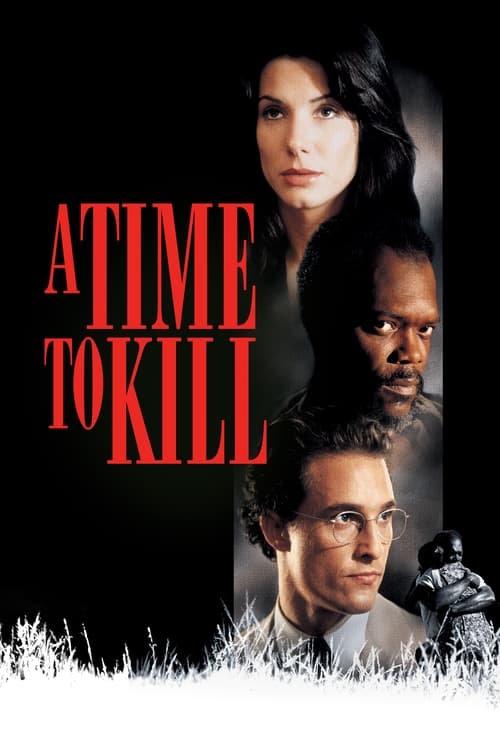
A Time to Kill
A Time to Kill is a gripping legal drama that explores race, justice, and morality in the American South. The film follows a young lawyer as he courageously defends a black man charged with murder in a racially charged trial that reverberates through the community.
Director
Joel Schumacher
Release Year
1996
Runtime
149 minutes
About A Time to Kill
A Time to Kill, directed by Joel Schumacher, is based on John Grisham's novel and delves deep into the complexities of racial tensions, justice, and the legal system. The film situates itself in a Southern town where emotions run high over an intensely controversial case involving vigilantism and racial violence.
The central premise revolves around Jake Brigance, a determined young lawyer, who takes on the defense of Carl Lee Hailey, a black man accused of killing two white men who brutally assaulted his daughter. This setup presents not only a legal battle but also a broader commentary on societal fractures and moral dilemmas.
Critically, the film was praised for its powerful performances, particularly by Samuel L. Jackson and Matthew McConaughey, and its willingness to tackle sensitive and provocative issues. Despite mixed reviews on pacing, A Time to Kill attracted attention for its emotional intensity and courtroom drama.
The movie left a significant legacy as a thought-provoking piece on race relations and justice in America. It sparked discussions on vigilantism, legal ethics, and the impact of racial prejudice, maintaining cultural relevance years after its release.
Drafts Featuring A Time to Kill
Every SnakeDrafts listicle where this movie appears
The Best Matthew McConaughey Movies
Ranked #5
The Best Samuel L. Jackson Movies
Ranked #4
The Best Sandra Bullock Movies Ranked
Ranked #5
The Definitive Kevin Spacey Movies Ranked
Ranked #12
The Essential Kurtwood Smith Movie Checklist
Ranked #7
The Greatest Ashley Judd Movies Ever
Ranked #2
Donald Sutherland Movies Ranked Definitively
Ranked #18
Chris Cooper Movies Ranked Definitively
Ranked #11
The Greatest Oliver Platt Movies Ever
Ranked #1
1996's Best Movies Ranked
Ranked #27
The Greatest Crime Movies of 1996
Ranked #7
The Greatest 1990s Crime Movies Ranked
Ranked #41
The Best Thriller Movies of 1996, Ranked
Ranked #9
Similar Movies
Movies related to A Time to Kill
Frequently Asked Questions
Everything you need to know about A Time to Kill
- Jake Brigance is driven by a strong sense of justice and personal conviction that everyone deserves a fair trial. His belief in the legal system and empathy for Carl Lee's tragic situation compel him to risk his career and safety.
- The film vividly depicts racial tensions through community reactions, the rekindling of the Ku Klux Klan, and the polarized media coverage. These elements underscore the societal divisions and hostility that complicate the trial.
- The courtroom is the central battleground where legal arguments, moral debates, and emotional testimonies unfold. It serves as a microcosm for the broader societal conflict and highlights the pursuit of justice amidst bias.
- Yes, the film uses symbols such as the burning cross to represent racial hatred and intimidation. Additionally, the black and white contrast in cinematography emphasizes the racial divide and moral complexities.
- Samuel L. Jackson brought intense emotional depth and raw power to the role of Carl Lee Hailey, making the character's pain and determination palpable. His performance was widely acclaimed and essential to the film's emotional impact.
- The film confronts ethical questions surrounding vigilantism, justice versus revenge, and the responsibilities of legal defenders. It challenges viewers to consider where the line is drawn between right and wrong in extreme circumstances.
- Yes, one of the notable quotes is Jake Brigance's courtroom speech about justice and equality, which encapsulates the film's core message about morality and law. These quotes often resonate with audiences as reflections on societal justice.
- The film portrays the Ku Klux Klan's resurgence as a reaction to the trial, showing how fear and hatred can be reignited by racial conflict. This subplot adds tension and highlights the ongoing challenges of racism.
- While the film follows the novel's main plot and themes closely, some details and character explorations are condensed or adapted for cinematic storytelling. Overall, it captures the novel's spirit and central messages effectively.

