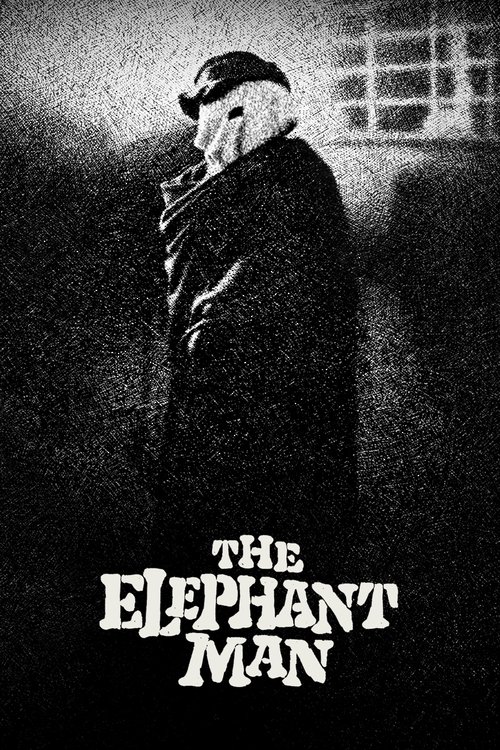
The Elephant Man
The Elephant Man, a poignant historical drama, delves into the extraordinary life of Joseph Merrick, a severely disfigured man in 19th-century London. This cinematic masterpiece explores themes of compassion, prejudice, and human dignity, offering a deeply moving and unforgettable experience for audiences.
Director
Release Year
1980
Runtime
124 minutes
Genres
Drama, History
Main Cast
Anthony Hopkins, John Hurt, Anne Bancroft, John Gielgud, Wendy Hiller
About The Elephant Man
David Lynch's 1980 film, "The Elephant Man," profoundly impacted cinematic history by bringing the real-life story of Joseph Merrick to the silver screen with unprecedented sensitivity and artistry. Shot in stunning black and white, the film not only captured the grim realities of Victorian London but also beautifully illuminated the inherent humanity within those often marginalized by society. Its critical reception was overwhelmingly positive, garnering eight Academy Award nominations, including Best Picture, Best Director for Lynch, and Best Actor for John Hurt.
The film masterfully introduces us to Dr. Frederick Treves, who discovers John Merrick (as he's renamed in the film) as a sideshow attraction. What begins as a medical curiosity evolves into a profound friendship, challenging Treves's perceptions and, by extension, the audience's. Merrick, hidden beneath layers of deformity, reveals a gentle soul, an intelligent mind, and a deep yearning for acceptance and normalcy. The narrative carefully navigates the societal prejudices and ethical dilemmas surrounding Merrick's care, prompting viewers to consider the true meaning of humanity and dignity.
"The Elephant Man" is celebrated for its powerful performances, particularly John Hurt's transformative portrayal of Merrick, which conveys immense emotion despite extensive prosthetics. Anthony Hopkins delivers a nuanced performance as Dr. Treves, embodying both scientific curiosity and growing compassion. The film's aesthetic, though stark, is deeply evocative, using atmospheric visuals and sound to create an immersive experience that underscores the emotional weight of Merrick's journey. Its artistic choices elevate it beyond a mere biopic, cementing its place as a thought-provoking work of art.
The cultural impact of "The Elephant Man" endures, serving as a timeless narrative about empathy and the enduring spirit of individuals facing immense adversity. It challenged societal views on disability and sparked important conversations about human rights and the ethics of medical treatment. The film's legacy lies in its ability to humanize rather than sensationalize, leaving an indelible mark on audiences and continuing to inspire discussions on compassion and understanding across generations.
Drafts Featuring The Elephant Man
Every SnakeDrafts listicle where this movie appears
Similar Movies
Movies related to The Elephant Man

Frequently Asked Questions
Everything you need to know about The Elephant Man
- Initially, Dr. Treves views Merrick primarily as a medical marvel, a subject for study. However, as he spends more time with Merrick, he begins to see beyond the physical deformities, recognizing Merrick's intelligence, sensitivity, and profound humanity, transforming his scientific curiosity into genuine compassion and friendship.
- Merrick's longing for a 'home' symbolizes his deep desire for acceptance, dignity, and a sense of belonging, rather than just a place to live. It represents his yearning for a normal life where he is treated with respect and kindness, free from observation and spectacle.
- The film's stark black and white cinematography contributes significantly to its somber and authentic atmosphere, immersing viewers in the grim reality of Victorian London. It heightens the dramatic contrast between light and shadow, emphasizing Merrick's isolation and vulnerability, while also lending a timeless, classic quality to the narrative.
- Mrs. Kendal, a celebrated actress, plays a crucial role in Merrick's emotional development by offering him genuine friendship, respect, and social inclusion. Her kindness and acceptance allow Merrick to experience a sense of normalcy and dignity, fostering his self-esteem and bringing joy into his otherwise challenging life.
- The ending of 'The Elephant Man' profoundly conveys that true human dignity comes from within and that acceptance from others, regardless of outward appearance, is paramount. Merrick's peaceful passing, surrounded by those who truly cared for him, underscores the film's message that every individual deserves respect, love, and the freedom to live with peace and dignity.

