The Best John David Washington Movies Ranked
From Sci-Fi Epics to Gritty Crime Dramas
Explore the essential filmography of John David Washington, featuring his breakout roles in acclaimed thrillers and modern cinematic masterpieces.
About John David Washington
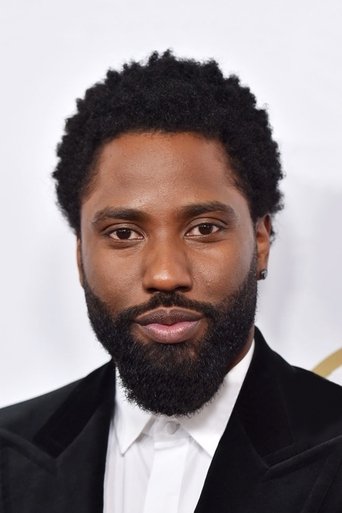
John David Washington possesses a screen presence that feels both legacy-defined and entirely self-made. For years, he navigated the world through the bruising physicality of professional football, a career that demanded a specific kind of toughness before an injury pivoted him toward the family business. When he finally stepped into the frame, he didnt lean on his famous surname. Instead, he brought a disciplined, athletic intensity to his craft that suggests he is always calculating his next three moves. He operates with a quiet, observant confidence, often playing men caught between duty and morality, or reality and artifice.
His true arrival felt like an explosion in Spike Lees BlacKkKlansman. As Ron Stallworth, he managed the impossible tonal high-wire act of staying grounded while navigating a story that bordered on the absurd. That performance signaled the birth of a thinking mans leading man. He doesnt just deliver lines; he wears his characters skin with a lived-in weariness. This quality made him the perfect vessel for Christopher Nolans Tenet, where he served as a suave, nameless protagonist navigating the literal inversion of time. In a film defined by complex mechanics, he provided the necessary human pulse, proving he could carry a massive blockbuster with nothing but charisma and a well-tailored suit.
There is a restless energy to his filmography that refuses to let him be pigeonholed. He can shrink his world down to the claustrophobic, black-and-white tensions of a crumbling relationship in Malcolm & Marie, where he went toe-to-toe with Zendaya in a grueling theatrical showcase. Then, he can pivot back to high-concept sci-fi like The Creator, finding the soul inside a machine-dominated wasteland. Even in smaller, moodier pieces like Beckett or the sprawling period whimsy of Amsterdam, he remains a steadying hand. He has a way of making his characters feel like they have a secret life off-camera, a depth that audiences have come to rely on.
In recent years, his work has taken on a more lyrical, grounded quality. Whether he is navigating the systemic pressures of Monsters and Men or the historical weight of The Piano Lesson, he approaches every role with a reverence for the material. Audiences connect with him because there is no ego in his performance style. He isnt trying to be the loudest person in the room; he is trying to be the most honest. He has successfully carved out a space where he is respected not for who his father is, but for the specific, visceral gravity he brings to the screen. He is an actor who treats every frame like a heavyweight bout, and based on the trajectory of his career, he is nowhere near throwing in the towel.
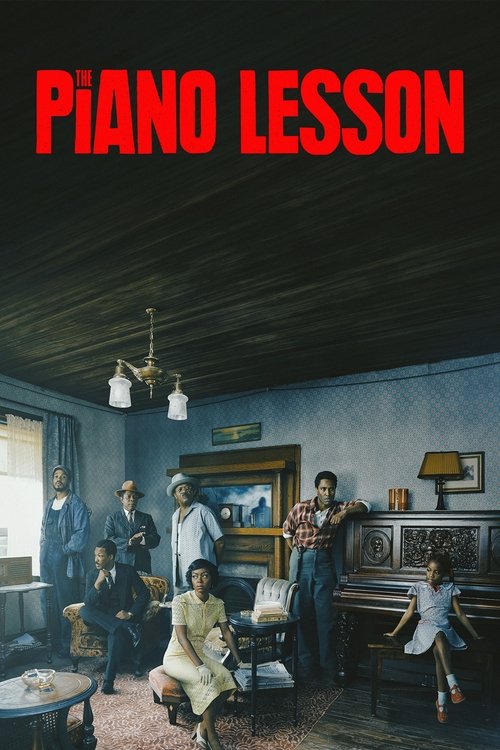
The Piano Lesson
2024A brother and sister's battle over a prized heirloom piano unleashes haunting truths about how the past is perceived — and who defines a family legacy.
Tackling the weight of historical legacy, Washington interprets August Wilson’s prose with a rhythmic, percussive intensity. He navigates the supernatural and the domestic with equal fervor, cementing his status as a premier interpreter of sophisticated dramatic material.

Beckett
2021An American tourist in Greece finds himself on the run after a tragic accident plunges him into a political conspiracy that makes him a target for assassination.
Washington channels the frantic energy of a classic everyman in peril, trading his usual composure for a sweaty, desperate vulnerability. He carries this chase thriller by emphasizing the messy, unheroic reality of a survivalist on the run.
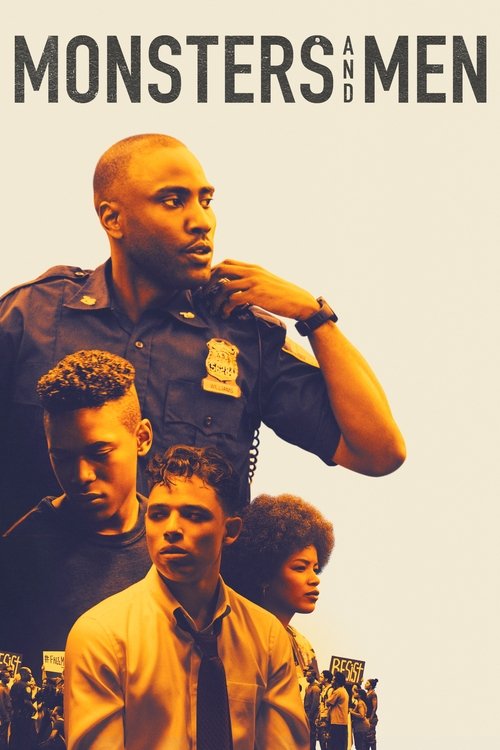
Monsters and Men
2018After capturing an illegal act of police violence on his cellphone, a Brooklyn street hustler sets off a series of events that alter the lives of a local police officer and a star high-school athlete.
Projecting a conflicted moral authority, Washington explores the psyche of a man torn between professional duty and communal loyalty. It is a taut, simmering performance that relies on what he leaves unsaid rather than overt theatrics.
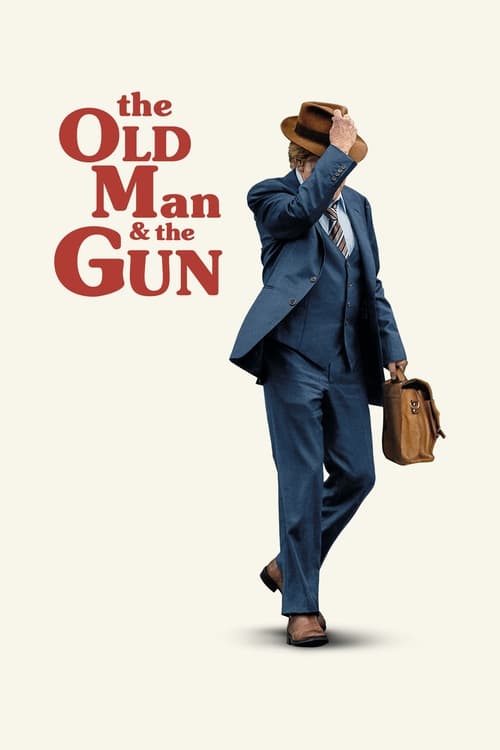
The Old Man & the Gun
2018The true story of Forrest Tucker, from his audacious escape from San Quentin at the age of 70 to an unprecedented string of heists that confounded authorities and enchanted the public. Wrapped up in the pursuit are a detective, who becomes captivated with Forrest’s commitment to his craft, and a woman, who loves him in spite of his chosen profession.
Washington makes a brief but impactful impression by radiating a cool, professional competence that complements the film's nostalgic tone. He serves as a sharp contemporary counterpoint to the legendary Robert Redford, demonstrating a generational passing of the torch in a subtle character role.
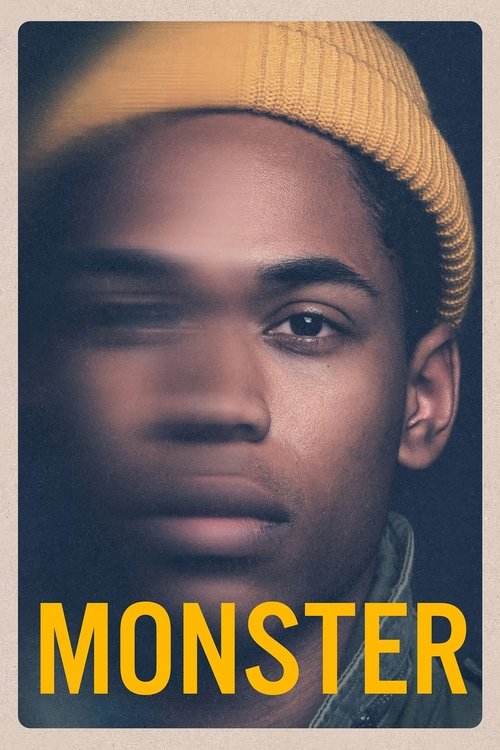
Monster
2021The story of Steve Harmon, a 17-year-old honor student whose world comes crashing down around him when he is charged with felony murder.
In this early career pivot, Washington utilizes his natural gravity to portray a complex figure trapped within the rigid confines of the legal system. His performance offers a nuanced look at the burden of systemic perception, delivered with a hauntingly internal focus.

Amsterdam
2022In the 1930s, three friends—a doctor, a nurse, and an attorney—witness a murder, become suspects themselves and uncover one of the most outrageous plots in American history.
Even within a crowded ensemble of eccentrics, Washington stands out by providing a grounded, soulful stability to the film’s manic energy. He plays the straight man with a quiet dignity, proving he can hold the screen alongside seasoned veterans without ever being overshadowed.
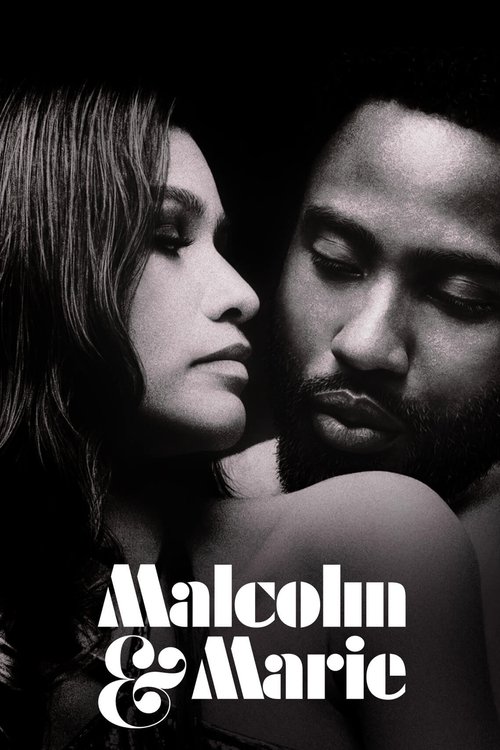
Confined to a single location, Washington leans into a theatrical, maximalist style that highlights his verbal dexterity and explosive emotional range. It is a polarizing exercise in stamina where he fearlessly teeters between charismatic brilliance and suffocating insecurity.
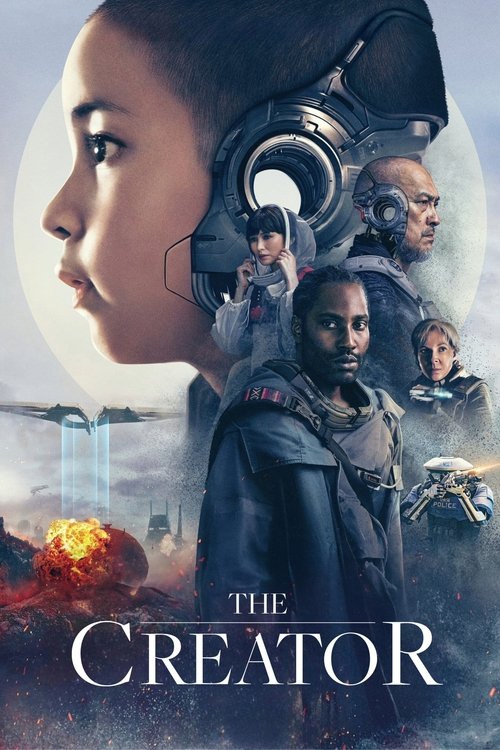
The Creator
2023Amid a future war between the human race and the forces of artificial intelligence, a hardened ex-special forces agent grieving the disappearance of his wife, is recruited to hunt down and kill the Creator, the elusive architect of advanced AI who has developed a mysterious weapon with the power to end the war—and mankind itself.
This performance showcases a more soulful, vulnerable register as Washington grounds a sprawling sci-fi spectacle in genuine fatherly pathos. He effectively bridges the gap between hardened soldier and grieving widower, providing the human pulse necessary to make the film's visual effects feel meaningful.
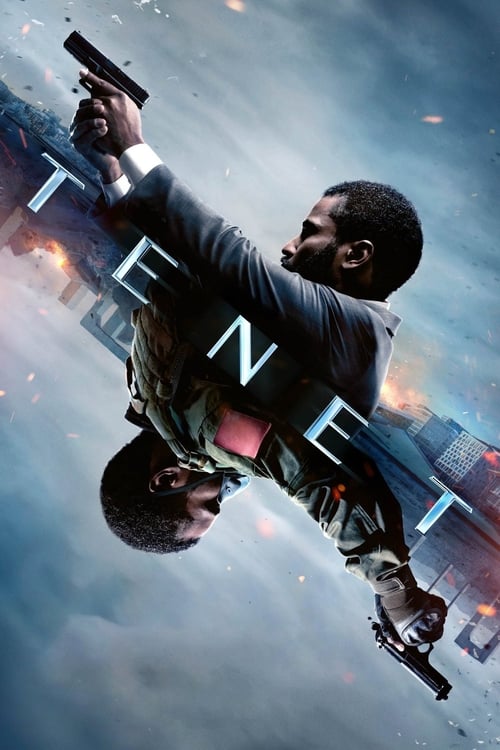
Tenet
2020Armed with only one word - Tenet - and fighting for the survival of the entire world, the Protagonist journeys through a twilight world of international espionage on a mission that will unfold in something beyond real time.
Operating as a purely physical protagonist, Washington navigates Christopher Nolan’s temporal labyrinth with a stoic intensity that proves he can carry a massive blockbuster through sheer presence. He transforms a cipher-like role into a compelling vessel for the audience via grit and refined athleticism.
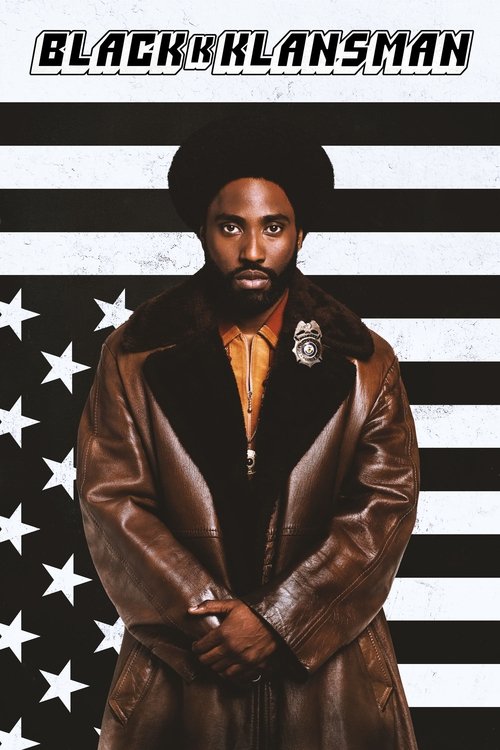
BlacKkKlansman
2018Colorado Springs, late 1970s. Ron Stallworth, an African American police officer, and Flip Zimmerman, his Jewish colleague, run an undercover operation to infiltrate the Ku Klux Klan.
Washington announces his arrival as a heavyweight lead by masterfully balancing high-stakes undercover tension with a satirical edge. It is a star-making turn that relies on his impeccable comedic timing and ability to anchor a politically charged narrative without losing his cool.
Frequently Asked Questions
Everything you need to know about this list and SnakeDrafts
- 'BlacKkKlansman' is ranked number one due to John David Washington's breakthrough performance in this critically acclaimed film directed by Spike Lee. His portrayal of Ron Stallworth received widespread praise for its depth and nuance, establishing him as a powerful leading actor in Hollywood.
- In 'Tenet,' John David Washington takes on a complex, action-heavy role directed by Christopher Nolan that blends thriller and science fiction elements. The film highlights his athleticism and ability to navigate intricate plotlines, enhancing his reputation for tackling challenging, high-concept performances.
- 'The Creator' is notable for expanding John David Washington's presence in the science fiction and action genres. Directed by Gareth Edwards, the movie showcases his talents in a futuristic narrative, marking his continued evolution into complex and physically demanding roles.
- 'Malcolm & Marie' features John David Washington in an intimate, character-driven drama directed by Sam Levinson, highlighting his ability to deliver powerful performances in dialogue-rich, emotionally intense settings. This film demonstrates his versatility beyond action and crime genres.
- Yes, 'Amsterdam' (2022) directed by David O. Russell is a mystery-comedy-drama that features John David Washington as part of a star-studded ensemble. His role in such a diverse cast illustrates his adaptability and collaborative skills in multi-faceted narratives.
- Many top-ranked films like 'BlacKkKlansman,' 'Tenet,' and 'Monster' explore themes of identity, morality, and social justice. John David Washington's filmography often features protagonists navigating intense physical and psychological challenges, reflecting his own disciplined and athletic background.
- 'The Piano Lesson,' directed by Malcolm Washington, represents a new chapter in John David Washington's career, focusing on drama and music rather than action or crime. This film highlights his expanding artistic range and willingness to explore more nuanced, dramatic storytelling.