Best Catherine Deneuve Movies Ranked
The Elegant Legacy of a French Cinema Icon
Explore the definitive filmography of Catherine Deneuve, featuring her award-winning roles in masterpieces by Buñuel, Demy, and Polanski.
About Catherine Deneuve
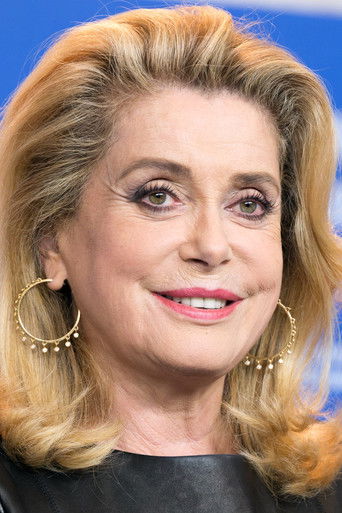
To discuss Catherine Deneuve is to discuss the very architecture of French cinema. For over six decades, she has occupied a space that few performers ever reach, transitioning from the wide-eyed ingenue of the sixties to a formidable matriarch of the global screen. She possesses a specific, icy composure that directors have spent entire careers trying to dismantle. It is a face that launched a thousand metaphors, yet her true power lies in the subtle tremors beneath that porcelain exterior. Audiences connect with her because she represents the tension between public perfection and private turmoil. She is never just a victim or a hero; she is a woman carefully navigating the terms of her own mystery.
Her ascent began with a burst of candy-colored melancholy in The Umbrellas of Cherbourg. In that sung-through vibrance, she became the avatar of young heartbreak, a role she followed with the more playful, breezy energy of The Young Girls of Rochefort. These Jacques Demy collaborations established her as a celestial beauty, but Deneuve was never content to simply be a muse. She possessed an instinctive understanding of the macabre and the transgressive. In Roman Polanski's Repulsion, she turned that same angelic face into a mask of disintegrating sanity, proving she could handle psychological horror with unsettling stillness.
Luis Bunuel perhaps understood her better than anyone, weaponizing her elegance in Belle de Jour. As a bored housewife exploring her submissive fantasies, she pushed against the era's bourgeois constraints, turning her aloofness into a form of rebellion. This streak of defiance continued through Tristana and the noirish heat of Mississippi Mermaid, where she played opposite Jean-Paul Belmondo. By the time the eighties arrived, she was experimenting with genre in the stylish vampire cult classic The Hunger, proving that her appeal could transcend the traditional boundaries of the French New Wave.
While many of her contemporaries faded from view, she entered a rich middle act defined by authority and grace. She commanded the screen in The Last Metro, anchoring a story of wartime theater, and later gripped international audiences in Indochine, a role that brought her an Academy Award nomination. Even as the industry shifted, she remained nimble. She was willing to endure the punishing emotional landscape of Lars von Trier's Dancer in the Dark and leaned into the campy, comedic brilliance of the musical whodunit 8 Women.
In recent years, she has embraced the wrinkles of time with a wry, cigarette-in-hand nonchalance. Whether playing a weary judge in Standing Tall, a prickly grandmother in A Christmas Tale, or finding humor in the everyday mischief of Bad Seeds, she remains the ultimate professional. She even revisited her fairytale roots with the whimsical Donkey Skin, reminding us that she has always been comfortable in the realm of the surreal. Deneuve is more than an actress; she is a cultural constant. She remains the ice queen who never actually froze over, staying perpetually engaged with the messy, evolving craft of modern storytelling.
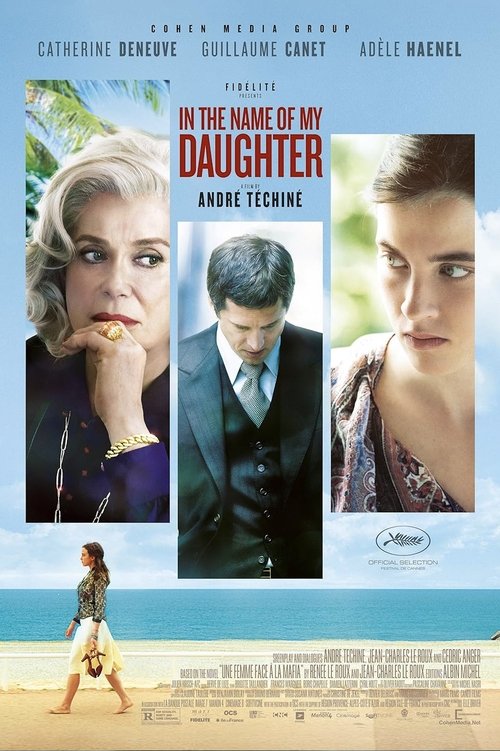
In the Name of My Daughter
2014In 1976 in Nice, Agnes, the daughter of the owner of the Palais de la Méditerranée, falls in love with an older lawyer.
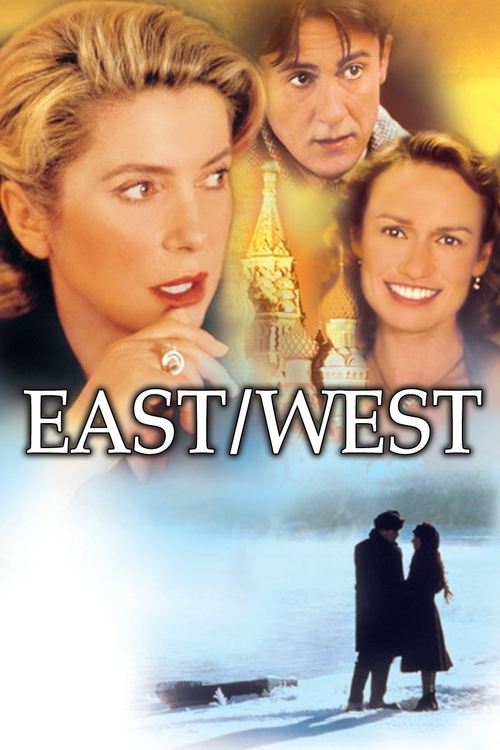
East/West
1999June 1946: Stalin invites Russian emigres to return to the motherland. It's a trap: when a ship-load from France arrives in Odessa, only a physician and his family are spared execution or prison. He and his French wife (her passport ripped up) are sent to Kiev. She wants to return to France immediately; he knows that they are captives and must watch every step.
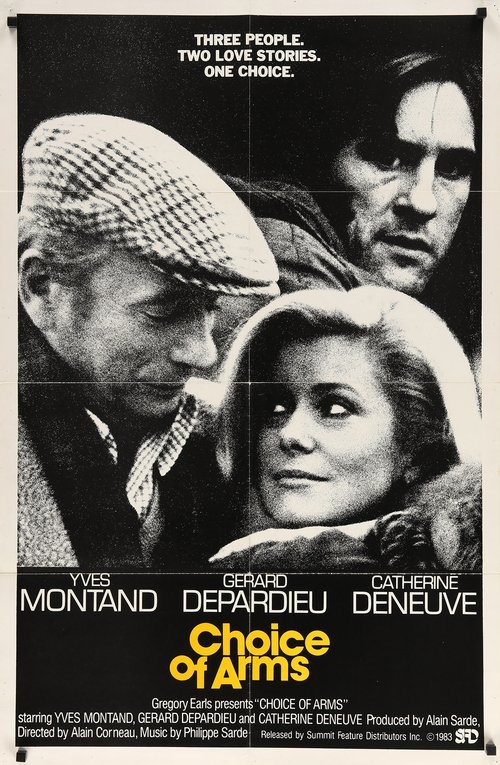
Choice of Arms
1981A former crook is pulled out of retirement when a gang on the run turn to him for shelter after a prison break.
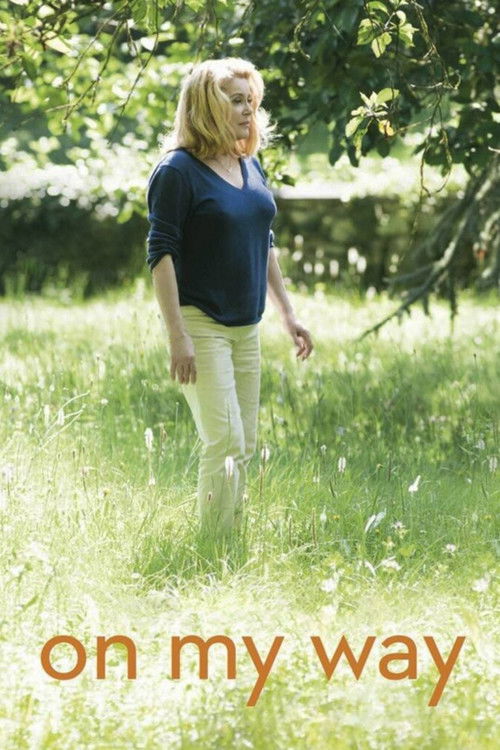
On My Way
2013Deneuve plays sassy grandmother Bettie who takes to the road after being betrayed by her lover and learning her business is on the verge of bankruptcy on the same day. During a weeklong odyssey across France, she spends time with a grandson she hardly knows and reconnects with her past as former Miss Brittany through a reunion for former beauty queens.
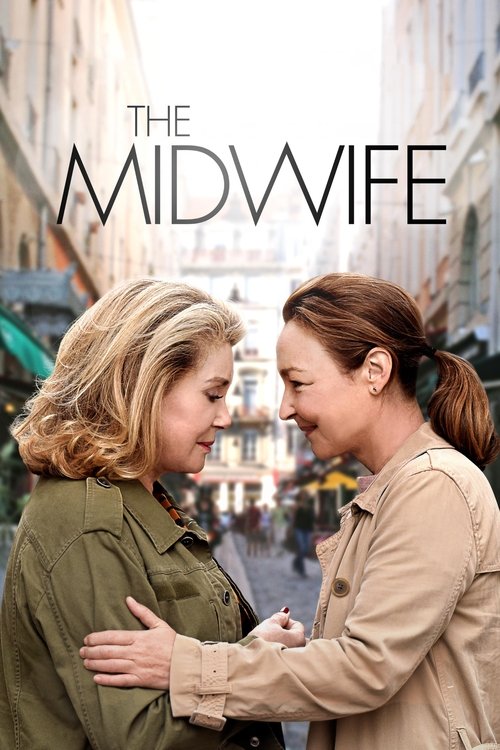
The Midwife
2017Claire is a midwife and has devoted her life to others. At a moment when she is preoccupied by the imminent closure of the maternity clinic where she works, her life is further turned upside down when Béatrice, her father's former mistress, turns up on the scene. Béatrice is a capricious and selfish woman, Claire's exact opposite.
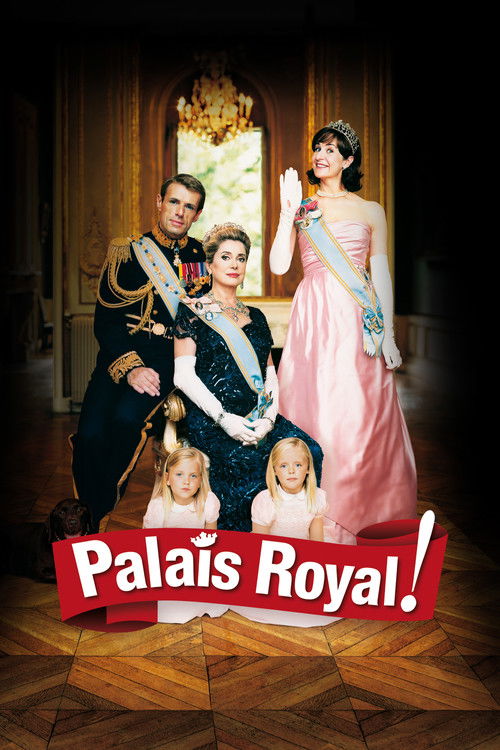
Royal Palace
2005Eugenia is the queen of an imaginary European country. When her husband dies, quite unexpectedly, the country is left without a king. According to the law, the new king needs to be married so that leaves out the eldest son. Her youngest son, Prince Arnaud is married to the lovely Armelle and they have two young children. They become the future rulers of the kingdom.
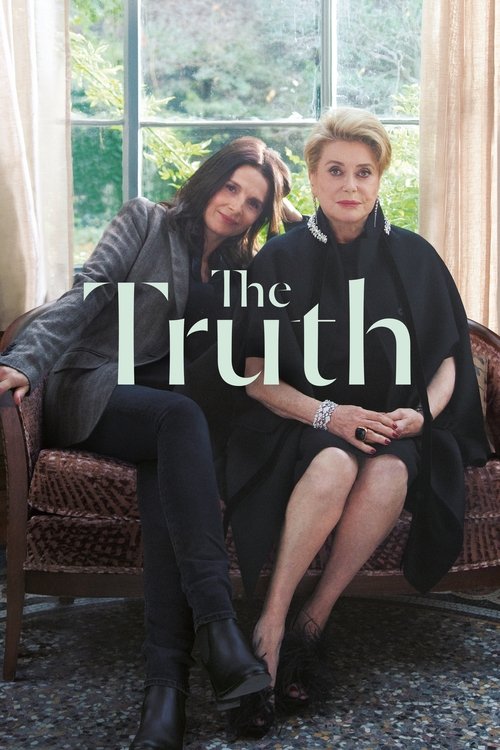
The Truth
2019Fabienne is a star; a star of French cinema. She reigns amongst men who love and admire her. When she publishes her memoirs, her daughter Lumir returns from New York to Paris with her husband and young child. The reunion between mother and daughter will quickly turn to confrontation: truths will be told, accounts settled, loves and resentments confessed.

Peaceful
2021A son in denial of a serious illness. A mother facing the unbearable. And between them a doctor fighting to do his job and bring them to acceptance. The three of them have one year and four seasons to come together and understand what it means to die while living.
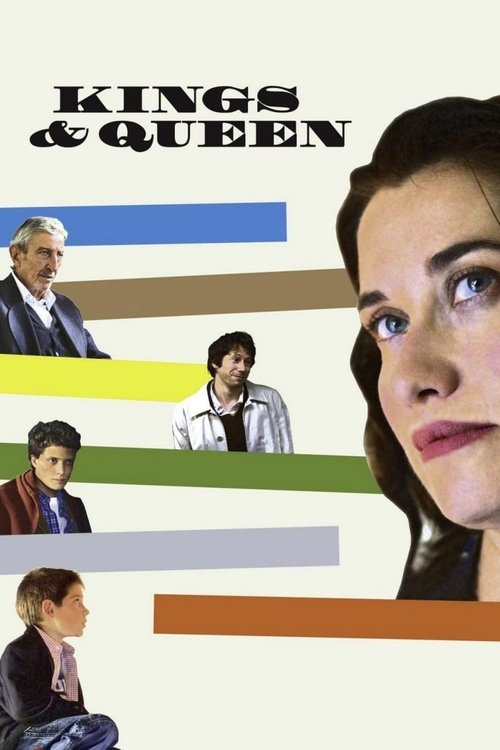
Kings & Queen
2004Shortly before her wedding, art gallery director Nora travels from Paris to Grenoble to visit her preteen son, Elias, who is spending time with her aging professor father, Louis, recently diagnosed with terminal cancer. During her stay, she reaches out to her former lover, Ismaël, a viola player and father figure to Elias who has been committed against his will to a mental hospital. Ismaël, however, has his own problems to sort out.

A Christmas Tale
2008When their regal matriarch falls ill, the troubled Vuillard family come together for a hesitant Christmastime reunion. Among them is rebellious ne'er-do-well Henri and the uptight Elizabeth. Together under the same roof for the first time in many years, their intricate, long denied resentments and yearnings emerge again.
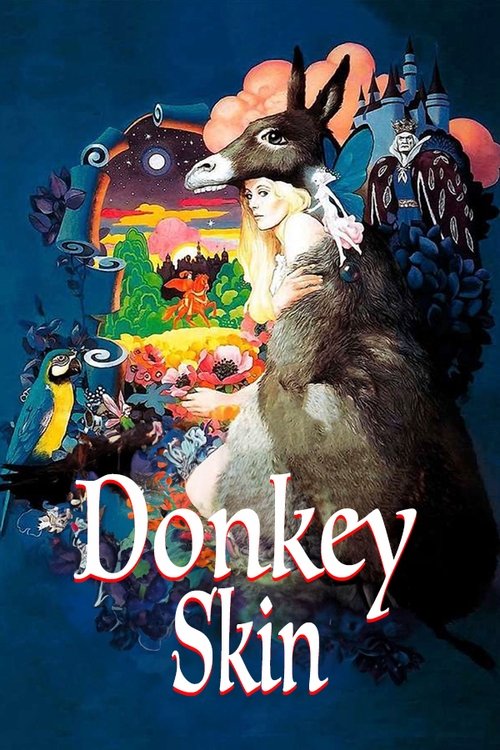
Donkey Skin
1970A fairy godmother helps a princess disguise herself so she won't have to marry her father.

Bad Seeds
2018Wael, a former street child, makes a living from small scams with his adoptive mother and partner-in-crime Monique. When this unconventional duo swindles the wrong guy, Victor, an old acquaintance of Monique now in charge of a support organization for troubled teens, they have no choice but to become his interim secretary and educator in order to redeem themselves.
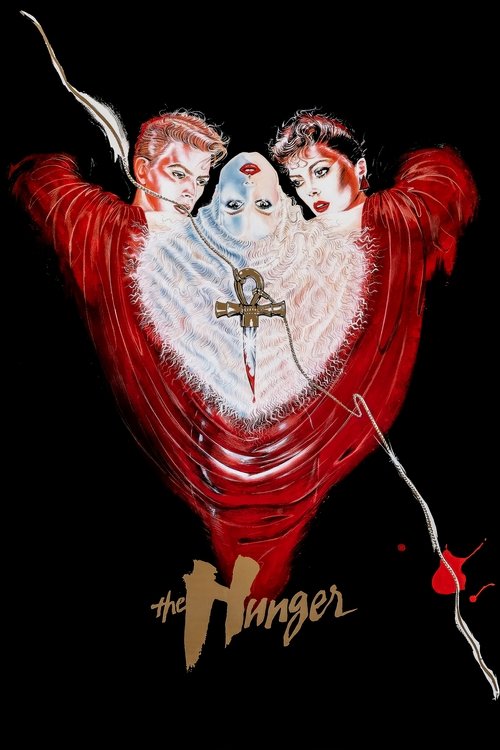
The Hunger
1983Five-thousand-year-old vampire Miriam promises her lovers the gift of eternal life. When John, her cellist companion for centuries, discovers that he has suddenly begun growing old, he attempts to seek out the help of Dr. Sarah Roberts, a researcher on the mechanisms of aging.
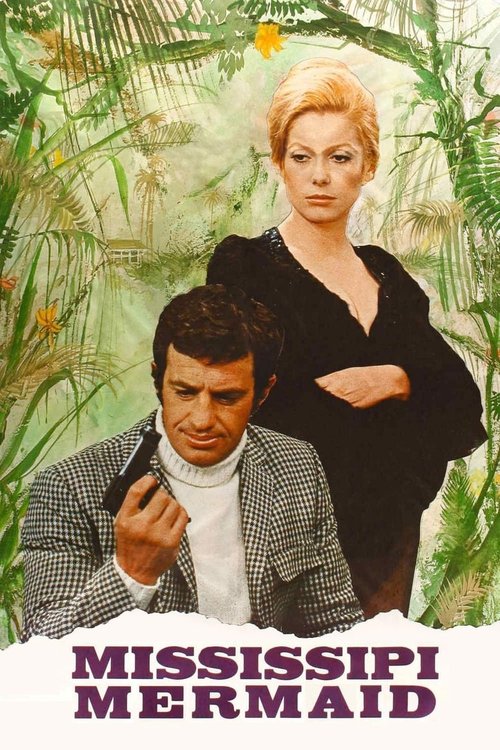
Mississippi Mermaid
1969A tobacco planter on Réunion island in the Indian Ocean becomes engaged through correspondence to a French woman he does not know. The woman that arrives does not look like the picture he received, but he marries her anyway.
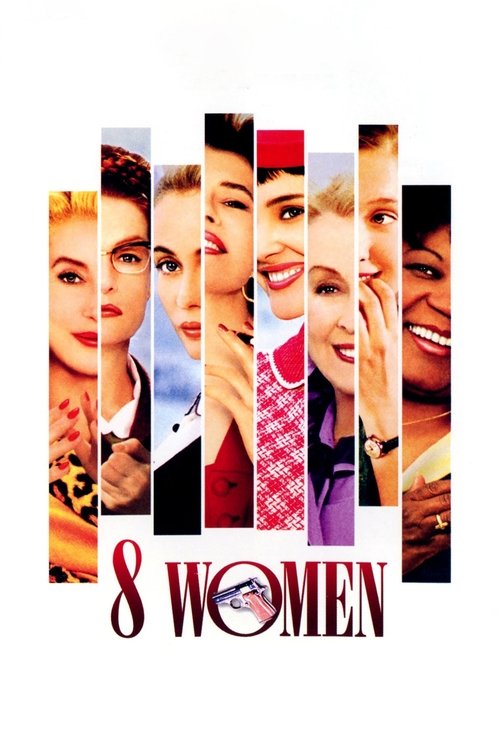
8 Women
2002Eight women gather to celebrate Christmas in a snowbound cottage, only to find the family patriarch dead with a knife in his back. Trapped in the house, every woman becomes a suspect, each having her own motive and secret.
Deneuve playfully deconstructs her own star power within this campy ensemble mystery. She leans into the friction of a competitive cast with a wink, proving that her iconic status allows for a delightful, self aware sense of parody.

Standing Tall
2015The film tells the story of Malony and his education as he grows from a six-year-old into an 18-year-old. A minors’ judge and a caseworker work tirelessly to try to save the young offender.
In this contemporary drama, Deneuve utilizes her legendary status to portray a juvenile judge with weary, salt of the earth wisdom. It is a brilliant example of her ability to age with her audience, trading high fashion for the heavy burdens of the judicial system.
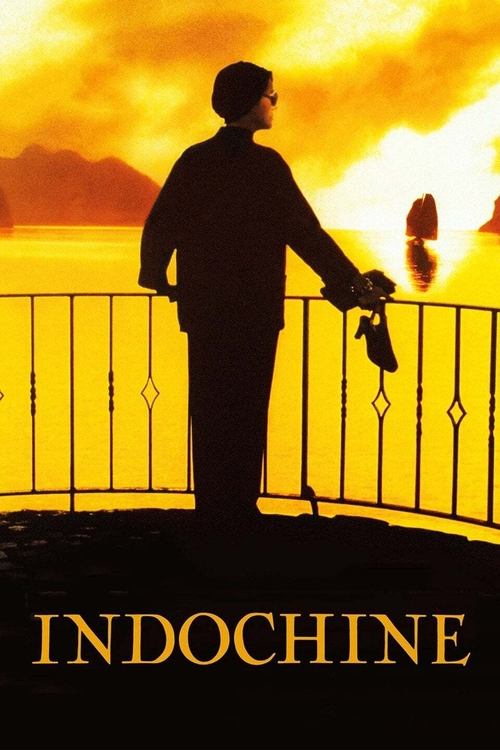
Indochine
1992In colonial Vietnam, dashing French naval captain Jean-Baptiste, wealthy plantation owner Éliane Devries, and her adopted Vietnamese daughter Camillevare the three points of a cross-cultural romantic triangle. As the struggle against European imperialism sweeps Indochina, Jean-Baptiste and Camille have to choose sides and Éliane faces the emotionally difficult challenge of raising the child of her daughter and ex-lover.
Deneuve embodies the entire colonial enterprise in this sweeping epic, manifesting both the elegance and the eventual decay of French rule. Her performance is an exercise in monumental screen presence that garnered her well deserved international acclaim.
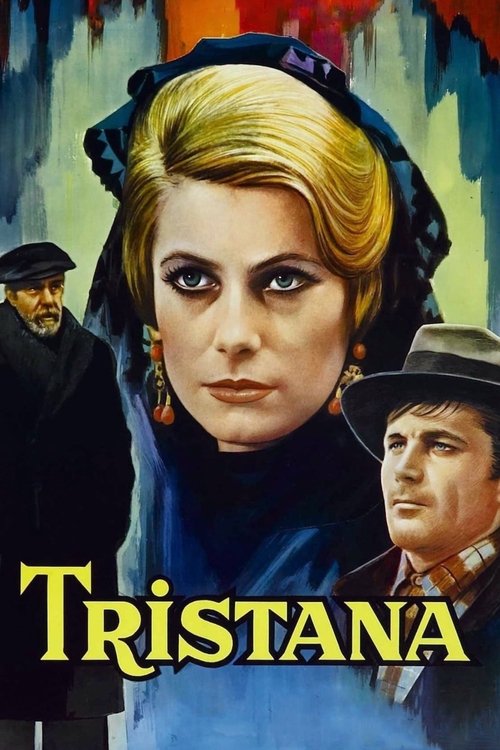
Tristana
1970As a young woman, Tristana is orphaned and taken under the guardianship of Don Lope, a respected member of the community, who takes advantage of his innocent charge. When Tristana falls in love with artist Horacio, she must learn to be more assertive in order to achieve independence from her nefarious guardian, or her blossoming relationship with Horatio is doomed.
Reaching back into the surrealist well, Deneuve portrays a descent from innocence into a sharp, amputated cynicism. She executes a difficult character arc with surgical precision, shifting from a passive ward to a formidable agent of spite.
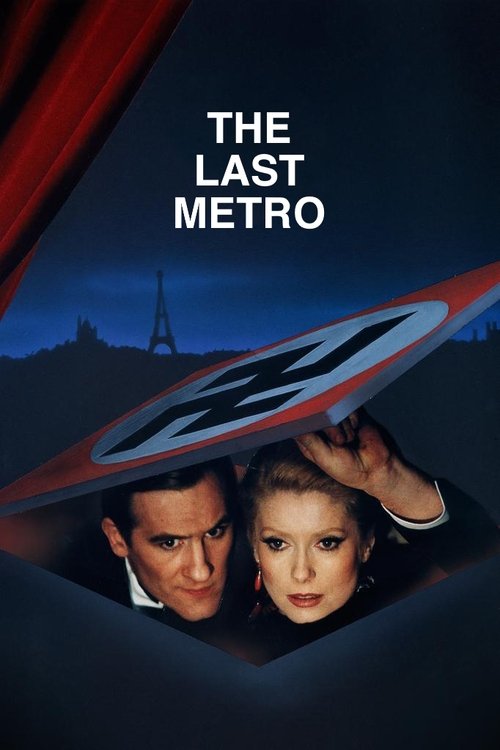
The Last Metro
1980In occupied Paris, an actress wed to a Jewish theater owner must keep him hidden from the Nazis while doing both of their jobs.
As a theater director holding her world together under Nazi occupation, Deneuve projects a weathered, noble authority. This role signaled her evolution into the grand dame of French cinema, trading youthful enigma for the gravity of a seasoned leader.
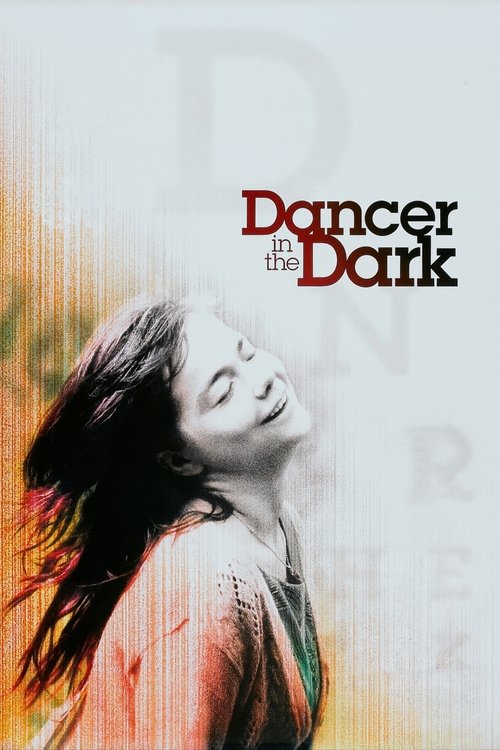
Dancer in the Dark
2000Selma, a Czech immigrant on the verge of blindness, struggles to make ends meet for herself and her son, who has inherited the same genetic disorder and will suffer the same fate without an expensive operation. When life gets too difficult, Selma learns to cope through her love of musicals, dreaming up little numbers to the rhythmic beats of her surroundings.
Playing against her customary glamour, Deneuve provides the film's grounded emotional soul as a factory worker with a heart of steel. It is a vital late career turn that stripped away her artifice to reveal a raw, maternal empathy.
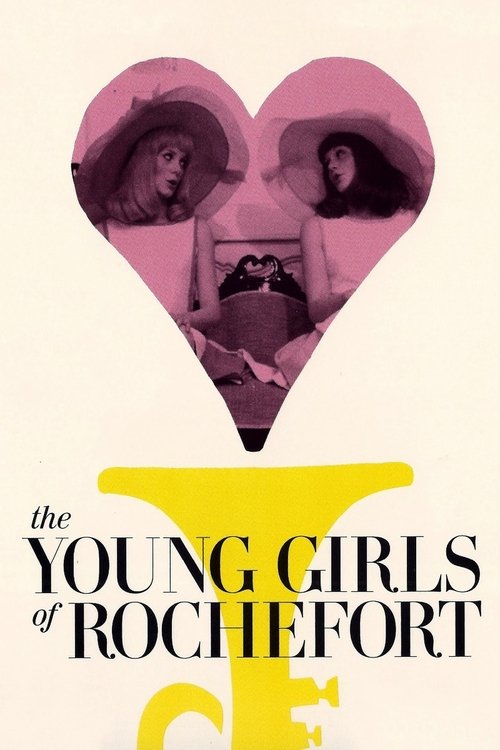
The Young Girls of Rochefort
1967In the seaside town of Rochefort, twin sisters Delphine and Solange dream of love and artistic fulfillment beyond their quiet lives. As sailors, artists, musicians, and chance visitors pass through town during a weekend fair, a web of near-misses and romantic longing brings ideal partners tantalizingly close—without their realizing it.
Radiating pure cinematic joy, Deneuve showcases a rare buoyancy while performing alongside her sister, Françoise Dorléac. It serves as a vibrant counterpoint to her darker work, proving her effortless command over the rhythmic demands of the French New Wave musical.
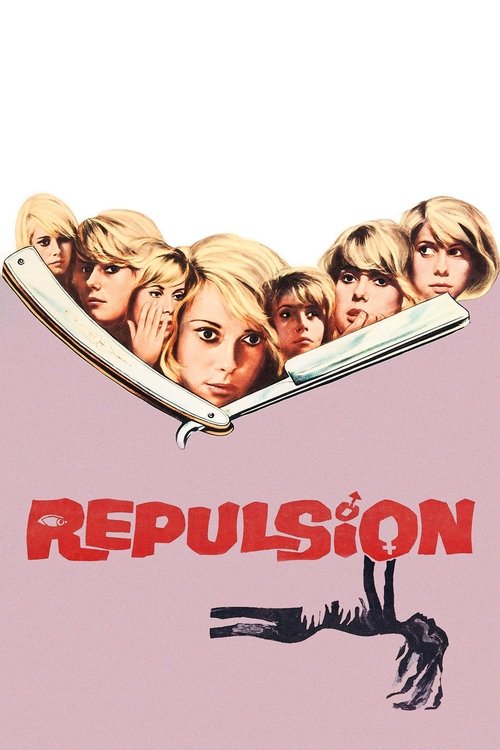
Repulsion
1965Beautiful young manicurist Carole suffers from androphobia (the pathological fear of interaction with men). When her sister and roommate, Helen, leaves their London flat to go on an Italian holiday with her married boyfriend, Carole withdraws into her apartment. She begins to experience frightful hallucinations, her fear gradually mutating into madness.
In a startling pivot from her romantic image, Deneuve captures the terrifying mechanics of a mental unraveling. Her performance relies on an eerie, frantic physical stillness that remains one of the most unsettling depictions of psychosis ever captured on celluloid.

The Umbrellas of Cherbourg
1964This simple romantic tragedy begins in 1957. Guy Foucher, a 20-year-old French auto mechanic, has fallen in love with 17-year-old Geneviève Emery, an employee in her widowed mother's chic but financially embattled umbrella shop. On the evening before Guy is to leave for a two-year tour of combat in Algeria, he and Geneviève make love. She becomes pregnant and must choose between waiting for Guy's return or accepting an offer of marriage from a wealthy diamond merchant.
Before she was the industry icon, Deneuve was the face of operatic heartbreak in this candy colored tragedy. Her luminous presence transformed a stylized musical experiment into a profound exploration of youthful longing and the crushing weight of time.
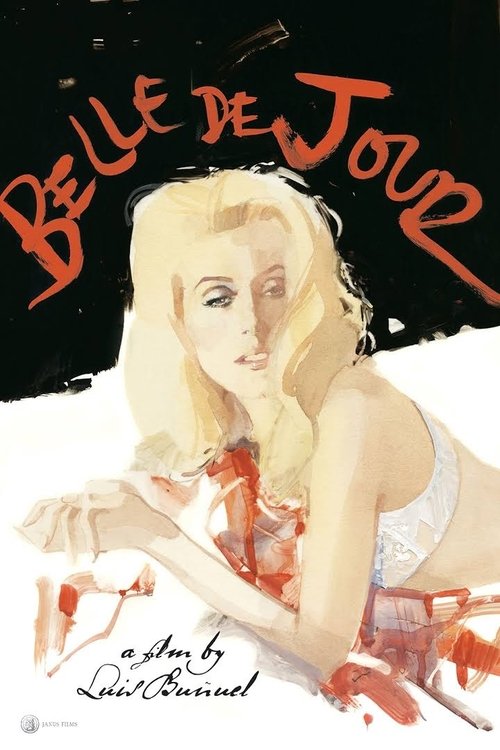
Belle de Jour
1967Beautiful young housewife Séverine Serizy cannot reconcile her masochistic fantasies with her everyday life alongside dutiful husband Pierre. When her lovestruck friend Henri mentions a secretive high-class brothel run by Madame Anais, Séverine begins to work there during the day under the name Belle de Jour. But when one of her clients grows possessive, she must try to go back to her normal life.
Deneuve reached the zenith of her cool, inscrutable persona here, weaponizing a porcelain exterior to navigate the tension between bourgeois domesticity and subterranean desire. This role defined the ice queen archetype that would haunt and distinguish her filmography for decades.
Frequently Asked Questions
Everything you need to know about this list and SnakeDrafts
- Catherine Deneuve is renowned for her portrayal of complex, often enigmatic women, combining an icy elegance with deep emotional undercurrents. This is evident in films like 'Belle de Jour' and 'Repulsion,' where her characters exhibit a blend of vulnerability and strength.
- Through a career spanning over six decades, Catherine Deneuve has become an icon of French cinema, starring in pivotal films by acclaimed directors such as Luis Buñuel and Jacques Demy. Her work helped shape the aesthetic and narrative style of French film with titles like 'The Umbrellas of Cherbourg' and 'The Last Metro.'
- Catherine Deneuve has had notable collaborations with directors like Luis Buñuel, Jacques Demy, and François Truffaut, resulting in critically acclaimed films including 'Tristana,' 'The Young Girls of Rochefort,' and 'Mississippi Mermaid.' These partnerships highlight her versatility across various genres.
- Yes, recurring themes in Deneuve's films include romance, identity, and psychological complexity. Movies like 'Belle de Jour' explore duality and repression, while 'Dancer in the Dark' delves into sacrifice and tragedy, showcasing her range in dramatic storytelling.
- Catherine Deneuve’s filmography is diverse, covering drama, romance, thriller, horror, comedy, and even fantasy. From the musical romance of 'The Umbrellas of Cherbourg' to the psychological horror of 'Repulsion,' she deftly navigates multiple genres with ease.
- Starting with youthful ingénue roles in the 1960s like 'Donkey Skin,' Deneuve’s acting matured into more authoritative and nuanced roles such as in 'Indochine' and 'Standing Tall.' Her evolution reflects a deepening emotional range and complexity matched by shifts in her chosen characters.
- ‘Belle de Jour’ is a defining film for Deneuve because it showcases her ability to embody a complex character grappling with social repression and secret desires. Directed by Luis Buñuel, it cemented her status as a bold and enigmatic leading lady in world cinema.
- 'The Umbrellas of Cherbourg' stands out as an iconic musical romance film that highlights Deneuve’s youthful charm and expressive presence, while blending a unique sung-through narrative style. Its vibrant color palette and emotional straightforwardness make it a beloved classic.