The Best Thriller Movies of 1970, Ranked
Classic Suspense and Gritty Mystery Masterpieces
Explore the best suspenseful cinema from a hallmark year. Discover essential giallo picks, spy thrillers, and intense psychological dramas.
About 1970 Thriller Movies
By the time the calendar turned to 1970, the cinematic landscape was undergoing a violent, psychedelic renovation. The old studio system was crumbling, and in its place arose a generation of filmmakers who traded the polished suspense of the Hitchcock era for something sweatier, grittier, and deeply paranoid. The thriller genre in 1970 ceased to be about gentleman thieves or clear-cut spies. Instead, it became a mirror reflecting a world exhausted by the sixties and terrified of what came next.
The most defining characteristic of the year was the rise of the political thriller as a tool for systemic critique. Leading the charge from across the Atlantic was Elio Petri with Investigation of a Citizen Above Suspicion. This Italian masterpiece took the procedural and turned it into a Kafkaesque nightmare. By following a high-ranking police official who murders his mistress and then plants evidence to see if his colleagues dare to arrest him, Petri skewered the corruption of authority. It was a thriller that functioned as a scream against the state, proving that the greatest danger was no longer a monster in the shadows but the man behind the badge.
Stateside, the tension was more intimate but no less cynical. John Cassavetes released Husbands that year, which, while often classified as a drama, functions with the raw, ticking-clock anxiety of a psychological thriller. It captured a specific brand of American existential dread. Meanwhile, the action thriller began to find its modern footing. We saw the beginning of the end for the traditional hero. In movies like The Liberation of L.B. Jones, the thrills were derived from the harsh realities of racial injustice, stripping away the escapist veneer that had defined the previous decade.
However, if you wanted pure, unadulterated popcorn tension, 1970 also delivered the high-altitude anxiety of Airport. While it birthed the disaster movie craze of the decade, its DNA was pure thriller. It relied on a multi-narrative structure that kept the audience in a state of perpetual hyperventilation. It was proof that even as the genre was getting more intellectual and political, it could still play the hits and pack a theater.
We also cannot overlook the creeping influence of the giallo from Italy, which was beginning to refine its aesthetics. Dario Argento made his directorial debut in 1970 with The Bird with the Crystal Plumage. This film fundamentally shifted the thriller landscape by introducing a heavy dose of voyeurism and stylistic flair. It took the whodunit and drenched it in primary colors and sonic experimentation. It reminded audiences that a thriller should be a sensory experience, not just a mental puzzle.
Looking back at 1970, the genre felt like it was standing on a precipice. The innocence of the mid-century was gone, replaced by a nihilistic curiosity. The films that stood out were the ones that refused to offer easy resolutions. They were movies where the protagonist might not win, the government might be the villain, and the killer might be anyone at all. It was the year that the thriller grew up, got a little bit meaner, and started telling the truth about the world outside the theater doors. This transition set the stage for the legendary decade of filmmaking that followed, carving out a space where tension and social commentary were forever linked.
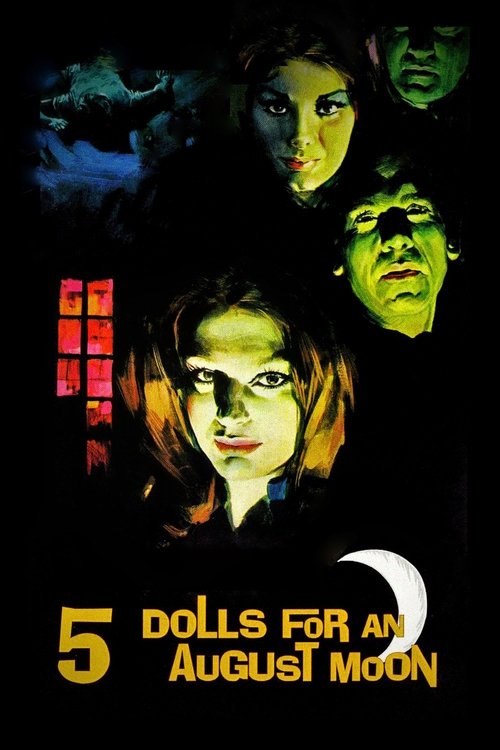
Five Dolls for an August Moon
1970A wealthy playboy gathers a group of bourgeois friends at his isolated beach house for a weekend of relaxation. When bodies start pilling up, they realize they’re trapped with a killer in their midst, sending them in a frenzy to figure out who amongst them is killing the others before they are killed next.
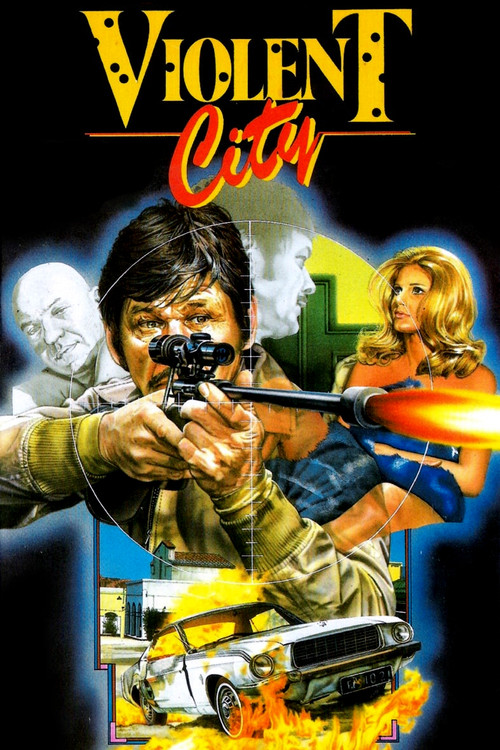
Violent City
1970A hitman is double-crossed by his girlfriend and barely escapes a murder attempt. He then sets out to take his revenge on the woman and the gang boss who put her up to it.
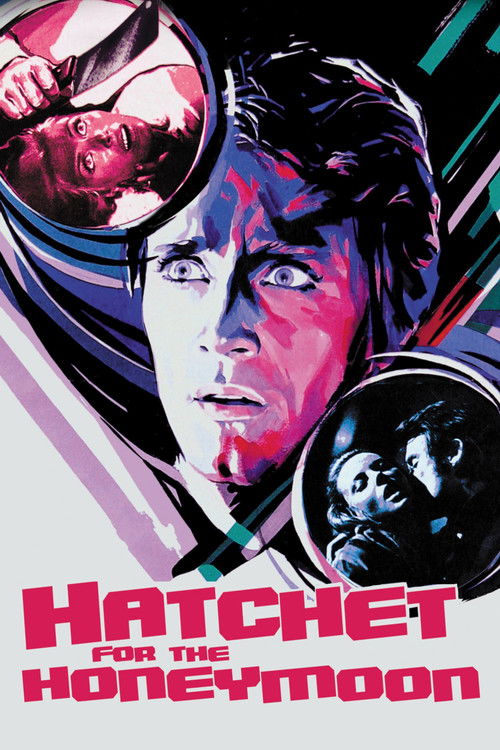
Hatchet for the Honeymoon
1970A madman haunted by the ghost of his ex-wife carves a corpse-laden trail.
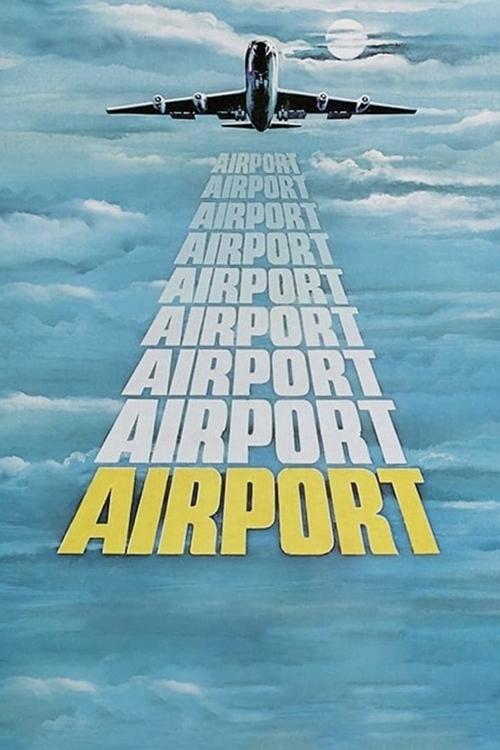
Airport
1970An airport manager tries to keep his terminals open during a snowstorm, while a suicide bomber plots to blow up a Boeing 707 airliner in flight.
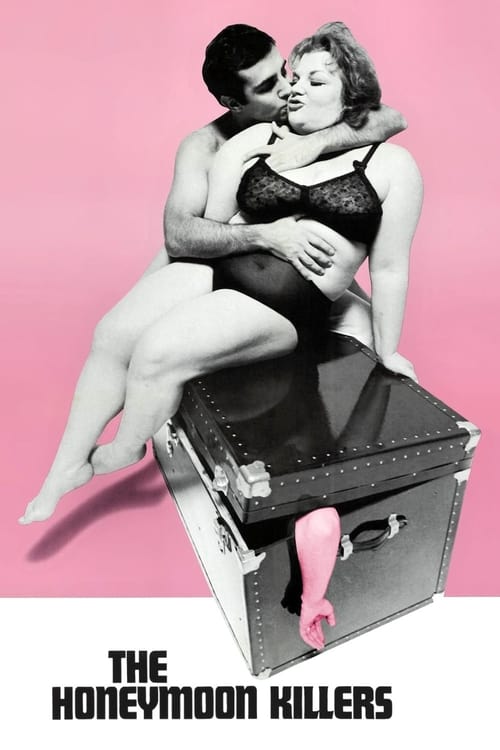
The Honeymoon Killers
1970Martha Beck, an obese nurse who is desperately lonely, joins a "correspondence club" and finds a romantic pen pal in Ray Fernandez. Martha falls hard for Ray, and is intent on sticking with him even when she discovers he's a con man who seduces lonely single women, kills them and then takes their money. She poses as Ray's sister and joins Ray on a wild killing spree, fueled by her lingering concern that Ray will leave her for one of his marks.
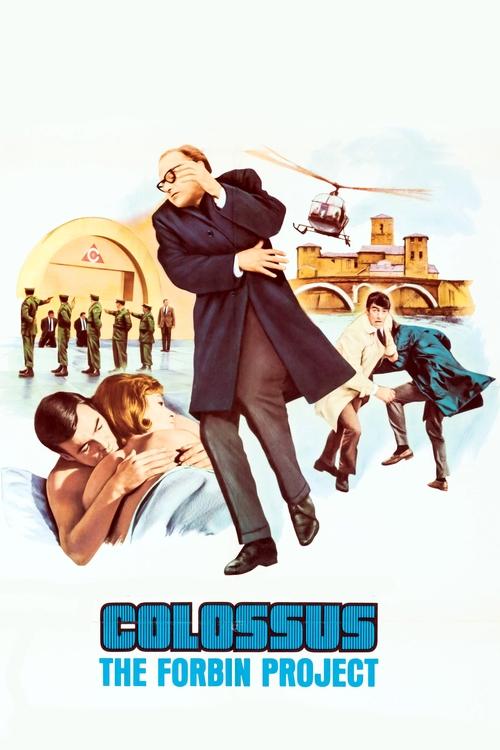
Colossus: The Forbin Project
1970The U.S. has handed over control of its nuclear defense system to the Colossus supercomputer designed by scientist Dr. Charles Forbin. It soon becomes clear, that the now-sentient Colossus is far more intelligent than its creator realized—with the fate of the world hanging in the balance.
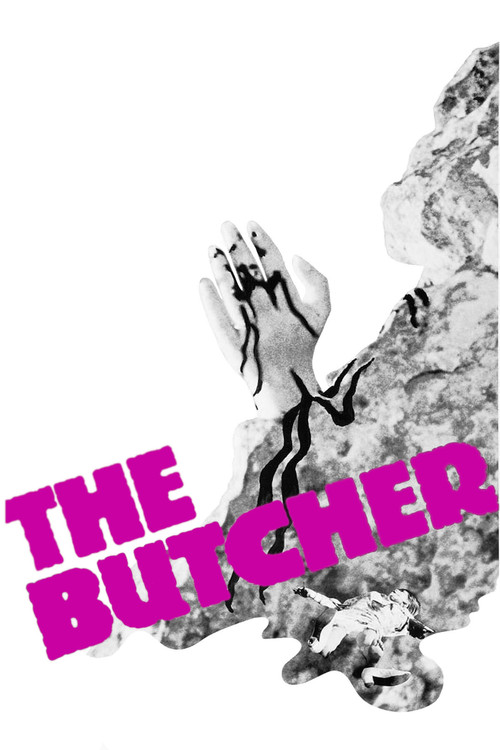
The Butcher
1970An unlikely friendship between a dour, working class butcher and a repressed schoolteacher coincides with a grisly series of Ripper-type murders in a provincial French town.
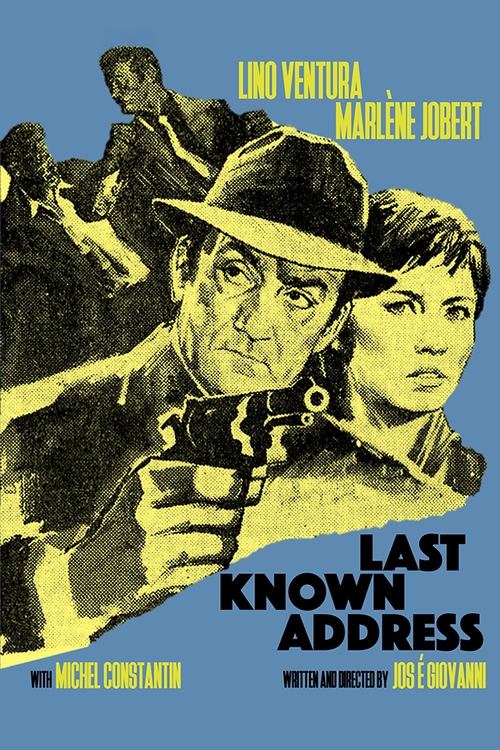
Last Known Address
1970Marceau Léonetti, a competent and energetic officer stops by chance the son of an influential lawyer driving under the influence of alcohol. A few months later, the lawyer falsely accuses Léonetti as being violent and incompetent. As a result Marceau is transferred to a small police station, where he meets young and beautiful Jeanne. Soon they are faced with a tough investigation.
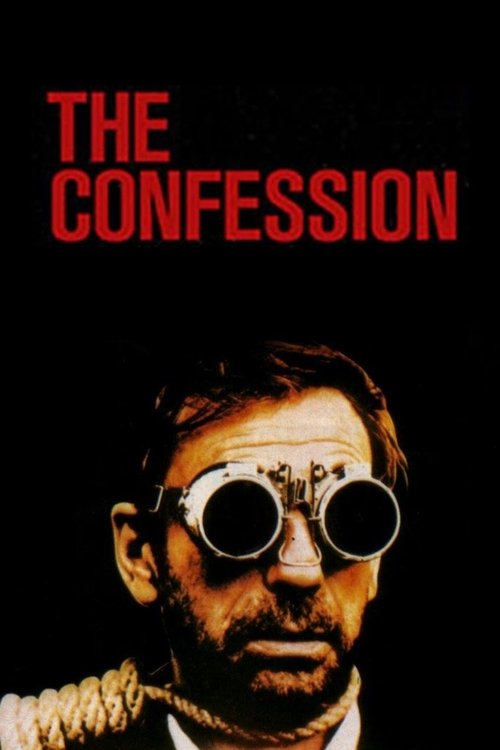
The Confession
1970In 1950s communist Czechoslovakia, a government minister, a war veteran long a loyal party man, leads a relatively comfortable life with his wife. However, he soon finds himself under surveillance, then under arrest. Unclear what his offense is, agents for the totalitarian regime interrogate and torture him, aiming to use their unending power to gain a false confession for these supposed crimes against the state.
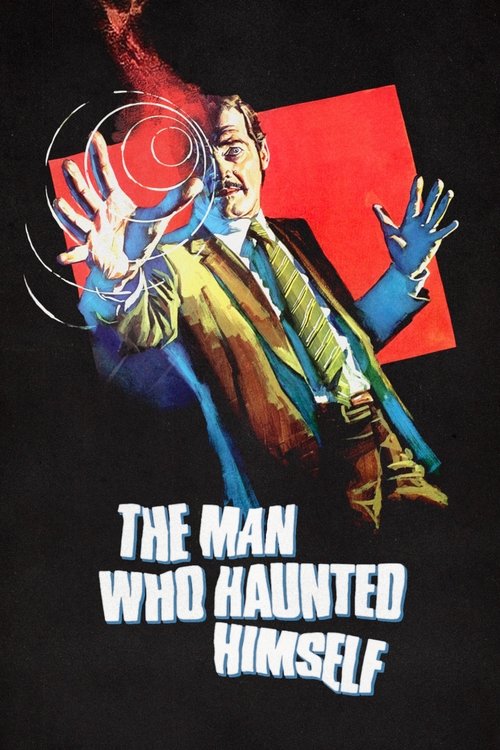
The Man Who Haunted Himself
1970Executive Harold Pelham suffers a serious accident after which he faces the shadow of death. When, against all odds, he miraculously recovers, he discovers that his life does not belong to him anymore.
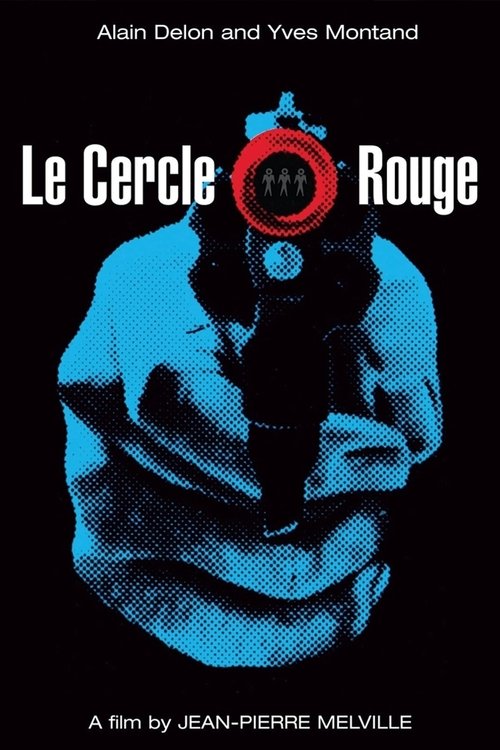
Le Cercle Rouge
1970When French criminal Corey gets released from prison, he resolves to never return. He is quickly pulled back into the underworld, however, after a chance encounter with escaped murderer Vogel. Along with former policeman and current alcoholic Jansen, they plot an intricate jewel heist. All the while, quirky Police Commissioner Mattei, who was the one to lose custody of Vogel, is determined to find him.
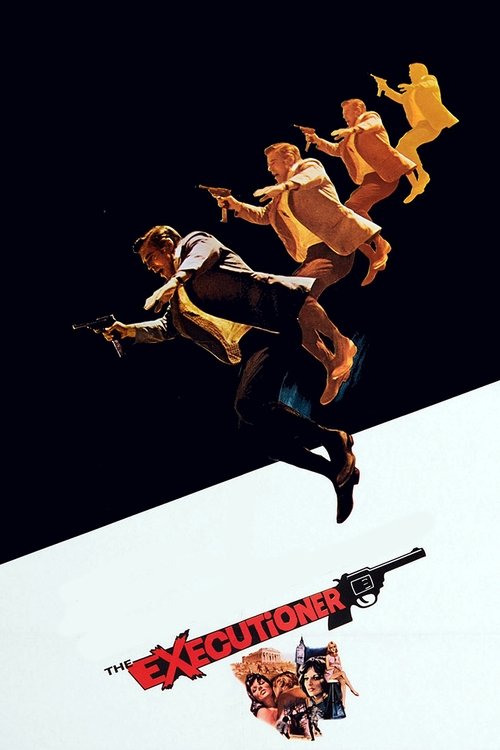
The Executioner
1970A British intelligence agent must track down a fellow spy suspected of being a double agent.
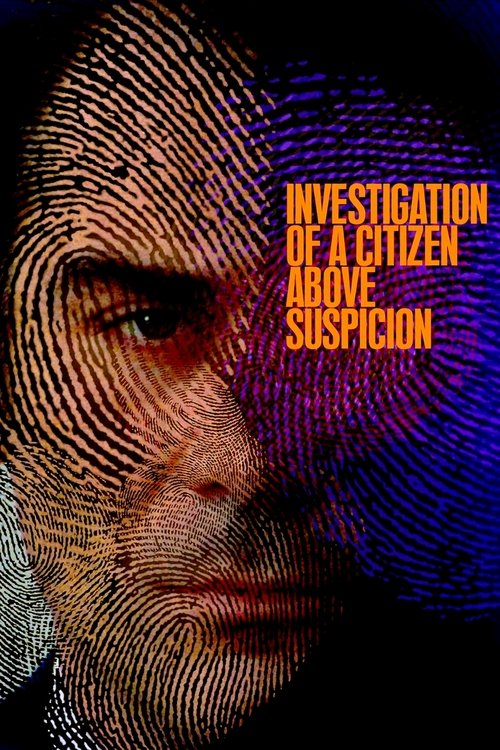
Investigation of a Citizen Above Suspicion
1970Rome, Italy. After committing a heinous crime, a senior police officer exposes evidence incriminating him because his moral commitment prevents him from circumventing the law and the social order it protects.
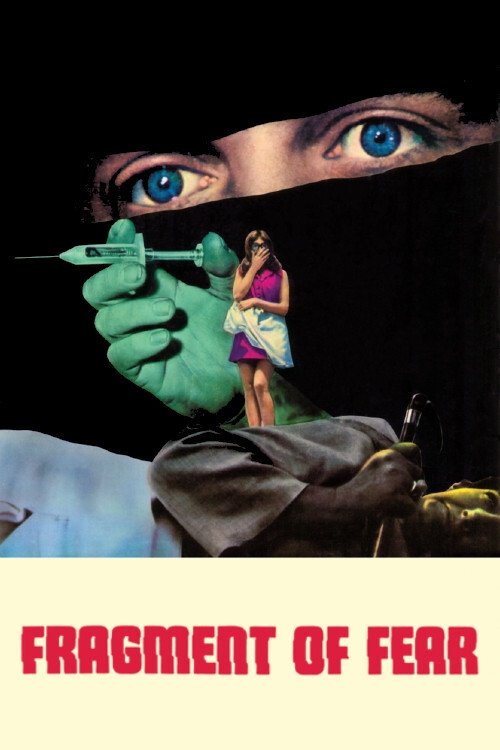
Fragment of Fear
1970Reformed drug addict Tim Brett (David Hemmings) is vacationing in Italy with his aunt. When she is murdered, he tries to investigate. Soon his whole life spins out of control.
David Hemmings portrays a man unraveling in this quintessentially British exercise in psychological instability and modish paranoia. It is a sharp, cerebral descent into a labyrinth of gaslighting where the protagonist's own perception becomes his most dangerous enemy.
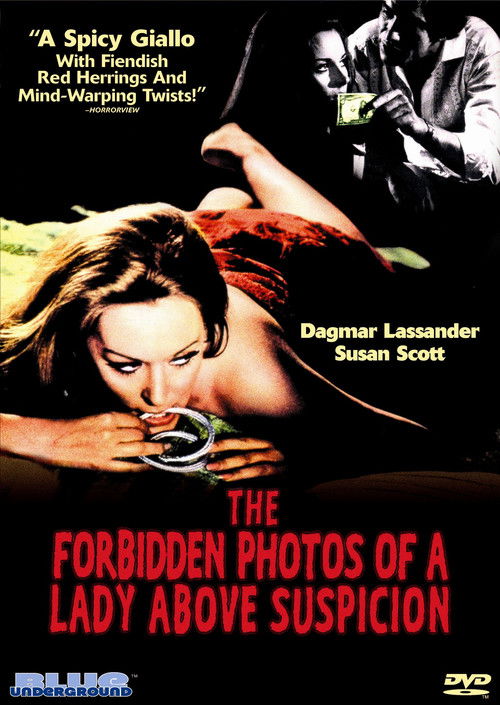
The Forbidden Photos of a Lady Above Suspicion
1970The wife of a financially struggling businessman is blackmailed by a mysterious man into having a sadistic relationship with him, or he will release damning evidence that suggests that her husband is a murderer.
Luciano Ercoli crafts a dizzying intersection of eroticism and high-fashion anxiety, where the camera itself feels like an accomplice to the unfolding conspiracy. The film stands out for its opulent production design and a jagged, unsettling narrative rhythm that keeps the audience perpetually off-balance.
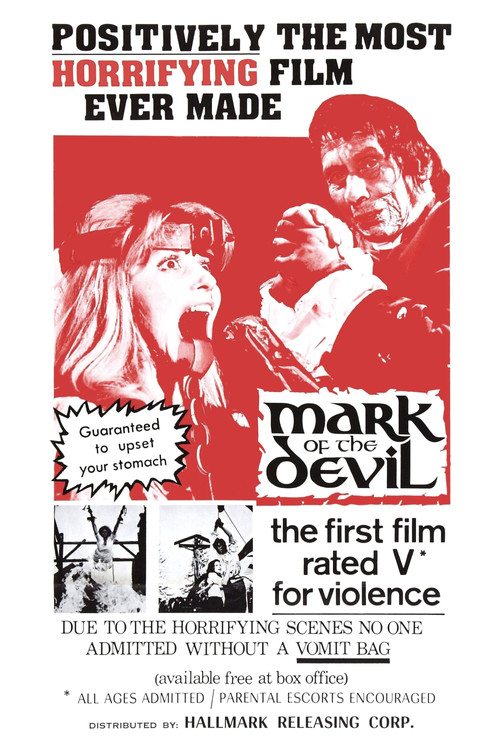
Mark of the Devil
1970In 1700s Austria, a witch-hunter's apprentice has doubts about the righteousness of witch-hunting when he witnesses the brutality, the injustice, the falsehood, the torture and the arbitrary killing that go with the job.
Infamous for its visceral intensity, this film pushes the historical thriller into the realm of the grotesque to confront the absolute corruption of institutional power. It is a punishing, beautifully shot provocation that haunts the viewer through its unflinching depiction of ideological madness.
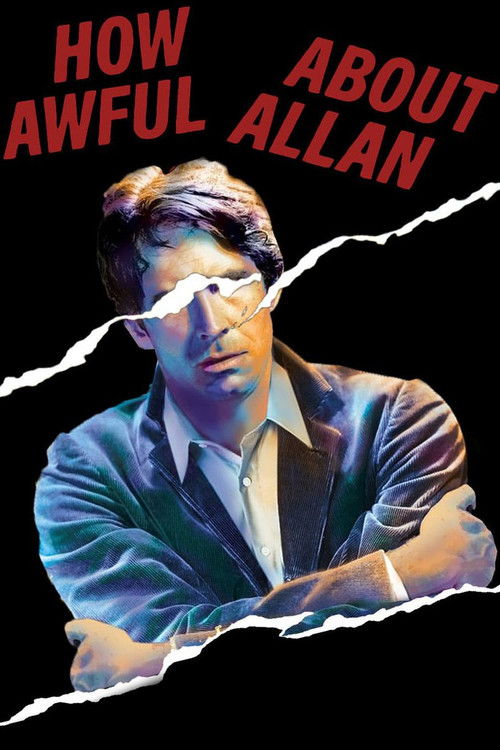
How Awful About Allan
1970After an eight-month stay in a mental hospital, a tormented man comes home to live with his sister; but a mysterious boarder may be trying to kill him.
This claustrophobic made-for-TV gem weaponizes psychological fragility and domestic shadows to create a lingering sense of gaslit dread. Anthony Perkins meticulously channels his signature nervous energy into a story where the architecture of the mind is as fractured as the hallway acoustics.
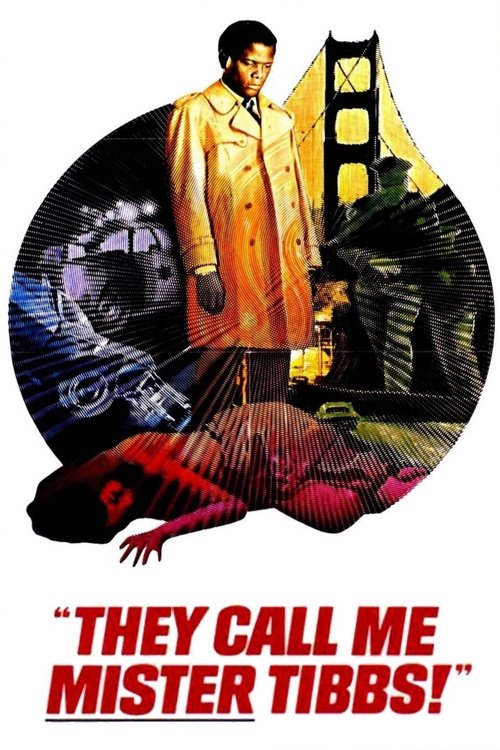
They Call Me Mister Tibbs!
1970A police detective's investigation of a prostitute's murder points to his best friend.
Sidney Poitier brings a steely, simmering dignity back to his iconic role, grounding this urban police thriller in a palpable sense of 1970s grit. The film succeeds by pivoting from the prestige of its predecessor toward a harder, more cynical procedural edge.
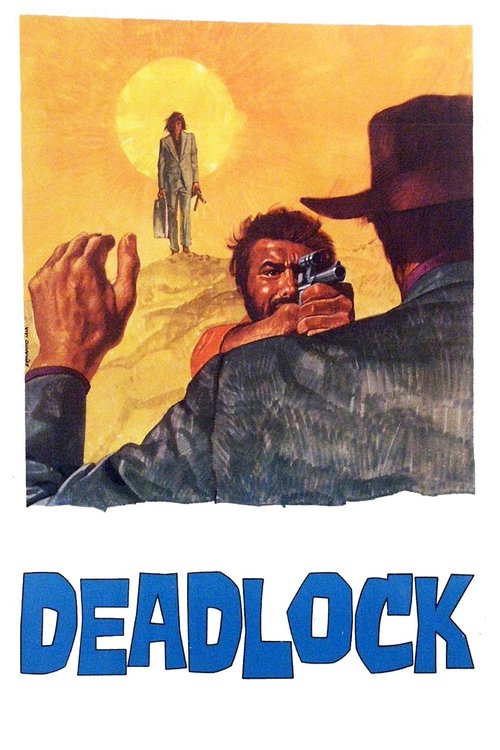
Deadlock
1970After pulling off a bank robbery two bandits meet in a deserted mining town to divide their loot but an old miner tries to steal it from them.
A gritty, sun-baked piece of German krautrock cinema that blends the spaghetti western’s visual language with a nihilistic noir sensibility. The film’s raw, abrasive energy and minimalist dialogue create a unique atmosphere of psychedelic desolation.
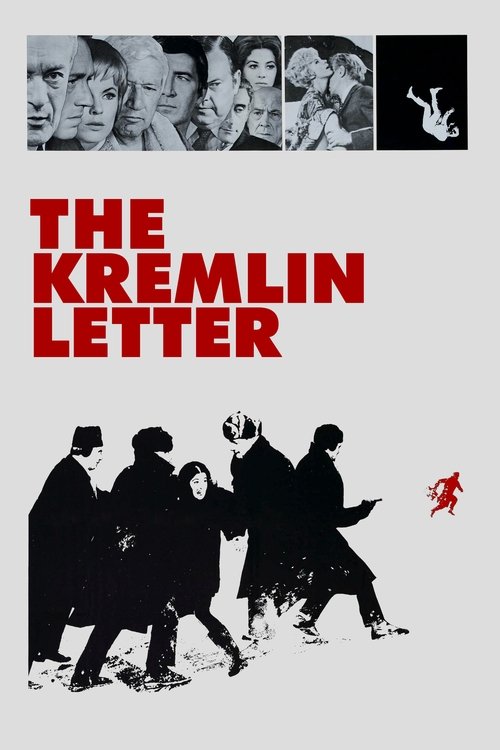
The Kremlin Letter
1970After an unauthorized letter suggesting U.S. support for a Russian attack on China is sent to Moscow, a former naval officer and his team go undercover to retrieve it. Their plans are disrupted when a cunning politician raids their hideout.
John Huston delivers an icy, cynical subversion of the spy genre that swaps gadgetry for a labyrinthine web of moral rot and bureaucratic cruelty. Its dense, uncompromising intellect demands total immersion in a world where every alliance is a death trap.
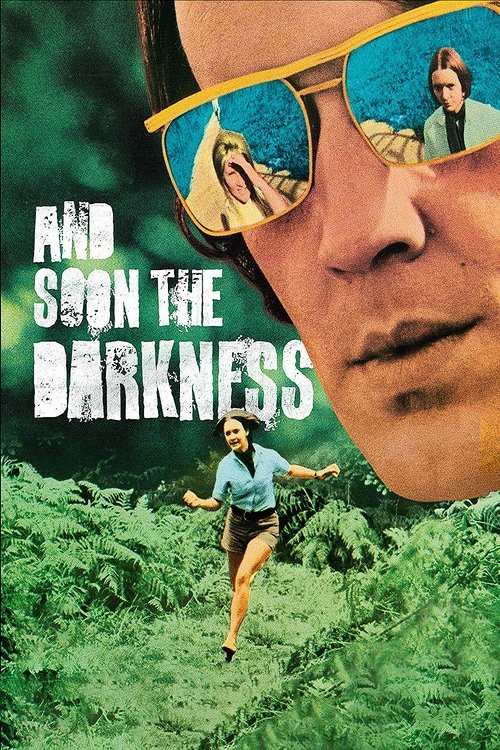
And Soon the Darkness
1970Two young English women go on a cycling tour of the French countryside. When one of them goes missing, the other begins to search for her. But who can she trust?
Utilizing the vast, open plains of rural France to foster a suffocating sense of isolation, this masterpiece of sustained tension proves that daylight can be more terrifying than the dark. It is a masterstroke of pacing that exploits the vulnerability of the traveler through a claustrophobic, wide-angle lens.
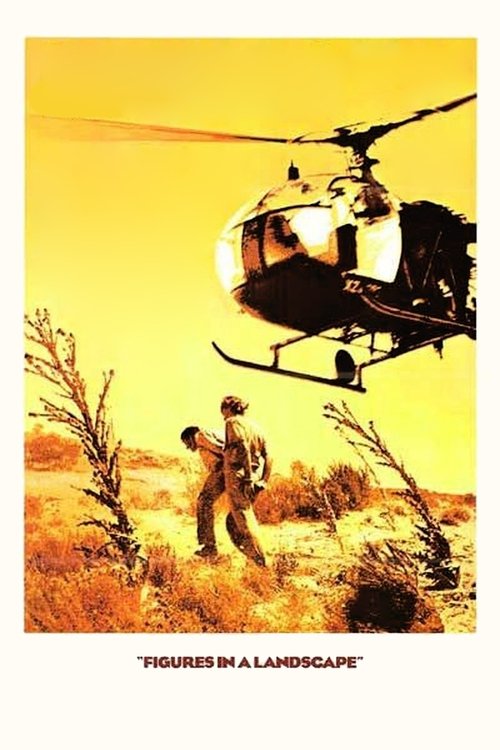
Figures in a Landscape
1970Two escaped convicts are on the run in an unnamed Latin American country. But everywhere they go, they are followed and hounded by a menacing black helicopter.
This existential chase film strips the thriller to its barest bones, pitting two fugitives against a relentless, omnipresent helicopter in a brutal sun-drenched purgatory. Joseph Losey eschews traditional narrative beats for a punishing, metaphorical exploration of survival and masculine friction.
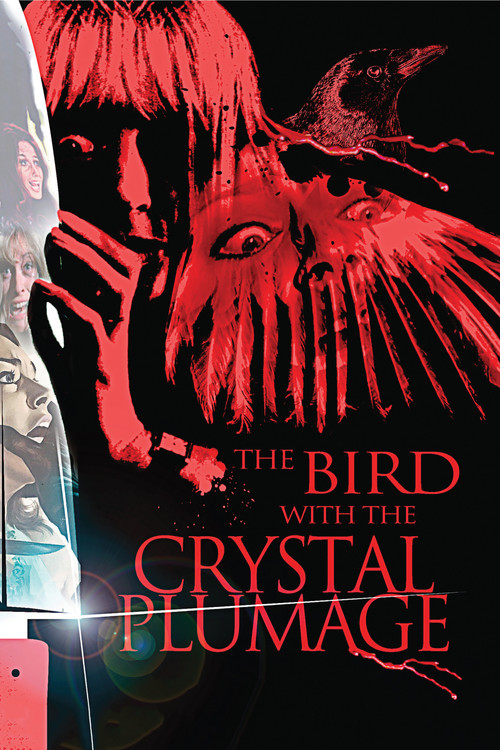
The Bird with the Crystal Plumage
1970An American writer living in Rome witnesses an attempted murder that is connected to an ongoing killing spree in the city and conducts his own investigation, despite he and his girlfriend being targeted by the killer.
Dario Argento’s directorial debut redefines the giallo through a hyper-stylized lens, weaponizing architectural space and voyeuristic precision to create a masterclass in visual paranoia. It is a sensory assault that elevates the whodunit into a high-art nightmare of shattered glass and leather-clad menace.
Frequently Asked Questions
Everything you need to know about this list and SnakeDrafts
- Thriller movies of 1970 shifted from polished, classic suspense to grittier, more paranoid storytelling that echoed the era's social upheavals. They often blended intense psychological drama with raw action and embraced darker, more complex themes reflecting a world exhausted by the 1960s.
- Dario Argento's 'The Bird with the Crystal Plumage' is the quintessential giallo film on this list, blending horror, mystery, and thriller elements with striking visual style and a suspenseful plot that helped define the genre internationally.
- Yes, 'The Kremlin Letter,' directed by John Huston, stands out as a political spy thriller filled with Cold War espionage intrigue. Its complex narrative and tension-filled sequences typify the era's international thriller style.
- Absolutely. Many thrillers from 1970 integrate crime, horror, drama, and even western elements, such as Roland Klick's 'Deadlock,' which merges thriller with western and crime drama, offering a unique, genre-blending experience.
- 'The Man Who Haunted Himself' and 'And Soon the Darkness' are excellent psychological thrillers from 1970 that explore internal fears and mysteries, combining suspense with strong character studies and atmospheric tension.
- Films like 'Investigation of a Citizen Above Suspicion' and 'The Confession' reflect the growing cynicism and political unrest of the period, using thriller narratives to interrogate authority, corruption, and moral ambiguity amid social upheaval.
- Yes, several titles like 'Mark of the Devil' and 'How Awful About Allan' blend horror with thriller, heightening the suspense through supernatural or gruesome elements, which was a trend in early 1970s genre cinema to intensify emotional impact.