Ranking the Best Patrick Stewart Movies
From Starfleet Captain to Mutant Leader and Beyond
Explore the definitive ranking of Patrick Stewart's greatest cinematic roles, featuring his iconic turns in the X-Men and Star Trek franchises.
About Patrick Stewart
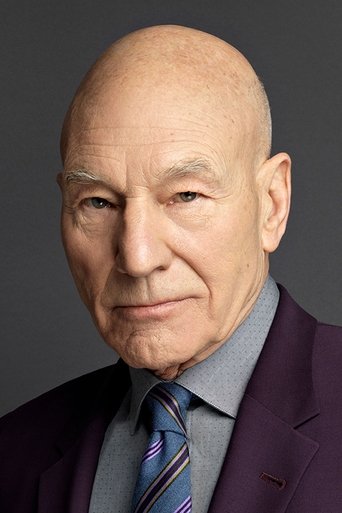
In the pantheon of British drama, few figures bridge the gap between high art and high concept as seamlessly as Patrick Stewart. Long before he was commanding starships or leading mutant revolutions, he was a creature of the boards, a Royal Shakespeare Company veteran who could wield a monologue like a sharpened blade. This theatrical foundation provided the gravity required to ground some of the most fantastical stories of the modern era. While many classically trained actors might have treated genre work as a mere paycheck, he approached the helm of the Enterprise with the same intellectual rigor he applied to the Bard, forever changing the DNA of televised science fiction.
The cultural footprint he leaves is defined by a rare mixture of paternal warmth and terrifying intellectual authority. Audiences gravitate toward him because he radiates an innate goodness that never feels naive. In Star Trek First Contact and across the cinematic expansion of that universe in films like Generations or Insurrection, he transformed Captain Jean Luc Picard from a mere strategist into a complex philosopher king struggling with the ghosts of his own trauma. It was this ability to internalize conflict that prevented his characters from becoming caricatures of leadership.
This same gravitas served as the cornerstone for the early 2000s superhero boom. As Professor Charles Xavier in the foundational X-Men and its acclaimed sequel X2, he gave a comic book archetype a soul. He managed to make stillness look like a superpower, using little more than a shift in his gaze to convey telepathic might. By the time he returned for the time bending stakes of Days of Future Past or his brief but impactful appearance in Doctor Strange in the Multiverse of Madness, he had become the definitive elder statesman of the Marvel universe.
Yet, to view him only through the lens of icons and heroes is to miss his versatility. He has always harbored a streak of the sinister and the surreal. Early roles in Excalibur and David Lynch’s Dune showcased a physical intensity and a willingness to embrace the atmospheric. Decades later, he subverted his image as the compassionate mentor by playing a cold blooded white supremacist leader in the visceral thriller Green Room. It was a shocking performance that reminded viewers of his capacity for quiet, calculated menace. Whether he is playing the frantic paranoia of Conspiracy Theory or the lonely, crumbling brilliance of the titular character in the television film Hamlet, he refuses to rest on the laurels of his own fame.
His swan song for his most famous mutant role, the 2017 masterpiece Logan, stripped away the polish of the academy to find something raw and heartbreakingly human. In that film, the once great mind of Xavier is failing, and Stewart delivers a performance of such vulnerability that it transcends the genre entirely. It reflected a career spent finding the man inside the myth. From the nineteenth century costume drama of Lady Jane to the festive morality of A Christmas Carol, he remains a master of the human condition. People connect with him because, despite the capes and the starships, he represents the constant pursuit of dignity in an often chaotic world. He is a reminder that a voice this powerful is at its best when it speaks to our shared, fragile humanity.
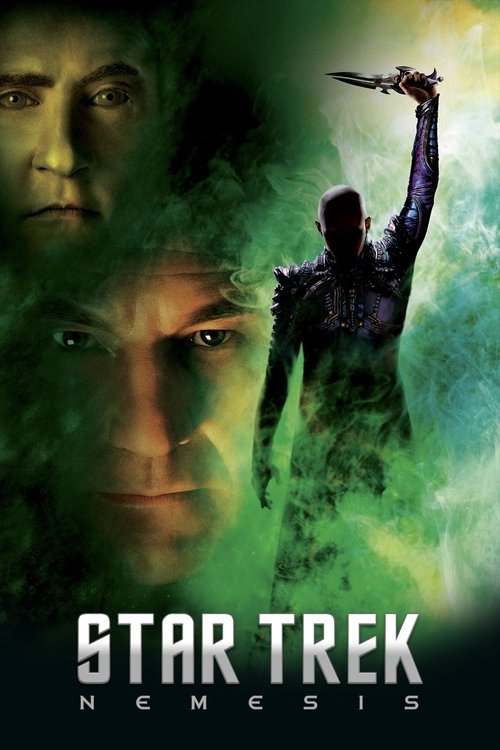
Star Trek: Nemesis
2002En route to the honeymoon of William Riker to Deanna Troi on her home planet of Betazed, Captain Jean-Luc Picard and the crew of the U.S.S. Enterprise receives word from Starfleet that a coup has resulted in the installation of a new Romulan political leader, Shinzon, who claims to seek peace with the human-backed United Federation of Planets. Once in enemy territory, the captain and his crew make a startling discovery: Shinzon is human, a slave from the Romulan sister planet of Remus, and has a secret, shocking relationship to Picard himself.
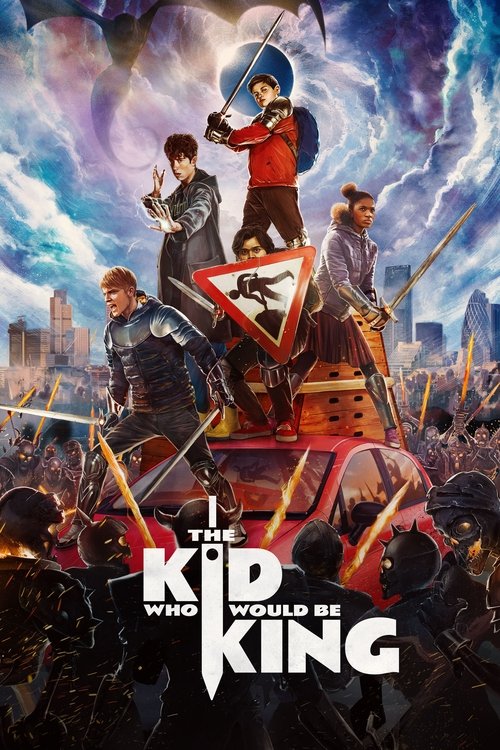
The Kid Who Would Be King
2019Old-school magic meets the modern world when young Alex stumbles upon the mythical sword Excalibur. He soon unites his friends and enemies, and they become knights who join forces with the legendary wizard Merlin. Together, they must save mankind from the wicked enchantress Morgana and her army of supernatural warriors.
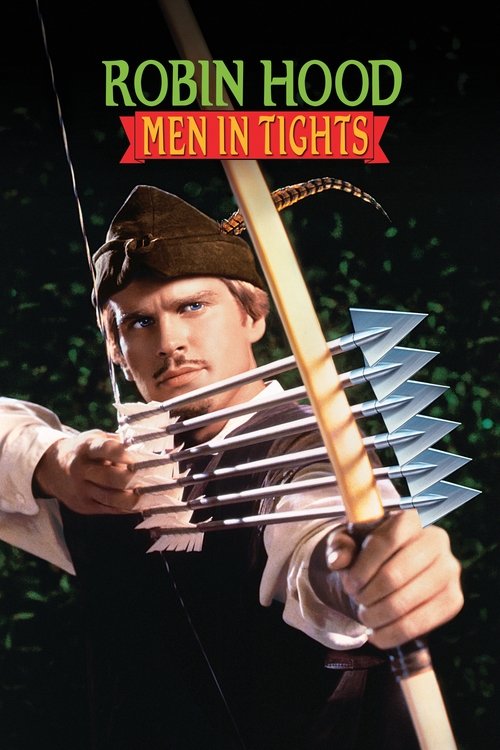
Robin Hood: Men in Tights
1993Robin Hood comes home after fighting in the Crusades to learn that the noble King Richard is in exile and that the despotic King John now rules England, with the help of the Sheriff of Rottingham. Robin Hood assembles a band of fellow patriots to do battle with King John and the Sheriff.
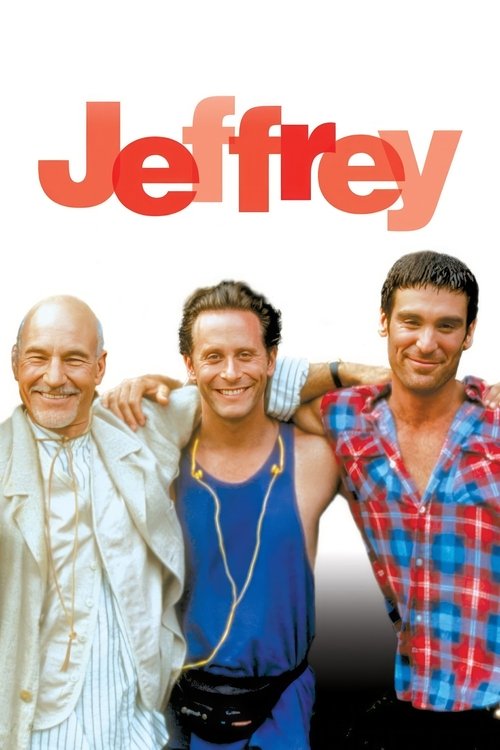
Jeffrey
1995Jeffrey, a gay man living in New York City with an overwhelming fear of contracting AIDS, concludes that being celibate is the only option to protect himself. As fate would have it, shortly after his declaration of a sex-free existence, he meets the handsome Steve Howard, his dream man -- except for his HIV-positive status. Facing this dilemma, Jeffrey turns to his best friend and an outrageous priest for guidance.

L.A. Story
1991With the help of a talking freeway billboard, a "wacky weatherman" tries to win the heart of an English newspaper reporter, who is struggling to make sense of the strange world of early-90s Los Angeles.
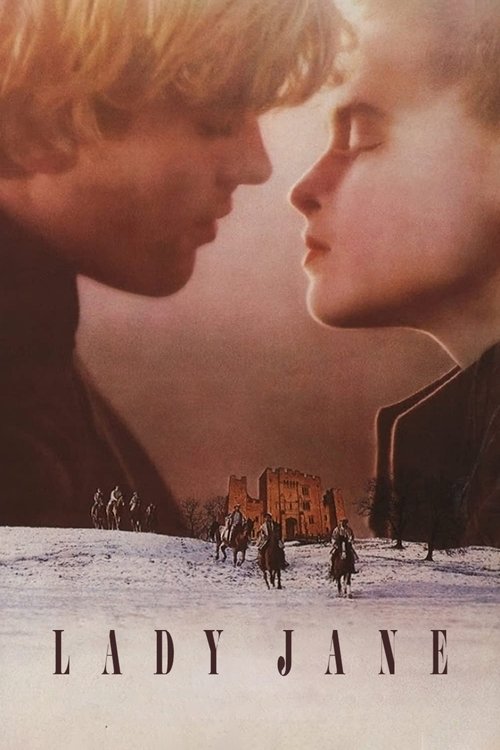
Lady Jane
1986The death of King Henry VIII throws his kingdom into chaos because of succession disputes. His weak son, Edward, is on his deathbed. Anxious to keep England true to the Reformation, a scheming minister John Dudley marries off his son, Guildford to Lady Jane Grey, whom he places on the throne after Edward dies. At first hostile to each other, Guildford and Jane fall in love, but they cannot withstand the course of power which will lead to their ultimate downfall.
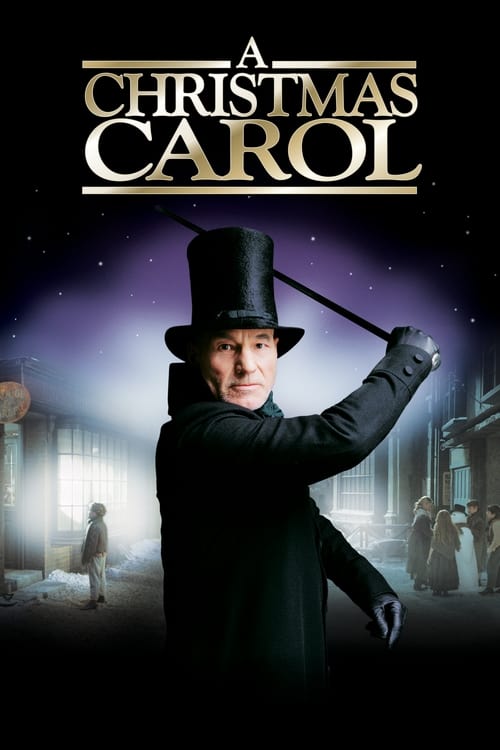
A Christmas Carol
1999Miser Ebenezer Scrooge is awakened on Christmas Eve by spirits who reveal to him his own miserable existence, what opportunities he wasted in his youth, his current cruelties, and the dire fate that awaits him if he does not change his ways. Scrooge is faced with his own story of growing bitterness and meanness, and must decide what his own future will hold: death or redemption.
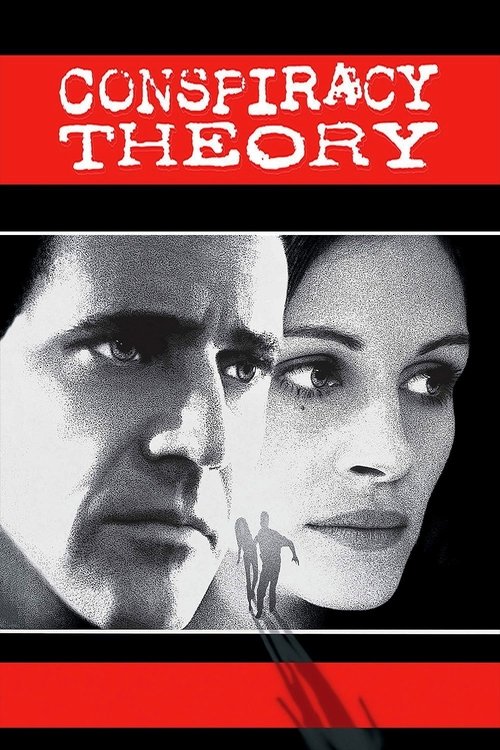
Conspiracy Theory
1997A man obsessed with conspiracy theories becomes a target after one of his theories turns out to be true. Unfortunately, in order to save himself, he has to figure out which theory it is.
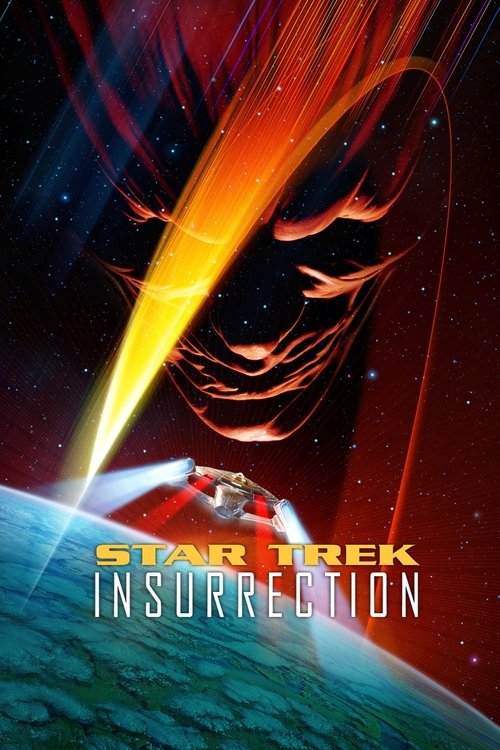
Star Trek: Insurrection
1998When an alien race and factions within Starfleet attempt to take over a planet that has "regenerative" properties, it falls upon Captain Picard and the crew of the Enterprise to defend the planet's people as well as the very ideals upon which the Federation itself was founded.
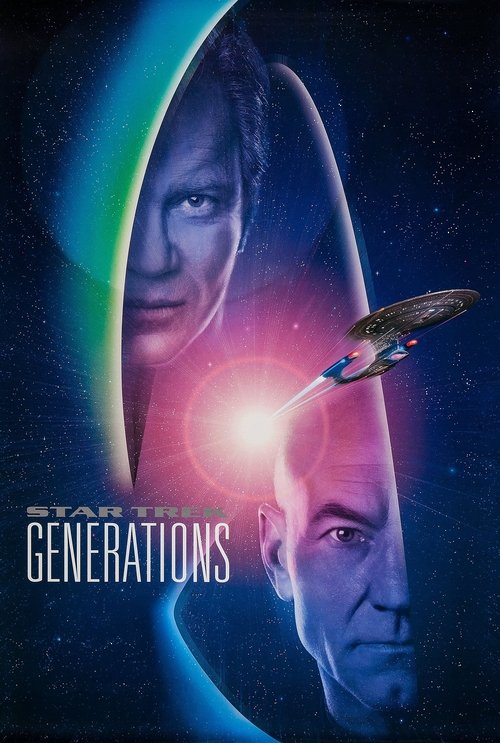
Star Trek: Generations
1994Captain Jean-Luc Picard and the crew of the Enterprise-D find themselves at odds with the renegade scientist Soran who is destroying entire star systems. Only one man can help Picard stop Soran's scheme...and he's been dead for seventy-eight years.
Transitioning the Next Generation crew to the silver screen, Stewart carries the heavy burden of the film's existential themes with a quiet, mourning grace. He successfully negotiates the shift from television intimacy to theatrical scale while maintaining the character's core integrity.
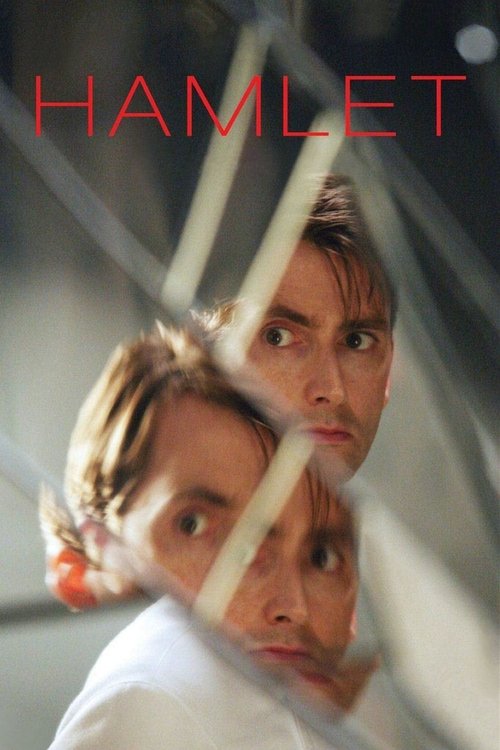
Hamlet
2009David Tennant stars in a film of the Royal Shakespeare Company's award-winning production of Shakespeare's great play. Director Gregory Doran's modern-dress production was hailed by the critics as thrilling, fast-moving and, in parts, very funny.
Stewart provides a chillingly pragmatic foil to the titular prince, portraying Claudius not as a cartoon villain but as a sleek, calculating politician. His performance captures the mundane nature of evil, anchored by an impeccable command of the Shakespearian verse he was born to speak.
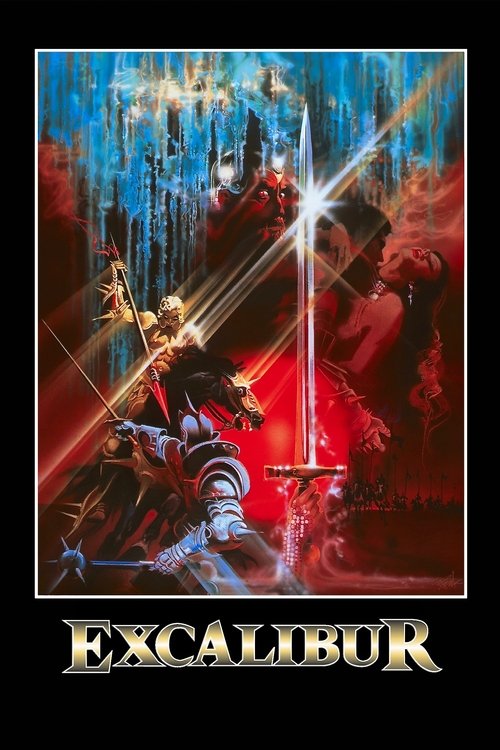
Excalibur
1981The King Arthur roars to life of Arthur's rise to power, the Knights of the Round Table, Merlin the Magician, the golden age of Camelot and the search for the Holy Grail.
In this stylized Arthurian fever dream, a younger Stewart displays the formidable stage-trained theatricality that would eventually make him a household name. It is a fascinating glimpse of his burgeoning screen presence, characterized by a sharp, knightly resolve.
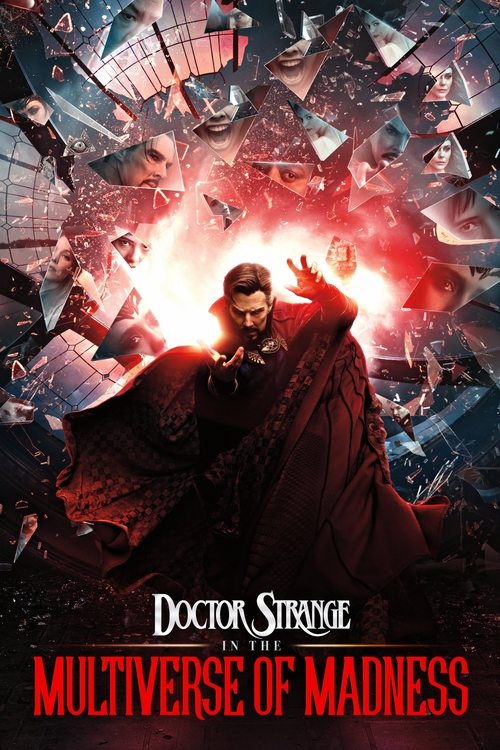
Doctor Strange in the Multiverse of Madness
2022Doctor Strange, with the help of mystical allies both old and new, traverses the mind-bending and dangerous alternate realities of the Multiverse to confront a mysterious new adversary.
Even within the chaotic fringes of the multiverse, Stewart’s return offers a nostalgic jolt of high-status dignity that grounds the surrounding digital mayhem. He leans into the mythic stature of his legacy, serving as a cinematic shorthand for wisdom and institutional power.
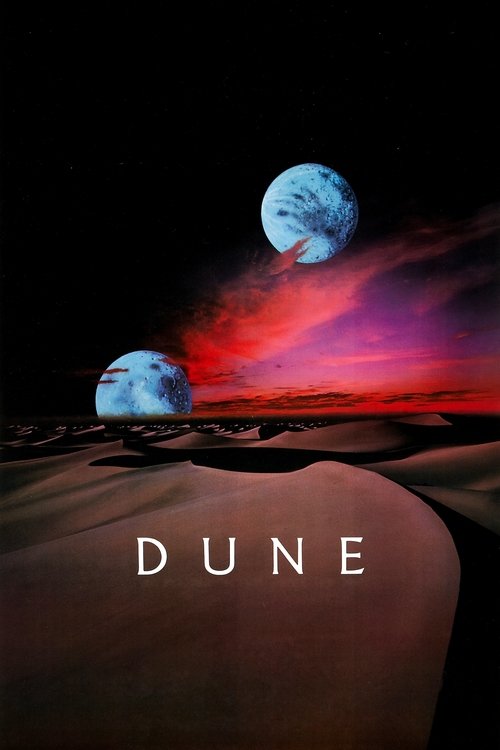
Dune
1984In the year 10,191, the most precious substance in the universe is the spice Melange. The spice extends life. The spice expands consciousness. The spice is vital to space travel. The spice exists on only one planet in the entire universe, the vast desert planet Arrakis, also known as Dune. Its native inhabitants, the Fremen, have long held a prophecy that a man would come, a messiah who would lead them to true freedom.
Patrick Stewart commands the screen with a Shakespearean gravity that anchors David Lynch's surreal vision, transforming Gurney Halleck into a warrior poet of fierce intellectual grit. Long before he became a household name on the bridge of the Enterprise, this role showcased his unique ability to balance rugged physical authority with a refined, theatrical soul. He elevates every frame through a performance defined by its unwavering discipline and flinty charisma.
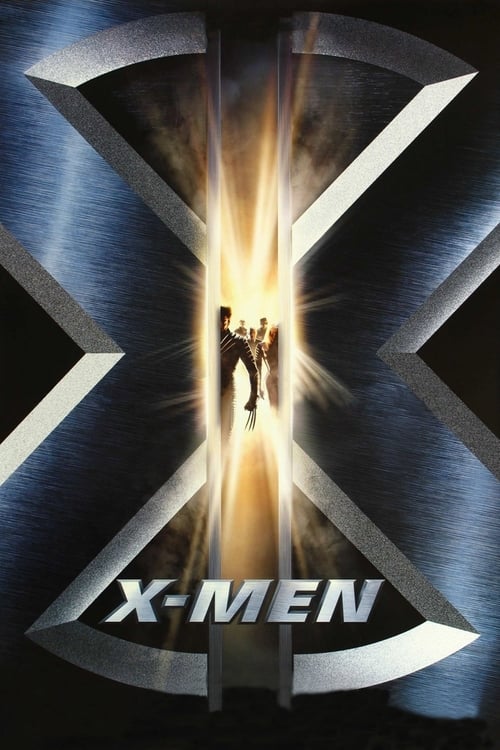
X-Men
2000Two mutants, Rogue and Wolverine, come to a private academy for their kind whose resident superhero team, the X-Men, must oppose a terrorist organization with similar powers.
Stewart’s casting was a stroke of populist genius that instantly validated the intellectual merits of comic book adaptations. He established the blueprint for the modern cinematic mentor, exuding an effortless moral authority that became the foundation of a multibillion-dollar series.
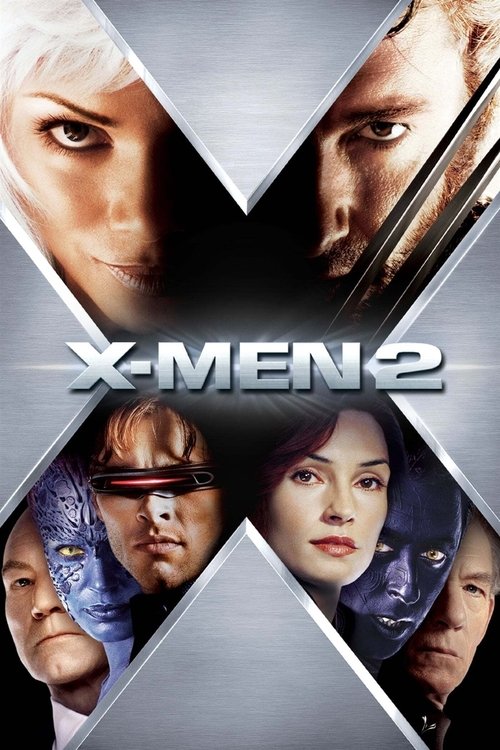
X2
2003Professor Charles Xavier and his team of genetically gifted superheroes face a rising tide of anti-mutant sentiment led by Col. William Stryker. Storm, Wolverine and Jean Grey must join their usual nemeses—Magneto and Mystique—to unhinge Stryker's scheme to exterminate all mutants.
This sequel allows Stewart to explore the precariousness of his character's idealism when faced with an existential threat. He brilliantly navigates the tension between his pacifist philosophy and the harsh realities of a world that fears his kind.

Green Room
2016A punk rock band is forced to fight for survival after witnessing an act of violence at a skinhead bar.
By weaponizing his natural eloquence into something chillingly calculated, Stewart delivers a terrifying subversion of his usual benevolent authority figures. He dominates the frame as a cold-blooded tactician, proving his range extends far into the darkest corners of genre cinema.
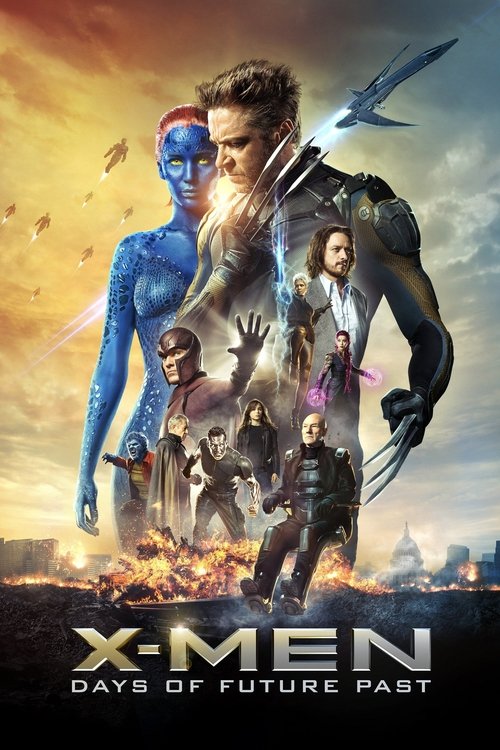
The ultimate X-Men ensemble fights a war for the survival of the species across two time periods as they join forces with their younger selves in an epic battle that must change the past – to save our future.
Serving as the soulful connective tissue between two cinematic eras, Stewart brings a weary, prophetic weight to a role he had by then inhabited for over a decade. His presence provides the necessary gravitas to bridge a complex temporal narrative with genuine emotional stakes.
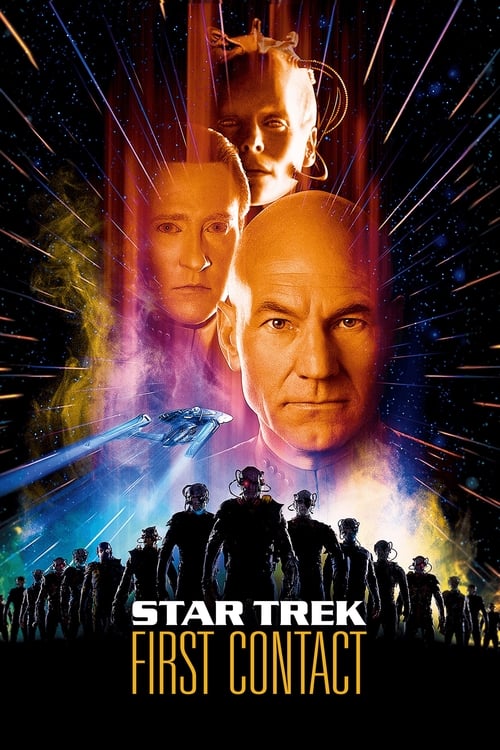
Star Trek: First Contact
1996The Borg, a relentless race of cyborgs, are on a direct course for Earth. Violating orders to stay away from the battle, Captain Picard and the crew of the newly-commissioned USS Enterprise E pursue the Borg back in time to prevent the invaders from changing Federation history and assimilating the galaxy.
Trading his trademark diplomatic restraint for a white-knuckled obsession, Stewart commandingly channels Ahab in a performance that redefined Jean-Luc Picard for the big screen. He anchors the spectacle with a ferocious, trauma-driven intensity that remains the gold standard for the franchise.
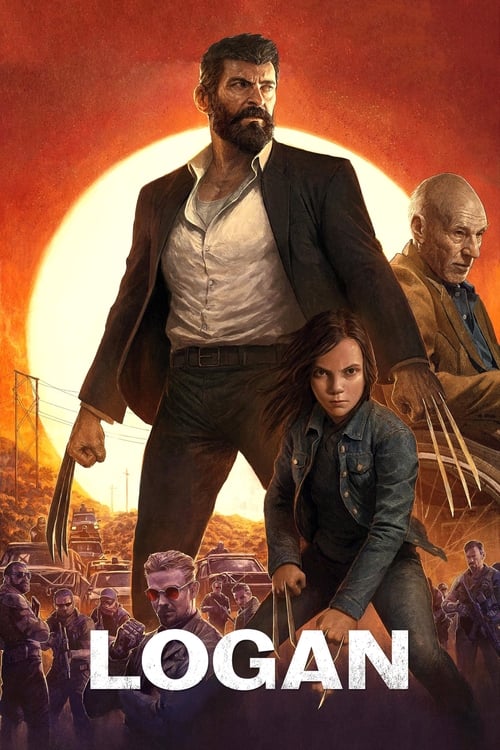
Logan
2017In the near future, a weary Logan cares for an ailing Professor X in a hideout on the Mexican border. But Logan's attempts to hide from the world and his legacy are upended when a young mutant arrives, pursued by dark forces.
Stewart strips away the artifice of the superhero genre to provide a raw, devastating portrait of cognitive decline and fractured dignity. It is a career-defining masterclass that humanizes a legend through vulnerability rather than power.
Frequently Asked Questions
Everything you need to know about this list and SnakeDrafts
- Patrick Stewart excels as Professor X in 'X-Men: Days of Future Past,' where he plays a pivotal role in altering a dark future for mutants. This film blends action and science fiction to highlight his commanding presence.
- Stewart's extensive Royal Shakespeare Company experience lends a dramatic gravity to his sci-fi roles, such as in 'Star Trek: First Contact,' where his commanding and nuanced portrayal of Captain Jean-Luc Picard elevates the film's adventurous and thrilling narrative.
- In 'Green Room,' Patrick Stewart takes on a darker, more villainous character in a gritty horror-thriller setting, showcasing his versatility beyond his typically heroic and authoritative roles in franchises like X-Men and Star Trek.
- Movies like 'Excalibur' and 'Lady Jane' reveal Stewart's mastery in historical and fantasy genres, where his classical training shines through in rich period storytelling and complex character portrayals.
- 'Dune' (1984) features Patrick Stewart in a significant role within a sci-fi action-adventure setting, demonstrating his capability to contribute to complex, visually ambitious projects directed by renowned filmmakers like David Lynch.
- Stewart's career spans an impressive range of genres—from action-packed sci-fi franchises like 'X-Men' and 'Star Trek' to horror thrillers like 'Green Room,' historical dramas such as 'Lady Jane,' and fantasy epics like 'Excalibur,' reflecting his versatility and depth as an actor.
- In 'Logan,' Patrick Stewart delivers a deeply emotional portrayal of an aging Professor X, adding nuanced layers of vulnerability and strength to the action-drama, which marks a highly praised chapter in his cinematic legacy.