The Best Colin Firth Movies Ranked: King's Speech to Kingsman
The Definitive Ranking of a British Icon's Career Highlights
Explore the best of Colin Firth's filmography, from Oscar-winning dramas to cult classic spy thrillers and beloved romantic comedies.
About Colin Firth
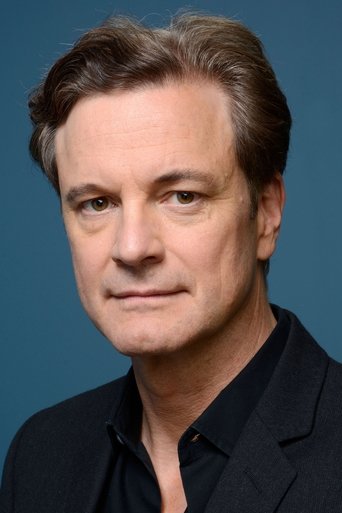
In the landscape of modern cinema, Colin Firth occupies a space that feels increasingly rare. He is the definitive avatar of the repressed Englishman, a performer who has built a legendary career out of the friction between high-collared dignity and the messy, volcanic emotions bubbling just beneath the surface. While he first cemented his status as a global heartthrob by playing the brooding romantic archetype, he has spent the decades since subverting that very image, proving he is as comfortable with a subversive action sequence as he is with a period-piece stutter.
For many, the introduction to his particular brand of starchy charm came through the romantic comedies of the early aughts. In Bridget Jones’s Diary and Love Actually, he mastered the art of being both hopelessly awkward and deeply desirable, playing men who show their love through stubborn reliability rather than grand gestures. Even in lighter fare like What a Girl Wants or the whimsical The Importance of Being Earnest, he brought a grounded weight that prevented the material from drifting into total fluff. This reliability made him a fixture of the British film industry, but it was his transition into more haunting, internal dramas that elevated him from a reliable leading man to a prestige powerhouse.
The turning point was undoubtedly his work in A Single Man, where he delivered a masterclass in grief that felt almost physical in its intensity. This set the stage for his career-defining triumph in The King's Speech. As George VI, he transformed a historical footnote into a deeply personal story of courage and vulnerability. It was the ultimate payoff for his specialty: the struggle to communicate. This same quiet gravity anchored The Railway Man and his understated, shadow-filled performance in Tinker Tailor Soldier Spy, where he moved through the world of Cold War espionage with a chillingly polite detachment.
Yet, just as audiences felt they had him pinned down as the king of the high-brow drama, he pivoted into the hyper-kinetic world of Kingsman: The Secret Service. Shedding the soft-spoken reserve of Shakespeare in Love and The English Patient, he reinvented himself as a lethal, bespoke-suited action hero. Watching him clear out a room with an umbrella was a jolt to the system, a reminder that his refinement was always a choice, not a limitation. He carried that same playful energy into the Mamma Mia! sequel, showing a willingness to laugh at his own somber reputation that only made the public more protective of his legacy.
In recent years, he has leaned into roles that demand a more lived-in, soul-baring honesty. In the intimate Supernova, he explored the quiet devastation of losing a partner to dementia, while his brief but commanding presence in 1917 lent a sense of historical scale to the frantic energy of the trenches. Audiences connect with him because there is a fundamental decency in his screen presence. Whether he is playing a spy, a king, or a father, he portrays humanity with a sense of graceful restraint. He remains the gold standard for a specific kind of quiet, dignified masculinity, proving that some of the loudest performances are the ones delivered in a whisper.
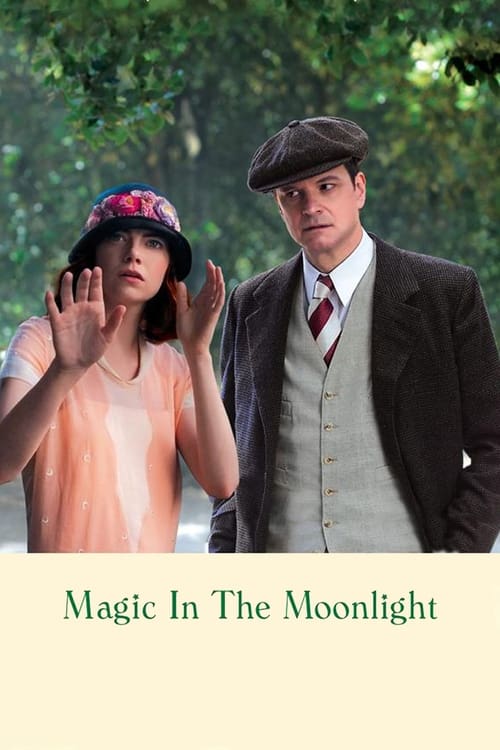
Magic in the Moonlight
2014Set in the 1920s French Riviera, a master magician is commissioned to try and expose a psychic as a fraud.
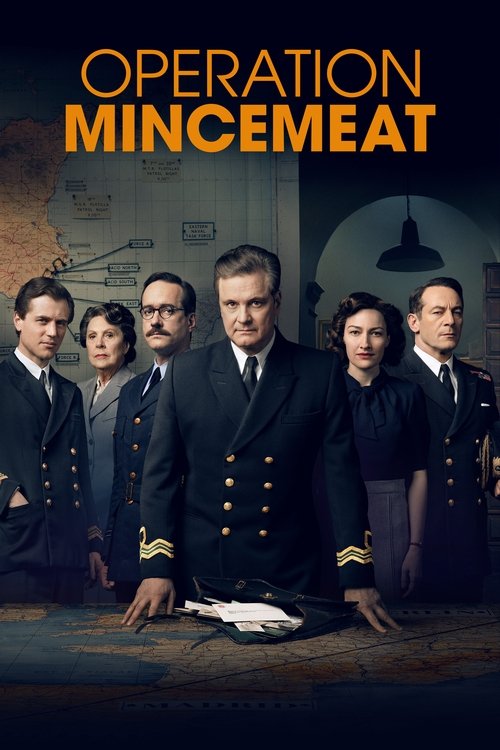
Operation Mincemeat
2022In 1943, two British intelligence officers concoct Operation Mincemeat, wherein their plan to drop a corpse with false papers off the coast of Spain would fool Nazi spies into believing the Allied forces were planning to attack by way of Greece rather than Sicily.
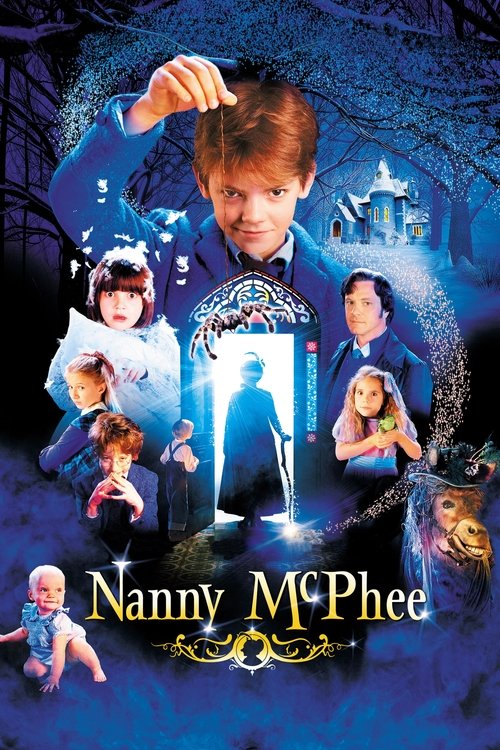
Nanny McPhee
2005Widower Cedric Brown hires Nanny McPhee to care for his seven rambunctious children, who have chased away all previous nannies. Taunted by Simon and his siblings, Nanny McPhee uses mystical powers to instill discipline. And when the children's great-aunt and benefactor, Lady Adelaide Stitch, threatens to separate the kids, the family pulls together under the guidance of Nanny McPhee.
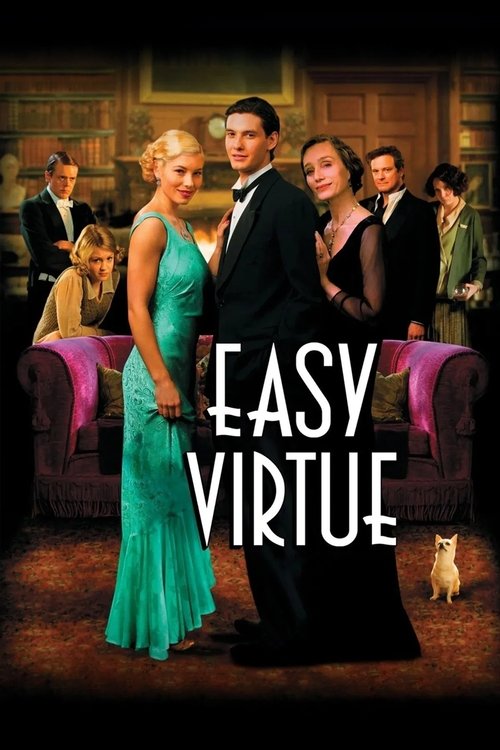
Easy Virtue
2008A young Englishman marries a glamorous American. When he brings her home to meet the parents, she arrives like a blast from the future - blowing their entrenched British stuffiness out the window.
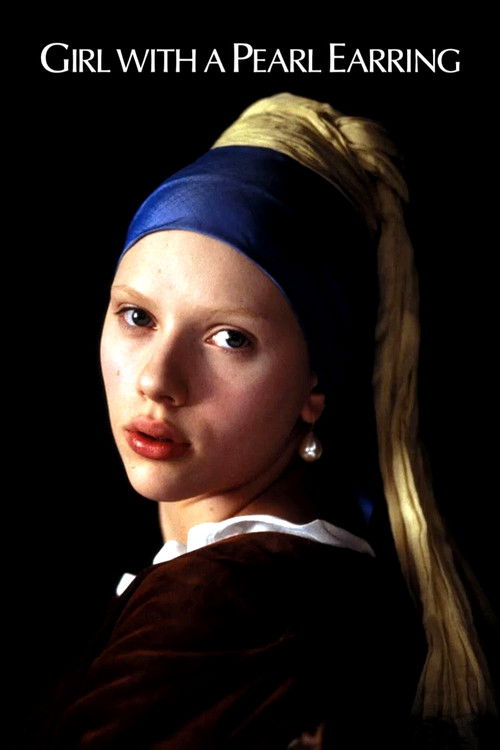
Girl with a Pearl Earring
2003This film, adapted from a work of fiction by author Tracy Chevalier, tells a story about the events surrounding the creation of the painting "Girl With A Pearl Earring" by 17th century Dutch master Johannes Vermeer. A young peasant maid working in the house of painter Johannes Vermeer becomes his talented assistant and the model for one of his most famous works.
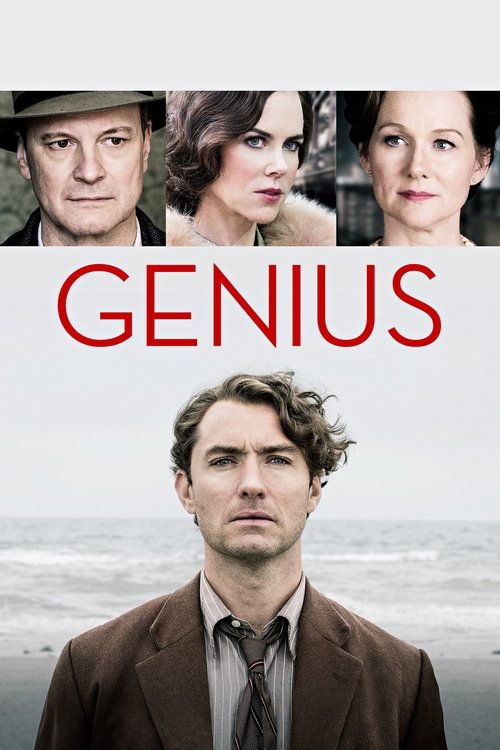
Genius
2016New York in the 1920s. Max Perkins, a literary editor is the first to sign such subsequent literary greats as Ernest Hemingway and F. Scott Fitzgerald. When a sprawling, chaotic 1,000-page manuscript by an unknown writer falls into his hands, Perkins is convinced he has discovered a literary genius.
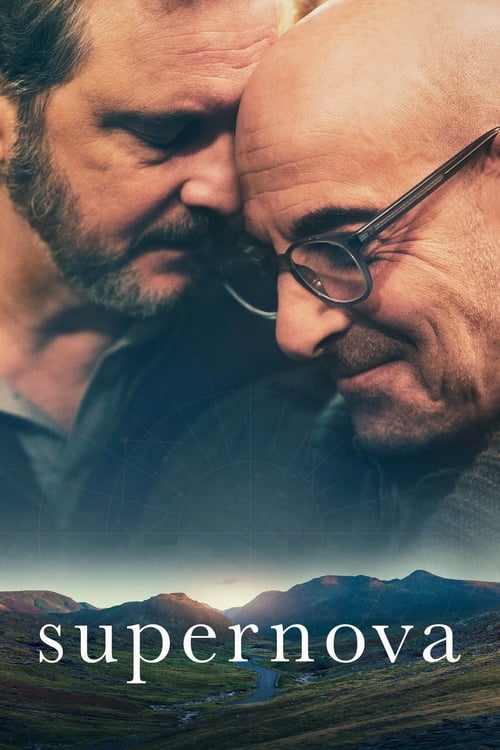
Supernova
2020Sam and Tusker, partners of 20 years, are traveling across England in their old RV visiting friends, family and places from their past. Since Tusker was diagnosed with early-onset dementia two years ago, their time together is the most important thing they have. As the trip progresses, however, their ideas for the future clash, secrets come out, and their love for each other is tested as never before. Ultimately, they must confront the question of what it means to love one another in the face of Tusker’s illness.
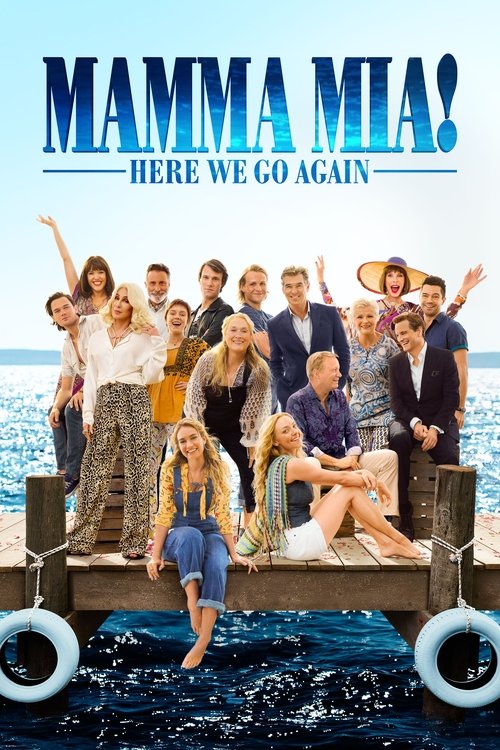
Mamma Mia! Here We Go Again
2018Five years after meeting her three fathers, Sophie Sheridan prepares to open her mother’s hotel. In 1979, young Donna Sheridan meets the men who each could be Sophie’s biological father.
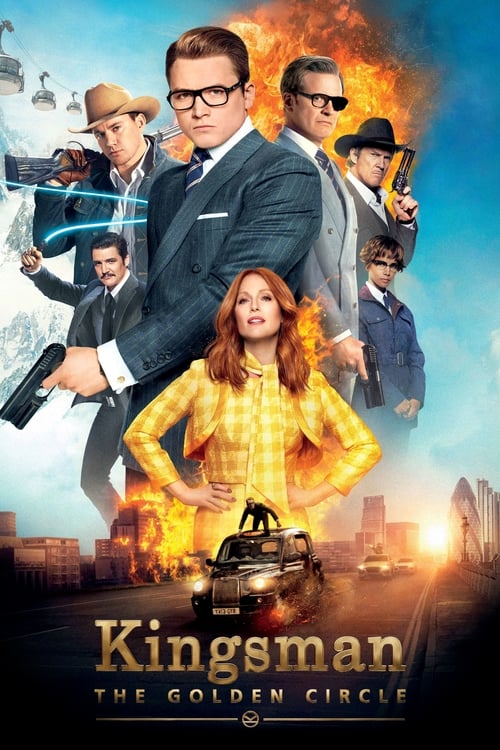
When an attack on the Kingsman headquarters takes place and a new villain rises, Eggsy and Merlin are forced to work together with the American agency known as the Statesman to save the world.
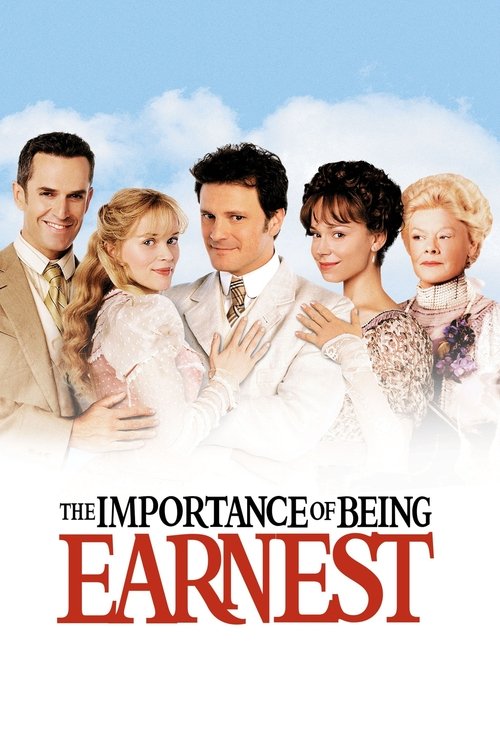
The Importance of Being Earnest
2002Two young gentlemen living in 1890s England use the same pseudonym ('Ernest') on the sly, which is fine until they both fall in love with women using that name, which leads to a comedy of mistaken identities.
Young William Shakespeare is forced to stage his latest comedy, 'Romeo and Ethel, the Pirate's Daughter', before it's even written. When lovely noblewoman Viola de Lesseps auditions for a role, they fall into forbidden love — and Shakespeare's play finds a new life (and title). As their relationship intensifies, the comedy soon transforms into tragedy.
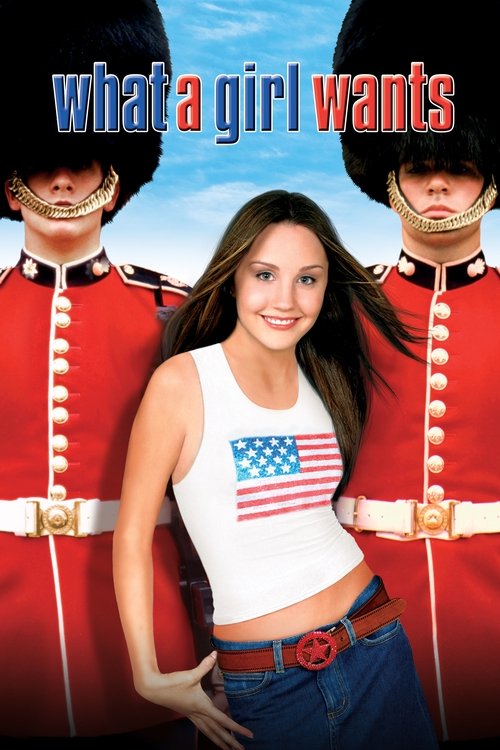
What a Girl Wants
2003An American girl, Daphne, heads to Europe in search of the father she's never met. But instead of finding a British version of her bohemian mother, she learns the love of her mom's life is an uptight politician. The only problem now is that her long-lost dad is engaged to a fiercely territorial social climber with a daughter who makes Daphne's life miserable.
Firth displays a surprising lightness and comedic agility while navigating the absurdity of this bubblegum fish out of water tale. It is a testament to his versatility that he can parody his own aristocratic persona with such genuine, infectious warmth.
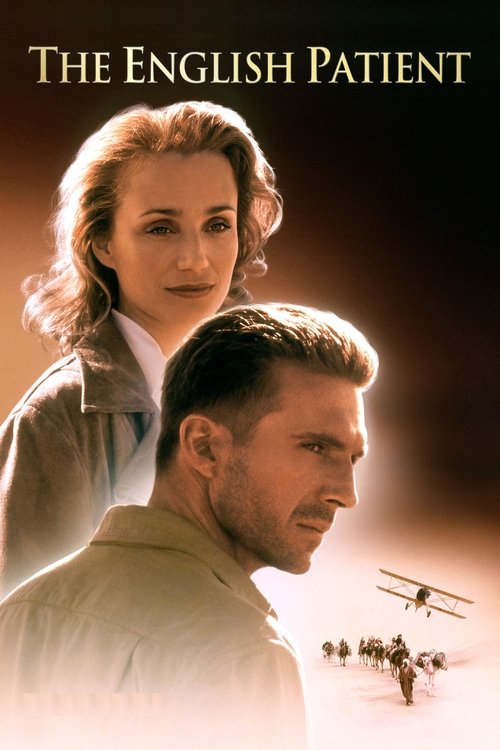
In the 1930s, Count Almásy is a Hungarian map maker employed by the Royal Geographical Society to chart the vast expanses of the Sahara Desert along with several other prominent explorers. As World War II unfolds, Almásy enters into a world of love, betrayal, and politics.
As the jilted, tragic observer of a grander passion, Firth inhabits the role of the decent man undone by a betrayal he cannot comprehend. He brings a necessary, grounded pathos to a film often swept up in its own epic romanticism.
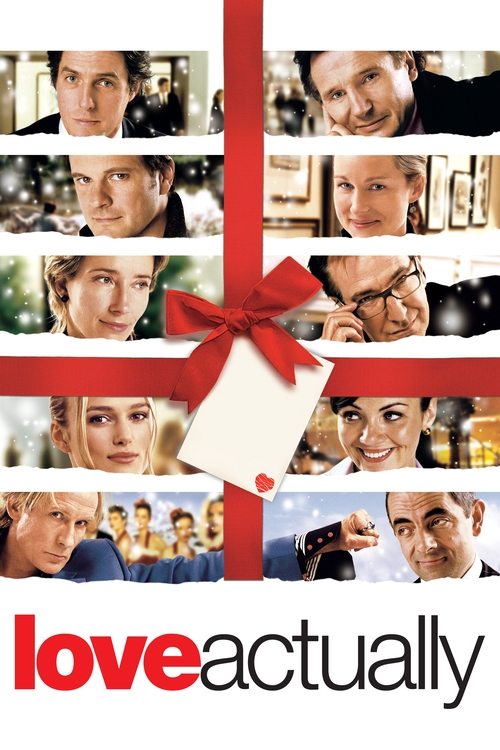
Love Actually
2003Eight very different couples deal with their love lives in various loosely interrelated tales all set during a frantic month before Christmas in London.
Firth leans into the comedy of linguistic failure and awkward earnestness, providing the film with its most grounded and heartwarming arc. This role solidified his status as the premier architect of the lovable, slightly bumbling English intellectual.
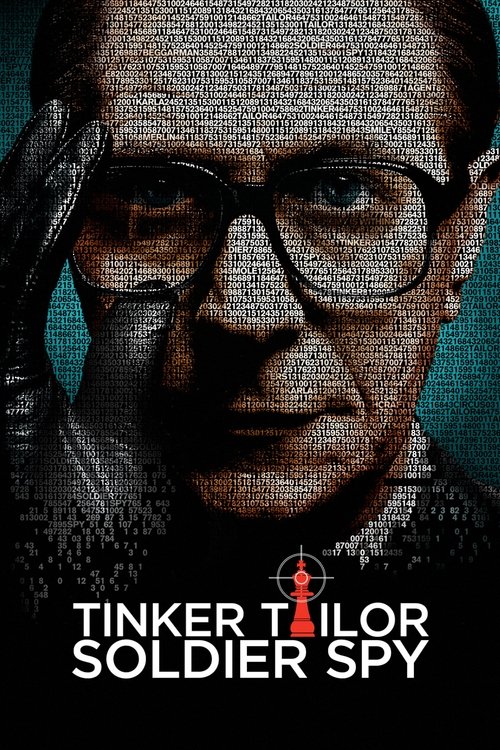
In the bleak days of the Cold War, espionage veteran George Smiley is forced from semi-retirement to uncover a Soviet mole within his former colleagues at the heart of MI6.
Entrenched in a world of Cold War beige, Firth operates with a chilling, slippery ambiguity that keeps the audience perpetually off balance. This role allowed him to subvert his innate likability by playing a character defined by deep, calculated deception.
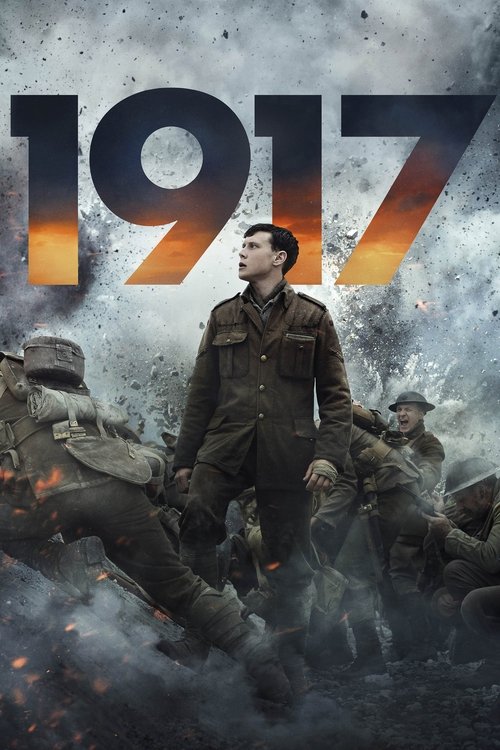
1917
2019At the height of the First World War, two young British soldiers must cross enemy territory and deliver a message that will stop a deadly attack on hundreds of soldiers.
Though his screen time is brief, Firth commands the frame with the weary weight of high command, distilling the existential exhaustion of World War I into a few sharp orders. He functions as the film's moral and authoritative anchor in a single, breathless moment.
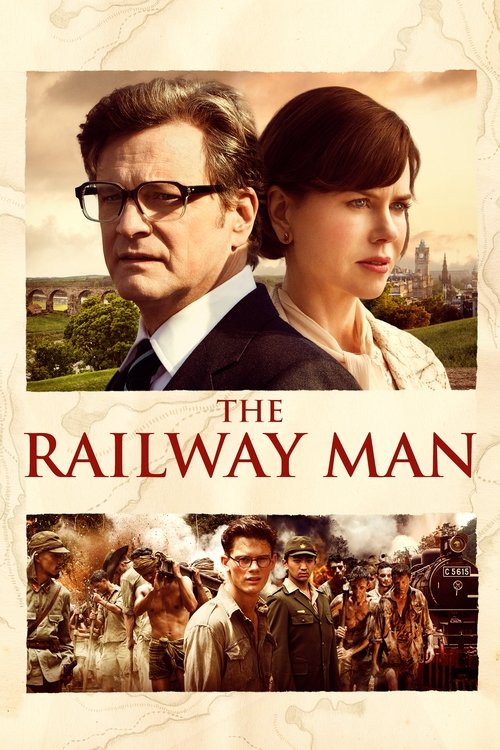
The Railway Man
2013A victim from World War II's "Death Railway" sets out to find those responsible for his torture. A true story.
Firth captures the agonizing architecture of post traumatic stress with a jagged, haunted physicality that demands the viewer's absolute attention. This performance serves as a harrowing reminder of his capacity to navigate the darkest corners of historical trauma.
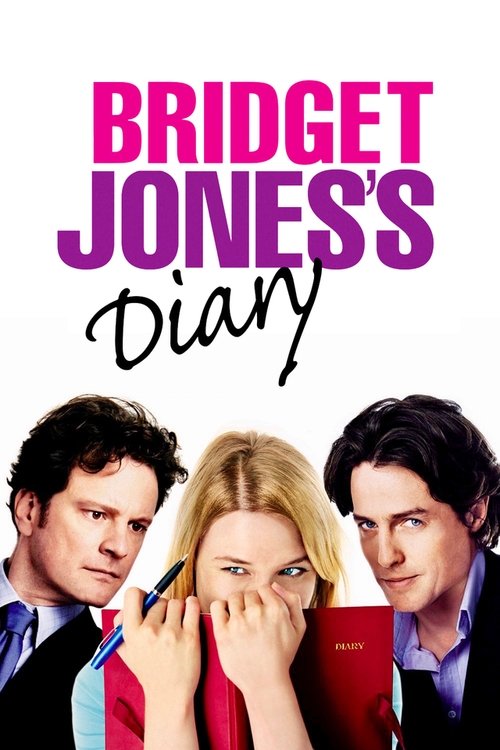
Bridget Jones is an average woman struggling against expectations. As a New Year's resolution, Bridget decides to take control of her life, starting by keeping a diary in which she will always tell the complete truth. Her charming boss takes an interest in her, and she cannot stop running into a rather disagreeable acquaintance whom Bridget cannot help finding quietly attractive.
By playing Mark Darcy with a prickly, unyielding sootiness, Firth elevated a classic literary archetype into a modern benchmark for the cinematic gentleman. He proved that a simple knitted sweater and a stern gaze could hold more erotic tension than most overt overtures.
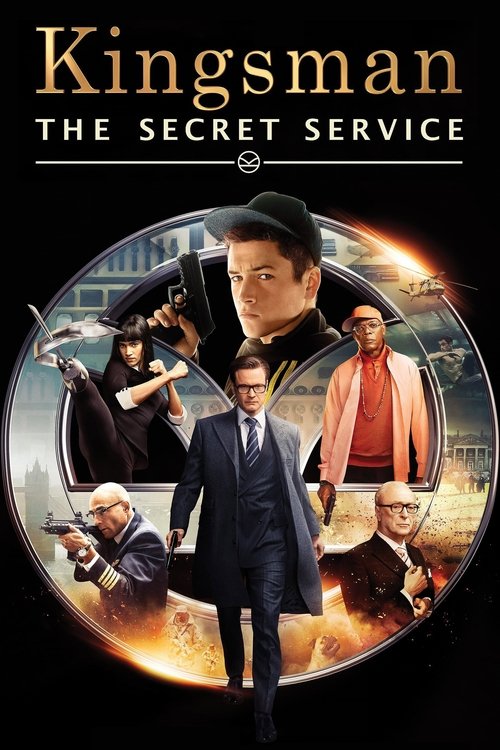
The story of a super-secret spy organization that recruits an unrefined but promising street kid into the agency's ultra-competitive training program just as a global threat emerges from a twisted tech genius.
Shedding his polite skin, Firth reinvented himself as an improbable action icon by injecting quintessential British refinement into hyper violent choreography. This role effectively dismantled his typecasting as the perpetually stiff upper lip romantic lead.
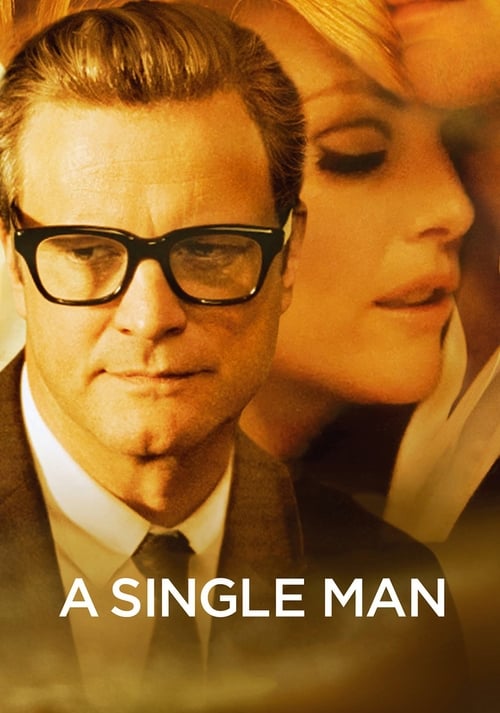
A Single Man
2009Set in Los Angeles in 1962, at the height of the Cuban missile crisis, is the story of a British college professor who dwells on the past and cannot see his future. We follow him through a single day, where a series of events and encounters ultimately lead him to decide if there is a meaning to life after the death of his long time partner, Jim.
In George Falconer, Firth finds his most mournful and textured soul, operating with a hushed, devastating precision that anchors Tom Ford's high fashion aesthetic. It is a masterclass in the quietude of grief and the dignity of a man living on borrowed hours.
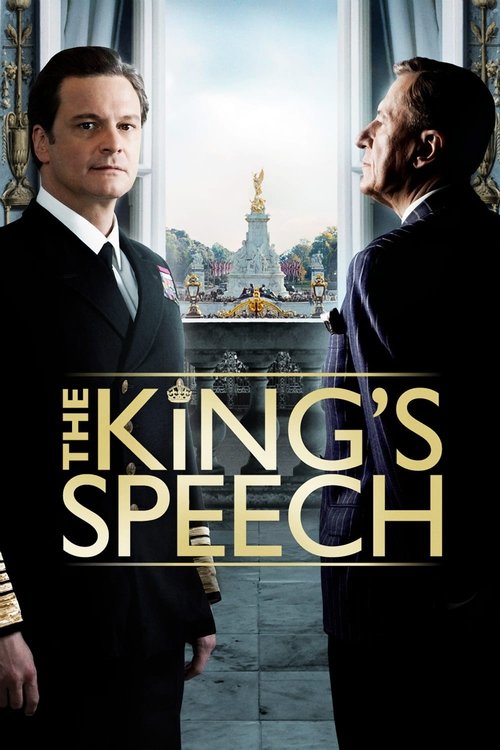
The King's Speech
2010The King's Speech tells the story of the man who became King George VI, the father of Queen Elizabeth II. After his brother abdicates, George ('Bertie') reluctantly assumes the throne. Plagued by a dreaded stutter and considered unfit to be king, Bertie engages the help of an unorthodox speech therapist named Lionel Logue. Through a set of unexpected techniques, and as a result of an unlikely friendship, Bertie is able to find his voice and boldly lead the country into war.
Firth masters the technical geometry of a stammer to expose the raw vulnerability of a man trapped by both royalty and respiratory anxiety. This Oscar winning turn remains the definitive display of his ability to weaponize silence and internal strife.
Frequently Asked Questions
Everything you need to know about this list and SnakeDrafts
- Colin Firth's most acclaimed dramatic role is widely recognized as his performance in The King's Speech. In this film, he masterfully portrays King George VI's struggle with a stammer, earning him an Academy Award for Best Actor.
- In Kingsman: The Secret Service, Colin Firth plays a charming yet lethal secret agent, showcasing his versatility beyond the reserved English gentleman roles he's known for. This action-packed spy thriller allows him to explore comedic and adventurous facets not typically seen in his earlier work.
- The listicle highlights notable romantic films including Bridget Jones's Diary, Love Actually, and A Single Man. These films exhibit Firth's range from charming romantic leads to complex, emotionally intense characters, reinforcing his status as a quintessential romantic actor.
- Yes, Colin Firth has appeared in several historical dramas such as The King's Speech, The Railway Man, and 1917. These films underscore his ability to bring depth and authenticity to characters set against significant historic backdrops.
- Prominent themes across Colin Firth's films include emotional repression versus vulnerability, romantic entanglements, and personal courage. Films like A Single Man and The King's Speech exemplify his skill in portraying inner turmoil beneath composed exteriors.
- Yes, Mamma Mia! Here We Go Again is included in the list, showcasing Colin Firth's involvement in a light-hearted musical comedy. This role highlights his ability to diversify and entertain across different film genres.
- Several films in the list blend comedy with drama, notably Bridget Jones's Diary and The Importance of Being Earnest. These movies highlight Firth's capability to balance humor with emotional depth, making him a versatile actor in romantic comedies as well as serious dramas.