Best Ang Lee Films of All Time
Master of Emotional Depth and Visual Spectacle
Discover the essential films of Oscar-winner Ang Lee, from martial arts masterpieces to sweeping romantic dramas and technical Marvels.
About Ang Lee

To look at the filmography of Ang Lee is to witness a perpetual act of cultural and emotional translation. While most directors spend their careers digging a single well, he operates like a shadow, slipping between 19th-century English country houses, the high-flying bamboo forests of the Wudang Mountains, and the neon-lit tension of occupied Shanghai. He possess a rare, chameleonic ability to inhabit disparate worlds without ever losing his grip on the quiet, agonizing internal lives of his characters. His work is defined by the friction between social duty and private longing, a theme that pulses through his early triumphs like The Wedding Banquet and Pushing Hands just as vibrantly as it does in his later masterworks.
He first stunned Western audiences by proving that a Taiwanese sensibility could capture the stifled etiquette of Jane Austen better than the British themselves. Sense and Sensibility remains a masterclass in his signature style, where what is left unsaid carries more weight than the dialogue itself. This restraint informs his most iconic work, Brokeback Mountain, where he turned a desolate Wyoming landscape into a cathedral of repressed desire. He treats silence as a narrative tool, allowing the camera to linger on a tightening jaw or a hesitant glance, favoring deep emotional resonance over flashy melodrama.
Yet, this quietude often exists alongside breathtaking technical ambition. Crouching Tiger, Hidden Dragon revolutionized the wuxia genre not just through gravity-defying choreography, but by grounding its spectacle in a tragic, grounded romance. He is a director who refuses to be pigeonholed by genre or scale. He can pivot from the suburban melancholy of The Ice Storm, a chilling autopsy of 1970s American disillusionment, to the kaleidoscopic digital frontier of Life of Pi. In the latter, he used 3D technology not as a gimmick, but as a way to immerse the viewer in a spiritual survival fable that felt both massive and intimate.
Even when he stumbles into the experimental or the divisive, as he did with the operatic psychodrama of Hulk or the hazy, nostalgic haze of Taking Woodstock, his fingerprints remain unmistakable. He is fascinated by the weight of legacy and the ways in which family structures can both support and suffocate us. Lust, Caution showcased his fearlessness in exploring the darker, more erotic corners of political obsession, proving he is never afraid to make his audience uncomfortable in pursuit of an honest human moment. Ultimately, his legacy is one of profound empathy. He bridges the gap between East and West, between the traditional and the digital, and between the heart and the world that seeks to contain it. He does not just direct movies; he builds bridges out of light and shadow, inviting us to find ourselves in the most unexpected places.
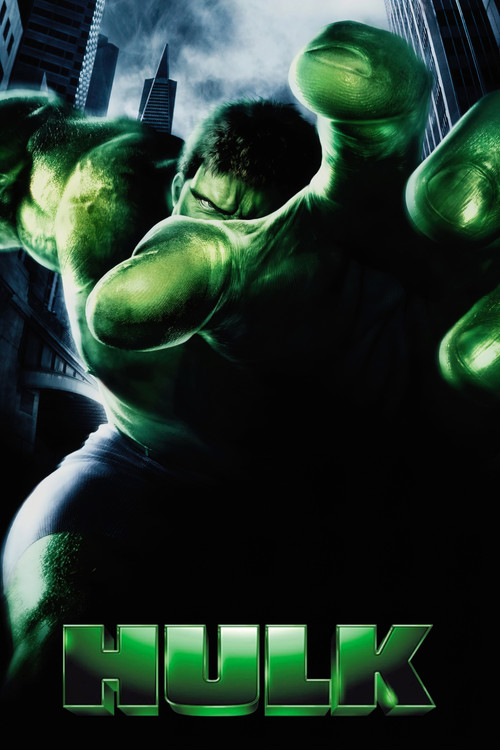
Hulk
2003Bruce Banner, a genetics researcher with a tragic past, suffers massive radiation exposure in his laboratory that causes him to transform into a raging green monster when he gets angry.
Lee’s bold rejection of the standard comic book formula resulted in a divisive, psychotherapeutic character study that utilizes split-screen editing to mimic comic panels. Though an outlier in his filmography, it remains a fascinating example of a high-brow auteur attempting to inject Greek tragedy into the machinery of a summer tentpole.
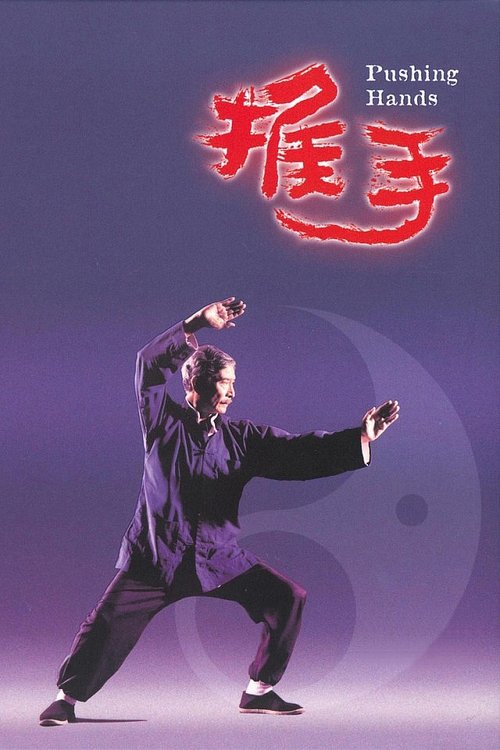
Pushing Hands
1991Mr. Chu is an elderly widower who teaches tai chi chuan in Beijing. He moves to America to live with his son's family, but finds the cultural adjustment difficult. Since his daughter-in-law is a white woman who does not speak Chinese, Mr. Chu's son, Alex, must mediate.
In his confident debut, Lee establishes the 'Father Knows Best' thematic foundation that would go on to define his explorations of generational conflict and cultural displacement. The film uses physicality and domestic space to navigate the quiet, often humorous tensions of the immigrant experience.
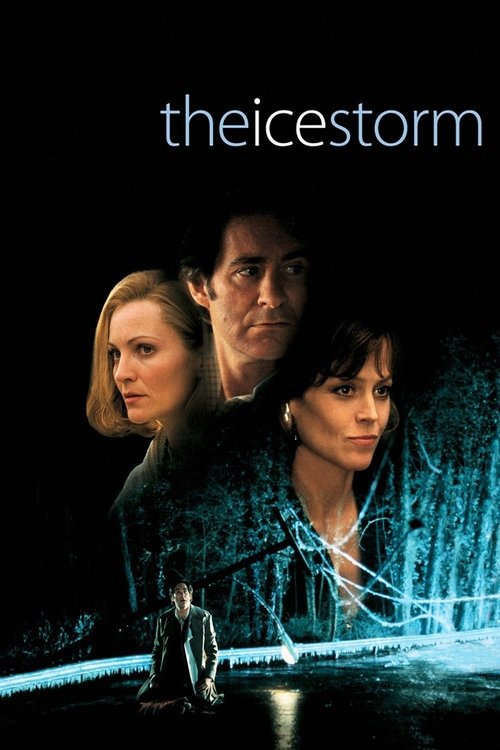
The Ice Storm
1997In the weekend after thanksgiving 1973 the Hood family is skidding out of control. Then an ice storm hits, the worst in a century.
A chilling autopsy of the American dream, this film captures the psychological frostbite of 1970s suburbia with clinical precision and haunting visual stillness. Lee’s direction here is remarkably disciplined, capturing a profound sense of alienation that feels both era-specific and timelessly tragic.
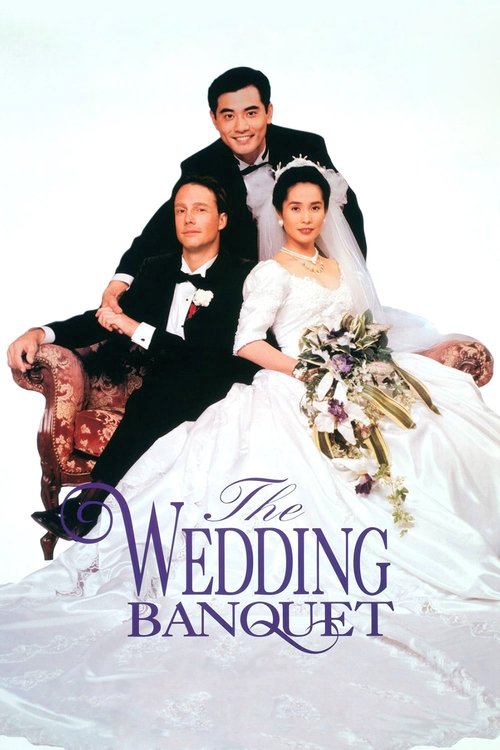
The Wedding Banquet
1993A Taiwanese-American man is happily settled in New York with his American boyfriend. He plans a marriage of convenience to a Chinese woman in order to keep his parents off his back and to get the woman a green card. Chaos follows when his parents arrive in New York for the wedding.
Lee balances farce and pathos with a light touch, exploring the friction between traditional heritage and modern queer identity through the lens of family obligation. It marks a pivotal moment in his career where he perfected the art of the ensemble dramedy, finding profound resonance in the chaos of a crowded dinner table.
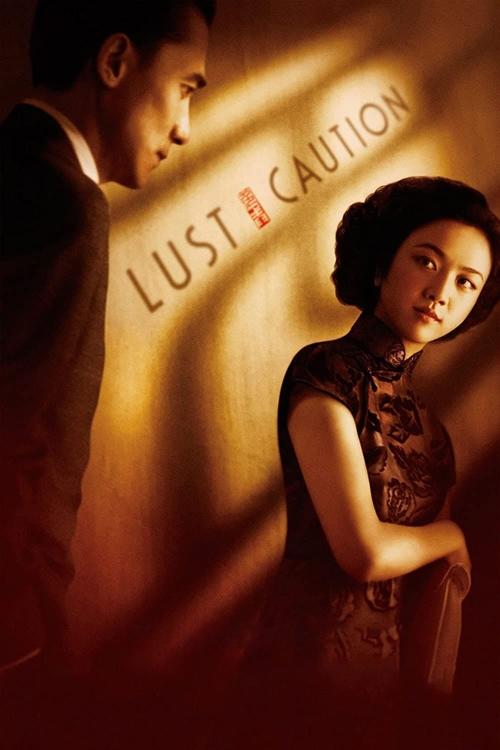
Lust, Caution
2007During World War II, a secret agent must seduce and assassinate an official who works for the Japanese puppet government in Shanghai.
This provocative espionage thriller finds Lee at his most meticulous, interrogating the blurred lines between performance and identity during wartime. Its suffocating tension and erotic charge showcase a director willing to confront the darkest, most claustrophobic corners of political and personal obsession.
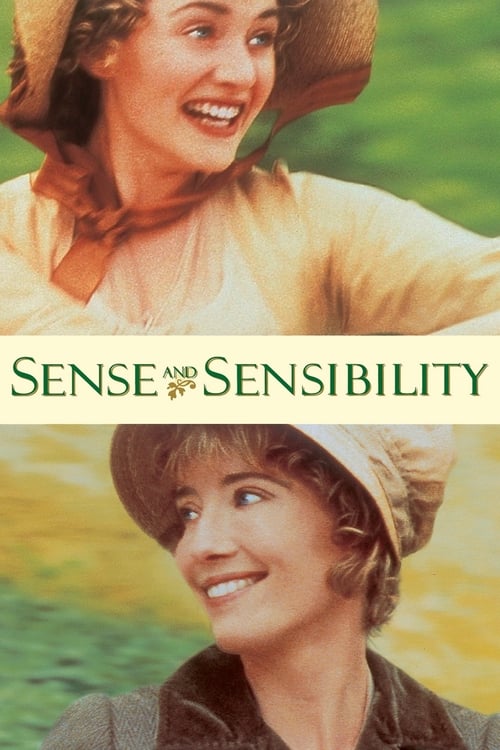
The Dashwood sisters, sensible Elinor and passionate Marianne, learn that their prospects of marriage seem doomed by their family's sudden loss of fortune. After Henry Dashwood dies unexpectedly, his estate must pass on by law to his son. These circumstances leave Mr. Dashwood's wife and daughters without a home and with barely enough money to live on. As Elinor and Marianne struggle to find romantic fulfillment in a society obsessed with financial and social status, they must learn to mix sense with sensibility in their dealings with both money and men.
With a keen outsider’s perspective, Lee deconstructs British social hierarchies to reveal the raw nerves hidden beneath polite conversation and rigid etiquette. This adaptation proved his chameleon-like ability to master disparate cultural landscapes while maintaining an unwavering focus on the complexities of the domestic sphere.
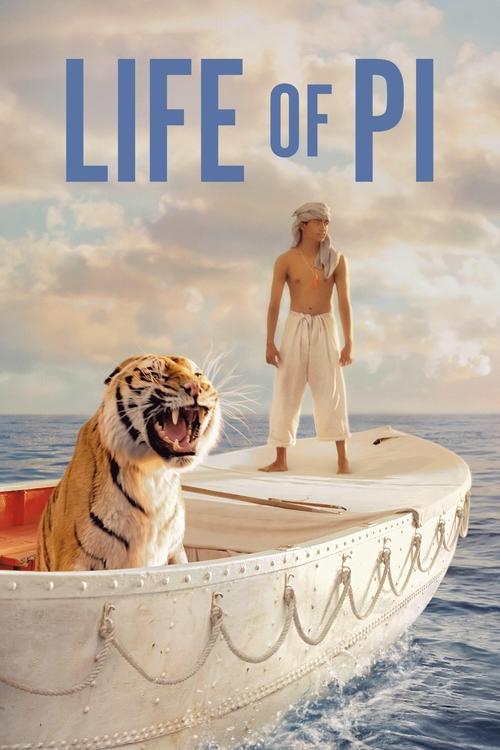
Life of Pi
2012The story of an Indian boy named Pi, a zookeeper's son who finds himself in the company of a hyena, zebra, orangutan, and a Bengal tiger after a shipwreck sets them adrift in the Pacific Ocean.
Lee pushed digital boundaries to their breaking point, utilizing 3D technology not as a gimmick but as a tool to explore the metaphysical boundaries of faith and survival. This visual feast serves as the ultimate testament to his technical ambition and his knack for finding intimate spiritual truths within massive, computer-generated spectacles.
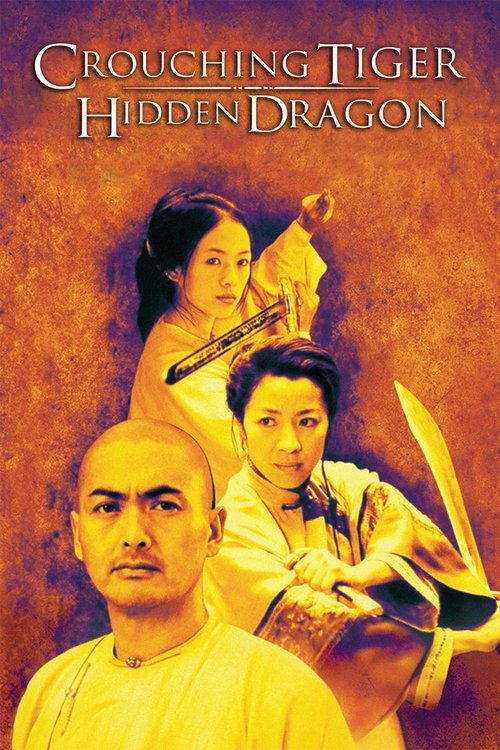
Two warriors in pursuit of a stolen sword and a notorious fugitive are led to an impetuous, physically-skilled, teenage nobleman's daughter, who is at a crossroads in her life.
By infusing the Wuxia genre with the soulful introspection of a period drama, Lee elevated martial arts cinema to a high-art meditation on duty and desire. The film remains a masterclass in gravitational defiance and rhythmic storytelling, bridging the gap between Eastern philosophy and global blockbuster aesthetics.
Taking Woodstock
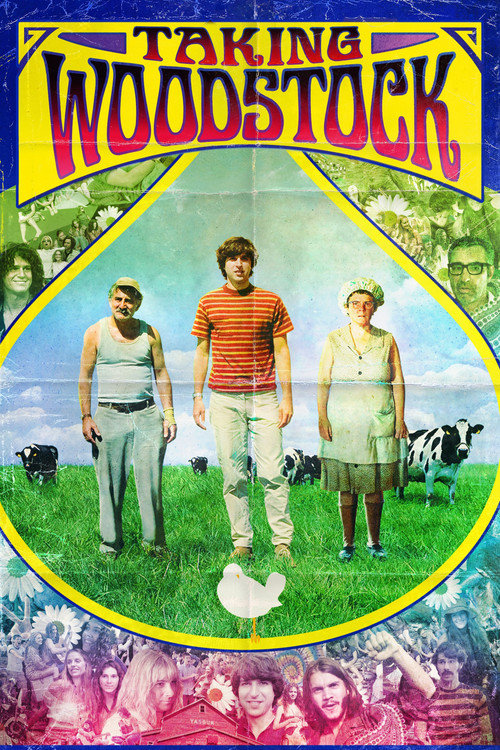
2009The story of Elliot Tiber and his family, who inadvertently played a pivotal role in making the famed Woodstock Music and Arts Festival into the happening that it was. When Elliot hears that a neighboring town has pulled the permit on a hippie music festival, he calls the producers thinking he could drum up some much-needed business for his parents' run-down motel. Three weeks later, half a million people are on their way to his neighbor’s farm in White Lake, New York, and Elliot finds himself swept up in a generation-defining experience that would change his life–and American culture–forever.
Departing from his usual gravity, Lee utilizes a kaleidoscopic lens to capture the peripheral hum of a cultural revolution through a hazy, impressionistic glow. It stands as a vibrant experiment in tone that prioritizes the atmospheric texture of a moment over the mechanics of historical narrative.
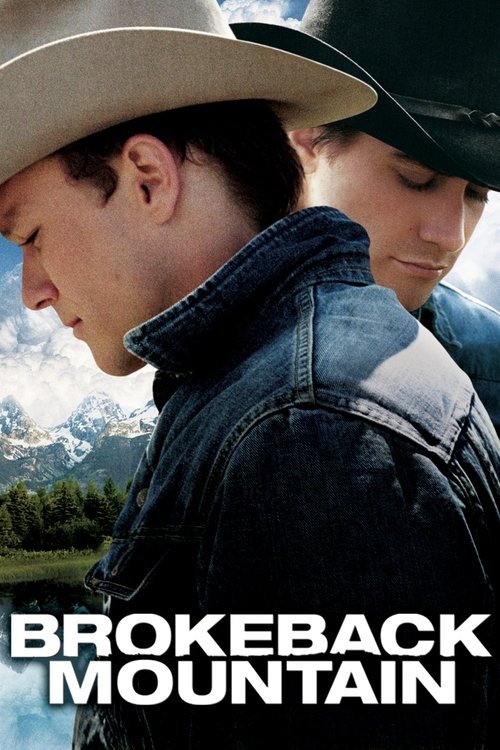
In 1960s Wyoming, two men develop a strong emotional and sexual relationship that endures as a lifelong connection complicating their lives as they get married and start families of their own.
Lee transforms the rugged iconography of the American West into a fragile canvas for unspoken yearning, proving his peerless ability to translate internal repression into cinematic poetry. This landmark achievement solidified his status as a master of the universal human condition, reshaping the boundaries of the traditional Hollywood epic.
Frequently Asked Questions
Everything you need to know about this list and SnakeDrafts
- Ang Lee's films often explore complex human emotions, cultural identity, and the tension between tradition and modernity, evident in movies like 'Brokeback Mountain' and 'Lust, Caution.' His ability to capture intimate, internal conflicts while navigating diverse settings is a signature trait.
- Ang Lee seamlessly combines genres such as drama, romance, action, and adventure, as seen in 'Crouching Tiger, Hidden Dragon' which merges martial arts with romantic drama, and 'Life of Pi' which is both an adventure and a philosophical exploration.
- 'Life of Pi' stands out for Ang Lee's use of groundbreaking visual effects and 3D technology to bring the story's fantastical elements to life, earning critical acclaim for its stunning cinematography and technical mastery.
- Films like 'Pushing Hands' and 'The Wedding Banquet' introduced Ang Lee's nuanced storytelling focused on cultural clashes and familial relationships, laying the foundation for his later international successes.
- Ang Lee's 'Sense and Sensibility' exemplifies his skillful adaptation of classic literature, capturing the emotional depth and social intricacies of Jane Austen's novel with elegance and sensitivity.
- 'Lust, Caution' is a compelling blend of espionage thriller and intimate drama set against the backdrop of WWII-era Shanghai, highlighting Lee's ability to portray complex characters in turbulent times.
- Yes, Ang Lee has directed films in various languages including English, Mandarin, and Cantonese, demonstrating his versatility and commitment to authentic storytelling across cultures.
- In 'Hulk,' Ang Lee applied a stylistic and psychological depth uncommon in superhero films of its time, using innovative visual effects and fractured narrative to explore the character's emotional turmoil.