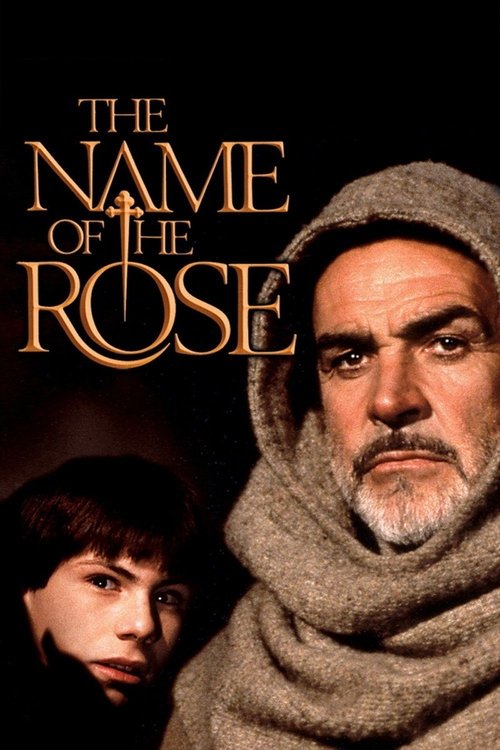
The Name of the Rose
In a secluded medieval monastery, a chilling series of murders unravels, challenging faith and reason. Sean Connery stars as a brilliant Franciscan monk, tasked with solving the enigmatic crimes before darkness consumes them all, in this captivating and thought-provoking historical mystery.
Director
Jean-Jacques Annaud
Release Year
1986
Runtime
130 minutes
Main Cast
Sean Connery, Christian Slater, Helmut Qualtinger, Ilya Baskin, Michael Lonsdale
About The Name of the Rose
**A Medieval Masterpiece of Mystery and Intellect**
Jean-Jacques Annaud's 1986 film "The Name of the Rose" transports audiences to a dark and dangerous 14th century, where faith, reason, and primal fear collide within the austere walls of a Benedictine abbey. Based on Umberto Eco's acclaimed novel, the film crafts a meticulous historical tapestry, rich with philosophical debate and gothic atmosphere. Its enduring appeal lies in its intelligent exploration of censorship, heresy, and the pursuit of knowledge.
The premise sees the astute Franciscan friar William of Baskerville, accompanied by his young novice Adso of Melk, arrive at a wealthy Italian abbey for a crucial theological disputation. However, their mission quickly pivots when a monk is found dead under mysterious circumstances. As more deaths plague the monastery, William employs deductive reasoning — an almost anachronistic approach for the era — to uncover a series of hidden truths. The narrative masterfully blends elements of a classic whodunit with profound inquiries into intellectual freedom versus dogmatic control.
Upon its release, "The Name of the Rose" garnered significant critical attention, particularly for its atmospheric recreation of the Middle Ages and Sean Connery's compelling performance as the sagacious William. The film achieved commercial success, affirming the widespread appeal of its intricate plot and historical setting. While some critics debated its faithfulness to Eco's dense philosophical text, many lauded its ability to translate complex ideas into a visually stunning and dramatically engaging cinematic experience.
The film's cultural impact endures, cementing its place as a classic historical thriller. It continues to be studied for its depiction of medieval society, its exploration of semiotics, and its powerful commentary on the suppression of knowledge. "The Name of the Rose" remains a compelling watch, inviting viewers to ponder the eternal struggle between enlightenment and ignorance, even centuries after its setting.
Drafts Featuring The Name of the Rose
Every SnakeDrafts listicle where this movie appears
Similar Movies
Movies related to The Name of the Rose
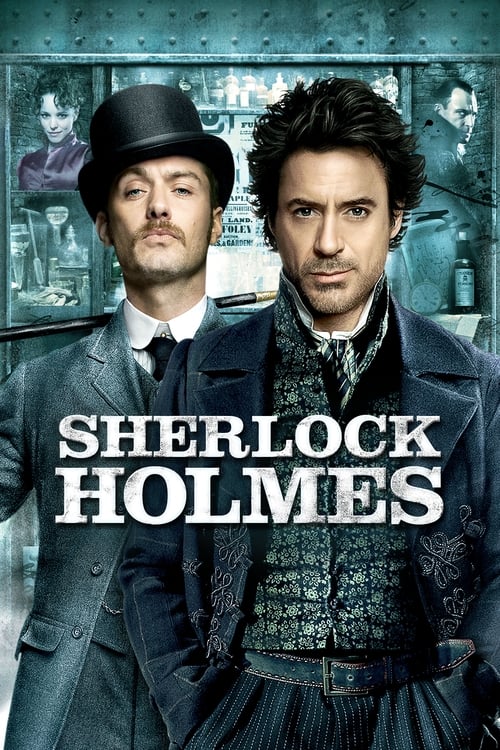
Sherlock Holmes
2009
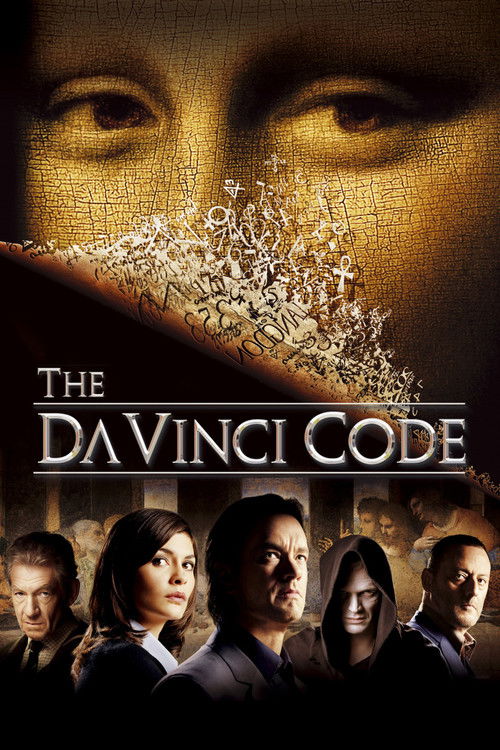
The Da Vinci Code
2006
Frequently Asked Questions
Everything you need to know about The Name of the Rose
- The forbidden book, Aristotle's lost second book of Poetics, is central to the mystery. It is believed to contain dangerous ideas about comedy and laughter, which a zealous librarian believes threaten the sanctity and authority of the Church. Its contents are considered so subversive that guarding it leads to extreme measures.
- William of Baskerville, with his keen observational skills and logical deduction, is a deliberate homage to Arthur Conan Doyle's Sherlock Holmes. Both characters share a methodical approach to solving mysteries, relying on evidence and reason rather than superstition, making William a 'medieval Sherlock Holmes'.
- Tragically, the abbey is consumed by a massive fire, initiated during the climactic confrontation over the forbidden book. The fire symbolizes the destruction of knowledge and the triumph of intolerance, leaving William and Adso to witness the devastating loss of the monastery's vast library and its accumulated wisdom.
- Salvatore, with his grotesque appearance and fragmented speech, represents the superstitions, ignorance, and fear prevalent in the uneducated populace of the Middle Ages. His actions are often driven by misguided beliefs and simple desires, serving as a stark contrast to William's intellectual approach.
- The film intensely explores censorship through the actions of the librarian Jorge and the broader Inquisition, who seek to control and suppress any knowledge deemed heretical or dangerous to established doctrine. The entire mystery revolves around the desperate lengths taken to prevent certain ideas, particularly those promoting laughter and questioning authority, from spreading.

