Angie Dickinson's Top Movies Ranked
The Silver Screen Legacy of Hollywood's Ultimate Femme Fatale
Discover the most iconic performances of Angie Dickinson, from neo-noir classics like Point Blank to the legendary western Rio Bravo and thriller Dressed to Kill.
About Angie Dickinson
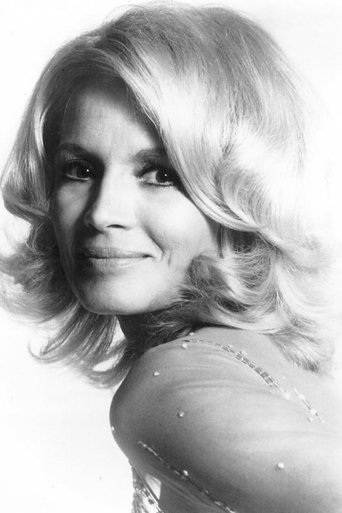
In the velvet history of Hollywood, few figures have walked the line between classical refinement and gritty modernism quite like Angie Dickinson. She arrived at the tail end of the studio system, possessing the kind of statuesque beauty that belonged on a pedestal, but she carried a street-smart pragmatism that made her feel entirely contemporary. While her contemporaries often played the decorative love interest, she radiated a sharp, observant intelligence that suggested she knew exactly how the world worked and wasn't particularly intimidated by it.
Her breakthrough in Rio Bravo remains a masterclass in screen presence. Sharing space with John Wayne and Dean Martin, she didnt just hold her own; she recalibrated the dynamic of the Western. As Feathers, she was playful, dangerous, and profoundly human, proving that a woman could be the smartest person in a room full of gunslingers. This poise became her trademark. Whether she was maneuvering through the tense atmosphere of China Gate or providing the emotional anchor in Captain Newman, M.D., she navigated the male dominated landscape of the sixties with an effortless cool.
Her career arc took a fascinating turn toward the hard boiled and the experimental as the decade progressed. In Point Blank, she became the perfect foil for Lee Marvins stoic revenge, bringing a sophisticated noir energy to a film that redefined the crime genre. She leaned into the darkness of the era, appearing in the brutal The Killers and the pressure cooker drama of The Chase alongside Marlon Brando. Audiences connected with her because she never felt like a victim of the plot. Even when caught in the crosshairs of a story, she possessed a weary, knowing resilience that made her the ultimate survivor.
The 1970s and 80s saw her lean into her status as a cultural icon, transitioning from the silver screen to a historic run on television while still making bold cinematic choices. She embraced the counterculture energy of Big Bad Mama and navigated the international intrigue of The Outside Man. However, it was her collaboration with Brian De Palma in Dressed to Kill that reminded everyone of her sheer magnetic power. In that film, she played a woman grappling with desire and danger, delivering a performance so nuanced and vulnerable that it became an instant touchstone of the psychological thriller genre.
Her longevity is a testament to an refusal to be pigeonholed. By the time she appeared in the star studded ensemble of the 2001 Ocean's Eleven or the sentimental Pay It Forward, she had become a bridge between the Golden Age and the new millennium. Even in late career roles like Death Hunt or The Last Challenge, that signature spark remained. People didn't just watch her for the glamour; they watched her for the confidence. She looked like a movie star but sounded like a confidante, a rare combination that ensured her place as one of the most enduring sirens in American cinema. She remains the quintessential professional, a performer who understood that true star power isn't about shouting for attention, but about commanding it with a single, knowing glance.
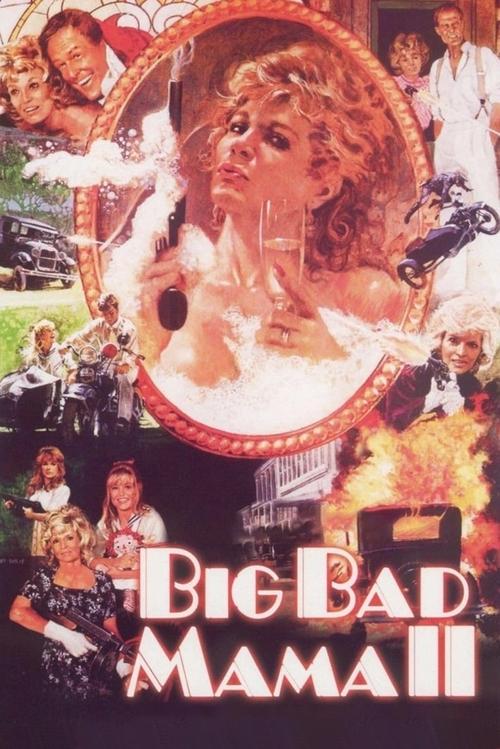
Big Bad Mama II
1987Wilma McClatchie and her daughters return to a life of crime and vow vengeance against the evil land baron who foreclosed on their home.
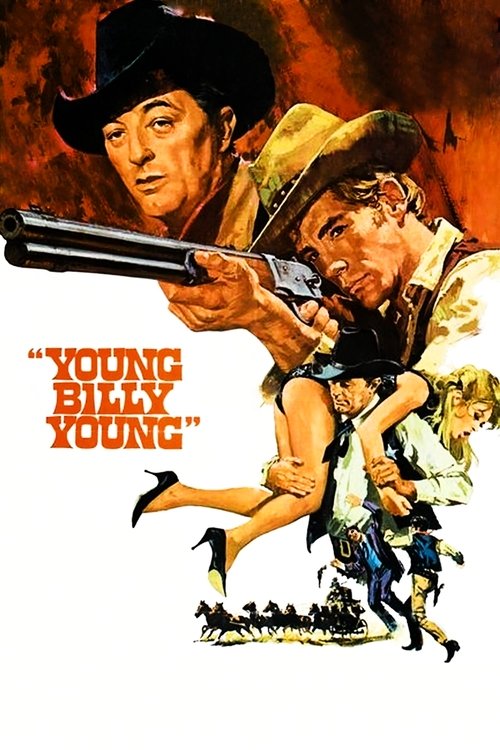
Young Billy Young
1969A peace-loving man named Ben Kane takes a job as deputy marshal of Lords, in the old West. Kane is no lawman, but he accepts the badge because he has an old score to settle with the town's chief trouble-maker. Once on the job, Kane must also deal with a young sharpshooter named Billy Young and a sharp and sassy saloon dancer, Lily.
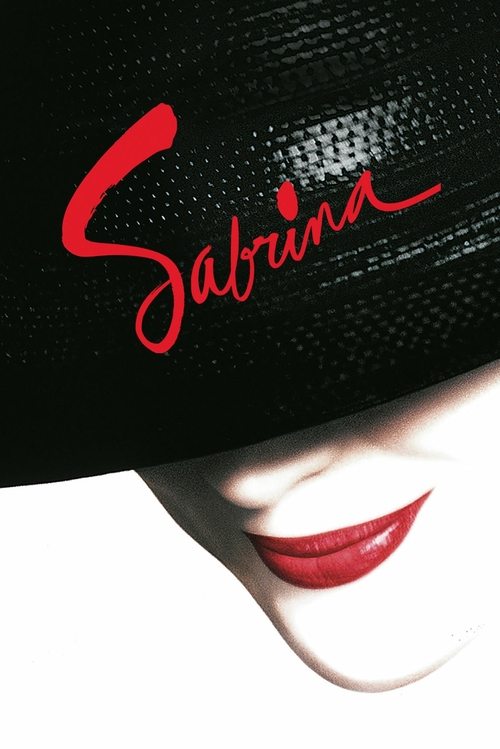
Sabrina
1995After her return from school in Paris, a playboy finally takes notice of his family's chauffeur's daughter Sabrina, who's long had a crush on him, but he questions his more serious brother's motives when he warns against getting involved with her.
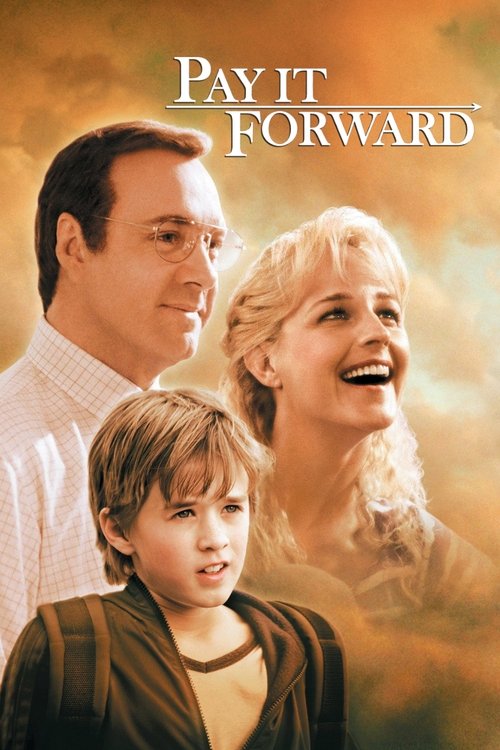
Pay It Forward
2000Like some other kids, 12-year-old Trevor McKinney believed in the goodness of human nature. Like many other kids, he was determined to change the world for the better. Unlike most other kids, he succeeded.
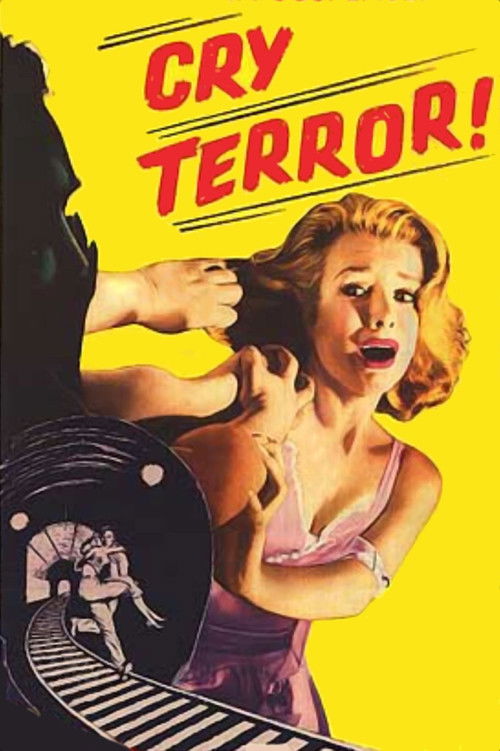
Cry Terror!
1958A mad bomber holds an innocent family hostage.
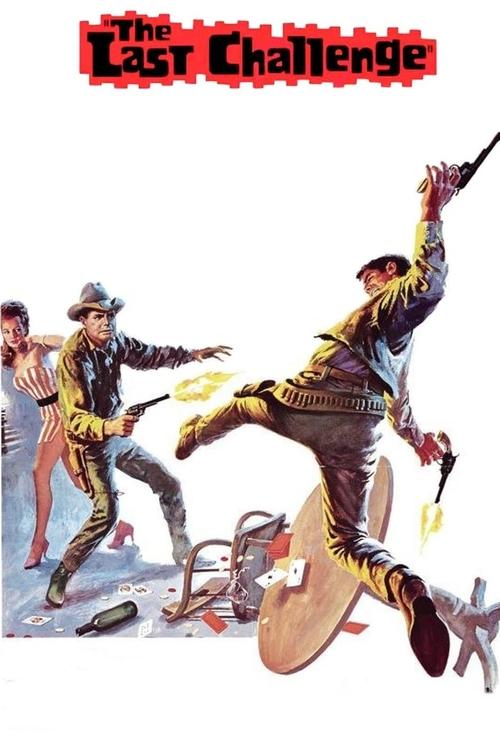
The Last Challenge
1967An upstart outlaw baits a legendary gunslinger, now a marshal in love with a saloon keeper.
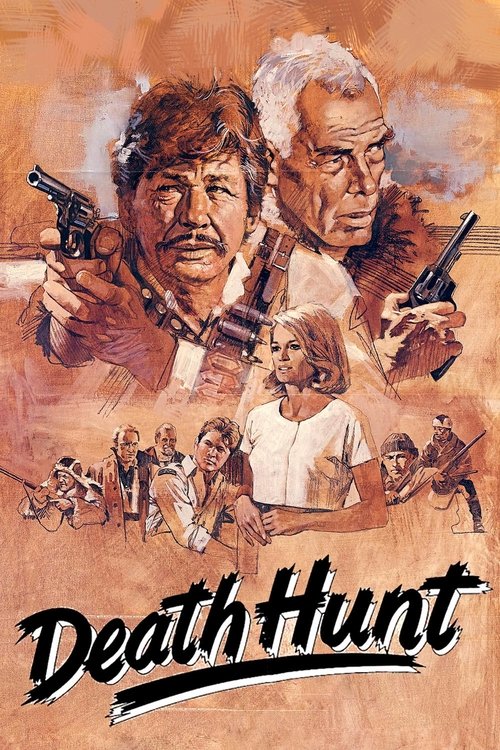
Death Hunt
1981Yukon Territory, Canada, November 1931. Albert Johnson, a trapper who lives alone in the mountains, buys a dog almost dead after a brutal dogfight, a good deed that will put him in trouble.
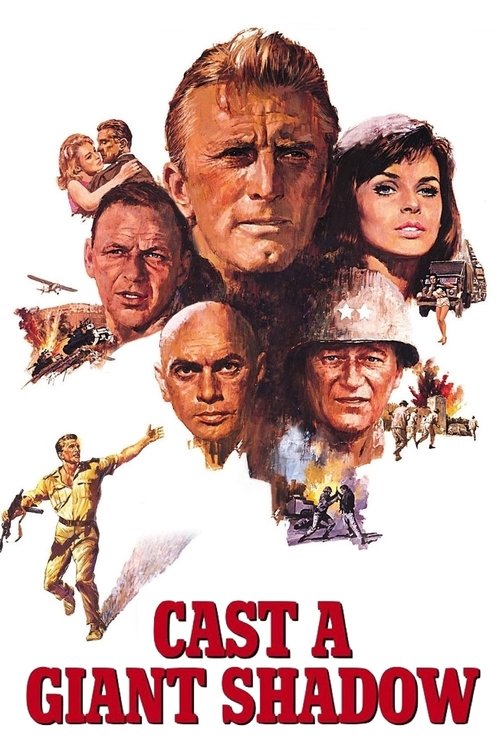
Cast a Giant Shadow
1966An American Army officer is recruited by the yet to exist Israel to help them form an army. He is disturbed by this sudden appeal to his Jewish heritage. Each of Israel's Arab neighbors has vowed to invade the poorly prepared country as soon as partition is granted. He is made commander of the Israeli forces just before the war begins.
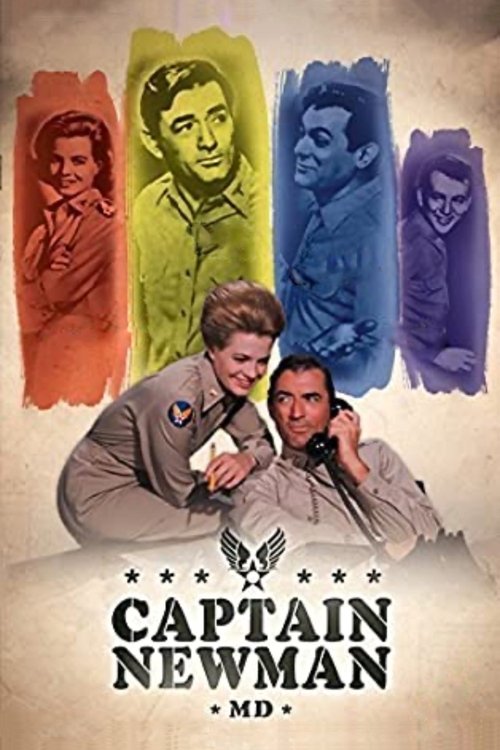
Captain Newman, M.D.
1963In 1944, Capt. Josiah J. Newman is the doctor in charge of Ward 7, the neuropsychiatric ward, at an Army Air Corps hospital in Arizona. The hospital is under-resourced and Newman scrounges what he needs with the help of his inventive staff, especially Cpl. Jake Leibowitz. The military in general is only just coming to accept psychiatric disorders as legitimate and Newman generally has 6 weeks to cure them or send them on to another facility. There are many patients in the ward and his latest include Colonel Norville Bliss who has dissociated from his past; Capt. Paul Winston who is nearly catatonic after spending 13 months hiding in a cellar behind enemy lines; and 20 year-old Cpl. Jim Tompkins who is severely traumatized after his aircraft was shot down. Others come and go, including Italian prisoners of war, but Newman and team all realize that their success means the men will return to their units.
Dickinson provides the essential human pulse in this military psychiatric drama, balancing Gregory Peck's austerity with a warm, steady professionalism. Though the setting is clinical, her ability to project deep empathy without sentimentality anchors the film's moral core.
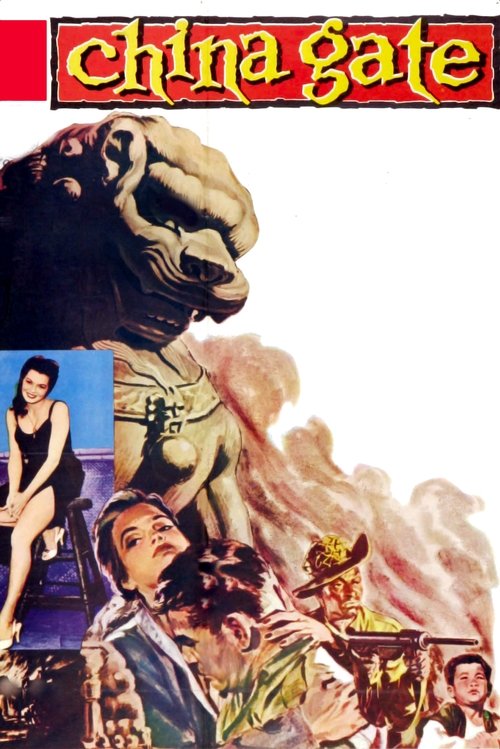
China Gate
1957Near the end of the French phase of the Vietnam War, a group of mercenaries are recruited to travel through enemy territory to the Chinese border.
In this early collaboration with Samuel Fuller, she tackles a complex, racially charged role that signaled her readiness for prestige drama. Her performance is raw and strikingly unglamorous, marking the moment the industry recognized her as more than just a pretty face.
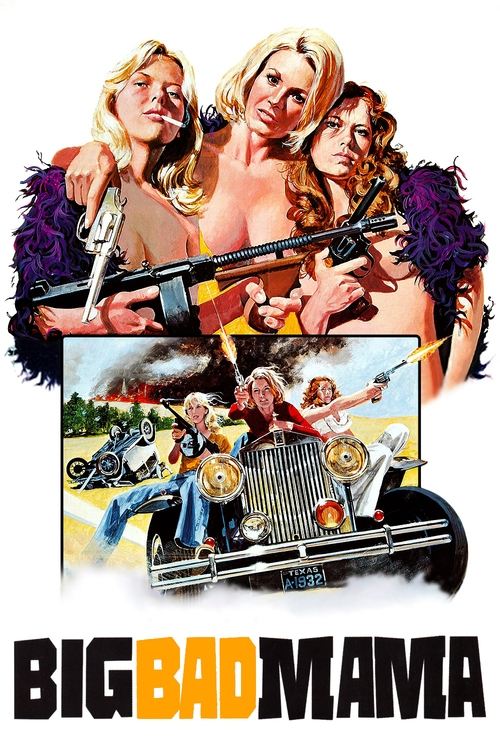
Big Bad Mama
1974Circumstances force a mother and her two daughters to get into bootlegging and bank robbing, and travel across the country pursued by the law.
Embracing the exploitation genre with unapologetic vigor, she transforms a B-movie premise into a charismatic feminist manifesto. Her work here demonstrates a shrewd understanding of her own star power, leaning into camp while maintaining an undeniable grit.
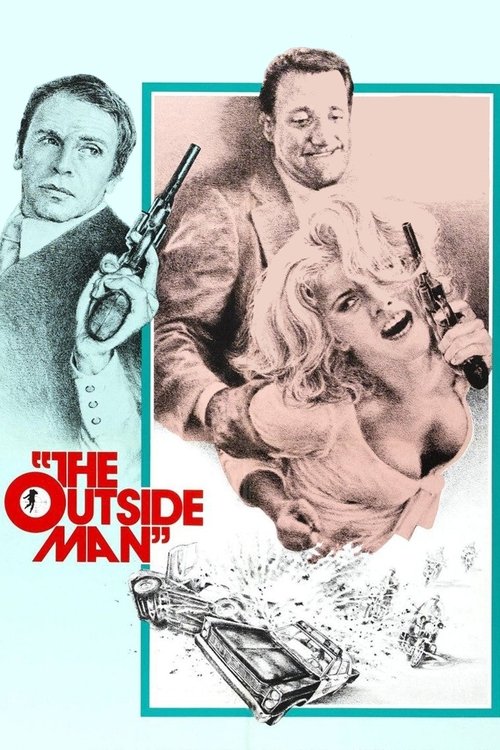
The Outside Man
1972A French hit man is hired by a crime family to end the life of a rival mobster, but things fall apart when the boss who hired him is killed.
Dickinson thrives in this stylish international hit, matching the intensity of Jean-Louis Trintignant with a cool, European sensibility. The role allowed her to shed the California sunshine image in favor of something more shadowy, sleek, and sophisticated.
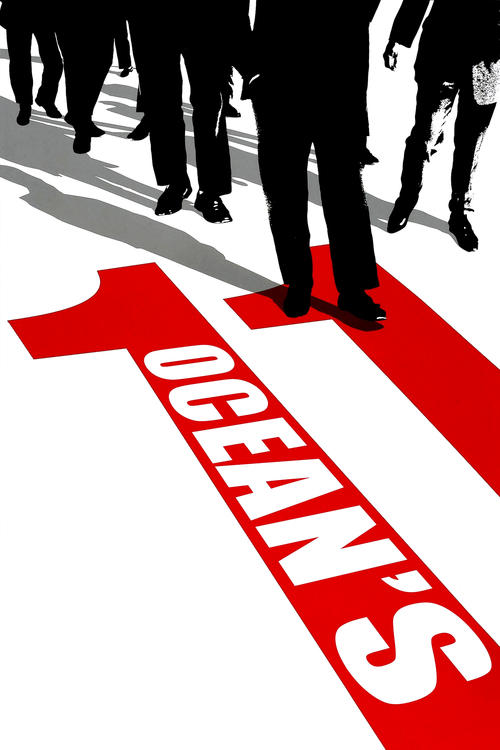
Ocean's Eleven
2001Less than 24 hours into his parole, charismatic thief Danny Ocean is already rolling out his next plan: In one night, Danny's hand-picked crew of specialists will attempt to steal more than $150 million from three Las Vegas casinos. But to score the cash, Danny risks his chances of reconciling with ex-wife, Tess.
Her brief appearance serves as a stylish nod to the original film's legacy, bridging the gap between Old Hollywood glamour and modern heist aesthetics. It is a graceful meta-moment that acknowledges her permanent status as a cornerstone of the franchise's history.
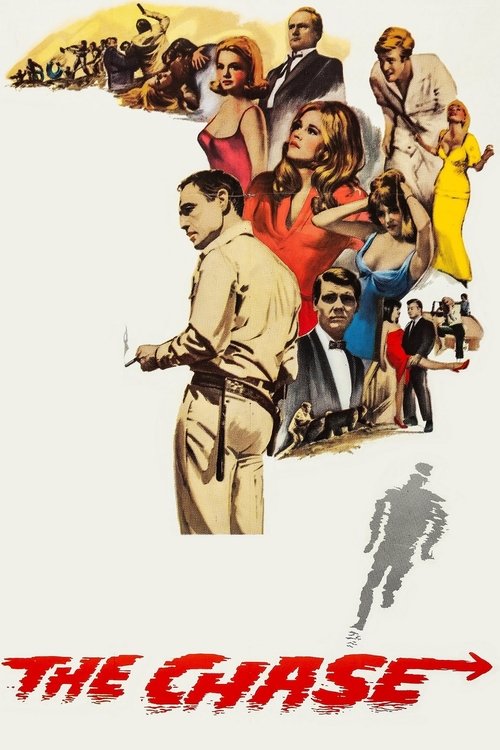
The Chase
1966The escape of Bubber Reeves from prison affects the inhabitants of a small Southern town.
Amidst an ensemble of heavyweights like Brando and Redford, she brings a grounded dignity to a town spiraling into hysteria. Her presence offers a nuanced critique of social decay, cementing her status as a dramatic force who can hold focus within a chaotic, star-studded spectacle.
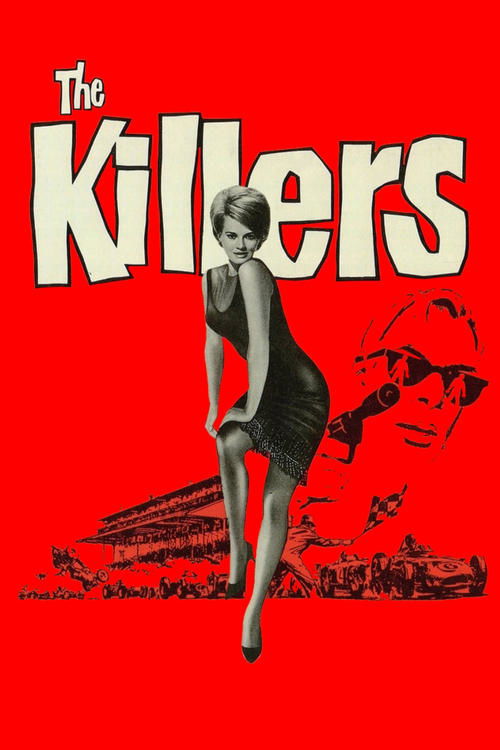
The Killers
1964A hit man and his partner try to find out why their latest victim, a former race-car driver, did not try to get away.
Playing a lethal femme fatale who is both the catalyst and the predator, she infuses this Don Siegel classic with a chilling, modern cynicism. It is a sharp departure from her sympathetic roles, highlighting a calculated coldness that makes her the most dangerous person in the room.
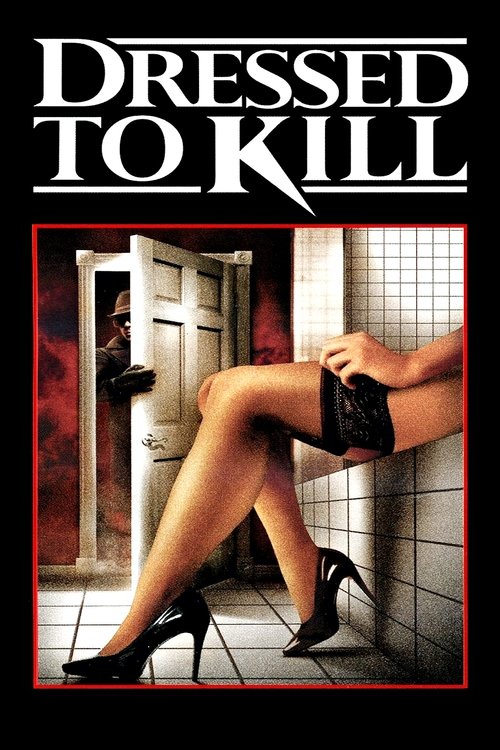
Dressed to Kill
1980After witnessing a mysterious woman brutally slay a homemaker, prostitute Liz Blake finds herself trapped in a dangerous situation. While the police thinks she is the murderer, the real killer is intent on silencing her only witness.
Dickinson projects a haunting vulnerability in the film's legendary wordless opening, creating a masterclass in erotic tension and psychological depth. This collaboration with De Palma remains a daring pivot that showcased her fearless approach to mature, provocative cinema.
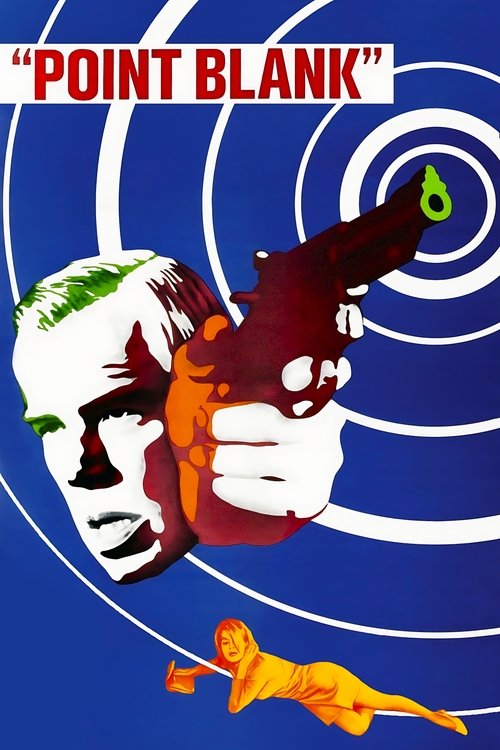
Point Blank
1967After being double-crossed and left for dead, a mysterious man named Walker single-mindedly tries to retrieve the rather inconsequential sum of money that was stolen from him.
In Boorman's fractured neo-noir, she serves as the film's gritty emotional anchor while navigating a landscape of avant-garde violence. Her performance provides a necessary, jagged edge that complements Lee Marvin's stoicism, proving her mastery of the high-style thriller.
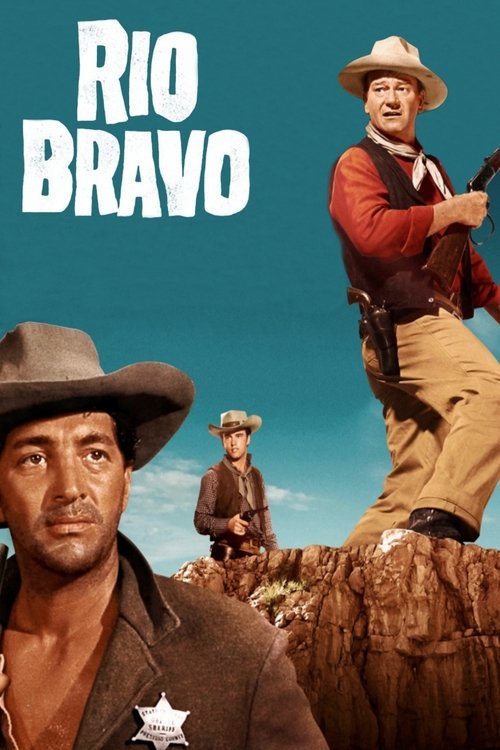
Rio Bravo
1959A small-town sheriff in the American West enlists the help of a disabled man, a drunk, and a young gunfighter in his efforts to hold in jail the brother of the local bad guy.
Dickinson commands the screen as Feathers, standing toe-to-toe with John Wayne by wielding a rapid-fire wit that redefined the Western heroine. This role established her as a sophisticated powerhouse capable of out-talking and out-maneuvering the genre's toughest icons.
Frequently Asked Questions
Everything you need to know about this list and SnakeDrafts
- Angie Dickinson masterfully blends classic and modern themes in films like "Rio Bravo," a quintessential western, and "Point Blank," which is a neo-noir crime thriller. These roles showcase her ability to embody both traditional and edgy characters.
- "Dressed to Kill" is a standout Angie Dickinson thriller directed by Brian De Palma that combines mystery and horror elements. Her performance in this film highlights her skill in navigating complex, suspenseful narratives.
- In "Ocean's Eleven," Angie Dickinson embraces a more modern thriller and crime genre, portraying a character in a star-studded ensemble cast. This contrasts with her earlier leading roles in westerns and noir films, demonstrating her versatile acting range across decades.
- Movies like "The Chase" and "The Killers" delve into crime, mystery, and complex human drama, often highlighting moral ambiguity and tension. Angie Dickinson's performances in these films underscore her talent for portraying nuanced characters in morally intricate stories.
- Angie Dickinson significantly contributed to the western genre with classics such as "Rio Bravo" and "The Last Challenge." Her roles often combined strong feminine presence with traditional western motifs, helping to expand the genre's emotional and narrative depth.
- "Big Bad Mama" uniquely blends action, comedy, crime, and drama, allowing Angie Dickinson to showcase her dynamic versatility. This film stands out for its bold tone and her engaging, charismatic performance.
- Yes, Angie Dickinson appears in war-themed films like "China Gate" and "Cast a Giant Shadow," where she delivers compelling performances that add depth to these dramatic wartime narratives. These roles demonstrate her ability to tackle intense and historically significant subject matter.
- In crime dramas like "Cry Terror!" and "The Outside Man," Angie Dickinson brings a sharp intelligence and emotional complexity to her characters. Her performances help elevate these suspenseful stories, engaging audiences with her compelling presence and nuanced acting.