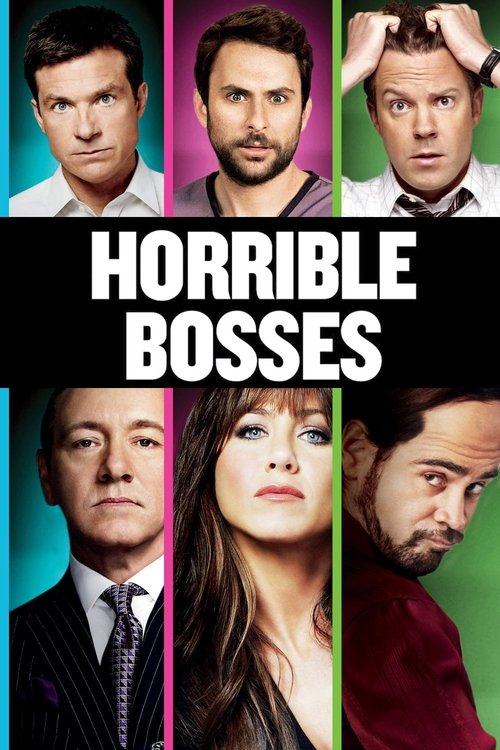
Horrible Bosses
Horrible Bosses (2011) is a raucous blend of comedy and crime that explores the extreme lengths three friends will go to escape their unbearable work environments. Featuring stellar performances by Jason Bateman, Charlie Day, and Jason Sudeikis, this film offers a hilarious, darkly comedic look at workplace frustration and friendship under pressure.
Director
Seth Gordon
Release Year
2011
Runtime
98 minutes
Main Cast
Jason Bateman, Charlie Day, Jason Sudeikis, Kevin Spacey, Jennifer Aniston
About Horrible Bosses
Horrible Bosses struck a chord with audiences for its relatable yet outlandish premise—three friends plotting against their abusive employers. Its cultural impact lies in how it humorously addresses the universal dislike of toxic work environments, making it a go-to comedy for anyone who's ever dreaded the daily grind. The film presents a clever, unpredictable storyline revolving around Nick, Kurt, and Dale as they navigate a dangerous plan to rid themselves of their nightmarish bosses without resorting to quitting.
The plot premise teeters on the edge of crime and comedy, carefully balancing dark humor with slapstick antics. While the film keeps audiences guessing, it refrains from spoiling key twists and developments, focusing instead on the chaotic and comedic attempts by the three protagonists to take control of their unhappy professional lives. The performances, particularly from Jennifer Aniston as a seductive yet sinister boss and Kevin Spacey as a corrupt dental magnate, add layers of humor and menace.
Critically, the film was praised for its sharp wit and bold humor, though some reviewers noted its boundary-pushing jokes and occasionally outrageous scenarios. It became a commercial success, spawning a sequel due to its popularity. While it didn’t sweep major awards, its memorable quotes, comedic timing, and ensemble cast performance contributed to its lasting legacy as a cult classic comedy.
The legacy of Horrible Bosses endures primarily through its clever script and memorable portrayal of workplace misery, making it a staple comedy for fans of the genre. Its impact is evident in how it has influenced subsequent films that mix crime elements with humor, and in popular culture as a reference point for extreme reactions to bad bosses.
Drafts Featuring Horrible Bosses
Every SnakeDrafts listicle where this movie appears
The Definitive Kevin Spacey Movies Ranked
Ranked #19
Every Colin Farrell Movie Ranked
Ranked #18
The Definitive Jamie Foxx Movie Ranking: Every Essential Film
Ranked #19
The Definitive Jason Bateman Movie Rankings
Ranked #13
Jason Sudeikis's Top Movies Ranked
Ranked #4
Best Jennifer Aniston Films of All Time
Ranked #1
A Ranking of Bob Newhart's Best Movies
Ranked #7
The Best 2010s Comedy Movies Ranked
Ranked #16
Similar Movies
Movies related to Horrible Bosses
Frequently Asked Questions
Everything you need to know about Horrible Bosses
- The three protagonists—Nick, Kurt, and Dale—are motivated by their unbearable working conditions and abusive bosses. Each faces a unique form of workplace torment, pushing them to consider drastic measures as quitting is not a feasible option for them.
- Horrible Bosses skillfully balances the comedic and crime aspects by emphasizing the absurdity and misadventures of the characters’ scheme rather than focusing on violence. The film uses slapstick humor and witty dialogue to lighten the tone while maintaining a sense of danger around their plan.
- Jennifer Aniston plays Dr. Julia Harris, a sexually aggressive and inappropriate boss whose behavior is central to the film's humor and conflicts. Her character represents one extreme of toxic workplace leadership, adding both comedic tension and plot complications.
- Yes, several lines from Horrible Bosses, especially those delivered by the main trio and Jennifer Aniston’s boss character, have become memorable for fans. Quotes referencing their outrageous plans and workplace grievances often get cited for their dark humor and wit.
- While Horrible Bosses did not receive major film awards, it was commercially successful and well-received by audiences. Its popularity led to a sequel, cementing its place as a beloved comedy rather than an award-winning film.
- The film portrays each boss with distinct but extreme flaws—sexual harassment, corruption, and cruelty—highlighting various forms of workplace toxicity. This variety helps viewers connect with the characters’ frustrations and the film’s overall satirical take on bad management.
- Friendship is central to the plot, as the bond between Nick, Kurt, and Dale provides emotional support and comic interplay. Their collective plotting showcases how camaraderie can help people cope with stressful work situations, even when their plan goes awry.
- The ending of Horrible Bosses ties up most major plot points with a comedic resolution. While there are twists, it adheres to a conventional comedic closure, emphasizing the consequences of the characters’ actions but ultimately maintaining a light tone.
- Horrible Bosses explores themes like workplace oppression, the extremes of employee frustration, and the lengths people might go when trapped in toxic work environments. It also touches on male camaraderie, moral ambiguity, and the dark humor found in everyday struggles.

