The Best Humphrey Bogart Movies
The Definitive Guide to Cinema's Greatest Antihero
Explore the legendary career of Humphrey Bogart, featuring film noir classics, gritty dramas, and the performances that defined Hollywood's Golden Age.
About Humphrey Bogart
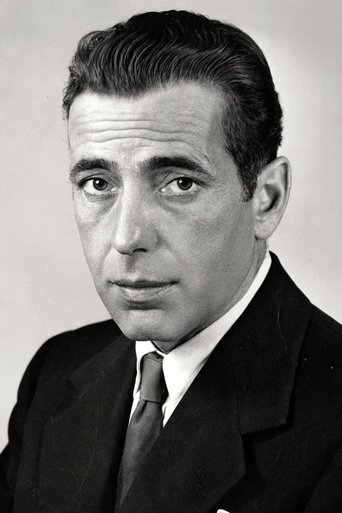
In an era of Hollywood history defined by glossy matinee idols and polished charm, Humphrey Bogart arrived like a crack in a windshield. He did not possess the traditional aesthetic of a leading man, yet he became the definitive face of American grit. His face was a landscape of hard miles and sleepless nights, perfectly suited for the shadows of film noir and the cynical atmosphere of the post-war world. He was the rare performer who could communicate a moral code through nothing more than a twitch of the lip or the way he held a cigarette.
The transformation from a reliable studio menace to a global icon began when he stopped playing second-fiddle gangsters in movies like The Roaring Twenties and Angels with Dirty Faces. While those early roles established his toughness, it was the 1941 double header of High Sierra and The Maltese Falcon that revealed the soul beneath the scar tissue. As Sam Spade, he introduced a new kind of protagonist: a man who lived by a private set of rules in a world where everyone else was for sale. Audiences found something deeply honest in that weary integrity. He wasn't a superhero; he was a guy who had seen it all and still decided to do the right thing, however reluctantly.
That reluctant heroism reached its apex in Casablanca, arguably the most enduring romance in cinematic history. As Rick Blaine, he gave us the definitive portrait of the heartbroken stoic, proving that a man could be both incredibly tough and devastatingly vulnerable. This duality became his trademark. It was present in the crackling, electric chemistry he shared with Lauren Bacall in The Big Sleep and To Have and Have Not, where their banter felt less like acting and more like a private language. He wasn't just playing a private eye or a captain for hire; he was playing a man who had finally met his match.
As his career deepened, he pushed into darker, more psychological territory. His performance in The Treasure of the Sierra Madre is a masterclass in the rot of greed, while In a Lonely Place captures a terrifying, volatile edge that few of his contemporaries would dare to explore. Even when he played against type, such as the eccentric riverboat captain in The African Queen, he maintained a raw authenticity that earned him an Academy Award. He could pivot from the high-stakes tension of The Caine Mutiny to the sophisticated comedy of Sabrina without ever losing the gravity that made him a star.
We continue to return to his work because he represents a specific brand of American resilience. Whether he was navigating the foggy docks of Dark Passage or the claustrophobic heat of Key Largo, he remained the ultimate survivor. He didn't need a tuxedo to command a room, though he wore one better than most. He belonged to the bars, the docks, and the rain-slicked streets. Decades after his passing, his presence remains the gold standard for effortless cool, a reminder that the most compelling heroes are the ones who carry their scars in plain sight.
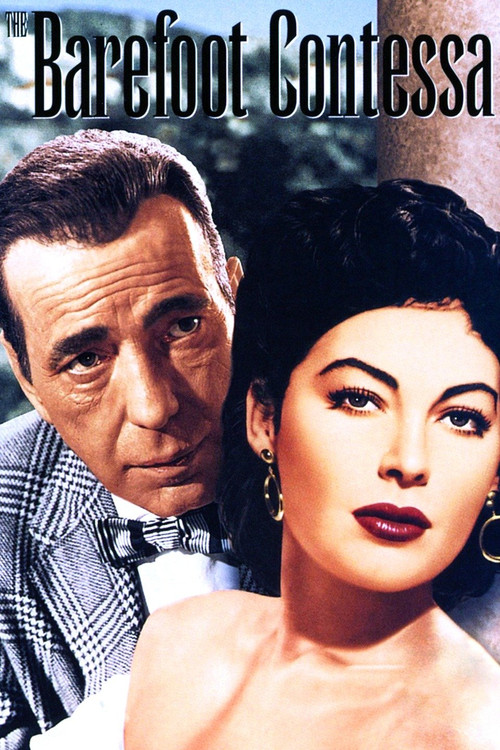
The Barefoot Contessa
1954A washed-up filmmaker gets a second chance at stardom when he discovers stunning peasant Maria Vargas dancing in a Madrid nightclub. Goaded by his producer, the director convinces Maria to screen test for, and then star in, his next big picture. But as the producer's possessive nature and the realities of stardom weigh on Maria, she seeks a genuine lover with whom she can escape.
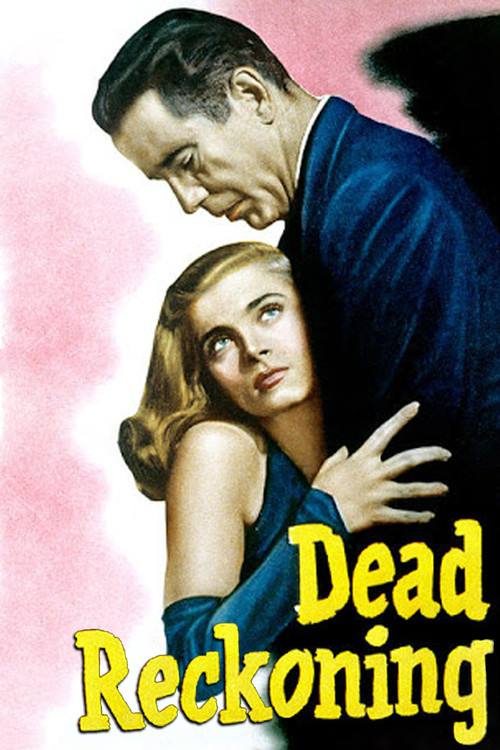
Dead Reckoning
1946War heroes Rip Murdock and Johnny Drake are sent to Washington, D.C, to receive top honors for their service. Johnny, seemingly terrified by the publicity that awaits him, jumps off the train and later turns up dead. Suspecting foul play, Rip begins digging into his pal's past. He encounters cover-ups, threats to his own life and deadly femme fatale Coral Chandler.
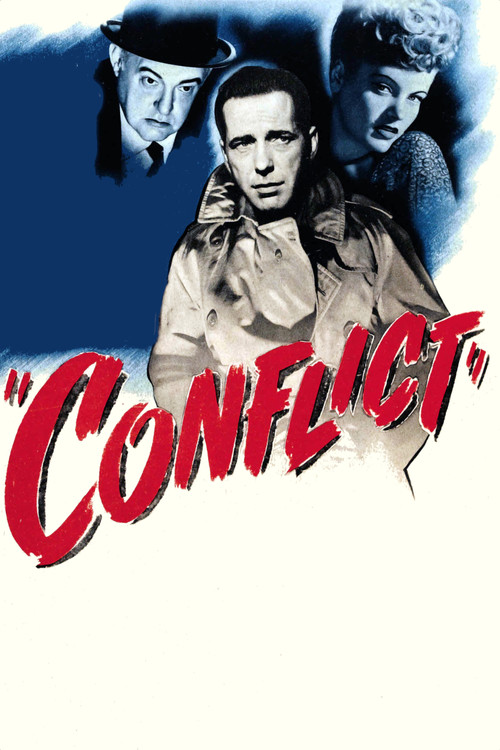
Conflict
1945Unhappily married Richard Mason concocts a meticulous scheme to kill his shrewish wife so that he'll be free to marry her sister.
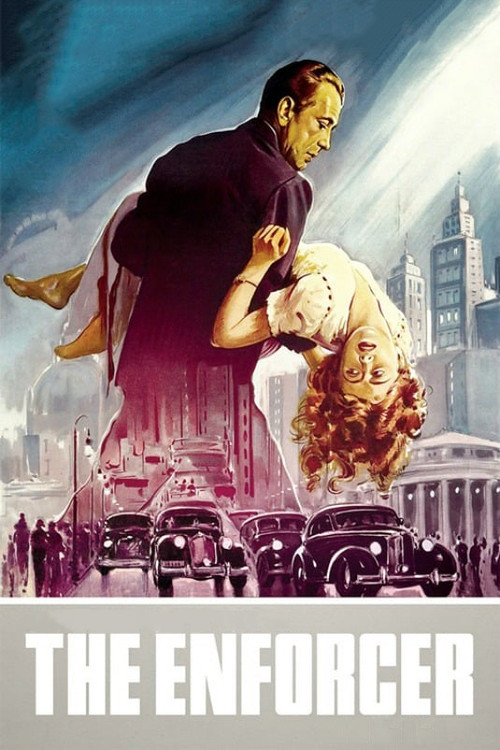
The Enforcer
1951After years of investigation, Assistant District Attorney Martin Ferguson has managed to build a solid case against an elusive gangster whose top lieutenant is about to testify.
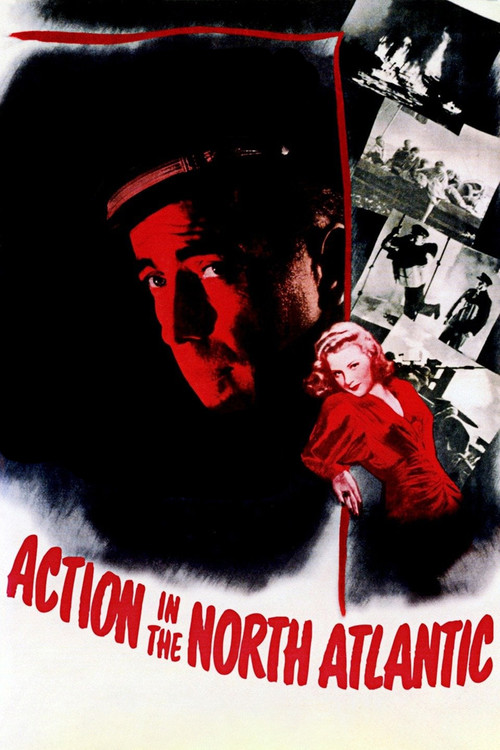
Action in the North Atlantic
1943Merchant Marine sailors Joe Rossi (Humphrey Bogart) and Steve Jarvis (Raymond Massey) are charged with getting a supply vessel to Russian allies as part of a sea convoy. When the group of ships comes under attack from a German U-boat, Rossi and Jarvis navigate through dangerous waters to evade Nazi naval forces. Though their mission across the Atlantic is extremely treacherous, they are motivated by the opportunity to strike back at the Germans, who sank one of their earlier ships.
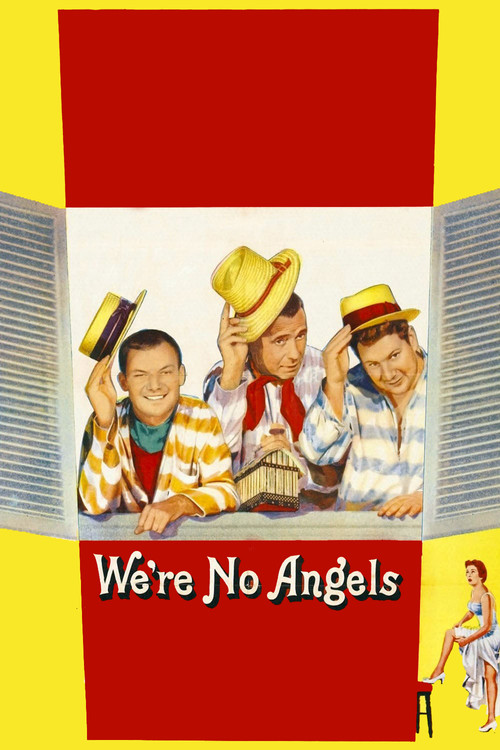
We're No Angels
1955Three convicts escape from prison on Devil's Island just before Christmas and arrive at a nearby French colonial town. They go to the store of the Ducotels, the only store that gives supplies on credit. They initially intend to take advantage of them but have a change of heart after they find the family is in financial troubles.
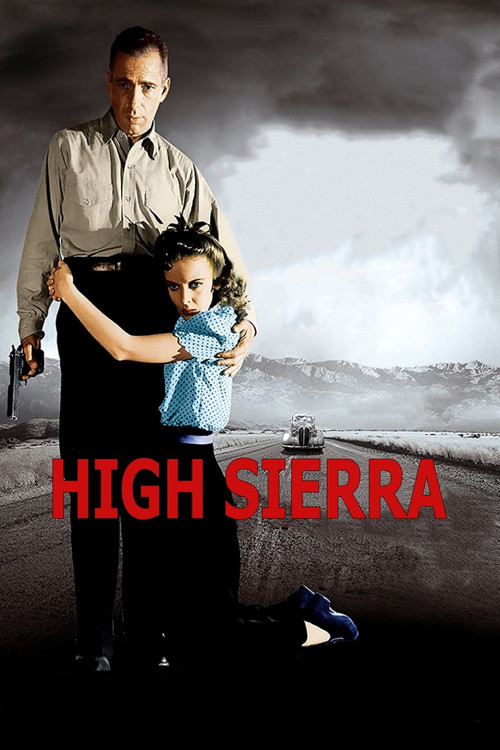
High Sierra
1941Given a pardon from jail, Roy Earle gets back into the swing of things as he robs a swanky resort.
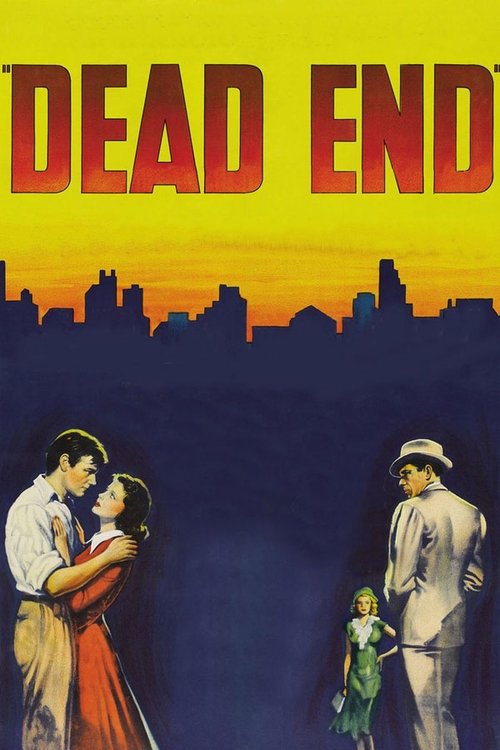
Dead End
1937The lives of a young man and woman, an infamous gangster and a group of street kids converge one day in a volatile New York City slum.
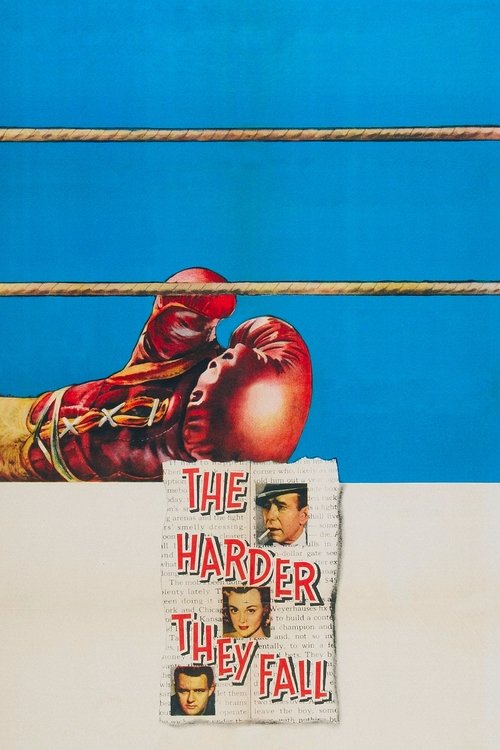
The Harder They Fall
1956Jobless sportswriter Eddie Willis is hired by corrupt fight promoter Nick Benko to promote his current protégé, an unknown Argentinian boxer named Toro Moreno. Although Moreno is a hulking giant, his chances for success are hampered by a powder-puff punch and a glass jaw. Exploiting Willis' reputation for integrity and standing in the boxing community, Benko arranges a series of fixed fights that propel the unsophisticated Moreno to #1 contender for the championship. The reigning champ, the sadistic Buddy Brannen, harbors resentment at the publicity Toro has been receiving and vows to viciously punish him in the ring. Eddie must now decide whether or not to tell the naive Toro the truth.
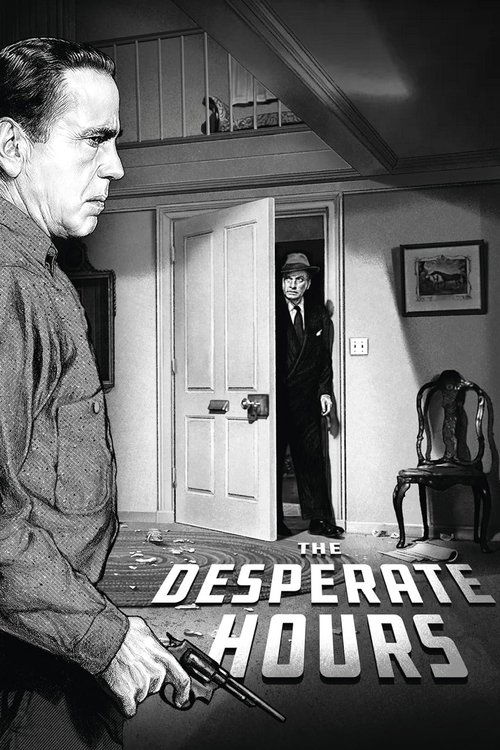
The Desperate Hours
1955Escaped convicts terrorize a suburban family they're holding hostage.
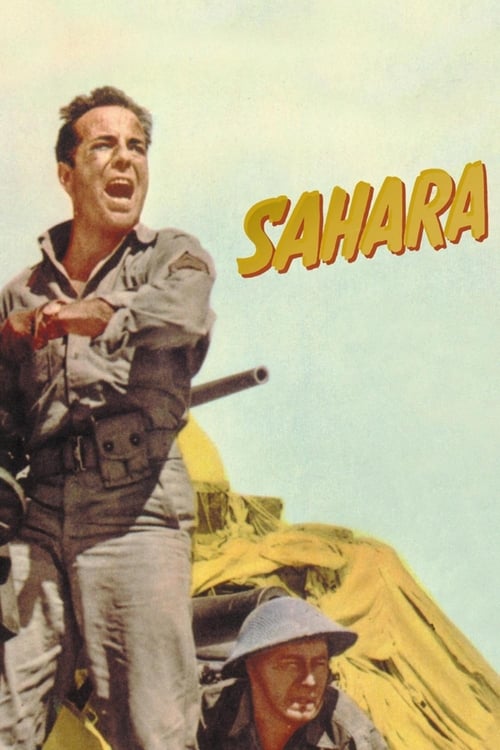
Sahara
1943In Libya, an American tank commander, along with a handful of Allied soldiers, tries to defend an isolated well with a limited supply of water from a German Afrika Korps battalion during the Western Desert Campaign of World War II.
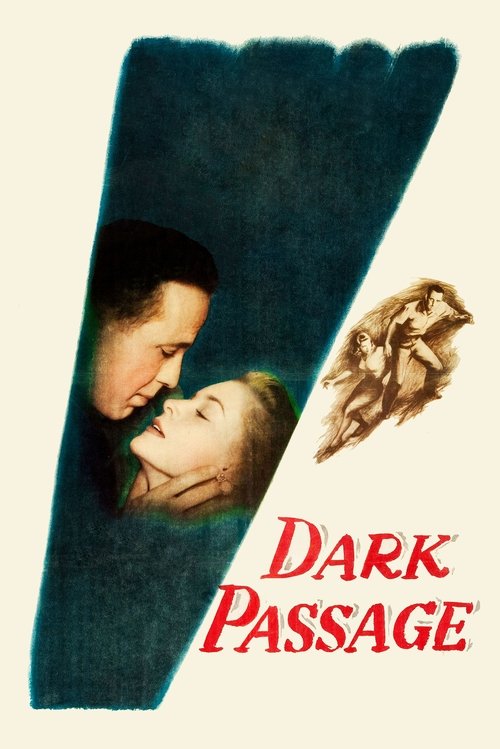
Dark Passage
1947A man convicted of murdering his wife escapes from prison and works with a woman to try and prove his innocence.
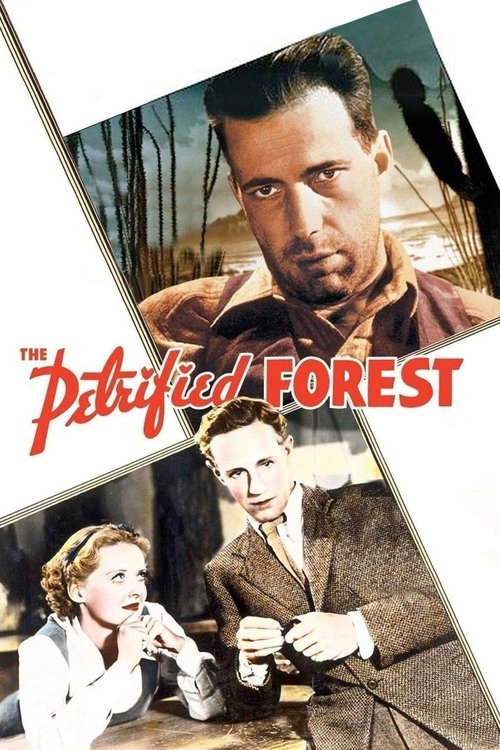
The Petrified Forest
1936Gabby, the waitress in an isolated Arizona diner, dreams of a bigger and better life. One day penniless intellectual Alan drifts into the joint and the two strike up a rapport. Soon enough, notorious killer Duke Mantee takes the diner's inhabitants hostage. Surrounded by miles of desert, the patrons and staff are forced to sit tight with Mantee and his gang overnight.
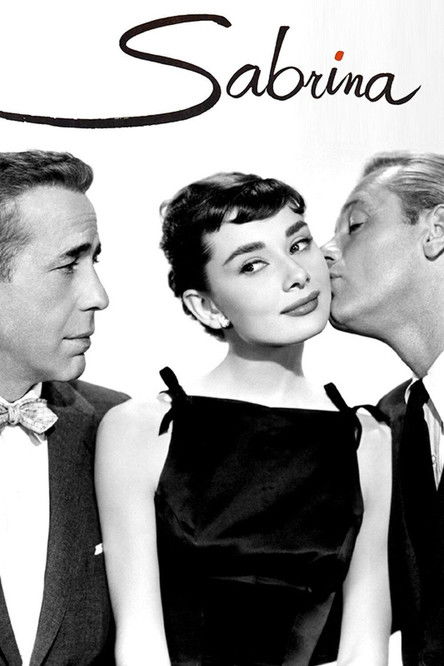
Sabrina
1954After her return from school in Paris, a playboy finally takes notice of his family's chauffeur's daughter Sabrina, who's long had a crush on him, but he questions his more serious brother's motives when he warns against getting involved with her.
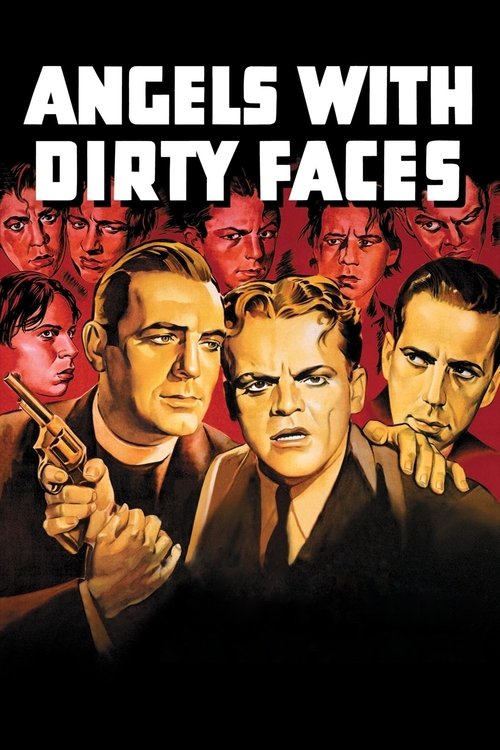
Angels with Dirty Faces
1938Childhood chums Rocky Sullivan and Jerry Connelly grow up on opposite sides of the fence: Rocky matures into a prominent gangster, while Jerry becomes a priest, tending to the needs of his old tenement neighborhood.
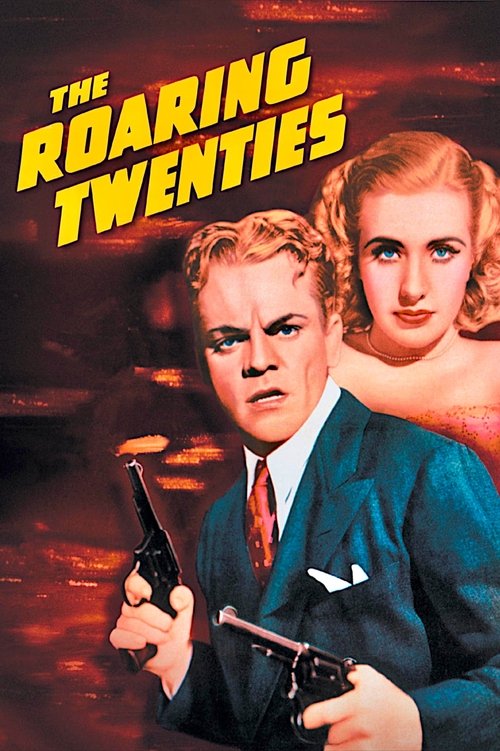
The Roaring Twenties
1939After World War I, Armistice Lloyd Hart goes back to practice law, former saloon keeper George Hally turns to bootlegging, and out-of-work Eddie Bartlett becomes a cab driver. Eddie builds a fleet of cabs through delivery of bootleg liquor and hires Lloyd as his lawyer. George becomes Eddie's partner and the rackets flourish until love and rivalry interfere.
In this swan song for the classic gangster era, Bogart provides a jagged, ruthless energy that contrasts sharply with the film's more tragic themes. He operates here as the cold-blooded inverse of the hero, perfecting the vicious typecasting he would soon transcend.
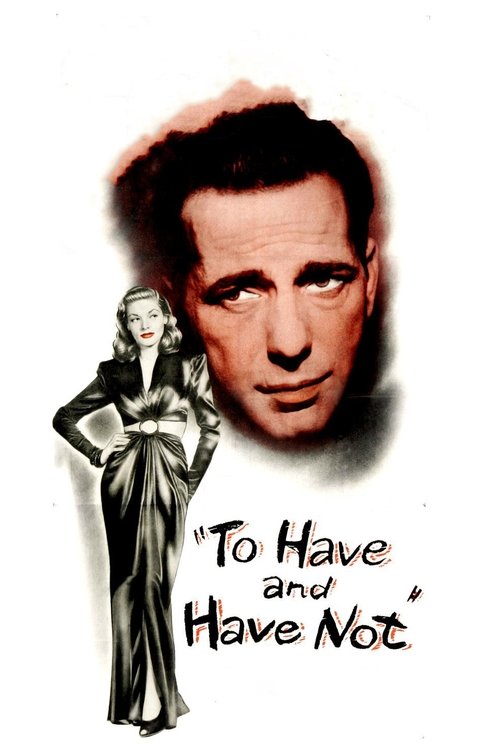
To Have and Have Not
1945A Martinique charter boat skipper gets mixed up with the underground French resistance operatives during WWII.
This performance captures Bogart at the peak of his effortless magnetism, projecting a cool lethargy that conceals a ticking clock of impending action. It marks the vital moment where his real-life persona and screen presence became indistinguishable.
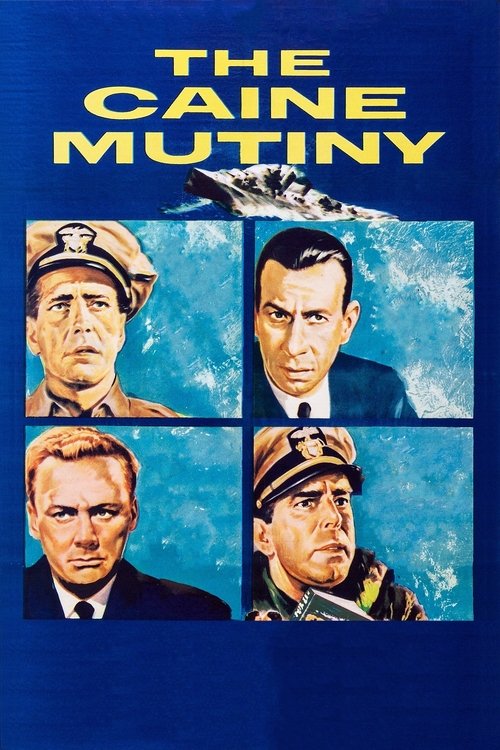
The Caine Mutiny
1954When a US Naval captain shows signs of mental instability that jeopardize his ship, the first officer relieves him of command and faces court martial for mutiny.
His portrayal of Captain Queeg is a masterclass in the subtle physical tics of a mind unraveling under pressure. By leaning into the character's pathetic insecurities, Bogart delivered one of the most complex villainous turns of his filmography.
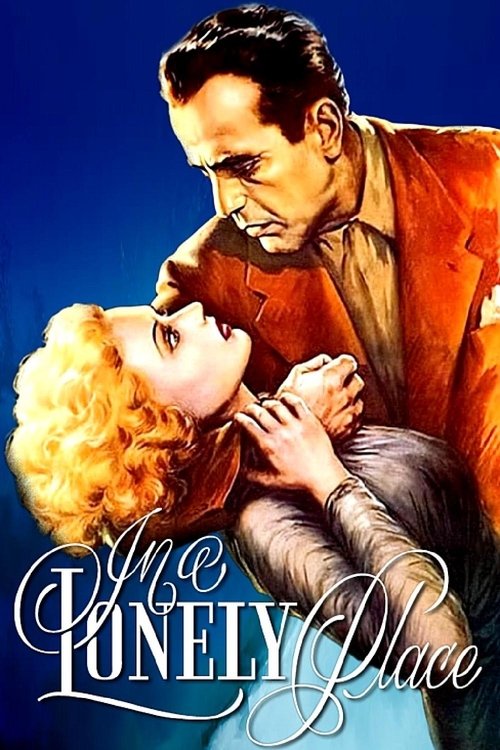
In a Lonely Place
1950A violent screenwriter and a female neighbor fall in love after she clears him of murder, but she begins to have second thoughts.
Bogart captures a terrifying, volatile vulnerability in this meta-commentary on his own screen persona. It is a hauntingly intimate performance that exposes the dark, violent undercurrents of his usual stoicism.
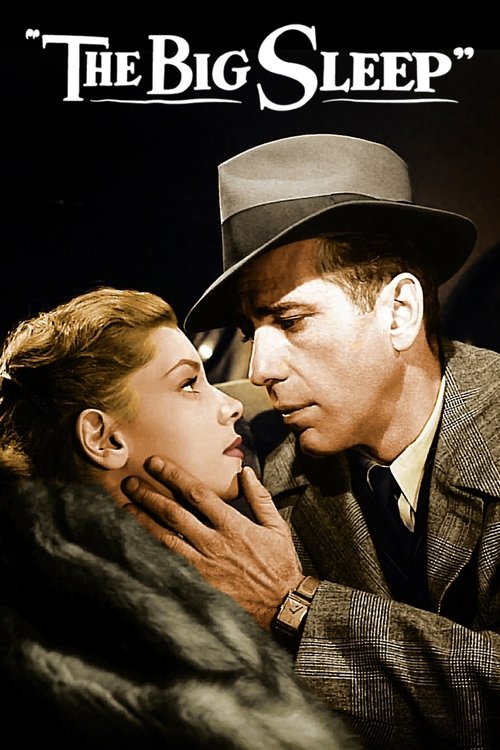
The Big Sleep
1946Private Investigator Philip Marlowe is hired by wealthy General Sternwood regarding a matter involving his youngest daughter Carmen. Before the complex case is over, Marlowe sees murder, blackmail, deception, and what might be love.
The actor leans into a playful, razor-sharp insolence here, navigating a labyrinthine world with effortless masculine grace. His electric rapport with Lauren Bacall solidified his status as a romantic lead who didn't need to sacrifice his grit.
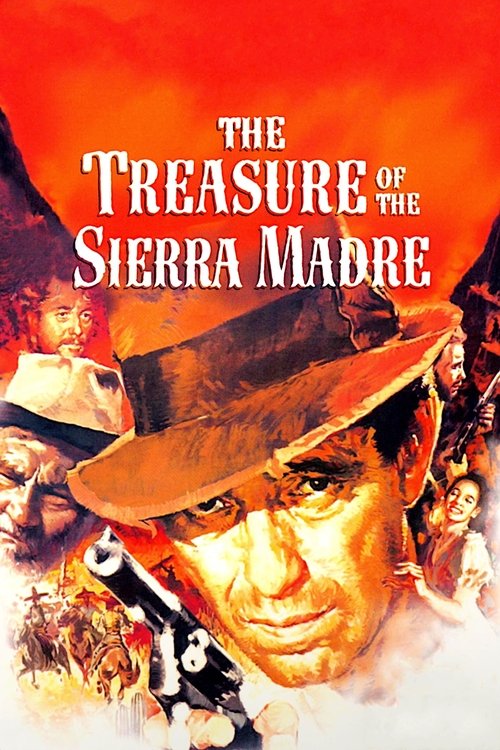
The Treasure of the Sierra Madre
1948Two jobless Americans convince a prospector to travel to the mountains of Mexico with them in search of gold. But the hostile wilderness, local bandits, and greed all get in the way of their journey.
Stripping away every ounce of leading-man vanity, Bogart offers a harrowing descent into paranoia and spiritual decay. It remains his most fearless character study, proving he could master psychological collapse as effectively as cool composure.
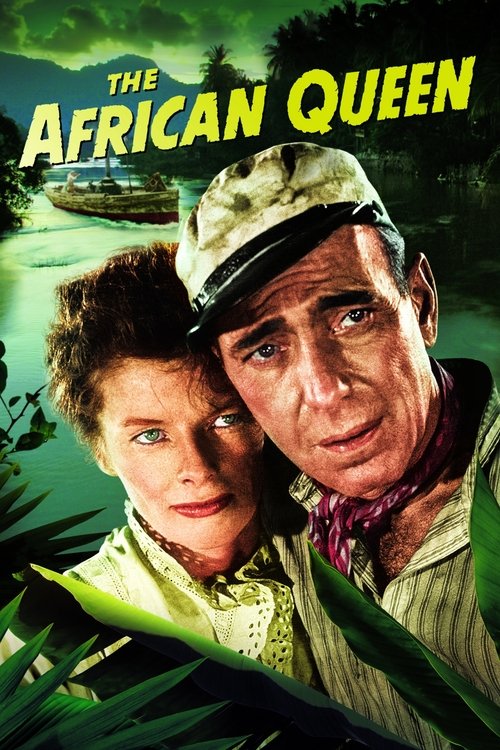
The African Queen
1952At the start of the First World War, in the middle of Africa’s nowhere, a gin soaked riverboat captain is persuaded by a strong-willed missionary to go down river and face-off a German warship.
Switching gears into rum-soaked comedy, he trades his urban sophistication for a weathered, salt-of-the-earth desperation. This late-career triumph earned him an Oscar by proving his range extended far beyond the fog-slicked streets of a backlot city.
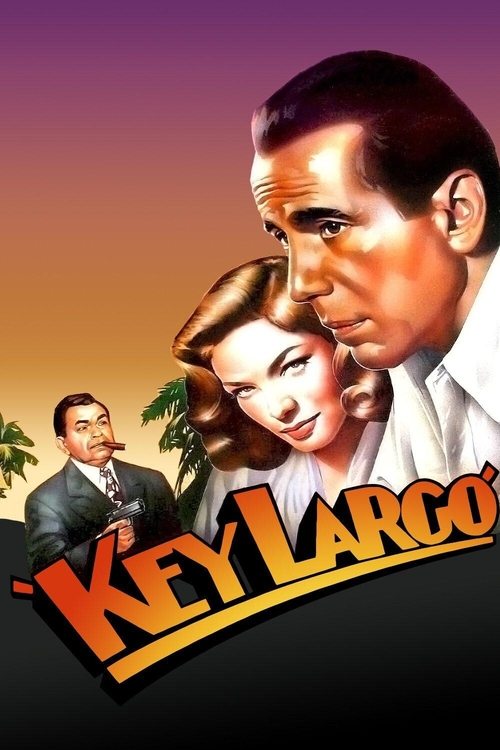
Key Largo
1948A hurricane swells outside, but it's nothing compared to the storm within the hotel at Key Largo. There, sadistic mobster Johnny Rocco holes up - and holds at gunpoint hotel owner James Temple, his widowed daughter-in-law Nora, and ex-GI Frank McCloud.
Trapped in a claustrophobic pressure cooker, Bogart portrays a disillusioned veteran forced to rediscover his sense of duty. He anchors the film with a simmered-down intensity that serves as a perfect foil to the flamboyant theatricality of his co-stars.
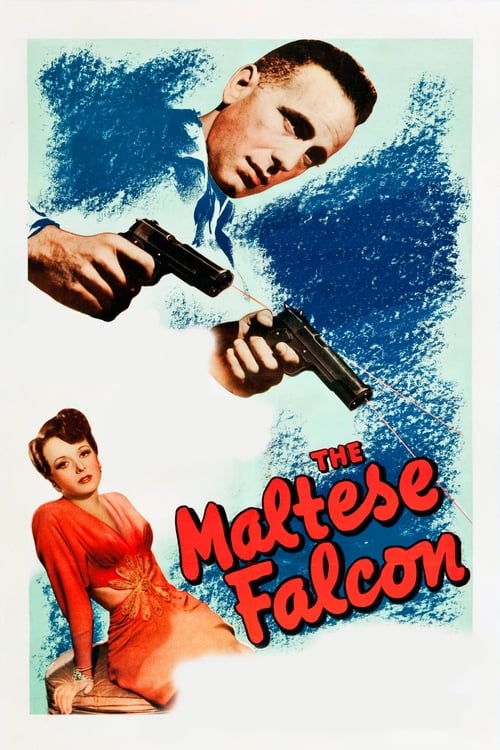
The Maltese Falcon
1941A private detective takes on a case that involves him with three eccentric criminals, a beautiful liar, and their quest for a priceless statuette.
As Sam Spade, Bogart established the rhythm of film noir by weaponizing a fast-talking, unsentimental intellect. This performance effectively ended his years of playing second-string gangsters and launched his tenure as Hollywood's premier hard-boiled protagonist.
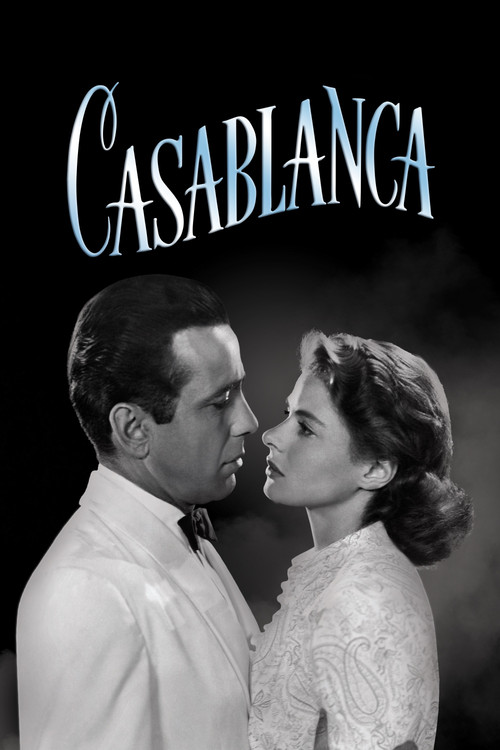
Casablanca
1943In Casablanca, Morocco in December 1941, a cynical American expatriate meets a former lover, with unforeseen complications.
Bogart crafts the definitive cinematic archetype of the weary romantic, masking a profound moral clarity behind a facade of cynical detachment. This role transformed him from a reliable tough guy into the ultimate icon of studio-era gravitas.
Frequently Asked Questions
Everything you need to know about this list and SnakeDrafts
- Humphrey Bogart is celebrated for his roles in classic film noir movies such as 'The Maltese Falcon' and 'The Big Sleep.' These films highlight Bogart's skill in portraying morally complex characters in gritty, suspenseful narratives, cementing his status as a film noir icon.
- Humphrey Bogart teamed up with director John Huston for several notable films, including 'The Maltese Falcon,' 'Key Largo,' 'The African Queen,' and 'The Treasure of the Sierra Madre.' Their collaborations often blend intense drama with strong character development, showcasing Bogart's range as an actor.
- Bogart brought his trademark toughness and authenticity to adventure and war films like 'The African Queen' and 'The Caine Mutiny.' In these movies, his portrayals emphasize resilience and leadership, adding depth to the traditional hero archetype in Hollywood's Golden Age.
- 'Casablanca' is a defining moment in Bogart's career, blending romance and drama within a wartime setting. His portrayal of Rick Blaine exudes both vulnerability and stoicism, making it one of the most enduring performances in classic Hollywood cinema.
- 'To Have and Have Not' delves into crime and moral ambiguity set against the backdrop of World War II. Bogart's character navigates complex loyalties and survival, highlighting his ability to portray nuanced protagonists facing ethical dilemmas.
- 'In a Lonely Place' stands out for its blend of thriller, drama, romance, and mystery, allowing Bogart to explore the darker facets of his characters. His performance reveals a more vulnerable and psychologically complex side, broadening his typical tough-guy persona.
- Both 'Angels with Dirty Faces' and 'The Petrified Forest' feature Bogart portraying characters embroiled in crime and moral conflict amid tense, suspenseful settings. These films emphasize his knack for delivering gritty, intense performances that capture the complexities of human nature.

