The Greatest Billy Wilder Movies Ever Made
The Definitive Filmography of a Hollywood Master
Explore the finest films of Billy Wilder, from noir masterpieces and biting satires to the greatest romantic comedies of the Golden Age of cinema.
About Billy Wilder
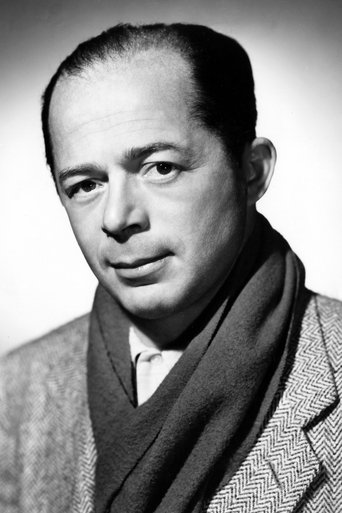
To understand the genius of the man who arguably defined the golden era of Hollywood, you have to look at his office door. Behind it sat a strategist who viewed every human weakness as an opportunity for a punchline or a plot twist. If the film industry of the mid-twentieth century was a machine, Billy Wilder was the master mechanic who knew exactly how much grit to throw into the gears to make the engine hum with a beautiful, cynical music. He arrived in America as a refugee with a suitcase full of stories and a razor-sharp perspective on the fragility of the American Dream, a background that allowed him to dissect high society and lowlifes with equal parts affection and bite.
His vision was shaped by a refusal to be sentimental. While his contemporaries were busy painting heroes in broad strokes of nobility, he preferred the gray areas where morality gets messy. In Double Indemnity, he didn't just give us a murder mystery; he crafted a masterclass in the seductive power of greed, utilizing shadows and sharp dialogue to make the audience root for the villains. He possessed a supernatural ability to pivot between genres without losing his signature thumbprint of sophisticated wit. One year he was plumbing the depths of addiction in The Lost Weekend, and another he was revolutionizing the courtroom drama with the airtight mechanics of Witness for the Prosecution.
What truly separates his work is the deceptive simplicity of his staging. He famously hated fancy camera tricks, believing that if the audience noticed the director, the story had failed. This invisible hand is what makes The Apartment such an enduring miracle. By placing a lonely insurance clerk in a world of corporate infidelity, he created a romantic comedy that is actually a scathing critique of capitalism. Every frame is functional, every line of dialogue is loaded, and the pathos hits harder because he never begs for your tears.
He was the ultimate provocateur of the era, pushing past the censors to capture the underlying heat of a sidewalk grate in The Seven Year Itch or the frantic, gender-bending chaos of Some Like It Hot. He saw the comedy in desperation and the tragedy in vanity. This is perhaps clearest in Sunset Boulevard, where he turned the camera back on Hollywood itself, resulting in a gothic noir that remains the definitive portrait of fame-induced madness. Whether he was exploring the frantic pace of the Cold War in One, Two, Three or the sweet, satirical romance of Sabrina and Love in the Afternoon, his films were always smarter than the audience expected them to be.
The legacy he left behind is one of structural perfection and a deep, unabashed honesty about why people do bad things. He understood that a man might sell his soul for a promotion or dress in drag to escape the mob, and he never judged his characters for their survival instincts. From the grim realism of Stalag 17 to the colorful, eccentric streets of Irma la Douce, his filmography is a sprawling map of the human condition. He didn't just make movies; he built a world where the cynical and the romantic could finally sit down for a drink together and laugh at the absurdity of it all.
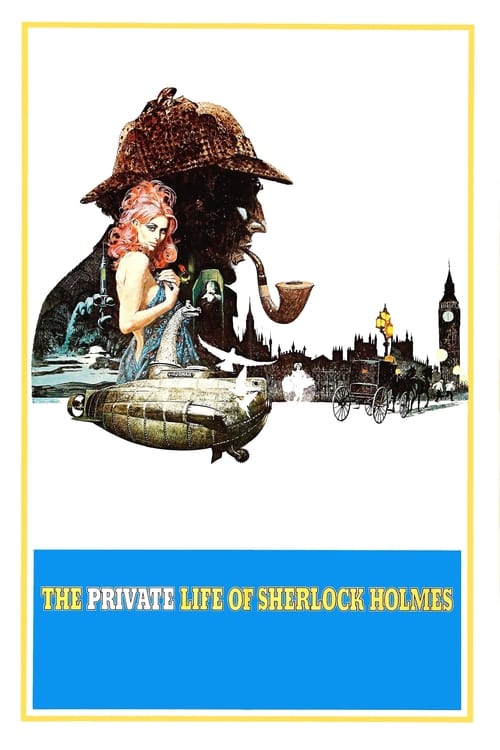
The Private Life of Sherlock Holmes
1970When a bored Sherlock eagerly takes the case of Gabrielle Valladon following an attempt on her life, the search for her missing husband leads to Loch Ness and the legendary monster.
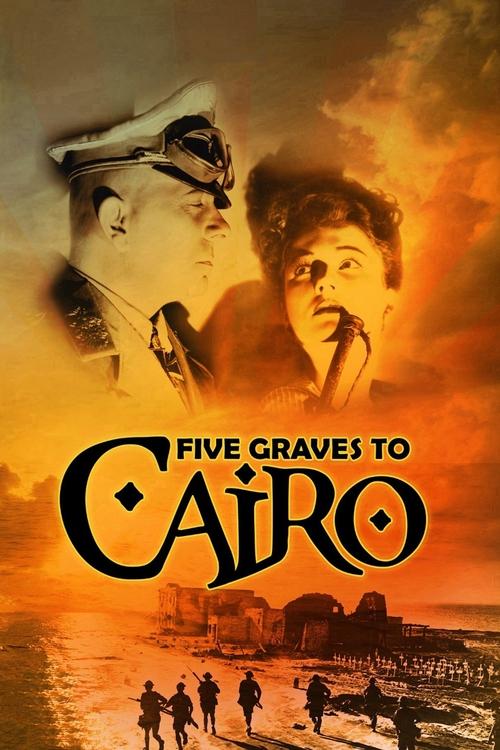
Five Graves to Cairo
1943During the 1942 North African campaign, a British straggler passes as a waiter at the hotel commandeered as Erwin Rommel's headquarters. He has thoughts of assassinating Rommel but his cover may provide an even better use.
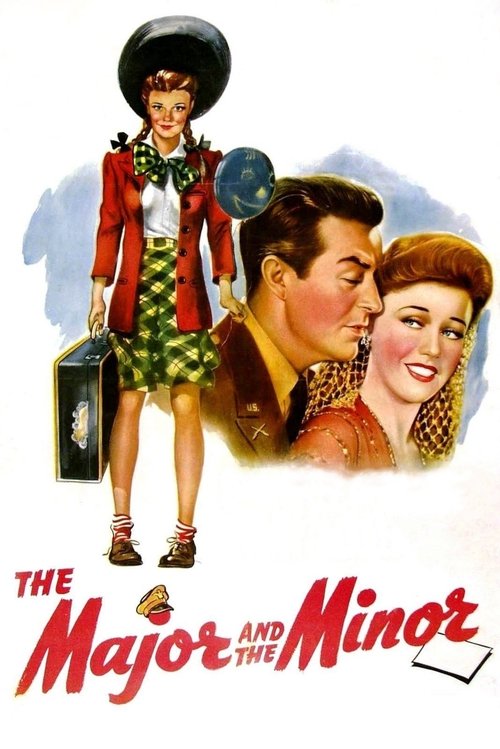
The Major and the Minor
1942Low on funds, working-class girl Susan Applegate disguises herself as a youngster in order to pay half fare home. But little 'Sue Sue' finds herself in a whole heap of grownup trouble when she hides out in a compartment with handsome Major Philip Kirby.
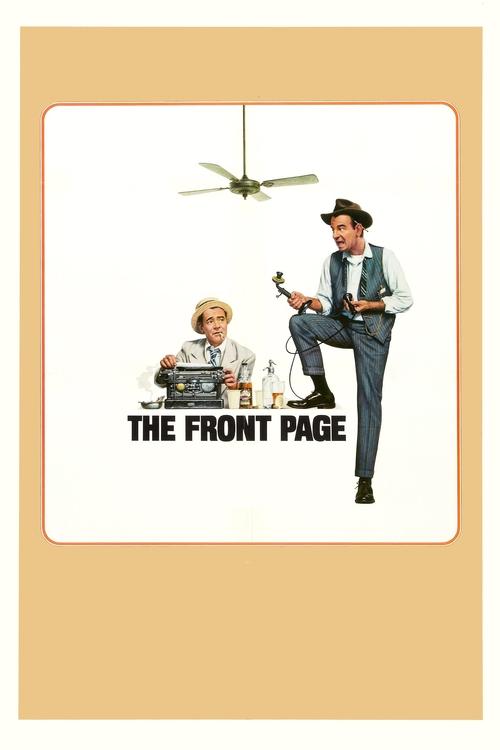
The Front Page
1974Ruthless Chicago newspaper editor Walter Burns resorts to dubious motives in order to get top reporter Hildy Johnson to cover one more big crime story before retirement.
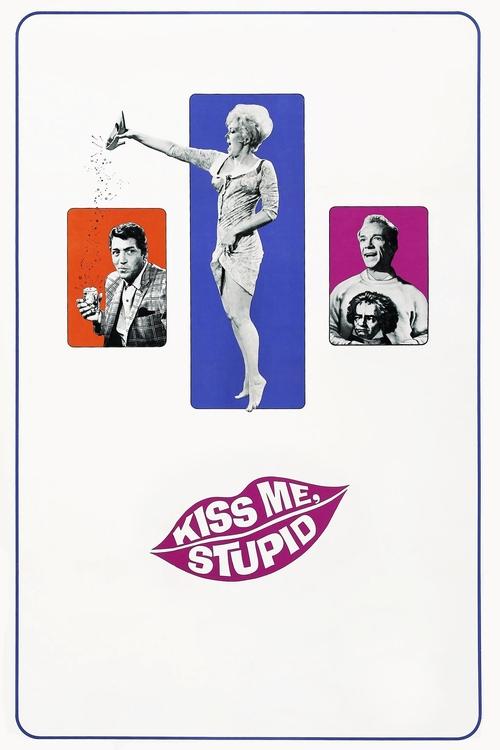
Kiss Me, Stupid
1964While traveling home from Vegas, an amorous lounge singer named Dino gets conned by a local mechanic/songwriter into staying in town for the night. The mechanic's songwriting partner, Orville, offers Dino his home for overnight lodging and enlists a local waitress/call girl to pose as his wife in order to placate Dino's urges.
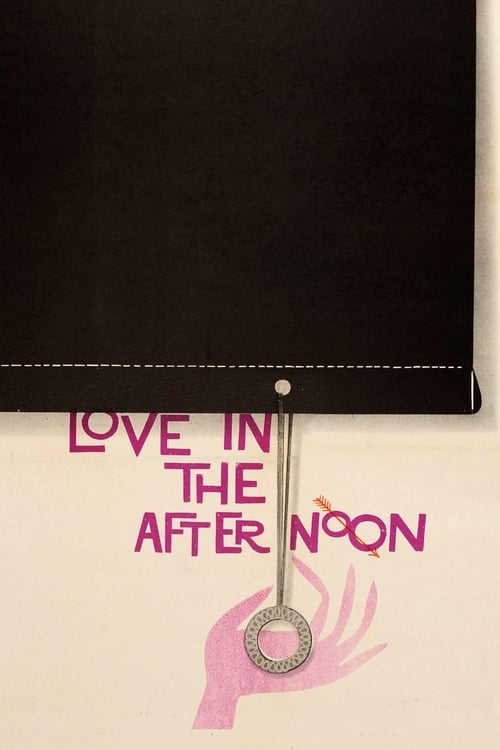
Love in the Afternoon
1957A middle-aged playboy becomes fascinated by the daughter of a private detective who has been hired to entrap him with a client's wife.
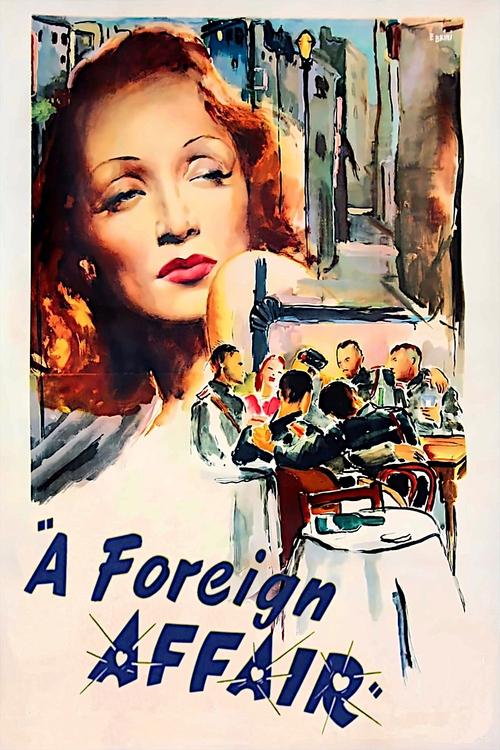
A Foreign Affair
1948In occupied Berlin, an army captain is torn between an ex-Nazi café singer and the US congresswoman investigating her.
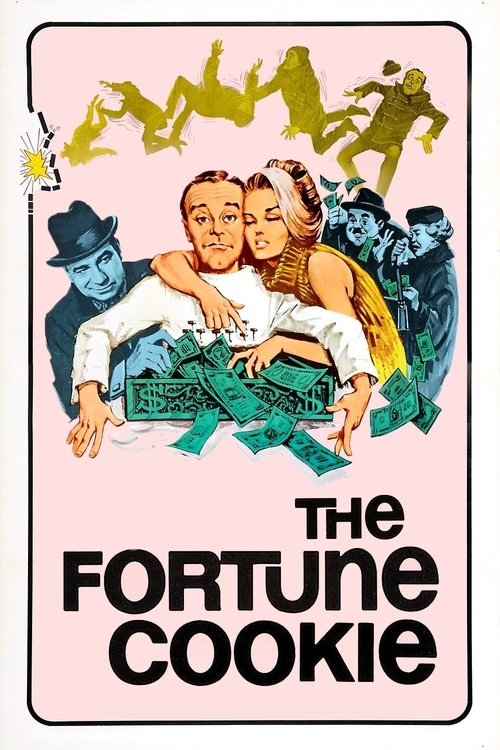
The Fortune Cookie
1966TV cameraman Harry Hinkle is injured while filming a football game. Seeing big dollar signs, his unscrupulous ambulance-chasing lawyer brother-in-law Willie Gingrich enters the picture, and convinces Harry to overstate his injuries and claim $1 million in pain and suffering. Harry's similarly-minded ex-wife suddenly reappears in an attempt to rekindle their relationship.
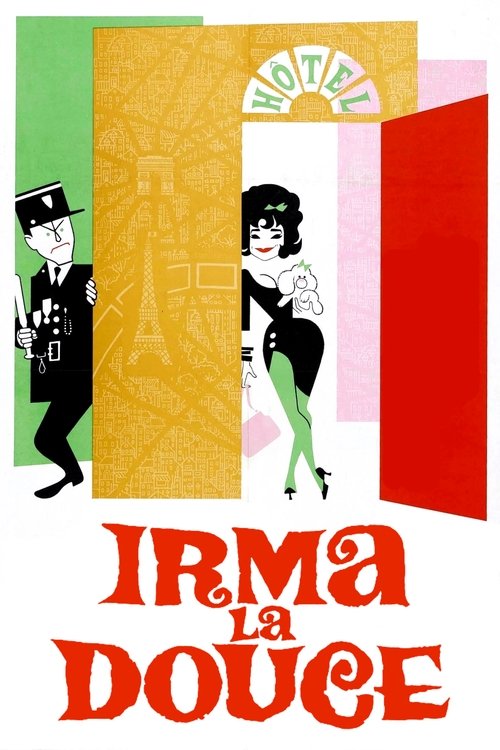
Irma la Douce
1963When a recently fired policeman falls in love with a French prostitute, he doesn't want her to be with other men, so he creates an alter-ego in order to become her only customer.
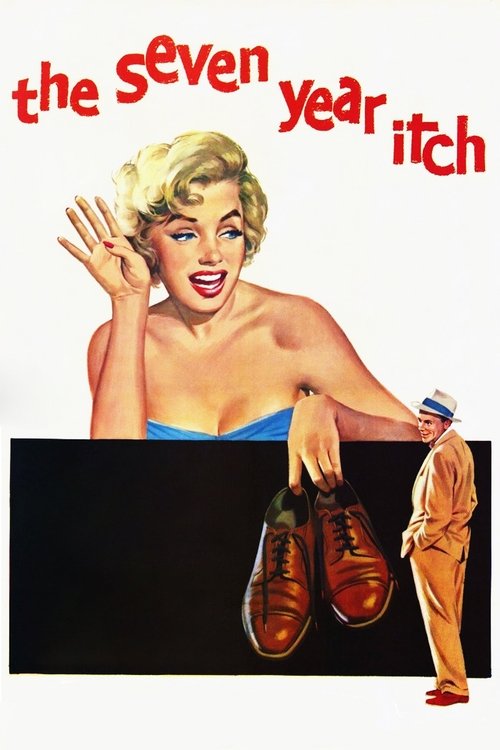
The Seven Year Itch
1955When his family goes away for summer vacation, a hitherto faithful publishing executive with an overactive imagination is tempted by an attractive new neighbor.
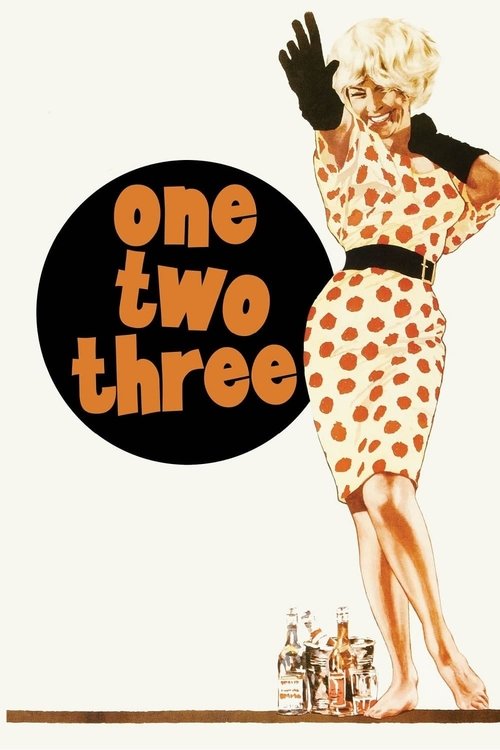
One, Two, Three
1961In Cold War-era West Berlin, American Coca-Cola executive C.R. 'Mac' MacNamara is tasked with playing babysitter to his boss' spoiled 17-year-old daughter Scarlett, who proves more difficult than anticipated when she reveals that she is pregnant by a Communist.
Operating at a relentless, caffeinated tempo, this Cold War satire serves as a volcanic explosion of geopolitical farce. It demonstrates Wilder’s unique capacity to synthesize global anxieties into a dizzying oration on the absurdity of capitalist and communist ideologies alike.
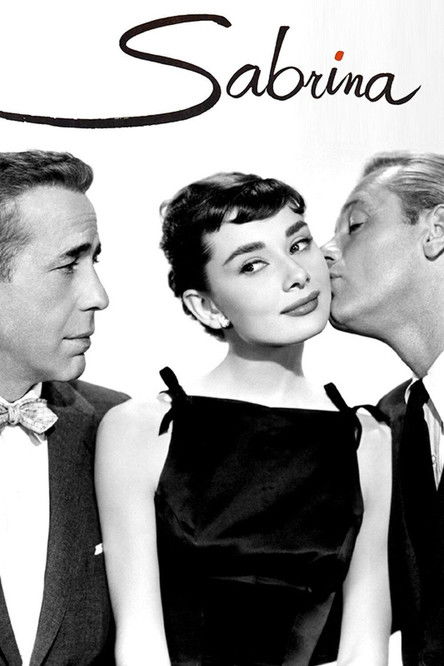
Sabrina
1954After her return from school in Paris, a playboy finally takes notice of his family's chauffeur's daughter Sabrina, who's long had a crush on him, but he questions his more serious brother's motives when he warns against getting involved with her.
While superficially a fairy tale, this sophisticated comedy uses sharp class observations to elevate the tropes of the Cinderella story. Wilder’s direction infuses the lavish production with a deceptive sting, ensuring the glamorous veneer never obscures the underlying social coldness.
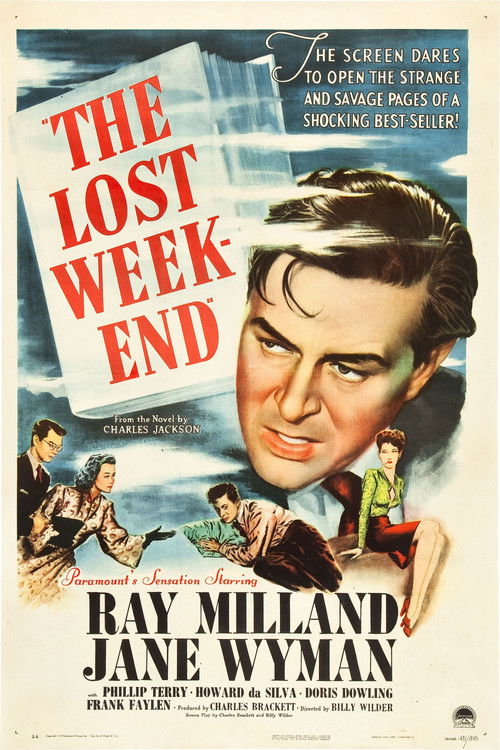
The Lost Weekend
1945Longtime alcoholic Don Birnam has been sober for ten days and appears to be over the worst... but his craving has just become more insidious. Evading a country weekend planned by his brother and girlfriend, he begins a four-day bender that just might be his last – one way or another.
Breaking the industry’s polite silence on addiction, this stark drama utilized expressionist techniques to visualize the mental disintegration of its protagonist. It remains a landmark of social realism that proved Wilder could handle harrowing subject matter with clinical, unsentimental precision.
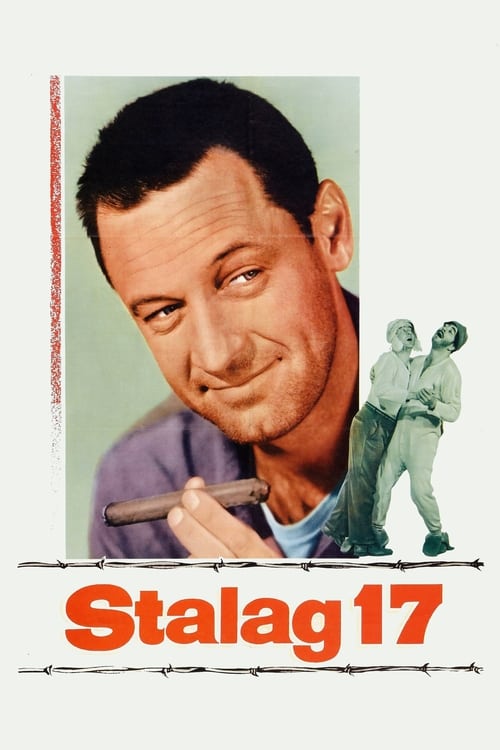
Stalag 17
1953After two American prisoners are killed by guards in the act of escaping from a German POW camp in World War II, barracks black marketeer J.J. Sefton is suspected of being an informer.
Wilder subverts the typical war hero narrative by injecting a dose of mercenary pragmatism into the prisoner-of-war subgenre. The film thrives on a claustrophobic tension that weaponizes suspicion, refusing to provide the easy comfort of traditional patriotism.
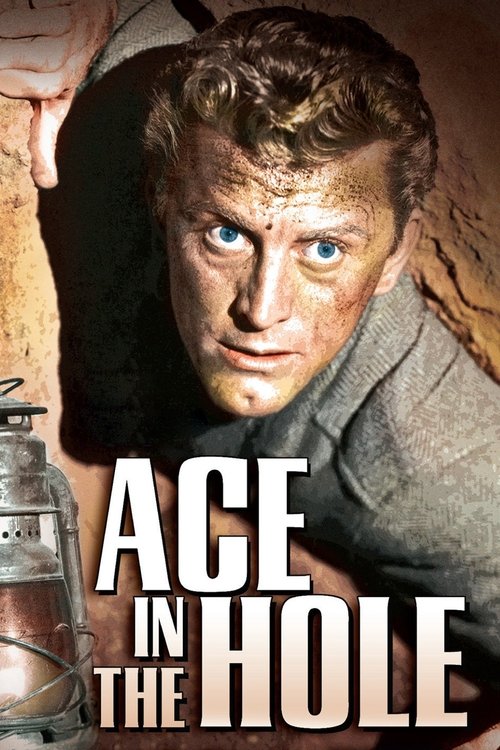
Ace in the Hole
1951An arrogant reporter exploits a story about a man trapped in a cave to revitalize his career.
Perhaps the director’s most vitriolic work, this ruthless critique of sensationalism turns the camera on the audience’s own voyeurism. Its bleak perspective on the ethics of the press was decades ahead of its time, cementing Wilder as cinema’s most unapologetic moralist.
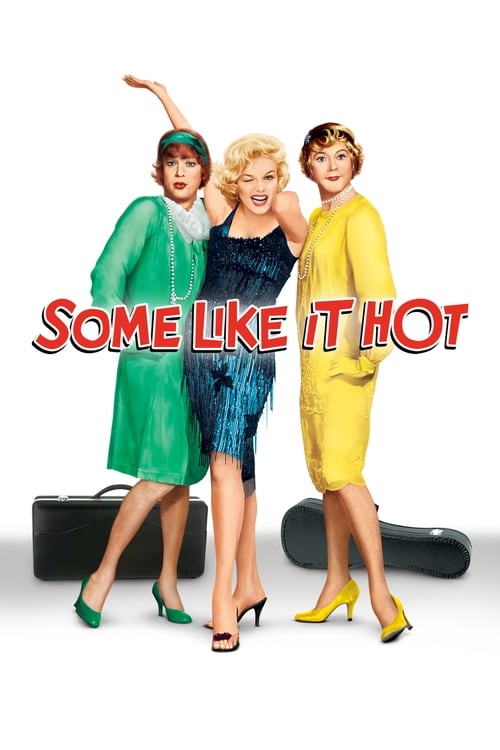
Some Like It Hot
1959In Prohibition-era Chicago, musicians Joe and Jerry witness a mob hit, and flee the state in an all-female band disguised as Josephine and Daphne, but further complications set in.
Dismissing the constraints of 1950s propriety, Wilder directed this frantic farce with a revolutionary attitude toward gender and identity. It is a masterclass in comic timing and structural perfection that proves humor is most effective when it flirts with the transgressive.
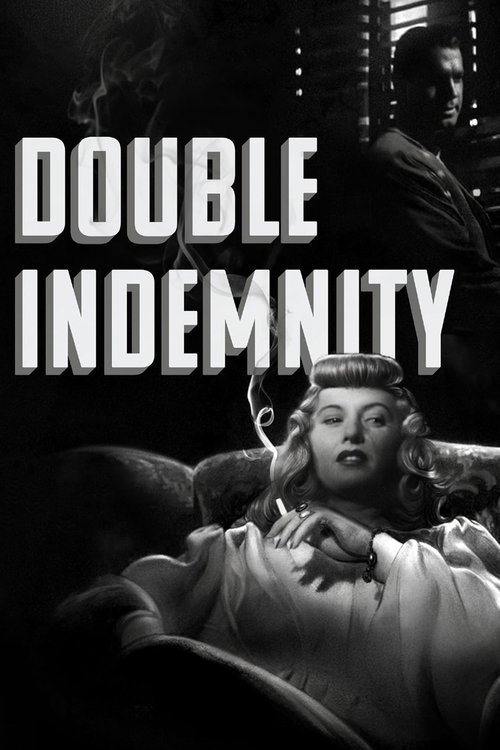
Double Indemnity
1944An insurance representative is seduced by a dissatisfied housewife into a scheme of insurance fraud and murder that arouses the suspicion of his colleague, a claims investigator.
The blueprint for the hard-boiled thriller, this film codified the visual grammar of film noir with its innovative use of Venetian blind shadows and fatalistic voiceover. It stands as a chilling exploration of the geometry of a crime, where every angle is calculated for maximum moral rot.
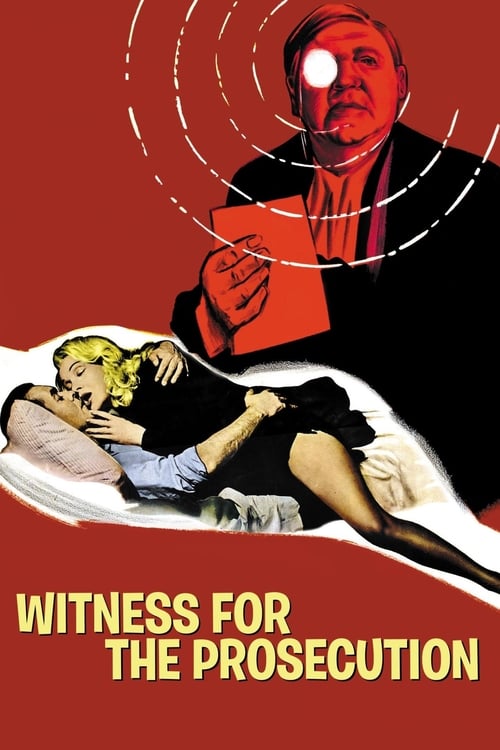
Witness for the Prosecution
1957An ailing barrister is thrust back into the courtroom in what becomes one of the most unusual and eventful murder cases of the lawyer's career when he finds himself defending a man being tried for the murder of a socialite.
This legal procedural showcases Wilder’s mastery of the theatrical set-piece, transforming a courtroom into a high-stakes arena of deception. By meticulously tightening the tension through dialogue rather than action, he redefined the tonal possibilities of the mystery genre.
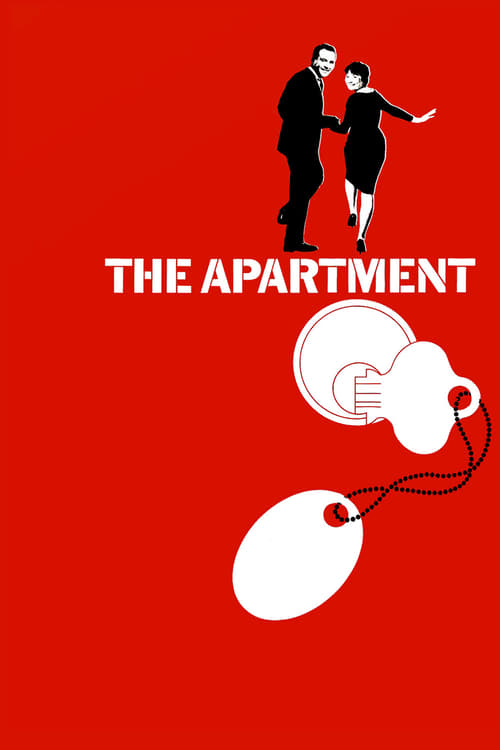
The Apartment
1960Bud Baxter is a minor clerk in a huge New York insurance company, until he discovers a quick way to climb the corporate ladder. He lends out his apartment to the executives as a place to take their mistresses. Although he often has to deal with the aftermath of their visits, one night he's left with a major problem to solve.
A miraculous balancing act of corporate satire and melancholic romance, this film captures the loneliness of the urban machine through razor-sharp blocking and a biting script. It exists as the pinnacle of Wilder’s ability to find profound humanity within the gears of mid-century bureaucracy.
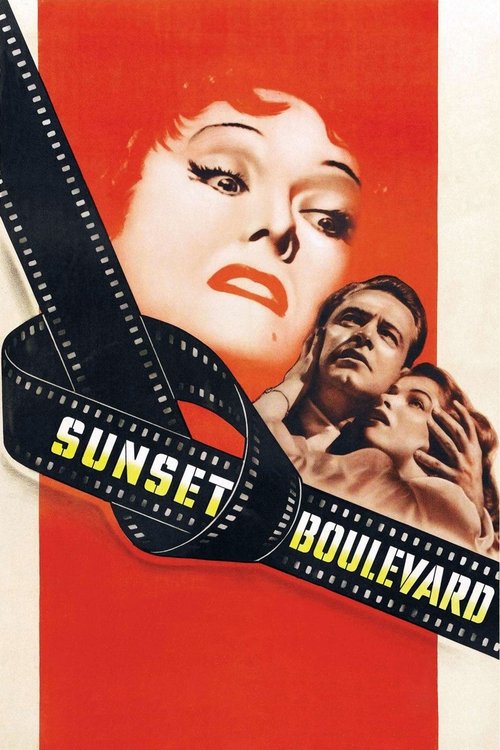
Sunset Boulevard
1950A hack screenwriter writes a screenplay for a former silent film star who has faded into Hollywood obscurity.
Wilder’s ultimate masterpiece is a necrophilic love letter to the industry, utilizing a gothic noir aesthetic to dismantle the very artifice of Hollywood. Its cynical reflexivity remains the definitive autopsy of stardom and the corrosive nature of the studio system.
Frequently Asked Questions
Everything you need to know about this list and SnakeDrafts
- 'Sunset Boulevard' tops the list due to its profound impact on Hollywood's portrayal of fame and its dark, satirical examination of the film industry. This 1950 drama remains a timeless critique of ambition and delusion, showcasing Wilder's masterful storytelling and sharp wit.
- 'The Apartment' blends comedy, drama, and romance with sharp social commentary, earning its place as a classic. Its nuanced characters and witty screenplay highlight Wilder's talent for balancing humor and emotional depth, making it a beloved film from 1960.
- Billy Wilder helped define film noir with 'Double Indemnity' (1944), a dark thriller known for its suspenseful plot and morally complex characters. His direction emphasized cynicism, sharp dialogue, and atmospheric tension, setting standards for noir storytelling that influenced decades of cinema.
- 'Some Like It Hot' (1959) is celebrated for its bold humor, gender-bending performances, and rapid-fire wit. Wilder's innovative direction and sharp script break traditional comedy molds, making it one of the most enduring and influential American comedies.
- Wilder's films often dissect human weaknesses such as greed, ambition, and hypocrisy with a mix of cynicism and humor. Whether in dramas like 'Ace in the Hole' or romantic comedies like 'Sabrina,' his stories reveal the contradictions of human nature and society.
- The list includes a diverse range of Wilder's work from noir to comedy, but some might consider the omission of 'Beverly Hills Cop II' as it is not his film. Instead, the list rightly focuses on his authentic classics such as 'Stalag 17' and 'The Lost Weekend' that define his legacy.
- 'Witness for the Prosecution' (1957) exemplifies Wilder’s skill in blending courtroom drama with suspense and unexpected twists. His direction keeps audiences guessing while delivering sharp, character-driven storytelling that elevates the classic Agatha Christie narrative.
- Satire is central to Wilder’s critique of societal and political issues, especially in 'Ace in the Hole' and 'One, Two, Three.' These films expose media manipulation and Cold War tensions with sharp humor and incisive commentary, underscoring Wilder's role as a filmmaker unafraid to challenge norms.