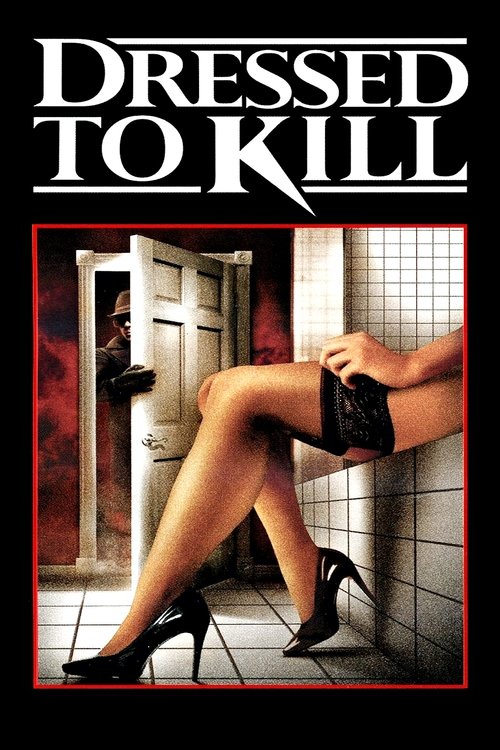
Dressed to Kill
Dressed to Kill is a masterclass in suspense, weaving a complex web of desire, deception, and danger that will keep you on the edge of your seat. This Brian De Palma thriller delivers shocking twists and stylish thrills, making it a must-watch for fans of psychological mysteries.
Director
Release Year
1980
Runtime
105 minutes
Main Cast
Michael Caine, Nancy Allen, Angie Dickinson, Keith Gordon, Dennis Franz
About Dressed to Kill
Brian De Palma's 1980 neo-noir thriller, Dressed to Kill, plunges viewers into a world of Hitchcockian suspense, exploring themes of sexual repression, identity, and the blurring lines between fantasy and reality. Its stylish direction, bold narrative choices, and a memorable score contribute to its lasting cultural impact, solidifying its place as a quintessential example of the erotic thriller genre.
The film centers on Kate Miller, a sexually frustrated housewife, and Liz Blake, a high-end call girl, whose lives become entangled after a brutal murder. As Liz finds herself the prime suspect and target, she embarks on a desperate quest to uncover the truth, leading her through a labyrinth of psychological intrigue and unexpected revelations. The plot masterfully builds tension, keeping the audience guessing until the very end, without relying on cheap scares.
Upon its release, Dressed to Kill garnered significant critical attention, largely due to its controversial themes and graphic depiction of violence. However, many critics praised De Palma's skillful direction, the film's intricate plot, and the strong performances, particularly from Angie Dickinson and Michael Caine. It has since been re-evaluated as a seminal work in De Palma's filmography, showcasing his unique blend of suspense, style, and psychological depth.
The film's legacy endures, influencing subsequent thrillers and remaining a frequent subject of academic and cinematic discussion. Its iconic shower scene, shocking twists, and provocative exploration of identity continue to resonate with audiences, ensuring its status as a cult classic and a significant piece of cinematic history. Dressed to Kill is not just a thriller; it's a provocative examination of human nature and societal expectations.
Drafts Featuring Dressed to Kill
Every SnakeDrafts listicle where this movie appears
The Best Michael Caine Movies Ranked
Ranked #16
Brian De Palma Films Ranked Definitively
Ranked #6
Angie Dickinson's Top Movies Ranked
Ranked #3
1980's Best Movies Ranked
Ranked #31
Best Horror Movies of 1980, Ranked
Ranked #9
Best Thriller Movies of 1980, Ranked
Ranked #2
Top 1980s Thriller Movies Ranked
Ranked #22
Similar Movies
Movies related to Dressed to Kill
Frequently Asked Questions
Everything you need to know about Dressed to Kill
- The razor in Dressed to Kill is a potent symbol of violence and psychological manipulation. It represents the sharp, cutting edge of the killer's disturbed psyche and the abrupt, brutal shifts in power dynamics throughout the film. Its use underscores the film's exploration of primal fears and the fragility of life.
- Dressed to Kill delves deeply into themes of gender and identity by presenting characters who struggle with their roles and perceptions. The film blurs traditional gender lines and explores the fluidity of identity, particularly through the killer's complex motivations and appearance. It challenges viewers to consider how societal expectations and personal desires intersect to shape one's sense of self.
- The dream sequences in Dressed to Kill serve as crucial psychological insights into the characters' subconscious minds and repressed desires. They are often disorienting and symbolic, foreshadowing events and revealing hidden anxieties or motivations that drive the narrative forward. De Palma uses them to heighten the film's unsettling atmosphere and to further muddy the waters between reality and illusion.
- Brian De Palma masterfully employs voyeurism as a recurring cinematic technique in Dressed to Kill, often placing the audience in the position of an observer, mirroring the gaze of certain characters. This creates a deeply unsettling and immersive experience, enhancing the film's suspense and engaging viewers on a psychological level. It also serves to highlight themes of surveillance and the objectification of women.
- The art gallery scene in Dressed to Kill is pivotal for establishing key plot points and character motivations. It serves as a catalyst for the escalating tension and introduces crucial elements that propel the narrative forward. This scene is also rich with visual symbolism, hinting at underlying themes of desire, forbidden acts, and the complex interplay of power and vulnerability.
- The killer in Dressed to Kill is revealed to be Dr. Robert Elliott, driven by a deeply fractured psyche and an alternate personality named Bobbi. Bobbi, a trans woman, emerges during moments of intense sexual frustration felt by the male personality, leading to violent outbursts against women who arouse him. This complex psychological state is central to the film's shocking twists and its exploration of identity and repression.
- The final chase scene in Dressed to Kill is a thrilling and climactic sequence that brings all the film's suspense to a head. It represents Liz Blake's desperate struggle for survival and her relentless pursuit of justice. The scene is masterfully choreographed to maximize tension, offering a cathartic release after layers of mystery and deception.

