Best 1995 SciFi Movies Ranked
Cyberpunk Classics and Dystopian Visions of the Future
Explore the best science fiction cinema from the mid nineties, featuring cyberpunk thrillers, anime landmarks, and epic dystopian adventures.
About 1995 SciFi Movies
The year 1995 feels like a strange, feverish bridge between the analog past and a digital future that we were not quite ready to inhabit. In the history of science fiction cinema, it stands out as a moment of profound anxiety. The internet was becoming a household reality, the Cold War was fading into the rearview mirror, and the looming millennium brought with it a sense of both dread and hyper-stimulation. If you looked at the marquees that year, you saw a genre struggling to decide if the future was going to be a neon-soaked playground or a rusted, waterlogged graveyard.
At the top of the pile stood Terry Gilliams Twelve Monkeys. It remains a masterpiece of non-linear storytelling that captured the frantic paranoia of the decade. Bruce Willis delivered one of his most vulnerable performances as a man sent back in time to stop a viral apocalypse, only to find himself trapped in the gears of a world that viewed him as insane. It was a film that prioritized atmosphere and psychological depth over traditional action, proving that big-budget genre films could still be weird, intellectual, and deeply tragic.
Meanwhile, the concept of the Information Superhighway was manifesting in films like Johnny Mnemonic and The Net. Though they might look visually dated now with their spinning 3D cubes and chunky modems, they captured a very real collective fear about identity theft and the loss of physical reality. Johnny Mnemonic, starring Keanu Reeves, was particularly prophetic in its depiction of data as the ultimate currency, even if the execution was campy at times. It signaled the birth of the cyberpunk aesthetic in the mainstream, a trend that would eventually culminate in The Matrix a few years later.
However, 1995 was also a year for grit and grime. Waterworld arrived with the weight of its massive budget and production troubles, offering a vision of an Earth drowned by climate change. While it was mocked at the time, history has been kinder to its incredible practical sets and its commitment to a tactile, rusted world. In a similar vein, Kathryn Bigelows Strange Days offered a blistering, neon-noir look at a pre-millennial Los Angeles on the brink of collapse. It introduced the idea of recording and reliving human memories, a concept that felt dangerously intimate and voyeuristic.
We cannot talk about 1995 without mentioning the film that changed the visual language of the genre forever: Ghost in the Shell. The Japanese animated feature hit like a thunderbolt, blending high-concept philosophy with breathtaking cybernetic action. It asked deep questions about the soul in a digital age and influenced almost every science fiction director that followed.
Looking back, 1995 was not about hopeful journeys to distant stars. It was a year where science fiction looked inward at our brains, our bodies, and our crumbling cities. It was cynical, messy, and stylistically bold. The films of that year reflected a society that was standing on the edge of a new century, terrified and exhilarated all at once, staring into a screen and wondering what was looking back.
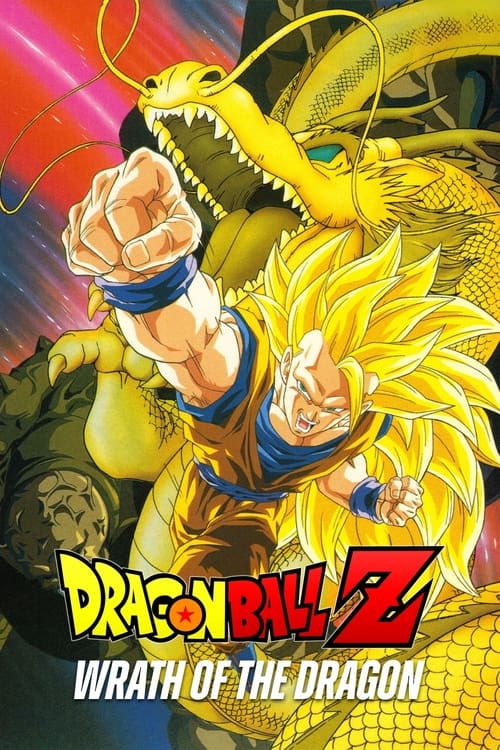
Dragon Ball Z: Wrath of the Dragon
1995The Z Warriors discover an unopenable music box and are told to open it with the Dragon Balls. The contents turn out to be a warrior named Tapion who had sealed himself inside along with a monster called Hildegarn. Goku must now perfect a new technique to defeat the evil monster.
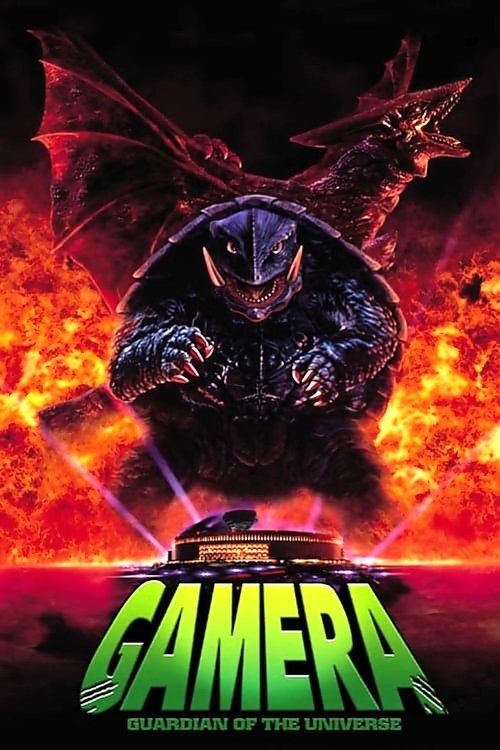
Gamera: Guardian of the Universe
1995A ship runs aground on a mysterious atoll leading to an investigation by insurance representative Kusanagi, who discovers an ancient bead that he gives to his daughter Asagi. Meanwhile, ornithologist Nagamine investigates reports of a new species of large bird named Gyaos. As the Gyaos begin to attack, an ancient guardian with a bond to Asagi emerges.
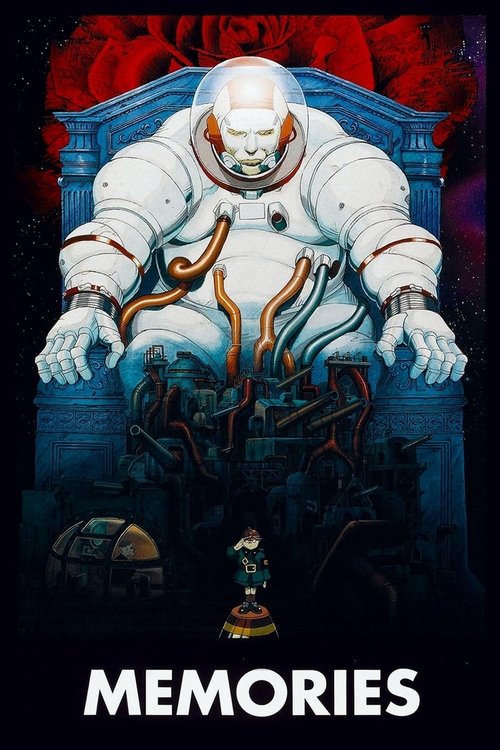
Memories
1995Three back-to-back anime films by three different directors make up this sci-fi trilogy three years in the making.
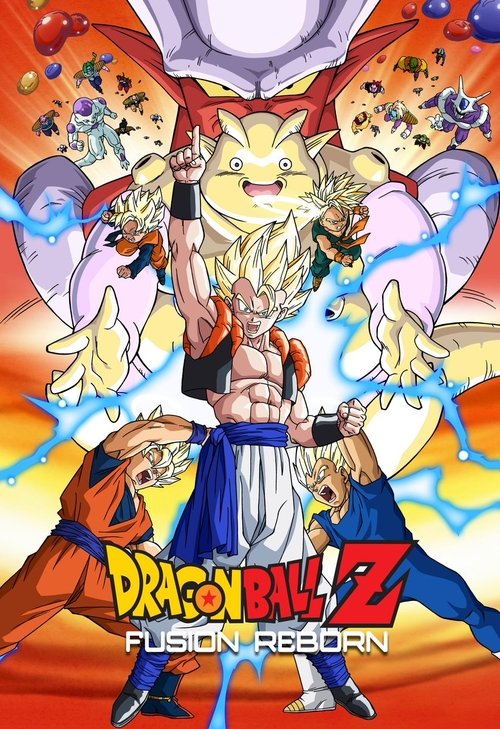
Dragon Ball Z: Fusion Reborn
1995Not paying attention to his job, a young demon allows the evil cleansing machine to overflow and explode, turning the young demon into the infamous monster Janemba. Goku and Vegeta make solo attempts to defeat the monster, but realize their only option is fusion.
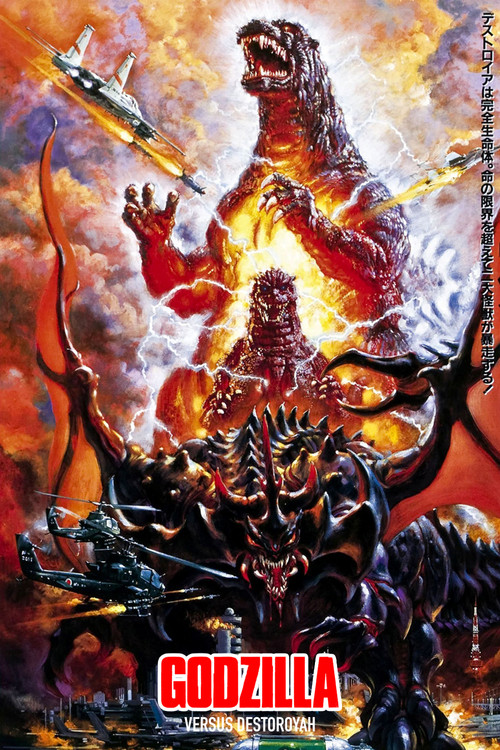
Godzilla vs. Destoroyah
1995A burning Godzilla, on the verge of meltdown, emerges to lay siege to Hong Kong. At the same time horrifying new organisms are discovered in Japan. These crustacean-like beings are seemingly born of the Oxygen Destroyer, the weapon that killed the original Godzilla.
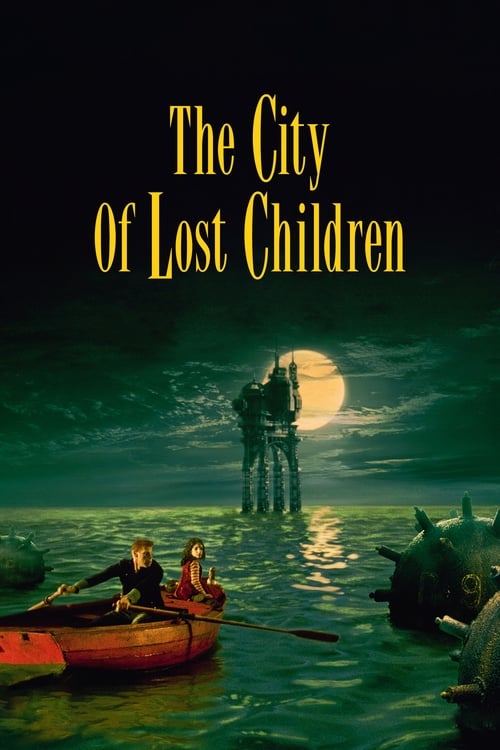
The City of Lost Children
1995A scientist in a surrealist society kidnaps children to steal their dreams, hoping that they slow his aging process.
Jeunet and Caro craft a surrealist subterranean dreamscape where childhood innocence is harvested like a rare mineral. This visual feast blends fairy-tale logic with steam-driven technology to create one of the most stylistically dense and imaginative atmospheres in the genre's history.
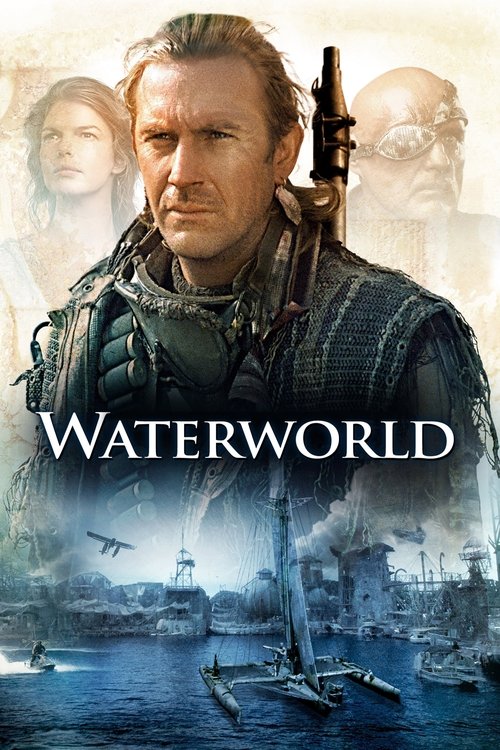
Waterworld
1995In a futuristic world where the polar ice caps have melted and made Earth a liquid planet, a beautiful barmaid rescues a mutant seafarer from a floating island prison. They escape, along with her young charge, Enola, and sail off aboard his ship. But the trio soon becomes the target of a menacing pirate who covets the map to 'Dryland'—which is tattooed on Enola's back.
Despite its notorious production history, this maritime epic offers an unmatched tactile scale and a rugged, practical commitment to world-building. The film’s rusted, hydro-punk aesthetic creates a uniquely immersive environment that feels lived-in and dangerously physical.
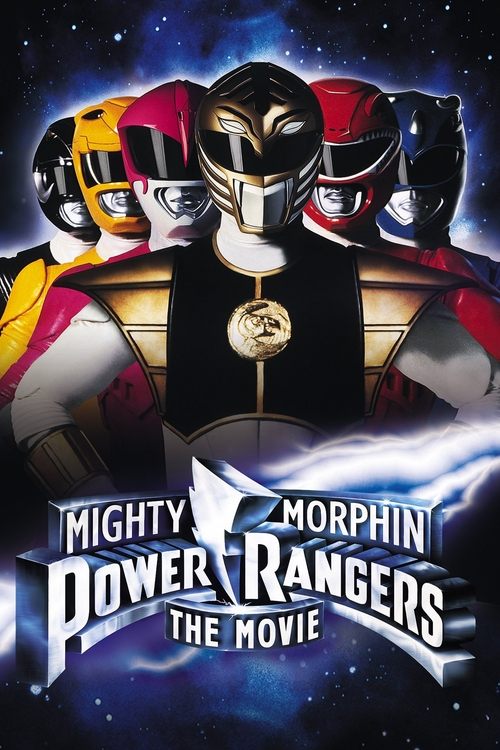
Mighty Morphin Power Rangers: The Movie
1995Six incredible teens out-maneuver and defeat evil everywhere as the Mighty Morphin Power Rangers, but this time the Power Rangers may have met their match when they face off with Ivan Ooze, the most sinister monster the galaxy has ever seen.
Emerging as a Technicolor explosion in a sea of moody dystopias, this cinematic leap for the franchise leans into a polished, campy maximalism. The upgrade to tactile suits and sprawling sets provides a surprisingly kinetic spectacle that embraces its own garish, sugar-rushed energy.
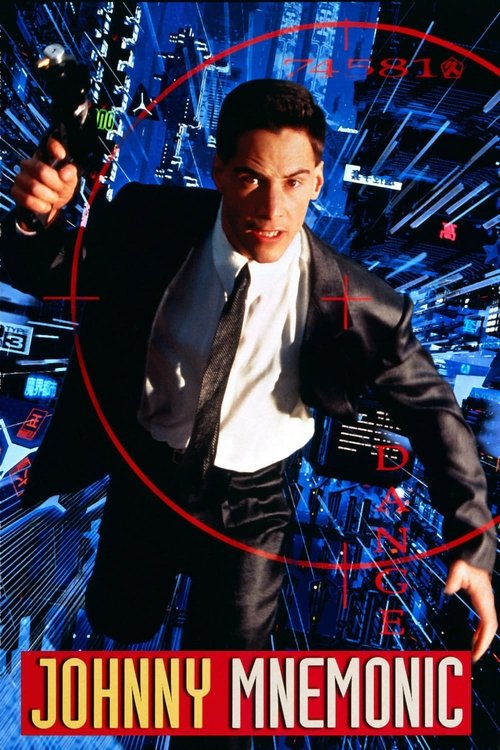
Johnny Mnemonic
1995In a dystopian 2021, Johnny is a data trafficker who has an implant that allows him to securely store data too sensitive for regular computer networks. On one delivery run, he accepts a package that not only exceeds the implant's safety limits—and will kill him if the data is not removed in time—but also contains information far more important and valuable than he had ever imagined. On a race against time, he must avoid the assassins sent to kill him and remove the data before it, too, ends his life.
William Gibson’s vision of a data-saturated future survives its low-fi execution through sheer, scrappy ambition and a distinctively jagged punk-rock spirit. It remains a fascinating artifact of the era’s fetishization of information as the ultimate black-market currency.
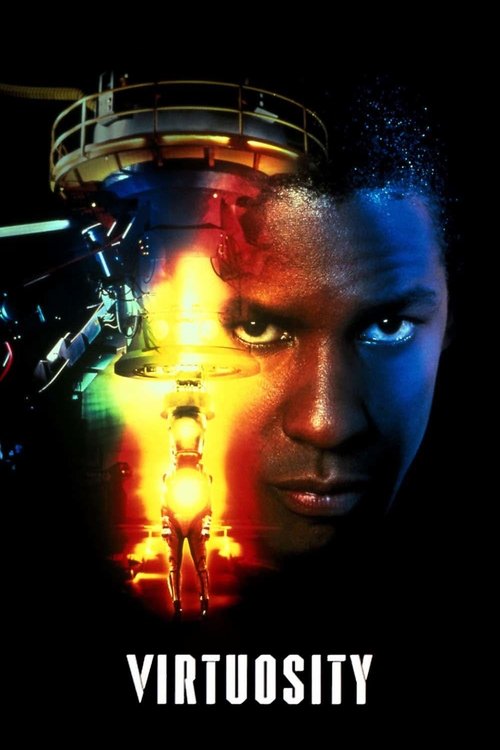
Virtuosity
1995The Law Enforcement Technology Advancement Centre (LETAC) has developed SID version 6.7: a Sadistic, Intelligent, and Dangerous virtual reality entity which is synthesized from the personalities of more than 150 serial killers, and only one man can stop him.
This flamboyant collision of cyber-culture and slasher tropes serves as a vibrant time capsule of the decade's obsession with burgeoning VR landscapes. Denzel Washington and Russell Crowe anchor the digital absurdity with a palpable, high-stakes commitment that anchors the film’s chaotic energy.
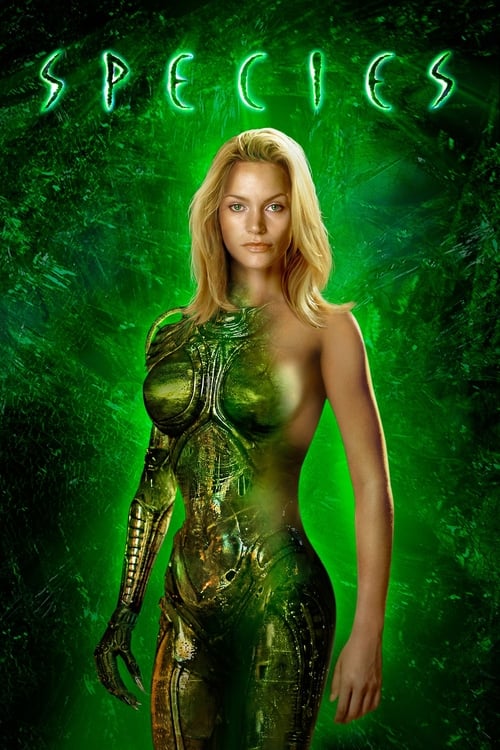
Species
1995In 1993, the Search for Extra Terrestrial Intelligence Project receives a transmission detailing an alien DNA structure, along with instructions on how to splice it with human DNA. The result is Sil, a sensual but deadly creature who can change from a beautiful woman to an armour-plated killing machine in the blink of an eye.
H.R. Giger’s bio-mechanical designs breathe lethal elegance into this high-concept fusion of genetic engineering and predatory instinct. The film stands out for its sleek, unapologetic embrace of B-movie thrills filtered through a polished, big-budget lens of scientific anxiety.
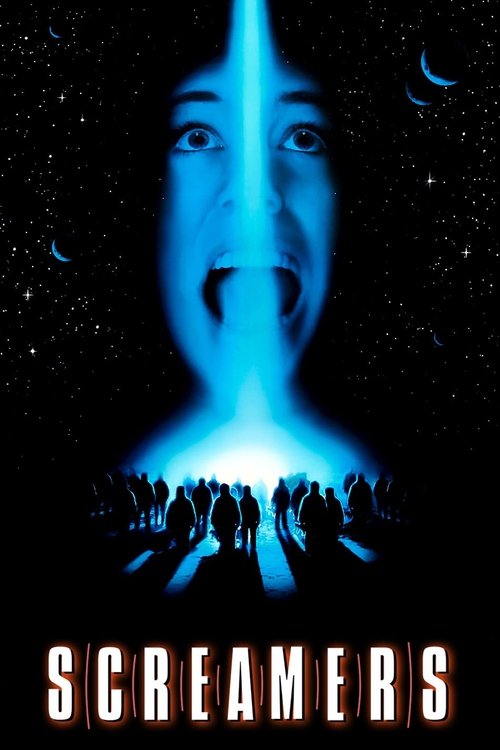
Screamers
1995SIRIUS 6B, Year 2078. On a distant mining planet ravaged by a decade of war, scientists have created the perfect weapon: a blade-wielding, self-replicating race of killing devices known as Screamers designed for one purpose only -- to hunt down and destroy all enemy life forms.
Adapted from Philip K. Dick, this gritty exercise in planetary paranoia weaponizes the silence of a dying wasteland. It succeeds by grounding its mechanical terror in a bleak, blue-collar realism that makes the evolution of its titular killing machines feel chillingly plausible.
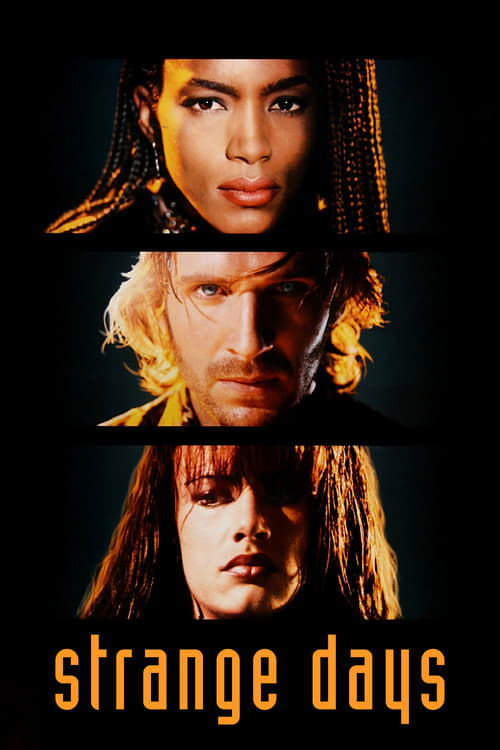
Strange Days
1995In the last days of 1999, ex-cop turned street hustler Lenny Nero receives a disc which contains the memories of the murder of a prostitute. With the help of bodyguard Mace, he starts to investigate and is pulled deeper and deeper in a whirl of murder, blackmail and intrigue.
Kathryn Bigelow’s voyeuristic fever dream captures the pre-millennial tension of a society addicted to the raw, recycled sensations of others. It operates as a jagged, neon-soaked interrogation of the ethics of virtual intimacy and the violence of the gaze.
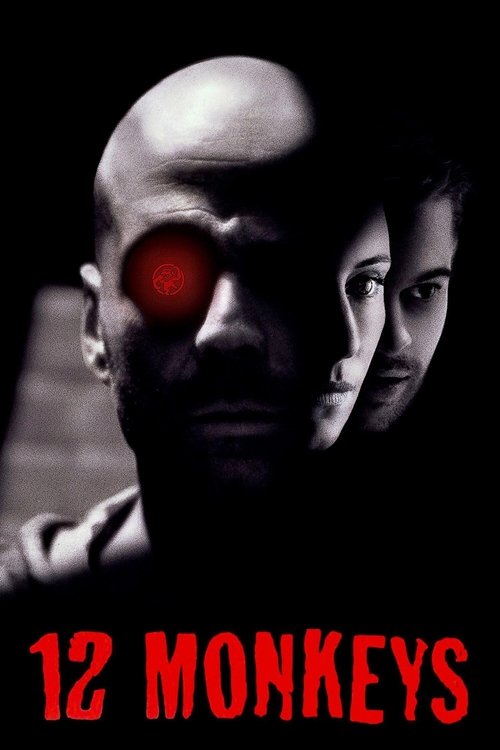
Twelve Monkeys
1995In the year 2035, convict James Cole reluctantly volunteers to be sent back in time to discover the origin of a deadly virus that wiped out nearly all of the earth's population and forced the survivors into underground communities. But when Cole is mistakenly sent to 1990 instead of 1996, he's arrested and locked up in a mental hospital. There he meets psychiatrist Dr. Kathryn Railly and the son of a famous virus expert who may hold the key to the Army of the 12 Monkeys; thought to be responsible for unleashing the killer disease.
Terry Gilliam channels his signature frantic energy into a fractured mosaic of memory and madness that elevates temporal paradoxes to high art. This claustrophobic nightmare transforms the ticking clock of a plague thriller into a somber reflection on the inevitability of fate.

Ghost in the Shell
1995In the year 2029, the barriers of our world have been broken down by the net and by cybernetics, but this brings new vulnerability to humans in the form of brain-hacking. When a highly-wanted hacker known as 'The Puppetmaster' begins involving them in politics, Section 9, a group of cybernetically enhanced cops, are called in to investigate and stop the Puppetmaster.
Mamoru Oshii’s existential masterpiece redefines the cyberpunk aesthetic through a haunting meditation on identity in the digital age. Its seamless marriage of philosophical weight and revolutionary animation remains the gold standard against which all modern tech-noir is measured.
Frequently Asked Questions
Everything you need to know about this list and SnakeDrafts
- 'Ghost in the Shell' is a landmark anime that expertly blends cyberpunk aesthetics with philosophical questions about identity and consciousness. Its influence on both Western and Eastern sci-fi cinema is profound, making it a must-watch for genre fans.
- Terry Gilliam's 'Twelve Monkeys' intertwines a dystopian future with a complex plot involving time travel and a viral apocalypse. The film's layered storytelling and suspenseful atmosphere enhance its status as a critically acclaimed sci-fi mystery.
- 'Strange Days' delves into themes of virtual reality and memory recording, capturing 1995’s unease about emerging digital technologies. Kathryn Bigelow's direction highlights societal fears about surveillance and loss of privacy that resonate even today.
- Yes, 1995 saw several influential anime sci-fi films including 'Memories,' 'Dragon Ball Z: Fusion Reborn,' and 'Dragon Ball Z: Wrath of the Dragon.' These films blend high-energy action with imaginative storytelling, showcasing the diversity of Japanese animation during that period.
- 'Waterworld' presents a post-apocalyptic vision shaped by rising sea levels, a pressing environmental theme. Its blend of action and adventure exemplifies 90s sci-fi's tendency to combine spectacle with speculative futures.
- 'Screamers' explores themes of war, artificial intelligence, and survival, setting it apart as a chilling sci-fi horror hybrid. Its bleak depiction of conflict and autonomy resonates with audiences interested in the darker side of future technological warfare.
- 'The City of Lost Children' is known for its fantastical and surreal approach to science fiction, blending elements of fantasy and adventure. Its unique visual style and narrative complexity make it a standout amongst 1995’s genre films.
- Both 'Virtuosity' and 'Johnny Mnemonic' leverage high-concept cyberpunk themes enriched with fast-paced action sequences. These films reflect the decade’s fascination with virtual reality and digital consciousness, appealing to fans of thrilling sci-fi adventures.