Top 1994 SciFi Movies Ranked
Classic Science Fiction Cinema Retrospective
Explore the best science fiction films from the mid nineties. Our ranked list features interdimensional travel, alien conspiracies, and futuristic action.
About 1994 SciFi Movies
In the grand history of science fiction cinema, 1994 is often remembered as a curious transitional chapter. It lacked the industry-shaking impact of a Blade Runner or a Matrix, but in hindsight, it served as a fascinating snapshot of a genre trying to find its soul at the dawn of the digital age. This was the year CGI began to exert its dominance, yet the stories remained deeply rooted in the analog anxieties of the late twentieth century.
Perhaps the most iconic legacy of 1994 is the birth of the Stargate franchise. Directed by Roland Emmerich, the film took the high-concept premise of ancient astronauts and wrapped it in a sweeping, Lawrence of Arabia style epic. It was a gamble that paid off, blending hard science with mythic fantasy in a way that resonated with audiences tired of sterile spaceships. While critics at the time were lukewarm, the film proved that there was still a massive appetite for original world-building. It managed to feel grand and expensive without losing the tactile sense of practical effects, a balance that many modern blockbusters struggle to find.
On the other end of the spectrum, 1994 gave us Timecop, a film that remains the definitive peak of Jean-Claude Van Damme as a bankable sci-fi lead. It was a stylish, neon-soaked thriller that treated time travel with the breezy logic of an action comic. It did not try to reinvent the wheel, but it encapsulated the aesthetic of the era perfectly. It was fast, punchy, and utilized just enough digital wizardry to make its liquid-metal leaps through time feel cutting-edge.
However, the genre truly found its darker side that year with The Crow. While often categorized as a gothic supernatural thriller, the film remains a vital piece of sci-fi adjacent world-building. Its vision of a rain-slicked, decaying urban future influenced the look of genre cinema for a decade. It captured a specific sense of Gen X nihilism that echoed through other 1994 offerings like No Escape, a gritty prison moon thriller starring Ray Liotta. These films suggested a future that was not shiny or hopeful, but rather a reflection of our own crumbling infrastructure and social divisions.
Even the failures of 1994 were ambitious. Mary Shelley’s Frankenstein tried to bring a frantic, operatic energy to the foundation of science fiction literature. While Kenneth Branagh’s direction was divisive, the film highlighted a recurring theme of the year: the fear of man playing God through technology. This theme even trickled into the more lighthearted Star Trek Generations, which served as a literal passing of the torch between the original crew and the Next Generation team. The film explored the idea of the Nexus, a digital or spiritual heaven that allowed one to escape the ravages of time, reflecting an burgeoning cultural obsession with virtual reality and the blurring lines between the real and the simulated.
Looking back, 1994 was the last year before the internet truly changed everything. The science fiction of this era felt grounded in shadows and steel rather than pixels and code. It was a year of meat-and-potatoes storytelling that prioritized atmosphere and physical stakes. The genre landscape was remarkably diverse, offering everything from sprawling space operas to intimate, dingy dystopias. It was a period of looking backward at history while nervously glancing at the fast-approaching millennium, resulting in a vintage that remains surprisingly textured and endlessly watchable today.
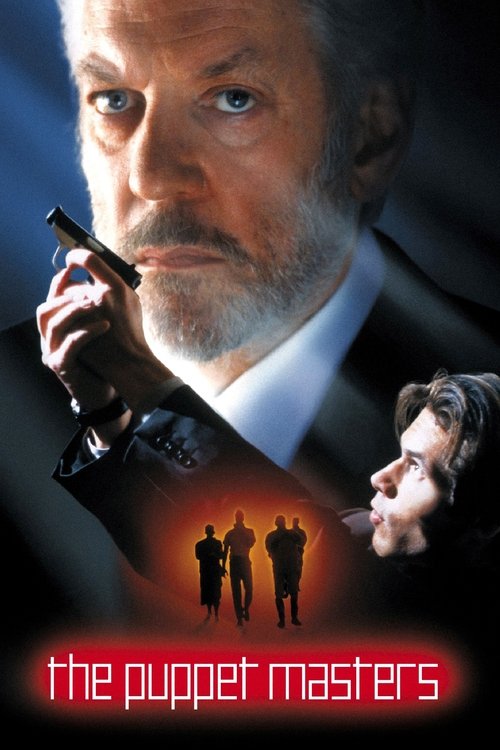
The Puppet Masters
1994The Midwest USA is invaded by stingray-shaped alien slugs that ride on people's backs and control their minds in order to spread their dominion. Government agency reps Sam Givens, Andrew Nivens, and Mary Sefton must stop the aliens.
This adaptation captures the quintessential Cold War anxiety of the Heinlein source material while updating its biological horror for a modern audience. It excels as a taut exercise in collective suspicion, proving that the most effective threats are those that hide in plain sight.
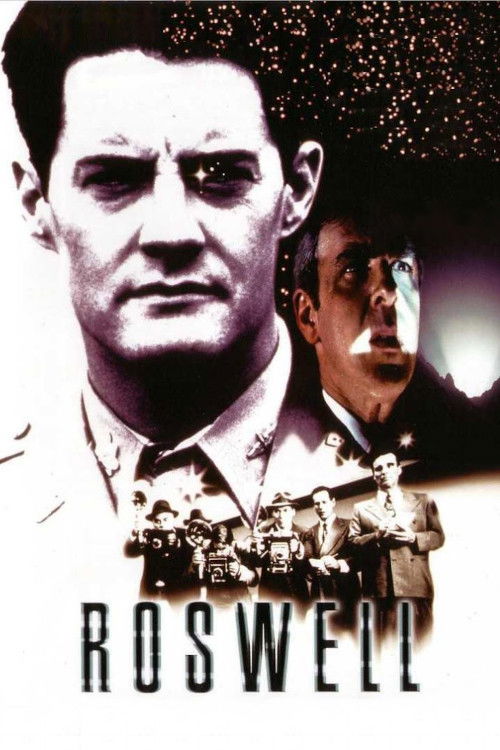
Roswell
1994Based on the book "UFO Crash at Roswell" by Kevin Randle and Donald Schmitt, Roswell follows the attempts of Major Jesse Marcel to discover the truth about strange debris found on a local rancher's field in July of 1947. Told by his superiors that what he has found is nothing more than a downed weather balloon, Marcel maintains his military duty until the weight of the truth, however out of this world it may be, forces him to piece together what really occurred.
By favoring intellectual paranoia over explosive action, this sophisticated dramatization revitalizes the UFO mythos with a chilling, document-driven sincerity. It captures the zeitgeist of government skepticism through a meticulously crafted narrative of silence and shadows.
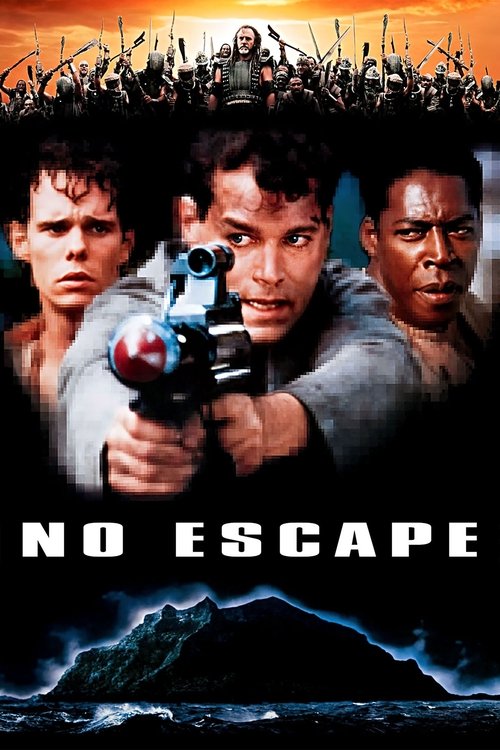
No Escape
1994In the year 2022, a ruthless prison warden has created the ultimate solution for his most troublesome and violent inmates: Absolom, a secret jungle island where prisoners are abandoned and left to die. But Marine Captain John Robbins, convicted of murdering a commanding officer, is determined to escape the island in order to reveal the truth behind his murderous actions and clear his name.
Martin Campbell delivers a visceral, high-stakes exercise in dystopian survival that eschews CGI spectacle for gritty, tangible world-building. It is a lean and punishing piece of speculative fiction that thrives on its claustrophobic atmosphere and primitive technological decay.
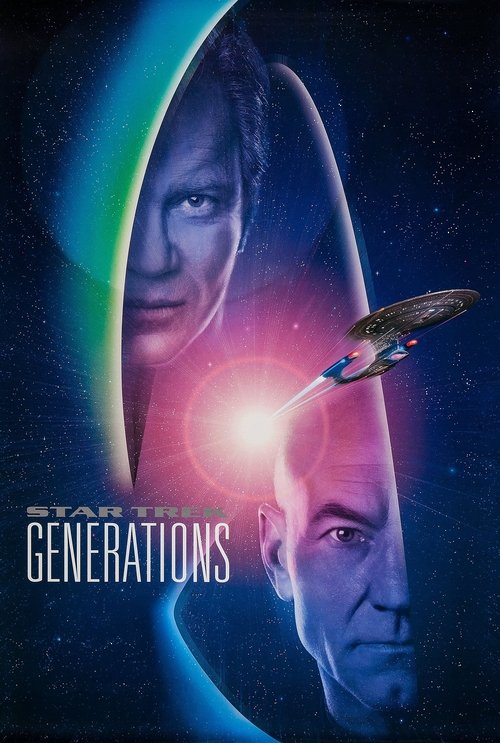
Star Trek: Generations
1994Captain Jean-Luc Picard and the crew of the Enterprise-D find themselves at odds with the renegade scientist Soran who is destroying entire star systems. Only one man can help Picard stop Soran's scheme...and he's been dead for seventy-eight years.
A poetic passing of the torch that masterfully navigates the existential weight of legacy and the relentless march of time. The film transcends its television roots with a cinematic gravitas, elevating a philosophical confrontation into a monumental genre event.
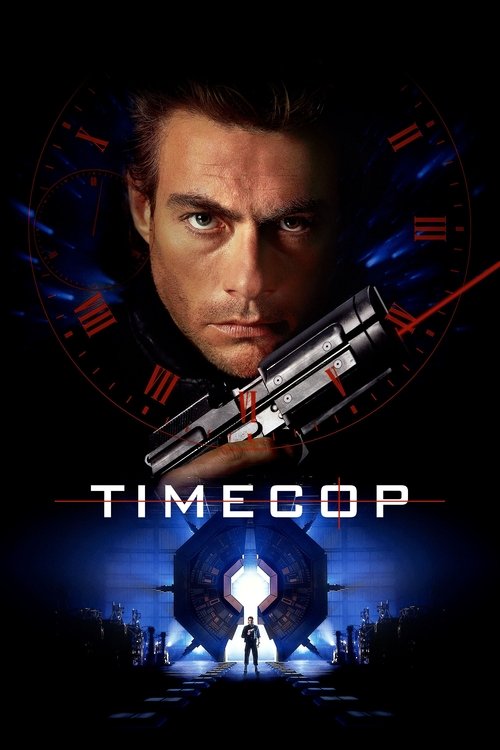
Timecop
1994In 2004, an officer for a security agency that regulates time travel must fend for his life against a shady politician who has a tie to his past.
This stylish collision of temporal mechanics and martial arts remains the definitive peak of Jean-Claude Van Damme's career. It distinguishes itself by anchoring complex butterfly-effect logistics within a sleek, neo-noir aesthetic that feels surprisingly grounded.
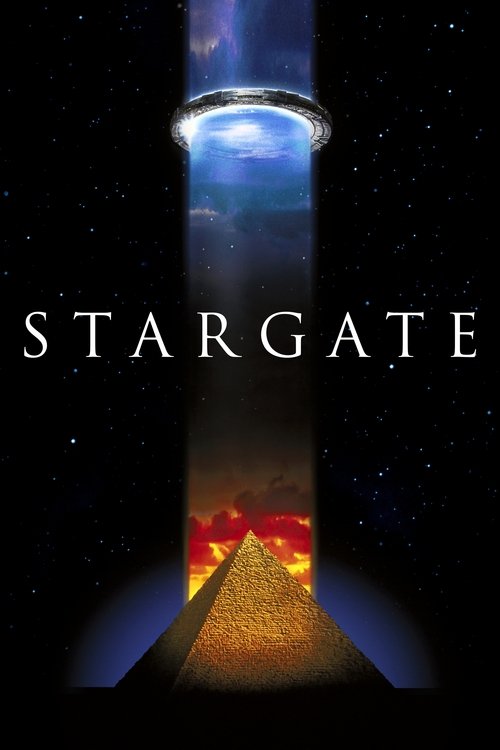
Stargate
1994An interstellar teleportation device, found in Egypt, leads to a planet with humans resembling ancient Egyptians who worship the god Ra.
Roland Emmerich reimagines human archaeology through a grand interstellar lens, blending high-concept mythology with scale that defines the decade's blockbuster ambitions. Its visual grandeur and unique fusion of ancient history with cosmic engineering set a new benchmark for world-building.
Frequently Asked Questions
Everything you need to know about this list and SnakeDrafts
- The 1994 sci-fi movies featured in the list commonly explore themes like interdimensional travel in 'Stargate', time manipulation in 'Timecop', and alien conspiracies as seen in 'Roswell'. These themes reflect the era's fascination with both futuristic technology and the unknown.
- 1994 was a year when CGI started gaining prominence, and movies like 'Stargate' leveraged digital effects to bring interstellar worlds and complex action sequences to life. While CGI was emerging, these films often balanced digital innovation with practical effects to maintain a grounded narrative.
- Several films blend sci-fi with thriller and action, including 'Timecop', which combines time-travel intrigue with crime and action, and 'No Escape', known for its intense action and dramatic sci-fi storyline. This hybrid approach was typical of 1994's genre films, enhancing suspense and excitement.
- Yes, 'Star Trek: Generations' is part of the iconic Star Trek franchise, uniting different generations of characters and expanding its sci-fi universe. This film represents how 1994 balanced standalone stories with ongoing series entries in the genre.
- 'The Puppet Masters' stands out by blending science fiction with horror and thriller elements, focusing on alien parasitic invasion. Its genre fusion makes it an intriguing watch that contrasts with more traditional sci-fi adventures of 1994.
- The movies on the list often explore fears related to technology, such as loss of control over time in 'Timecop' or alien infiltration in 'The Puppet Masters', mirroring late 20th-century societal anxieties. This reflects how 1994 sci-fi movies encapsulated both excitement and unease around emerging tech trends.
- Futurism is a core element, ranging from the advanced societies and technologies depicted in 'Stargate' to speculative law enforcement tactics in 'Timecop'. These films use futuristic settings and concepts to explore contemporary issues and imaginative possibilities.