Top 1996 SciFi Movies Ranked
Alien Horizons and Space Classics
Explore the best science fiction cinema from the mid nineties, featuring extraterrestrial invasions, galactic voyages, and futuristic cult classics.
About 1996 SciFi Movies
The year 1996 was a strange, transitional moment for science fiction cinema, perched precariously between the gritty, practical effects of the eighties and the digital totalism that would soon define the turn of the millennium. Looking back, it was the year the genre decided to stop being polite and started getting loud. While the early nineties had been dominated by cerebral thrillers and cyberpunk experiments, 1996 blew the doors off the theater with a maximalist approach to spectacle that set the template for the modern blockbuster.
At the center of this seismic shift was Roland Emmerich's Independence Day. It is difficult to overstate how much this single film altered the DNA of the summer movie season. It took the alien invasion tropes of the 1950s and scaled them up to a global level, replacing the cold war anxieties of old with a pure, unadulterated popcorn thrill. The image of the White House exploding became the defining visual of the year, signaling that scale was now the most important currency in Hollywood. It was cheesy and sentimental, yet it possessed a tactile quality in its destruction that still puts modern CGI to shame.
However, 1996 was not just about the end of the world. It was also a year of bizarre tonal experiments. Tim Burton gave us Mars Attacks!, a neon-soaked, mean-spirited satire that felt like the cynical younger brother to Independence Day. While Emmerich wanted us to cheer for humanity, Burton wanted us to laugh as a pack of cackling Martians disintegrated the ruling class. Watching the two films today offers a fascinating look at the duality of the era, one film represents the peak of American earnestness, while the other serves as a surrealist middle finger to the establishment.
For those looking for something deeper than explosions, 1996 also delivered 12 Monkeys. Terry Gilliam took a French short film about time travel and spun it into a feverish, claustrophobic masterpiece. It remains one of the finest examples of the genre, proving that science fiction could be used as a tool for exploring the fragility of the human mind. Bruce Willis and Brad Pitt gave career-best performances in a world that felt decayed, rusted, and terrifyingly plausible. It was the antithesis of the shiny, high-tech futures often seen on screen, offering instead a junk-store aesthetic that felt lived-in and honest.
Even the established franchises were feeling the wind of change. Star Trek: First Contact arrived that winter, successfully transitioning the Next Generation crew into a high-octane action mold without losing the series' intellectual soul. It remains the high-water mark for that specific era of Trek, balancing the horror of the Borg with a grander cinematic scope than the television show could ever afford.
When we look at the landscape of 1996, we see a genre in the middle of a growth spurt. From the body-horror reflections of David Cronenberg's Crash to the visual effects breakthrough of Twister, science fiction was expanding its borders. It was a year where the goofy, the profound, and the catastrophic lived side by side on the marquee. It taught us that we could contemplate our own extinction on a Tuesday and then cheer for a starship dogfight on a Friday. Most of all, it proved that the future was no longer a distant concept, but a sensory experience that was best served on the biggest screen possible.
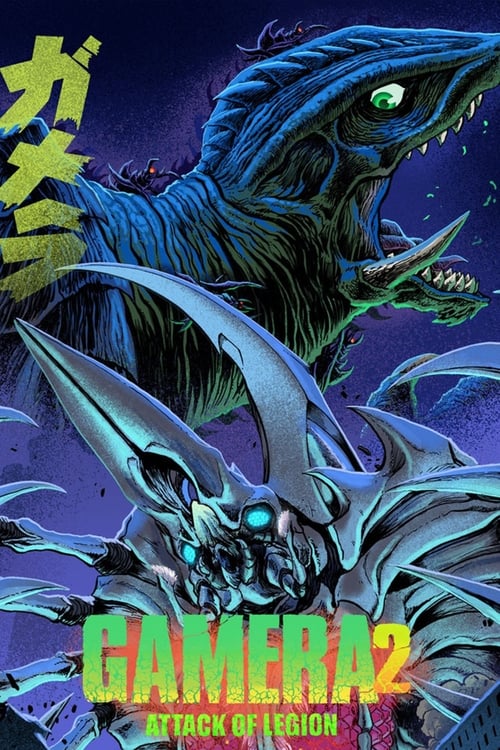
Gamera 2: Attack of Legion
1996A strange meteor lands in Japan and unleashes hundreds of insect-like "Legion" creatures bent on colonizing the Earth. When the military fails to control the situation, Gamera shows up to deal with the ever-evolving space adversary. However the battle may result in Gamera losing his bond with both Asagi and humanity.
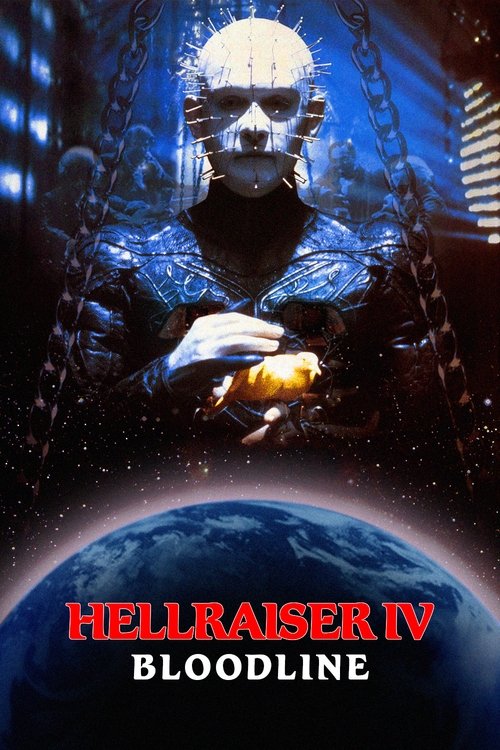
Hellraiser: Bloodline
1996Three generations of the same family deal with the consequences of unleashing the forces of hell.
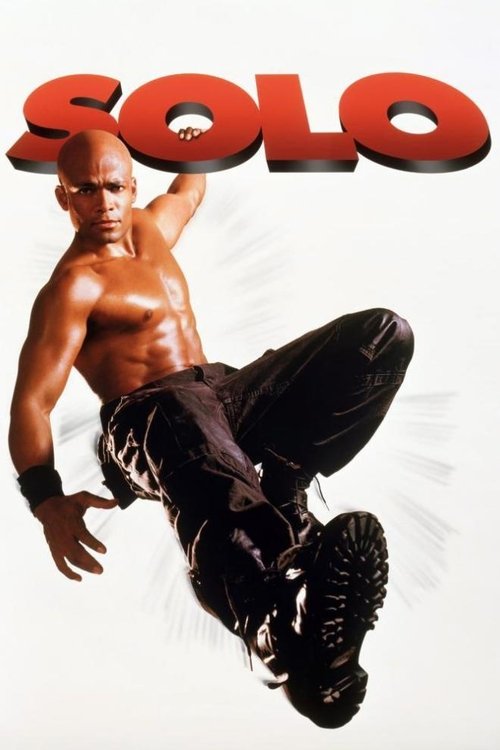
Solo
1996An android fighting-machine is charged with destroying a small brigade of rebels in a Latin American war who are fighting to maintain their freedom and protect their village. Contrary to his programming, Peebles decides to stay and assist the rebels in their plight. Having gained this information, his "creators" develop a more powerful android to try and defeat him.
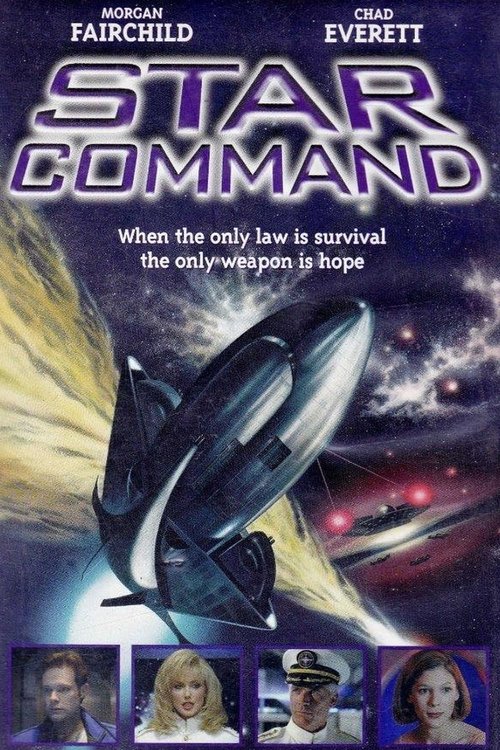
Star Command
1996A bunch of young and impulsive space cadets make their first real flight in space and realize that the attack they suffered wasn't a training mission. They face the Enemy alone and have the chance to save the world, and maybe to prevent the war? Can the cadets conquer the more experienced, stronger and much more evil enemy? (Written by Peter 'grin' Gervai )
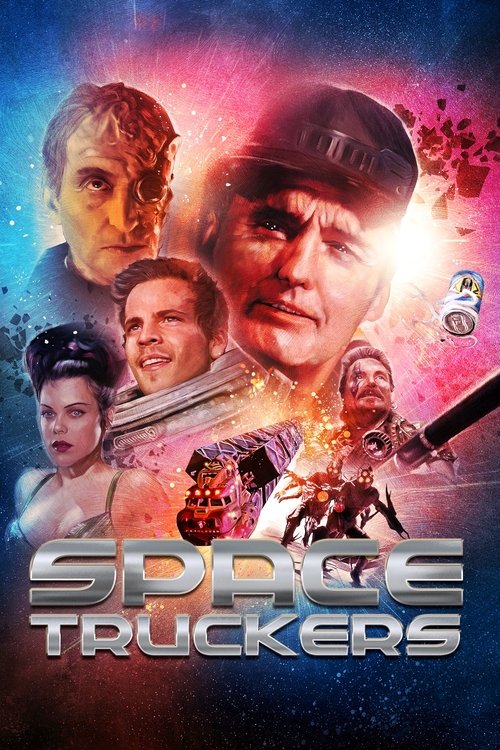
Space Truckers
1996John Canyon is one of the last independent space transport entrepreneurs. Rough times force him to carry suspicious cargo to Earth without questions being asked. During the flight the cargo turns out to be a multitude of unstoppable killer robots.
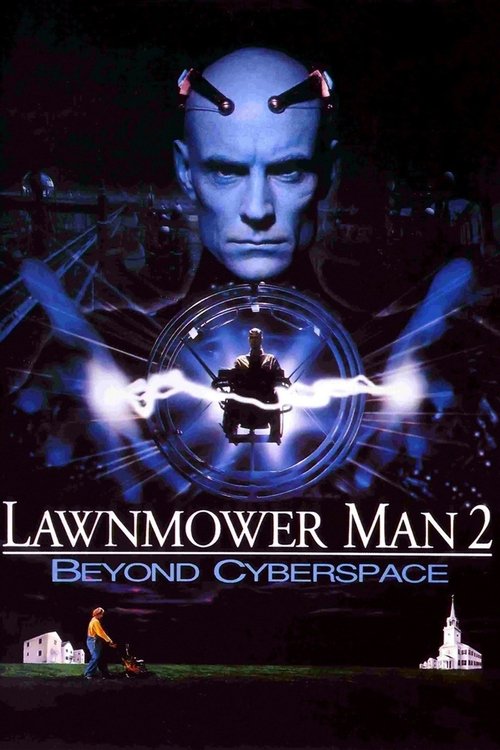
Lawnmower Man 2: Beyond Cyberspace
1996After being rescued from the ruins of Virtual Space Industries, Jobe is rebuilt and reconnected to virtual reality by corporate mogul Jonathan Walker. Years later, teenage hacker Peter Parkette helps Jobe locate Benjamin Trace, the original creator of virtual reality, only to uncover Jobe’s plan to launch a new world order using Walker’s tech. Now, Peter, Trace, Cori, and a band of runaways must stop Jobe and Walker before they enslave humanity through cyberspace.
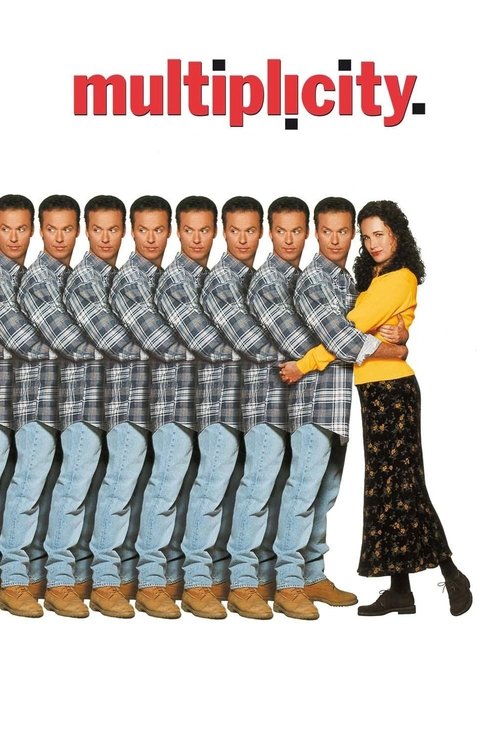
Multiplicity
1996Construction worker Doug Kinney finds that the pressures of his working life, combined with his duties to his wife Laura and daughter Jennifer leaves him with little time for himself. However, he is approached by geneticist Dr. Owen Leeds, who offers Doug a rather unusual solution to his problems: cloning.
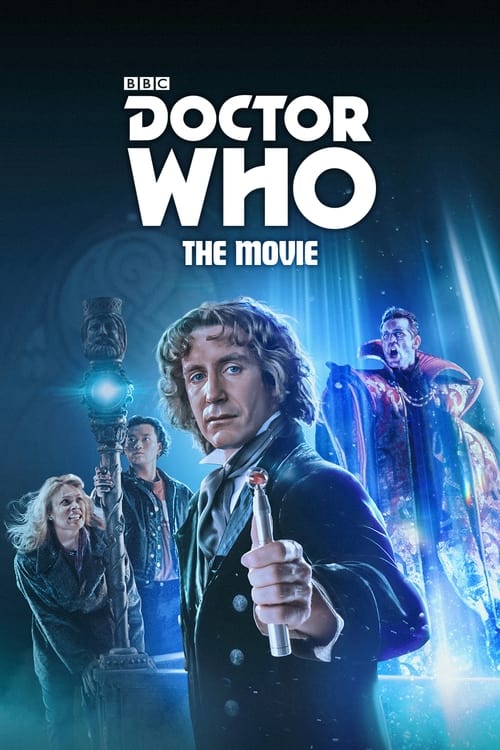
Doctor Who
1996The Seventh Doctor becomes the Eighth. And on the streets of San Francisco – alongside new ally Grace Holloway - he battles the Master.
This glossy transatlantic revival attempt injects a gothic, cinematic scale into the long-running mythos, successfully bridging the gap between low-budget television roots and high-budget nineties aesthetics. Paul McGann’s kinetic energy offers a glimpse into a more dynamic, romanticized era of time-travel storytelling.
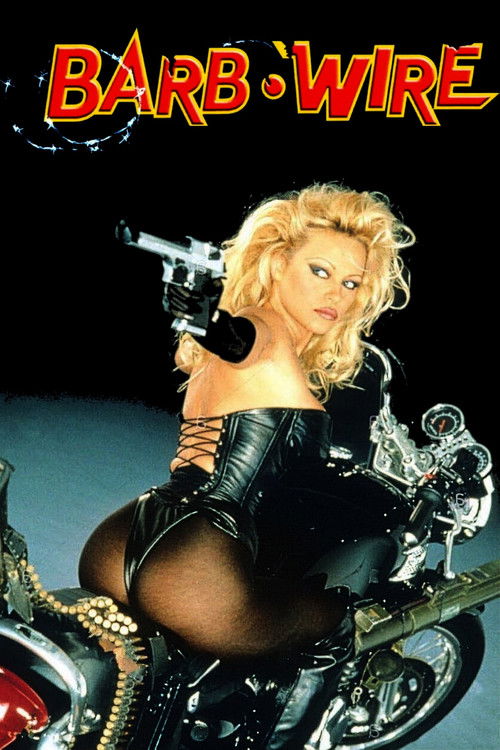
Barb Wire
1996A sexy nightclub owner, Barb Wire moonlights as a mercenary in Steel Harbor, one of the last free zones in the now fascist United States. When scientist Cora Devonshire wanders into Barb's establishment, she gets roped into a top-secret government plot involving biological weapons. Soon Barb is reunited with her old flame Axel Hood, who is now Cora's husband and a guerrilla fighter, resulting in plenty of tense action.
Adopting a gritty, comic-book aesthetic, this cult curiosity reworks the narrative skeleton of Casablanca into a stylized, dystopian wasteland. Its commitment to a leather-clad, industrial atmosphere provides a fascinating snapshot of the era's obsession with adult-oriented graphic novel adaptations.
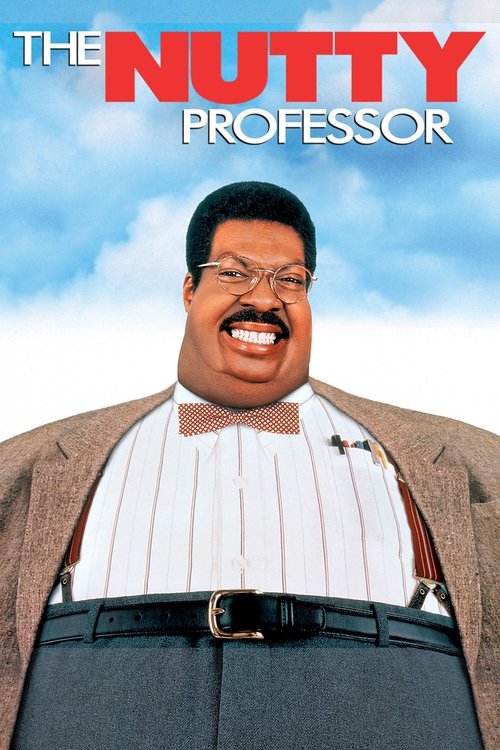
The Nutty Professor
1996When beautiful Carla Purty joins the university faculty, genetic professor Dr. Sherman Klump grows desperate to whittle his 400-pound frame down to size and win her heart. So, with one swig of his experimental fat-reducing serum, Sherman becomes 'Buddy Love', a fast-talking, pumped-up, plumped down Don Juan.
Beyond the sophisticated makeup effects, this reimagining utilizes the transformative power of the genre to explore the psychological toll of social perception. Eddie Murphy’s kaleidoscopic performance suite grounds a high-concept biological catalyst in an surprisingly poignant study of body image and identity.
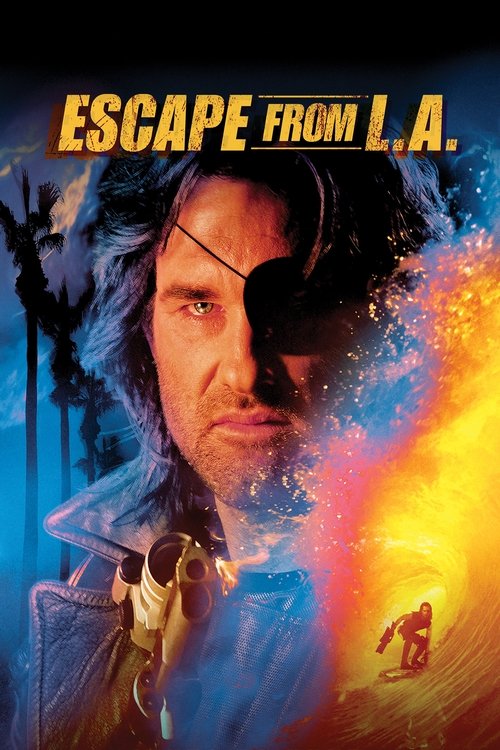
Escape from L.A.
1996Into the 9.6-quaked Los Angeles of 2013 comes Snake Plissken. His job: wade through L.A.'s ruined landmarks to retrieve a doomsday device.
John Carpenter’s sun-drenched, cynical sequel doubles down on the satirical rot of the American dream, trading the grit of its predecessor for a surf-punk absurdity. It functions as a meta-textual critique of Hollywood excess, anchored by Kurt Russell’s stoic, anti-authoritarian resignation.
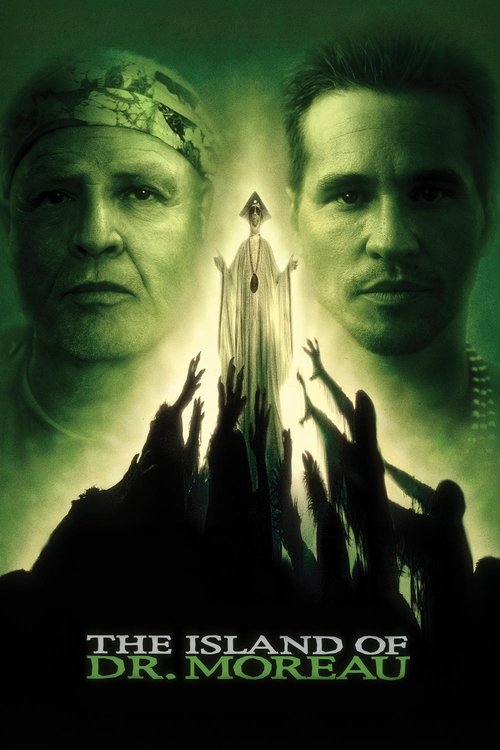
The Island of Dr. Moreau
1996A plane crash surviving attorney stumbles upon a mysterious island and is shocked to discover that a brilliant scientist and his lab assistant have found a way to combine human and animal DNA—with horrific results.
A grotesque, fever-dream experiment in biological horror, this troubled production offers a disturbing look at the hubris of genetic engineering through visceral prosthetic work. Its chaotic atmosphere feels like a genuine descent into madness, capturing a raw, unpolished side of science fiction rarely seen in the mainstream.
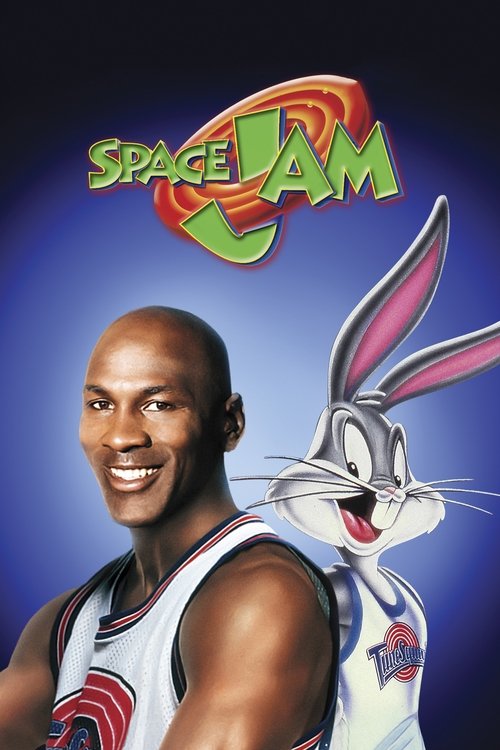
Space Jam
1996With their freedom on the line, the Looney Tunes seek the help of NBA superstar Michael Jordan to win a basketball game against a team of moronic aliens.
Blending commercial cynicism with breakthrough technical ambition, this frantic collision of live action and cel animation pushed the boundaries of digital compositing. While rooted in sports iconography, its visual language speaks to a bold, experimental cross-media hybridization that came to define late-nineties pop culture.
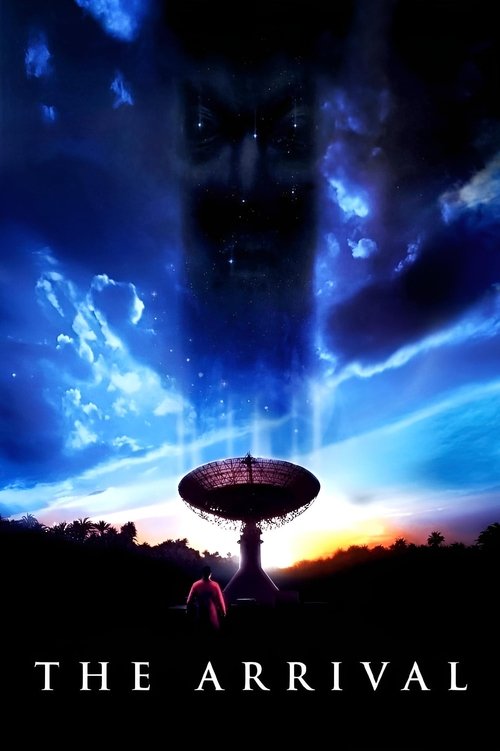
The Arrival
1996Zane Ziminski is an astrophysicist who receives a message that seems to have extraterrestrial origins. Eerily soon after his discovery, Zane is fired. He then embarks on a search to determine the origins of the transmission that leads him into a Hitchcockian labyrinth of paranoia and intrigue.
This lean, paranoia-fueled thriller eschews pyrotechnics in favor of a cerebral, slow-burn conspiracy that feels uncomfortably plausible. It thrives on a climate of ecological anxiety, using sound design and understated tension to craft a sophisticated alternative to the decade’s louder offerings.
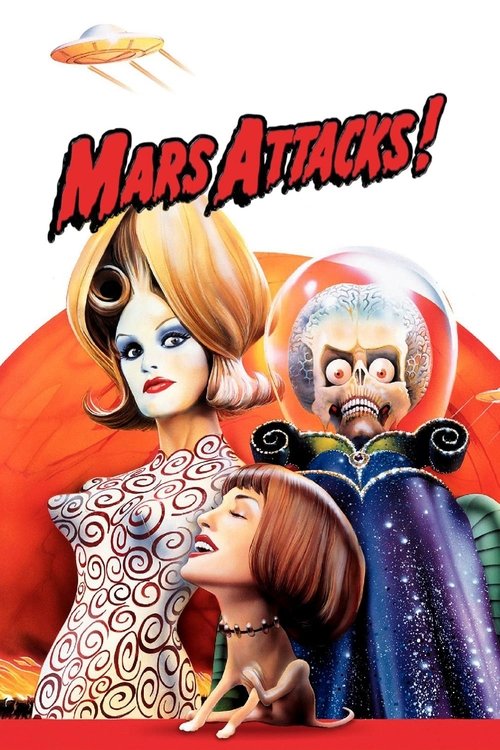
Mars Attacks!
1996A fleet of Martian spacecraft surrounds the world's major cities and all of humanity waits to see if the extraterrestrial visitors have, as they claim, "come in peace." U.S. President James Dale receives assurance from science professor Donald Kessler that the Martians' mission is a friendly one. But when a peaceful exchange ends in the total annihilation of the U.S. Congress, military men call for a full-scale nuclear retaliation.
Tim Burton’s neon-soaked tribute to Topps trading cards serves as a nihilistic antithesis to the year’s earnest heroism, favoring gleeful anarchy over sentiment. Its jarring juxtaposition of retro-futurism and mean-spirited satire creates a uniquely psychedelic subversion of the alien invasion trope.
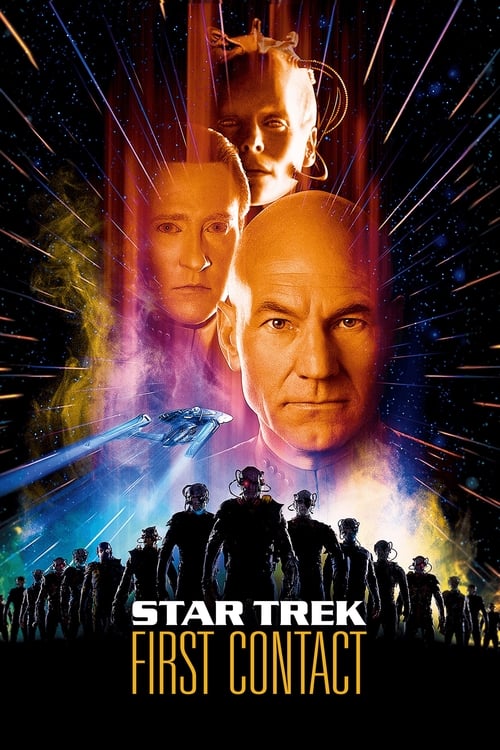
Star Trek: First Contact
1996The Borg, a relentless race of cyborgs, are on a direct course for Earth. Violating orders to stay away from the battle, Captain Picard and the crew of the newly-commissioned USS Enterprise E pursue the Borg back in time to prevent the invaders from changing Federation history and assimilating the galaxy.
By pivoting from philosophical exploration to a claustrophobic, horror-tinged siege, this entry revitalized the franchise with a muscular cinematic energy. The Borg Queen introduces a seductive, chilling layer of psychosexual menace that elevates the film beyond mere space-faring adventure.
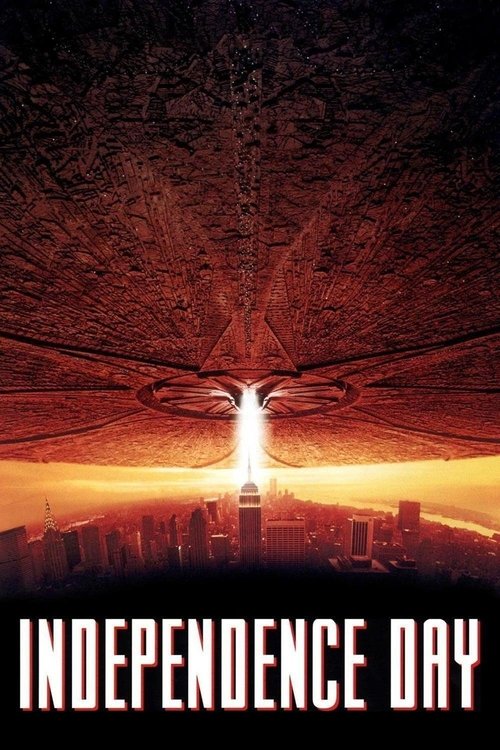
Independence Day
1996Strange phenomena surface around the globe. The skies ignite. Terror races through the world's major cities. As these extraordinary events unfold, it becomes increasingly clear that a force of incredible magnitude has arrived. Its mission: total annihilation over the Fourth of July weekend. The last hope to stop the destruction is an unlikely group of people united by fate and unimaginable circumstances.
A maximalist masterclass in structural escalation, Roland Emmerich’s disaster epic redefined the summer blockbuster by marrying high-concept peril with a genuinely global sociological scope. Its reliance on colossal practical miniatures gives the spectacle a visceral weight that remains the gold standard for cinematic planetary destruction.
Frequently Asked Questions
Everything you need to know about this list and SnakeDrafts
- The 1996 sci-fi movies in this listicle prominently explore themes like extraterrestrial invasions, futuristic technology, and dystopian scenarios. Films such as 'Independence Day' and 'The Arrival' showcase alien encounters, while 'Escape from L.A.' and 'The Island of Dr. Moreau' delve into darker, dystopian narratives.
- 1996 sci-fi films uniquely blend practical effects with emerging CGI technologies, reflecting a transitional period in visual effects. Movies like 'Star Trek: First Contact' and 'Mars Attacks!' showcase a mix of detailed miniatures and digital enhancements, marking a shift toward the digital spectacle that would dominate late 90s and early 2000s cinema.
- Several films on the list artfully combine science fiction with other genres, adding variety to their narratives. 'Mars Attacks!' infuses comedy and fantasy, 'The Nutty Professor' blends sci-fi with comedy and romance, and 'Escape from L.A.' merges action with thriller aspects, broadening the appeal beyond traditional sci-fi audiences.
- Alien invasions serve as a central plot device in several 1996 sci-fi films, driving high-stakes action and suspense. In 'Independence Day,' a massive extraterrestrial attack threatens Earth, while 'The Arrival' presents a more mysterious and suspenseful alien presence, highlighting different narrative approaches to the invasion theme.
- Yes, films like 'Star Trek: First Contact' and 'Mars Attacks!' have achieved cult classic status due to their unique storytelling and memorable visual styles. These movies have maintained dedicated fan bases and continue to be celebrated for their innovative contributions to the sci-fi genre.
- Futuristic voyages and space exploration are vividly depicted in movies like 'Star Trek: First Contact' and 'Space Truckers,' emphasizing adventure and the unknown. These films explore interstellar travel with a blend of thrilling action and imaginative settings, capturing the excitement of space-oriented science fiction during 1996.
- Films such as 'The Arrival' and 'The Island of Dr. Moreau' combine horror with sci-fi, creating chilling atmospheres that heighten tension. This melding of genres adds psychological depth and suspense, expanding the emotional range of the science fiction storytelling in that year.