The Best 1997 SciFi Movies Ranked
Classic Science Fiction Cinema Retrospective
Explore the best science fiction films from a landmark year in cinema. From space operas to dystopian thrillers, rediscover cult classics and hits.
About 1997 SciFi Movies
If you want to pinpoint the exact moment pop culture reached peak existential anxiety before the turn of the millennium, look no further than 1997. It was a year when science fiction stopped looking at distant galaxies and started peering nervously into our own mirrors and petri dishes. While the mid-nineties were dominated by the rowdy, city-smashing spectacle of Independence Day, 1997 offered a more textured, sophisticated, and often cynical vision of what was to come.
The year was anchored by two seismic shifts in how we handle the concept of the Other. On one end of the spectrum, we had Men in Black. It took the terrifying idea of alien infiltration and turned it into a sleek, Ray-Ban-clad comedy that redefined the summer blockbuster. It suggested that the universe was weird and crowded, but ultimately manageable with the right bureaucratic oversight and a heavy dose of charisma from Will Smith. 1997 also gave us Paul Verhoeven's Starship Troopers, a film that was largely misunderstood at the time as a mindless action flick. In reality, it was a biting, satirical takedown of militarism and propaganda, wrapped in the skin of a big-budget creature feature. It remains one of the most subversive studio films ever produced.
However, the real soul of 1997 resided in a trio of films that swapped explosions for atmosphere and philosophy. Andrew Niccol's Gattaca arrived with a chillingly plausible vision of a "not-too-distant" future where DNA is destiny. It abandoned the laser guns of its peers for mid-century modern aesthetics and a quiet, simmering heart. It asked whether human spirit could outrun a digital code, and decades later, its questions about genetic editing feel more like news reports than fiction.
Then there was Contact, Robert Zemeckis's adaptation of the Carl Sagan novel. In an era of alien invasions, Contact was a rare, cerebral gift. It treated the search for extraterrestrial intelligence with immense dignity, focusing on the friction between faith and science. Jodie Foster's performance grounded the high-concept physics in raw, human longing. It reminded audiences that the most profound thing we might find in the stars is a better understanding of ourselves.
Even the cult hits of the year felt distinct. Luc Besson's The Fifth Element brought a neon-soaked, chaotic European sensibility to the screen that felt like a living comic book. It was over-the-top, fashionable, and utterly original. Conversely, Event Horizon took sci-fi into the realm of pure gothic horror, proving that the vacuum of space was the perfect place for a haunted house story.
Looking back, 1997 was the year the genre grew up. It balanced the popcorn fun of secret agents and spaceships with heavy inquiries into biology, religion, and fascism. It was a landscape defined by variety, where the special effects finally felt capable of matching the ambition of the scripts. We were standing on the precipice of a new century, and 1997 gave us every reason to be both thrilled and absolutely terrified of what was waiting for us.
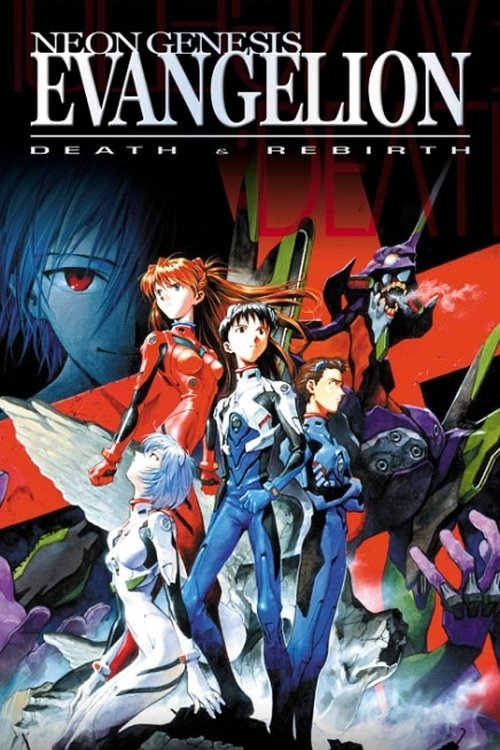
Neon Genesis Evangelion: Death and Rebirth
1997Originally a collection of clips from the Neon Genesis Evangelion TV series, Death was created as a precursor to the re-worked ending of the series. Rebirth was intended as that re-worked ending, but after production overruns Rebirth became only the first half of the first part of The End of Evangelion, with some minor differences.
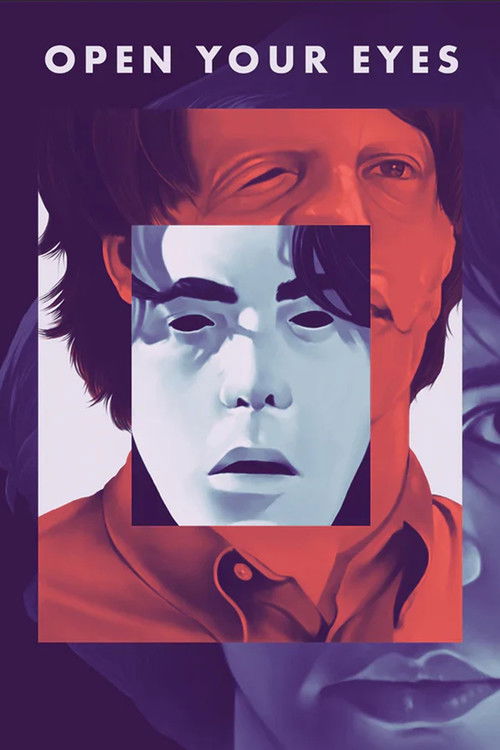
Open Your Eyes
1997Handsome 25-year-old Cesar had it all -- a successful career, expensive cars, a swank bachelor's pad, and an endless string of beautiful and willing women -- until he is thrown into a strange psychological mystery after a car accident scars his face and lands him in prison.
Alejandro Amenabar crafts a dizzying, recursive riddle that blurs the lines between nightmare, memory, and technological artifice. This Spanish masterpiece remains a foundational text in the late-nineties wave of reality-bending cinema, challenging the audience's perception of identity at every turn.
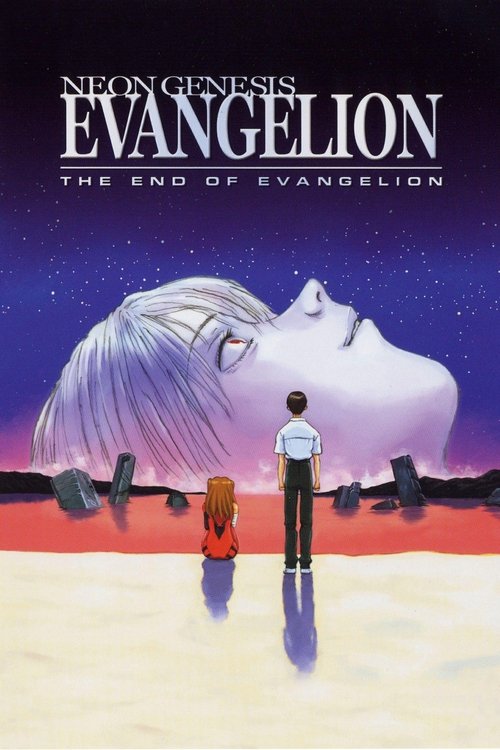
Neon Genesis Evangelion: The End of Evangelion
1997SEELE orders an all-out attack on NERV, aiming to destroy the Evas before Gendo can advance his own plans for the Human Instrumentality Project. Shinji is pushed to the limits of his sanity as he is forced to decide the fate of humanity.
This apocalyptic masterwork functions as a visceral, psychoanalytical assault on the viewer, dismantling the tropes of the mecha genre to reach a state of pure existential terror. It is a landmark of animation that captures the collapse of the human psyche with haunting, abstract beauty.
The Lost World: Jurassic Park
1997Four years after Jurassic Park's genetically bred dinosaurs ran amok, multimillionaire John Hammond shocks chaos theorist Ian Malcolm by revealing that he has been breeding more beasties at a secret location. Malcolm, his paleontologist ladylove and a wildlife videographer join an expedition to document the lethal lizards' natural behavior in this action-packed thriller.
Steven Spielberg leans into a darker, more untamed biology in this sequel, trading the majesty of the first park for a gritty, chaotic survivalist aesthetic. The film excels when it emphasizes the predatory nature of its prehistoric subjects, turning the island into a sprawling, rain-slicked arena of tension.
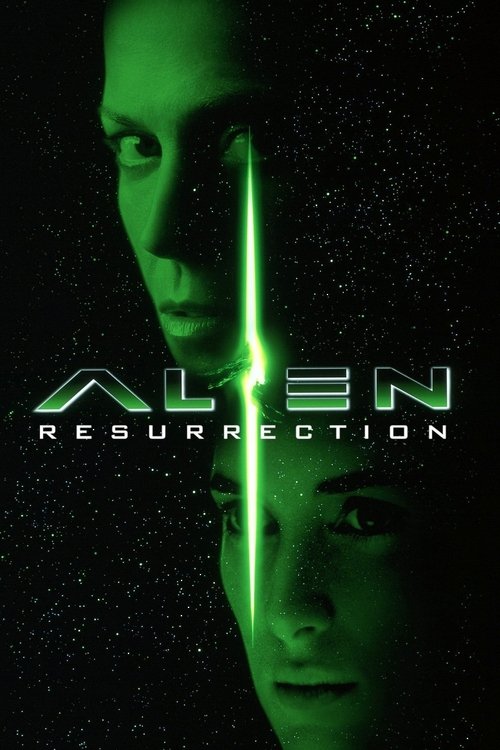
Alien Resurrection
1997Two hundred years after Lt. Ripley died, a group of scientists clone her, hoping to breed the ultimate weapon. But the new Ripley is full of surprises … as are the new aliens. Ripley must team with a band of smugglers to keep the creatures from reaching Earth.
Jean-Pierre Jeunet injects the franchise with a grotesque, European sensibility that transforms a corporate resurrection into a surrealist body-horror odyssey. Its oily, tactile visual palette and bizarre character dynamics offer a jarring but fascinating departure from the clinical precision of its predecessors.
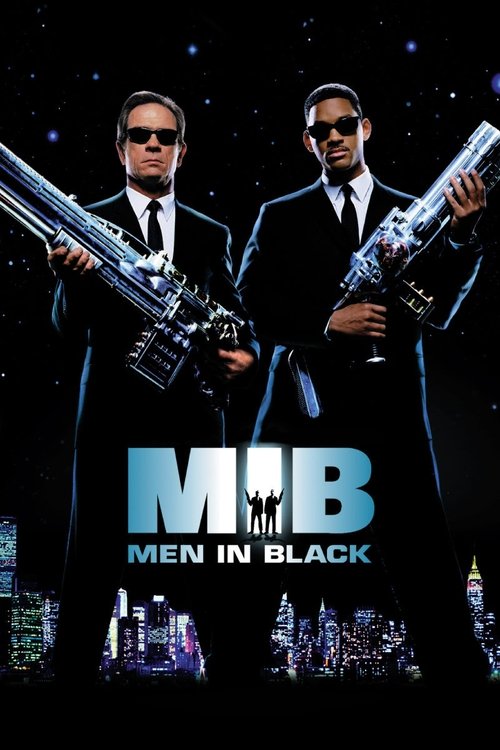
Men in Black
1997After a police chase with an otherworldly being, a New York City cop is recruited as an agent in a top-secret organization established to monitor and police alien activity on Earth: the Men in Black. Agent K and new recruit Agent J find themselves in the middle of a deadly plot by an intergalactic terrorist who has arrived on Earth to assassinate two ambassadors from opposing galaxies.
Barry Sonnenfeld perfected the blueprint for the modern sci-fi comedy by blending deadpan bureaucratic wit with Rick Baker’s masterclass in creature design. It is a sleek, impeccably paced subversion of Cold War paranoia that makes the extraterrestrial feel brilliantly mundane.
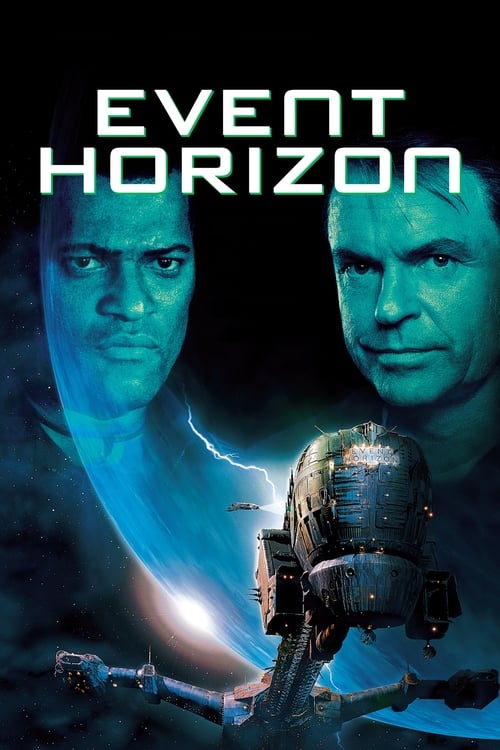
Event Horizon
1997In 2047, a group of astronauts are sent to investigate and salvage the starship Event Horizon which disappeared mysteriously seven years before on its maiden voyage. However, it soon becomes evident that something sinister resides in its corridors.
By fusing claustrophobic cosmic dread with visceral, hellish imagery, this film successfully dragged the haunted house genre into the deep abyss of space. It remains a singular, nightmarish vision that explores the terrifying psychological toll of theoretical physics gone wrong.
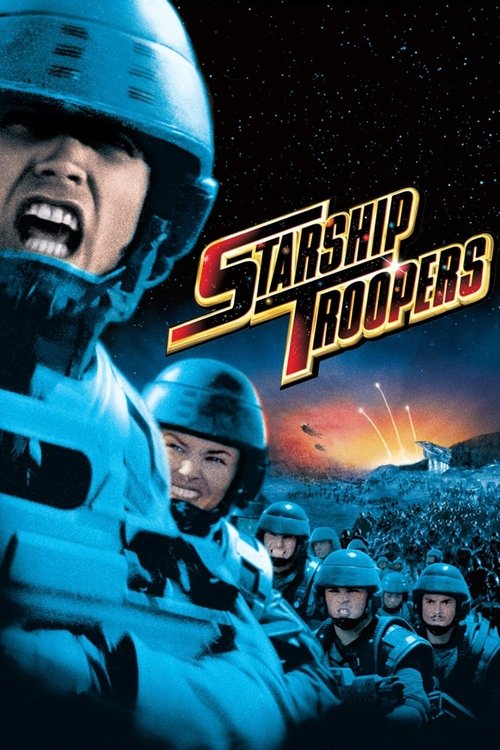
Set in the future, the story follows a young soldier named Johnny Rico and his exploits in the Mobile Infantry. Rico's military career progresses from recruit to non-commissioned officer and finally to officer against the backdrop of an interstellar war between mankind and an arachnoid species known as "the Bugs."
Paul Verhoeven weaponizes the tropes of big-budget action to deliver a savage, subversive critique of military jingoism and fascist propaganda. Beneath its gory creature-feature exterior lies a biting satire that remains more prescient and biting with every passing decade.
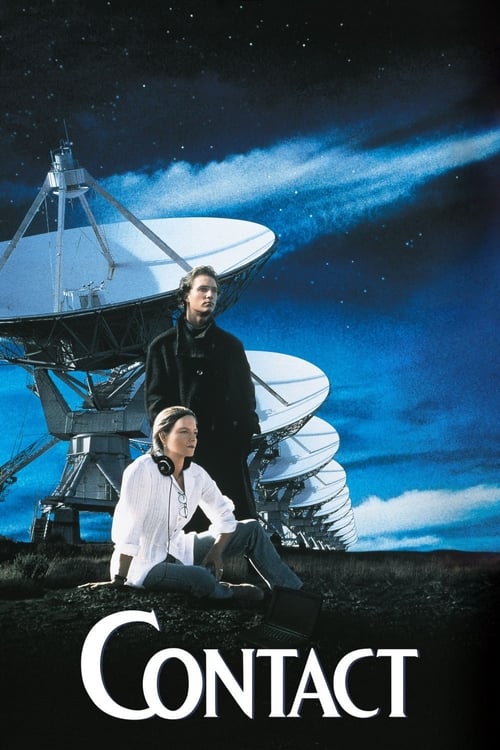
Contact
1997A radio astronomer receives the first extraterrestrial radio signal ever picked up on Earth. As the world powers scramble to decipher the message and decide upon a course of action, she must make some difficult decisions between her beliefs, the truth, and reality.
Robert Zemeckis crafts a rare intellectual blockbuster that prioritizes the spiritual and scientific implications of first contact over typical alien-invasion tropes. The film stands as a towering achievement in grounded speculative fiction, anchored by a rigorous commitment to the awe of the unknown.
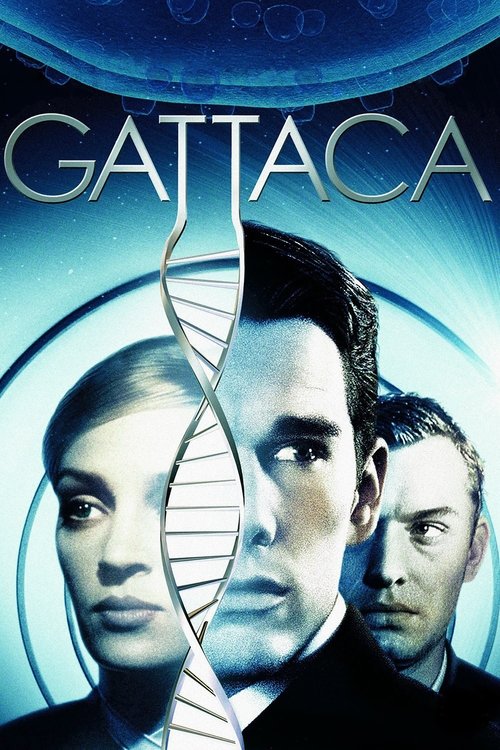
Gattaca
1997Vincent is an all-too-human man who dares to defy a system obsessed with genetic perfection. He is an "In-Valid" who assumes the identity of a member of the genetic elite to pursue his goal of traveling into space with the Gattaca Aerospace Corporation.
This sterile, mid-century modern nightmare offers a chillingly plausible look at the intersection of genetic determinism and human resilience. By eschewing flashy pyrotechnics for a haunting, cerebral atmosphere, it cements its status as the year's most sophisticated philosophical inquiry.
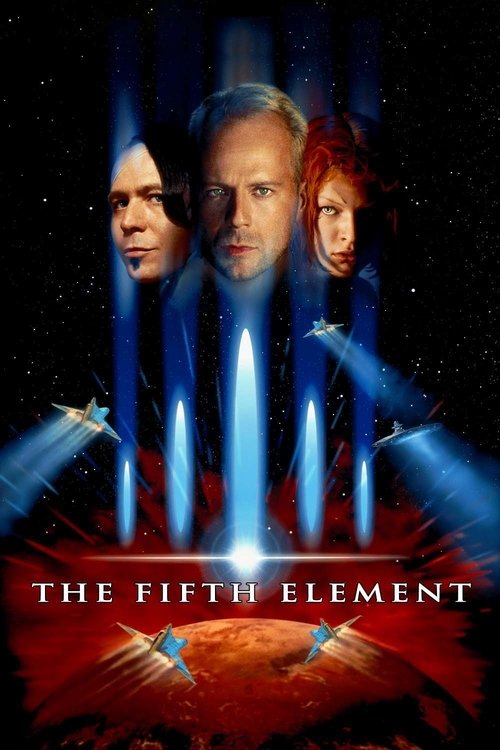
In 2257, a taxi driver is unintentionally given the task of saving a young girl who is part of the key that will ensure the survival of humanity.
Luc Besson delivers a maximalist fever dream of high fashion and kinetic energy that redefined the aesthetic boundaries of world-building. Its neon-soaked futurism remains an unmatched exercise in stylistic audacity, balancing camp humor with a genuine sense of cosmic wonder.
Frequently Asked Questions
Everything you need to know about this list and SnakeDrafts
- The Fifth Element stands out as the best 1997 sci-fi movie for its unique blend of high-energy action, vibrant visual style, and imaginative storytelling by director Luc Besson. It captures the era's inventive spirit and balances humor with thrilling adventure, making it a cult classic that redefined futuristic cinema.
- Common themes among the top 1997 sci-fi films include dystopian futures, ethical dilemmas in technology, and humanity's place in the universe. For example, Gattaca explores genetic engineering ethics, Contact delves into extraterrestrial communication, and Starship Troopers satirizes militarism and propaganda.
- Gattaca embodies the 1997 cinematic anxiety about genetic manipulation and bioethics, portraying a near-future society obsessed with DNA perfection. Its thriller elements combined with a romantic subplot highlight the era's complex feelings towards scientific advancement and individuality.
- Contact is significant for its thoughtful approach to the search for extraterrestrial intelligence, blending drama and mystery under Robert Zemeckis's direction. The film emphasizes human curiosity and faith, standing out from more action-oriented sci-fi by focusing on intellectual and emotional connections.
- Starship Troopers is unique for its satirical take on fascism and war, using exaggerated sci-fi action to critique societal and military ideologies. Directed by Paul Verhoeven, it contrasts with other 1997 films by combining entertainment with sharp political commentary.
- Yes, Event Horizon and Alien Resurrection represent the sci-fi horror genre in 1997. Both films mix terrifying elements with futuristic settings, exploring themes of space exploration gone wrong and the dark potential of scientific experimentation.
- The animated films Neon Genesis Evangelion: The End of Evangelion and Death and Rebirth bring a psychological and philosophical depth to 1997's sci-fi offerings. They use animation to explore complex themes like existential dread, identity, and human emotion, broadening the genre beyond live-action spectacle.