The Greatest 1993 SciFi Movies Ranked
Dinosaurs Cyborgs and Dystopian Futures Explored
Explore the best science fiction cinema from a classic year. Discover iconic dinosaur adventures, futuristic police action, and cult anime masterpieces.
About 1993 SciFi Movies
In the rearview mirror of cinematic history, 1993 often feels like the year that the future finally caught up with the present. It was a pivotal moment for science fiction, a year where the genre shed its b-movie skin and proved it could command both the global box office and the highest honors in technical achievement. If you were sitting in a darkened theater thirty years ago, you werent just watching movies; you were witnessing a fundamental shift in how digital technology would redefine the limits of human imagination on screen.
The elephant in the room, of course, is Steven Spielbergs Jurassic Park. It is difficult to overstate the seismic impact this film had on the industry. Before the summer of 1993, high-concept sci-fi often relied on charming but limited practical effects or stop-motion techniques that felt distinct from reality. When those Brachiosauruses grazed across the screen to the swell of John Williams score, the barrier between the audience and the impossible dissolved. Jurassic Park wasnt just a cautionary tale about genetic hubris; it was the birth of the modern blockbuster. It proved that computer-generated imagery had reached a point of photorealism that could sustain a feature film, effectively changing the toolkit for every storyteller who followed.
However, 1993 was far from a one-hit wonder for the genre. While Spielberg was redefining the spectacle, other filmmakers were exploring the darker, more cerebral corners of speculative fiction. Take Demolition Man, a film that has gained an eerie reputation for its predictive powers. On its surface, it was a high-octane action vehicle for Sylvester Stallone and Wesley Snipes, but beneath the explosions lay a sharp social satire about a sanitized, hyper-sensitive future that feels uncomfortably close to contemporary discourse. It balanced the muscle-bound tropes of the eighties with a more cynical, nineties outlook on corporate overreach and social engineering.
Meanwhile, the genre was also reaching into the surreal. Groundhog Day, while often classified as a comedy, serves as one of the most perfectly executed high-concept temporal anomalies ever put to film. It used a science fiction premise to explore the depths of the human condition, proving that you didnt need spaceships or lasers to tell a profound story about the nature of time and redemption.
The landscape was rounded out by cult curiosities and ambitious failures that added texture to the year. We saw the release of Fire in the Sky, which terrified a generation with its visceral, clinical depiction of alien abduction, leaning into the biological horror of the unknown. We also witnessed the arrival of Super Mario Bros., a film that, despite its troubled production, remains a fascinating example of how Hollywood attempted to translate digital aesthetics into a dystopian, sci-fi aesthetic.
Looking back, 1993 was the year science fiction grew up. It was the moment the genre proved it could be everything at once: a populist juggernaut, a social mirror, and a playground for the avant-garde. It moved us away from the rubber monsters of the past and tilted our heads toward a digital horizon, setting the stage for the massive, effects-driven landscape we inhabit today. The movies of that year didnt just entertain us; they gave us a new way to see the world.
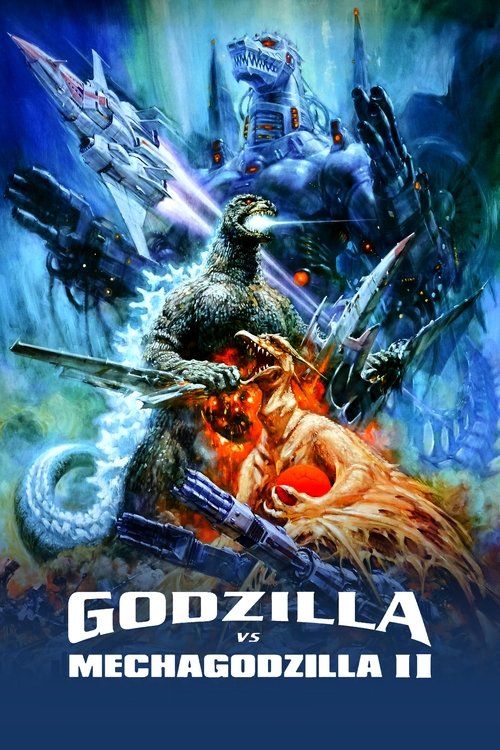
Godzilla vs. Mechagodzilla II
1993The U.N.G.C.C. (United Nations Godzilla Countermeasure Center) recovers the remains of Mecha-King Ghidorah and construct Mechagodzilla as a countermeasure against Godzilla. Meanwhile, a giant egg is discovered along with a new monster called Rodan. The egg is soon found to be none other than an infant Godzillasaurus.
This Heisei era highlight revitalizes the franchise's technical craftsmanship through its sophisticated mechanical designs and massive scale. It successfully pivots the monster archetype toward a complex synthesis of military technology and ancient biological power.
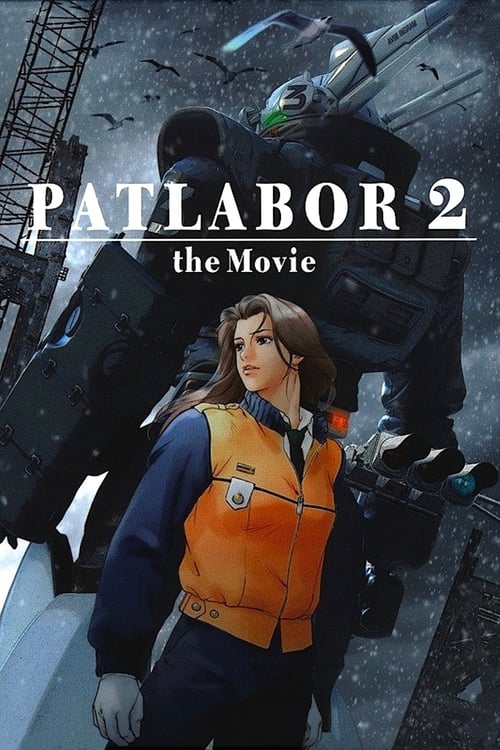
Patlabor 2: The Movie
1993A Japanese police unit who use giant anthropomorphic robots (called Labors) is caught up in a political struggle between the civilian authorities and the military when a terrorist act is blamed on an Air Force jet. With the aid of a government agent, the team gets close to a terrorist leader to stop things from going out of control when after the military is impelled to impose martial law.
Mamoru Oshii delivers a dense, intellectual masterpiece that interrogates the illusion of peace in an era of digital warfare. The film transcends the mecha genre, functioning instead as a poetic and deeply political meditation on the fog of modern conflict.

Dragon Ball Z: The History of Trunks
1993It has been thirteen years since the Androids began their killing rampage and Son Gohan is the only person fighting back. He takes Bulma's son Trunks as a student and even gives his own life to save Trunks's. Now Trunks must figure out a way to change this apocalyptic future
Unlike the franchise's typical bombast, this special adopts a haunting, post-apocalyptic tone that emphasizes the fragility of heroism. It is a rare piece of animated science fiction that prioritizes existential despair and the weight of a dying timeline over mere spectacle.
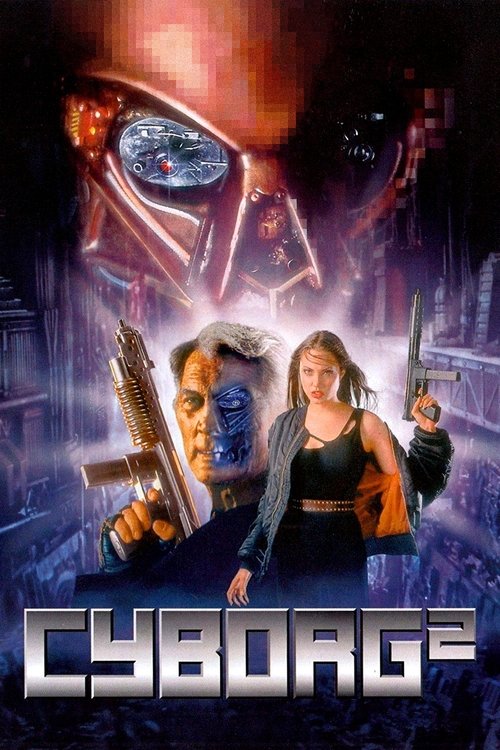
Cyborg 2
1993In the year 2074, the cybernetics market is dominated by two rival companies: USA's Pinwheel Robotics and Japan's Kobayashi Electronics. Cyborgs are commonplace, used for anything from soldiers to prostitutes. Casella Reese is a prototype cyborg developed for corporate espionage and assassination. She is filled with a liquid explosive called Glass Shadow. Pinwheel plans to eliminate the entire Kobayashi board of directors by using Casella
Notable primarily for the early hypnotic screen presence of Angelina Jolie, this sequel leans heavily into the philosophical melancholy of the artificial soul. It serves as a gritty neon-noire bridge between the decade's obsession with cyborgs and the rising tide of cyber-suspense.
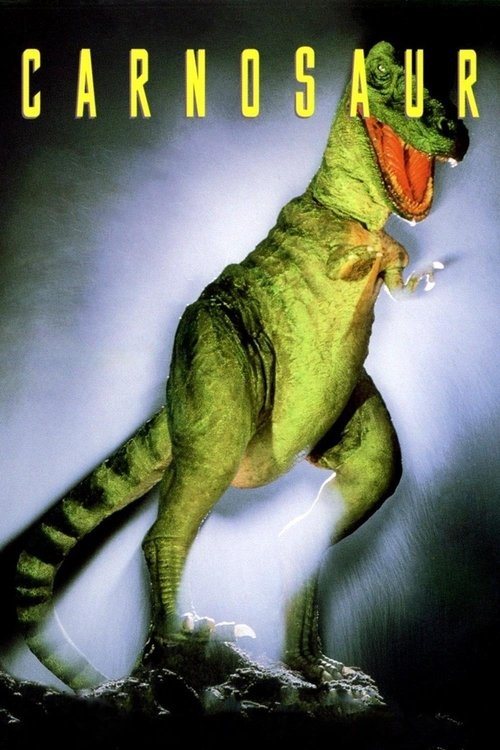
Carnosaur
1993After being driven to extinction, great bloodthirsty dinosaurs come back to life with the assistance of a demented genetic scientist. She plans to replace the human race with a super-race of dinosaurs who will not pollute the planet.
This gritty, low-budget counterpoint to mainstream creature features embraces a grotesque, bio-horror aesthetic that feels refreshingly mean-spirited. It thrives as a cult oddity by focusing on the messy, reproductive terror of genetic engineering gone wrong.
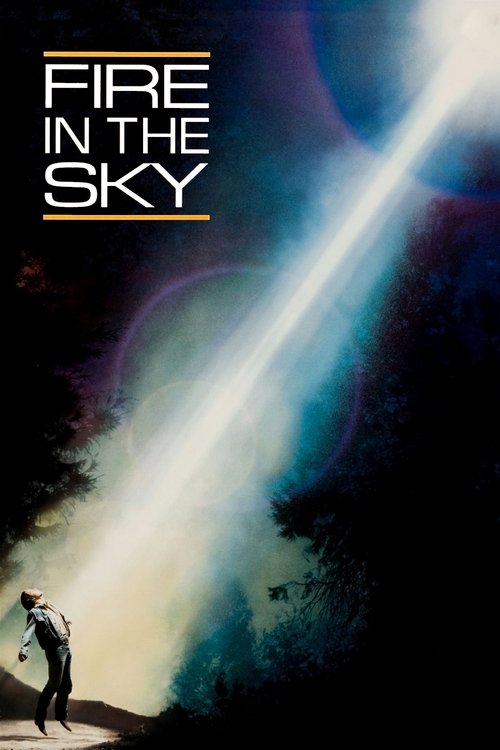
Fire in the Sky
1993After clearing brush for the government, a group of men return to town claiming their friend was abducted. Despite no apparent motive or evidence of foul play, no-one believes their story and his disappearance is treated as murder.
Deviating from the era's typical wonder-filled encounters, this film treats extraterrestrial contact as a clinical, traumatizing violation. The sequence involving alien physiology remains the most harrowing and technically impressive depiction of abductee mythology ever committed to film.
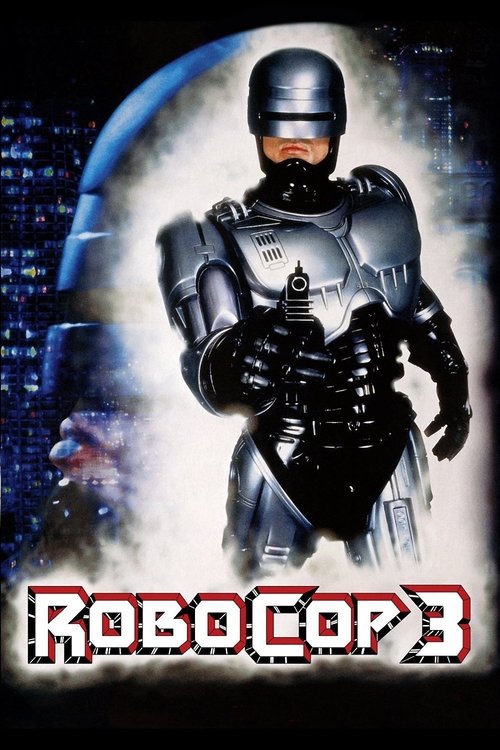
RoboCop 3
1993The mega corporation Omni Consumer Products is still bent on creating their pet project, Delta City, to replace the rotting city of Detroit. Unfortunately, the inhabitants of the area have no intention of abandoning their homes simply for desires of the company. To this end, OCP have decided to force them to leave by employing a ruthless mercenary army to attack and harass them. An underground resistance begins and in this fight, RoboCop must decide where his loyalties lie.
While pivoting toward a younger demographic, this entry Leanly explores the intersection of corporate fascism and urban gentrification. It functions as a curious artifact of a franchise attempting to balance its ultraviolent roots with comic book optimism.

Body Snatchers
1993When Environmental Protection Agency inspector Steve Malone travels to a remote military base in order to check for toxic materials, he brings his family along for the ride. After arriving at the base, his teenage daughter Marti befriends Jean Platt, daughter of the base's commander, General Platt. When people at the base begin acting strangely, Marti becomes convinced that they are slowly being replaced by plant-like aliens.
Abel Ferrara infuses this paranoid classic with a chilling, militarized coldness that distinguishes it from previous iterations. The film prioritizes a suffocating atmosphere of biological erasure, making the familiar threat of identity loss feel visceral and modern.
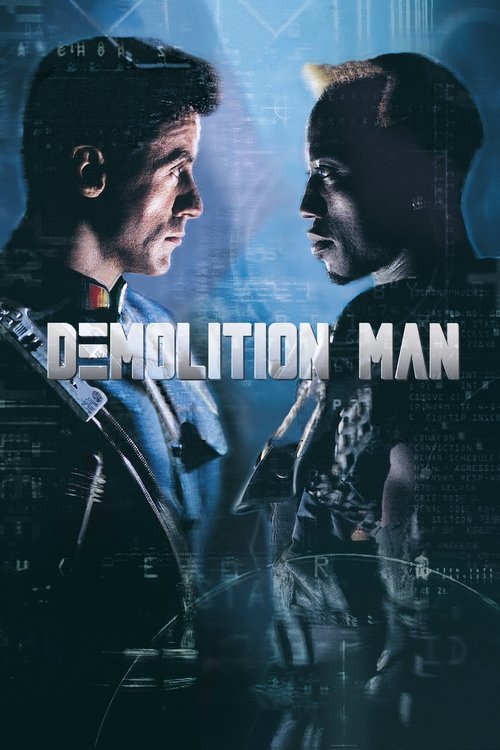
Demolition Man
1993In 1996, brash L.A. detective John Spartan and maniac killer Simon Phoenix are both sentenced to decades in a cryogenic prison as punishment for a rescue mission gone wrong. When Phoenix escapes 36 years later to wreak havoc on the future, Spartan is awakened to capture his nemesis the old-fashioned way.
This satirical powerhouse weaponizes 1990s action tropes to deliver a surprisingly Sharp critique of sterilized utopianism. Its predictive humor regarding corporate hegemony and linguistic policing has only grown more relevant with age.
Jurassic Park
1993A wealthy entrepreneur secretly creates a theme park featuring living dinosaurs drawn from prehistoric DNA. Before opening day, he invites a team of experts and his two eager grandchildren to experience the park and help calm anxious investors. However, the park is anything but amusing as the security systems go off-line and the dinosaurs escape.
Steven Spielberg redefined the cinematic spectacle by seamlessly marrying groundbreaking digital effects with primal storytelling tension. It remains the definitive benchmark for the modern blockbuster, proving that high-concept science can yield visceral, awe-inspiring terror.
Frequently Asked Questions
Everything you need to know about this list and SnakeDrafts
- Jurassic Park is renowned for revolutionizing visual effects with its lifelike CGI dinosaurs, setting a new standard in the science fiction and adventure genres through its innovative use of digital technology.
- Demolition Man explores themes of dystopian futures, societal control, and the clash between past and future values, blending crime and action elements within its futuristic science fiction setting.
- Body Snatchers offers a modern take on alien invasion and identity loss, intensifying psychological horror aspects while maintaining the traditional science fiction narrative of extraterrestrial threats.
- Dragon Ball Z: The History of Trunks and Patlabor 2: The Movie both blend action and animation with science fiction, standing out for their compelling storytelling and unique integration of futuristic technology in animated form.
- Fire in the Sky is notable for its basis in alleged real-life extraterrestrial abduction accounts, offering a mysterious and thriller-infused approach to science fiction that differs from more adventure-oriented or action-packed films.
- Carnosaur taps into sci-fi horror by presenting genetically engineered dinosaurs that create chaos, merging themes of scientific experimentation gone wrong with classic monster horror elements.
- Godzilla vs. Mechagodzilla II contributes to 1993's sci-fi scene with its fusion of action and dramatic storytelling centered around iconic kaiju battles, reflecting the era's fascination with giant robots and monsters.