The Best SciFi Movies of 1985, Ranked
Classic Science Fiction Cinema from a Forgotten Era
Explore the best science fiction films released during the mid-eighties, featuring time travel, alien encounters, and dystopian futures.
About 1985 SciFi Movies
In the long view of cinematic history, 1982 is often hailed as the definitive year for science fiction, thanks to a heavy hitting lineup that included Blade Runner and The Thing. However, looking back with a decade of perspective, 1985 deserves a serious seat at the table. It was a year that captured the genre in a fascinating state of metamorphosis. The gritty, cynical futurism of the late seventies was beginning to merge with the high concept, neon soaked commercialism of the eighties. The result was a slate of films that felt adventurous, weird, and surprisingly personal.
Nothing defines the year more than Robert Zemeckis and his masterpiece, Back to the Future. It remains the perfect specimen of the eighties blockbuster, blending high stakes physics with a suburban heart. By trading deep space dogfights for a flux capacitor strapped to a DeLorean, Zemeckis shifted the sci fi lens from the distant stars to the local clock tower. It proved that time travel did not need to be a cold, intellectual exercise. It could be a vibrant, hilarious coming of age story that resonated with millions.
While Marty McFly was rewriting his own history, Terry Gilliam was busy tearing the future apart with Brazil. If Back to the Future was the genre at its most optimistic and commercial, Brazil was its nightmare reflection. Gilliam crafted a staggering, bureaucratic dystopia that felt more like a fever dream than a forecast. It remains one of the most visually dense films of the era, trading sleek technology for a world of duct tape, failing pipes, and crushing paperwork. It reminded audiences that science fiction could be a biting social satire, a tradition that had felt somewhat lost in the wake of the Star Wars phenomenon.
The year also showcased a particular brand of adolescent wonder that seemed to define the decade. Joe Dante gave us Explorers, a film that turned back garden engineering into a space faring voyage. Meanwhile, Ron Howard delivered Cocoon, a gentle exploration of aging and immortality that traded typical alien invasion tropes for a story about empathy and the fountain of youth. These films represented a softer side of the genre, focusing on the human reaction to the fantastic rather than the raw spectacle of the unknown.
Even the darker entries of 1985 felt experimental. Mad Max Beyond Thunderdome took George Miller’s wasteland into the realm of the high budget epic, while Wolfgang Petersen’s Enemy Mine attempted a sensitive, two hander character study set on a hostile planet. Then there was Real Genius, which celebrated the nerd culture that would eventually inherit the earth, using lasers and popcorn to create a comedy that respected the intelligence of its audience.
Looking back, 1985 was the year science fiction decided it did not have to stick to a single lane. It could be a family comedy, a political nightmare, or a quiet drama about growing old. It was a landscape of immense variety, proving that the genre was expanding its boundaries to include every facet of the human experience. We were no longer just looking at the stars. We were looking at ourselves through a very strange, very entertaining lens.
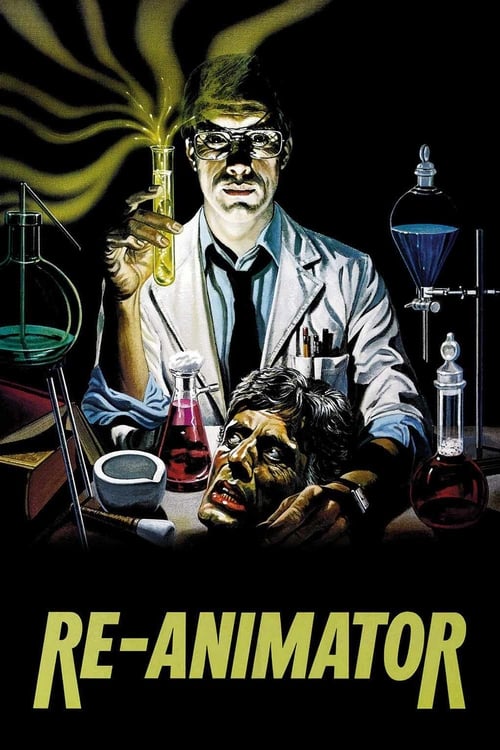
Re-Animator
1985Conducting clandestine experiments within the morgue at Miskatonic University, scientist Herbert West reveals to a fellow graduate student his groundbreaking work concerning the re-animation of fresh corpses.

Threads
1985Documentary style account of a nuclear holocaust and its effect on the working class city of Sheffield, England; and the eventual long run effects of nuclear war on civilization.
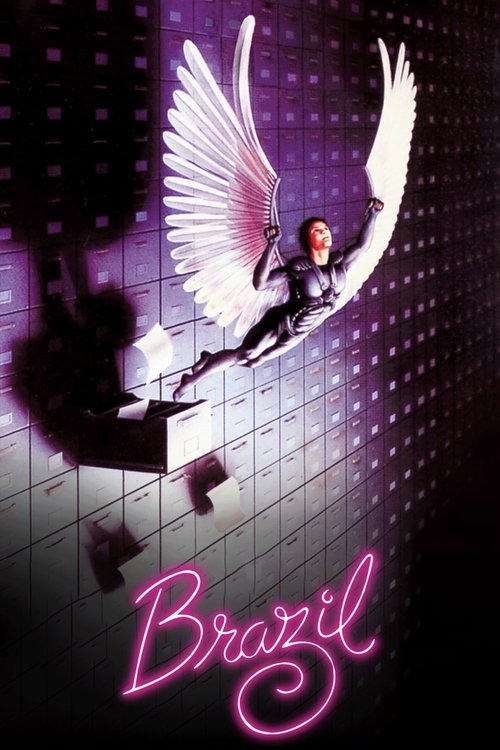
Brazil
1985Low-level bureaucrat Sam Lowry escapes the monotony of his day-to-day life through a recurring daydream of himself as a virtuous hero saving a beautiful damsel. Investigating a case that led to the wrongful arrest and eventual death of an innocent man instead of wanted terrorist Harry Tuttle, he meets the woman from his daydream, and in trying to help her gets caught in a web of mistaken identities, mindless bureaucracy and lies.
Terry Gilliam delivers a blistering, maximalist vision of a bureaucratic dystopia where imagination is the only escape from soul-crushing industrialization. Its dense production design and satirical bite remain unparalleled in the annals of subversive speculative cinema.
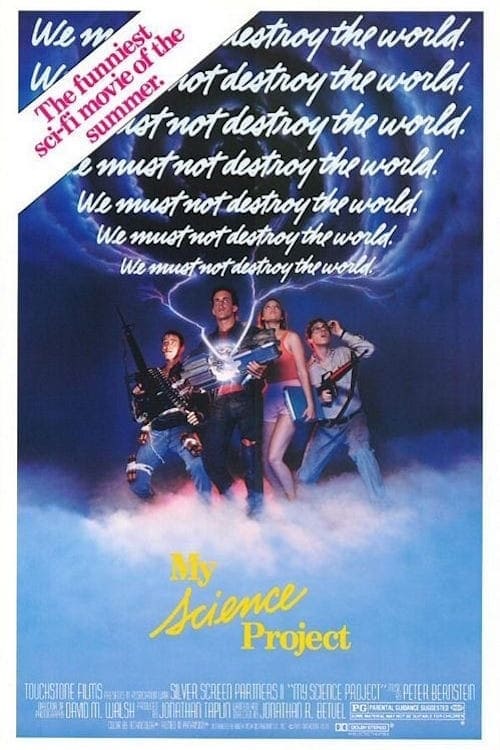
My Science Project
1985His high school teacher issues an ultimatum: turn in a science project or flunk. So Mike Harlan scavenges a military base's junk pile for a suitable gizmo. He finds one... and unwittingly unleashes the awesome power and energy of the unknown. Twisted dimensions. Time warps. A fantastic realm where the past, present, and future collide in a whirling vortex of startling adventure and superlative special effects.
A kinetic collision of high-school tropes and interdimensional mayhem, this film excels through its vibrant, neon-drenched practical effects. It embodies the era's fascination with salvaged alien technology causing suburban tectonic shifts.
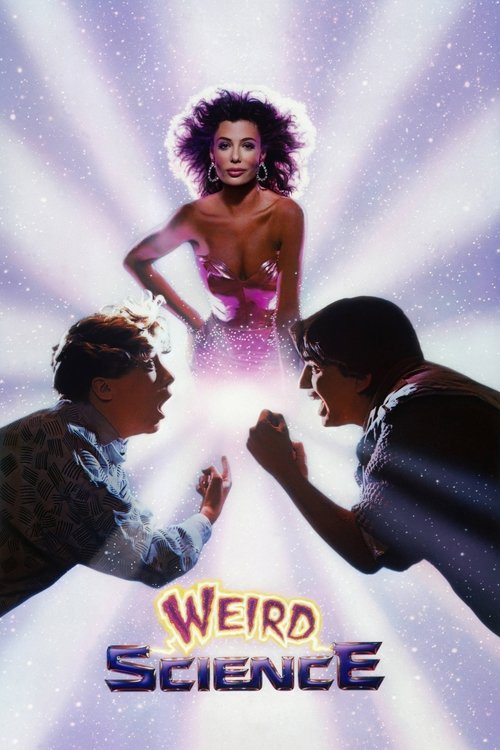
Weird Science
1985Two unpopular teenagers, Gary and Wyatt, fail at all attempts to be accepted by their peers. Their desperation to be liked leads them to "create" a woman via their computer. Their living and breathing creation is a gorgeous woman, Lisa, whose purpose is to boost their confidence level by putting them into situations which require Gary and Wyatt to act like men.
John Hughes subverts the teen comedy formula by injecting a chaotic dose of Frankenstein-inspired techno-fantasy. It captures the frantic, hormonal energy of the decade through a surrealist critique of adolescent objectification and digital wish-fulfillment.
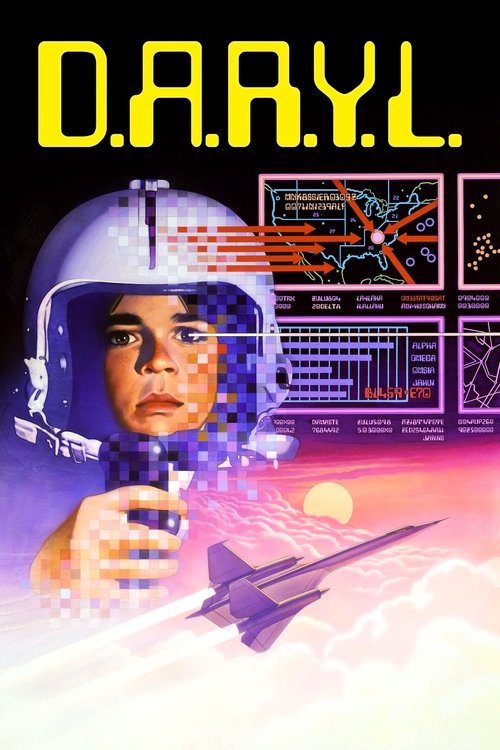
D.A.R.Y.L.
1985Daryl is a normal 10-year-old boy in many ways. However, unbeknown to his foster parents and friends, Daryl is actually a government-created robot with superhuman reflexes and mental abilities. Even his name has a hidden meaning -- it's actually an acronym for Data Analyzing Robot Youth Life-form. When the organization that created him deems the "super soldier" experiment a failure and schedules Daryl to be disassembled, it is up to a few rogue scientists to help him escape.
This understated piece of speculative fiction examines the ethical boundaries of artificial intelligence through the lens of suburban domesticity. It navigates the tension between military programming and the organic development of a soul with quiet, effective restraint.
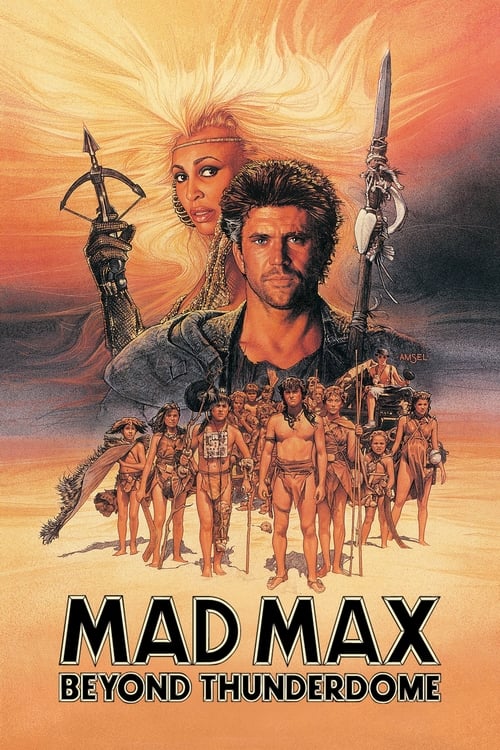
Mad Max becomes a pawn in a decadent oasis of a technological society, and when exiled, becomes the deliverer of a colony of children.
While moving toward a grander mythological scale, this installment thrives on George Miller's kinetic eye for operatic wasteland chaos and primitive ritual. It remains a visually arresting bridge between the desert punk aesthetic and epic societal critique.
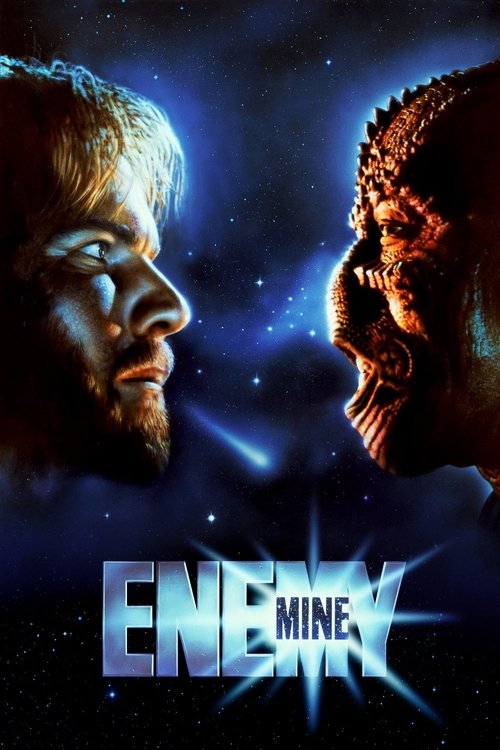
Enemy Mine
1985A soldier from Earth crashlands on an alien world after sustaining battle damage. Eventually he encounters another survivor, but from the enemy species he was fighting; they band together to survive on this hostile world. In the end the human finds himself caring for his enemy in a completely unexpected way.
Wolfgang Petersen strips away the typical bombast of space opera to deliver a claustrophobic, character-driven drama centered on radical empathy. The film succeeds by anchoring its alien world-building in an intimate study of shared survival and linguistic barriers.
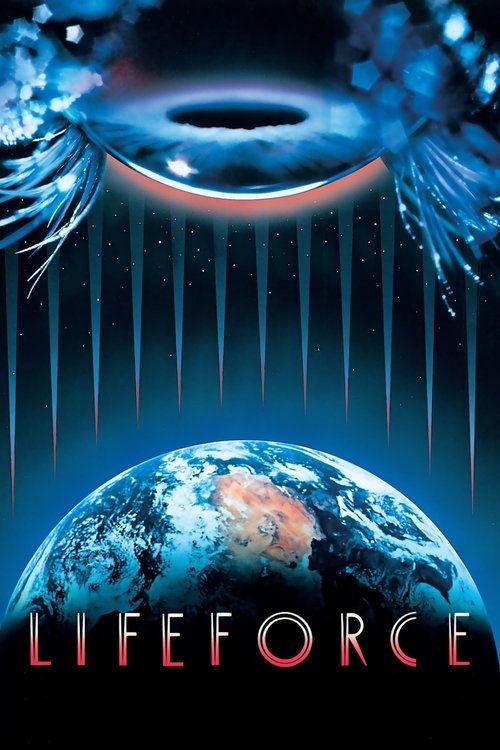
Lifeforce
1985A race of space vampires arrives in London and infects the populace, commencing an apocalyptic descent into chaos.
Tobe Hooper unleashes a feverish, high-budget hallucination that fuses Gothic horror with interstellar vampirism to create a uniquely tactile sensory assault. It stands as a gloriously unhinged monument to practical effects and ambitious, genre-bending audacity.
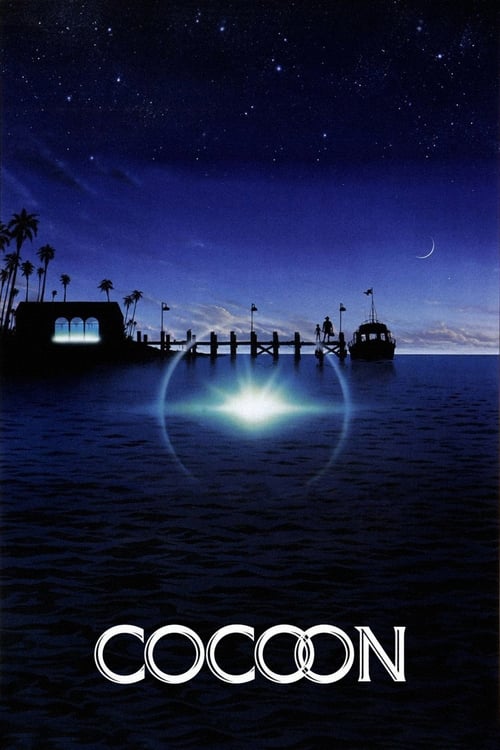
Cocoon
1985When a group of trespassing seniors swim in a pool containing alien cocoons, they find themselves energized with youthful vigor.
Ron Howard crafts a surprisingly soulful meditation on mortality that utilizes extraterrestrial contact as a poignant metaphor for the late-life rejuvenation of the human spirit. The film defies genre cynicism with its earnest exploration of the fountain of youth mythos.
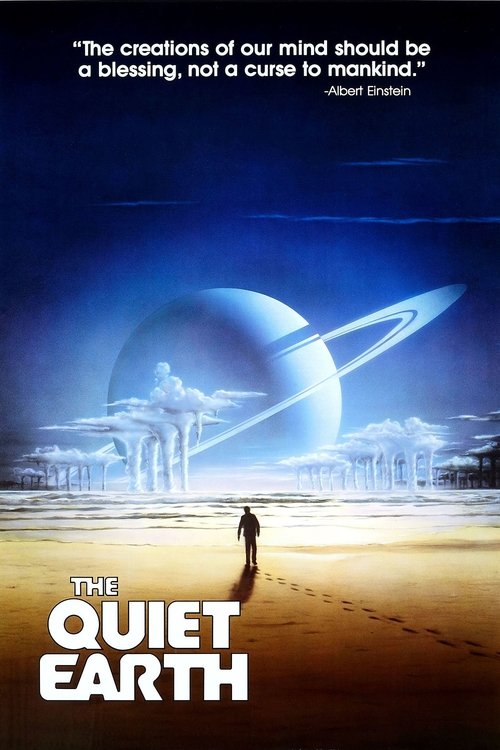
The Quiet Earth
1985After a top-secret experiment misfires, a scientist may be the only man left alive in the world.
This cerebral New Zealand import revitalizes the 'last man on earth' trope through a haunting, existential lens that prioritizes psychological disintegration over spectacle. It is a masterclass in atmospheric tension and lonely, visual storytelling.
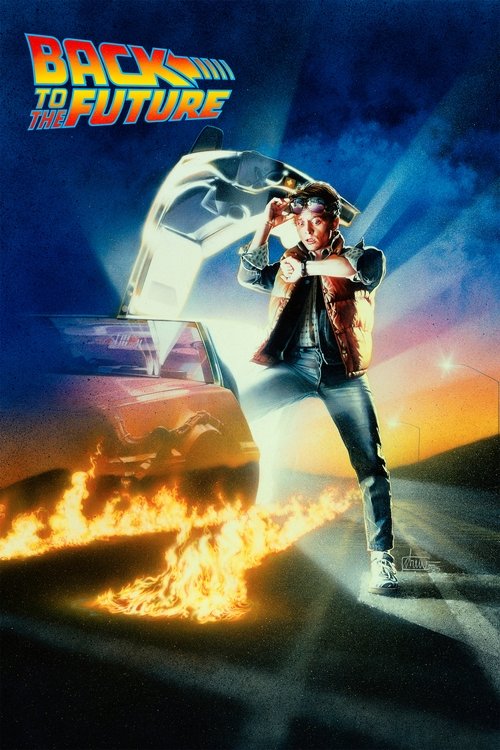
Eighties teenager Marty McFly is accidentally sent back in time to 1955, inadvertently disrupting his parents' first meeting and attracting his mother's romantic interest. Marty must repair the damage to history by rekindling his parents' romance and - with the help of his eccentric inventor friend Doc Brown - return to 1985.
Robert Zemeckis achieves a rare cinematic alchemy by distilling complex temporal mechanics into a stylish, high-octane masterpiece of populist filmmaking. Its precision-engineered script remains the gold standard for structural economy and narrative payoff.
Frequently Asked Questions
Everything you need to know about this list and SnakeDrafts
- Back to the Future, directed by Robert Zemeckis, masterfully blends time travel with comedy and adventure, making it one of the most beloved sci-fi movies of 1985.
- Many 1985 sci-fi films delve into themes such as dystopian futures, alien encounters, and human survival, as seen in movies like Mad Max Beyond Thunderdome and Enemy Mine, reflecting the era's shift towards more complex and high-concept narratives.
- Yes, Lifeforce expertly merges science fiction with horror and mystery elements, while Cocoon incorporates science fiction with comedy and mystery, showing the genre's versatility in 1985.
- Threads stands out as a gritty drama that portrays the devastating aftermath of nuclear war, providing a stark contrast to the often more fantastical or adventurous tones of other 1985 sci-fi movies.
- Back to the Future, Cocoon, Weird Science, and Brazil all incorporate significant comedic elements, highlighting the 1985 trend of blending humor with science fiction storytelling.
- The Quiet Earth is praised for its thought-provoking narrative and suspenseful thriller elements, exploring existential themes through the story of a man seemingly alone in the world.
- Yes, D.A.R.Y.L. and My Science Project are two 1985 sci-fi films that cater to family audiences by combining science fiction with family-friendly adventure and fantasy.