The Greatest SciFi Movies of 1986
Classic Space Adventures and Cult Robotic Thrillers
Explore the best science fiction cinema from a landmark year. From xenomorph sequels to cult practical effects, discover essential retro filmmaking.
About 1986 SciFi Movies
In the long lineage of cinematic history, 1986 rarely gets the same level of worship as 1982 or 1999, but for lovers of science fiction, it remains a year of absolute mastery. It was a season of transition where the genre finally stepped out from the shadow of Star Wars into a more visceral, intellectual, and often terrifying territory. By the mid eighties, the wide eyed optimism of the space opera had curdled into something far more industrial and grit stained.
The year was anchored by James Cameron with Aliens, a masterclass in how to build a sequel that honors its predecessor while completely subverting its tone. Where Ridley Scott gave us a haunted house movie in space, Cameron delivered a Vietnam War allegory with acid for blood. It remains the high water mark for the action horror hybrid, proving that the genre could provide heart pounding thrills without sacrificing world building or character depth. Sigourney Weaver earned an Oscar nomination for her role as Ellen Ripley, a moment that signaled the mainstream critical establishment was finally starting to take science fiction seriously.
While Cameron was refining the military sci-fi aesthetic, David Cronenberg was busy reinventing the monster movie with The Fly. This was body horror as high tragedy. Jeff Goldblum gave a career defining performance as Seth Brundle, a scientist whose genetic makeup is scrambled with a common housefly. The film was a gruesome metaphor for aging and disease, wrapped in the sleek, terrifying leather of eighties practical effects. It demonstrated that sci-fi could be intimate and deeply uncomfortable, focusing on the decay of the self rather than the destruction of a galaxy.
On the other side of the spectrum, we saw the birth of the techno dystopian satire with Paul Verhoeven beginning his work on the scripts that would define the decade. Although his biggest hits were still ahead, the influence of the cyberpunk movement was beginning to seep into the cracks of the multiplex. Even the lighter fare had an edge. Short Circuit gave us a sentient robot that felt like a reaction to the Cold War arms race, while Flight of the Navigator blended childhood wonder with a crushing sense of time dilation and isolation.
One of the most cultishly adored entries of the year was Star Trek IV: The Voyage Home. It was a strange, risky pivot for a franchise that had just dealt with the death and rebirth of Spock. By sending the crew back to contemporary San Francisco to save the whales, the film injected a sense of environmental urgency and genuine comedy into the genre. It proved that sci-fi didn't always need a blaster or a light speed drive to be effective; sometimes it just needed a relevant social message and a bit of a heart.
Looking back, 1986 was the year science fiction grew up. It abandoned the polish of the early sixties and the mysticism of the late seventies for something tactile, greasy, and incredibly human. Whether it was the claustrophobic corridors of the Sulaco or the tragic laboratory of Brundlefly, the films of that year reflected a world grappling with new technologies and the biological anxieties of a changing era. It was a golden age of practical effects and brave storytelling that still echoes through the genre today.
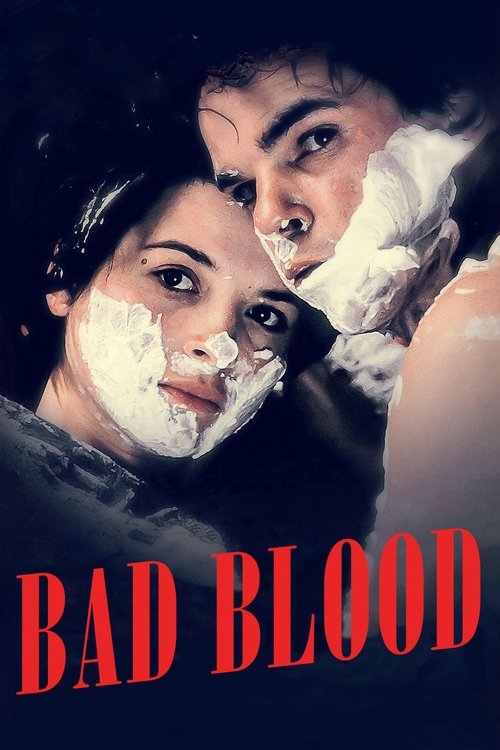
Mauvais Sang
1986Two aging crooks are given two weeks to repay a debt to a woman named The American. They recruit their recently deceased partner's son to help them break into a laboratory and steal the vaccine against STBO, a sexually transmitted disease that is sweeping the country. It's spread by having sex without emotional involvement, and most of its victims are teenagers who make love out of curiosity rather than commitment.
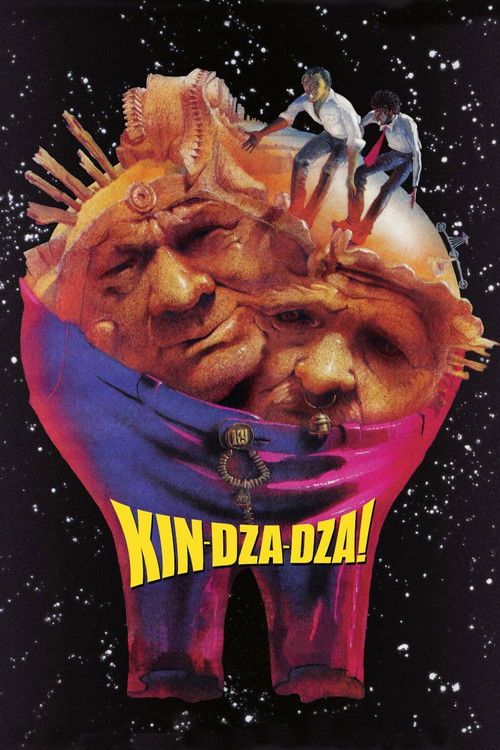
Kin-dza-dza!
1986Two Soviet humans previously unknown to each other are transported to the planet Pluke in the Kin-dza-dza galaxy due to a chance encounter with an alien teleportation device. They must come to grips with a language barrier and Plukian social norms (not to mention the laws of space and time) if they ever hope to return to Earth.
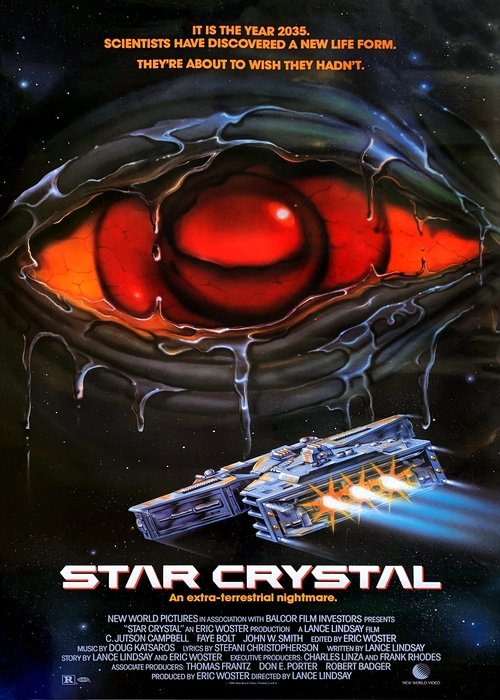
Star Crystal
1986Crew members aboard a space ship encounter an alien life form intent on killing them.
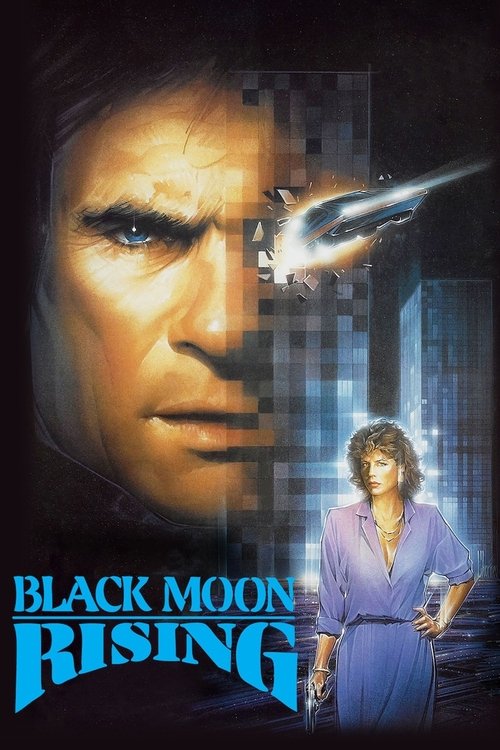
Black Moon Rising
1986An FBI free-lancer stashes a stolen Las Vegas-crime tape in a high-tech car stolen by someone else.
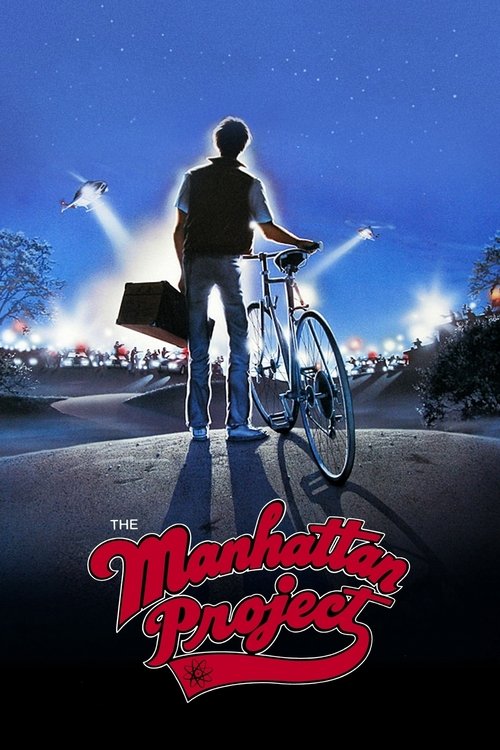
The Manhattan Project
1986A gifted high school student steals plutonium from the secret nuclear weapons facility in his home town in order to construct his own nuclear bomb, win a national science fair, and expose the government's secrets.
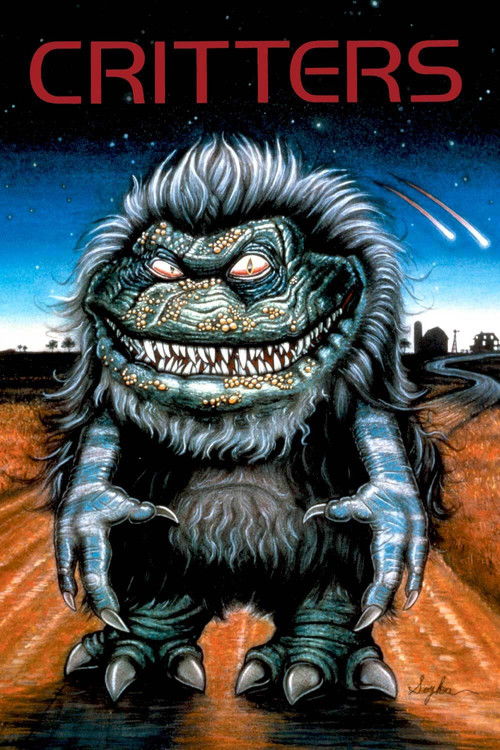
Critters
1986Carnivorous aliens arrive unannounced at a Kansas family farm; two intergalactic bounty hunters soon follow, determined to blow them off the planet.
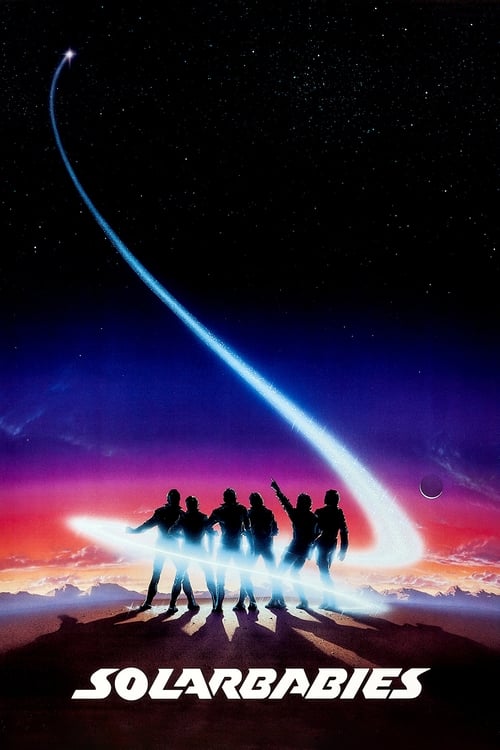
Solarbabies
1986In a future in which most water has disappeared from the Earth, we find a group of children, mostly teenagers, who are living at an orphanage, run by the despotic rulers of the new Earth. The group in question plays a hockey based game on roller skates and is quite good. It has given them a unity that transcends the attempts to bring them to heel by the government. Finding an orb of special power, they find it has unusual effects on them. They escape from the orphanage (on skates) and try to cross the wasteland looking for a place they can live free as the storm-troopers search for them and the orb.
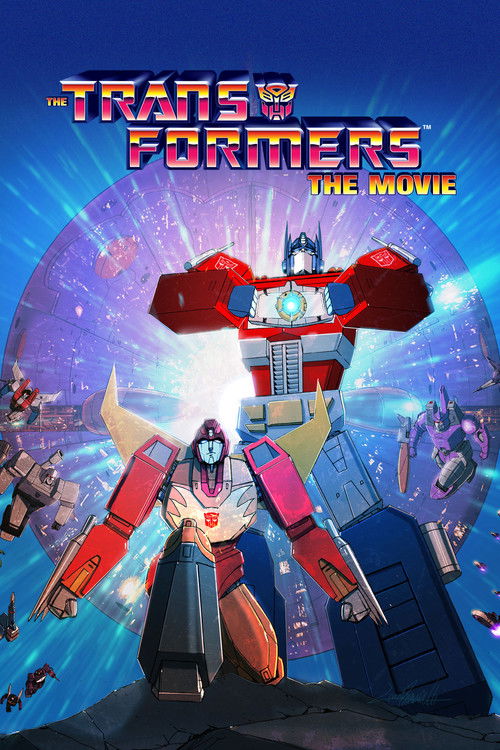
The Transformers: The Movie
1986The Autobots must stop a colossal planet-consuming robot who goes after the Autobot Matrix of Leadership. At the same time, they must defend themselves against an all-out attack from the Decepticons.
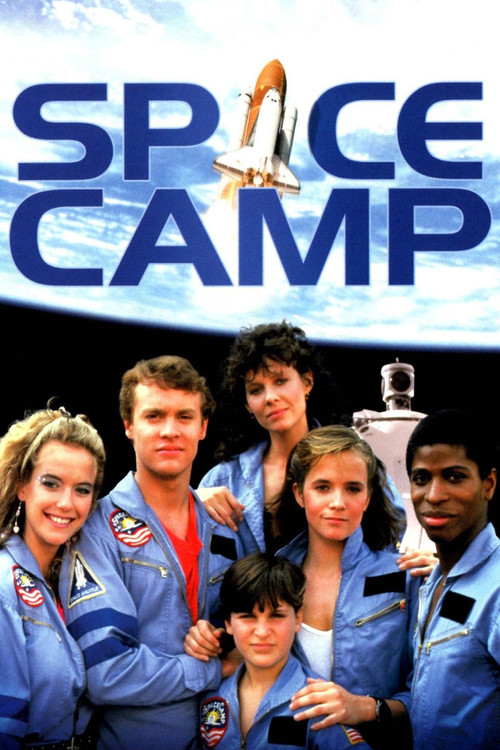
SpaceCamp
1986Andie Bergstrom, an astronaut eagerly awaiting her first trip to space, runs a summer camp for teenagers with her NASA-employed husband, Zach. One night during an engine test, Andie and four teenage campers are accidentally shot into space. Together, the group -- which includes Kathryn, a pilot-in-training, and Tish, a ditz with a perfect memory -- must work together to operate the spacecraft and return home.
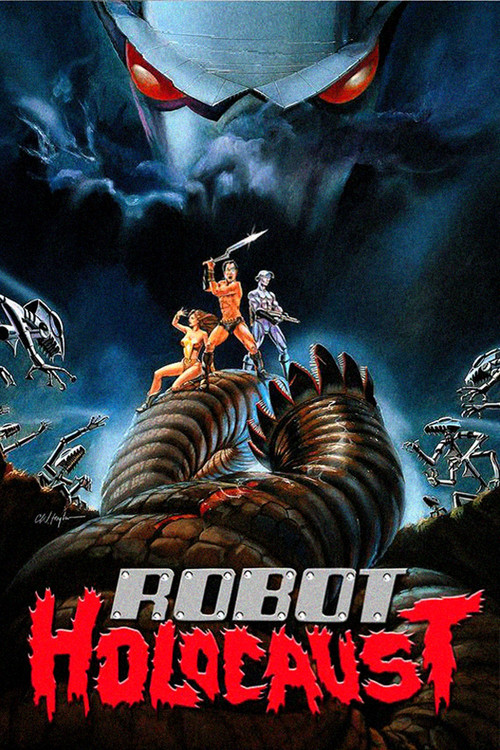
Robot Holocaust
1986Neo, a drifter from the atomic-blasted wastelands, arrives with his klutzy robot sidekick at a factory where slaves labor to fuel the sinister Dark One's Power Station. There, he meets a comely woman who convinces him to help rescue her scientist father, who has invented a device that can break the Dark One's control over the slaves. Gathering a motley crew of allies on the way, Neo and pals travel to the Power Station, where they confront the Dark One's evil servants.
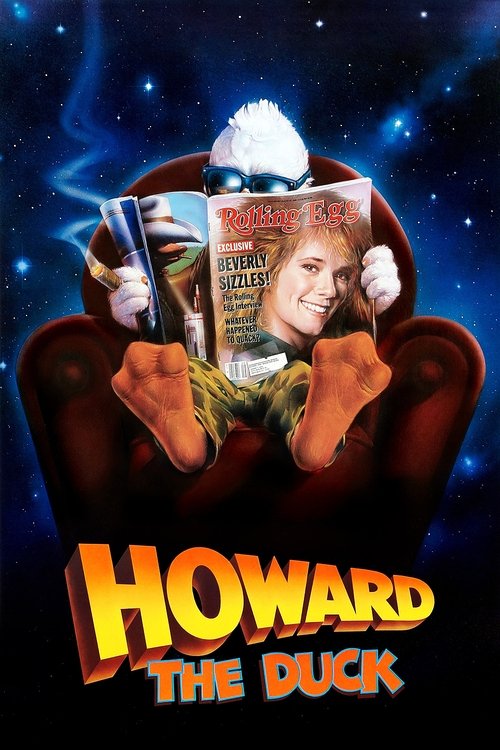
Howard the Duck
1986A scientific experiment unknowingly brings extraterrestrial life forms to the Earth through a laser beam. First is the cigar-smoking drake, Howard, from the duck's planet. A few kids try to keep him from the greedy scientists and help him back to his planet, but then a much less friendly being arrives through the beam...
Despite its notorious reputation, this strange collision of Marvel source material and Lucasfilm resources is a fascinating experiment in tonal dissonance and puppetry overreach. It remains a singular, baffling monument to the decade's stylistic excess and experimental risk-taking.
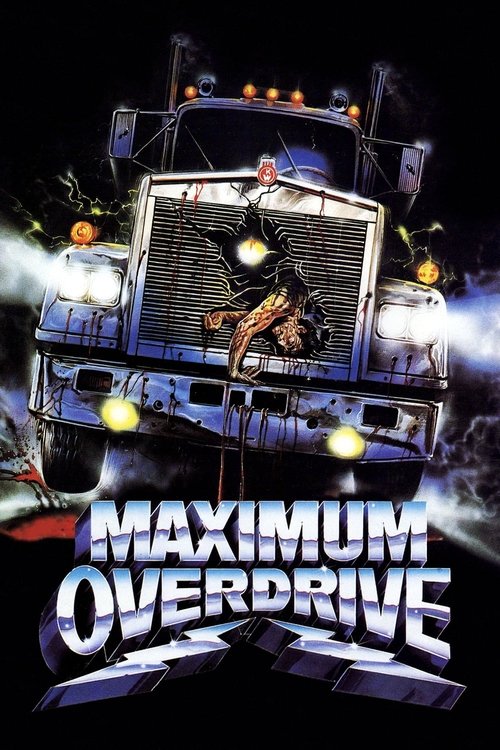
Maximum Overdrive
1986When a comet passes close to the earth, machines all over the world come alive and go on homicidal rampages. A group of people at a desolate truck stop are held hostage by a gang of murderous 18-wheelers. The frightened people set out to defeat the killer machines…Or be killed by them.
Stephen King delivers a caffeinated, heavy-metal fever dream where the mundane tools of civilization turn into predatory monsters. While chaotic, it serves as a fascinatingly loud artifact of mid-eighties technological anxiety and pure directorial id.
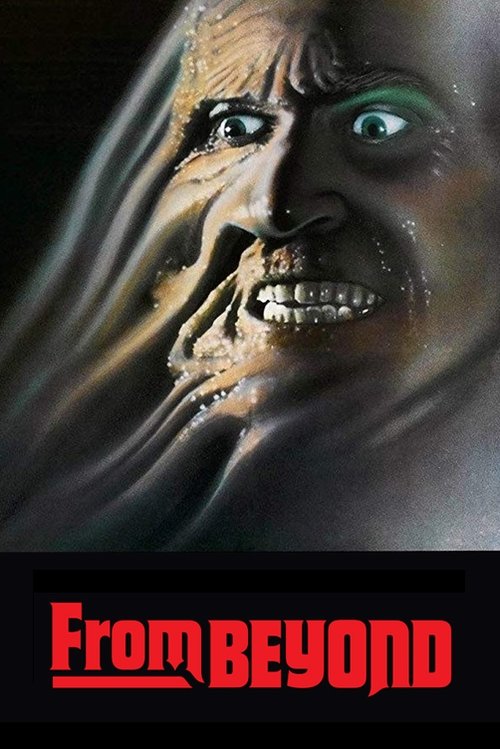
From Beyond
1986The Resonator, a powerful machine that can control the sixth sense, has killed its creator and sent his associate into an insane asylum. When a psychiatrist becomes determined to continue the experiment, she unwittingly opens the door to a hostile parallel universe.
Stuart Gordon dives deep into the pineal gland to deliver a psychedelic feast of Lovecraftian body horror and trans-dimensional erosion. The film is a triumph of neon lighting and wet, pulsating practical effects that challenge the boundaries of human perception.
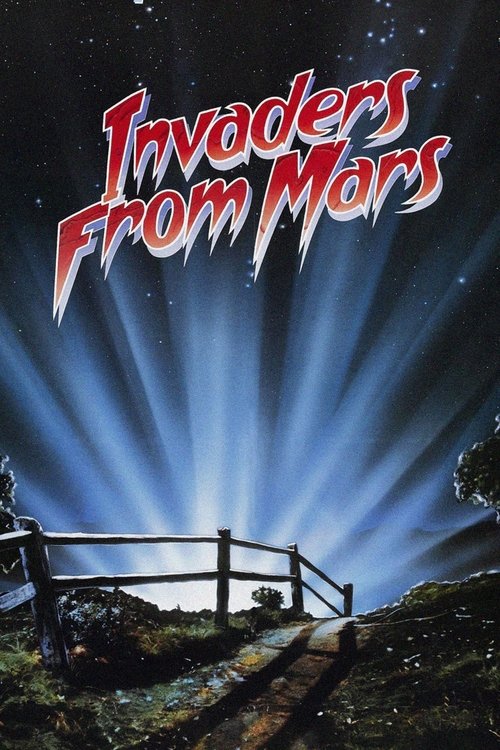
Invaders from Mars
1986A boy tries to stop aliens that have taken over his town and are brainwashing its inhabitants.
Tobe Hooper channels 1950s paranoia through a surreal, dreamlike lens that highlights the uncanny nature of suburban alienation. The bizarre creature designs and oversaturated color palette create a uniquely unsettling atmosphere of childhood dread.

Chopping Mall
1986High-tech robots equipped with state-of-the-art security devices have been recruited as the new mechanical "night watchmen" for the Park Plaza Mall. When a jolting bolt of lightning short-circuits the main computer control, the robots turn into "killbots" on the loose after unsuspecting shoppers!
Embracing the absurd intersection of consumerist culture and lethal automation, this cult gem delivers a neon-soaked spectacle of retail-based carnage. Its commitment to the 'high-tech security gone rogue' trope is executed with delightful, low-budget audacity.
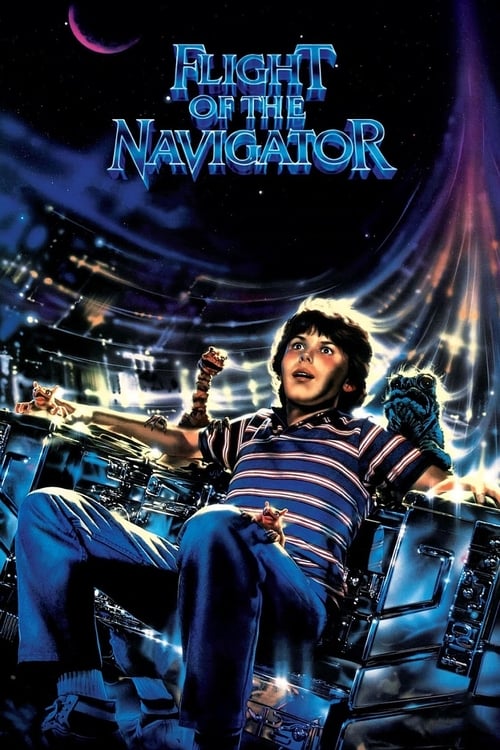
Flight of the Navigator
198612-year-old David is accidentally knocked out in the forest near his home, but when he awakens eight years have passed. His family is overjoyed to have him back, but is just as perplexed as he is that he hasn't aged. When a NASA scientist discovers a UFO nearby, David gets the chance to unravel the mystery and recover the life he lost.
A pinnacle of Reagan-era Amblingesque wonder, this film captures the intoxicating freedom of youthful escapism through sleek, reflective ship design and a synthesised sense of awe. It perfectly balances high-tech displacement with the emotional gravity of a lost childhood.
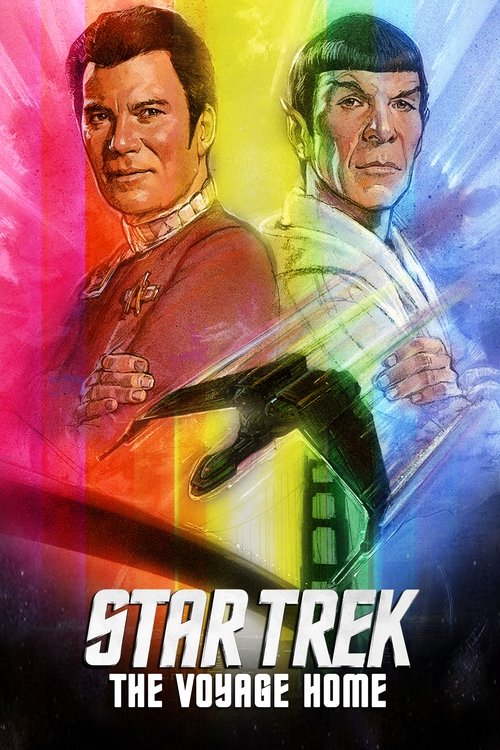
Star Trek IV: The Voyage Home
1986When a huge alien probe enters the galaxy and begins to vaporize Earth's oceans, Kirk and his crew must travel back in time in order to bring back whales and save the planet.
Swapping cosmic dogfights for fish-out-of-water comedy and environmental advocacy, this entry proves the franchise lives or dies by the sparkling chemistry of its core ensemble. It is a rare work of optimistic futurism that finds its greatest strength in 20th-century social commentary.
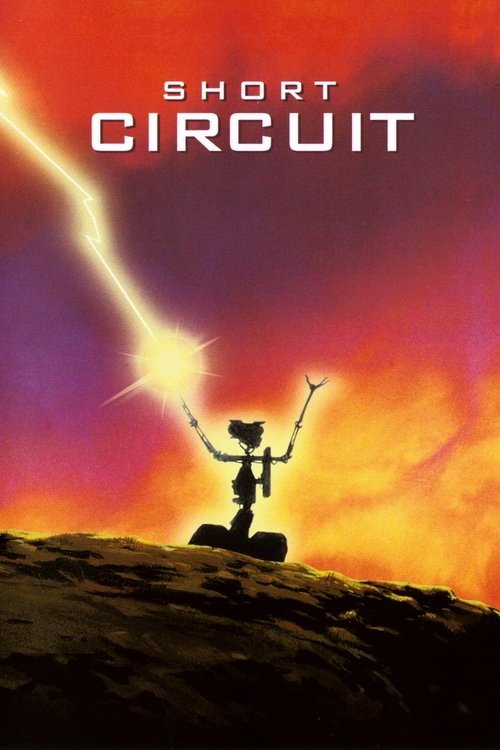
Short Circuit
1986After a lightning bolt zaps a robot named Number 5, the lovable machine starts to think he's human and escapes the lab. Hot on his trail is his designer, Newton, who hopes to get to Number 5 before the military does. In the meantime, a spunky animal lover mistakes the robot for an alien and takes him in, teaching her new guest about life on Earth.
This charming exploration of artificial personhood manages to imbue a chassis of steel and circuits with palpable curiosity and pacifist ideals. It stands out for treating its robotic protagonist not as a weapon, but as a soulful observer of human frailty.
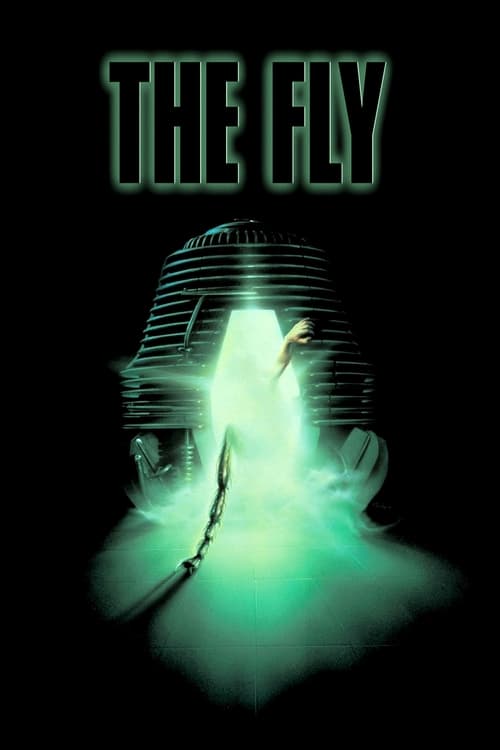
The Fly
1986When Seth Brundle makes a huge scientific and technological breakthrough in teleportation, he decides to test it on himself. Unbeknownst to him, a common housefly manages to get inside the device and the two become one.
David Cronenberg utilizes grotesque metamorphosis as a devastating metaphor for terminal decay through breathtakingly tactile practical effects. This reimagining transcends its B-movie roots to become a heartbreaking tragedy of biological betrayal.
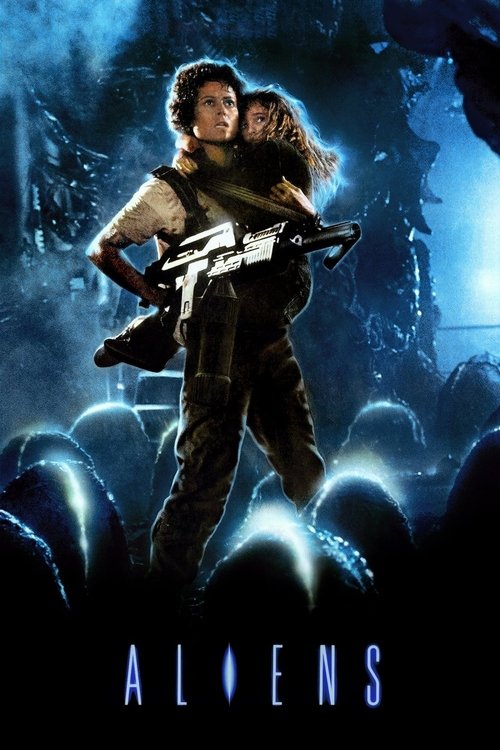
Aliens
1986Ripley, the sole survivor of the Nostromo's deadly encounter with the monstrous Alien, returns to Earth after drifting through space in hypersleep for 57 years. Although her story is initially met with skepticism, she agrees to accompany a team of Colonial Marines back to LV-426.
James Cameron pivots from claustrophobic horror to a masterclass in kinetic warfare, redefining the sequel as a sensory assault of industrial machinery and maternal ferocity. It remains the gold standard for blending high-stakes military hardware with visceral tension.
Frequently Asked Questions
Everything you need to know about this list and SnakeDrafts
- 1986 marked a pivotal year where sci-fi shifted from the optimism of earlier space operas to darker, grittier, and more intellectual themes. Films like 'Aliens' and 'The Fly' showcase this transition with intense action and psychological horror elements.
- 'Aliens,' directed by James Cameron, redefined sci-fi action thrillers with its high-stakes suspense and groundbreaking practical effects. It set a new standard for blending horror and science fiction, influencing contemporary films like 'The Fly' and 'Chopping Mall.'
- 1986 sci-fi often fused horror to enhance its dark atmosphere, as seen in 'The Fly,' 'From Beyond,' and 'Invaders from Mars.' This blend created a visceral experience that reflected the decade's fascination with body horror and extraterrestrial threats.
- Yes, movies like 'Short Circuit,' 'Flight of the Navigator,' and 'SpaceCamp' offered lighter, adventure-filled sci-fi that appealed to younger audiences. These films balanced imaginative storytelling with accessible themes suitable for families.
- 1986's sci-fi films gained acclaim for their innovative practical effects, such as the animatronics in 'Aliens' and the transformative makeup in 'The Fly.' These effects helped create immersive, believable worlds before the dominance of CGI.
- 'Short Circuit' and 'Maximum Overdrive' combine humor with sci-fi elements, the former emphasizing a charming robot's antics and the latter featuring a horror-comedy with machines coming to life. Their unique tone adds variety to the genre landscape of 1986.
- Yes, 'Aliens' is a sequel that became a defining chapter of the Alien franchise. Additionally, 'Star Trek IV: The Voyage Home' further expanded the influential Star Trek universe during that year.