The Best SciFi Movies of 1984, Ranked
Classic Cyberpunk and Space Opera Hits
Explore the best sci-fi movies of a landmark year. From cyborg assassins to desert planets, discover the cult classics that defined a generation.
About 1984 SciFi Movies
In the long arc of cinema history, certain years feel like tectonic shifts, but 1984 was a full scale earthquake. If you look back at the landscape of science fiction before that summer, the genre was still largely caught between the high minded spiritualism of 2001: A Space Odyssey and the swashbuckling space fantasy of Star Wars. By the time 1984 wrapped up, the genre had grown teeth, acquired a cynical edge, and embraced the neon-soaked grime of the future. It was the year that sci-fi stopped looking exclusively at the stars and started looking at the silicon and steel of our own backyard.
The most undeniable titan of the year was James Cameron’s The Terminator. On paper, it was a low budget B-movie about a killer robot from the future, but in execution, it was a masterclass in kinetic tension. It gave us a new kind of cinematic nightmare: an unstoppable, cold, and calculated machine that looked exactly like a man. Arnold Schwarzenegger’s performance turned him into a global icon, but more importantly, the film established a gritty, blue-tinted aesthetic that would define the genre for the next decade. This was not the clean, polished future of Gene Roddenberry. This was a future of burning playgrounds and chrome skeletons.
While Cameron was perfecting the tech-noir thriller, another corner of the genre was leaning into the bizarre. The Adventures of Buckaroo Banzai Across the 8th Dimension remains one of the most wonderfully unclassifiable films ever made. It treated its dense, ridiculous lore with the utmost sincerity, blending rock and roll, particle physics, and alien invasions into a cult classic that felt like it arrived from another planet entirely. It was a brave, weird anomaly that proved sci-fi didn't have to follow a formula to be memorable.
We also cannot overlook the sheer ambition of David Lynch’s Dune. While it was famously a troubled production and a box office disappointment at the time, its visual legacy is massive. Lynch brought a grotesque, baroque sensibility to Frank Herbert’s sprawling epic, trading the sleek lines of traditional spacecraft for steaming industrial nightmares and guild navigators floating in tanks of spice gas. It was a polarising experiment that showed even big budget studio projects were willing to take massive, hallucinogenic risks.
The year also gave us Starman, where John Carpenter proved he could handle profound tenderness just as well as he handled horror. Jeff Bridges delivered a career-defining performance as an alien trying to understand the messy, beautiful complexities of human emotion. It served as the perfect emotional counterweight to the darker, more aggressive films of the year.
Looking back, 1984 was the year sci-fi finally matured. It moved away from the binary of good versus evil and entered a world of moral ambiguity, technological anxiety, and high concept weirdness. Whether it was the creeping dread of 1984 itself, which saw a timely adaptation of Orwell's novel, or the suburban horror of Repo Man, the genre was firing on all cylinders. We were no longer just dreaming of the future. We were starting to fear it, and that fear made for some of the best movies ever put to film.

The Return of Godzilla
1984After a fishing boat is attacked, the sole surviving crew member realizes it is none other than a resurrected Godzilla. However, efforts to bring the story to light are suppressed by the Japanese government amid growing political tensions between the United States and the Soviet Union, who are both willing to bomb Japan to stop the monster.

Sexmission
1984Two scientists are chosen as guinea pigs for a time experiment: they are placed in hibernation and should be brought back to life after three years. In the meantime, however, World War III breaks out and life has been wiped off the surface of Earth. When they wake up, it turns out that not only 50 years have passed but also that they are the only living specimens of the male sex in a new, underground society composed exclusively of women.
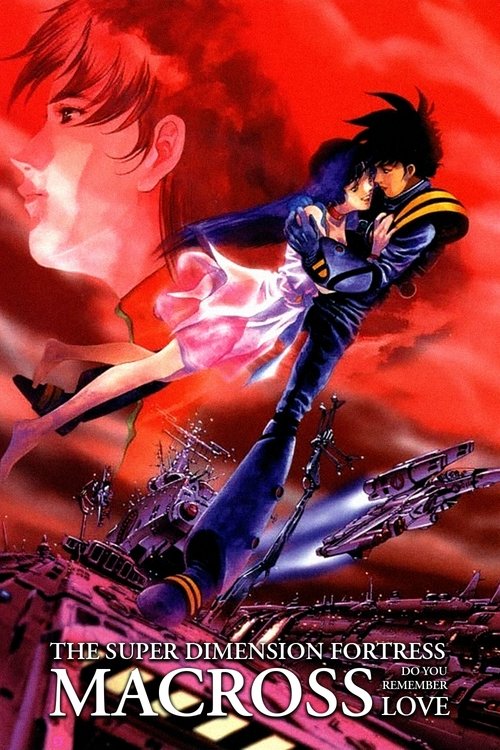
Macross: Do You Remember Love?
1984It is A.D. 2009 and the human race is caught in a war between giant humanoids, male Zentrans and female Meltrans. Returning from the edge of our solar system after making a space fold, the SDF-1 Macross makes the long journey back to Earth with survivors of South Ataria Island.
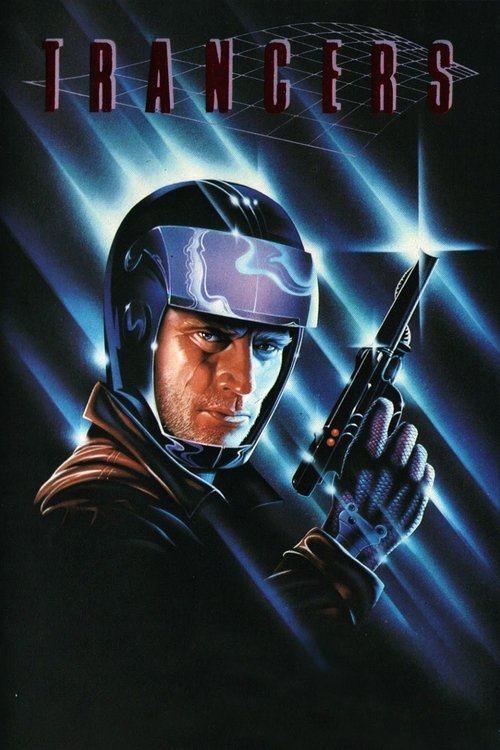
Trancers
1984Angel City trooper Jack Deth is sent back in time from 2247 to 1985 L.A. to inhabit the body of his ancestor. Deth's assignment is to find his archenemy, Whistler, who turns people into zombies, before the fiend is able to kill all the ancestors of the future's governing council.
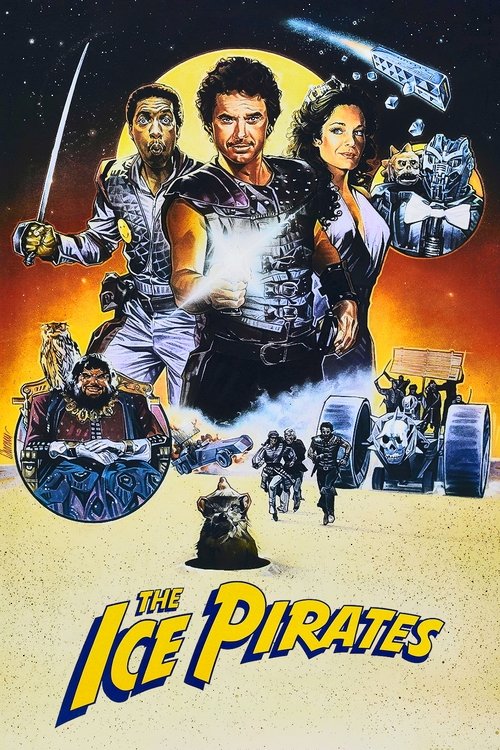
The Ice Pirates
1984In the not too distant future, where by far the most precious commodity in the galaxy is water. The last surviving water planet was somehow removed to the unreachable centre of the galaxy at the end of the galactic trade wars. The galaxy is ruled by an evil emperor presiding over a trade oligarchy that controls all mining and sale of ice from asteroids and comets.
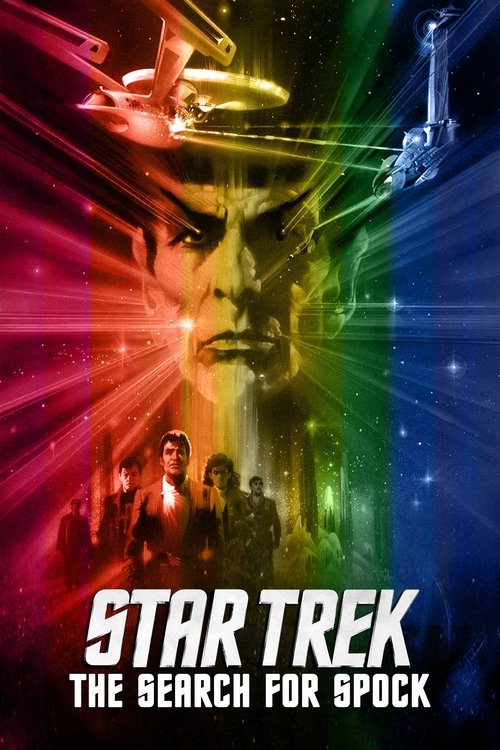
Star Trek III: The Search for Spock
1984A surprise visit from Spock's father provides a startling revelation: McCoy is harboring Spock's living essence.

Firestarter
1984Charlene "Charlie" McGee has the amazing ability to start fires with just a glance. Can her psychic power and the love of her father save her from the threatening government agency which wants to destroy her?

Iceman
1984A team of Arctic researchers find a 40,000 year-old man frozen in ice and bring him back to life. Anthropologist Dr. Stanley Shephard wants to befriend the Iceman and learn about the man's past while Dr. Diane Brady and her surgical team want to discover the secret that will allow man to live in a frozen state.
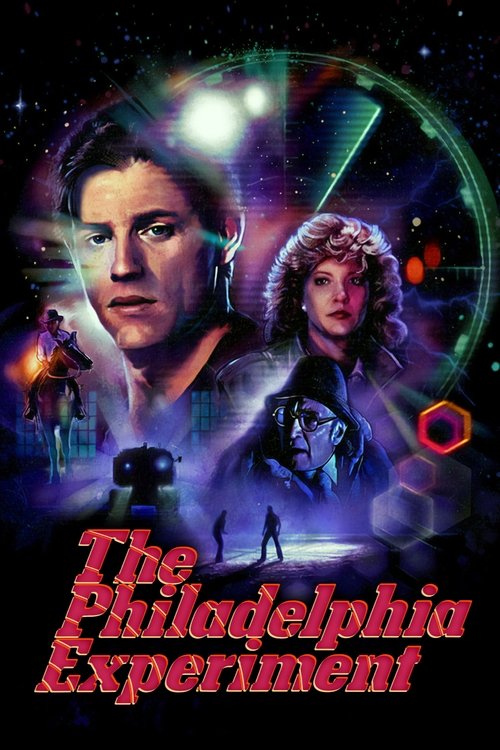
The Philadelphia Experiment
1984Based on an "actual event" that took place in 1943. About a US Navy Destroyer Escort that disappeared from the Philadelphia Naval Shipyard, and sent two men 40 years into the future to 1984.
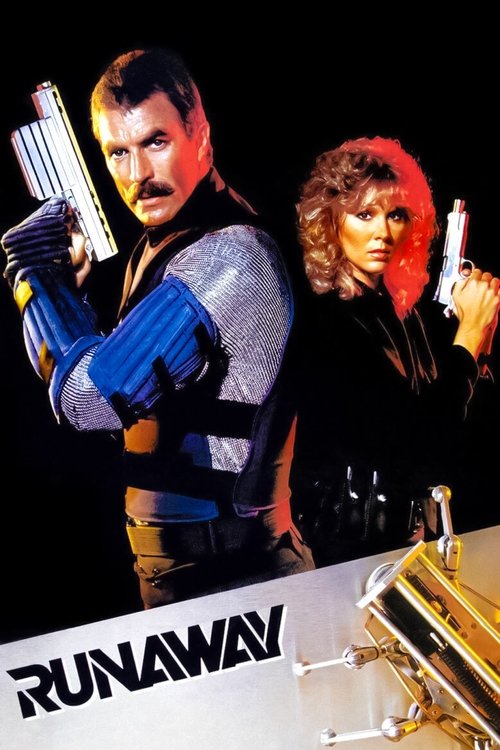
Runaway
1984In the near future, a police officer specializes in malfunctioning robots. When a robot turns out to have been programmed to kill, he begins to uncover a homicidal plot to create killer robots... and his son becomes a target.
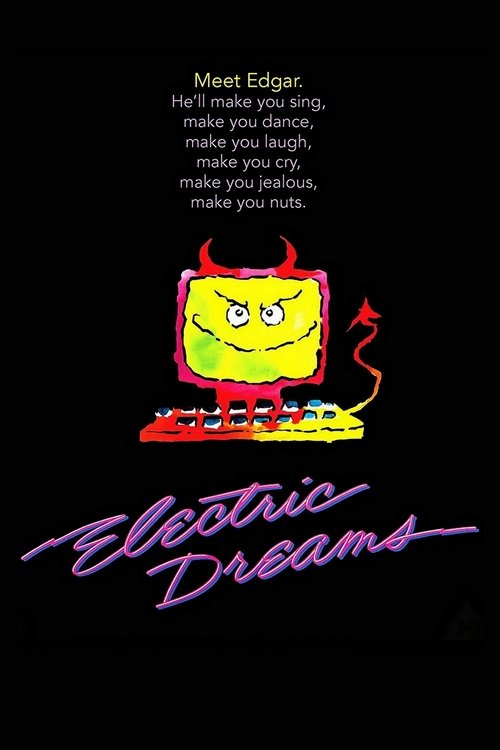
Electric Dreams
1984Miles Harding buys a state-of-the-art computer that starts expressing conscious thought and emotion after an interaction with spilled champagne. Things begin getting out of hand when both Miles and Edgar, the computer, fall in love with beautiful neighbor Madeline Robistat.
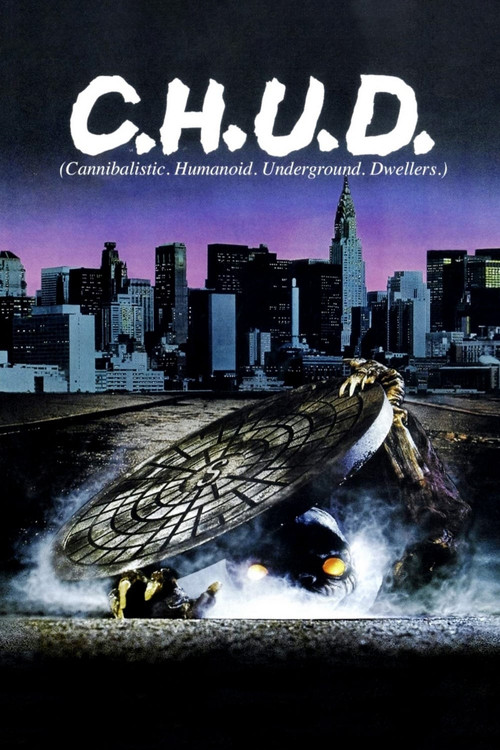
C.H.U.D.
1984A rash of bizarre murders in New York City seems to point to a group of grotesquely deformed vagrants living in the sewers. A courageous policeman, a photojournalist and his girlfriend, and a nutty bum, who seems to know a lot about the creatures, band together to try and determine what the creatures are and how to stop them.
This grimy slice of New York urban legend taps into the decade’s environmental anxieties with a claustrophobic, subterranean intensity. It effectively transforms the city’s plumbing into a source of biological terror, making the most of its practical creature designs and cynical atmosphere.
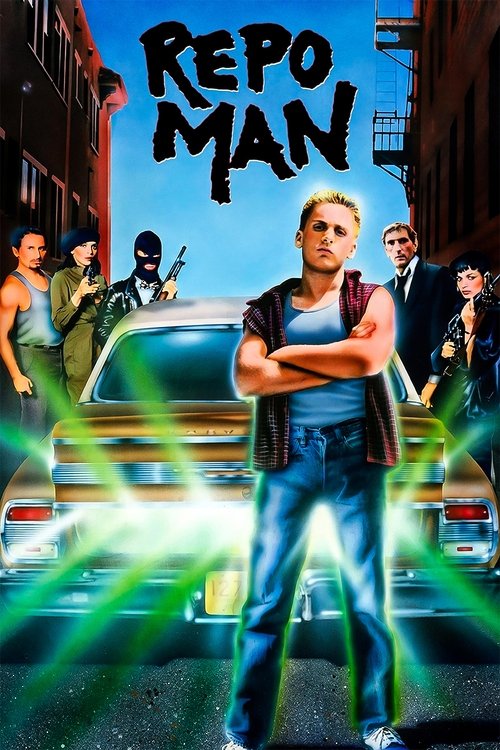
Repo Man
1984A down and out young punk gets a job working with a seasoned repo man, but what awaits him in his new career is a series of outlandish adventures revolving around aliens, the CIA, and a most wanted '64 Chevy.
Alex Cox’s punk-rock odyssey is a frantic masterpiece of Reagan-era paranoia and supernatural consumerism. It operates on a frequency of pure chaotic brilliance where nuclear anxiety and suburban rot collide in the glowing trunk of a Chevy Malibu.

2010
1984While planet Earth poises on the brink of nuclear self-destruction, a team of Russian and American scientists aboard the Leonov hurtles to a rendezvous with the still-orbiting Discovery spacecraft and its sole known survivor, the homicidal computer HAL.
Peter Hyams avoids the trap of mimicking Kubrick by grounded this sequel in a gritty, Cold War procedural aesthetic that emphasizes pragmatism over poetry. It is a rare follow-up that manages to provide narrative closure while maintaining its own distinct, utilitarian visual identity.
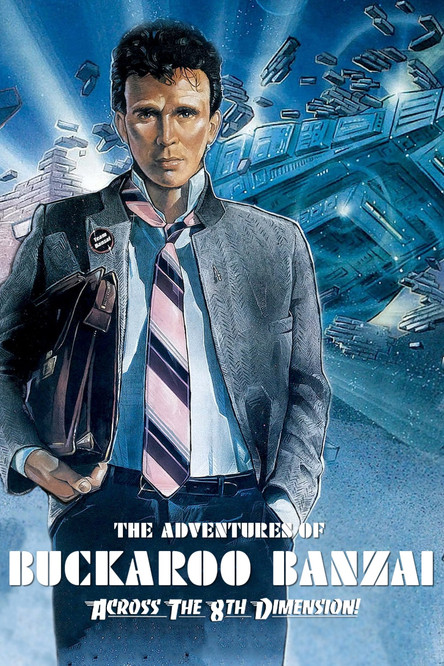
The Adventures of Buckaroo Banzai Across the 8th Dimension
1984Adventurer/surgeon/rock musician Buckaroo Banzai and his band of men, the Hong Kong Cavaliers, take on evil alien invaders from the 8th dimension.
A glorious, kitchen-sink collision of genres that refuses to explain itself, creating a dense mythology out of pure cult energy and eccentric charm. This is a film that thrives on its own frantic intellectualism and its wonderfully bizarre ensemble chemistry.
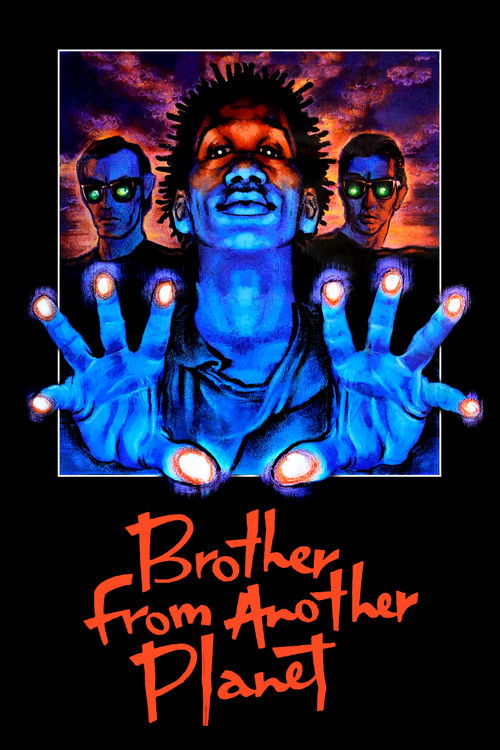
The Brother from Another Planet
1984A mute alien with the appearance of a black human is chased by outer-space bounty hunters through the streets of Harlem.
John Sayles crafts a poignant, low-budget allegory that uses an unspoken alien perspective to dissect the complexities of race and urban isolation in Harlem. The film proves that the most effective science fiction often relies on silent observation rather than pyrotechnics.
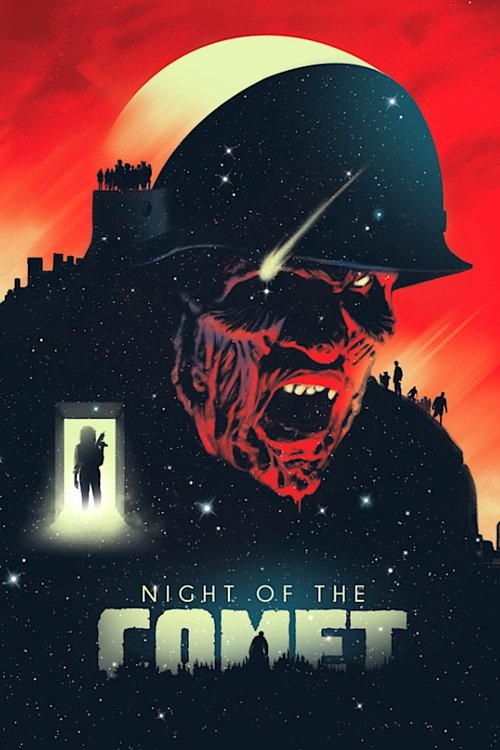
Night of the Comet
1984After a comet wipes out most of life on Earth, two Valley Girls find themselves fighting against cannibal zombies and a sinister group of scientists.
Refreshing in its refusal to wallow in despair, this neon-soaked apocalypse treats the end of the world as the ultimate liberation for the valley girl demographic. It is a stylish, tongue-in-cheek subversion of survivalist tropes that remains blissfully self-aware.

Starman
1984When an alien takes the form of a young widow's husband and asks her to drive him from Wisconsin to Arizona, the government tries to stop them.
John Carpenter pivots from his signature cynicism to deliver a profoundly soulful meditation on humanity seen through innocent, extraterrestrial eyes. Jeff Bridges’ twitchy, bird-like physical performance elevates the film far above typical genre sentimentality.
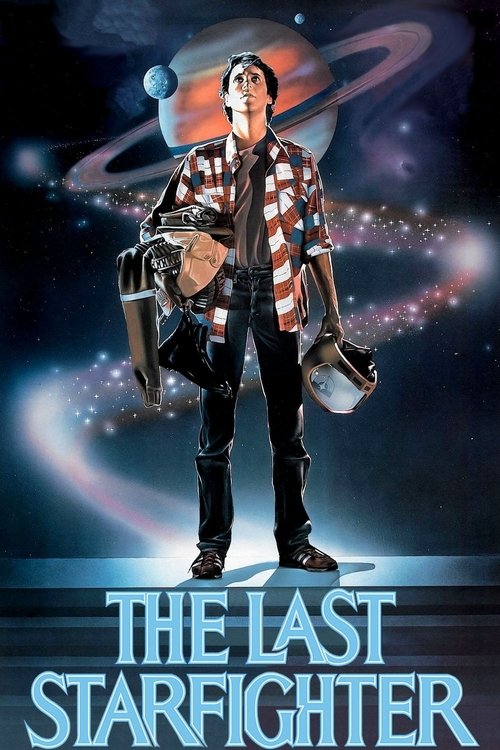
Video game expert Alex Rogan finds himself transported to another planet after conquering the video game The Last Starfighter, only to find out it was just a test. He was recruited to join the team of best Starfighters to defend their world from the attack.
This charming space opera successfully bridged the gap between the arcade craze and suburban escapism, utilizing pioneering digital effects to realize its interstellar dogfights. It captures a specific moment of technological optimism where a joystick could serve as a portal to galactic heroism.
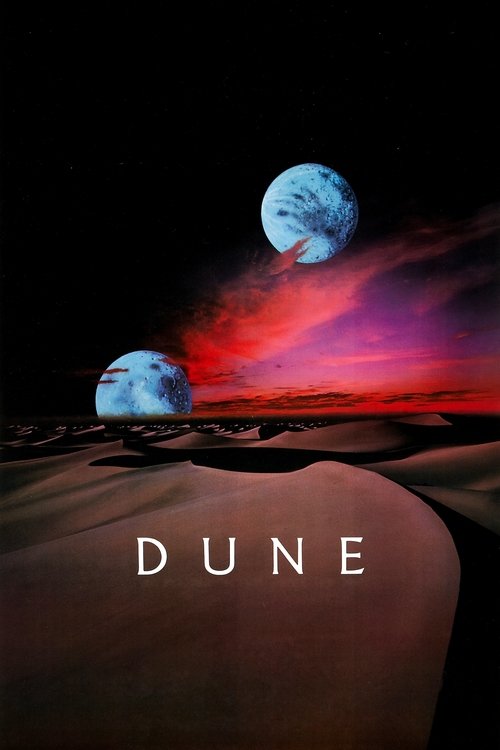
Dune
1984In the year 10,191, the most precious substance in the universe is the spice Melange. The spice extends life. The spice expands consciousness. The spice is vital to space travel. The spice exists on only one planet in the entire universe, the vast desert planet Arrakis, also known as Dune. Its native inhabitants, the Fremen, have long held a prophecy that a man would come, a messiah who would lead them to true freedom.
David Lynch’s sprawling adaptation is a magnificent failure of ambition, offering a tactile, baroque texture that feels entirely alien to the polished sheen of its contemporaries. Its grotesque aesthetics and dense mysticism create a singular cinematic fever dream that defies conventional blockbuster logic.

The Terminator
1984In the post-apocalyptic future, reigning tyrannical supercomputers teleport a cyborg assassin known as the "Terminator" back to 1984 to kill Sarah Connor, whose unborn son is destined to lead insurgents against 21st century mechanical hegemony. Meanwhile, the human-resistance movement dispatches a lone warrior to safeguard Sarah. Can he stop the virtually indestructible killing machine?
James Cameron’s lean, industrial nightmare redefined the slasher genre through a cybernetic lens, wedding relentless pacing with a terrifyingly plausible vision of technological blowback. It remains the gold standard for how to execute high-concept dread on a precision budget.
Frequently Asked Questions
Everything you need to know about this list and SnakeDrafts
- The Terminator, directed by James Cameron, introduced a groundbreaking blend of relentless action and a dark futuristic vision that reshaped sci-fi cinema. Its themes of AI and time travel, combined with iconic performances, made it a cultural milestone of 1984.
- David Lynch's 'Dune' stands out for its ambitious adaptation of Frank Herbert's complex novel, merging epic adventure with surreal and elaborate visuals. Unlike many 1984 sci-fi films, it dives deeply into political intrigue and ecological themes on a desert planet.
- 'Starman' is notable for blending science fiction with romance and drama, depicting an extraterrestrial being forming a profound human connection. This unique mix distinguishes it within the diverse 1984 sci-fi lineup.
- The 1984 sci-fi movies often explore post-apocalyptic futures, human interaction with technology, and space adventure. Themes like survival, identity, and the impact of science on society recur prominently, reflecting the genre's shift towards grittier and more cynical narratives.
- 'Night of the Comet' and 'Repo Man' both provide a comedic twist on sci-fi, mixing humor with elements of horror and dystopia. These films offer a lighter yet thought-provoking approach, differing from the more serious tone of other 1984 sci-fi movies.
- The 1984 sci-fi films introduced a new edginess and complexity to the genre that inspired countless filmmakers. Their blend of action, special effects, and mature storytelling set the stage for more sophisticated and diverse science fiction narratives in later decades.
- 'The Adventures of Buckaroo Banzai Across the 8th Dimension' is a cult classic that exemplifies 1980s sci-fi's embrace of eccentric characters and genre-blending storytelling. It highlights the era's willingness to experiment with comedy, adventure, and romance within a sci-fi context.