Best SciFi Movies of 1987
Cybernetic Enforcers and Interstellar Hunter Classics
Explore the best science fiction cinema from a pivotal year. Featuring cyborg lawmen, alien hunters, and dystopian games in a definitive ranked list.
About 1987 SciFi Movies
In the rearview mirror of cinematic history, 1987 often gets overshadowed by the neon-soaked birth of the blockbuster earlier in the decade or the digital revolution that arrived a few years later. However, if you look closer at the grain of the film stock, you will find a year that redefined science fiction by stripping away the idealism of space opera and replacing it with a biting, satirical, and often visceral look at humanity. It was the year that the genre stopped looking exclusively at the stars and started looking at the rot in our own backyards and the circuitry beneath our skin.
The undisputed heavyweight champion of that year was Paul Verhoeven with Robocop. On its surface, it was a hyper violent action flick about a cyborg policeman, but beneath the chrome and gore lay a blistering critique of corporate greed and urban decay. Verhoeven used the high concepts of sci-fi to lampoon the Reagan era, giving us a hero who was literally branded by OCP. It remains a masterclass in how to deliver a philosophical gut punch disguised as a popcorn movie. Peter Weller played the titular lawman with a tragic stillness, reminding us that the best science fiction is always about the ghost in the machine.
While Robocop was tearing up Detroit, John McTiernan was sending a different kind of monster into the jungle with Predator. This film effectively took the invincible action tropes of the era and turned them into a survival horror masterpiece. By pitting Arnold Schwarzenegger against a camouflaged hunter from the stars, the movie subverted the idea of the ultimate human warrior. It proved that in the vastness of the cosmos, we might not be the apex predators we think we are. The creature design by Stan Winston set a new gold standard for practical effects, creating an icon that would haunt sequels and crossovers for decades.
The year also gave us a glimpse into the more whimsical and adventurous side of the genre. Inner-space took the miniaturization concept of the sixties and updated it with Joe Dante’s signature manic energy. It remains a cult favorite for its clever blend of special effects and buddy comedy. Meanwhile, Mel Brooks took aim at the massive shadow of George Lucas with Spaceballs. By 1987, the tropes of the space epics were so well established that they were ripe for parody, and Brooks hit every mark from the speed of light to the commercialization of merchandising.
Even on the smaller screen and in the independent circuit, 1987 felt like a pivot point. We saw the release of The Running Man, another Schwarzenegger vehicle that felt eerily prophetic about the future of reality television and state controlled media. It was a year where the genre felt dangerous and relevant. We were no longer just drifting through galaxes far, far away. Instead, we were grappling with what it meant to be human in a world where technology and corporate interests were rapidly closing in. Looking back, 1987 was the year that science fiction grew some very sharp teeth. It was a time when the future felt metallic, messy, and thrillingly unpredictable.
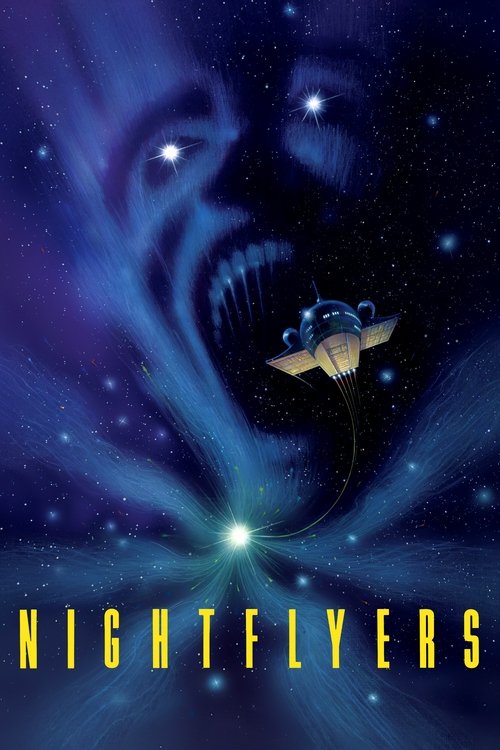
Nightflyers
1987A scientific group set out on a journey into space to find a magical creature. What they find is a killer computer on the ship they chartered.
George R.R. Martin’s source material provides the foundation for a claustrophobic space-gothic that prioritizes psychological dread over laser fire. The film creates a haunted-house atmosphere within the vacuum of the cosmos, emphasizing the isolation of deep-space travel.
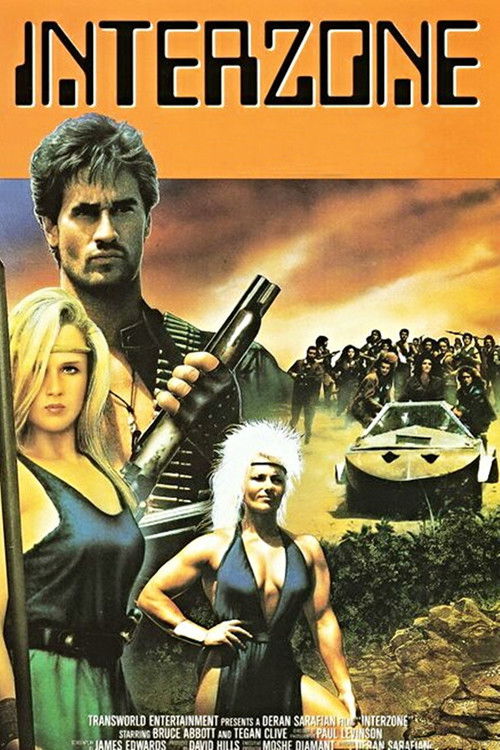
Interzone
1987Humans fight mutants in a post-holocaust world.
Operating on the wild fringes of Italian exploitation, this fever dream of a movie thrives on pure visual audacity and low-budget ingenuity. It captures a specific brand of late-eighties grindhouse energy where genre boundaries become delightfully porous and strange.
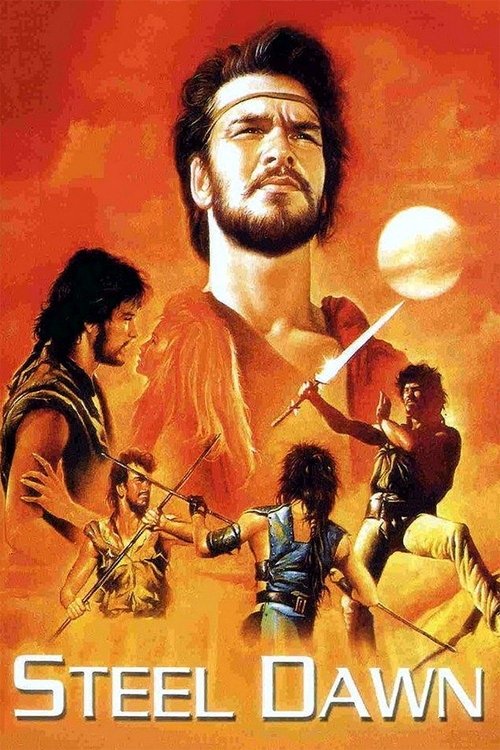
Steel Dawn
1987In a post-apocalyptic world, a warrior wandering through the desert comes upon a group of settlers who are being menaced by a murderous gang that is after the water they control.
Patrick Swayze brings a dancer’s grace to this meditative, scorched-earth western that swaps horses for futuristic tech. While many of its peers leaned into camp, this film maintains a surprisingly earnest commitment to its stoic, ronin-inspired atmosphere.
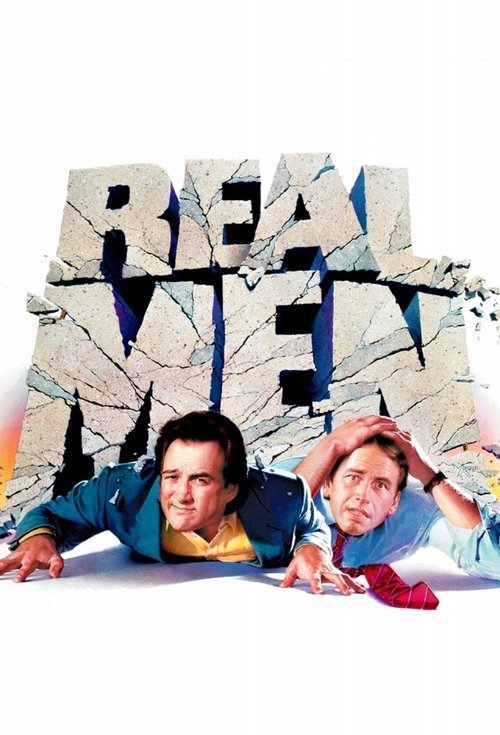
Real Men
1987A womanizing CIA agent and an insecure insurance agent are paired together to make sure a deal goes through with aliens for the future of mankind.
Surrealism meets the secret agent genre in this bizarrely deadpan comedy involving extraterrestrial negotiations and toxic masculinity. Its refusal to adhere to traditional narrative logic makes it one of the most eccentric and daring genre experiments of the year.
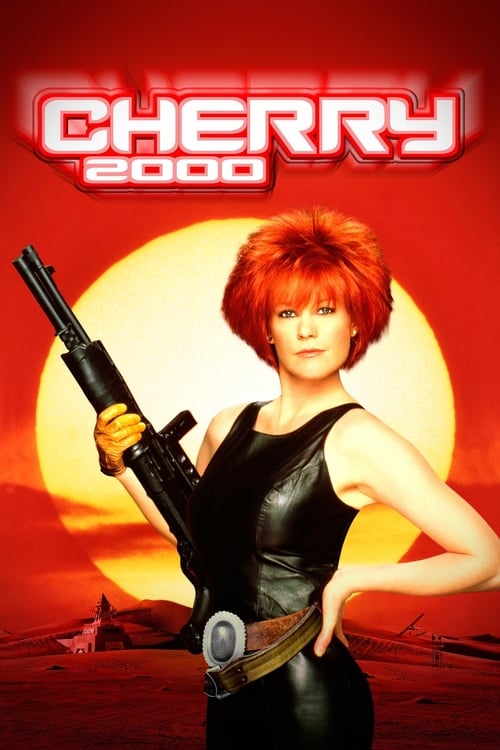
Cherry 2000
1987When successful businessman Sam Treadwell finds that his android wife, Cherry model 2000 has blown a fuse, he hires sexy renegade tracker E. Johnson to find her exact duplicate. But as their journey to replace his perfect mate leads them into the treacherous and lawless region of 'The Zone', Treadwell learns the hard way that the perfect woman is made not of computer chips and diodes.
Blending romantic longing with a dusty, post-apocalyptic wasteland, this cult oddity examines the intersection of human desire and artificial intimacy. It stands out for its vibrant production design and a tongue-in-cheek approach to the standard desert-punk landscape.
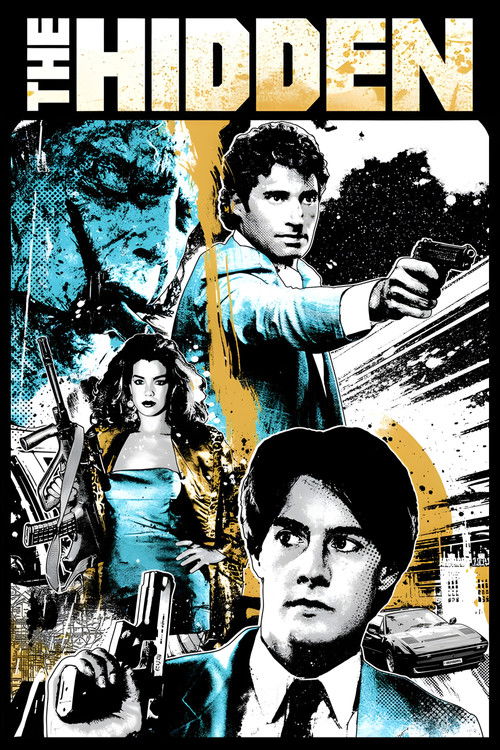
The Hidden
1987When average, law-abiding citizens suddenly turn to a life of hedonistic behavior and violent crime, Detective Tom Beck is tasked with helping young FBI agent Lloyd Gallagher determine the cause.
An essential sleeper hit that perfectly blends the hard-boiled police procedural with a body-hopping alien conspiracy. It manages to be both a stylish Los Angeles noir and a relentless chase film, anchored by a unique, cold-blooded charisma.
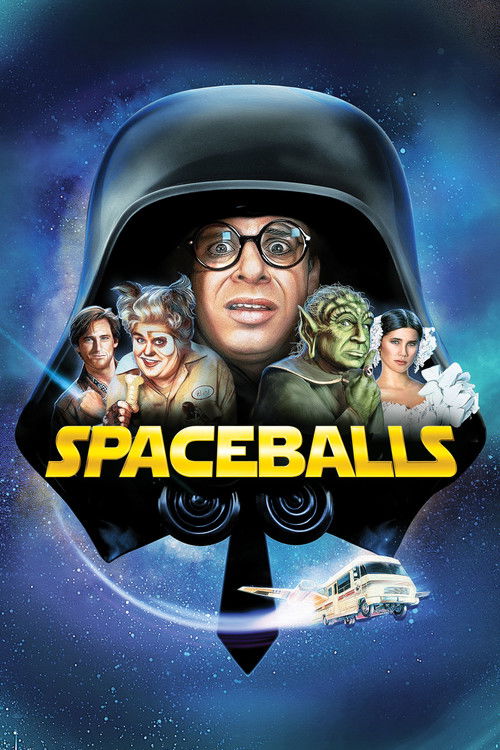
Spaceballs
1987When the nefarious Dark Helmet hatches a plan to snatch Princess Vespa and steal her planet's air, space-bum-for-hire Lone Starr and his clueless sidekick fly to the rescue. Along the way, they meet Yogurt, who puts Lone Starr wise to the power of "The Schwartz." Can he master it in time to save the day?
Mel Brooks successfully weaponizes absurdity against the monolithic tropes of space opera, proving that the genre was ripe for a comedic deconstruction. It survives as a sharp, self-referential exploration of merchandising madness and the sheer silliness inherent in grand-scale interstellar mythology.
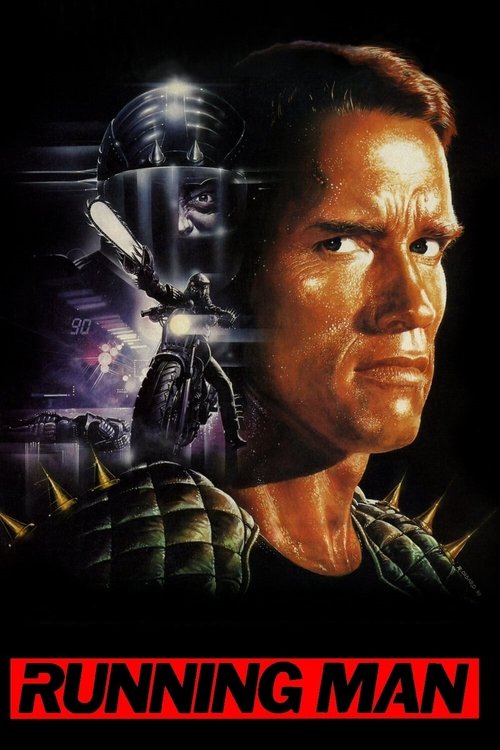
The Running Man
1987By 2017, the global economy has collapsed and U.S. society has become a totalitarian police state, censoring all cultural activity. The government pacifies the populace by broadcasting a number of game shows in which convicted criminals fight for their lives, including the gladiator-style The Running Man, hosted by the ruthless Damon Killian, where “runners” attempt to evade “stalkers” and certain death for a chance to be pardoned and set free.
This prophetic dystopia captures a culture obsessed with lethal game shows and the commodification of state-sponsored violence. Beyond the neon aesthetics, it offers a cynical, high-octane vision of a world where justice is merely a broadcast rating.
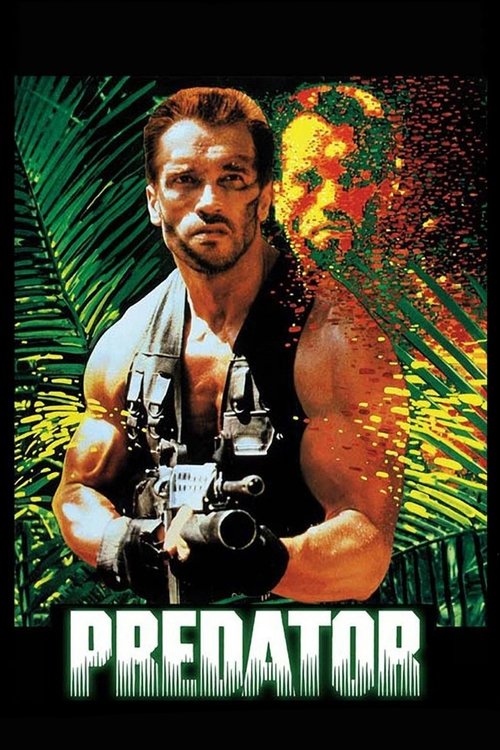
Predator
1987A team of elite commandos on a secret mission in a Central American jungle come to find themselves hunted by an extraterrestrial warrior.
Subverting the invincible machismo of the eighties action hero, this jungle-bound nightmare evolves from a tactical military thriller into a primal, extraterrestrial horror show. The creature design remains a pinnacle of practical effects, stripping away human dominance to reveal a terrifyingly lethal intergalactic sport.
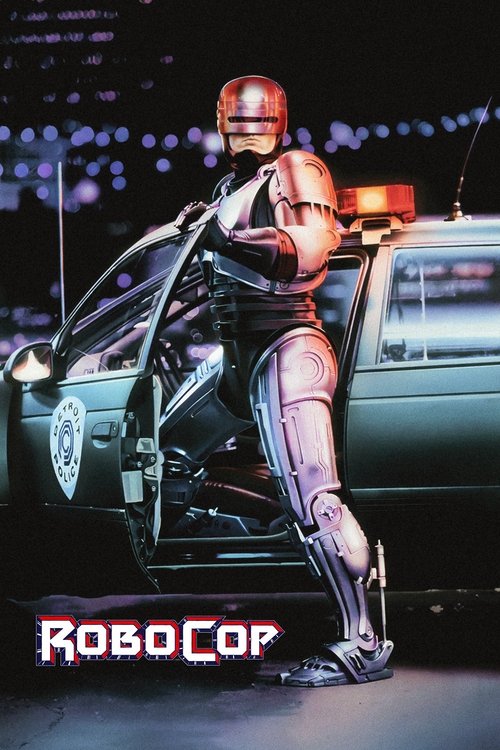
RoboCop
1987In a violent, near-apocalyptic Detroit, evil corporation Omni Consumer Products wins a contract from the city government to privatize the police force. To test their crime-eradicating cyborgs, the company leads street cop Alex Murphy into an armed confrontation with crime lord Boddicker so they can use his body to support their untested RoboCop prototype. But when RoboCop learns of the company's nefarious plans, he turns on his masters.
Paul Verhoeven’s masterwork transcends the high-concept cyborg premise to deliver a lacerating indictment of Reagan-era corporatization and police privatization. Its brilliant fusion of hyper-violent spectacle and sophisticated media satire ensures it remains the definitive cinematic artifact of 1987’s political anxieties.
Frequently Asked Questions
Everything you need to know about this list and SnakeDrafts
- The best sci-fi movies of 1987 often explore themes of dystopia, technology's impact on humanity, and survival against extraterrestrial threats. For instance, RoboCop critiques corporate control and identity in a hyper-violent future, while Predator offers a tense survival story against an alien hunter.
- RoboCop epitomizes 1987 sci-fi's biting and satirical approach by combining action with social commentary about privatization and dehumanization. Its gritty, dystopian depiction of a cyborg law enforcer highlights the era's shift away from optimistic space operas to more visceral and reflective narratives.
- Predator merges science fiction with action, thriller, and adventure, creating a tense, jungle-set hunt between elite soldiers and an alien warrior. This genre fusion exemplifies 1987's trend of mixing sci-fi ideas with mainstream blockbuster elements to reach wider audiences.
- Satire serves as a critical lens in these 1987 sci-fi films, with Spaceballs parodying space operas and The Running Man critiquing dystopian media and entertainment culture. Both movies use humor to challenge and deconstruct contemporary societal and genre tropes.
- Yes, films like The Hidden and Nightflyers incorporate horror elements into their science fiction narratives, blending suspense, body horror, and supernatural themes. This fusion contributed to the year's diverse approach to sci-fi storytelling, adding depth and varied emotional impacts.
- Cherry 2000 introduces a post-apocalyptic quest mixed with romantic and action elements, while Steel Dawn offers a desert-based futuristic adventure. These films showcase the breadth of 1987's sci-fi, ranging from comedic to dramatic interpretations of speculative futures.
- 1987 sci-fi films often feature practical effects, animatronics, and early digital techniques that create immersive, tactile worlds. The visual style ranges from neon-lit dystopias to rugged, desolate landscapes, reflecting the era's diverse visions of the future.
- 1987 marked a shift in sci-fi cinema toward more mature, satirical, and socially conscious storytelling, moving away from pure escapism. This year produced influential films that combined genre thrills with critical reflections on technology, media, and humanity’s darker impulses.