Best SciFi Movies of 1983, Ranked
Classic Science Fiction Gems and Cult Hits
Explore the best science fiction films from a landmark year in cinema. From space operas to techno-thrillers, discover top sci-fi classics and cult gems.
About 1983 SciFi Movies
In the long view of cinematic history, 1983 is often remembered as the year the original Star Wars trilogy concluded. While Return of the Jedi was the undisputed titan that defined the box office, a closer look at the calendar reveals a genre in a fascinating state of transition. Science fiction was beginning to move away from the high-concept philosophical ponderings of the late seventies and toward a grittier, more tech-centric aesthetic. It was a year where the cold war sat heavy on the cultural chest, and the films reflected a growing anxiety about what our tools might eventually do to us.
Return of the Jedi arrived in May with an almost impossible level of expectation. While critics at the time debated the merits of tribal teddy bears on the forest moon of Endor, the film successfully cemented the space opera as the dominant commercial force in the industry. It proved that audiences were hungry for mythology, but it also signaled the end of an era. With the Skywalker saga temporarily shelved, a vacuum opened for stranger, more experimental visions of the future to take root.
One of the most prophetic entries of the year was John Badham's WarGames. It captured a very specific moment in the American consciousness when the home computer was moving from a hobbyist novelty to a household staple. By grounding its narrative in the terrifying possibility of accidental nuclear annihilation triggered by a bored teenager, the film turned the blinking cursor of a terminal into a source of immense tension. It was sci-fi that felt immediate and local, stripping away the blasters and aliens in favor of telephone modems and global thermonulcear war.
Meanwhile, David Cronenberg was busy exploring a different kind of technological horror with Videodrome. It serves as arguably the most intellectual and disturbing film of 1983. Cronenberg used the medium to discuss the way media consumes the viewer, literally merging human flesh with VCR tapes and television screens. It was a hallucinatory masterpiece that predicted our modern obsession with screens and the warping effects of digital consumption long before the internet was a reality. In many ways, Videodrome was the antithesis of the Star Wars phenomenon, offering a dark and visceral counterpoint to the clean, heroic adventures of Luke Skywalker.
The year also showcased the genre's range through films like Brainstorm, which utilized POV camera work to simulate the sensation of recorded memories, and the cult classic Krull, which attempted to blend Tolkien-esque fantasy with high-tech invaders. Even the dystopian landscape got a workout with Blue Thunder, featuring a high-tech surveillance helicopter patrolling the skies of Los Angeles, further leaning into the theme of technology being used as a weapon of state control.
Looking back, 1983 was more than just the year we said goodbye to Han Solo for a few decades. It was a year that saw the genre splitting into two distinct paths. One path led toward the massive, merchandising-driven blockbusters that would define the decades to follow. The other path led toward a more cynical, neon-soaked future that would eventually give birth to cyberpunk. It was a year of endings and beginnings, proving that science fiction was at its best when it was both entertaining us with stars and haunting us with the screens in our own living rooms.
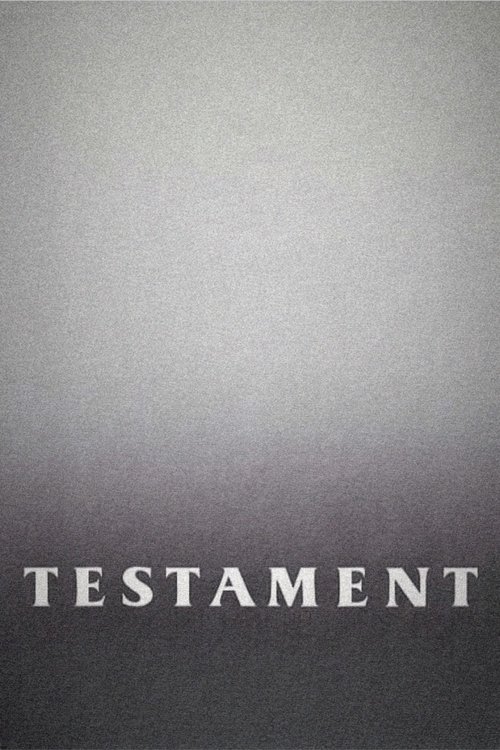
Testament
1983It is just another day in the small town of Hamlin until something disastrous happens. Suddenly, news breaks that a series of nuclear warheads has been dropped along the Eastern Seaboard and, more locally, in California. As people begin coping with the devastating aftermath of the attacks — many suffer radiation poisoning — the Wetherly family tries to survive.
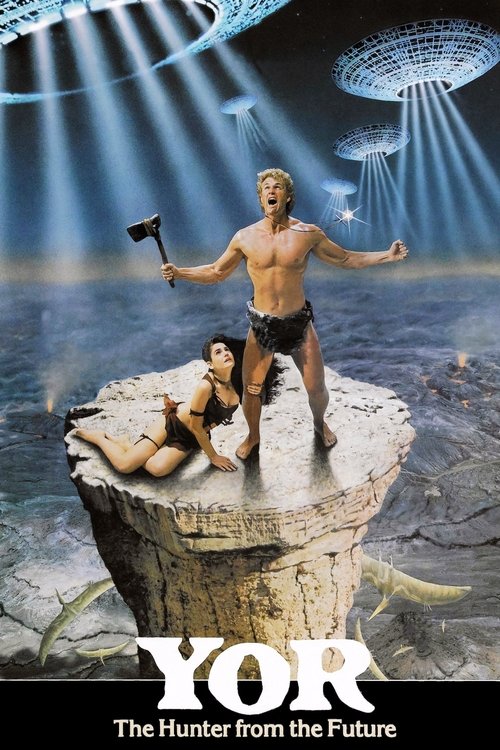
Yor: The Hunter from the Future
1983Yor is an extremely blond prehistoric warrior who comes to question his origins, particularly with regard to a mysterious medallion he wears. When he learns of a desert goddess who supposedly wears the same medallion, Yor decides that he must find her and learn his true identity. Along the way, he encounters ape-men, dinosaurs, and a strange futuristic society.
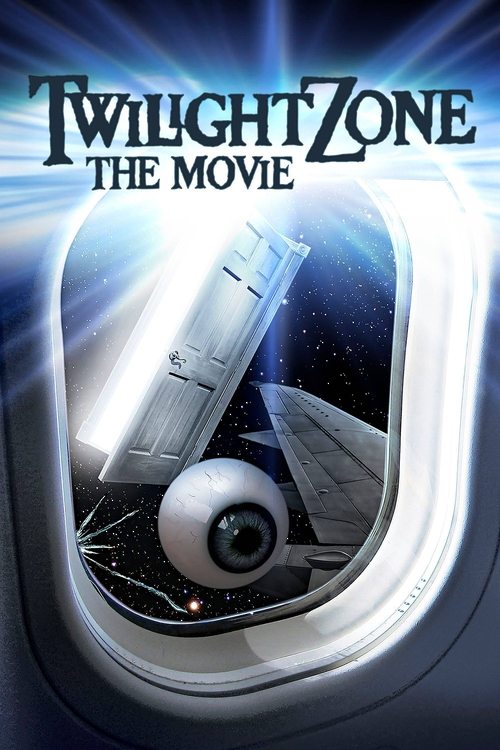
Twilight Zone: The Movie
1983An anthology film presenting remakes of three episodes from the "Twilight Zone" TV series—"Kick the Can", "It's a Good Life" and "Nightmare at 20,000 Feet"—and one original story, "Time Out."
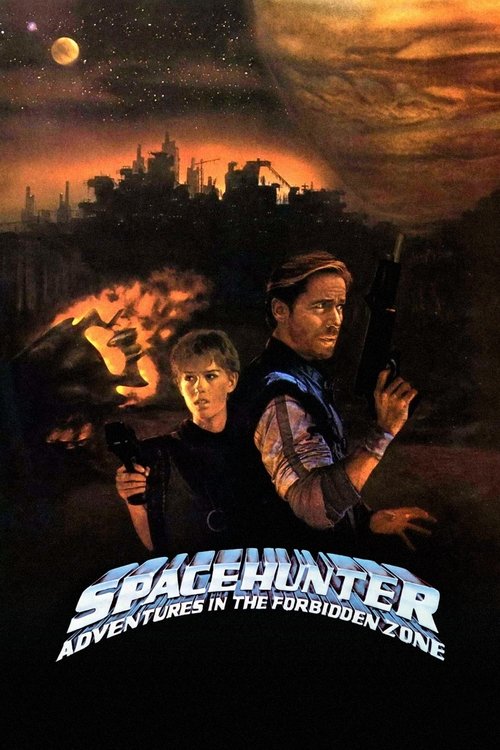
Spacehunter: Adventures in the Forbidden Zone
1983On a distant planet inhabited by mutants, two bounty hunters race to rescue three Earth female captives from the clutches of an evil warlord.
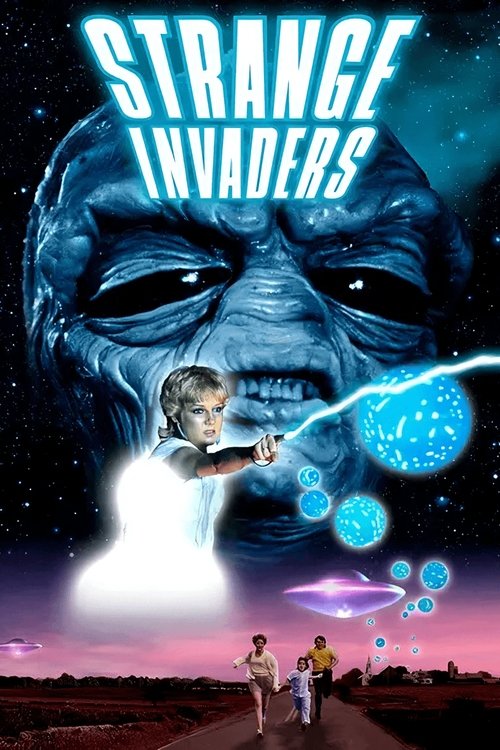
Strange Invaders
1983Alien beings, who settle in a small midwestern town, are disturbed by a young professor determined to rescue his daughter from their clutches.
A stylish, affectionate pastiche that perfectly captures the paranoid aesthetic of 1950s B-movies through a modern, polished lens. It succeeds by treating its retro-futuristic pulp with genuine sincerity and a striking visual wit that honors the history of the genre.
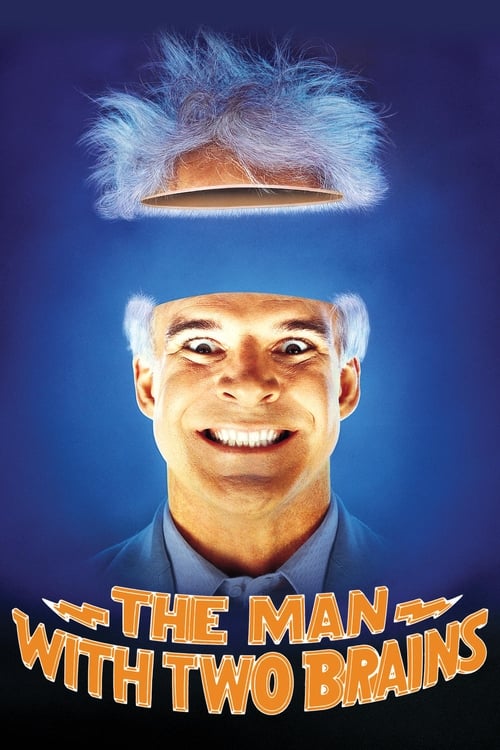
The Man with Two Brains
1983A brain surgeon marries a femme fatale, causing his life to turn upside down. Things go more awry when he falls in love with a talking brain.
Carl Reiner utilizes a razor-sharp script to mock the anatomical obsessions of the classic mad scientist trope with absurdist precision. Steve Martin’s manic performance turns the concept of telepathic romance into a brilliant critique of the genre’s most outlandish psychological cliches.
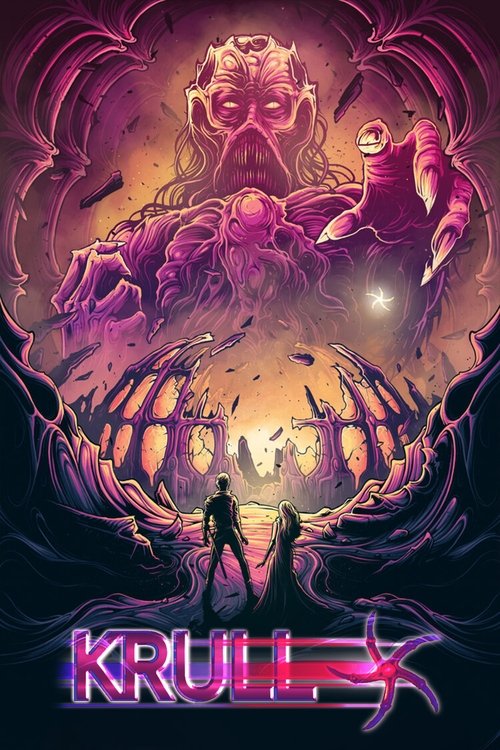
Krull
1983A prince and a fellowship of companions set out to rescue his bride from a fortress of alien invaders who have arrived on their home planet.
This ambitious fusion of high fantasy and spacefaring technology creates a distinct visual language through its baroque production design and sweeping orchestral score. It represents the height of 1980s genre experimentation, where swords and sorcery collide with alien invaders in a genuinely grand atmospheric tapestry.
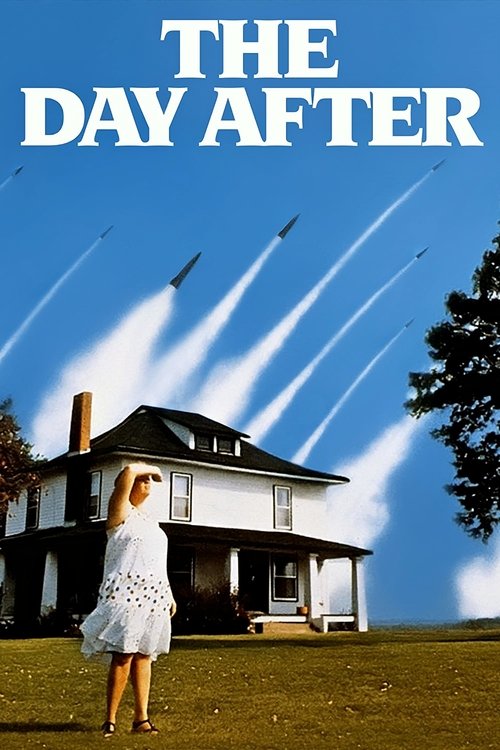
The Day After
1983In the mid-1980s, the U.S. is poised on the brink of nuclear war. This shadow looms over the residents of a small town in Kansas as they continue their daily lives. Dr. Russell Oakes maintains his busy schedule at the hospital, Denise Dahlberg prepares for her upcoming wedding, and Stephen Klein is deep in his graduate studies. When the unthinkable happens and the bombs come down, the town's residents are thrust into the horrors of nuclear winter.
By stripping away the glamour of Hollywood disaster flicks, this television landmark forced a global audience to confront the clinical, grotesque reality of nuclear fallout. Its unflinching documentary-style realism turned science fiction into a devastating, immediate mirror of contemporary geopolitical fragility.
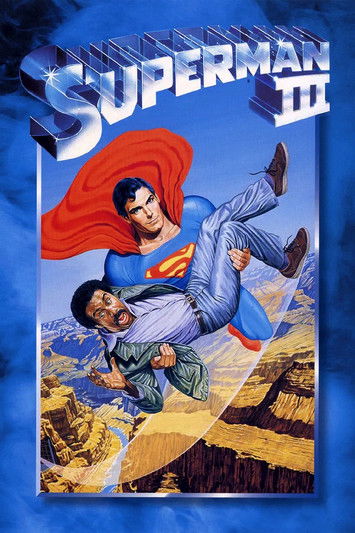
Superman III
1983Aiming to defeat the Man of Steel, wealthy executive Ross Webster hires bumbling but brilliant Gus Gorman to develop synthetic kryptonite, which yields some unexpected psychological effects. Between rekindling romance with his high school sweetheart and saving himself, Superman must contend with a powerful supercomputer.
While veering into broad slapstick, this entry remains a fascinating artifact for its cynical subversion of the Man of Steel through the lens of corrupted computer logic. The spectacle of a fractured, malevolent Superman offers a darker psychological edge that briefly transcends the film's campy sensibilities.
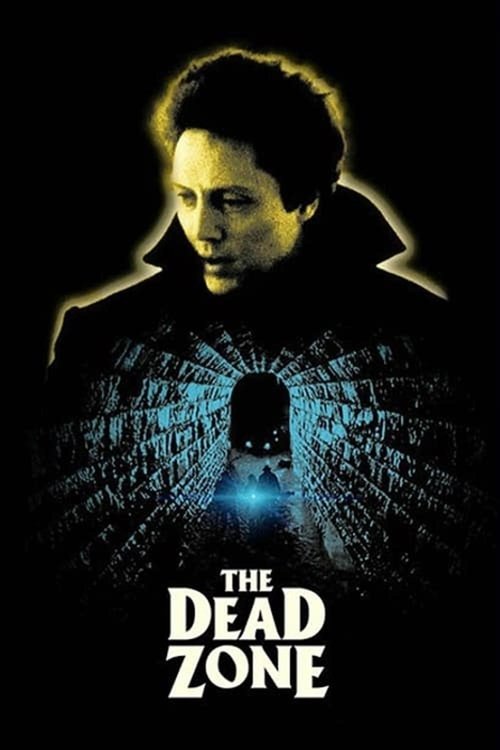
The Dead Zone
1983Johnny Smith is a schoolteacher with his whole life ahead of him but, after leaving his fiancee's home one night, is involved in a car crash which leaves him in a coma for 5 years. When he wakes, he discovers he has an ability to see into the past, present and future life of anyone with whom he comes into physical contact.
David Cronenberg strips away his usual gore to deliver a haunting, restrained exploration of psychic burden and the crushing weight of destiny. Christopher Walken provides a jittery, melancholic anchor to this story, elevating a high-concept premise into a poignant character study of a man shattered by his own foresight.
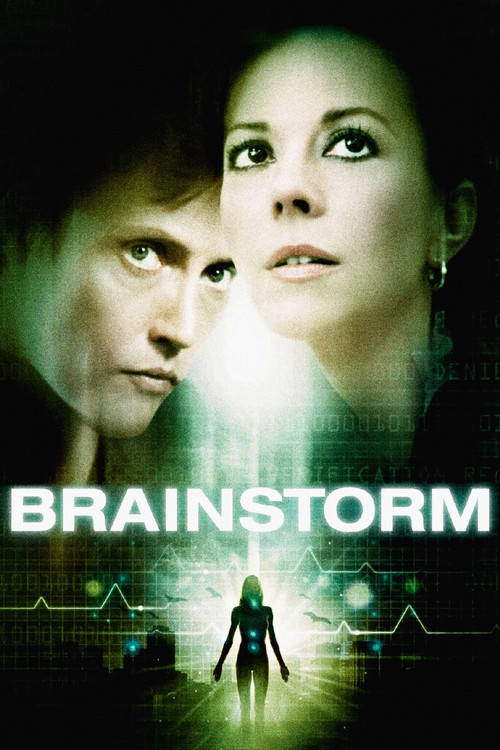
Brainstorm
1983Two brilliant research scientists have invented a device capable of recording and playing back sensory experiences only to have devastating results when one of them records their own death.
Douglas Trumbull crafts a sensory-overload experience that explores the ethical and spiritual implications of recorded human consciousness. The film stands out for its bold visual experimentation, using varying aspect ratios to simulate the profound, disorienting intimacy of experiencing another person's memories.
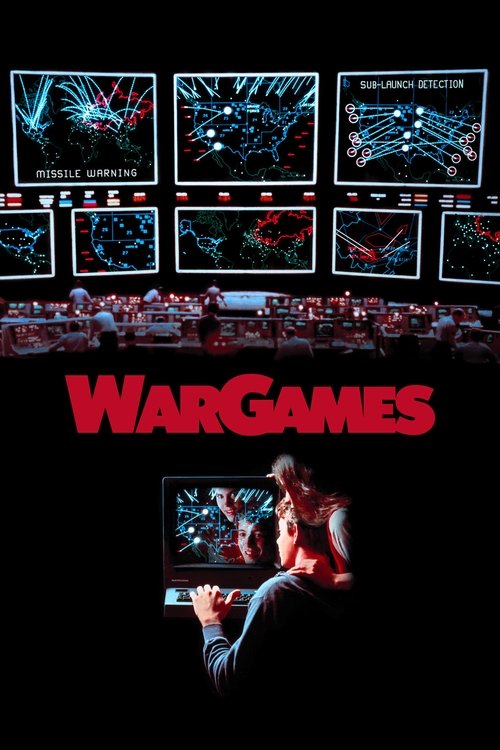
WarGames
1983High school student David Lightman has a talent for hacking. But while trying to hack into a computer system to play unreleased video games, he unwittingly taps into the Department of Defense's war computer and initiates a confrontation of global proportions. Together with his friend and a wizardly computer genius, David must race against time to outwit his opponent and prevent a nuclear Armageddon.
This taut thriller transformed the localized fear of teenage hacking into a chillingly plausible scenario of accidental global thermonuclear war. By personifying the Cold War's logic as a flawed algorithm, the film captures the decade's growing anxiety over a world governed by machines rather than men.
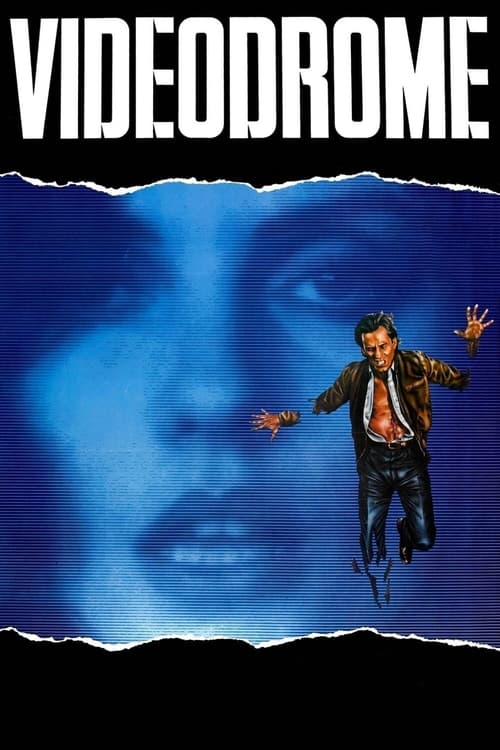
Videodrome
1983As the president of a trashy TV channel, Max Renn is desperate for new programming to attract viewers. When he happens upon "Videodrome," a TV show dedicated to gratuitous torture and punishment, Max sees a potential hit and broadcasts the show on his channel. However, after his girlfriend auditions for the show and never returns, Max investigates the truth behind Videodrome and discovers that the graphic violence may not be as fake as he thought.
Cronenberg’s masterpiece of body horror functions as a prophetic, hallucinatory autopsy of media consumption and technological integration. Its surrealist imagery and transgressive philosophy push the genre into a visceral, intellectual territory where the line between flesh and signal permanently dissolves.

Luke Skywalker leads a mission to rescue his friend Han Solo from the clutches of Jabba the Hutt, the Emperor prepares to crush the Rebellion with a more powerful Death Star, and the Rebel fleet mounts a massive attack on the space station. Luke Skywalker confronts Darth Vader in a final climactic duel before the evil Emperor.
Lucas concludes his space opera trilogy with a pyrotechnic display of practical effects and creature design that set a new benchmark for the blockbuster era. It remains the definitive example of mythic world-building, balancing operatic family tragedy against the most ambitious kinetic dogfights in cinematic history.
Frequently Asked Questions
Everything you need to know about this list and SnakeDrafts
- Videodrome, directed by David Cronenberg, epitomizes the 1983 sci-fi shift toward a darker, more technology-focused narrative. This film blends horror with science fiction, exploring media's influence on reality, aligning with the era's cultural anxieties.
- 'WarGames' captures Cold War anxieties through its thrilling portrayal of a young hacker inadvertently triggering a nuclear crisis. This 1983 film combines suspense and technology, illustrating the era's fears about computer warfare and global security.
- 'The Day After' addresses the devastating impact of nuclear war, emphasizing human drama within a speculative scenario. Though more dramatic, its speculative portrayal of post-apocalyptic consequences secures its place in 1983’s science fiction cinema.
- The 1983 sci-fi films showcase diverse subgenres, from space adventure in 'Return of the Jedi' to techno-thriller elements in 'Videodrome' and 'WarGames,' and even blending horror as seen in 'The Dead Zone.' This variety highlights the genre's experimental phase during that year.
- 'Superman III' and 'The Man with Two Brains' both incorporate comedic elements into their science fiction frameworks. These films demonstrate the genre's flexibility and appeal by mixing humor with action and speculative concepts.
- 'Return of the Jedi' represents the culmination of the original Star Wars trilogy, marking a high point in space opera storytelling for 1983. Its blend of adventure and science fiction captivated audiences and defined blockbuster cinema of the era.
- 'Brainstorm' and 'Strange Invaders' integrate mystery and thriller components, pushing sci-fi into psychological and suspenseful territory. Their inclusion in the 1983 list reflects a broader trend towards blending genre conventions to explore complex narratives.