Best Thriller Movies of 1983
Classic Suspense and Iconic Cinema Hits
Explore the best suspense films and psychological dramas from a landmark year in cinema history. From cult classics to box office action hits.
About 1983 Thriller Movies
The year 1983 occupies a strange, transitional space in the history of the thriller. We were standing on the precipice of the high-octane blockbuster era, yet the genre was still haunted by the paranoid, intellectual shadows of the seventies. It was a year where the tension did not just come from ticking bombs or car chases, but from a profound sense of technological anxiety and the crumbling of domestic safety. If you look closely at the slate of films released that year, you can see the blueprint for the modern psychological thriller being drawn in real time.
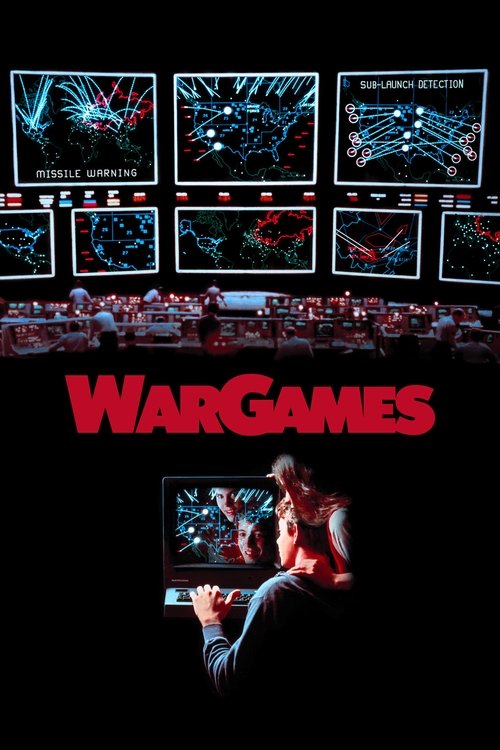
Perhaps nothing captures the 1983 zeitgeist better than John Badham’s WarGames. While it masqueraded as a teen adventure, it was fundamentally a high-stakes techno-thriller that tapped into a very specific Cold War dread. The idea that a teenage boy could accidentally trigger global thermonuclear war from his bedroom was a terrifyingly new concept. It moved the thriller away from smoky backrooms and onto the glowing amber screens of early home computers. Tension was no longer about a man with a gun in an alleyway. It was about an algorithm that did not know the difference between a game and reality.
While computers were threatening the world, David Cronenberg was busy threatening the human mind with Videodrome. It remains one of the most provocative thrillers of that decade, blending body horror with a biting critique of media consumption. In 1983, the rise of cable television and home video felt like a frontier, and Cronenberg turned that frontier into a nightmare. James Woods gave a career-defining performance as a man losing his grip on the physical world as he becomes obsessed with a cryptic broadcast signal. It was a thriller that crawled under the skin and stayed there, forcing the audience to question their own relationship with the images on their screens.
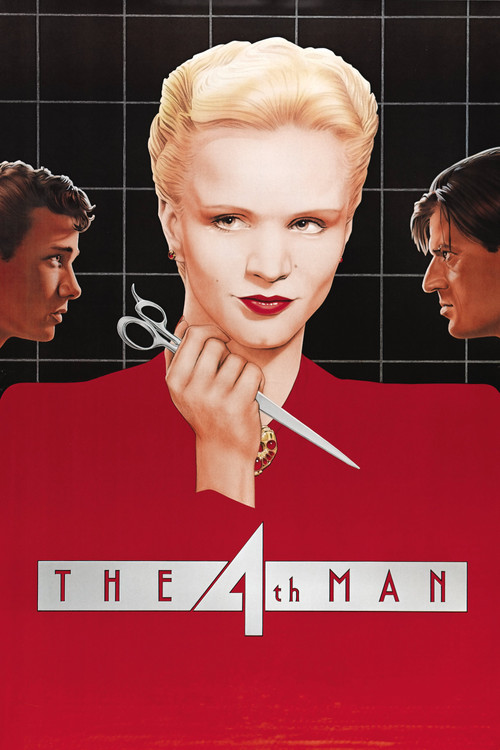
On the more traditional side of the genre, 1983 gave us a masterclass in slow-burn suspense with The Fourth Man. Paul Verhoeven, before he became the provocateur of big-budget Hollywood, delivered a sleek, erotic, and deeply unsettling Dutch thriller. It played with religious symbolism and the archetype of the femme fatale in a way that felt fresh and dangerous. It proved that the genre could still be sophisticated and visually opulent without sacrificing its ability to shock.
We also cannot overlook the impact of Brian De Palma’s Scarface. While often categorized as a crime epic, its DNA is essentially that of a paranoid thriller amplified to a fever pitch. The tension in Al Pacino’s performance is a physical thing, a constant vibration of impending doom. It represented the shift toward the maximalism that would define the rest of the eighties.
Looking back, the thriller landscape of 1983 was characterized by a fascinating restlessness. Filmmakers were experimenting with new fears, from the digital apocalypse to the corruption of the human soul through technology. These films were not just entertainment. They were reflections of a world that was moving faster than people could keep up with. These directors took the quiet, contemplative dread of the previous decade and injected it with the neon energy of the future, creating a collection of films that still feel remarkably prescient today. It was the year the thriller grew up and looked into the monitor, only to find that the monster was looking back.

Jaws 3-D
1983A giant thirty-five-foot shark becomes trapped in a SeaWorld theme park and it's up to the sons of police chief Brody to rescue everyone.
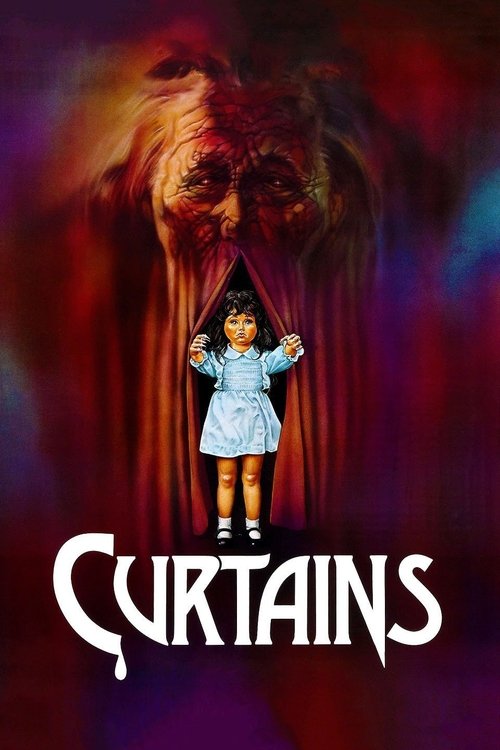
Curtains
1983Six young actresses auditioning for a movie role at a remote mansion are targeted by a mysterious masked murderer.
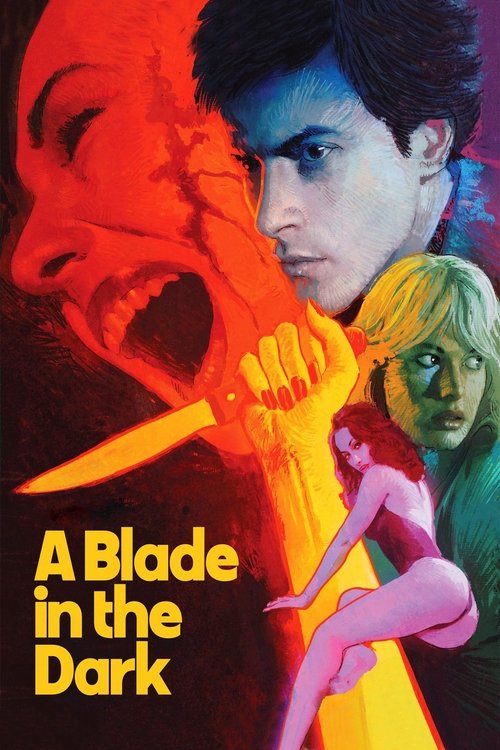
A Blade in the Dark
1983Bruno, an up and coming film composer, has been hired to write the score to a new horror movie. After moving into a secluded villa, life begins to imitate art as a vicious killer starts bumping off anyone and everyone who happens to pay him a visit.

The Lift
1983A lift technician finds himself drawn into a web of mystery and peril as he investigates the perplexing deadly accidents occurring in the elevators of a new office building.
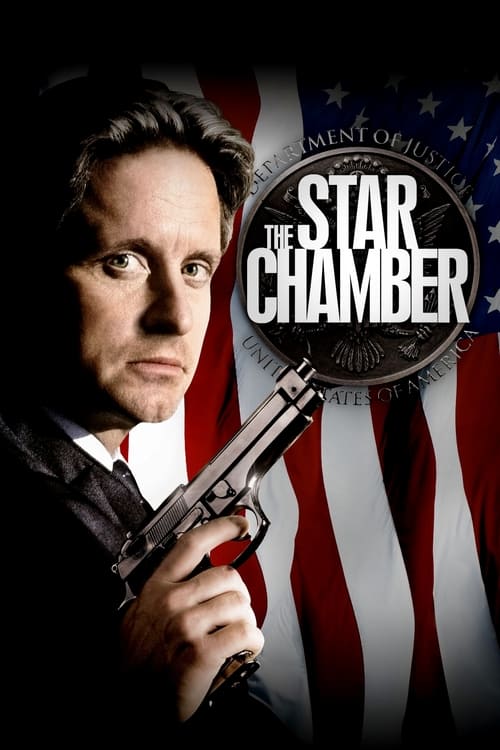
The Star Chamber
1983As violence escalates in Los Angeles and heinous murders are committed, Steven Hardin, a young judge of the California Supreme Court, must struggle with his tortured conscience and growing despair as he watches helplessly as the ruthless criminals brought before his court go free because clever lawyers find obscure loopholes in the law.
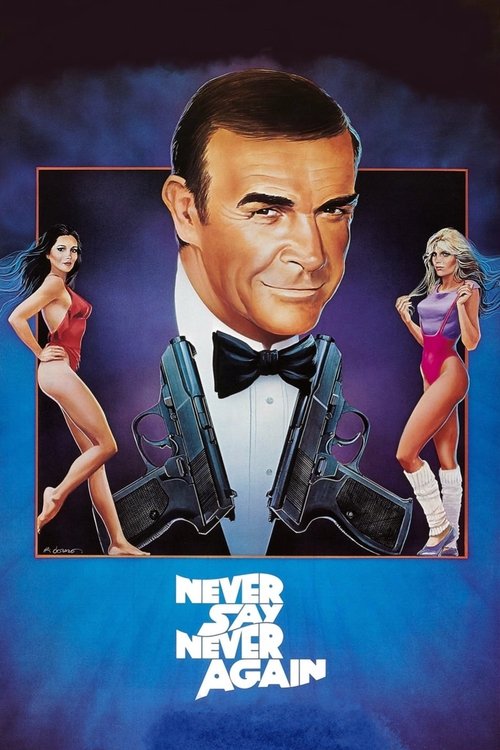
James Bond returns as the secret agent 007 to battle the evil organization SPECTRE. Bond must defeat Largo, who has stolen two atomic warheads for nuclear blackmail. But Bond has an ally in Largo's girlfriend, the willowy Domino, who falls for Bond and seeks revenge.
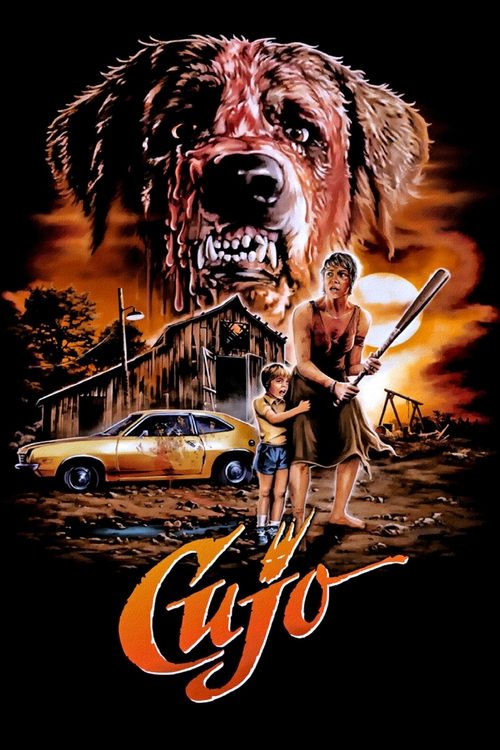
Cujo
1983A friendly St. Bernard named "Cujo" contracts rabies and conducts a reign of terror on a small American town.
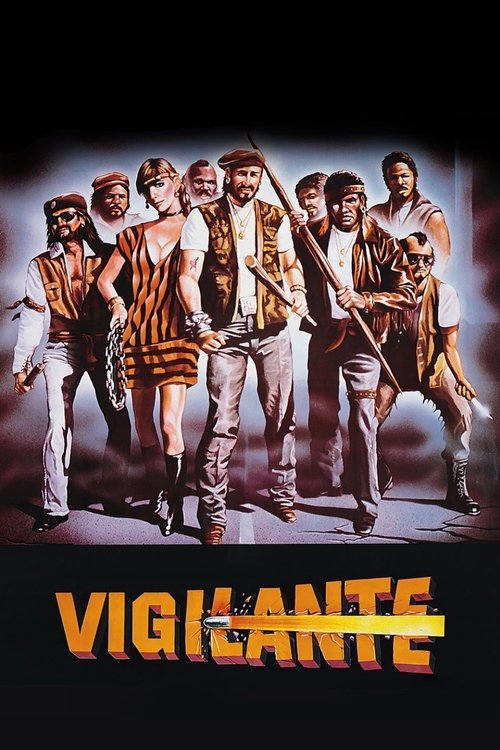
Vigilante
1983New York City factory worker Eddie Marino is a solid citizen and regular guy, until the day a sadistic street gang brutally assaults his wife and murders his child. When a corrupt judge sets the thugs free, he goes berserk and vows revenge.
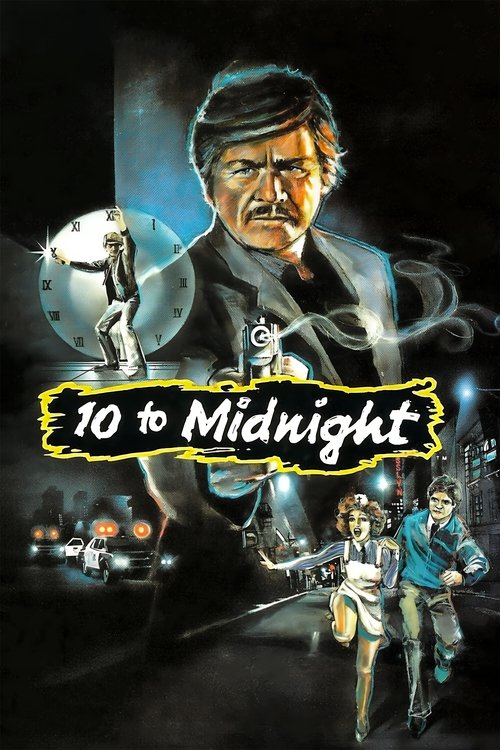
10 to Midnight
1983Warren Stacy, an office equipment repairman, begins murdering women after they reject his advances. To minimize the evidence, Stacy always kills while naked, wearing nothing but gloves, and further evades the law with his strong alibis. Veteran detective Leo Kessler is convinced of Stacy's guilt and begins using questionable methods to catch him.
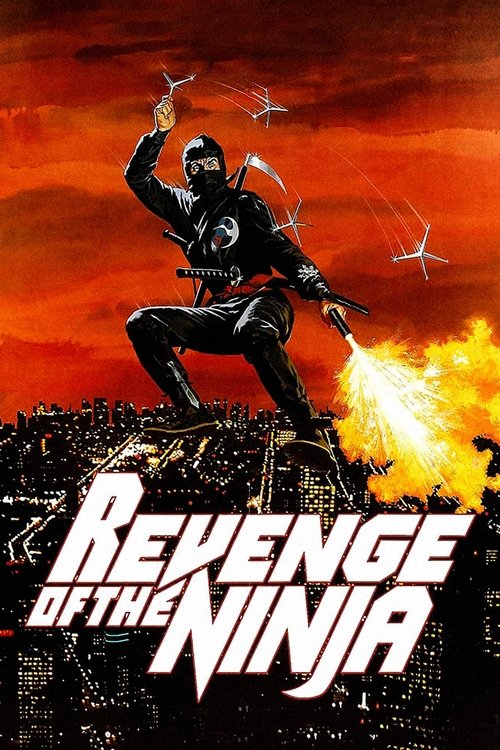
Revenge of the Ninja
1983A peaceful ex-ninja's life shatters when his son's kidnapping forces him back into violence amid an American-Japanese criminal drug war.
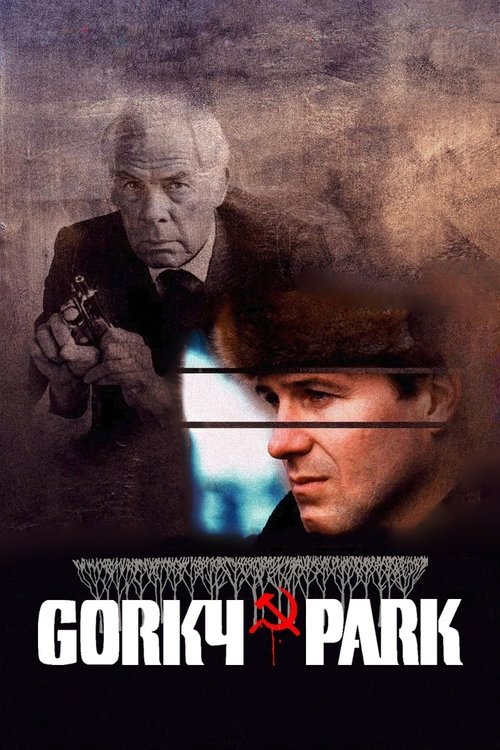
Gorky Park
1983Police Inspector Renko tries to solve the case of three bodies found in Moscow's Gorky Park but finds his attempts to solve the crime impeded by his superiors. Working on his own, Renko seeks out more information and stumbles across a conspiracy involving the highest levels of the government.
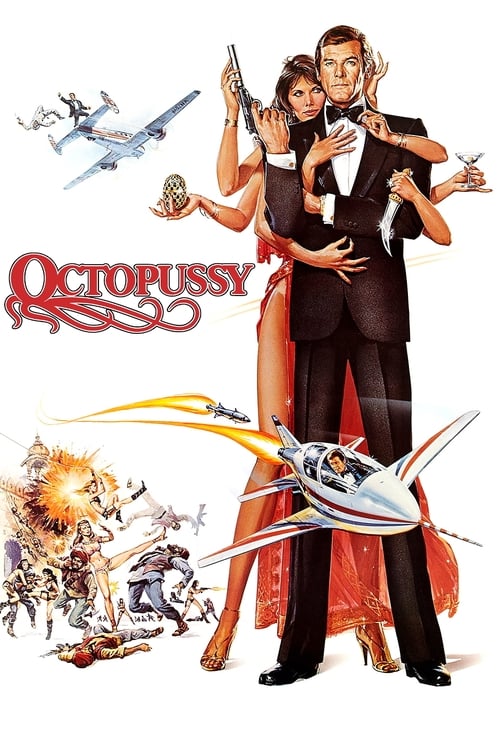
Octopussy
1983James Bond is sent to investigate after a fellow “00” agent is found dead with a priceless Indian Fabergé egg. Bond follows the mystery and uncovers a smuggling scandal and a Russian General who wants to provoke a new World War.
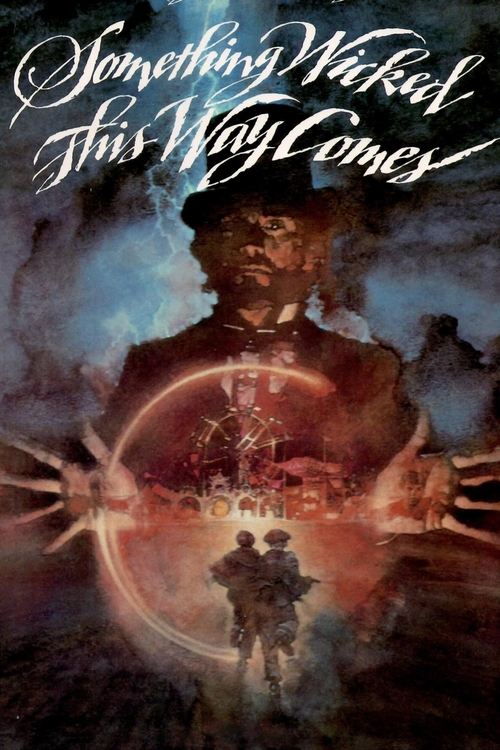
Something Wicked This Way Comes
1983In a small American town, a diabolical circus arrives, granting wishes for the townsfolk, but twisted as only the esteemed Mr. Dark can make them. Can two young boys overcome the worst the devil himself can deal out?
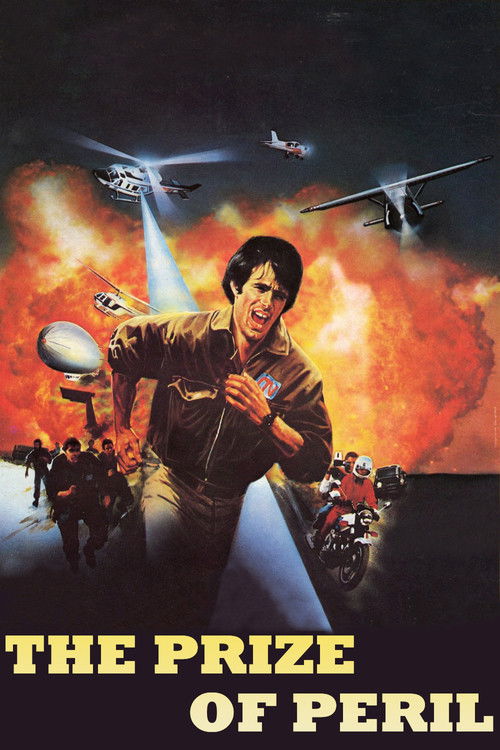
The Prize of Peril
1983In a futuristic society, contestants pit their survival skills against each other in a fight to the death for cash prizes, and the contest is aired live on television.
The 4th Man
1983Morbid Catholic writer Gerard Reve–bisexual, alcoholic, and experiencing frequent visions of death–is invited to give a lecture at the Vlissingen literature club. While in the Amsterdam railway station, he's attracted to a handsome man who embarks on another train. Gerard meets club treasurer and beautician Christine Halsslag, and engage in a one-night-stand. The next morning, Gerard sees a picture of Christine's boyfriend Herman and recognises him as the man at the train station. He urges her to bring Herman to her house to spend a couple of days together, but with ulterior intentions of seduction. During a night on his own, Gerard finds and watches film reels, discovering that Christine had married each; all of whom died in tragic accidents. Believing Christine is a Black Widow, Gerard begins to question whether Herman or he will be her doomed fourth man.
The Outsider
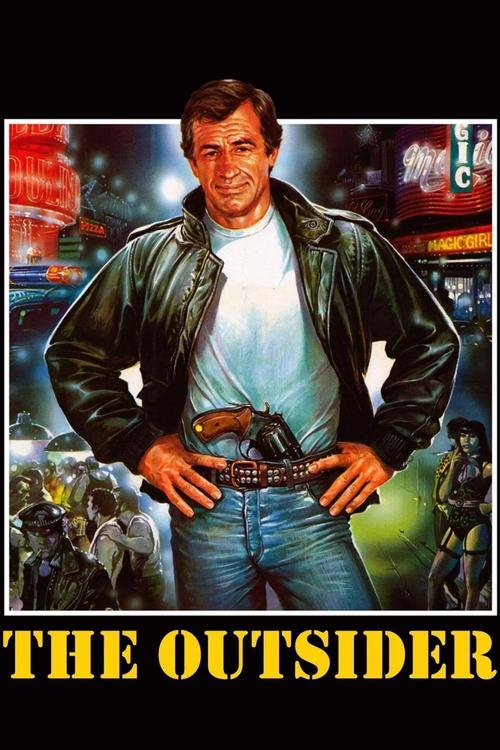
1983Philippe Jordan is a policeman prone to advancing the cause of justice by any means necessary. On his agenda is a powerful drug cartel working out of Paris and Marseilles, with a drug lord who is essentially inaccessible -- but not immortal.
Bad Boys
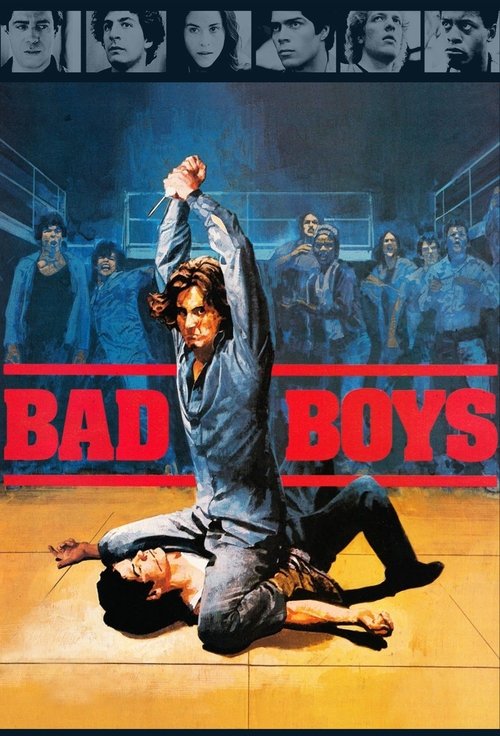
1983Mick O'Brien is a young Chicago street thug torn between a life of petty crime and the love of his girlfriend. But when the heist of a local drug dealer goes tragically wrong Mick is sentenced to a brutal juvenile prison where violence is a rite of passage and respect is measured in vengeance.
Rejecting the polished tropes of the juvenile delinquent genre, this film offers a brutalizing look at the institutionalized violence of the American penal system. Sean Penn’s feral energy provides a raw, kinetic center to a story that finds its tension in the claustrophobic inevitability of a cage match.
WarGames
1983High school student David Lightman has a talent for hacking. But while trying to hack into a computer system to play unreleased video games, he unwittingly taps into the Department of Defense's war computer and initiates a confrontation of global proportions. Together with his friend and a wizardly computer genius, David must race against time to outwit his opponent and prevent a nuclear Armageddon.
John Badham expertly mines the latent anxieties of the nuclear age by framing a global catastrophe through the innocent interface of a bedroom computer. The film’s brilliance lies in its ability to generate white-knuckle suspense from simple lines of code and the cold, mechanical logic of unintended escalation.

Angst
1983A killer is released from prison and breaks into a remote home to kill a woman, her handicapped son and her pretty daughter.
This Austrian nightmare utilizes hyper-kinetic camera work and a disorienting score to simulate the frantic, internal logic of a predatory mind. Its unflinching technical audacity creates a suffocating level of immersion that remains unrivaled in the realm of transgressive home-invasion cinema.
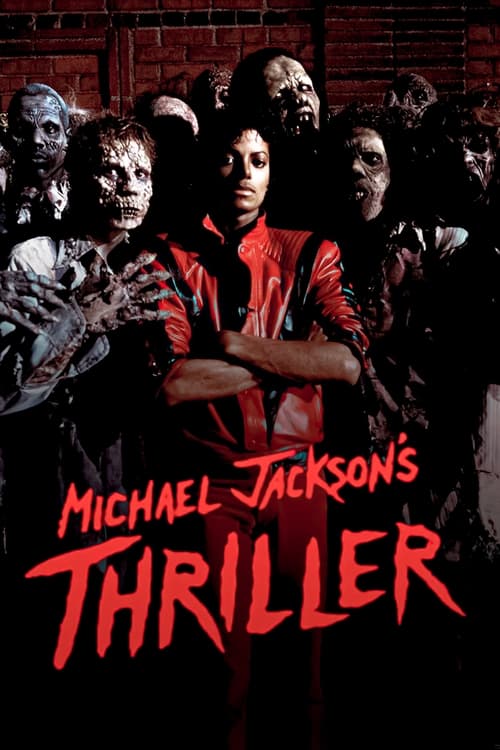
Michael Jackson's Thriller
1983A night at the movies turns terrifying when Michael and his date are attacked by zombies. Released at the height of Thriller’s success, the short film redefined the music video, broke racial barriers, and became the first inducted into the U.S. National Film Registry.
John Landis fundamentally redefined the narrative potential of the music video by injecting it with genuine cinematic dread and high-production value practical effects. This short film stands as a monumental fusion of pop culture and gothic horror that possesses more atmosphere than most full-length features of the era.
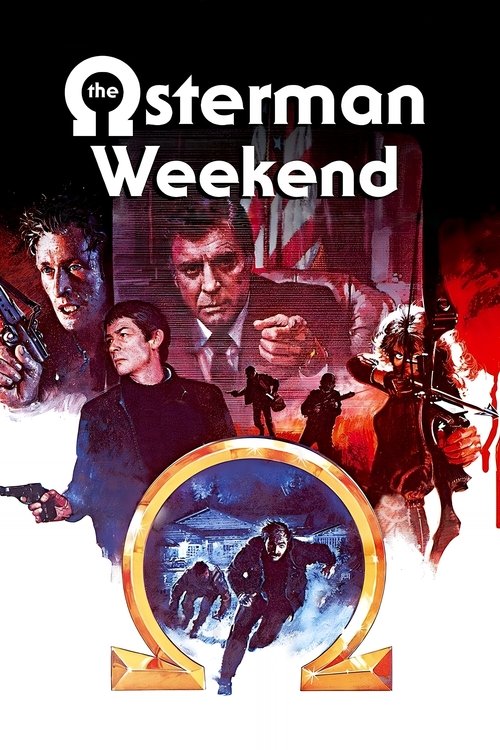
The Osterman Weekend
1983The host of an investigative news show is convinced by the CIA that the friends he has invited to a weekend in the country are engaged in a conspiracy that threatens national security.
Sam Peckinpah’s swansong is a jagged, paranoid jigsaw puzzle that weaponizes the emerging technology of the 1980s against its own characters. It is a cynical and chaotic deconstruction of the media’s ability to manipulate reality through the lens of a domestic siege.
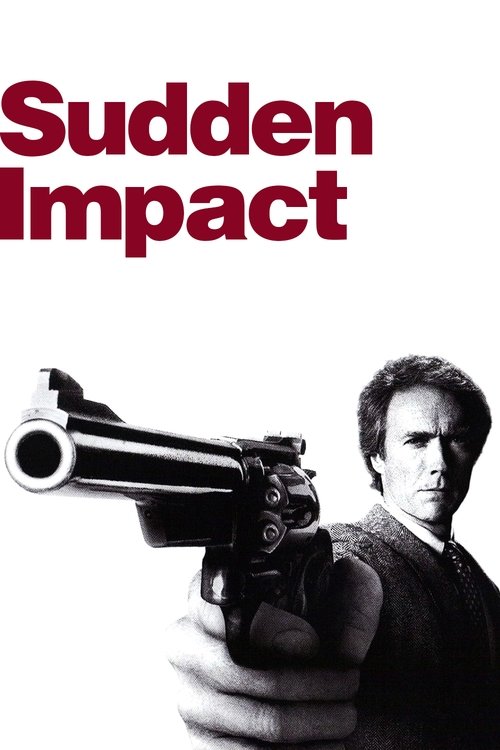
Sudden Impact
1983When a young rape victim takes justice into her own hands and becomes a serial killer, it's up to Dirty Harry Callahan, on suspension from the SFPD, to bring her to justice.
The grittiest entry in the Dirty Harry canon replaces the usual procedural beats with the jagged edges of a revenge noir. Clint Eastwood’s directorial hand leans into a stylized, shadowy aesthetic that mirrors the moral rot of its protagonists.
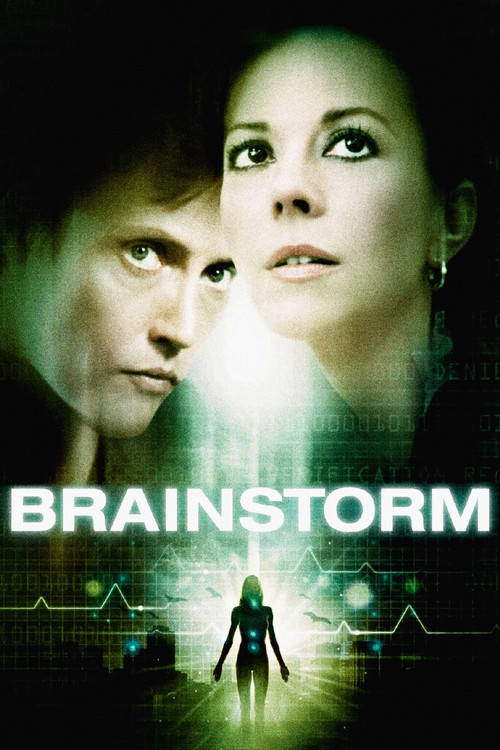
Brainstorm
1983Two brilliant research scientists have invented a device capable of recording and playing back sensory experiences only to have devastating results when one of them records their own death.
Douglas Trumbull’s final directorial effort is a visionary sensory assault that explores the dangerous intersection of human memory and industrial espionage. Its experimental visual language forces the viewer into a vulnerable, first-person perspective that remains a high-water mark for cerebral science-fiction suspense.
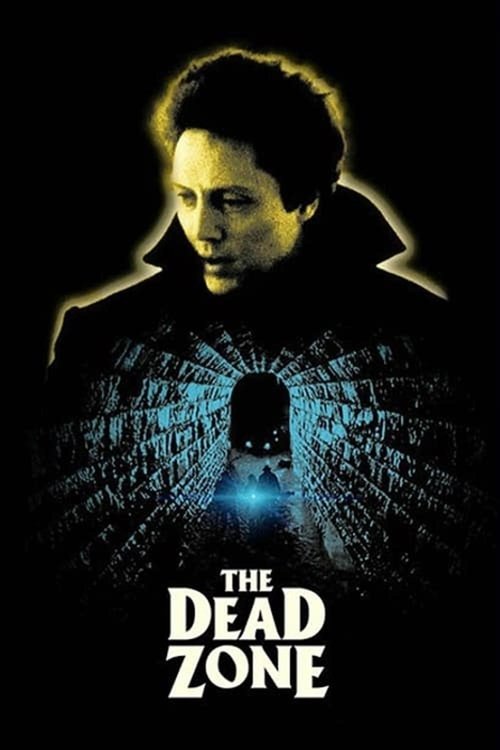
The Dead Zone
1983Johnny Smith is a schoolteacher with his whole life ahead of him but, after leaving his fiancee's home one night, is involved in a car crash which leaves him in a coma for 5 years. When he wakes, he discovers he has an ability to see into the past, present and future life of anyone with whom he comes into physical contact.
David Cronenberg strips away his signature biological horror to deliver a cold, shivering piece of political clairvoyance. Christopher Walken’s haunted performance anchors a narrative that feels less like a supernatural mystery and more like a tragic, inevitable collision with destiny.
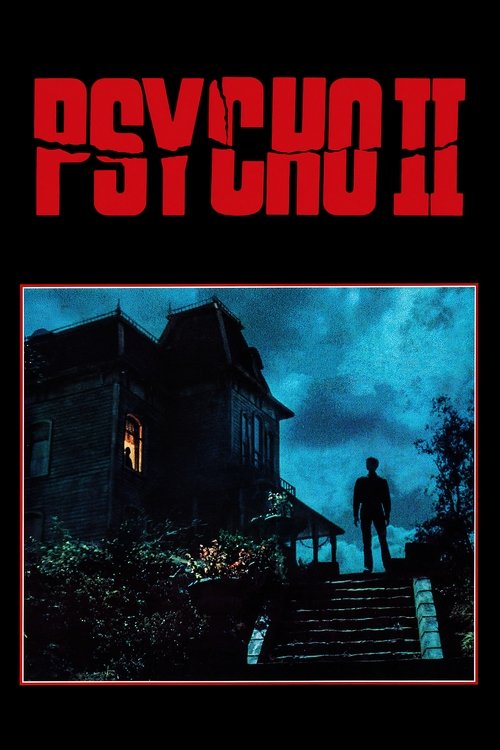
Psycho II
1983Norman Bates is declared sane and released from the facility in which he was being held, despite the complaints of Lila Loomis, sister of his most famous victim. Is he really cured, or will he kill again?
Defying the stigma of the unnecessary sequel, this psychological study weaponizes nostalgia to create a deeply empathetic yet deeply unnerving portrait of a fractured mind. Richard Franklin avoids slasher tropes in favor of a Hitchcockian precision that keeps the audience in a perpetual state of moral vertigo.
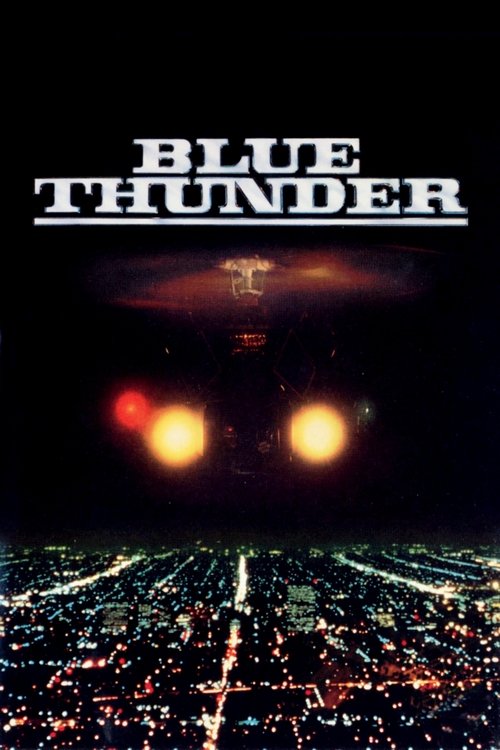
Blue Thunder
1983Los Angeles, California. Officer Murphy, a veteran Metropolitan Police helicopter pilot suffering from severe trauma due to his harsh experiences during the Vietnam War, and Lymangood, his resourceful new partner, are tasked with testing an advanced and heavily armed experimental chopper known as Blue Thunder.
John Badham transforms the surveillance state into a high-octane spectacle, utilizing pioneering aerial cinematography to capture the terrifying intimacy of urban voyeurism. It remains a masterclass in muscular, hardware-driven tension that anticipates the militarization of local law enforcement.
Frequently Asked Questions
Everything you need to know about this list and SnakeDrafts
- Thriller movies from 1983 often delve into themes of technological anxiety, psychological tension, and the erosion of domestic security. Films like "WarGames" and "Blue Thunder" reflect societal fears of technology, while "Psycho II" and "The Dead Zone" explore deeper psychological and supernatural thrills.
- Several 1983 thrillers blend science fiction with suspense, including "WarGames," which explores the dangers of nuclear war through computer hacking, and "Brainstorm," which centers on experimental technology affecting human perception. "The Dead Zone," with its psychic abilities storyline, also fits this hybrid genre.
- Yes, the 1983 thriller genre featured acclaimed directors such as David Cronenberg with "The Dead Zone," John Badham who directed both "Blue Thunder" and "WarGames," and Clint Eastwood with "Sudden Impact." These filmmakers brought distinct styles that shaped the tension and pacing of their suspenseful narratives.
- Michael Jackson's "Thriller" is a unique entry blending horror and thriller elements with music. Directed by John Landis, this short film revolutionized music videos by incorporating a gripping and eerie storyline that complements the song's supernatural themes, making it a cultural icon in entertainment.
- Psychological dramas are central to the 1983 thriller landscape, providing nuanced explorations of the human psyche amidst suspenseful plots. Films like "Psycho II" and "Angst" delve into disturbed characters and intense mental states, adding depth and complexity to the genre beyond typical action thrills.
- Many 1983 thrillers incorporate dynamic action scenes, such as "Sudden Impact," which combines crime thriller elements with high-paced action, and "Octopussy," a James Bond adventure filled with suspense and espionage action. These films effectively balance adrenaline-fueled moments with narrative tension.
- The thrillers of 1983 often mirror the Cold War anxieties and cultural shifts of the early '80s, emphasizing mistrust, espionage, and technological power. Movies like "The Osterman Weekend" and "WarGames" depict paranoia and political intrigue, highlighting the era's uncertainty and fear of surveillance and nuclear conflict.
- Thrillers in 1983 tend to combine the intellectual paranoia of the seventies with emerging blockbuster-style action and special effects. Unlike many seventies thrillers focused solely on psychological dread, 1983 films like "Blue Thunder" and "Brainstorm" pioneer a blend of cerebral themes with high-octane visuals and technological motifs.