Best SciFi Movies of 1981, Ranked
Retro Galactic Visions and Post Apocalyptic Thrills
Explore the best cult classic science fiction films from a landmark year in cinema. Discover dystopian futures, space adventures, and animated fantasies.
About 1981 SciFi Movies
The year 1981 represents a strange, fascinating crossroads in the history of science fiction cinema. If the late seventies were defined by the earnest wonder of Close Encounters of the Third Kind and the operatic heroism of Star Wars, 1981 was the year the genre began to grow teeth. It was a period of transition where the blockbuster polish of the New Hollywood era met a rising tide of grit, cynicism, and practical effects that still make modern digital artists weep with envy.
To understand the landscape of 1981, you have to look at the shadows. This was the year that gave us John Carpenter’s Escape from New York, a film that traded the sterile white corridors of 2001: A Space Odyssey for the decaying, neon-soaked ruins of a maximum security Manhattan. Kurt Russell’s Snake Plissken became the blueprint for the eighties anti-hero, suggesting that the future was not something to be explored, but something to be survived. This cynical edge was everywhere. It was reflected in Peter Hyams’ Outland, which essentially took the plot of High Noon and transplanted it to a mining colony on Jupiter’s moon, Io. By grounding the sci-fi spectacle in the blue-collar exhaustion of industrial labor, Outland proved that the future would be just as dirty and bureaucratic as the present.
However, the genre was not just leaning into pessimism; it was also embracing the bizarre. 1981 saw the release of Heavy Metal, an animated anthology that successfully translated the drug-fueled, hyper-sexualized, and wildly imaginative spirit of the eponymous magazine to the big screen. It was loud, chaotic, and unapologetically adult, pushing the boundaries of what Western audiences expected from animation. On a more conceptual level, the year also gave us Scanners. David Cronenberg’s masterpiece of biological horror and psychic warfare gifted cinema one of its most indelible images, a literal head-exploding moment that signaled a move toward a more viscous, tactile form of speculative fiction.
Even the family-friendly offerings possessed a strange, dark energy. Terry Gilliam’s Time Bandits was a massive success, blending historical satire with cosmic fantasy in a way that felt dangerous and unpredictable. It lacked the sanitized safety of modern children’s cinema, ending on a note that was famously bleak yet perfectly in tune with the year’s experimental spirit.
While 1982 is often cited by historians as the ultimate year for the genre due to the arrival of Blade Runner and The Thing, 1981 was the necessary forge that shaped those aesthetics. It was the year when filmmakers realized they could use futuristic settings to explore contemporary anxieties about urban decay, corporate overreach, and the frailty of the human body. The genre was maturing, moving away from the simplistic morality of the space opera and into the complex, murky waters of the sci-fi thriller. Looking back four decades later, the films of 1981 feel remarkably modern. They prioritized atmosphere over explanation and texture over technology. They reminded us that no matter how far we travel into the stars or the future, we take our flaws, our filth, and our fears with us.
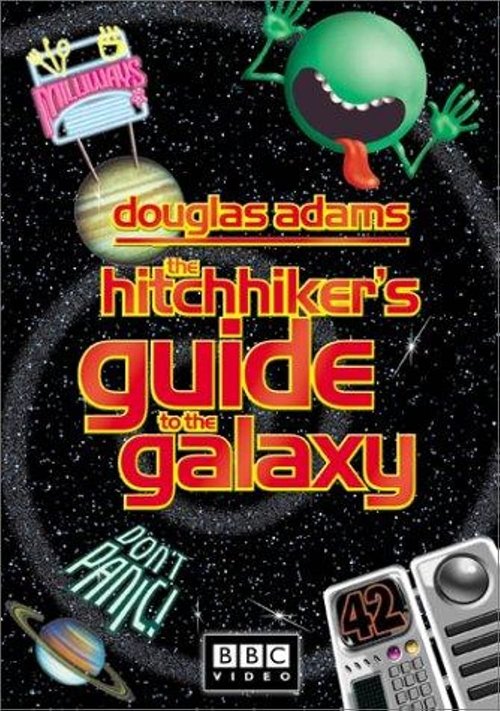
The Hitch Hikers Guide to the Galaxy
1981An Earth Man and his alien friend escape an exploding Earth, and set forth on an odd adventure across the universe with a known fugitive.
Douglas Adams’ sharp-witted absurdity makes a seamless transition to the screen, utilizing lo-fi ingenuity to emphasize the sheer cosmic insignificance of humanity. The production’s deadpan delivery and brilliant budgetary workarounds successfully translate a uniquely literary brand of philosophical satire into a visual cult landmark.
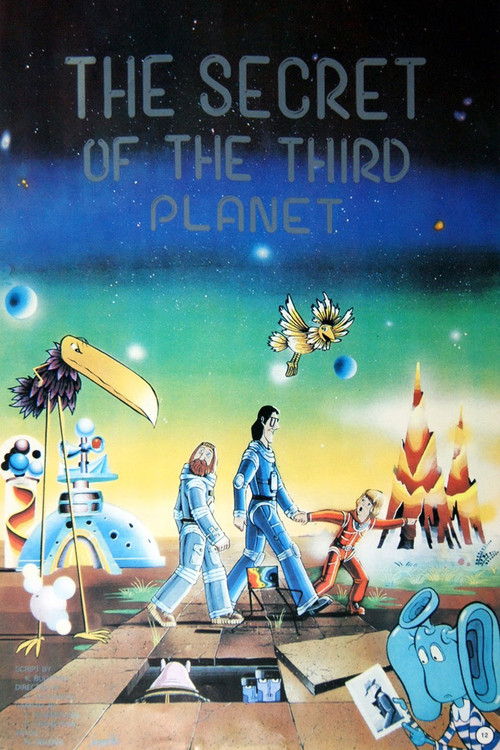
The Secret of the Third Planet
1981At the end of the 22nd century Alisa Seleznyova, her father Professor Seleznyov and pilot Zelyony go on a space expedition to find rare animals for Moscow Zoo. On the way they seem to encounter a mysterious conspiracy led by Doctor Verhovtsev against legendary Two Captains Kim and Buran. The only clue is a talking bird Сhatterer [Govorun] that our heroes accidentally took possession of.
Coming from the Soviet Union, this cult animation offers a vibrant, psychedelic departure from Western tropes through its whimsical character designs and surreal extraterrestrial flora. It remains a testament to the era’s imaginative breadth, blending a distinct Eastern European aesthetic with a sense of genuine intergalactic wonder.
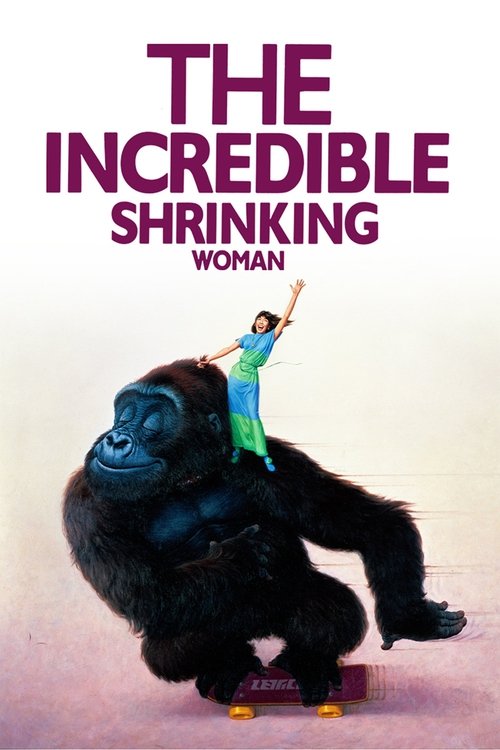
The Incredible Shrinking Woman
1981After being exposed to a bizarre mixture of household chemicals, Pat Kramer begins to shrink. This baffles scientists, makes parenting difficult, warms the hearts of Americans, and captures the attention of a group of people who want to take over the world. This evil group plots to kidnap Pat and perform experiments on her so that they can eventually shrink everyone.
Lily Tomlin’s versatile physicality elevates this pastel-hued satire into a biting critique of consumerist excess and the domestic entrapment of the modern housewife. It utilizes ingenious practical scaling effects to underscore a subversive message about the shrinking agency of the individual in a world governed by corporate chemicals.

Heavy Metal
1981The embodiment of ultimate evil, a glowing orb terrorizes a young girl with bizarre stories of dark fantasy, eroticism and horror.
This kaleidoscopic anthology pulses with a libidinous, counter-culture energy that pushed adult animation into the mainstream through a haze of rotoscoping and heavy riffs. By weaving together disparate threads of cosmic fantasy and eroticized technology, it captures the psychedelic fringe of the decade's speculative imagination.

Mad Max 2
1981Max Rockatansky returns as the heroic loner who drives the dusty roads of a postapocalyptic Australian Outback in an unending search for gasoline. Arrayed against him and the other scraggly defendants of a fuel-depot encampment are the bizarre warriors commanded by the charismatic Lord Humungus, a violent leader whose scruples are as barren as the surrounding landscape.
George Miller reinvented the kinetic language of the chase, elevating the wasteland to a high-octane mythic stage where metal and bone collide with operatic ferocity. Its lean, visual-first storytelling set a new benchmark for world-building, proving that the most compelling futures are stripped of excess and fueled by pure desperation.
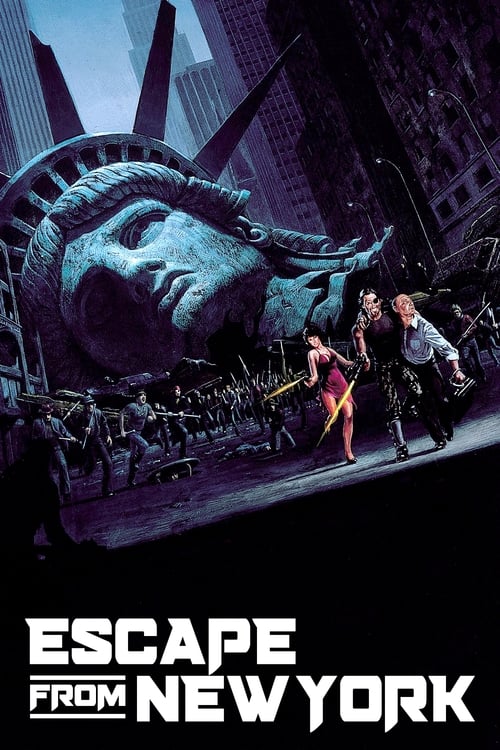
In a world ravaged by crime, the entire island of Manhattan has been converted into a walled prison where brutal prisoners roam free. After the US president crash-lands inside, war hero Snake Plissken has 24 hours to bring him back.
John Carpenter transforms the decaying carcass of Manhattan into a neon-streaked nihilistic playground, defining the aesthetic of the urban apocalypse for a generation. Kurt Russell’s Snake Plissken emerges as the ultimate anti-authoritarian icon within a cynical, synth-driven vision of a United States turned inward on its own rot.
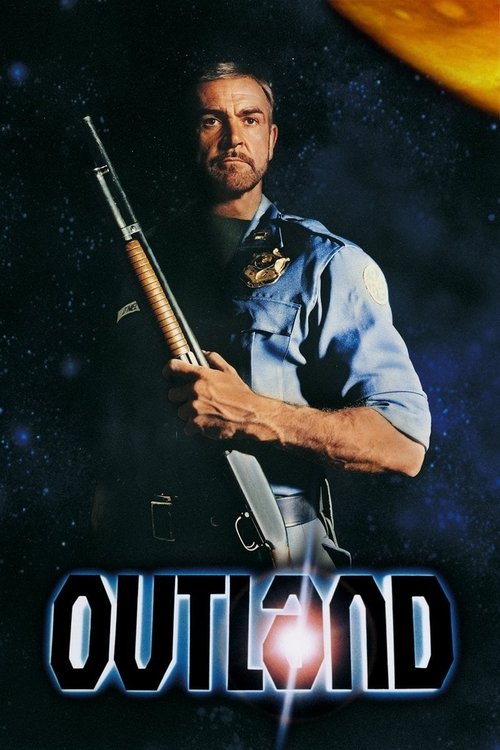
Outland
1981On the sunless moon Io, Marshall William T. O’Niel goes toe-to-toe with the corrupt manager of a mining colony and his gang of roughnecks while investigating a rash of worker suicides.
Peter Hyams transposes the skeletal grit of a classic Western onto a sulfurous moon of Jupiter, creating a claustrophobic masterclass in blue-collar industrial futurism. Sean Connery’s weathered performance anchors a rare hard-science thriller that prioritizes tactile machinery and corporate apathy over space opera escapism.
Frequently Asked Questions
Everything you need to know about this list and SnakeDrafts
- Outland is a unique 1981 sci-fi film that blends science fiction with Western and crime thriller elements, set on a mining colony in space. Directed by Peter Hyams, it stars Sean Connery and is renowned for its tense, atmospheric storytelling.
- Escape from New York, directed by John Carpenter, is a landmark dystopian sci-fi thriller from 1981 that depicts a future where Manhattan has been turned into a maximum-security prison. Its gritty tone and anti-hero protagonist reflect the darker, more cynical approach to sci-fi emerging in that era.
- Mad Max 2, directed by George Miller, significantly shaped the post-apocalyptic genre with its intense action sequences, desolate landscapes, and innovative stunt work. Its portrayal of survival in a resource-depleted world set a new standard for sci-fi thrillers in the early '80s.
- Heavy Metal stands out as a pioneering animated sci-fi film from 1981 that combines fantasy, adventure, and music with adult themes. Its anthology format showcases various stories inspired by the cult magazine it’s named after, making it an influential cult classic.
- Yes, The Incredible Shrinking Woman and The Secret of the Third Planet are family-friendly sci-fi films from 1981 featured on this list. These movies blend science fiction with comedy, adventure, and animation, appealing to younger audiences and those looking for lighter fare.
- The 1981 adaptation of The Hitchhiker's Guide to the Galaxy is notable for its quirky humor and imaginative take on space adventure. Directed by Alan J.W. Bell, it translates Douglas Adams' beloved book into a unique blend of comedy and science fiction.
- Practical effects played a crucial role in defining the gritty, realistic atmosphere of 1981 sci-fi films like Escape from New York and Mad Max 2. These effects contributed to the immersive worlds and intense action scenes that characterize the era, predating digital effects dominance.
- The sci-fi movies of 1981 showcase themes of dystopia, survival, and futuristic adventure, often with a gritty and cynical tone. They also explore imaginative concepts through diverse formats, including animated anthologies and family comedies, reflecting the genre's expansion during that year.