Best Horror Movies of 1972, Ranked
Vintage Vengeance and Classic Cinematic Chills
Explore the best horror cinema from a landmark year. From cult slashers to gothic terrors, discover the definitive guide to terrifying vintage films.
About 1972 Horror Movies
The year 1972 exists in a strange, shivering pocket of cinema history. It was a time when the classical elegance of the mid-century creature feature had finally rotted away, replaced by something far more cynical and sweaty. If the sixties ended with the psychological fracture of Psycho and the nihilism of Night of the Living Dead, then 1972 was the year the genre officially moved into the grime. Looking back from a half-century away, it remains one of the most pivotal and genuinely uncomfortable years for horror fans.
The landscape was fractured between the dying gasp of Gothic elegance and the birth of the modern slasher. Hammer Horror was still trying to keep the lights on in England, but the formula was curdling. Dracula A.D. 1972 saw Christopher Lee’s count resurrected in a world of bell-bottoms and funk music, a desperate attempt to make the ancient vampire relevant to the youth. While it has a certain kitsch charm today, at the time it signaled that the old monsters were losing their grip on our collective nightmares.
In the United States, the terror was becoming terrestrial and disturbingly human. This was the year of Deliverance, a survival thriller that functioned as a horror movie in every way that mattered. It tapped into a primal fear of the wilderness and the breakdown of urban masculinity, proving that you did not need a supernatural curse to create lasting trauma. But even more transgressive was Wes Craven’s debut, The Last House on the Left. It was a film that stripped away the artifice of cinema entirely. Inspired by Ingmar Bergman’s The Virgin Spring, Craven’s film replaced poetic justice with raw, amateurish violence that felt dangerously real. It was a movie that people did not just watch; they survived it.
While Craven was revolting the censors, Bob Clark was quietly inventing the template for the slasher film. Before he made Black Christmas or A Christmas Story, he gave us Deathdream. It was a haunting allegory for the Vietnam War, featuring a soldier who returns home not quite right. It used the language of horror to process the national grief and suspicion of the era, proving that the genre could handle heavy sociopolitical weight.
Across the Atlantic, the Italians were perfecting the Giallo. 1972 gave us Lucio Fulci’s Don’t Torture a Duckling, a masterpiece of rural superstition and religious hypocrisy. Unlike the American focus on grit, Giallo films brought a high-fashion aesthetic to their brutality, utilizing bright colors and sweeping scores to turn murder into a baroque art form.
Perhaps the most understated gem of the year was Horror Express. It featured the iconic duo of Christopher Lee and Peter Cushing trapped on a train with a prehistoric, brain-draining entity. It was a bridge between the old world and the new, combining Victorian atmosphere with a sci-fi concept that felt fresh.
By the end of 1972, the rules of horror had been rewritten. The monsters were no longer confined to castles or outer space. They were in our woods, in our houses, and reflected in our own violent history. It was the year the genre stopped apologizing for its darkness and started looking squarely into the abyss. We have been staring back ever since.
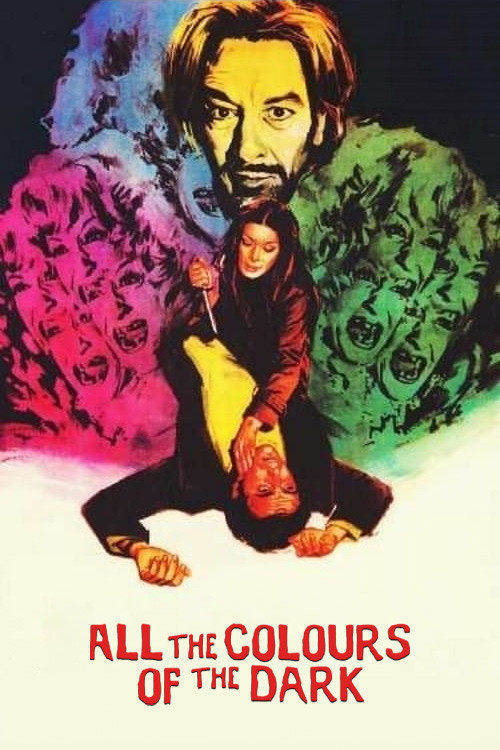
All the Colours of the Dark
1972After a car accident that caused the loss of her baby, Jane experiences an increasing amount of nightmares that shake her to her core. After seeking professional help, her haunting visions turn into an even more frightening reality, one full of black magic, blood orgies, and murder.
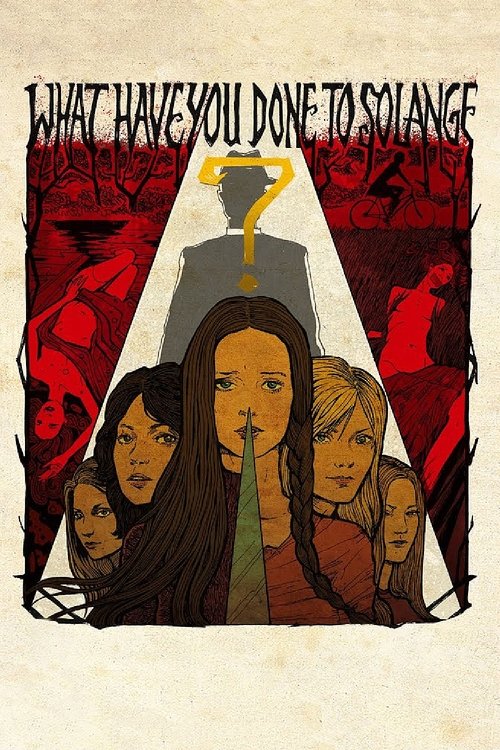
What Have You Done to Solange?
1972After several Catholic school pupils are murdered, a teacher who is having an affair with one of his students becomes a suspect. When other gruesome murders start occurring shortly thereafter, the teacher suspects that he may be the cause of them.
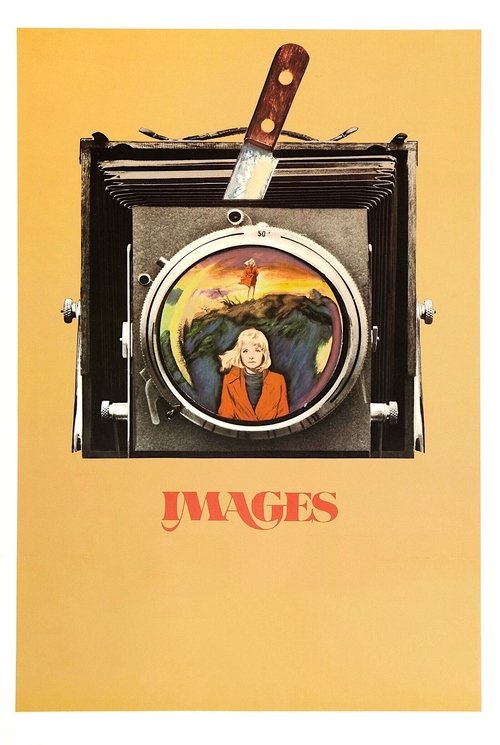
Images
1972While holidaying in Ireland, a pregnant children's author finds her mental state becoming increasingly unstable, resulting in paranoia, hallucinations, and visions of a doppelgänger.
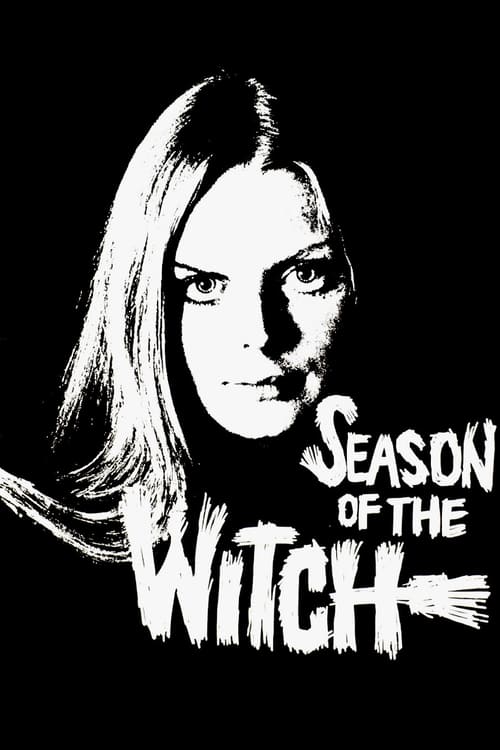
Hungry Wives
1972An unhappy suburban housewife gets mixed up in witchcraft with unexpected consequences.
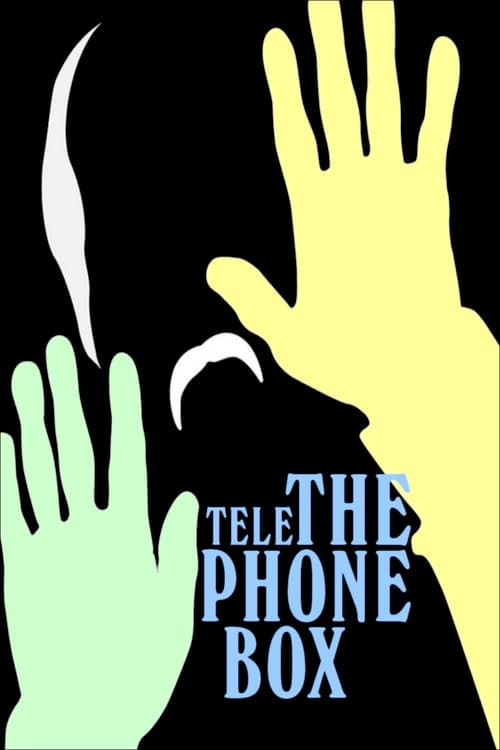
The Telephone Box
1972A man gets trapped inside a telephone box and nobody is able to free him.
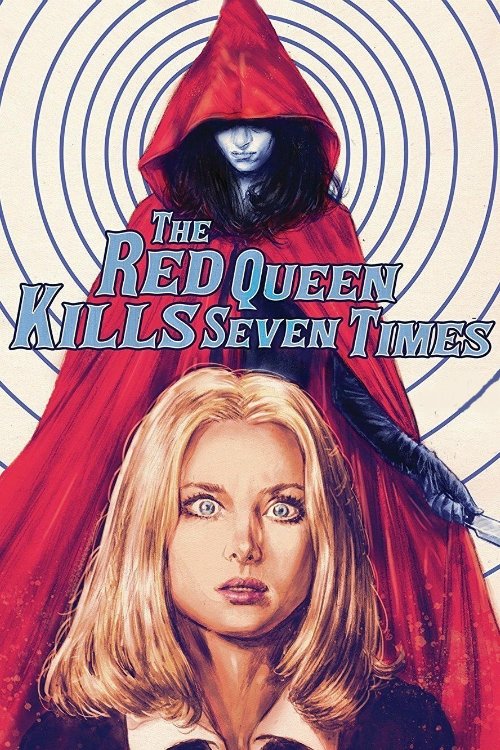
The Red Queen Kills Seven Times
1972After the death of their grandfather, two sisters inherit their family castle, which is said to be haunted by the Red Queen, whom legend says claims seven lives every hundred years. When a mysterious woman in a red cloak starts targeting their circle of friends, the sisters begin to suspect there might be some truth to the legend.
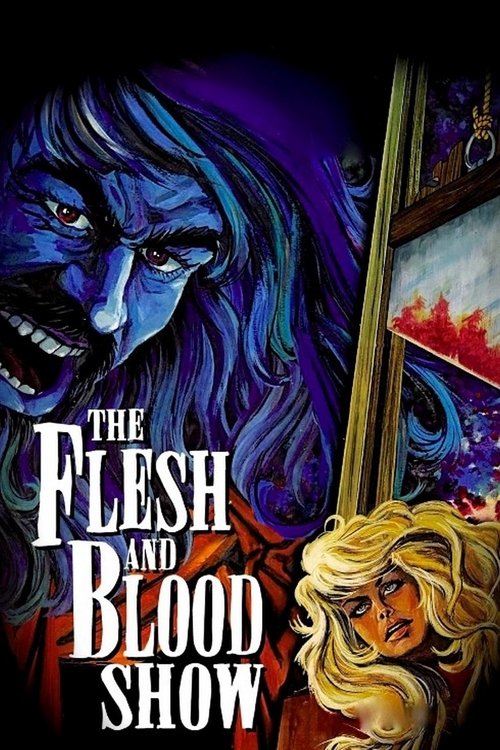
The Flesh and Blood Show
1972Actors rehearsing a show at a mysterious seaside theater are being killed off by an unknown maniac.
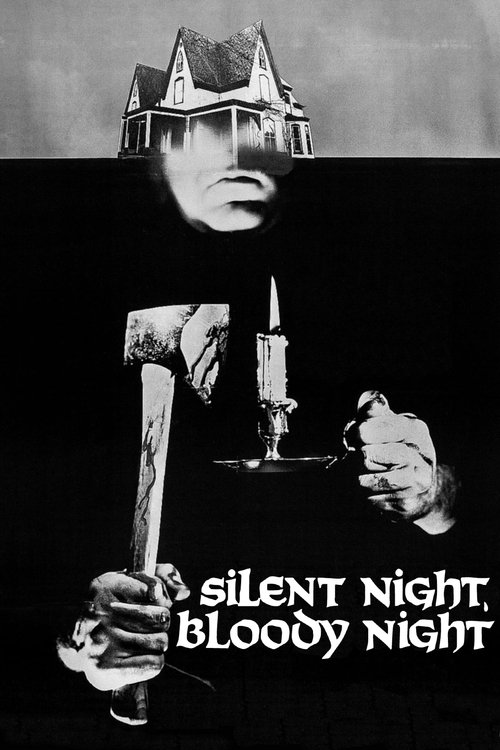
Night of the Dark Full Moon
1972A man investigates the grisly crimes that occurred in a former insane asylum, unsettling the locals who all seem to have something to hide.
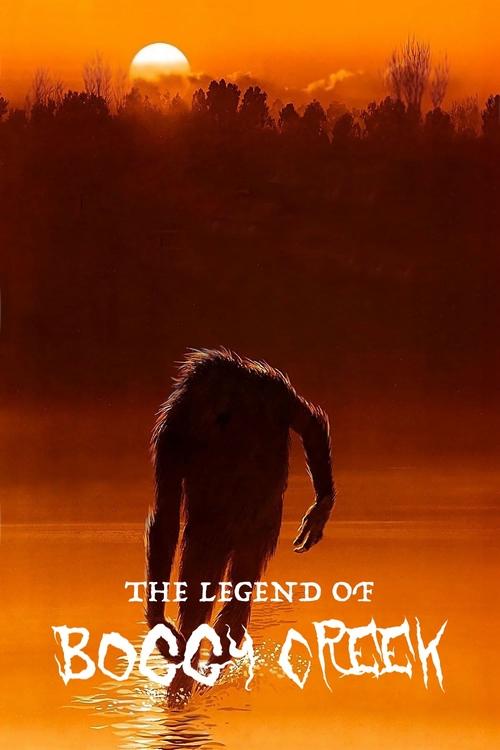
The Legend of Boggy Creek
1972A documentary-style drama based on true accounts of the Fouke Monster in Arkansas.
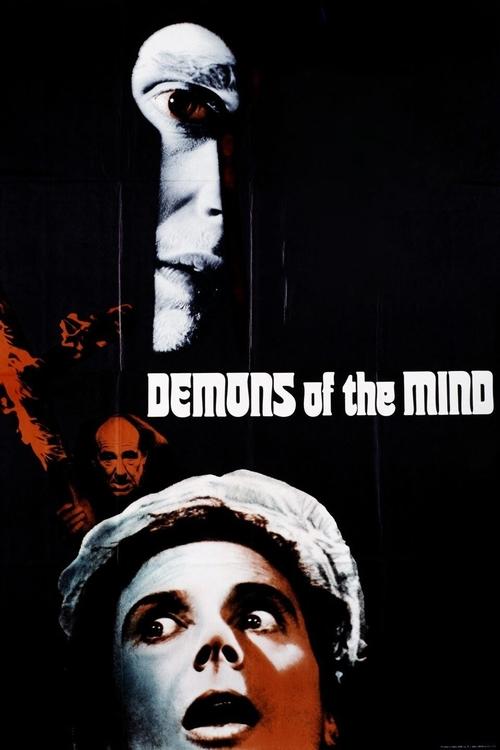
Demons of the Mind
1972A physician discovers that two children are being kept virtually imprisoned in their house by their father. He investigates, and discovers a web of sex, incest and satanic possession.
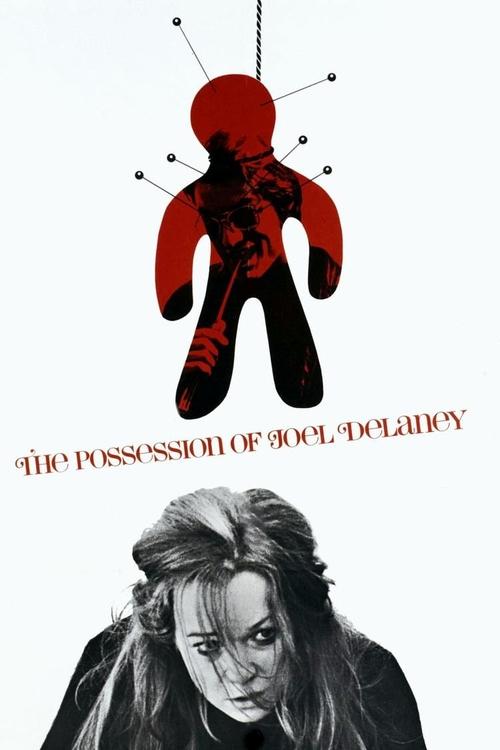
The Possession of Joel Delaney
1972An upper-class Manhattan divorcee comes to believe that her brother is possessed by the spirit of a serial killer who beheaded young women in Spanish Harlem.
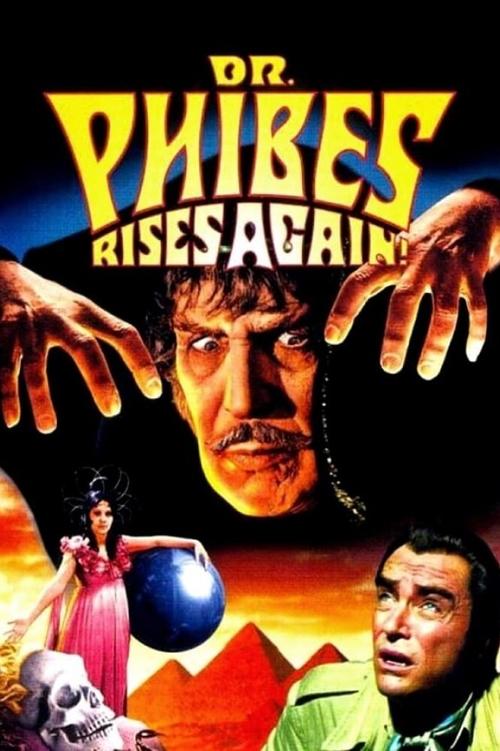
Dr. Phibes Rises Again
1972The eminent Dr. Phibes awakens from a decade of suspended animation and heads to Egypt with the corpse of his dead wife, which he intends to resurrect by murdering people in strange and heinous ways.
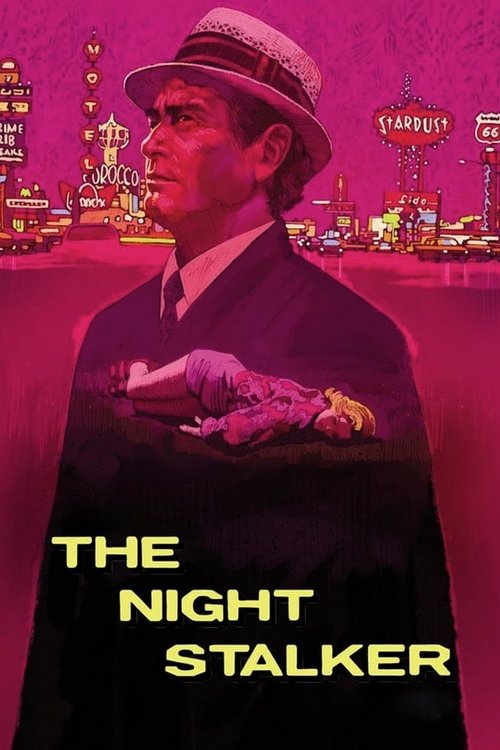
The Night Stalker
1972Wisecracking reporter Carl Kolchak investigates a string of murders in Las Vegas and suspects the culprit is a vampire. His editor thinks he's crazy and the police think he's a nuisance, so Kolchak takes matters into his own hands.
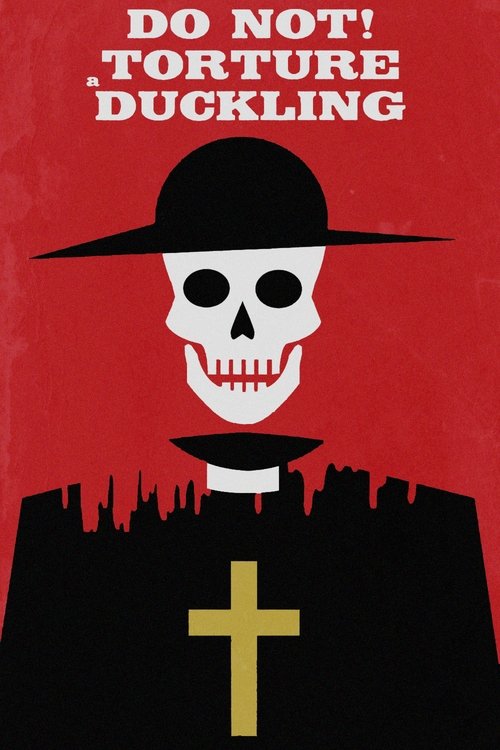
Don't Torture a Duckling
1972A reporter and a promiscuous young woman try to solve a series of child killings in a remote southern Italian town rife with superstition and a distrust of outsiders.
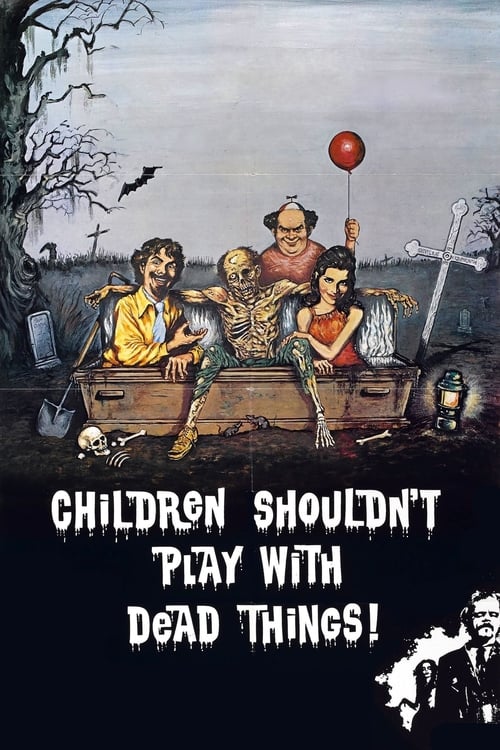
Children Shouldn't Play with Dead Things
1972Six actors go to a graveyard on a remote island to act out a necromantic ritual. The ritual works, and soon the dead are walking about and chowing down on human flesh.
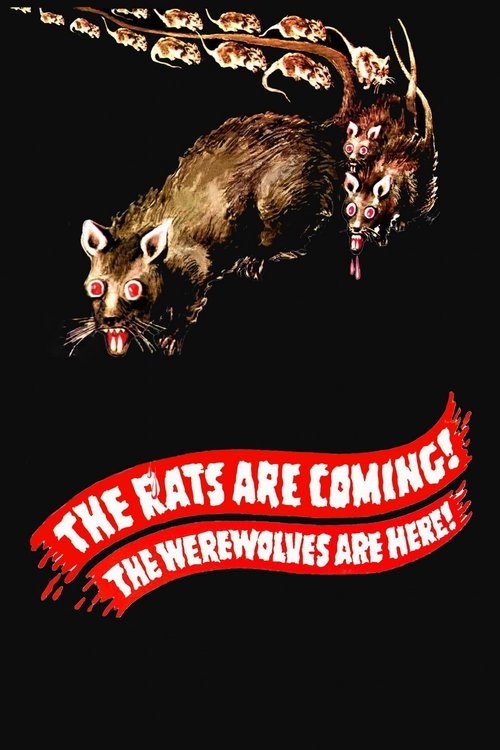
The Rats Are Coming! The Werewolves Are Here!
1972The daughter in a family of werewolves decides to put an end to the family curse.
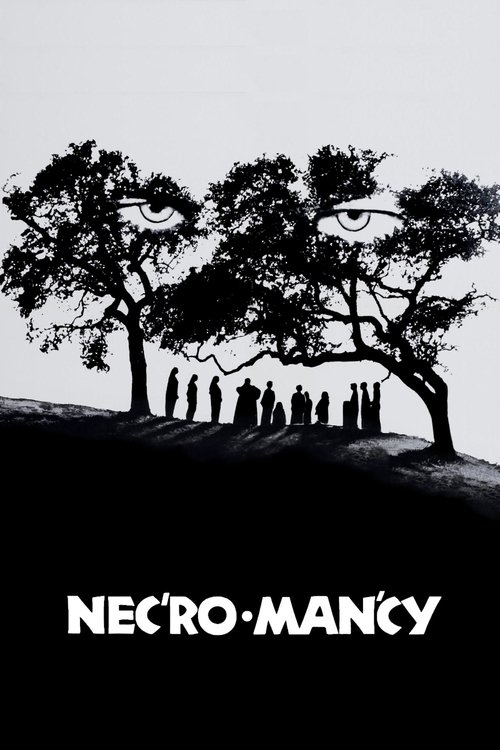
Necromancy
1972After Lori suffers a stillbirth, her husband Frank obtains a job with a northern California toy company. Frank's new boss, the mysterious Mr. Cato, explains that Frank's position will involve magic. Cato, who seemingly holds enormous influence over the town, pursues the power of necromancy and believes that Lori holds the key that will help him resurrect his own dead son.
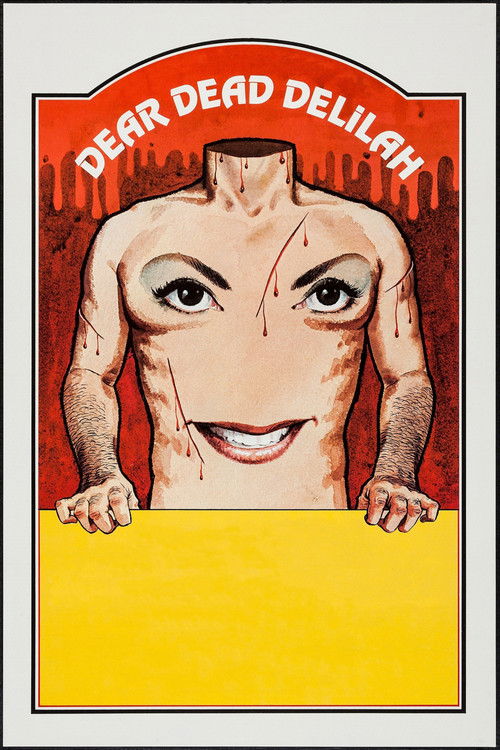
Dear Dead Delilah
1972The stern matriarch of a family that lives in a creepy mansion finds that a killer is hiding in the house, searching for a $600,000 fortune rumored to be hidden there and chopping off the heads of anyone who gets in the way.
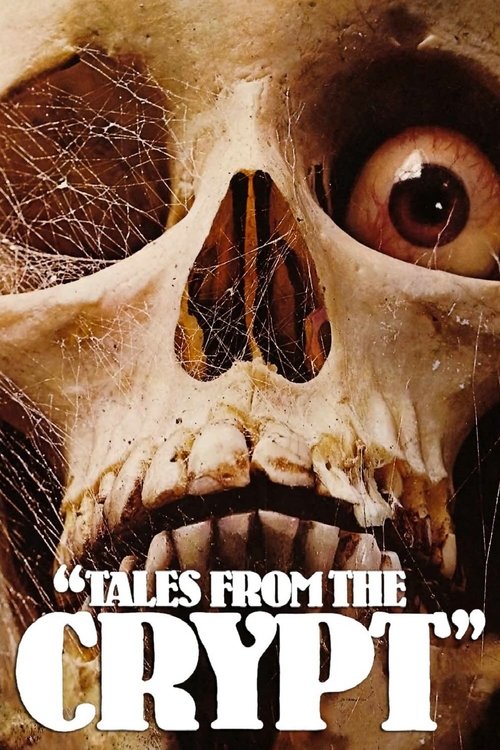
Tales from the Crypt
1972When a tourist group become lost within ancient catacombs, they meet the sinister Crypt Keeper, who tells them each their fate. The enigmatic figure's macabre stories involve a wife dabbling in murder, a retired sanitation worker targeted by his suspicious neighbors, and an adulterer who may face a fitting demise if the yarns come true.
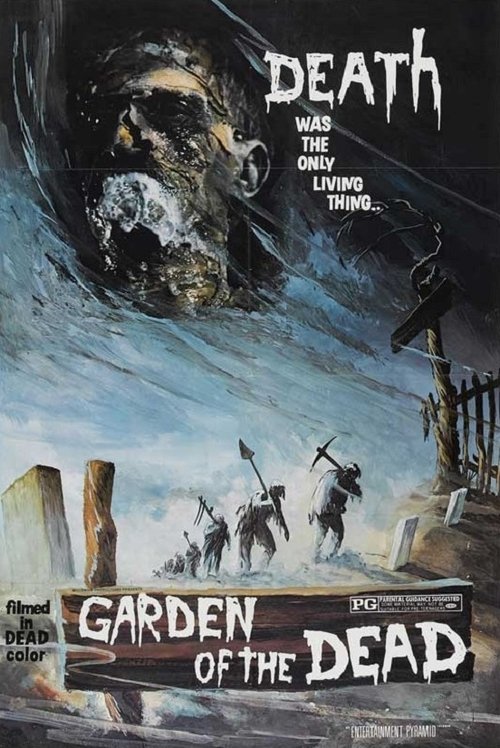
Garden of the Dead
1972Convicts on a chain gang sniff formaldehyde fumes to get high. They attempt a prison break and are shot down by the guards. After being buried, they rise from the dead, killing all in their path with shovels and hoes.
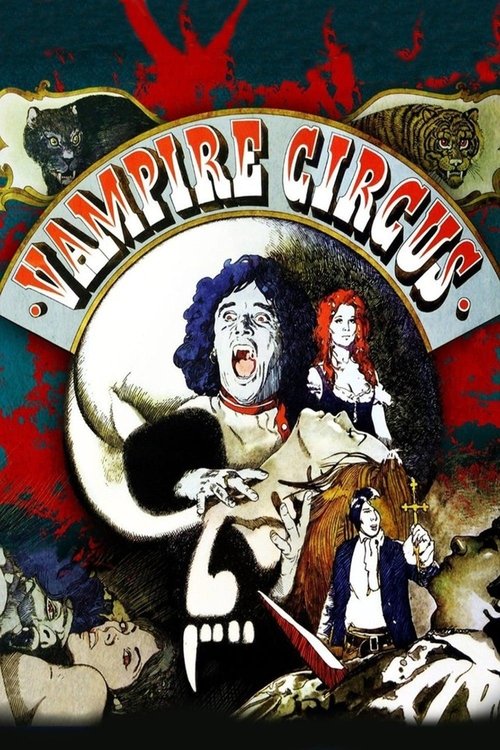
Vampire Circus
1972After a spate of murders, the villagers of Schtettel kill the depraved perpetrator, Count Mitterhouse. Fifteen years later the Circus of Nights appeared in the plague-ridden village and its performers include Mitterhouse's mistress, children and cousins. They have come to Schtettel to fulfil the Count's last words, an evil, vicious curse of death and destruction on those who participated in his impaling. The children of Schtettel become the targets for a brutal and devastating revenge as the Vampire Circus rehearses for its most deadly performance.
Hammer Productions found a late-period spark with this vibrant, kinetic tale that infuses traditional gothic horror with a sense of carnal energy and circus-infused dread. The film’s lavish production design and transgressive spirit offer a decadent swan song for the studio’s golden era.
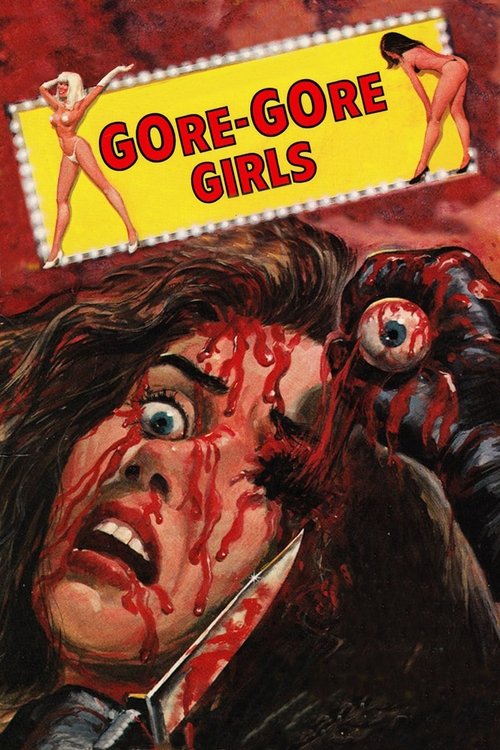
The Gore Gore Girls
1972A young reporter enlists a top notch private eye to solve the murder of a female stripper at a Chicago nightclub.
Herschell Gordon Lewis concludes his career with a garish, neon-drenched spectacle of absurdity that pushes the splatter subgenre to its absolute breaking point. It is an unapologetic, low-budget exercise in grand guignol that serves as a defiant bridge between vintage exploitation and modern slasher tropes.
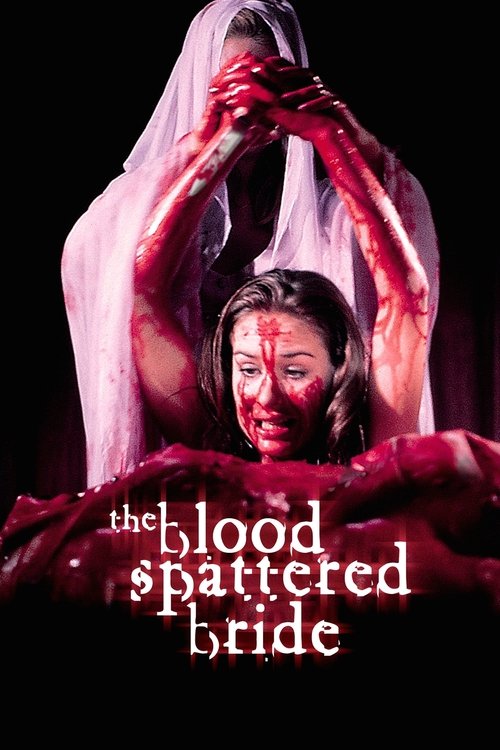
The Blood Spattered Bride
1972A young newlywed woman begins to have disturbing nightmares just after settling into the old mansion that has belonged to her husband's family for centuries. When her sinister dreams come true, the innocent bride is caught in a maddening maze of unspeakable horrors.
A hallucinatory blend of surrealism and eroticism, Vicente Aranda’s cult classic uses the vampire framework to interrogate repressed desire and marital entrapment. Its striking, blood-soaked imagery serves as a provocative exploration of the feminine psyche in crisis.
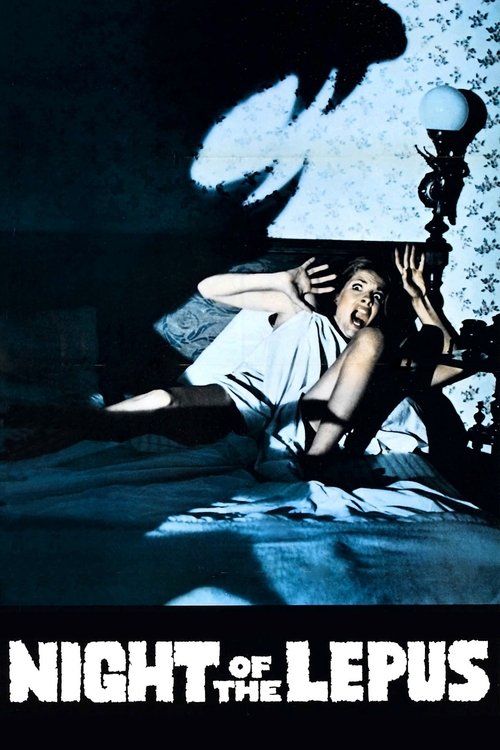
Night of the Lepus
1972Rancher Cole Hillman is fed up of rabbits plaguing his fields. Zoologist Roy Bennett conducts an experiment to curb their population, but it gives rise to giant rabbits that terrorise the town.
While often cited for its camp potential, this creature feature is a fascinating relic of eco-horror earnestness that manages a bizarre, hypnotic rhythm. The sheer audacity of its practical effects and its refusal to wink at the audience give it a singular, surrealist charm.
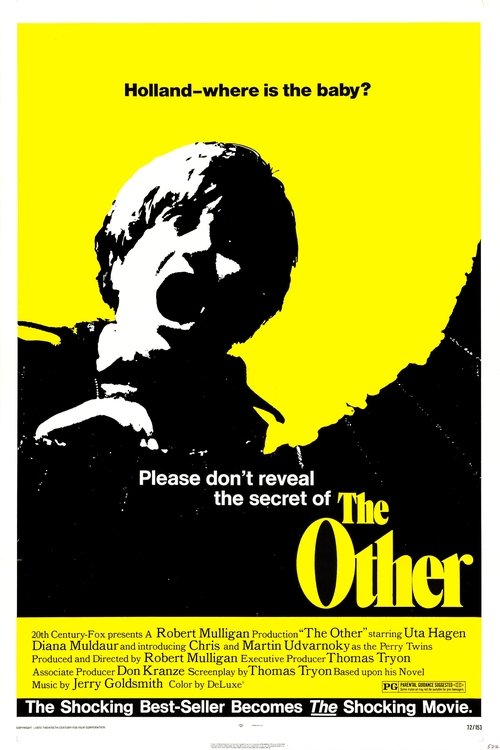
The Other
1972A series of gruesome accidents plague a small American farming community in the summer of 1935, encircling two identical twin brothers and their family.
Robert Mulligan swaps the warmth of his earlier work for a chilling, sun-drenched pastoral dread that explores the psychological rot beneath a picturesque surface. Its subtle, literary approach to the 'evil twin' trope prioritizes mounting unease over cheap jump scares.
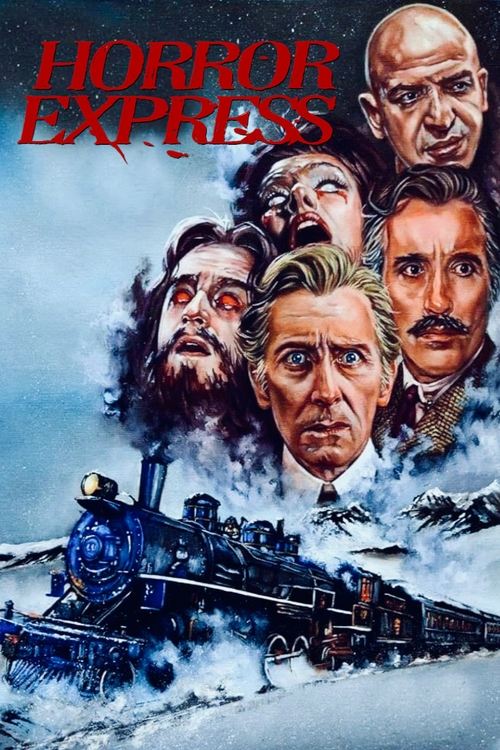
Horror Express
1972Mysterious and unearthly deaths start to occur while Professor Saxton is transporting the frozen remains of a primitive humanoid creature he found in Manchuria back to Europe.
This claustrophobic gem successfully grafts an alien intelligence onto a classic locomotive setting, powered by the incomparable chemistry of Peter Cushing and Christopher Lee. It is a brisk, imaginative hybrid of Victorian gothic and cold-blooded science fiction.
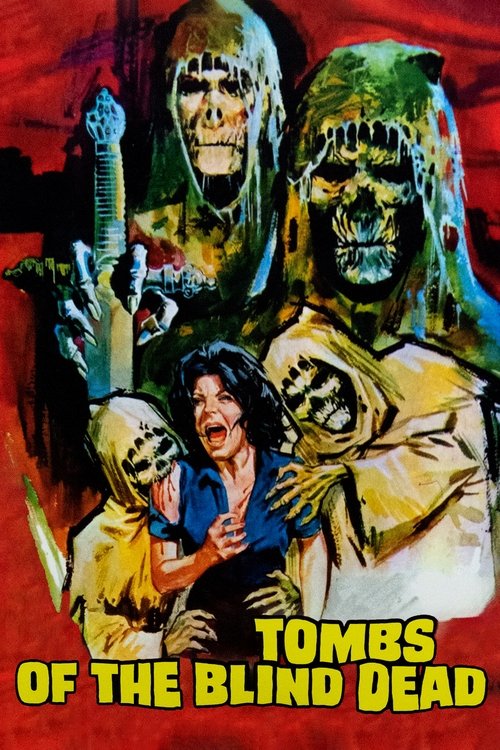
Tombs of the Blind Dead
1972In 13th century Berzano, a legion of knights known as the Templar were executed for conducting black magic rituals and committing human sacrifices in a quest for eternal life. 700 years later, they rise from the dead and attack a group of vacationing college students who visit the remains of their abandoned monastery.
Amando de Ossorio birthed a unique nightmare with his skeletal, slow-motion Templars who hunt by sound rather than sight. The film’s eerie atmosphere and decayed aesthetic established a haunting new visual language for European supernatural horror.
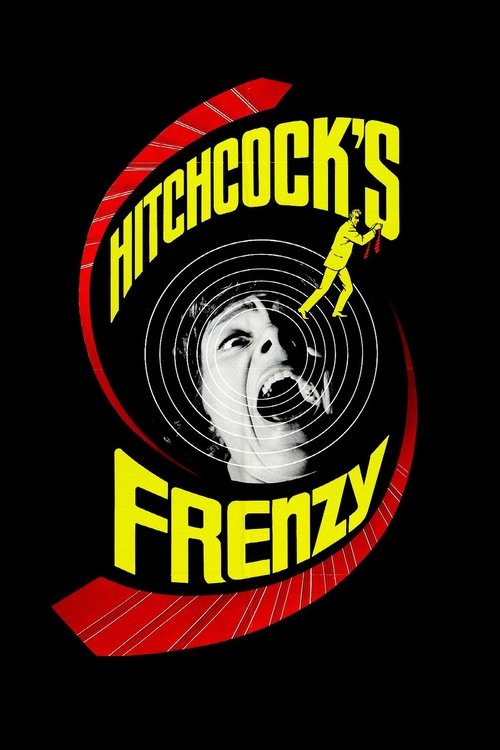
Frenzy
1972London is terrorized by a vicious sex killer known as The Necktie Murderer. Following the brutal slaying of his ex-wife, down-on-his-luck Richard Blaney is suspected by the police of being the killer. He goes on the run, determined to prove his innocence.
Returning to his London roots, Alfred Hitchcock traded his usual suspense for a mean-spirited, tactile cruelty that proved the Master of Suspense could still outpace his disciples. The film is a masterclass in urban squalor, anchored by a chillingly predatory antagonist and unflinching technical precision.
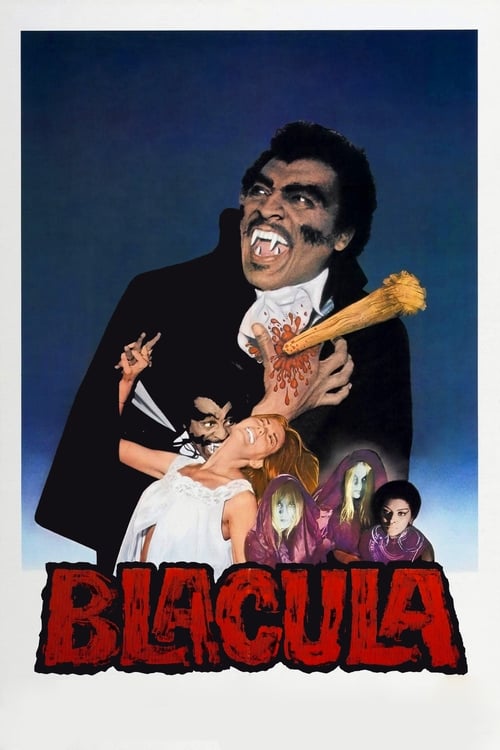
Blacula
1972An 18th century African prince is turned into a vampire while visiting Transylvania. Two centuries later, he rises from his coffin attacking various residents of Los Angeles and meets Tina, a woman who he believes is the reincarnation of his deceased wife.
William Marshall delivers a performance of Shakespearean gravity that elevates this film far above standard exploitation fare. It stands as a landmark of Blaxploitation cinema, blending sharp social commentary with a soulful, tragic reimagining of the vampire mythos.
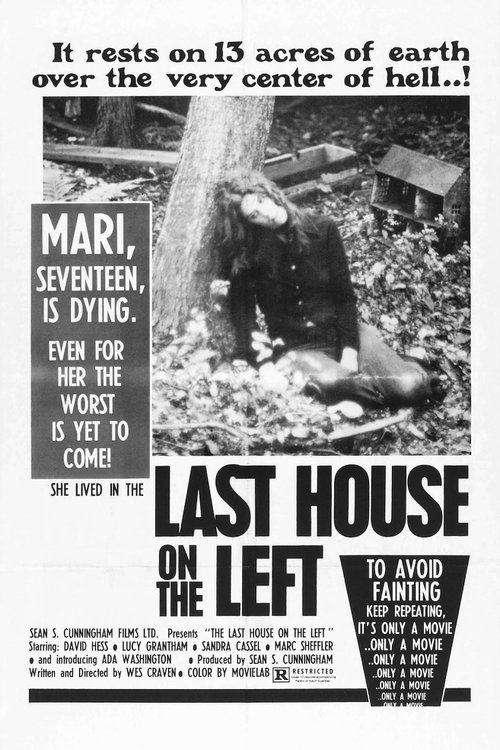
The Last House on the Left
1972On the eve of her 17th birthday, Mari and friend Phyllis set off from her family home to attend a rock concert in the city. Attempting to score some drugs on the way, the pair run afoul of a group of vicious crooks, headed up by the sadistic Krug.
Wes Craven’s debut is a seismic shift in the genre, stripping away gothic artifice to confront the viewer with a harrowing, nihilistic realism. Its raw, documentary-style brutality redefined the boundaries of onscreen violence and remains a foundational text of the New Hollywood horror movement.
Frequently Asked Questions
Everything you need to know about this list and SnakeDrafts
- Horror films in 1972 marked a shift towards grittier, more cynical storytelling, moving away from the classical elegance of mid-century creature features. This year’s movies often embraced psychological terror and nihilism, reflecting societal anxieties of the era.
- Frenzy, directed by Alfred Hitchcock, skillfully combines horror, crime, and thriller elements, crafting a suspenseful narrative centered on a serial killer in London. It highlights Hitchcock's mastery in blending psychological tension with grim subject matter.
- Yes, Blacula stands out as a notable film from 1972 that mixes horror with fantasy elements. This vampire movie presents a unique take on the horror genre by integrating African American cultural themes and supernatural folklore.
- The horror films of 1972 often mirror the decade's bleak societal outlook, showcasing themes of violence, moral decay, and fear of the unknown. Movies like The Last House on the Left and Tombs of the Blind Dead explore raw, unsettling narratives that resonate with the era's loss of innocence.
- Yes, The Gore Gore Girls is a noteworthy horror-comedy from 1972, blending gory visuals with dark humor. This film exemplifies how horror cinema of the early ’70s began experimenting with hybrid genres to diversify audience appeal.
- Night of the Lepus and The Rats Are Coming! The Werewolves Are Here! are two 1972 horror films that diverge from standard monsters by featuring giant rabbits and werewolf rats respectively. These films showcase the experimental creature concepts that defined the period.
- The films from 1972 helped pave the way for modern horror by pushing boundaries in violence, psychological horror, and supernatural themes. Directors like Wes Craven, who contributed with The Last House on the Left, later became key figures in evolving the genre.
- Yes, Vampire Circus offers a classic gothic horror experience with atmospheric settings and traditional vampire lore. This film maintains the spooky aesthetic of earlier horror but through a distinctly 1970s lens, providing a bridge between old and new horror styles.