Best Horror Movies of 1973, Ranked
Classic Chills and Cult Favourites From a Golden Year
Explore the best cinema of the seventies with our definitive guide to the year's top supernatural thrillers, gothic tales, and cult classic screamers.
About 1973 Horror Movies
If you want to pinpoint the exact moment horror shed its gothic skin and stepped into the terrifying light of the modern era, you have to look at 1973. It was a year defined by a seismic shift in how we processed fear. Before this, the genre often felt like a collection of campfire tales or costumed melodramas. But as the world grappled with political disillusionment and a breakdown of traditional social structures, horror movie directors decided to stop hiding behind cobwebbed castles. They brought the nightmare home, and in doing so, they changed the cinematic landscape forever.
No discussion of 1973 can begin anywhere else but with The Exorcist. When it arrived in December, it did more than just break box office records; it caused a genuine cultural panic. William Friedkin took the spiritual struggle between good and evil and grounded it in a cold, clinical reality. By placing a demon inside the body of a young girl in a suburban townhouse, he proved that the ultimate violation could happen in the most sacred space of all: the family unit. The film took horror out of the drive-ins and put it into the center of the national conversation, demanding to be taken seriously as high art.
While Friedkin was exploring the terror of the spiritual world, Robin Hardy was looking at the horror inherent in belief itself. The Wicker Man remains the gold standard of folk horror, a subgenre that found its peak in 1973. It ditched the darkness for the sunlight of a remote Scottish island. By following a devout policeman into a community of pagans, the film suggests that horror is not always a monster under the bed. Sometimes it is simply a group of people whose logic is entirely different from your own. Its ending remains one of the most haunting images in history because it feels so inevitable and communal.
Across the ocean in Italy, the giallo movement was reaching a Fever Pitch with Sergio Martino Torso, which laid the groundwork for the slasher boom that would dominate the following decade. Meanwhile, in the United Kingdom, Nicolas Roeg was blending grief and the supernatural in Don't Look Now. This masterpiece used non-linear editing and a chilling Venetian atmosphere to show that horror could be a profound meditation on loss. It suggested that we are not haunted by ghosts, but by the memories of the people we could not save.
The year also gave us oddities that predicted the future of visceral practical effects. The Crazies showed George Romero exploring a viral outbreak that turned neighbors into killers, a theme that feels uncomfortably prescient today. Even the more traditional offerings, like The Legend of Hell House, felt sharper and more aggressive than the hammer horror films of the previous decade.
By the end of 1973, horror had been vindicated. It was no longer a basement genre for children and thrill seekers. It had become a mirror for a society that was losing its faith in institutions and becoming increasingly aware of the darkness lurking behind the white picket fence. These films did not just provide jumps; they provided a psychological confrontation that lingered long after the credits rolled. We are still living in the shadow of that incredible year.
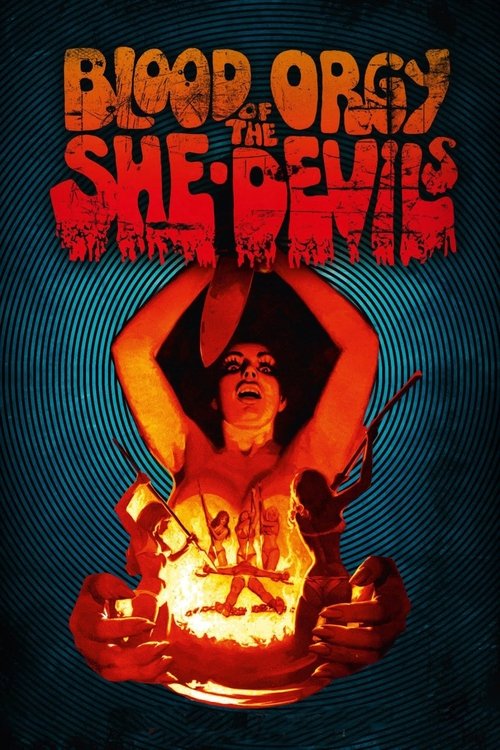
Blood Orgy of the She-Devils
1973Lorraine and Mark enter the world of witchcraft where Mara foretells the future and helps them remember their past lives. When a series of mysterious murders begin to occur, they turn to Dr. Helsford for advice.
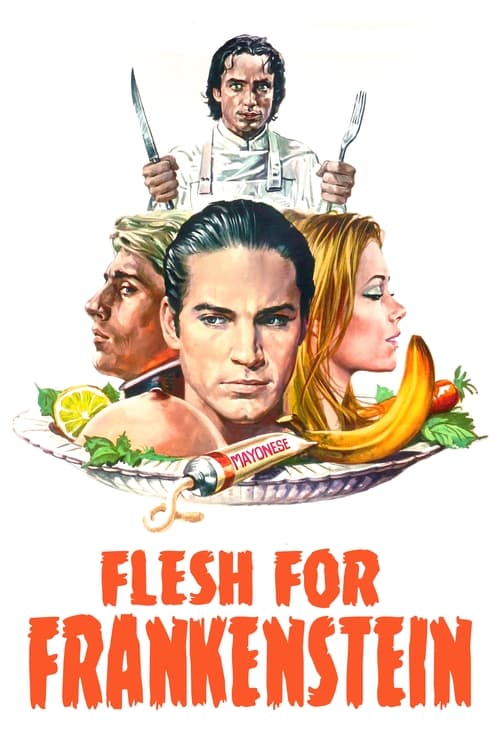
Flesh for Frankenstein
1973Within the decadent walls of the Frankenstein mansion, the Baron and his depraved assistant Otto have discovered the means of creating new life. As the Baron's laboratory begins to fill up with stitched body parts, the Baroness dallies with the randy new manservant and soon the decadent, permissive household is consumed by an outrageous, bizarre and hilarious combination of death and dismemberment.
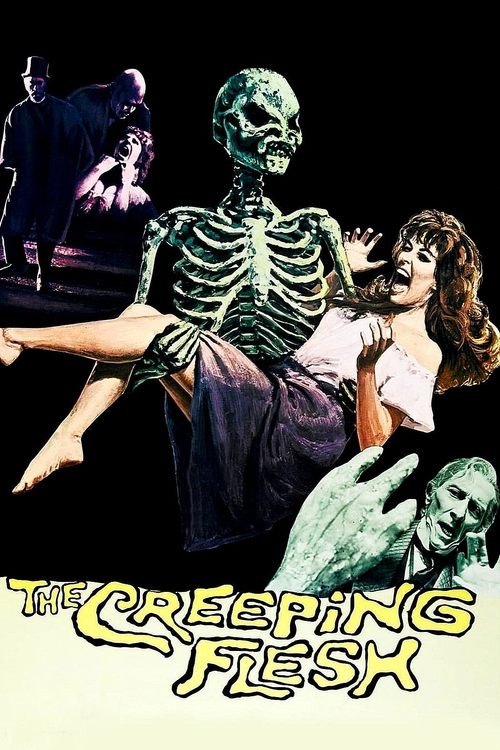
The Creeping Flesh
1973A Victorian scientist returns to London with his paleontological bag-of-bones discovery from Papua New Guinea. Unfortunately, when exposed to water, flesh returns to the bones, unleashing a malevolent entity on the scientist's family and friends.
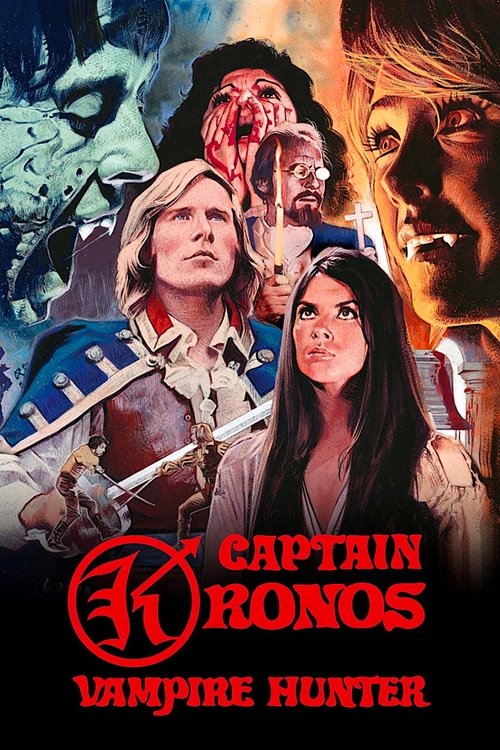
Captain Kronos: Vampire Hunter
1973When several young girls are found dead, left hideously aged and void of blood, Dr. Marcus suspects vampirism. He enlists the help of the Vampire Hunter. Mysterious and powerful, Kronos has dedicated his life to destroying the evil pestilence. Once a victim of its diabolical depravity, he knows the vampire's strengths and weaknesses as well as the extreme dangers attached to confronting the potent forces of darkness.
Dracula
1973This 1973 Canadian TV movie adaptation of DRACULA played on CBC's Purple Playhouse program. Norman Welsh plays the vampire count that resembles Stoker's original vision for the character.
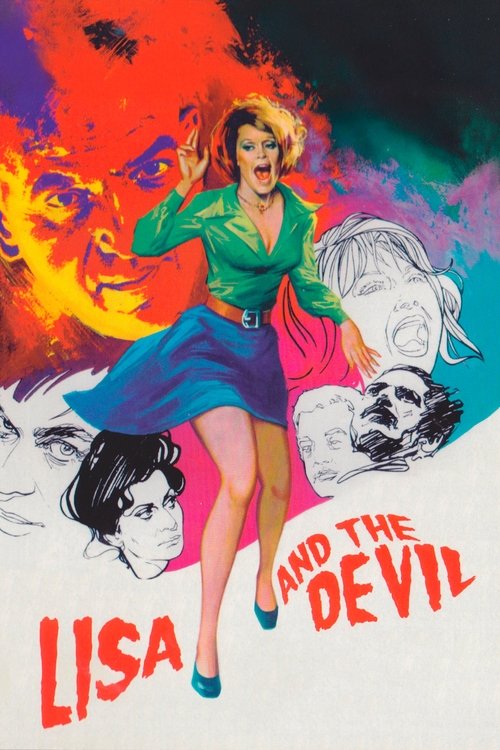
Lisa and the Devil
1973Lisa is a tourist in an ancient city. When she gets lost, she finds an old mansion in which to shelter. Soon she is sucked into a vortex of deception, debauchery and evil presided over by housekeeper Leandre.
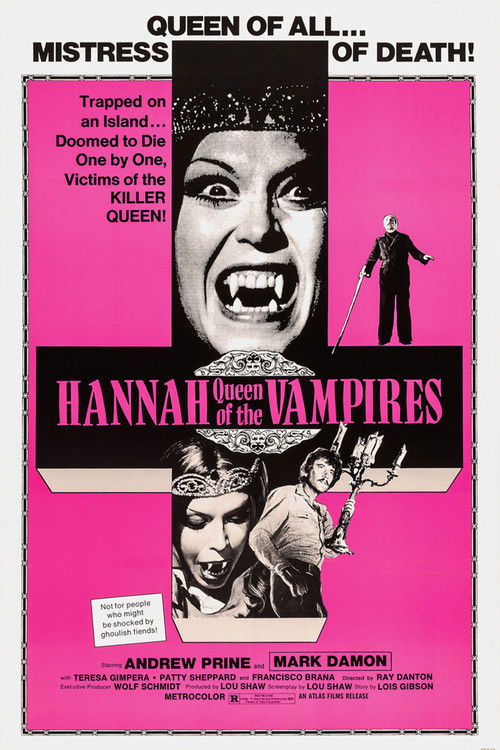
Hannah, Queen of the Vampires
1973Two archaeologists on a scientific dig come across a vampire burial ground and discover that the creatures are about to awaken and attack a nearby village.
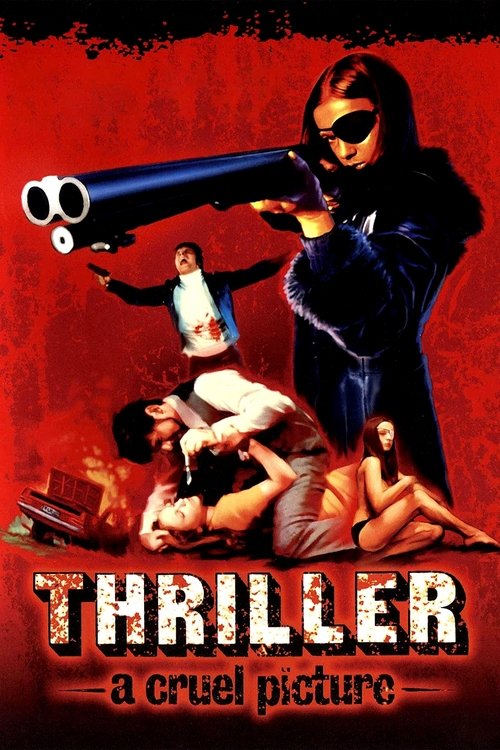
Thriller: A Cruel Picture
1973Madeleine, rendered mute after being sexually assaulted as a youth, accepts a lift from a wealthy and sadistic pimp who soon enslaves her into his prostitution racket. Despite her limited means, Madeleine embarks on a bloody road to revenge against her captors.
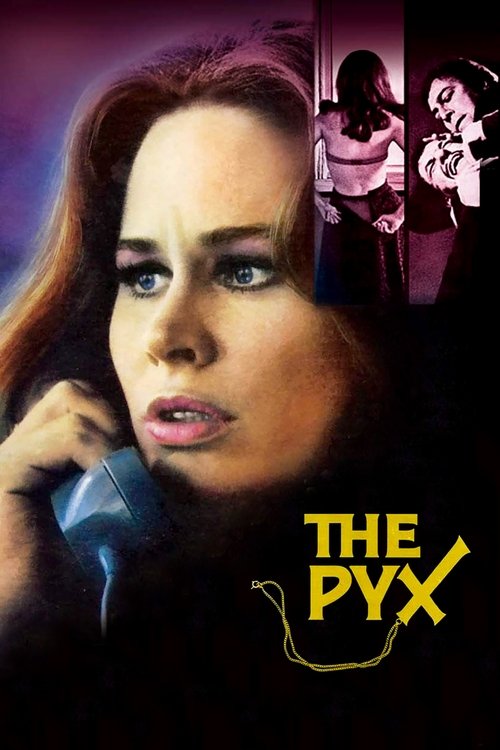
The Pyx
1973A detective investigating the death of a heroin-addicted prostitute uncovers evidence pointing to the existence of a murderous devil cult.
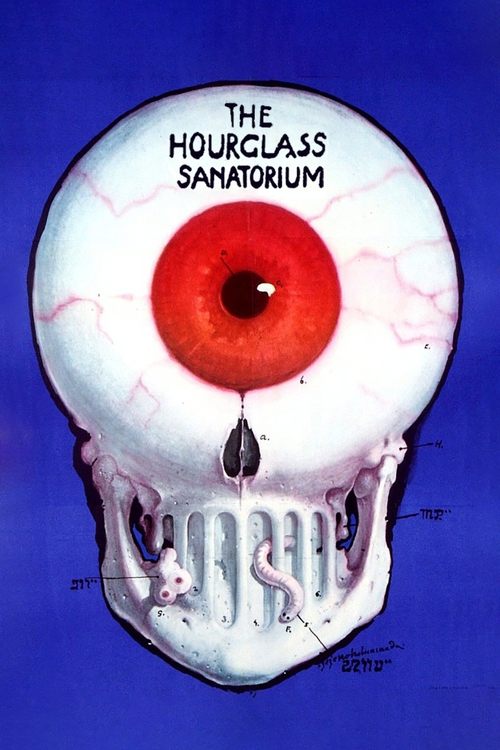
The Hourglass Sanatorium
1973Jozef visits a dilapidated Sanatorium to see his father. Jozef undertakes a strange journey through the many rooms of the sanatorium, each which conjures worlds composed of his memories, dreams and nightmares.
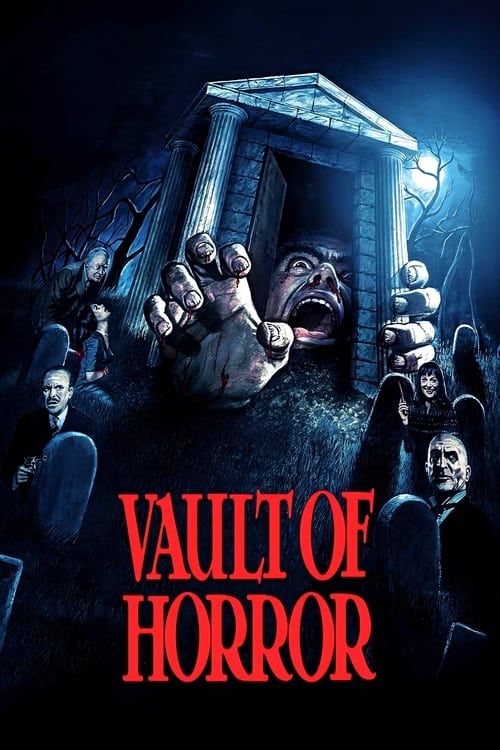
The Vault of Horror
1973The sequel to Tales from the Crypt. Five strangers trapped in a basement vault converse about their recurring nightmares. Their stories include vampires, bodily dismemberment, east Indian mysticism, an insurance scam, and an artist who kills by painting his victims' deaths.
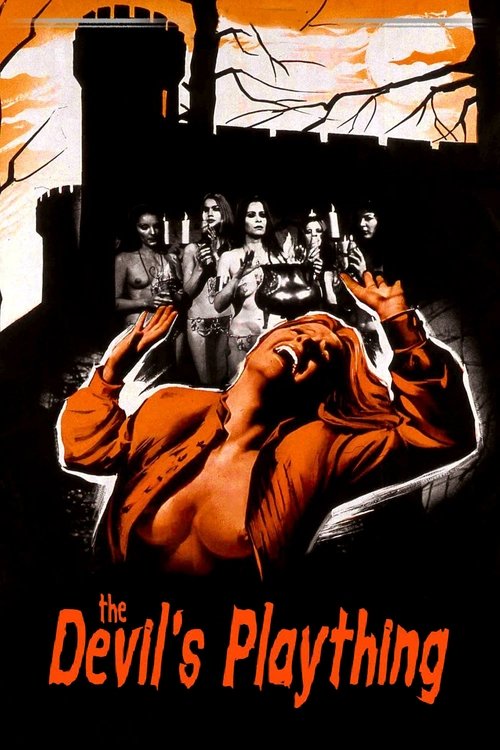
The Devil's Plaything
1973Three women head home to collect their inheritance, but they stumble upon a group of witches trying to bring their vampire leader back to life.
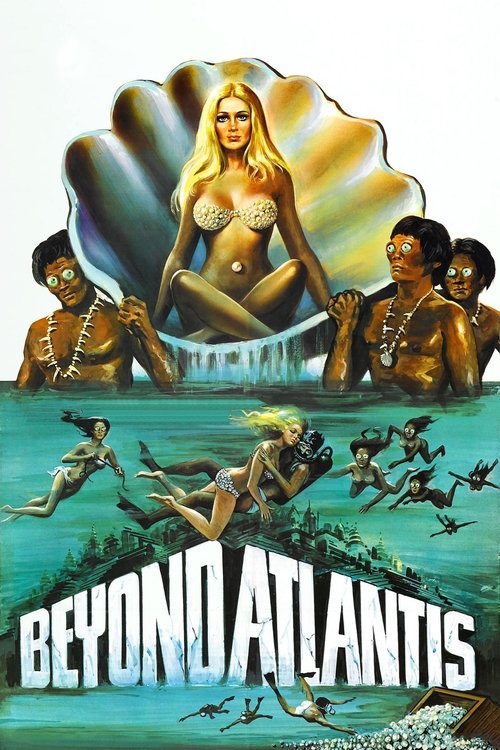
Beyond Atlantis
1973A band of adventurers invade a native island determined to grab a reported fortune in buried treasure.
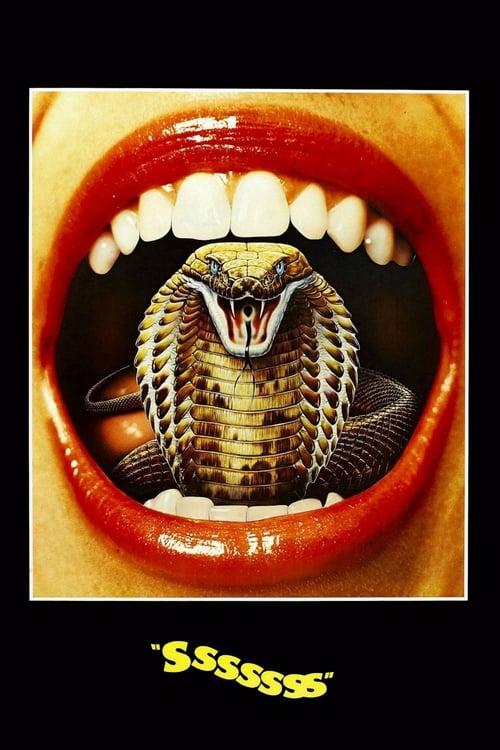
Sssssss
1973David, a college student, is looking for a job. He is hired by Dr. Stoner as a lab assistant for his research and experiments on snakes. David also begins to fall for Stoner's young daughter, Kristina. However, the good doctor has secretly brewed up a serum that can transform any man into a King Cobra snake-and he plans to use it on David.
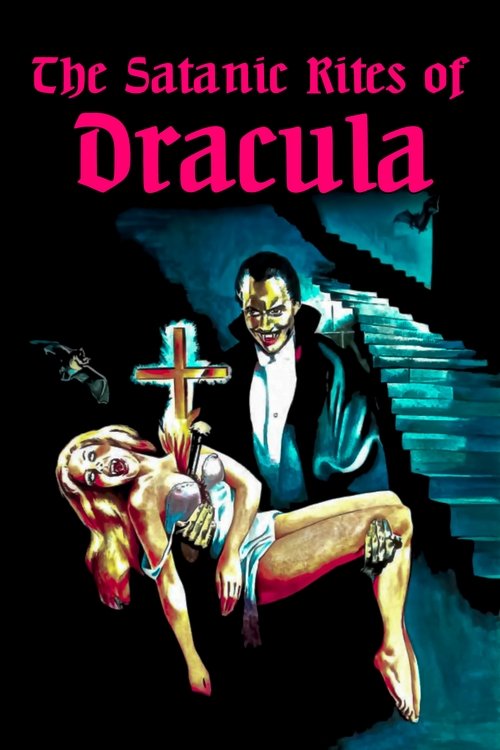
The Satanic Rites of Dracula
1973The police and British security forces call in Professor Van Helsing to help them investigate Satanic ritual which has been occurring in a large country house, and which has been attended by a government minister, an eminent scientist and secret service chief. The owner of the house is a mysterious property tycoon who is found to be behind a sinister plot involving a deadly plague. It is in fact Dracula who, sick of his interminable existence, has decided that he must end it all in the only possible way- by destroying every last potential victim.
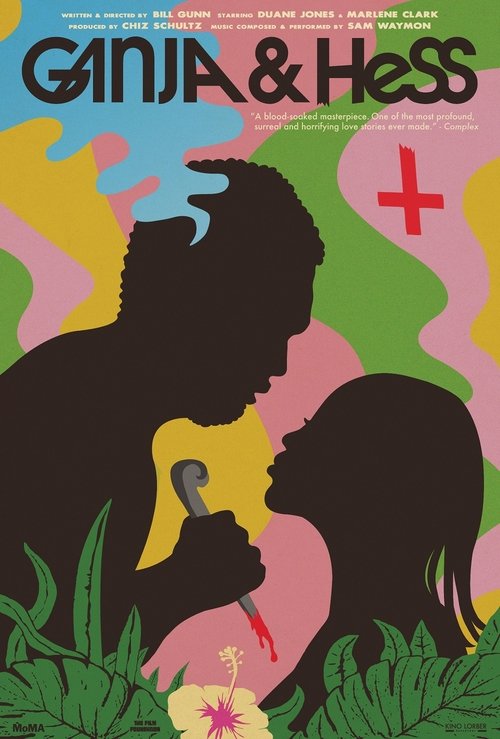
Ganja & Hess
1973After being stabbed with an ancient, germ-infested knife, a doctor finds himself with an insatiable desire for blood.
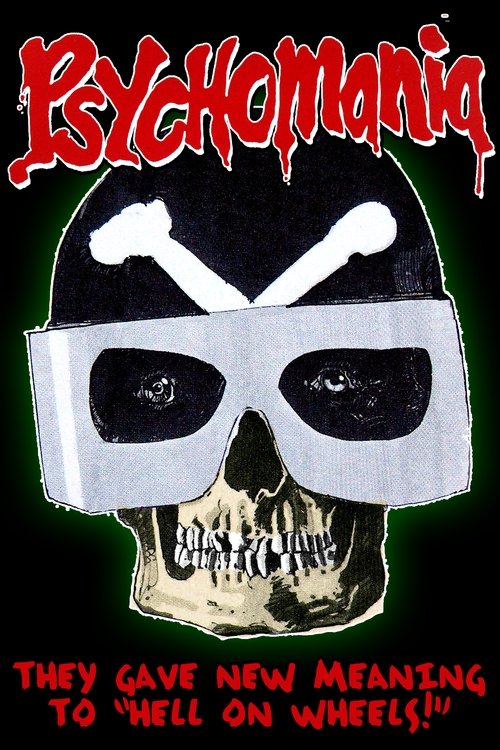
Psychomania
1973A gang of young people call themselves the Living Dead. They terrorize the population from their small town. After an agreement with the devil, if they kill themselves firmly believing in it, they will survive and gain eternal life. Following their leader, they commit suicide one after the other, but things don't necessarily turn out as expected...
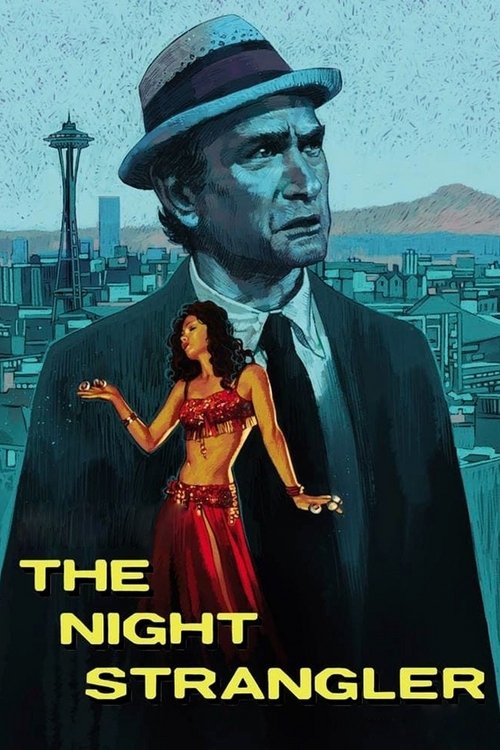
The Night Strangler
1973After being run out of Las Vegas, reporter Carl Kolchak heads for Seattle and another reporting job with the local paper. It's not long before he’s on the trail of another string of bizarre murders. It seems that every 21 years, for the past century, a killer murders a certain number of people, drains them of their blood, and then disappears into the night. Kolchak is on his trail, but can he stop him?
Expanding on the investigative horror of its predecessor, this sequel utilizes subterranean Seattle to create a suffocating sense of historical rot. Dan Curtis masterfully maintains a brisk, pulpy momentum while deepening the lore of its iconic, hat-clad protagonist.
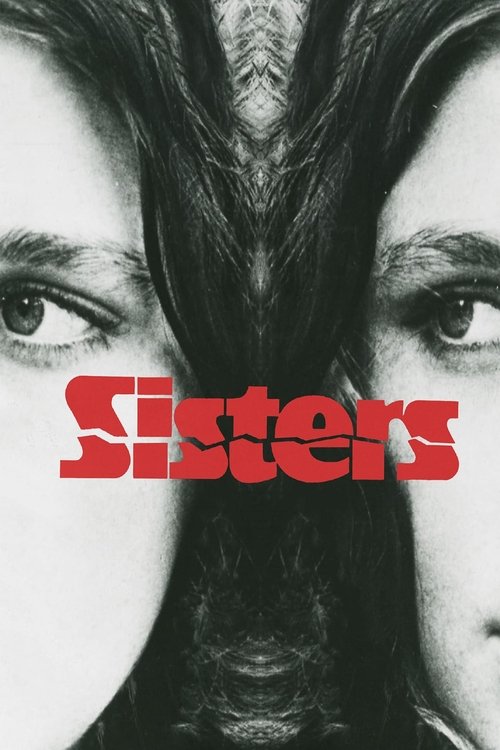
Sisters
1973Inquisitive journalist Grace Collier is horrified when she witnesses her neighbor, fashion model Danielle Breton, violently murder a man. Panicking, she calls the police. But when the detective arrives at the scene and finds nothing amiss, Grace is forced to take matters into her own hands. Her first move is to recruit private investigator Joseph Larch, who helps her to uncover a secret about Danielle's past that has them both seeing double.
Brian De Palma’s voyeuristic sensibilities find their footing in this split-screen odyssey of fractured identity and Hitchcockian suspense. It is a sharp, jagged piece of filmmaking that explores the violent intersection of medical ethics and repressed trauma.
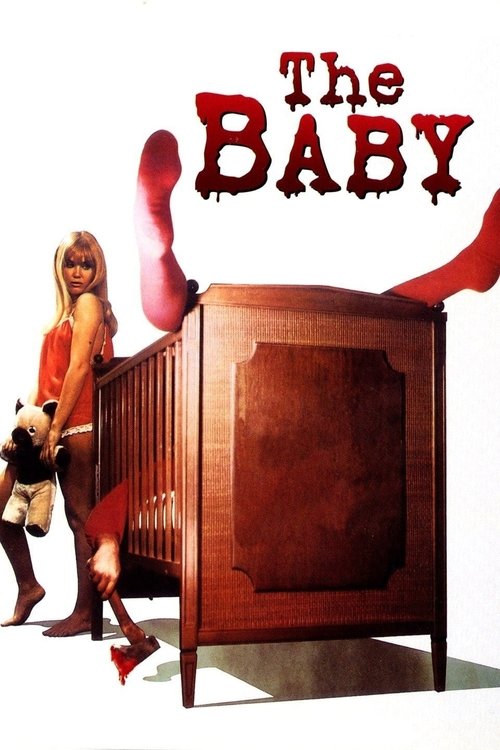
The Baby
1973A social worker who recently lost her husband investigates the strange Wadsworth family. The Wadsworths might not seem too unusual to hear about them at first - consisting of the mother, two grown daughters and the diaper-clad, bottle-sucking baby. The problem is, the baby is twenty-one years old.
This surreal domestic nightmare ventures into the deeply taboo to create a sense of profound psychological discomfort. It stands as a unique, fringe masterpiece of the seventies that weaponizes maternal instinct into something unrecognizable and truly perverse.
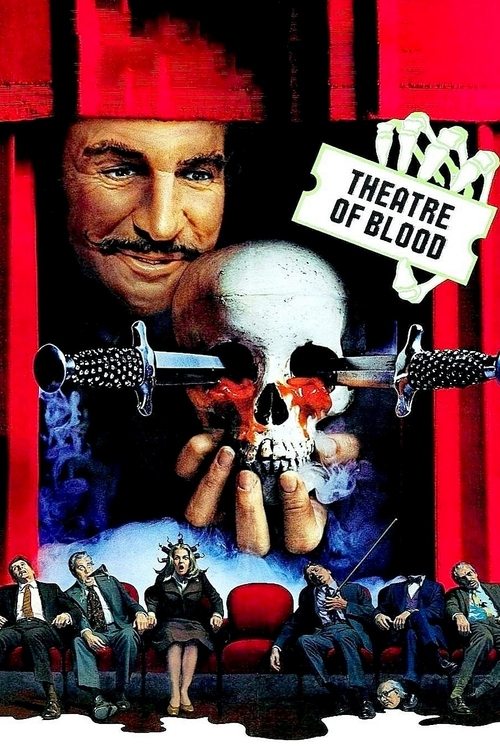
Theatre of Blood
1973A Shakespearean actor takes poetic revenge on the critics who denied him recognition.
Vincent Price delivers a career-defining performance in this macabre marriage of Shakespearean high art and Grand Guignol excess. The film brilliantly balances pitch-black comedy with inventive cruelty, mocking the very nature of vanity and critical reception.
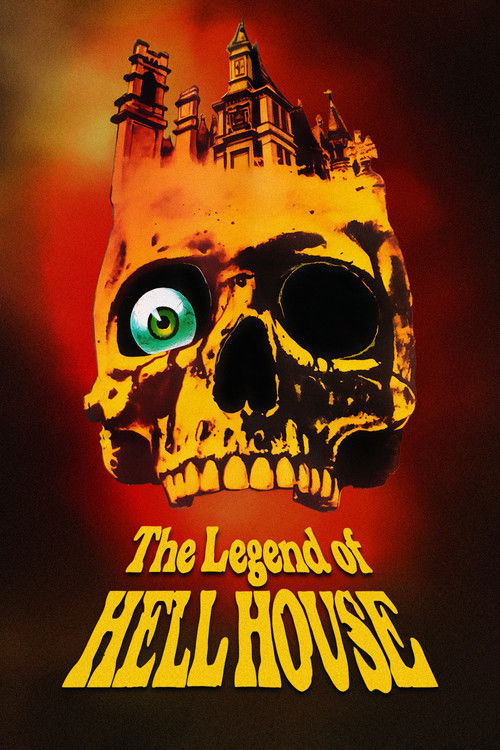
The Legend of Hell House
1973A team consisting of a physicist, his wife, a young female psychic, and the only survivor of the previous visit are sent to the notorious Hell House to prove or disprove survival after death. Previous visitors have either been killed or gone mad, and it is up to the team to survive a full week in isolation, and solve the mystery of the Hell House.
Richard Matheson’s screenplay injects a cold, scientific rigor into the classic haunted house formula, replacing gothic whimsy with aggressive psychic phenomena. The film’s mechanical precision and oppressive production design make the titular estate feel like a living, predatory adversary.
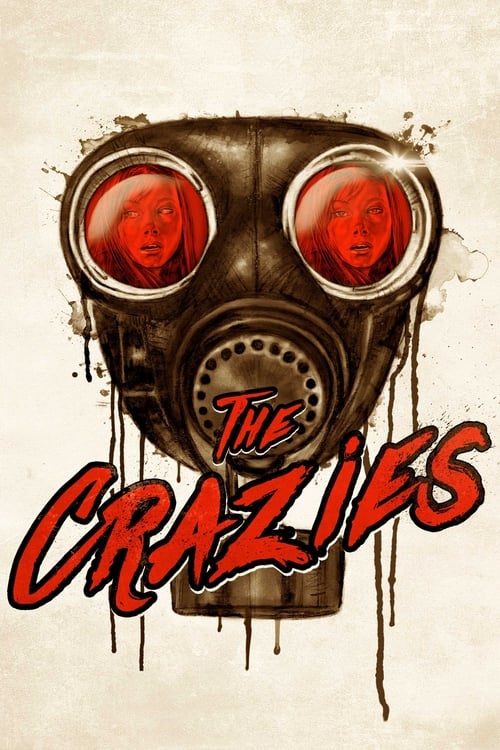
The Crazies
1973The military attempts to contain a manmade virus causing death and permanent insanity in those infected, as it overtakes a small Pennsylvania town.
George A. Romero’s biting social critique weaponizes biological warfare to showcase a society eroding from within. It is a cynical, high-energy descent into chaos where the military response is just as lethal and unpredictable as the simmering madness of the citizenry.
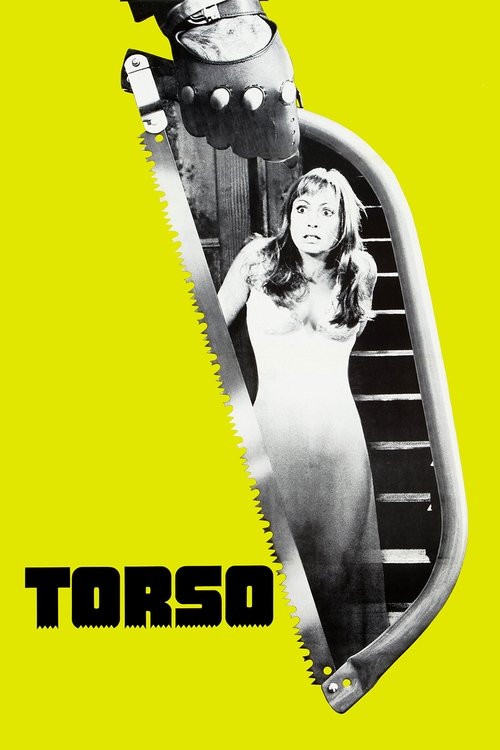
Torso
1973A masked serial killer with psychosexual issues strangles female coeds with scarves before dismembering them. When a wealthy student identifies one of the scarves and thinks she has a lead on a suspect, she becomes the killer's next target, retreating to her family's remote cliffside villa with three of her girlfriends.
Sergio Martino elevates the giallo template with a gritty, proto-slasher intensity that trades stylistic artifice for sweating, claustrophobic suspense. The film’s final act serves as a masterclass in sustained tension, proving that silence is often more terrifying than a piercing scream.
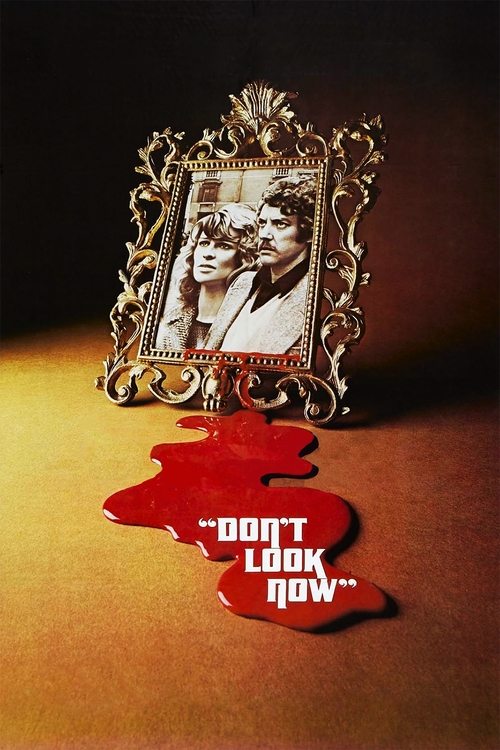
Don't Look Now
1973While grieving a terrible loss, a married couple meet two mysterious sisters, one of whom gives them a message sent from the afterlife.
Nicolas Roeg crafts a fragmented, psychic labyrinth where grief manifests through jagged editing and haunting Venetian vistas. It is a sophisticated exercise in atmospheric tension that treats the supernatural as a tragic protrusion of the subconscious.
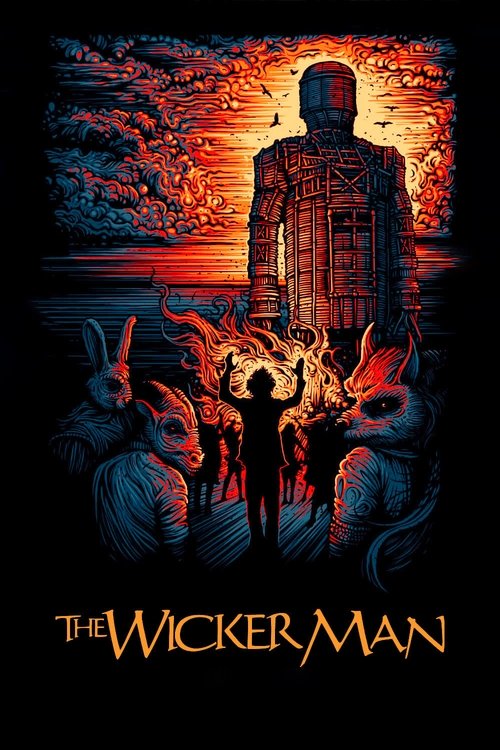
The Wicker Man
1973Police sergeant Neil Howie is called to an island village in search of a missing girl whom the locals claim never existed. The investigation is further complicated as Howie’s religious views clash with those of the island’s residents.
This folk-horror landmark eschews shadows for solar-drenched dread, culminating in a chilling collision between modern authority and ancient, rhythmic paganism. Its power lies in the unsettling realization that the most terrifying monsters are those fueled by fervent, unshakeable belief.
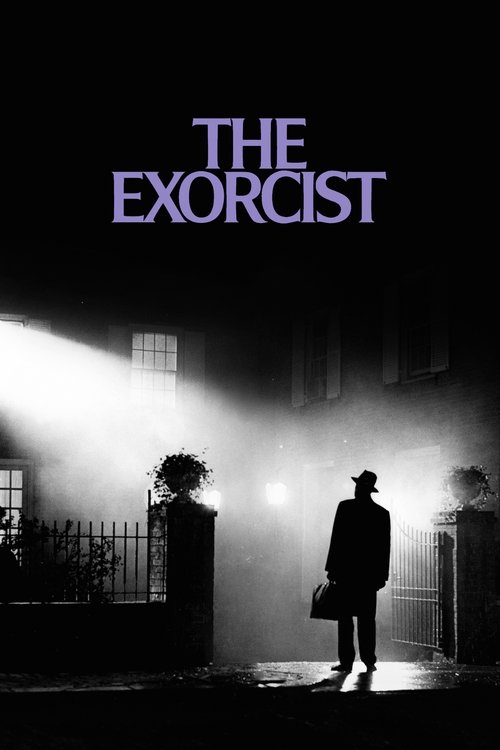
The Exorcist
1973When a mysterious entity possesses a young girl, her mother seeks the help of two Catholic priests to save her life.
William Friedkin’s visceral masterpiece shattered the genre's boundaries by grounding supernatural terror in a raw, clinical realism that remains unparalleled. It is a profound assault on the senses that transformed cultural anxieties into a permanent cinematic scar.
Frequently Asked Questions
Everything you need to know about this list and SnakeDrafts
- 1973 marked a critical shift in horror cinema, moving away from gothic and campy storytelling to more realistic and psychologically driven narratives. This change mirrored societal anxieties of the time, with films exploring deeper themes of fear, disillusionment, and the breakdown of traditional social norms.
- "The Exorcist" is a quintessential 1973 horror film that combines supernatural terror with intense psychological drama. Its groundbreaking special effects and profound exploration of faith and evil set a new standard for horror movies, influencing countless films in the genre.
- Yes, several films from 1973 seamlessly blend horror with other genres. For example, "Don't Look Now" mixes thriller, drama, and horror elements, while "The Crazies" combines horror with science fiction and action, showcasing the genre's expanding boundaries during this era.
- Folklore and myth significantly influenced 1973 horror films, as seen in "The Wicker Man," which delves into pagan rituals and cultural myths to evoke a chilling atmosphere. This approach enriched storytelling by intertwining horror with deep-rooted cultural fears and traditions.
- Several 1973 horror movies incorporate mystery and thriller elements, such as "Torso," which blends murder mystery with slasher horror, and "Sisters," which intertwines psychological suspense with horror. These hybrids kept audiences engaged with complex narratives and suspenseful storytelling.
- 1973 horror films often reflect the era's social and political unrest by exploring themes of distrust, chaos, and societal breakdown. Movies like "The Crazies" capture fears of contamination and loss of control, mirroring Cold War anxieties and a growing skepticism toward authority.
- Yes, "Theatre of Blood" is a notable example of a 1973 horror film that incorporates dark comedy alongside traditional horror. This blend provides a satirical take on the genre, using humor to amplify the macabre and engage audiences in a unique way.
- Supernatural thrillers from 1973, such as "The Exorcist," distinguish themselves through a focus on psychological depth and raw realism. Unlike earlier gothic horrors, these films present supernatural terror in contemporary settings, heightening the immediacy and impact of the fear experienced by characters and viewers alike.